8 Gardening Tasks Minnesota Residents Should Do Now To Prepare For Spring
Even with snow on the ground, Minnesota gardeners can take advantage of this quiet stretch to set themselves up for a smoother spring.
Small tasks done now often save time and frustration later, especially once planting season arrives all at once.
Focusing on preparation during winter helps gardens wake up healthier, more organized, and ready to grow as soon as conditions improve.
1. Test Your Soil Quality
Understanding what nutrients your soil contains makes all the difference when planning what to plant and how to fertilize your Minnesota garden beds.
Soil testing kits are available at local garden centers, or you can send samples to the University of Minnesota Extension for detailed analysis results.
Early spring provides the perfect opportunity to collect samples because the ground has thawed but planting season has not yet started in full swing.
Results typically show pH levels, nitrogen content, phosphorus amounts, and potassium presence, which all affect how well plants grow in your yard.
Knowing your soil composition helps you add the right amendments, like lime to raise pH or sulfur to lower it for specific plant needs.
Minnesota soils often need adjustments because of regional characteristics, so testing ensures you start with a strong foundation for healthy plant development.
This simple task prevents wasted money on unnecessary fertilizers and helps you create the ideal growing environment for vegetables, flowers, and shrubs alike.
2. Prune Dormant Trees and Shrubs
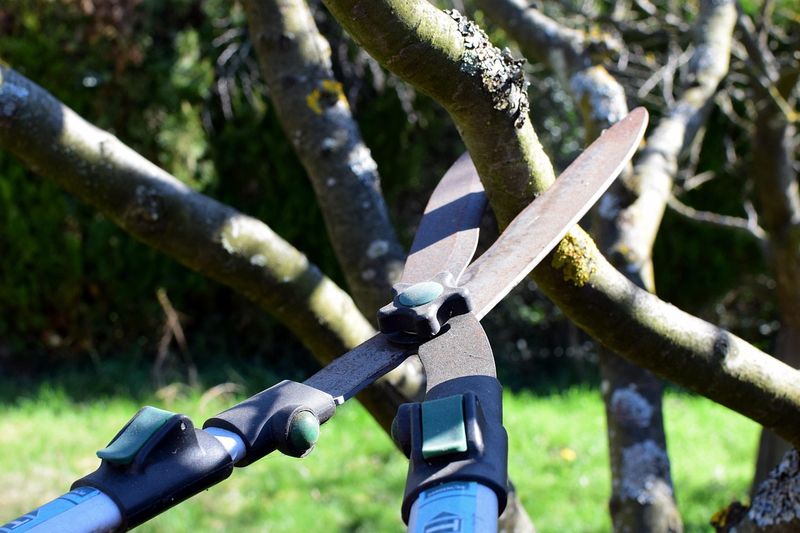
Late winter and early spring offer the best window for trimming trees and shrubs because plants remain dormant and wounds heal quickly once growth resumes.
Removing dead, damaged, or crossing branches improves air circulation, reduces disease risk, and encourages stronger growth when warm weather arrives in Minnesota gardens.
Fruit trees especially benefit from careful pruning now, as it shapes their structure and increases the amount of sunlight reaching interior branches for better yields.
Sharp, clean tools make smooth cuts that heal faster, so always sanitize your pruning shears with rubbing alcohol between cuts to prevent spreading infections.
Focus on removing branches that grow inward or rub against each other, which can create wounds where pests and diseases easily enter the plant tissue.
Minnesota winters can cause breakage, so inspect all woody plants for storm damage and remove broken limbs before they become safety hazards or entry points for problems.
Proper pruning now sets the stage for vigorous spring growth and a more attractive, productive landscape throughout the entire growing season ahead.
3. Clean and Organize Garden Tools
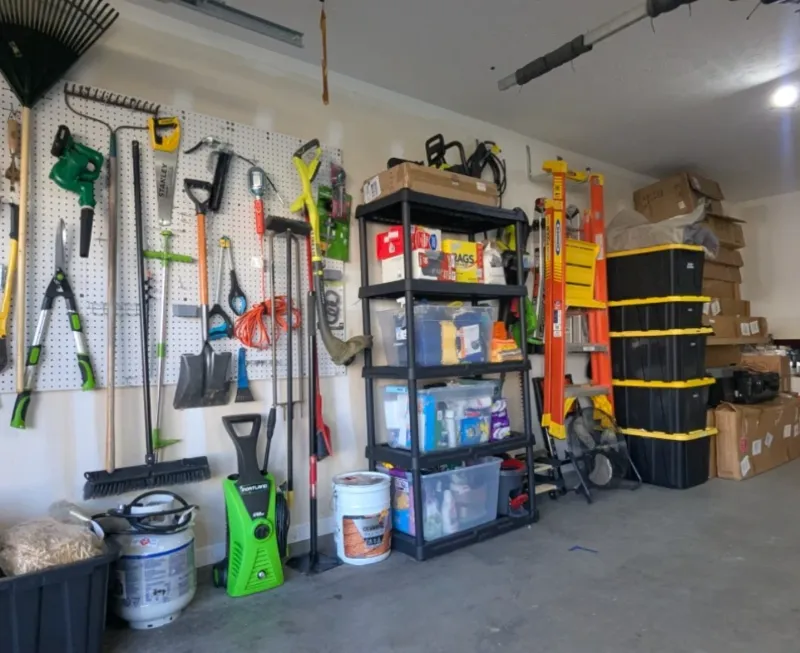
Garden tools work harder and last longer when properly maintained, and tackling this task now means everything is ready when planting time arrives in Minnesota.
Start by removing dried soil and plant residue from shovels, trowels, rakes, and hoes using a stiff brush and warm soapy water for thorough cleaning.
Inspect each tool for rust spots, which can be removed with steel wool or a wire brush, then apply a light coat of oil to prevent future corrosion.
Sharpening blade edges on hoes, pruners, and spades makes digging and cutting easier, reducing strain on your body while improving overall work efficiency outdoors.
Check wooden handles for splinters or cracks, sanding rough spots smooth and applying linseed oil to prevent drying and splitting during heavy use this season.
Organizing tools in a designated storage area saves time searching for what you need and protects them from weather damage throughout the Minnesota growing months.
Clean, sharp, well-organized equipment transforms gardening from a frustrating chore into an enjoyable activity, making every task quicker and more satisfying to complete.
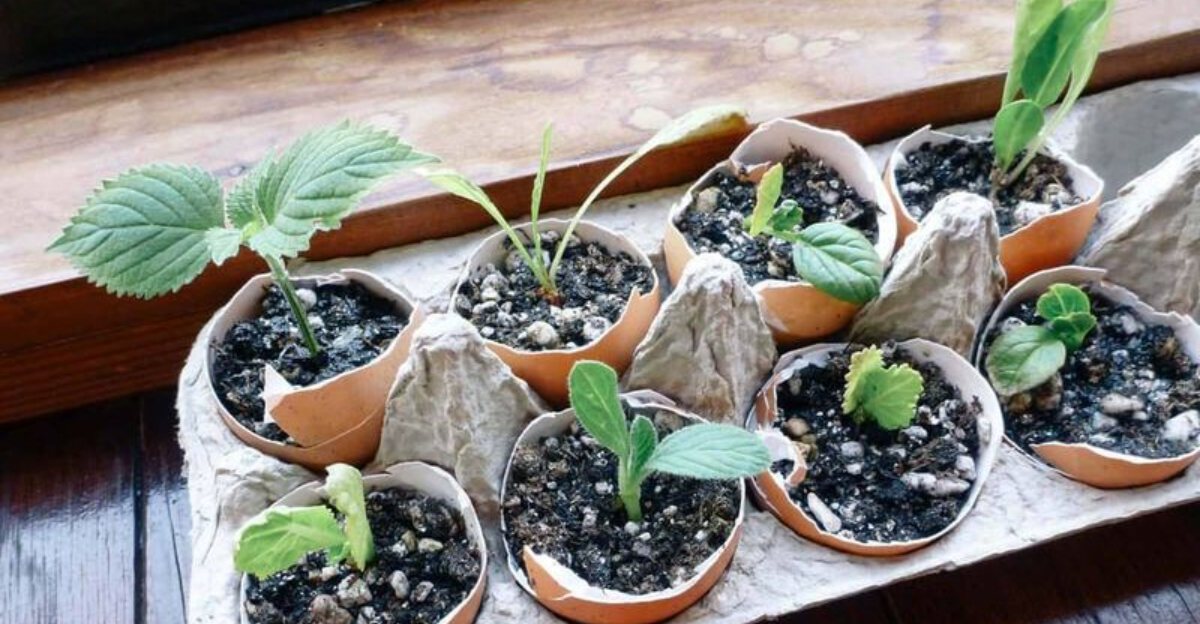
4. Start Seeds Indoors
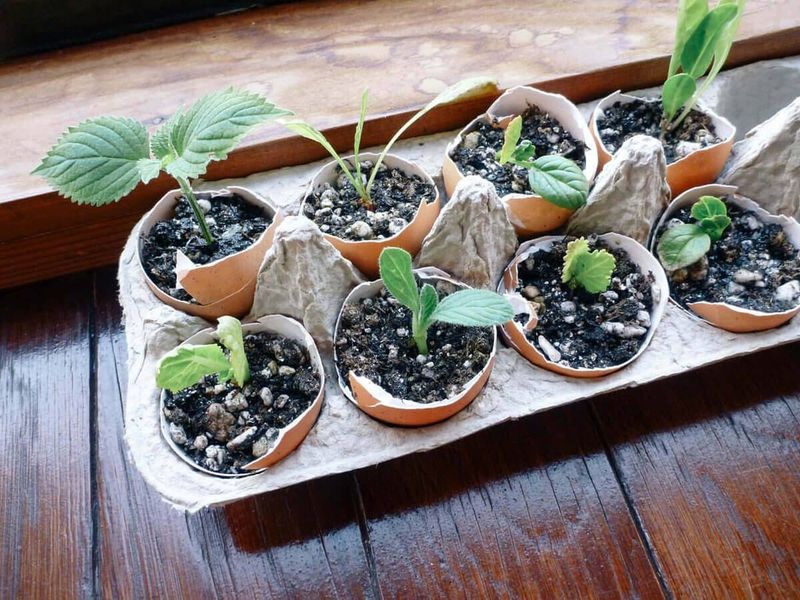
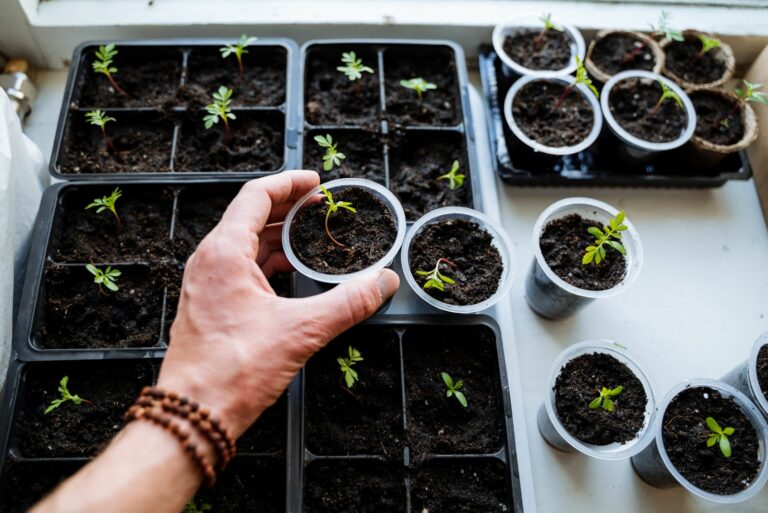
Minnesota’s short growing season makes starting seeds indoors essential for warm-season crops like tomatoes, peppers, and eggplants that need extra time to mature properly.
Calculate your last expected frost date, usually mid-May for most Minnesota regions, then count backward to determine the perfect time to start each seed variety.
Use sterile seed-starting mix rather than garden soil to prevent disease problems, and plant seeds at the depth recommended on each packet for best results.
Place trays near south-facing windows or under grow lights that stay on for fourteen to sixteen hours daily to provide adequate light for strong growth.
Keep soil consistently moist but not waterlogged, as too much water causes damping-off disease that makes seedlings collapse and fail to develop properly overnight.
Transplant seedlings into larger containers once they develop their second set of true leaves, giving roots more space to expand before moving plants outdoors.
Starting seeds indoors gives Minnesota gardeners a head start on the growing season, resulting in earlier harvests and healthier plants throughout the summer months.
5. Prepare Garden Beds for Planting
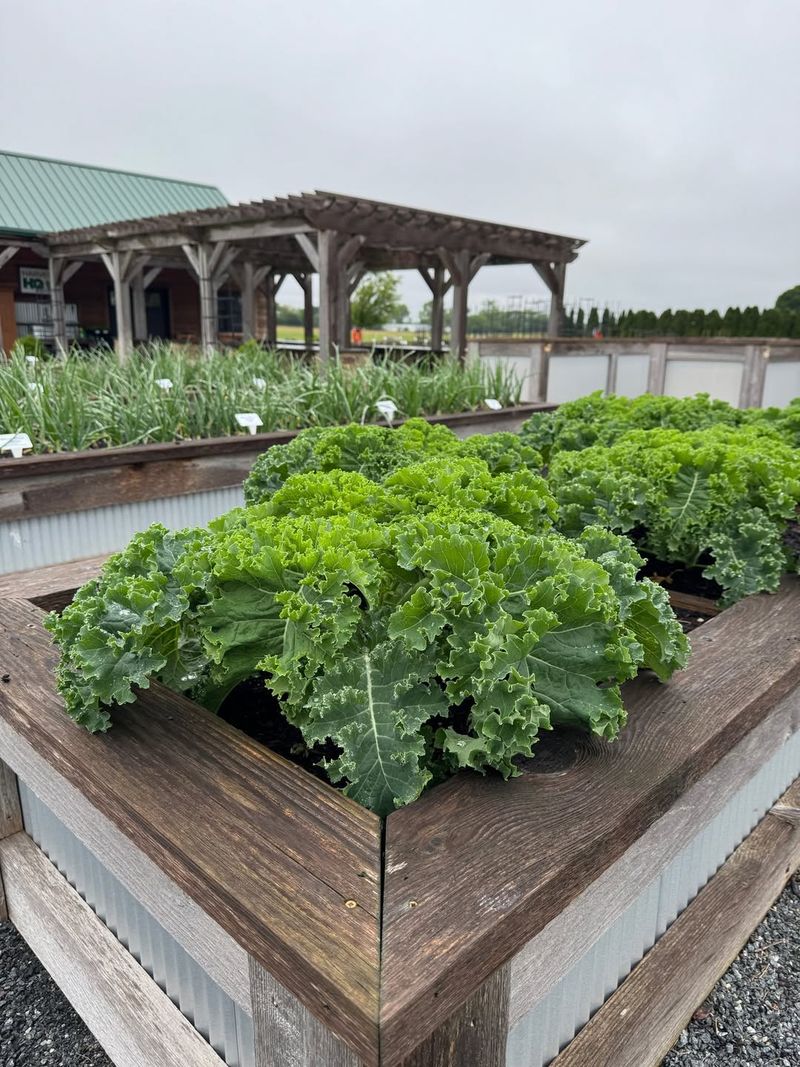
Working compost and organic matter into your garden beds now enriches the soil and creates the perfect growing environment for Minnesota vegetables and flowers this season.
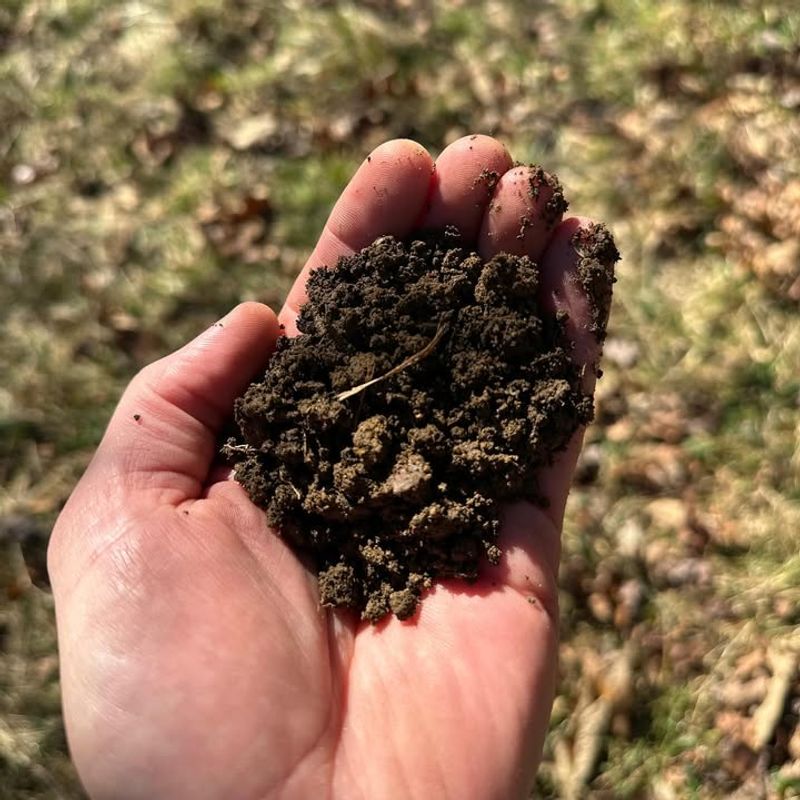
Wait until the ground thaws completely and soil crumbles easily in your hand rather than forming a muddy ball when squeezed to avoid compacting wet earth.
Spread a two to four inch layer of finished compost or well-rotted manure over beds, then gently turn it into the top six to eight inches of soil.
Adding organic material improves soil structure, increases water retention, and provides slow-release nutrients that feed plants steadily throughout the entire growing season in Minnesota gardens.
Remove any weeds that have started growing, pulling them out by the roots before they spread and become a bigger problem later on.
Consider creating raised beds if drainage is poor in your yard, as they warm up faster in spring and provide better growing conditions for most vegetables.
Well-prepared beds give plants the best possible start, leading to stronger root development, better yields, and fewer problems with pests and diseases all summer long.
6. Inspect and Repair Garden Structures
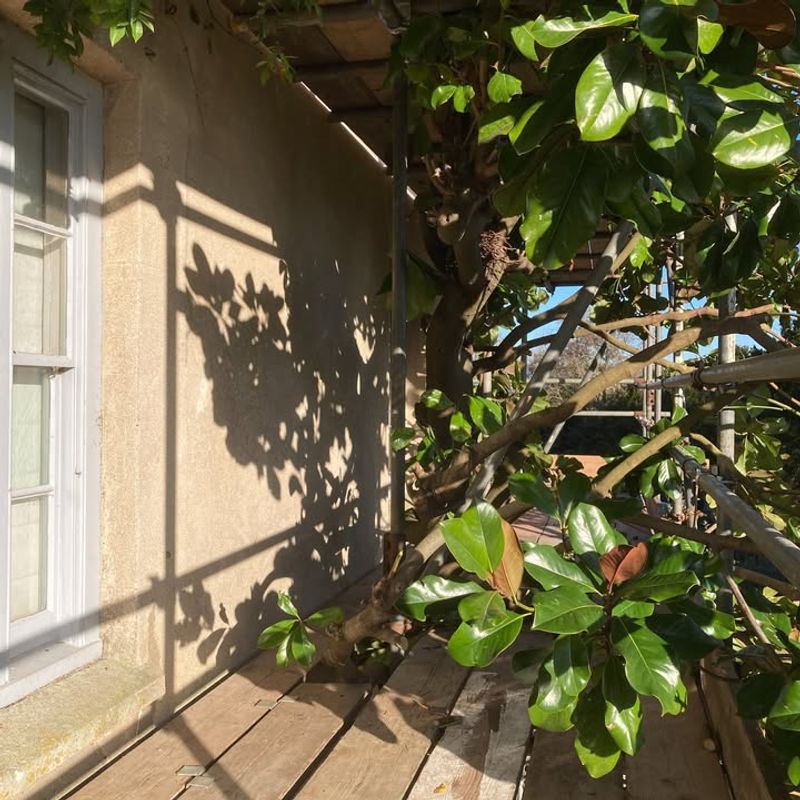
Winter weather in Minnesota can damage trellises, raised beds, cold frames, and other garden structures, so inspecting and repairing them now prevents problems during planting season.
Check wooden structures for rot, loose screws, or weakened joints that need reinforcing or replacing before they support heavy plants and vegetables this growing year.
Clean greenhouse or cold frame panels with mild soap and water to remove dirt and algae that block sunlight, ensuring maximum light reaches plants inside.
Tighten bolts on metal arbors and stakes, and replace any bent or broken pieces that could fail under the weight of climbing vines or flowering plants.
Inspect fencing around vegetable gardens for holes or gaps that might allow rabbits, deer, or other wildlife to enter and damage your crops throughout the season.
Apply weatherproof sealant or paint to wooden structures to extend their lifespan and protect them from moisture damage during Minnesota’s wet spring and summer months ahead.
Taking time to repair and maintain garden structures now saves money on replacements and ensures everything functions properly when you need it most during busy planting times.
7. Plan Your Garden Layout
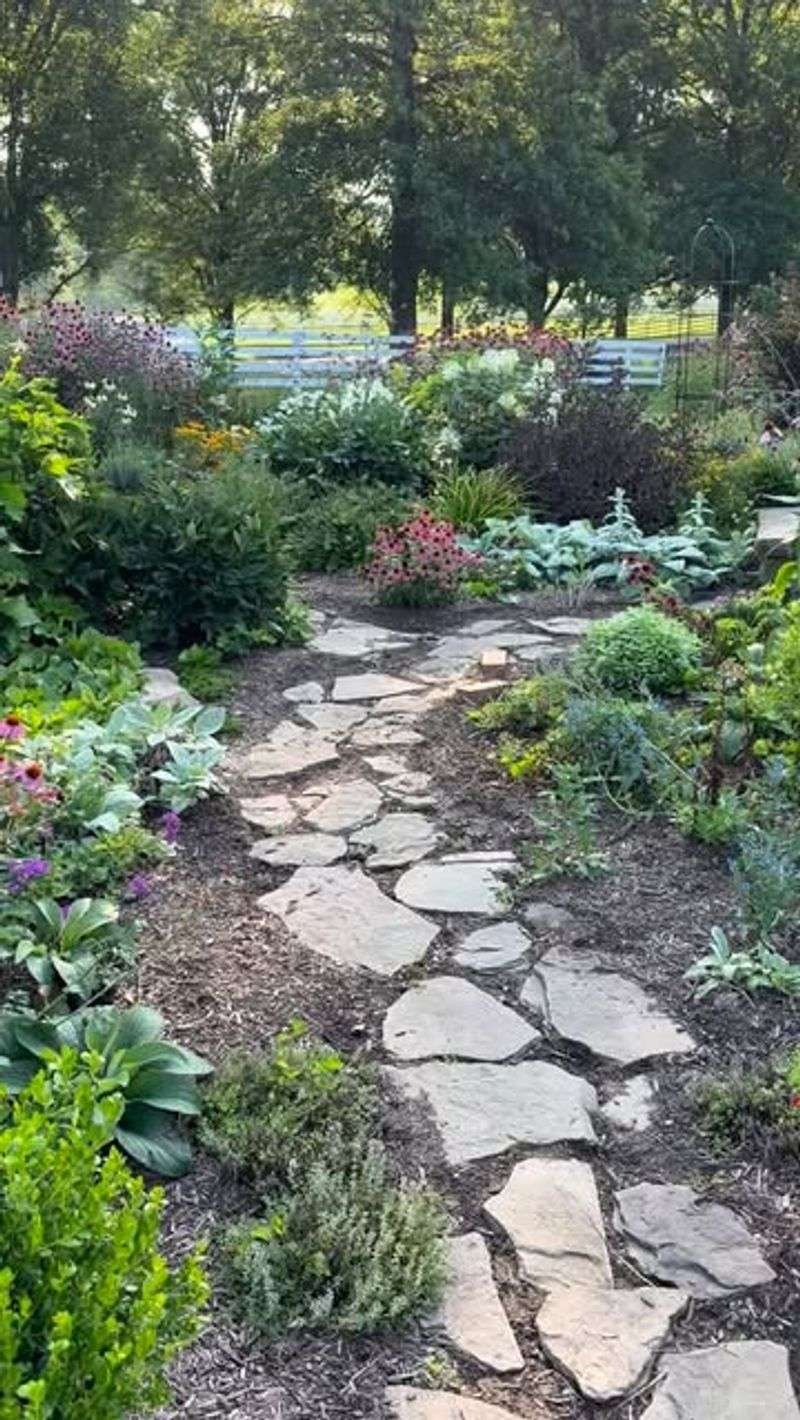
Careful planning before you plant saves time, maximizes space, and helps you avoid common mistakes that reduce yields and create extra work in Minnesota gardens.
Sketch your garden layout on paper, noting which plants grew in each spot last year to practice crop rotation and prevent soil-borne disease buildup.
Rotating plant families to different beds each season reduces pest problems and balances nutrient usage, keeping your Minnesota soil healthier year after year without chemical treatments.
Consider companion planting strategies, like growing basil near tomatoes or marigolds around vegetables, to naturally deter pests and improve growth through beneficial plant relationships.
Calculate how many plants you need based on your family’s eating habits and storage capacity to avoid overplanting and wasting produce at harvest time.
Plan for succession planting by noting when to sow quick-growing crops like lettuce and radishes every two weeks for continuous harvests throughout Minnesota’s growing months.
A well-thought-out garden plan helps you make the most of your space, time, and resources while creating a beautiful and productive landscape all season long.
8. Check Irrigation Systems
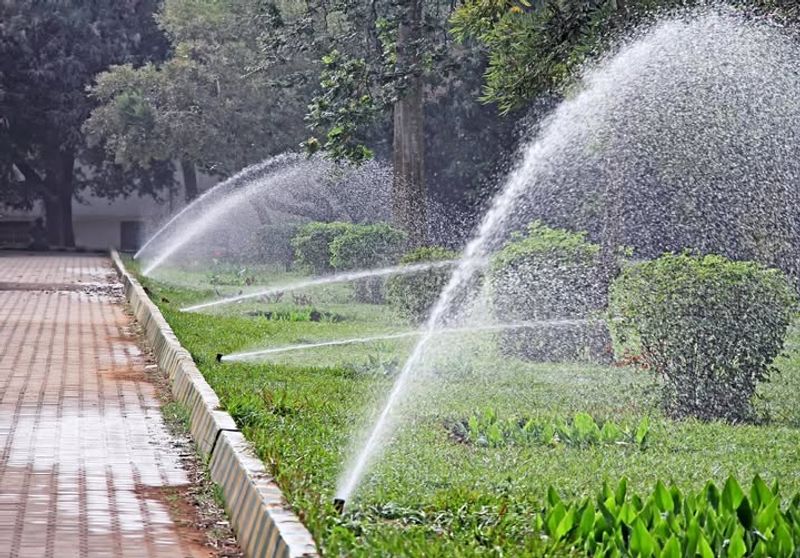
Irrigation systems need attention after Minnesota winters because freezing temperatures can crack pipes, damage emitters, and create leaks that waste water and money all season.
Turn on your system briefly to check for leaks, broken lines, or clogged sprinkler heads that need repair or replacement before regular watering schedules begin.
Flush drip irrigation lines to remove sediment and debris that accumulated during winter storage, ensuring even water distribution to all plants throughout the growing months.
Adjust sprinkler heads to direct water only onto garden beds and lawns, not sidewalks or driveways, which wastes this precious resource and increases your utility bills unnecessarily.
Consider installing rain barrels to collect runoff from your roof, providing free water for Minnesota gardens while reducing stormwater runoff that carries pollutants into local waterways.
Check timers and controllers to ensure they work properly, and update watering schedules based on current weather conditions rather than using last year’s settings without adjustments.
A functioning irrigation system makes watering easier and more efficient, helping your Minnesota garden thrive even during dry spells without constant manual watering every single day.