9 Gardening Trends Changing Suburban North Carolina Yards In 2026

Suburban North Carolina yards don’t look the same anymore, and once you notice the shift, it’s hard to unsee it.
Perfect lawns are giving way to choices that feel more relaxed, practical, and built around real life instead of appearances.
These changes aren’t loud or trendy for show, but they’re clearly reshaping how people use and enjoy their outdoor space.
In 2026, a handful of gardening trends are quietly redefining what suburban yards across North Carolina look like.
1. Native Plant Gardens Replace Traditional Lawns
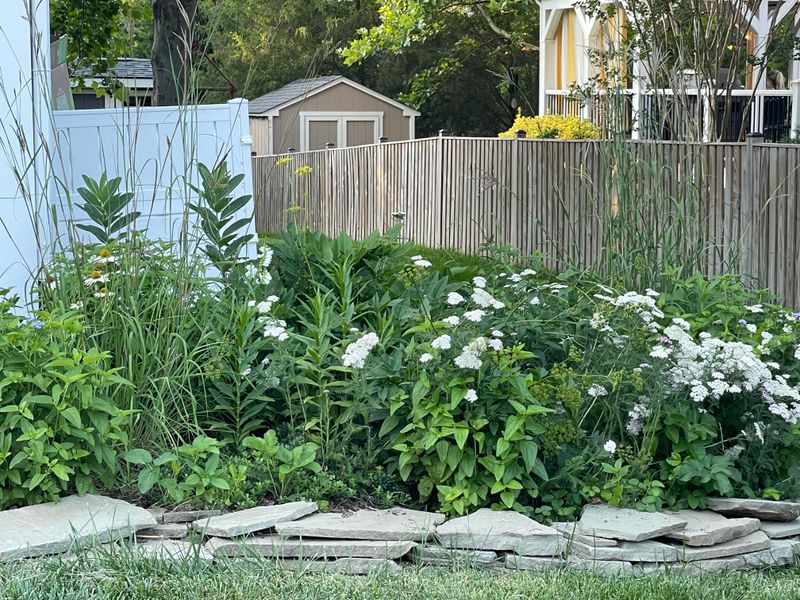
Homeowners throughout North Carolina are discovering the beauty and practicality of replacing grass lawns with gardens filled with regionally native plants.
Purple coneflowers, black-eyed Susans, and Carolina jessamine now fill front yards where uniform green turf once dominated suburban landscapes.
These indigenous species require far less water than grass because deep root systems evolved to thrive in local soil conditions.
Maintenance becomes easier since native plants resist regional pests and diseases without chemical treatments harming beneficial insects and pollinators.
Local wildlife benefits as native plantings provide food and habitat for butterflies, bees, and songbirds dependent on specific species.
Property values often increase when landscapes showcase thoughtfully designed native gardens enhancing curb appeal and environmental stewardship for buyers.
North Carolina gardeners appreciate staggered bloom times that provide continuous color and interest from early spring through late autumn.
Establishing gardens requires planning initially, but mature native landscapes need minimal intervention compared to constant mowing and watering demands.
Native gardens also help reduce runoff and soil erosion, keeping nutrients in place while supporting healthier landscapes during heavy rain events.
Many homeowners enjoy the sense of place these plantings create, reflecting North Carolina’s natural character rather than a generic lawn aesthetic.
2. Edible Landscaping Integrates Food Production
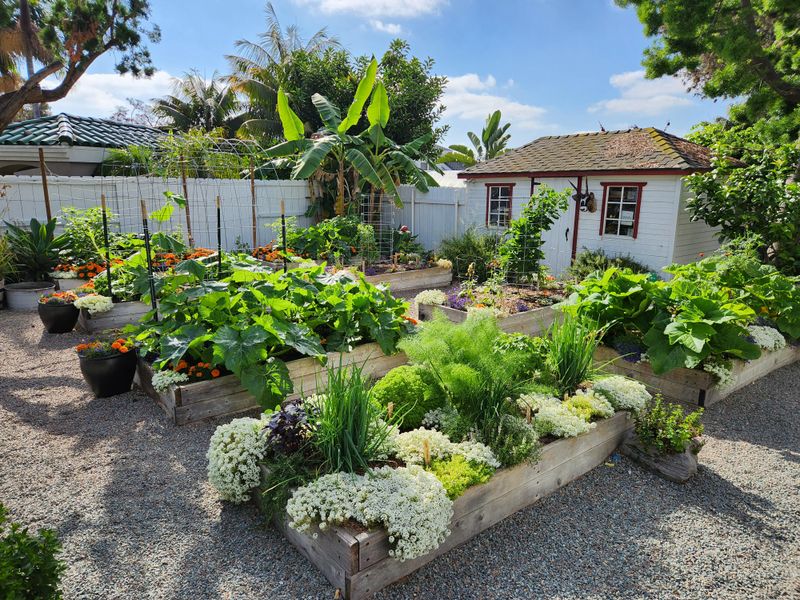
Blending vegetable patches with ornamental plantings grows popular as families produce fresh food without sacrificing outdoor aesthetic appeal.
Blueberry bushes double as foundation plantings while providing harvests, and fig trees offer shade and fruit during warm summers.
Herb borders featuring rosemary, thyme, and lavender create fragrant pathways supplying seasonings for home cooking most of the year.
Raised beds built from cedar or stone blend into landscapes, elevating vegetables from utilitarian plots into showcased features.
Vertical growing systems maximize production in small yards while creating living green screens offering privacy and visual interest.
Children engage more with healthy eating when growing food, making edible landscapes valuable educational tools strengthening family nutrition connections.
North Carolina’s extended growing season allows multiple plantings of cool-season crops, maximizing harvests from limited garden space.
Community conversations begin when neighbors notice unusual edibles, fostering connections and shared gardening knowledge among residents.
Edible landscapes also encourage seasonal eating, helping families reconnect with fresh flavors that change naturally throughout the year.
Many homeowners appreciate how food-producing plants turn everyday yard space into something productive without sacrificing beauty or neighborhood appeal.
3. Rain Gardens Manage Stormwater Naturally
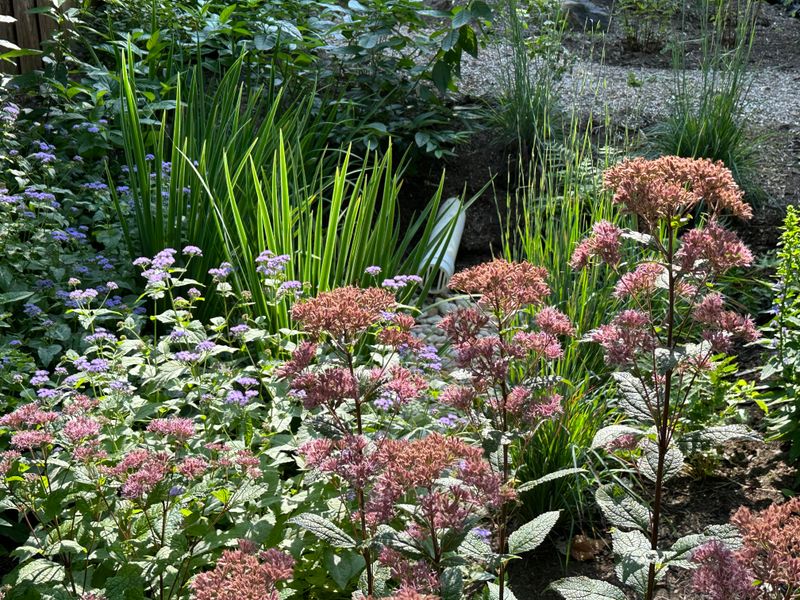
Strategic depressions planted with moisture-tolerant species transform suburban rainfall management by capturing runoff before overwhelming drainage systems downstream.
Cardinal flowers, swamp milkweed, and joe-pye weed thrive in wet conditions while filtering water naturally through extensive roots.
Installation involves creating shallow basins receiving runoff from roofs, driveways, or slopes carrying soil and contaminants.
These gardens absorb standing water within forty-eight hours, preventing mosquitoes while recharging groundwater supplies feeding streams.
Municipalities sometimes offer incentives for rain gardens because they reduce infrastructure strain while improving downstream water quality.
Proper design ensures rain gardens enhance yard aesthetics with plants providing seasonal interest through flowers and foliage textures.
Homeowners appreciate reduced erosion as rain gardens intercept water previously washing away valuable topsoil during storms.
North Carolina’s intense rainfall events make rain gardens practical solutions addressing drainage challenges while supporting wildlife habitat.
Rain gardens also help cool surrounding areas by increasing soil moisture and plant cover, reducing heat buildup after heavy summer storms.
They turn excess runoff into a visible asset, quietly managing water while adding purpose and intention to the overall landscape design.
4. Pollinator Pathways Support Declining Species

Creating continuous habitat corridors through neighborhoods helps struggling pollinators find food, shelter, and breeding sites statewide.
Coordinating with neighbors to plant complementary species creates unbroken resource chains connecting pollinators to natural areas.
Milkweed native to North Carolina provides essential breeding habitat for monarch butterflies whose populations declined due to habitat loss.
Leaving areas slightly wild with brush and leaves gives native bees nesting and overwintering locations.
Avoiding pesticide use becomes crucial since even products labeled safe can harm pollinators visiting flowering plants.
Continuous bloom from spring through fall ensures pollinators access nectar and pollen without seasonal food gaps.
Educational signage explains pollinator pathways, helping neighbors understand less manicured yards and inspiring similar practices nearby.
Gardeners report improved vegetable yields as thriving pollinators enhance fruit set on tomatoes, squash, cucumbers, and other crops.
Pollinator pathways also strengthen local ecosystems by reconnecting fragmented habitats that were divided by roads, lawns, and development.
These living corridors make neighborhoods more resilient, supporting biodiversity while keeping gardens productive and visually alive throughout the seasons.
5. Drought-Tolerant Xeriscaping Conserves Water
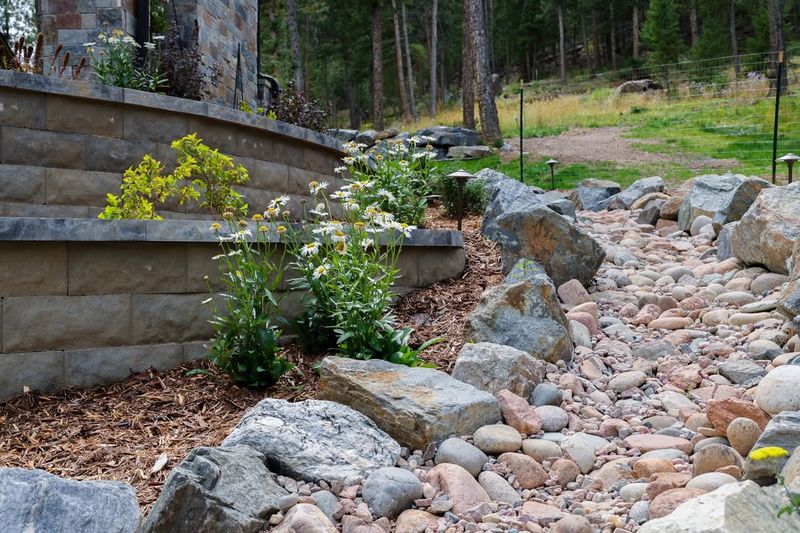
Water conservation concerns drive homeowners toward landscapes reducing irrigation while maintaining attractive yards during North Carolina dry periods.
Ornamental grasses like little bluestem and muhly grass add texture while requiring minimal watering once established.
Grouping plants by water needs allows efficient irrigation targeting moisture-demanding areas while conserving resources elsewhere.
Heavy mulching retains soil moisture, suppresses weeds, and moderates temperatures, reducing plant stress during summer heat.
Sedums adapted to North Carolina add architectural interest while surviving extended drought without supplemental watering.
Reducing turf areas lowers water use since lawns demand more irrigation than other landscape elements.
Periodic drought restrictions make drought-tolerant landscapes practical insurance against stressed yards during water shortages.
Initial investments pay off through lower water bills and reduced maintenance time over seasons.
These landscapes stay visually strong even during dry spells, proving water-wise choices do not mean sacrificing texture, color, or seasonal interest.
Over time, efficient planting and smarter water use create outdoor spaces that feel resilient, balanced, and better suited to changing climate patterns.
6. Outdoor Living Spaces Extend Home Functions

Families increasingly view their yards as extensions of indoor living spaces, investing in comfortable outdoor rooms for dining, entertaining, and everyday relaxation.
Covered patios with ceiling fans and weather-resistant furniture allow families to enjoy outdoor spaces even during humid summers and brief passing showers.
Outdoor kitchens reduce constant trips indoors during gatherings, keeping hosts present with guests while enjoying fresh air and garden views.
Fire pits and fireplaces extend outdoor living into cooler months, creating welcoming gathering spots for shared stories and relaxed evenings outside.
Evergreen screens and tall ornamental grasses provide privacy from neighbors without blocking breezes or creating closed-in, boxed outdoor spaces.
Thoughtful lighting highlights plants and pathways, improves safety after dark, and creates inviting ambiance for evening use.
Container gardens placed near seating areas allow easy seasonal color changes while keeping gardening within reach of relaxation spaces.
North Carolina’s mild climate makes outdoor living areas usable much longer each year, justifying investments that deliver lasting enjoyment.
Outdoor living spaces also encourage people to spend more time outside, blending daily routines with fresh air, greenery, and changing seasonal scenery.
These areas naturally become gathering points, supporting everyday moments as well as special occasions without feeling separate from the rest of the home.
7. Smart Irrigation Systems Optimize Water Use

Technology-driven irrigation systems are replacing traditional timers with smart controllers that adjust watering schedules using weather forecasts and soil data.
Weather-based controllers automatically skip watering when rain is forecast or has recently fallen, preventing unnecessary irrigation and water waste.
Soil moisture sensors provide real-time information about actual ground conditions instead of relying on fixed, outdated watering schedules.
Drip irrigation delivers water directly to plant roots with minimal evaporation, making it far more efficient than overhead sprinklers.
Zone-specific programming allows different areas to receive appropriate watering, giving vegetables more moisture while reducing irrigation for established shrubs.
Smartphone apps enable remote monitoring and adjustments, making it easy to respond to sudden weather changes or travel schedules.
North Carolina’s unpredictable weather patterns make smart systems especially valuable for adapting quickly between wet and dry periods.
Over time, water savings often offset system costs while reducing the need for constant manual watering adjustments.
Smart irrigation also removes guesswork from watering decisions, replacing habits and assumptions with data-driven precision that adapts automatically.
The result is healthier plants, less wasted water, and landscapes that respond intelligently as conditions change throughout the growing season.
8. Wildlife Habitat Features Attract Beneficial Species
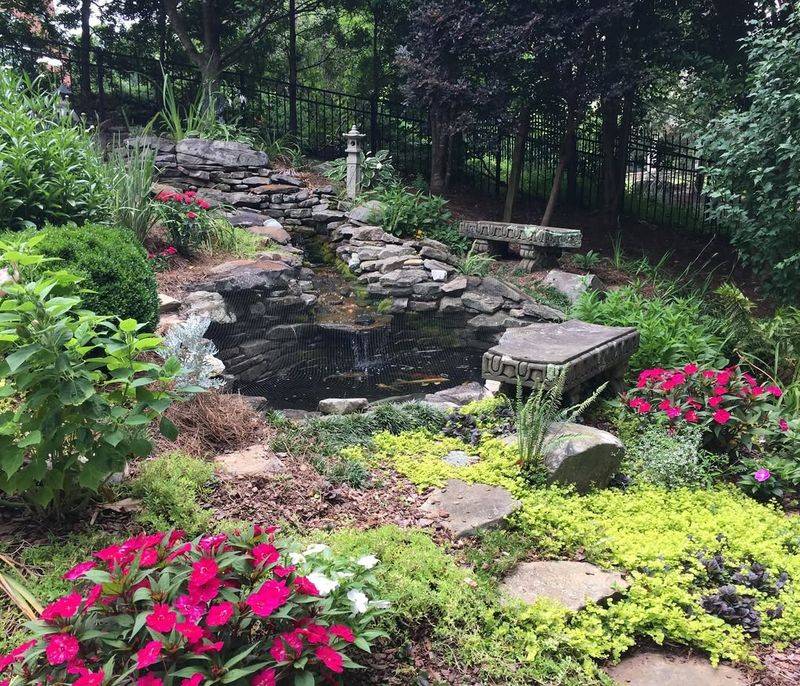
Purposefully adding wildlife-supporting elements transforms ordinary yards into small nature refuges that provide ecological benefits and rewarding viewing opportunities.
Birdhouses designed for bluebirds, chickadees, and wrens encourage nesting where natural tree cavities disappeared due to landscape cleanup.
Water features such as birdbaths or small ponds provide essential drinking and bathing spots during hot North Carolina summers.
Berry-producing shrubs feed birds throughout the year while adding seasonal interest through colorful fruit displays.
Brush piles created from pruned branches offer shelter for birds, beneficial snakes, and small mammals that help control pests.
Leaving seed heads on perennials through winter feeds birds while adding texture and structure to dormant gardens.
North Carolina’s location along migratory routes makes wildlife-friendly yards especially valuable as temporary stopover habitat.
Children often form lasting environmental connections when wildlife visits regularly, creating natural learning experiences at home.
These features quietly restore balance by supporting natural food chains, allowing gardens to function as part of a much larger ecosystem.
Regular wildlife activity adds movement and life to outdoor spaces, turning everyday yards into places of ongoing observation and discovery.
9. Low-Maintenance Perennial Borders Reduce Work
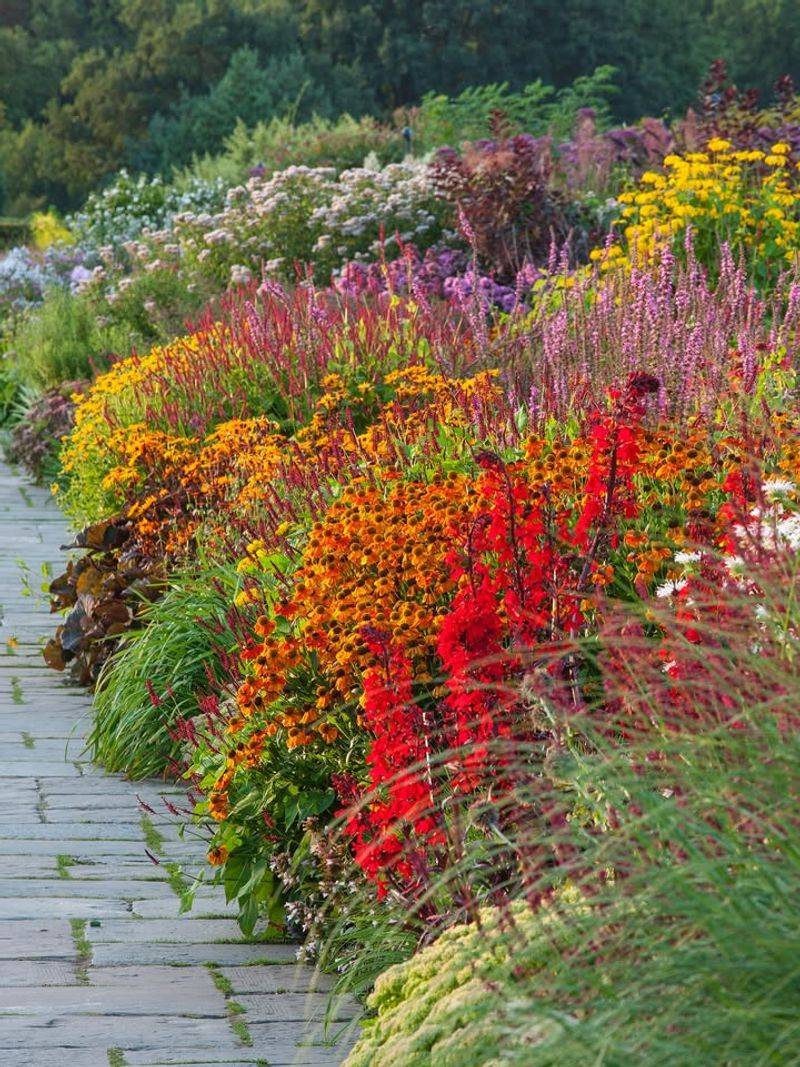
Busy lifestyles are increasing demand for attractive gardens that require minimal intervention once perennial plantings become established.
Layered borders combining perennials, ornamental grasses, and small shrubs provide continuous interest without the need for constant replanting.
Daylilies, coneflowers, and Russian sage thrive in North Carolina conditions while producing abundant blooms with very little care.
Groundcovers spread to suppress weeds, reduce mulching needs, and eliminate bare soil where weeds typically take hold.
Choosing disease-resistant varieties prevents frustration and expense caused by replacing plants affected by common humidity-related problems.
Proper soil preparation and thoughtful spacing at planting time greatly reduce long-term maintenance requirements.
North Carolina gardeners value perennials that tolerate temperature swings and unpredictable weather without constant protection.
Mature perennial borders often become neighborhood focal points, inspiring plant sharing and friendly conversations among nearby gardeners.
These borders age gracefully over time, filling in naturally and becoming more resilient with each growing season that passes.
They reward patience with dependable structure and color, proving that a beautiful garden does not need constant attention to stay impressive.