10 Gardening Trends That Could Soon Run Into Local Rules In Minnesota
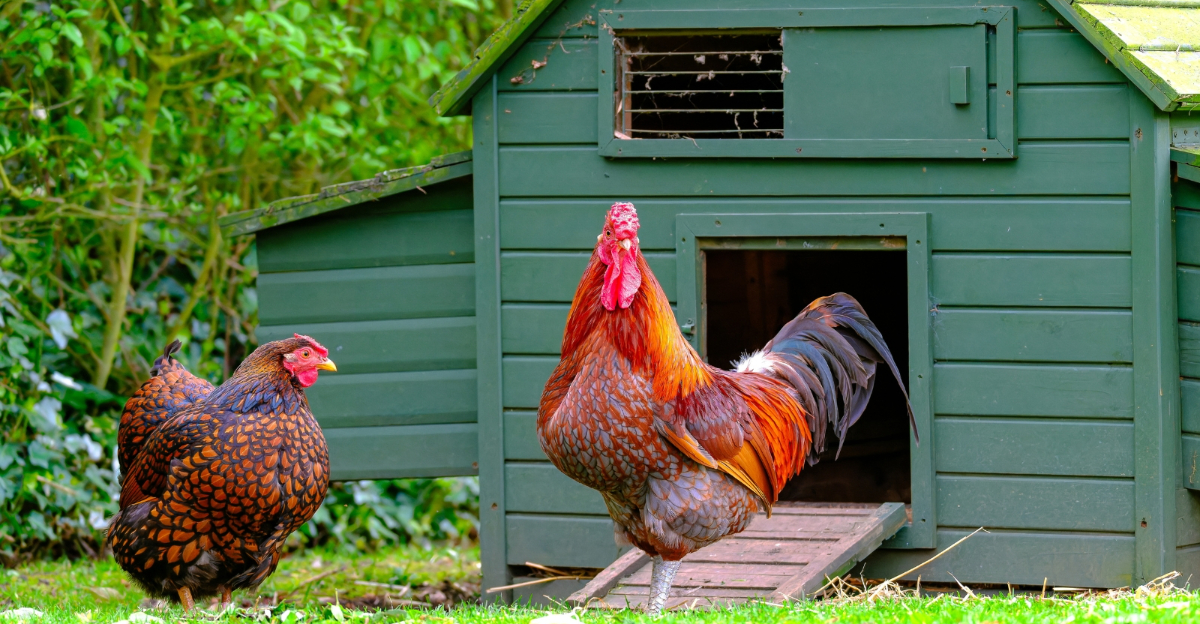
Gardening in Minnesota has always balanced creativity with practicality, but that balance is starting to attract closer attention in many communities.
What once felt like harmless personal expression in a yard is now being reconsidered through safety, maintenance, and neighborhood impact.
As more homeowners experiment with bold, functional, or unconventional garden trends, shared standards are becoming part of the conversation.
Cold winters, short growing seasons, and dense neighborhoods make outdoor choices more noticeable than many gardeners expect.
Trends that promise efficiency or sustainability can still raise concerns when they change drainage, visibility, or overall appearance.
Local governments and homeowner associations are watching how these garden styles affect streets, sidewalks, and neighboring properties.
For many residents, the surprise comes when a well-meaning upgrade suddenly clashes with an existing rule or guideline.
Minnesota’s mix of urban growth and traditional neighborhoods adds pressure to define what is acceptable in shared outdoor spaces.
That tension leaves gardeners navigating inspiration while trying to avoid future headaches or forced changes.
Knowing which gardening trends may soon face rules helps Minnesota homeowners plan smarter before those rules become official.
1. Front Yard Vegetable Gardens
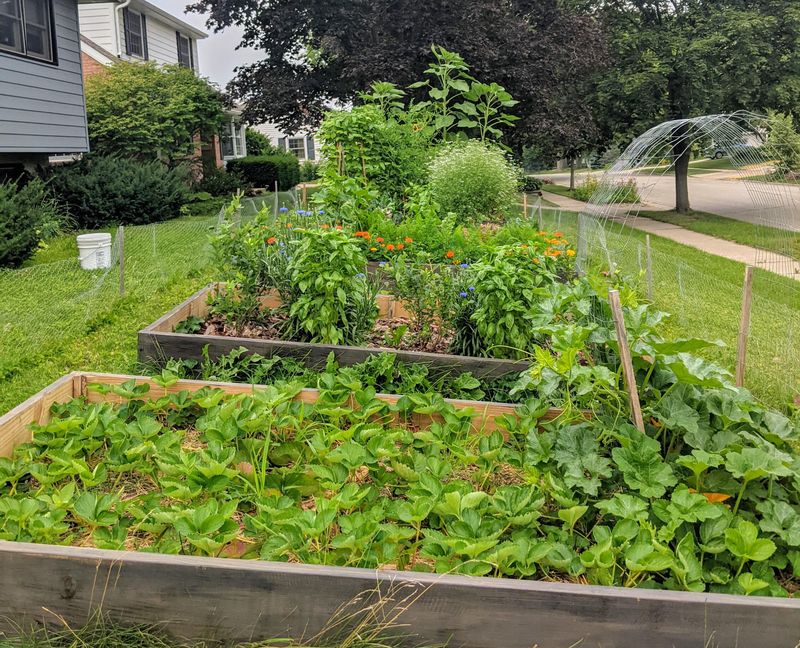
Many homeowners want to replace traditional lawns with tomato plants, squash vines, and rows of lettuce for fresh produce right outside their doors.
Suburban neighborhoods in Minnesota have seen a surge in these edible landscapes as families seek healthier food options and lower grocery bills.
However, some homeowners associations argue that vegetable gardens reduce curb appeal and property values in residential areas.
Local governments are now drafting ordinances that limit the size and placement of front yard gardens to maintain neighborhood aesthetics.
Cities like Roseville and Bloomington have already held public hearings to discuss whether vegetables belong in spaces traditionally reserved for grass and flowers.
Minnesota residents passionate about growing food may soon need special permits or must follow strict guidelines about garden height and appearance.
These restrictions could force gardeners to move their crops to backyards or seek variances from city planning departments.
Community advocates argue that food security and environmental benefits should outweigh concerns about how gardens look from the street.
The debate continues as more Minnesota towns weigh personal freedom against community standards for residential properties.
2. Backyard Chicken Coops
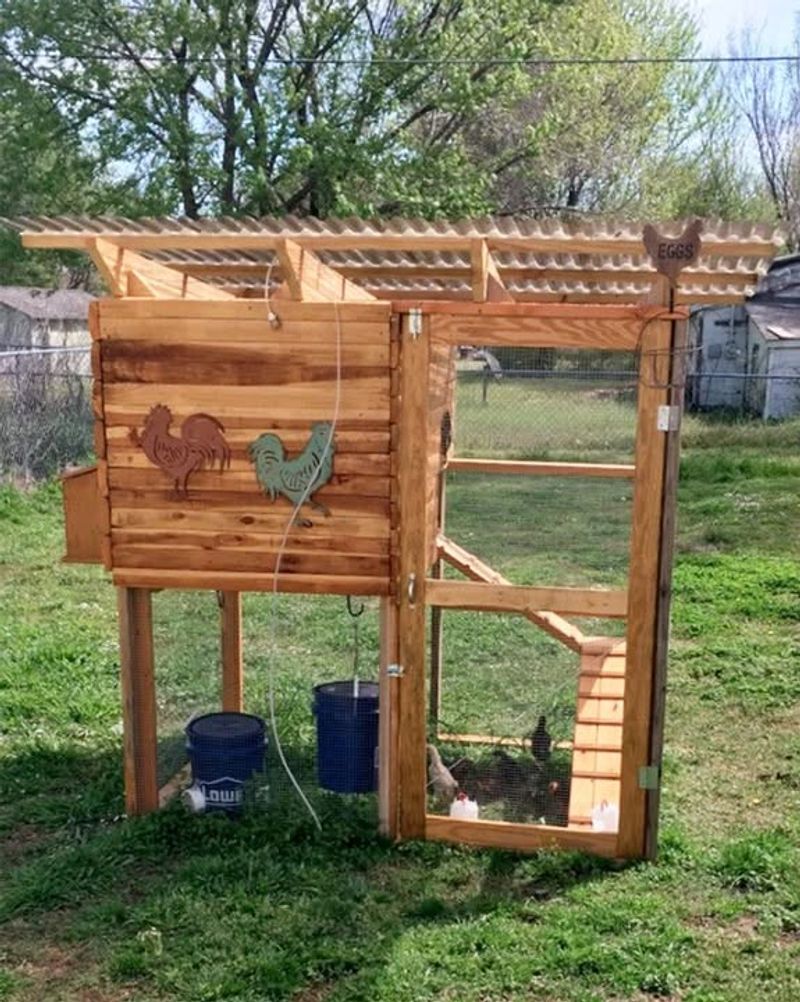
Fresh eggs and natural pest control have made backyard chickens incredibly popular among Minnesota families who want a connection to their food sources.
Urban and suburban areas throughout the state have welcomed small flocks as residents embrace sustainable living and teach children about animal care.
Neighbors often share surplus eggs and enjoy watching hens scratch around in compact yards behind houses and garages.
City officials worry about noise complaints, predator attraction, and sanitation issues when chickens live in densely populated residential zones across Minnesota.
New regulations may limit flock sizes, require minimum distances from property lines, and mandate specific coop designs that meet health standards.
Some communities are considering outright bans while others debate whether roosters should be allowed alongside hens in backyard settings.
Enforcement challenges arise when residents fail to maintain clean coops or allow chickens to wander into neighboring yards without permission.
Minnesota towns must balance the rights of chicken keepers with concerns from residents who prefer quieter, more traditional suburban environments.
Public meetings have become heated as passionate advocates clash with opponents over the future of urban agriculture in residential neighborhoods.
3. Pollinator Meadows and Native Wildflowers
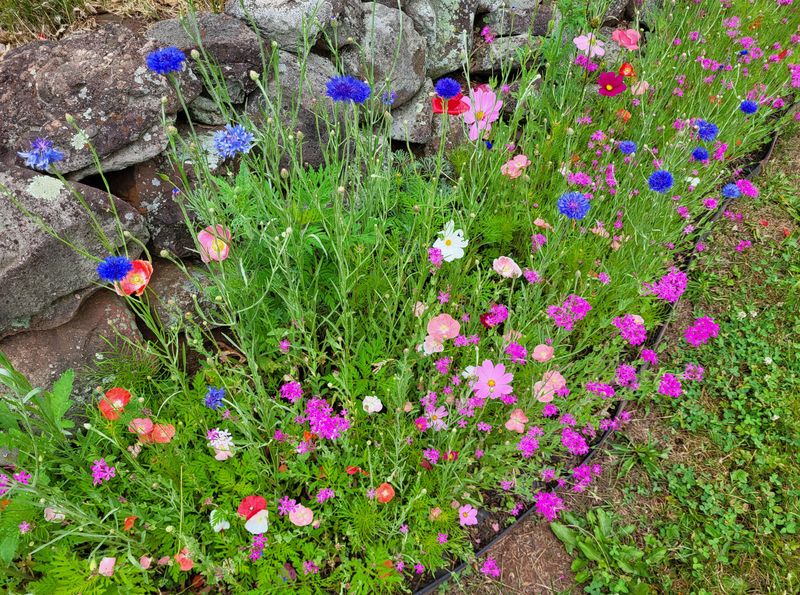
Replacing manicured grass with colorful native wildflowers helps bees, butterflies, and other beneficial insects thrive in Minnesota landscapes throughout the growing season.
Environmental groups encourage homeowners to plant prairie species that require less water and chemical inputs compared to traditional lawns and exotic ornamentals.
These natural meadows provide critical habitat as development continues to reduce wild spaces where pollinators once flourished in abundance.
Neighborhood associations sometimes view tall wildflower gardens as weedy eyesores that suggest neglect rather than intentional ecological stewardship in Minnesota communities.
Complaints arise when seed heads spread to neighboring properties or when grasses grow several feet high during summer months.
Local governments face pressure to define what constitutes a maintained garden versus an unkempt lot that violates property maintenance codes.
New ordinances may require borders, maximum heights, or specific plant lists that distinguish acceptable native gardens from prohibited vegetation in Minnesota municipalities.
Gardeners might need to post signs explaining their pollinator meadows to avoid citations from code enforcement officers unfamiliar with ecological landscaping.
The conflict highlights tensions between traditional landscaping expectations and modern environmental awareness in residential areas across the state.
As more Minnesotans learn about the environmental benefits, conversations are slowly shifting from enforcement toward education and compromise.
For many homeowners, the goal is finding a balance where native plantings are clearly intentional, respectful of neighbors, and still allowed to support pollinators in meaningful ways.
4. Rain Gardens and Bioswales
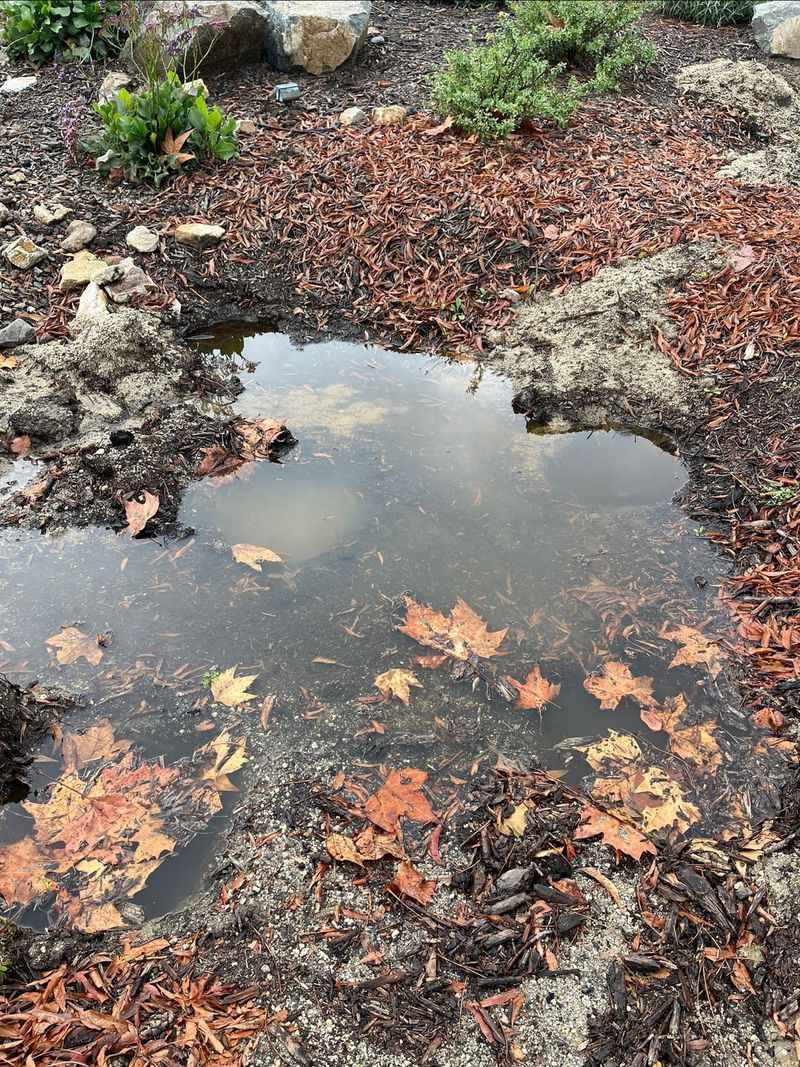
Stormwater management has become a priority as Minnesota experiences more intense rainfall events that overwhelm municipal drainage systems and cause flooding.
Rain gardens collect runoff from roofs and driveways, allowing water to soak slowly into the ground rather than rushing into streets.
These shallow depressions filled with moisture-loving plants reduce erosion, filter pollutants, and recharge groundwater supplies in communities across the state.
Property owners sometimes create rain gardens without understanding drainage patterns, accidentally directing water toward foundations or neighboring lots in Minnesota neighborhoods.
Improperly designed features can become breeding grounds for mosquitoes or create standing water that damages lawns and landscape plants.
Cities are considering regulations that require professional designs or permits before residents alter natural drainage on their properties.
New rules might specify minimum distances from buildings, maximum depth, and mandatory overflow systems to prevent unintended consequences from amateur stormwater projects.
Minnesota homeowners eager to help the environment may face unexpected costs if permits and engineering reviews become required for rain gardens.
Balancing environmental benefits with safety concerns remains a challenge as more residents adopt these water management features in residential landscapes.
5. Vertical Gardens and Living Walls
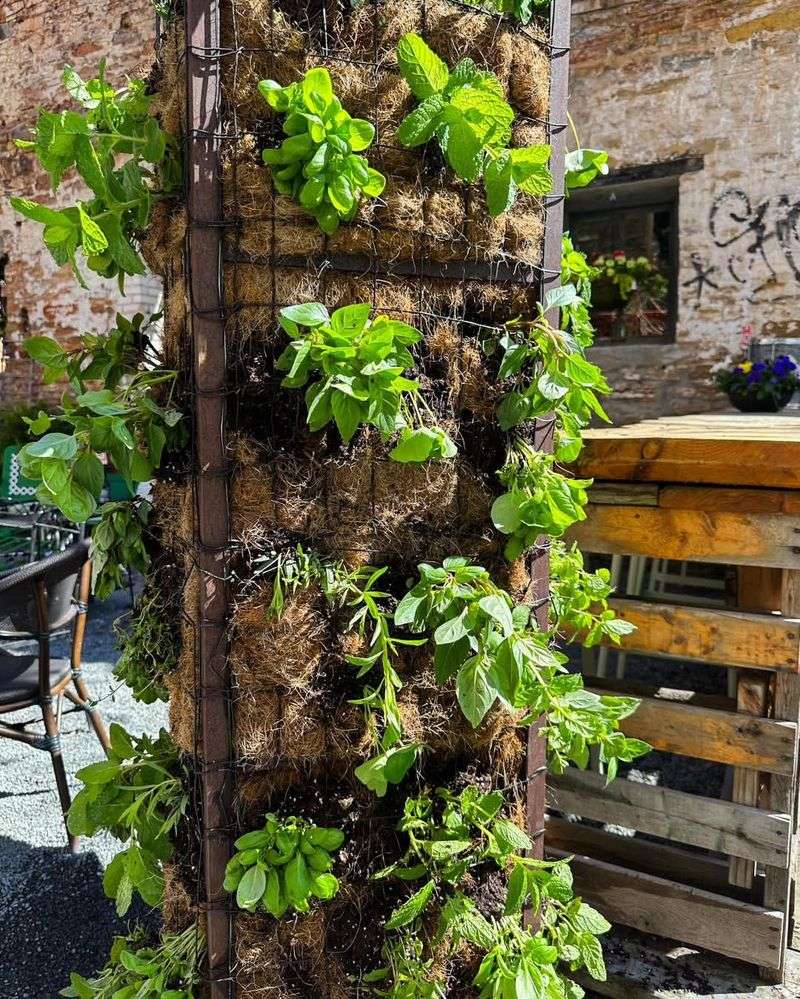
Space-saving vertical gardens allow Minnesota residents to grow herbs, vegetables, and flowers on fences, walls, and specially designed structures.
Urban gardeners with limited yard space embrace these systems that maximize production in small areas while creating attractive green features.
Vertical installations can transform boring walls into lush displays that improve air quality and provide insulation benefits for buildings.
Building departments may classify permanent vertical garden structures as additions that require permits and inspections in Minnesota cities and towns.
Weight concerns arise when soil-filled containers attach to existing fences or walls not designed to support heavy loads over time.
Water drainage from vertical gardens can damage siding, promote mold growth, or create runoff issues that affect neighboring properties.
Future regulations might address structural requirements, setback distances, and maintenance standards for vertical gardening systems in residential zones across Minnesota.
Homeowners could face fines if installations violate building codes or create nuisances through improper drainage or plant material falling onto sidewalks.
The trend toward vertical growing highlights how innovative gardening techniques sometimes outpace existing regulations written for traditional landscape practices.
Clear guidelines could help gardeners adopt vertical systems responsibly without stifling creativity or sustainability goals.
With thoughtful design and communication, vertical gardens can remain a smart solution for growing more in Minnesota’s increasingly compact living spaces.
6. Beekeeping and Honey Production
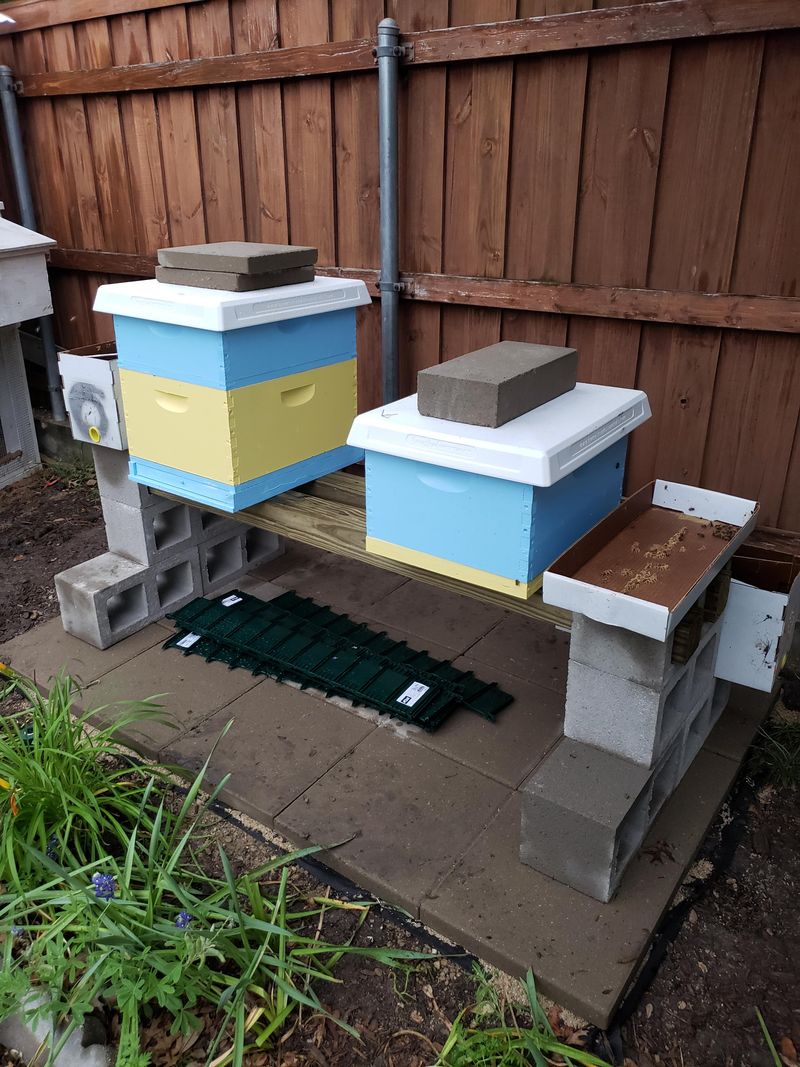
Honeybee colonies provide pollination services while producing delicious honey that Minnesota beekeepers harvest and share with friends, family, and local markets.
Suburban beekeeping has grown as people recognize the importance of supporting declining bee populations and enjoy the rewarding hobby.
Well-managed hives typically pose minimal risk to neighbors and contribute significantly to garden productivity throughout the growing season.
Fear of stings and allergic reactions drives some Minnesota residents to oppose beehives in residential neighborhoods despite their ecological benefits.
Local governments struggle to create fair regulations that allow beekeeping while addressing legitimate safety concerns from people uncomfortable with insects nearby.
Setback requirements, hive limits, and mandatory water sources may become standard rules in communities across the state.
Registration programs help Minnesota cities track beehive locations and contact beekeepers quickly if problems arise with aggressive colonies or swarms.
Educational requirements might become mandatory before residents can legally keep bees, ensuring proper management techniques and neighbor relations.
The debate over backyard beekeeping reflects broader questions about what agricultural activities belong in areas primarily designated for residential use.
7. Greywater Recycling Systems
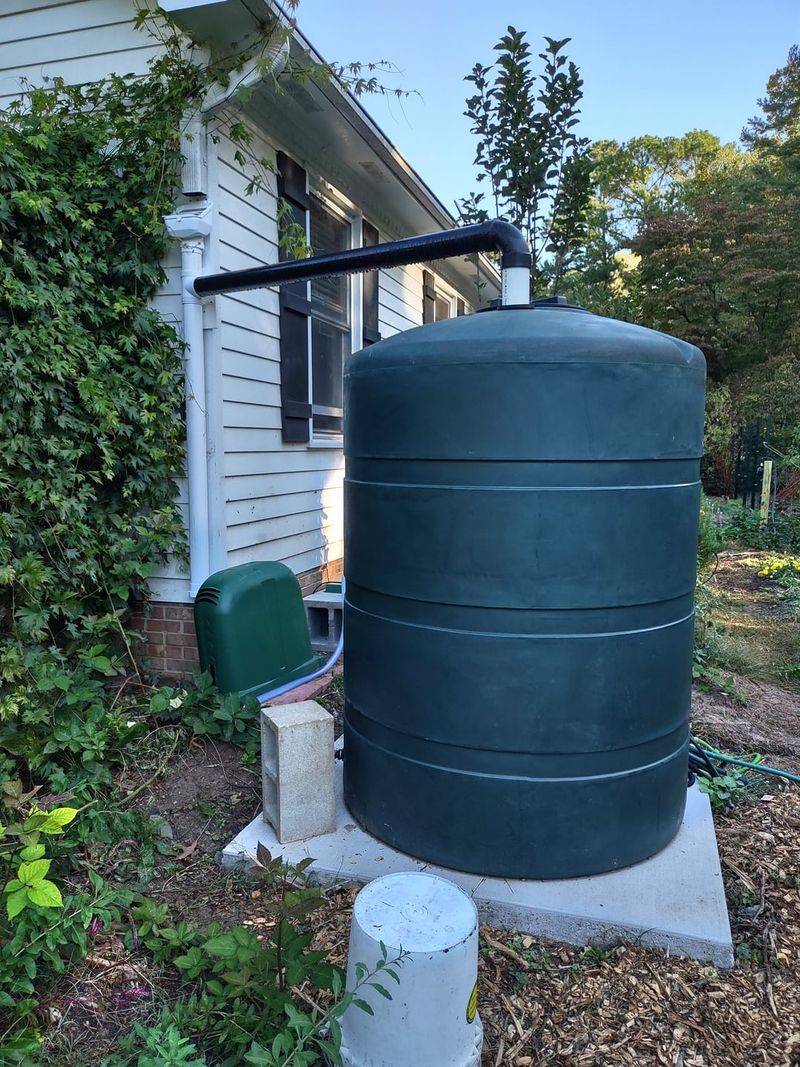
Water conservation motivates Minnesota gardeners to capture and reuse greywater from sinks, showers, and washing machines for irrigating landscape plants.
These systems reduce municipal water demand and lower utility bills while keeping gardens healthy during dry spells common in summer months.
Simple bucket systems or complex plumbing modifications allow households to redirect hundreds of gallons monthly to productive outdoor uses.
Health departments worry about contamination risks when household wastewater reaches edible plants or pools on surface areas in Minnesota residential areas.
Improper greywater systems can spread bacteria, create odors, or attract pests if not designed and maintained according to sanitation standards.
State plumbing codes may not specifically address greywater, leaving local jurisdictions to develop their own rules and inspection procedures.
New regulations might prohibit greywater use on food crops, require filtration systems, or mandate professional installation by licensed plumbers in Minnesota communities.
Homeowners who installed systems without permits could face orders to remove them or pay significant fees to bring them into compliance.
The growing interest in water reuse pushes municipalities to clarify what is legal and safe for residential properties.
Clear, consistent rules would help gardeners reuse water responsibly without putting health or neighbors at risk.
As awareness grows, many Minnesota communities are being pushed to balance conservation goals with practical safety standards that homeowners can realistically follow.
8. Composting Systems and Bins

Kitchen scraps and yard waste become valuable soil amendments through composting, reducing garbage sent to landfills while improving Minnesota garden soil quality.
Backyard composters range from simple piles to sophisticated tumbling bins that speed decomposition and produce finished compost in weeks.
Environmental consciousness and gardening enthusiasm have made composting a common practice in communities throughout the state.
Odor complaints and rodent problems occur when Minnesota residents compost improperly by including meat, dairy, or failing to maintain proper moisture levels.
Neighbors object to unsightly compost heaps visible from their properties or to fruit flies and other pests attracted to decomposing material.
Cities are exploring regulations that specify acceptable composting methods, locations, and bin types for residential properties.
Future rules might require enclosed bins, minimum distances from property lines, and prohibit certain materials in residential composting operations across Minnesota.
Enforcement becomes difficult when composting happens in backyards hidden from street view, yet neighbors complain about smells and pests.
Balancing waste reduction goals with neighborhood quality of life concerns challenges officials writing new composting ordinances for their communities.
9. Fruit and Nut Tree Orchards
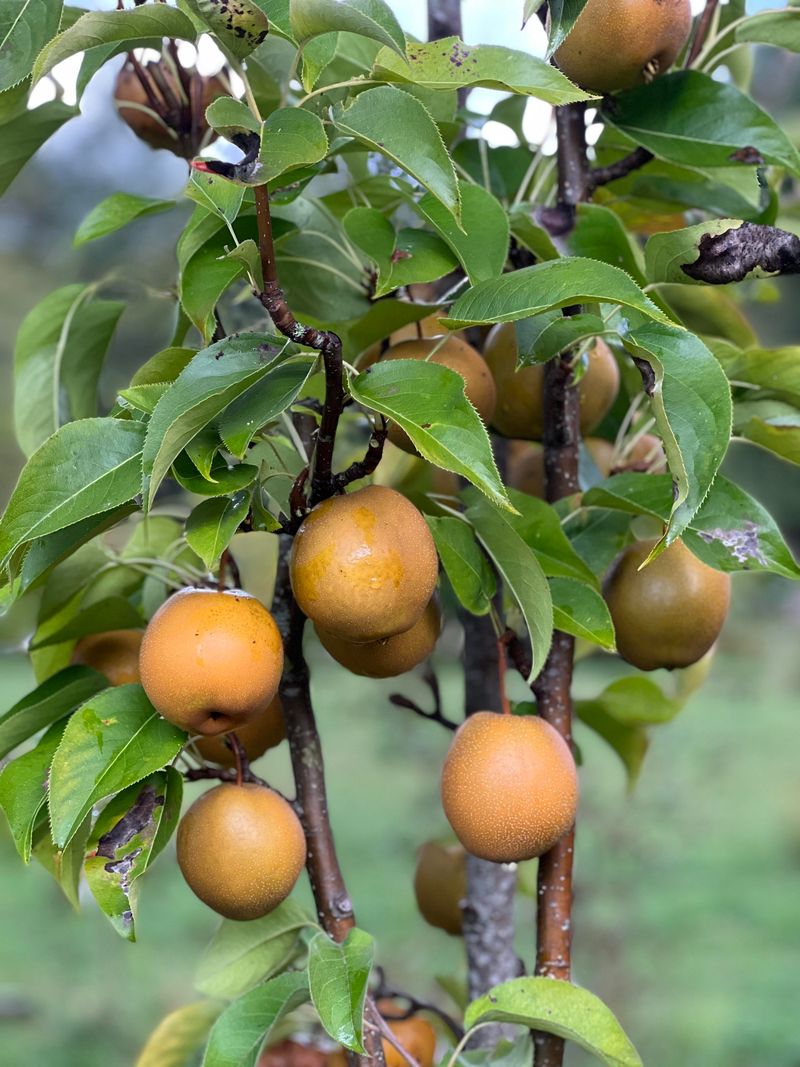
Small home orchards with apples, pears, cherries, and hazelnuts provide Minnesota families with fresh fruit and beautiful spring blossoms.
Cold-hardy varieties bred for northern climates make fruit growing more successful than ever before in the state’s challenging conditions.
Dwarf and semi-dwarf trees fit easily into suburban lots while producing surprising quantities of delicious fruit during harvest season.
Fallen fruit attracts wildlife including deer, raccoons, and bears in some Minnesota areas, creating safety concerns and property damage complaints.
Unpicked fruit ferments on the ground, generating odors and drawing wasps that bother neighbors trying to enjoy their yards.
Some communities worry that home orchards encourage rodents and other pests that spread to nearby properties.
New ordinances might limit the number of fruit trees per property, require prompt harvest and cleanup, or prohibit certain species in Minnesota residential zones.
Tree spacing rules could prevent branches from overhanging property lines where fruit drops onto neighboring lawns and gardens.
The popularity of edible landscaping forces communities to update old regulations written before homeowners commonly planted food-producing trees in their yards.
Clear guidelines could help homeowners enjoy fruit trees while addressing concerns about pests, cleanup, and shared neighborhood spaces.
For many Minnesota families, the goal is not excess production, but a manageable orchard that adds beauty, food, and seasonal interest without creating conflicts.
10. Raised Bed Gardens with Reclaimed Materials
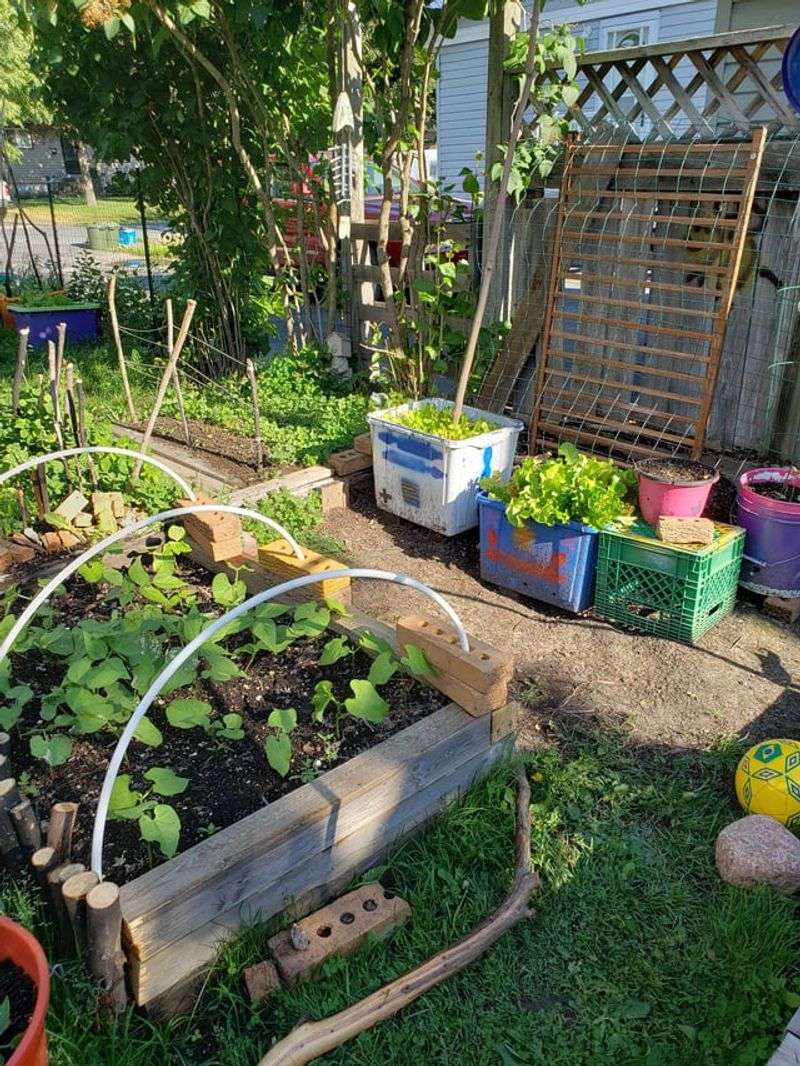
Recycled wood pallets, old railroad ties, and salvaged lumber become garden beds in Minnesota yards as creative gardeners embrace sustainable building practices.
Raised beds improve drainage, extend the growing season with warmer soil, and make gardening accessible for people with mobility challenges.
The trend toward upcycling and DIY projects has filled neighborhoods with unique garden structures built from reclaimed and repurposed materials.
Treated lumber and railroad ties contain chemicals that can leach into soil and contaminate vegetables grown in Minnesota raised bed gardens.
Structural concerns arise when amateur-built beds collapse, spilling soil onto sidewalks or neighboring properties during heavy rains or freeze-thaw cycles.
Aesthetic objections surface when mismatched materials create cluttered appearances that some residents consider eyesores in otherwise tidy neighborhoods.
Local regulations might specify acceptable building materials, maximum heights, and setback requirements for raised garden beds on Minnesota residential properties.
Permits could become necessary for structures exceeding certain dimensions or when materials pose potential safety or contamination risks.
The desire to garden sustainably sometimes conflicts with building codes and neighborhood standards designed for more conventional landscape features.