9 Genius Ways Michigan Homeowners Can Preserve Flowers For Magical Christmas Decor

Winter in Michigan brings snow-covered landscapes, cozy homes, and the perfect opportunity to create stunning holiday decorations using preserved flowers from your garden.
Many homeowners toss their beautiful blooms after summer ends, not realizing these natural treasures can transform into gorgeous Christmas decor that lasts all season long.
Preserving flowers is easier than you might think, and the results add a personal touch to your holiday home that store-bought decorations simply cannot match.
From air drying to glycerin treatments, Michigan gardeners have numerous methods to keep their flowers looking fresh and vibrant throughout the festive winter months ahead.
1. Air Drying Flowers Upside Down
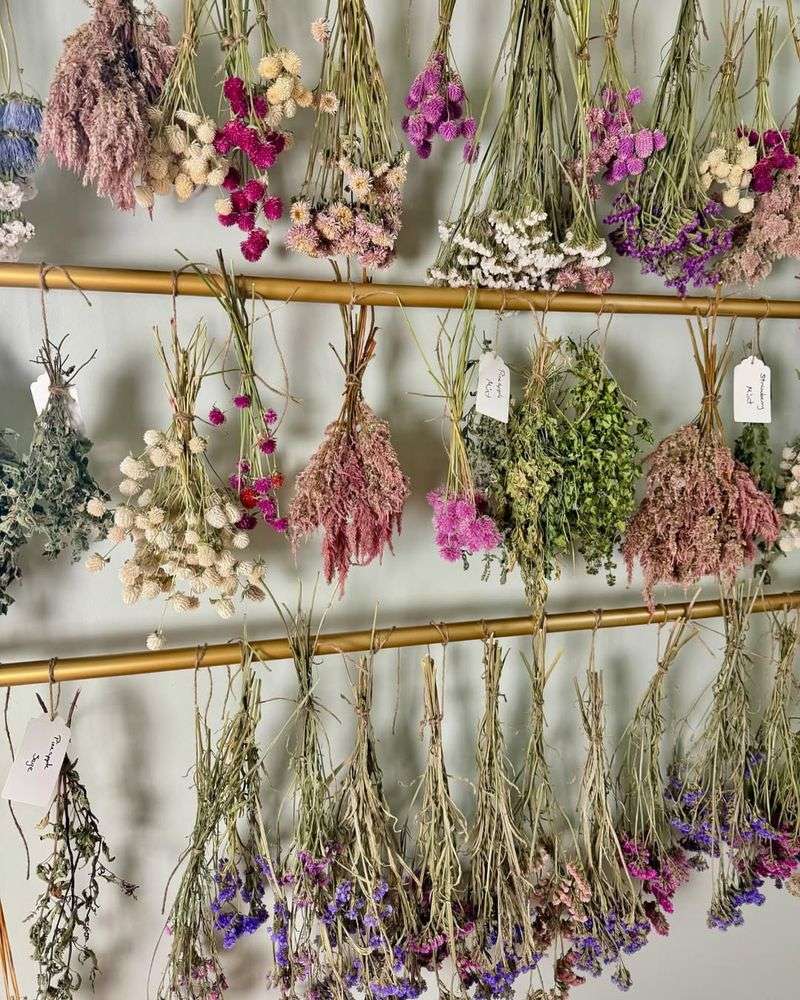
Hanging flowers upside down remains one of the oldest and simplest preservation techniques that Michigan homeowners have relied on for generations of holiday decorating success.
Roses, lavender, and hydrangeas work exceptionally well with this method because their sturdy petals hold shape beautifully even after moisture completely evaporates from stems.
Bundle small groups of flowers together using rubber bands, which tighten naturally as stems shrink during the drying process over several weeks in storage.
Choose a dark, dry space like an attic, basement, or spare closet where air circulates freely but direct sunlight cannot fade the delicate colors away.
Michigan’s low humidity during fall makes this the ideal time to start drying flowers, ensuring they’re ready when December decorating season arrives at your doorstep.
Once completely dried, spray flowers lightly with hairspray to prevent petals from shattering when you handle them while creating wreaths or festive arrangements.
Incorporate dried blooms into garlands, ornaments, or table centerpieces that bring garden memories indoors, adding warmth and personality to every corner of your home.
2. Pressing Flowers Between Heavy Books
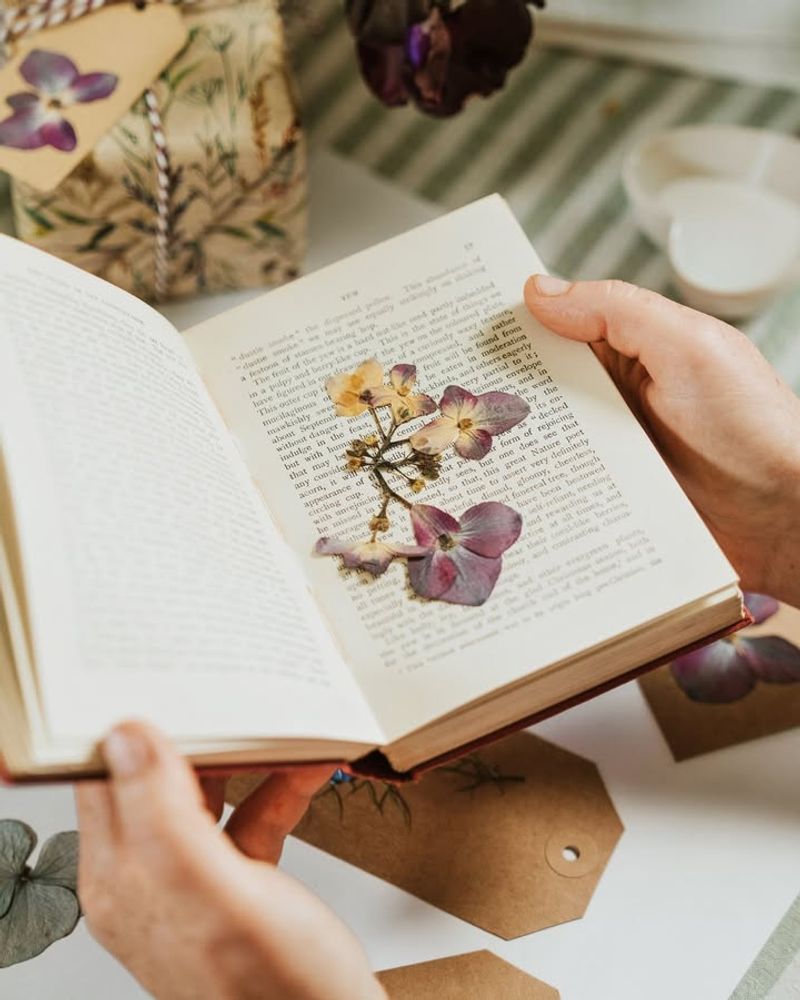
Flattening blooms between book pages creates delicate, paper-thin flowers perfect for crafting elegant Christmas cards, ornaments, and framed artwork that guests will absolutely adore.
Pansies, violets, and cosmos work wonderfully for pressing because their thin petals flatten evenly without creating bulky lumps that might damage your favorite hardcover novels.
Place flowers between sheets of parchment paper or coffee filters to absorb moisture while protecting book pages from potential staining caused by natural plant pigments.
Stack several heavy books on top to create consistent pressure across all flower surfaces, ensuring even drying and preventing wrinkled petals that look messy.
Leave flowers undisturbed for approximately three weeks, resisting the temptation to peek early, which can disturb the delicate drying process and ruin your specimens.
Michigan homeowners often start pressing summer flowers in July and August, building a colorful collection ready for creative holiday projects when cold weather arrives.
Use pressed flowers to decorate gift tags, create botanical bookmarks, or design unique Christmas ornaments that showcase your garden’s beauty in surprisingly artistic ways.
3. Silica Gel Drying Method
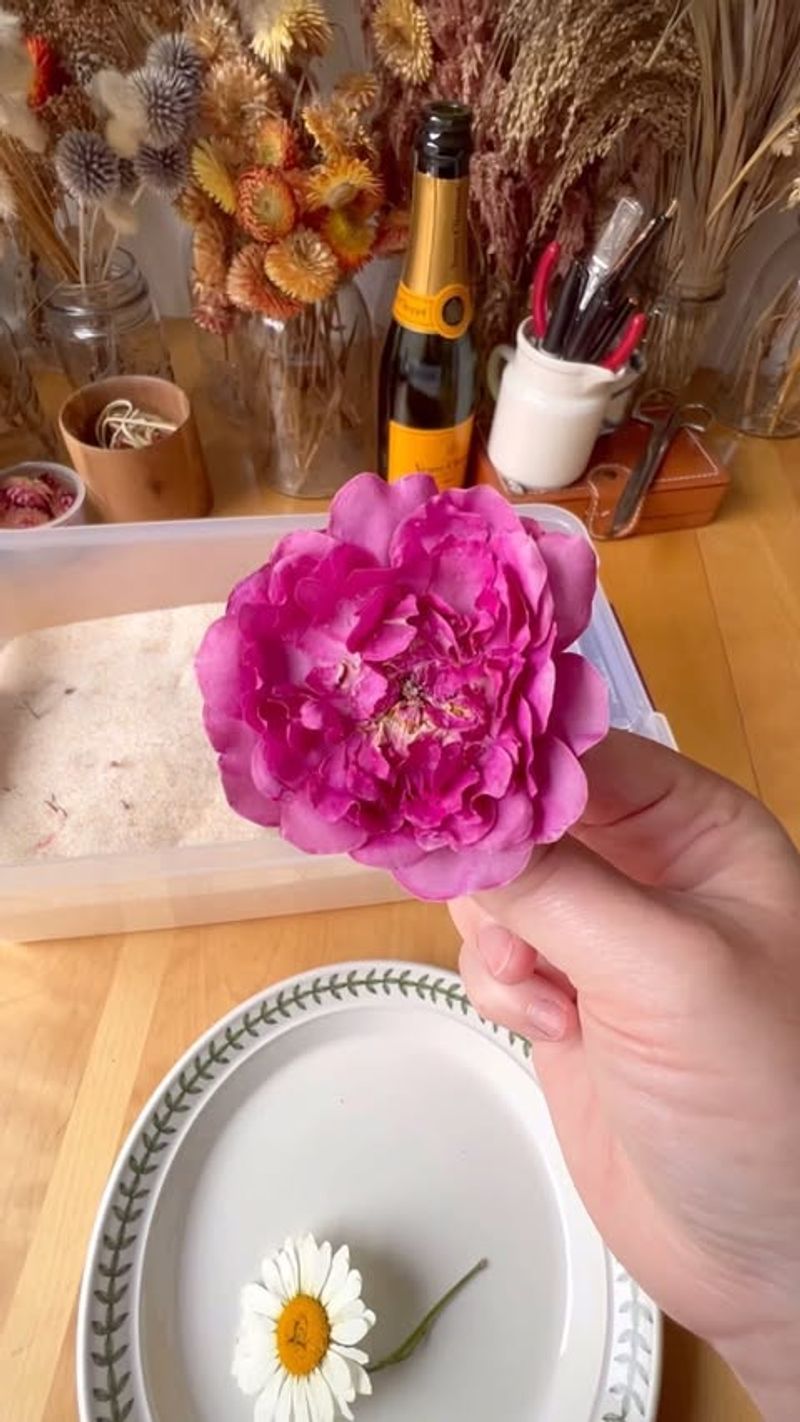
Silica gel crystals absorb moisture rapidly while maintaining the original shape and vibrant colors of flowers, making this method ideal for preserving delicate blooms like roses.
Purchase food-grade silica gel from craft stores, which comes in small crystals that surround flowers completely, drawing out moisture within just days instead of weeks.
Pour a layer of crystals into an airtight container, then carefully place flower heads face-up before gently covering them with additional silica until completely buried.
Seal the container tightly and wait five to seven days, checking periodically to ensure flowers feel papery and dry without any remaining moisture in petals.
This technique preserves intricate details and bright colors better than air drying, making flowers look almost freshly picked even months after the growing season ends.
Michigan gardeners love using silica gel for special flowers like peonies, dahlias, and garden roses that deserve extra care to maintain their stunning appearance throughout winter.
Once dried, carefully brush away crystals with a soft paintbrush, then store flowers in sealed containers with a few silica gel packets to prevent moisture reabsorption.
4. Glycerin Preservation Treatment
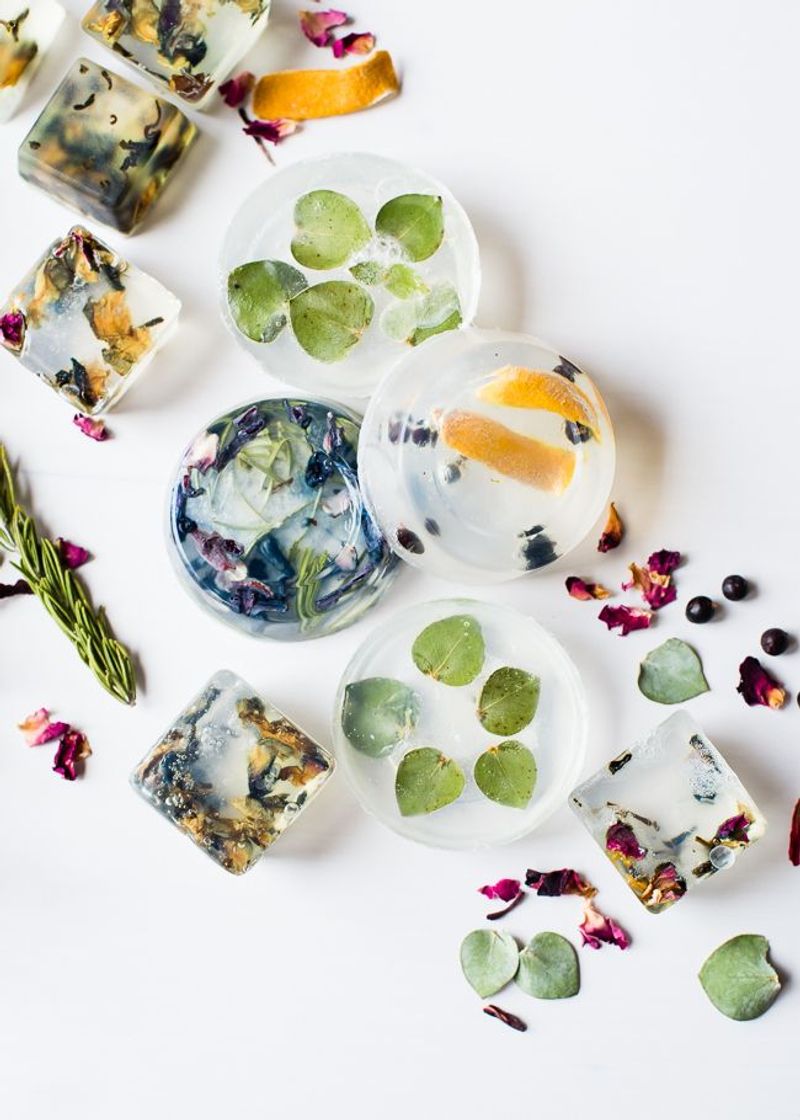
Replacing natural moisture with glycerin creates soft, flexible flowers that maintain their texture and movement, unlike brittle specimens produced by other drying methods available today.
Mix one part glycerin with two parts warm water, stirring thoroughly until the solution combines completely, creating the perfect preservation mixture for woody stems and foliage.
Cut stem ends at an angle and place them immediately into the glycerin solution, allowing plants to absorb the mixture slowly over two to three weeks.
Eucalyptus, magnolia leaves, and hardy garden flowers respond beautifully to this treatment, developing rich, darker tones that complement traditional Christmas color schemes perfectly throughout December.
Monitor liquid levels daily and add more glycerin mixture as needed, ensuring stems remain submerged so the preservation process continues without interruption or drying problems.
Michigan homeowners appreciate how glycerin-preserved materials last for years when stored properly, making this initial investment of time and effort worthwhile for long-term decorating.
Use preserved branches and flowers in wreaths, swags, or mantel displays that can be gently shaped and rearranged without worrying about breakage during handling.
5. Microwave Flower Drying
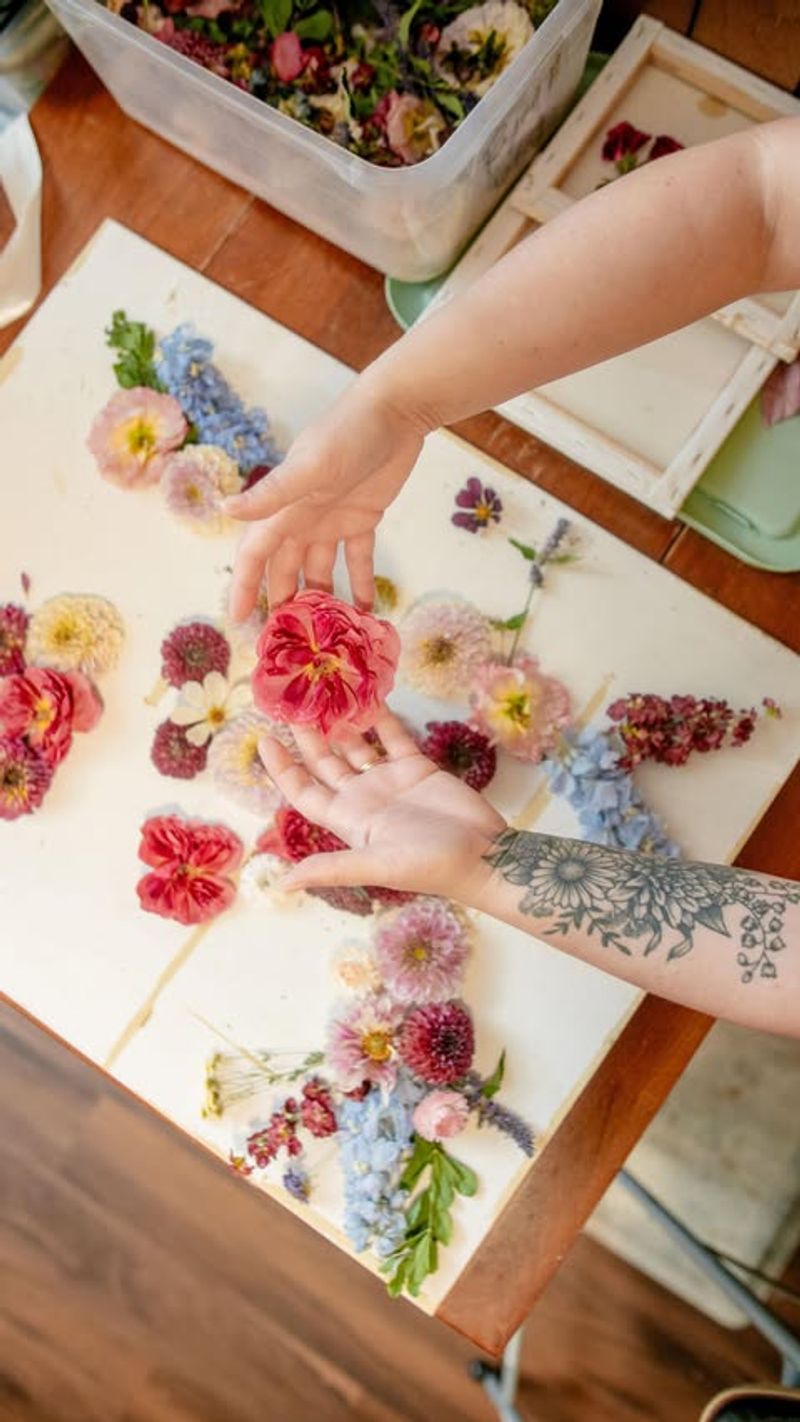
Speed up the preservation process dramatically by using your microwave to dry flowers in minutes rather than weeks, perfect for last-minute holiday decorating projects and crafts.
Place blooms between two paper towels, then sandwich them between two microwave-safe plates to create even pressure that prevents petals from curling during the heating process.
Start with short bursts of thirty seconds on medium power, checking flowers between intervals to prevent overheating that can scorch petals or cause unpleasant burning odors.
Smaller flowers like daisies, pansies, and individual rose petals work best with this technique because they heat evenly without developing hot spots that damage delicate tissues.
Michigan’s unpredictable weather sometimes ruins outdoor drying attempts, making microwave preservation a reliable backup option when humidity levels suddenly spike unexpectedly during autumn months.
Let flowers cool completely before handling them, as they’ll be quite hot immediately after microwaving and can crumble easily if touched too soon after treatment.
This method works wonderfully for creating quick potpourri, filling clear ornaments with colorful petals, or making small floral embellishments for gift wrapping and holiday cards.
6. Wax Paper Preservation
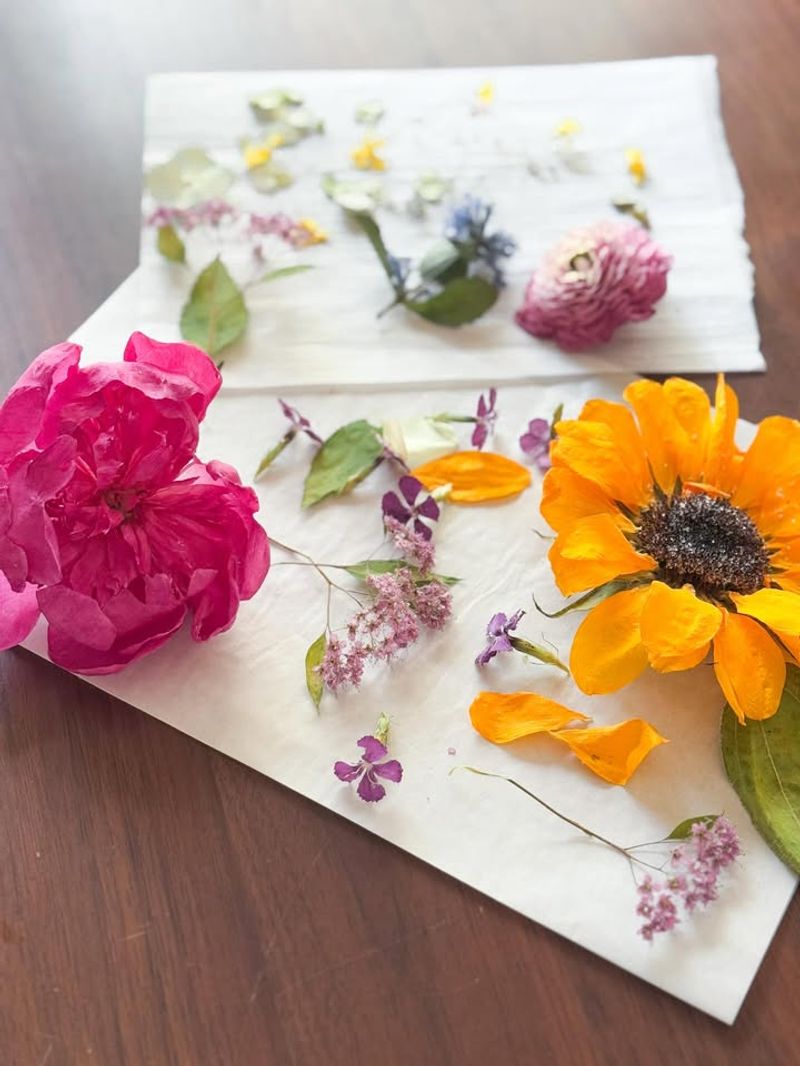
Coating flowers in wax creates a protective barrier that seals in color and moisture while giving blooms a beautiful, subtle sheen that catches candlelight during evening gatherings.
Melt paraffin wax in a double boiler until completely liquid, maintaining a consistent temperature that’s warm enough to coat flowers but not so hot it damages them.
Hold each flower by its stem and quickly dip the bloom into melted wax, swirling gently to ensure complete coverage of every petal surface.
Immediately hang flowers upside down or lay them on wax paper to cool, working quickly before the wax hardens and becomes difficult to manipulate into attractive shapes.
Roses, carnations, and chrysanthemums respond particularly well to wax preservation, maintaining their original appearance while gaining a frosted, elegant look perfect for formal holiday displays.
Michigan homeowners often use waxed flowers in outdoor arrangements because the protective coating helps them withstand cold temperatures and occasional snow that might otherwise damage unprotected blooms.
Create stunning centerpieces, door decorations, or windowsill displays using waxed flowers that look almost magical when light shines through their translucent, preserved petals beautifully.
7. Sand Burial Method
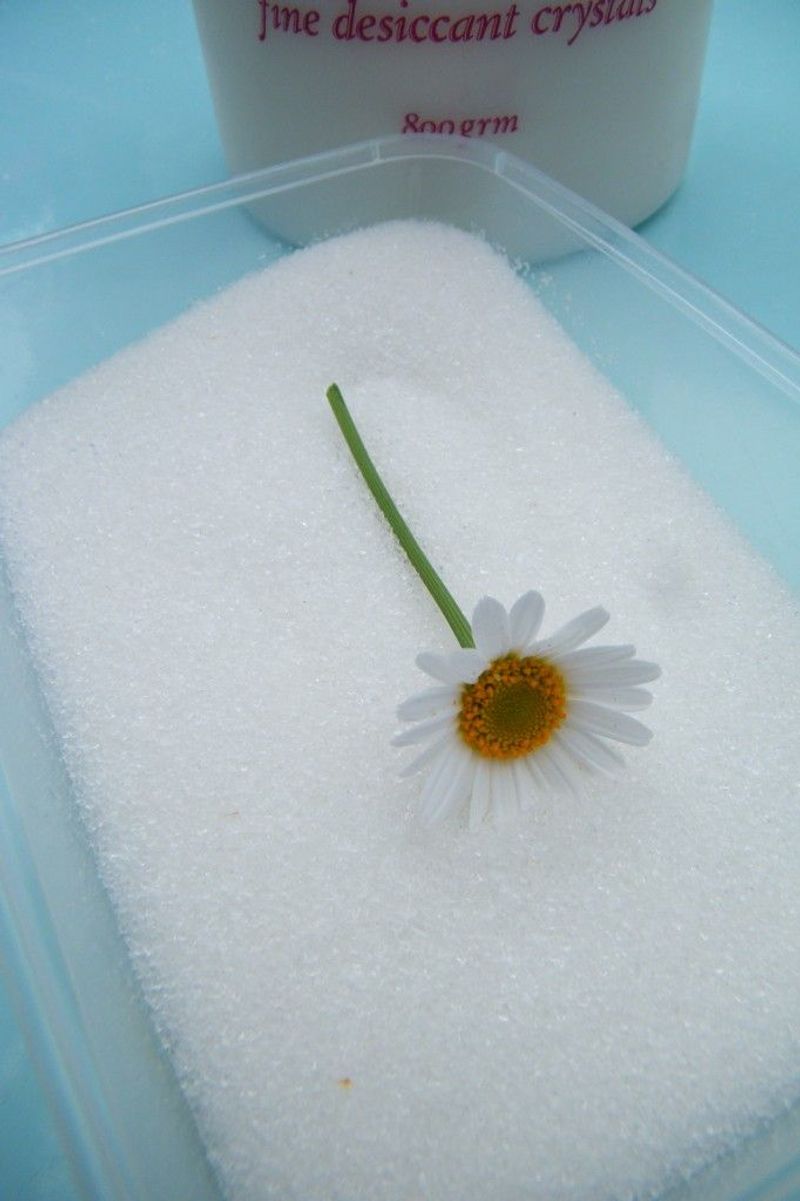
Burying flowers in fine sand provides gentle, even support during drying while protecting delicate petals from damage, making this technique ideal for three-dimensional flower shapes and forms.
Use clean, fine-grain sand like play sand or sandbox sand, which you can purchase inexpensively from hardware stores throughout Michigan during any season of the year.
Pour sand into a shallow box or container, then carefully position flower heads face-up before slowly pouring more sand around and over them until completely covered.
Allow two to three weeks for complete drying, storing the container in a warm, dry location where it won’t be disturbed by curious pets or children.
Zinnias, marigolds, and sunflowers dry beautifully using this method, maintaining their rounded shapes and cheerful colors that bring summer memories into your winter home decorating scheme.
Carefully pour off sand when flowers feel completely dry, using a soft brush to remove any remaining grains stuck between petals without damaging the fragile structures.
Sand-dried flowers work wonderfully in arrangements where you need blooms to look full and natural rather than flat, adding dimension to wreaths, garlands, and festive displays.
8. Freeze Drying Flowers

Professional freeze-drying produces the most lifelike preserved flowers available, maintaining original colors, shapes, and textures better than any home preservation method can achieve independently without equipment.
While home freeze-dryers cost several thousand dollars, many Michigan florists and specialty shops offer freeze-drying services for special blooms you want preserved with absolute perfection.
This process removes moisture through sublimation, where ice crystals transform directly into vapor without passing through a liquid stage that might damage delicate petal structures.
Wedding bouquets, memorial flowers, and prized garden specimens deserve this premium treatment, creating keepsakes that last indefinitely when stored properly away from moisture and direct sunlight.
Freeze-dried flowers feel surprisingly lightweight and papery but maintain incredibly realistic appearances that make them perfect for shadow boxes, ornament filling, or special holiday centerpiece arrangements.
Michigan homeowners sometimes combine freeze-dried focal flowers with other preserved materials to create mixed-media arrangements that showcase different textures and preservation techniques beautifully in one display.
Handle freeze-dried blooms carefully, as they’re quite fragile despite their realistic appearance, and store them in sealed containers with desiccant packets to maintain their quality.
9. Borax And Cornmeal Mix
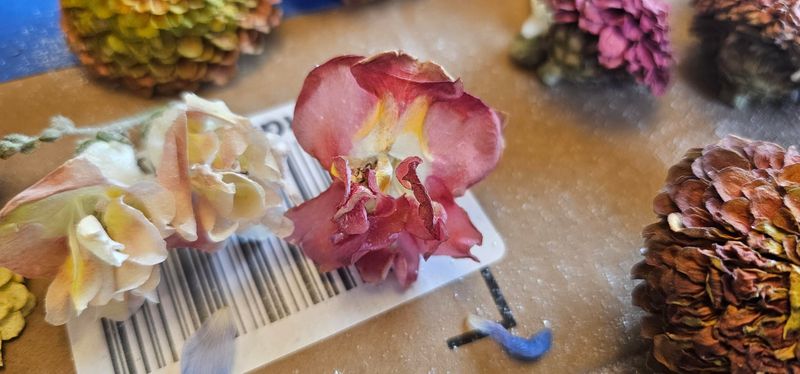
Combining borax with cornmeal creates an effective, budget-friendly drying agent that absorbs moisture while supporting flower structures during the preservation process without expensive specialty products needed.
Mix equal parts borax and cornmeal thoroughly, creating a fine powder that flows easily around flower petals and into tight spaces between delicate bloom layers.
Place flowers face-up in a container, then gently spoon the mixture over them until completely covered, taking care not to crush petals while burying blooms.
Seal the container and wait ten to fourteen days, allowing the borax mixture sufficient time to draw out all moisture from even the thickest petals completely.
This method works exceptionally well for garden favorites like daisies, asters, and black-eyed Susans that Michigan homeowners grow abundantly throughout summer months in backyard gardens.
Carefully lift dried flowers from the mixture and brush away powder with a soft artist’s brush, working gently to avoid breaking stems or dislodging petals.
Borax-dried flowers maintain excellent color retention and natural shapes, making them perfect additions to rustic Christmas arrangements, farmhouse-style wreaths, and country-inspired holiday decorating throughout your home.