4 Georgia Fruit Trees Ready For March Pruning And 3 To Leave Alone
March can make it feel like everything in the yard needs a trim, but when it comes to fruit trees in Georgia, the timing is not the same across the board.
Some trees are still dormant and ready for pruning, while others are already setting buds and should be left alone if you want a good harvest.
Making the right cuts now can improve airflow, shape the tree, and lead to better fruit later in the season. But pruning the wrong tree at the wrong time can quietly reduce yields or delay growth without any obvious warning signs.
That is why knowing which trees are ready and which ones need more time matters so much.
A few careful decisions in March can set up a healthier tree and a more productive season, while avoiding mistakes that take months to show up.
1. Apple Trees Can Be Pruned Before Bud Break For Better Structure
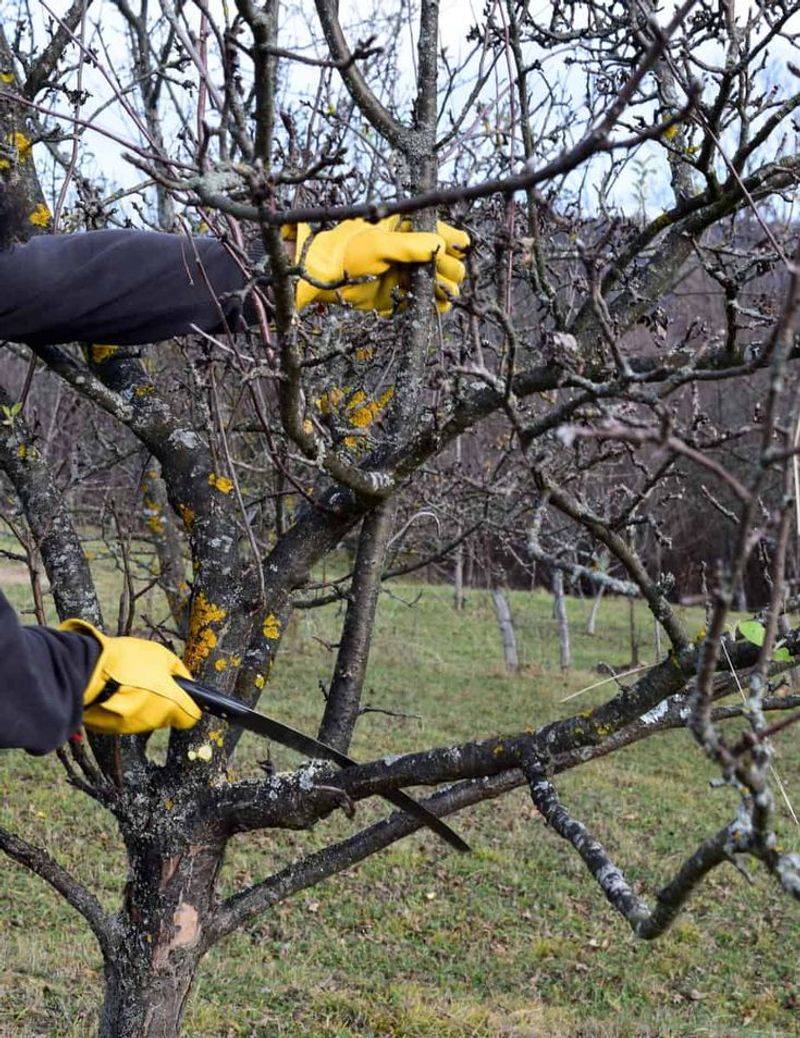
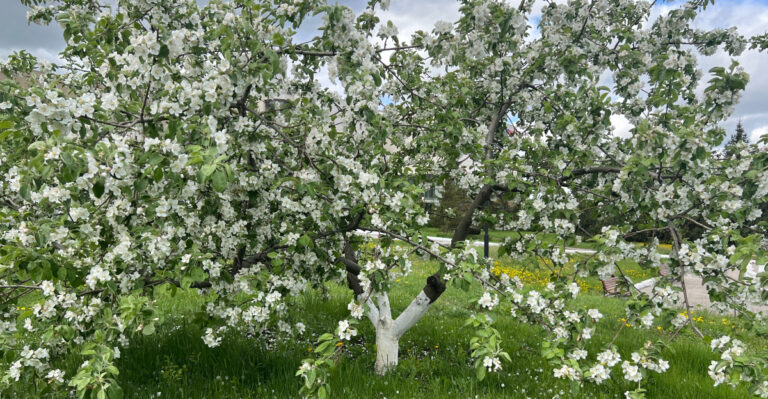
Bare branches tell the whole story. When apple trees are still dormant in late February through early March in Georgia, you can actually see the full structure of the tree without any leaves getting in the way.
That visibility is a gift, and smart gardeners take full advantage of it.
Start by removing any branches that cross over each other or rub together. Friction between branches creates wounds that invite disease, and Georgia summers are already humid enough without adding more entry points for fungal problems.
Aim to open up the center of the tree so air and sunlight can move through freely.
Apple trees in Georgia do best with a central leader shape, meaning one strong main trunk with side branches spreading outward. If you see two competing leaders fighting for dominance at the top, pick the stronger one and remove the other.
Leaving both creates a weak crotch angle that can split under the weight of a heavy fruit load.
Sharp, clean tools are non-negotiable. Dull blades crush rather than cut, leaving ragged wounds that heal slowly.
Wipe your pruners with rubbing alcohol between trees to avoid spreading any lingering disease from one tree to another.
Try not to remove more than about a quarter of the canopy in one session. Apple trees can handle a good haircut, but going too hard all at once stresses the whole system.
A little restraint now means healthier growth and better fruit set come summer across Georgia orchards and backyard gardens alike.
2. Pear Trees Respond Well To Late Winter Pruning Before Growth Starts
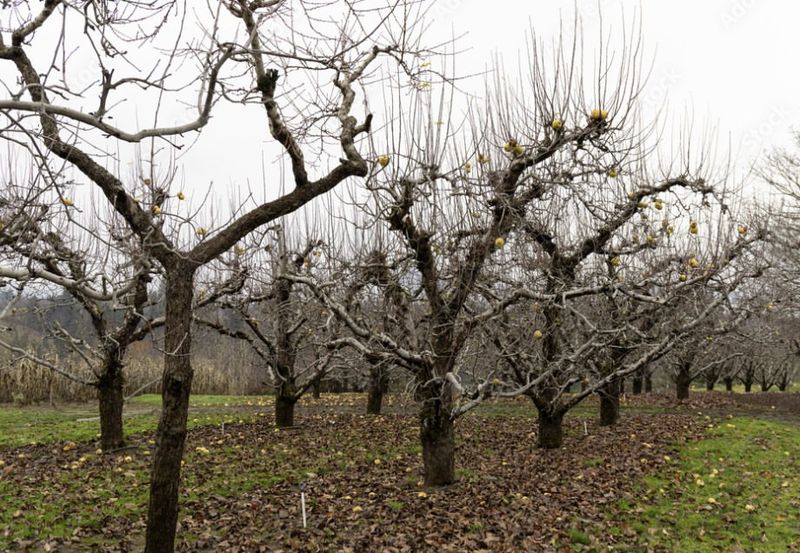
Pear trees have a reputation for being a little stubborn, but get the timing right and they reward you generously.
Pruning in late winter before any green appears is genuinely the sweet spot for Georgia growers, and March gives you a solid window to work before things start moving.
One thing pear trees do that apples generally do not is shoot up fast with lots of upright, whippy growth called water sprouts. Cut those out first.
They drain energy from the tree and rarely produce fruit. Pulling them off cleanly at the base is better than leaving a stub.
Pears prefer a central leader system just like apples, but they tend to grow more upright naturally. Spreading branches slightly outward by removing overly vertical side shoots encourages better light distribution.
Better light means better fruit color and sugar development, which matters whether you are growing Bartlett or Kieffer varieties common across Georgia.
Fire blight is a serious concern for pear growers in Georgia. Pruning during dry, cool weather reduces the chance of spreading it through fresh cuts.
If you spot any dark, scorched-looking branches, cut well below the damaged area and sanitize your tools immediately before moving on.
Older wood that has stopped producing should be removed to push the tree toward younger, more fruitful growth.
A pear tree with good structure built up over a few winters will outperform a neglected one almost every single time, no matter how fertile the Georgia soil underneath it happens to be.
3. Peach Trees Should Be Pruned In Late Winter To Early March
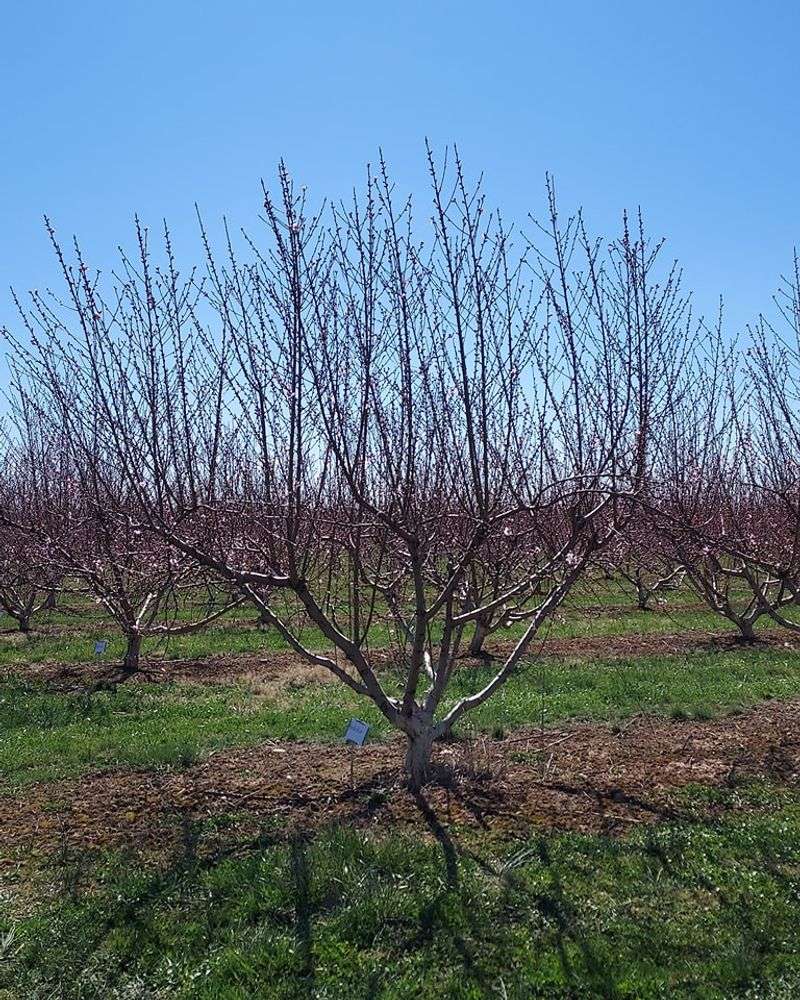
Peaches are Georgia’s most iconic fruit, and they need more pruning attention than almost any other tree in the home orchard.
Skip a year and you will end up with a tangled mess of thin shoots producing tiny, flavorless fruit buried deep in the canopy where sunlight barely reaches.
Late winter through early March is the target window across Georgia. Waiting too long risks cutting off developing buds, and pruning too early while hard freezes are still possible can leave fresh wounds vulnerable.
Watch the weather forecast and pick a mild stretch to get out there.
Peaches fruit on last year’s wood, so the goal is always to encourage strong new growth each season. Remove crossing branches, any unproductive wood, and anything growing straight up or straight down.
Keep the tree in an open vase or bowl shape with three to five main scaffold branches spreading outward from a low trunk.
Heading cuts, where you shorten a branch rather than remove it entirely, push the tree to produce new lateral growth lower down.
That keeps fruit within easy picking reach, which anyone who has tried to harvest peaches from a twelve-foot ladder in a Georgia July will appreciate immediately.
A good rule of thumb is to remove roughly a third of last year’s growth each season. Peach trees that are pruned consistently stay productive for many more years than those left to grow unchecked.
Georgia’s long warm season means peach trees grow aggressively, so annual pruning is not optional if you want quality fruit.
4. Fig Trees Can Be Lightly Shaped Before New Growth Begins
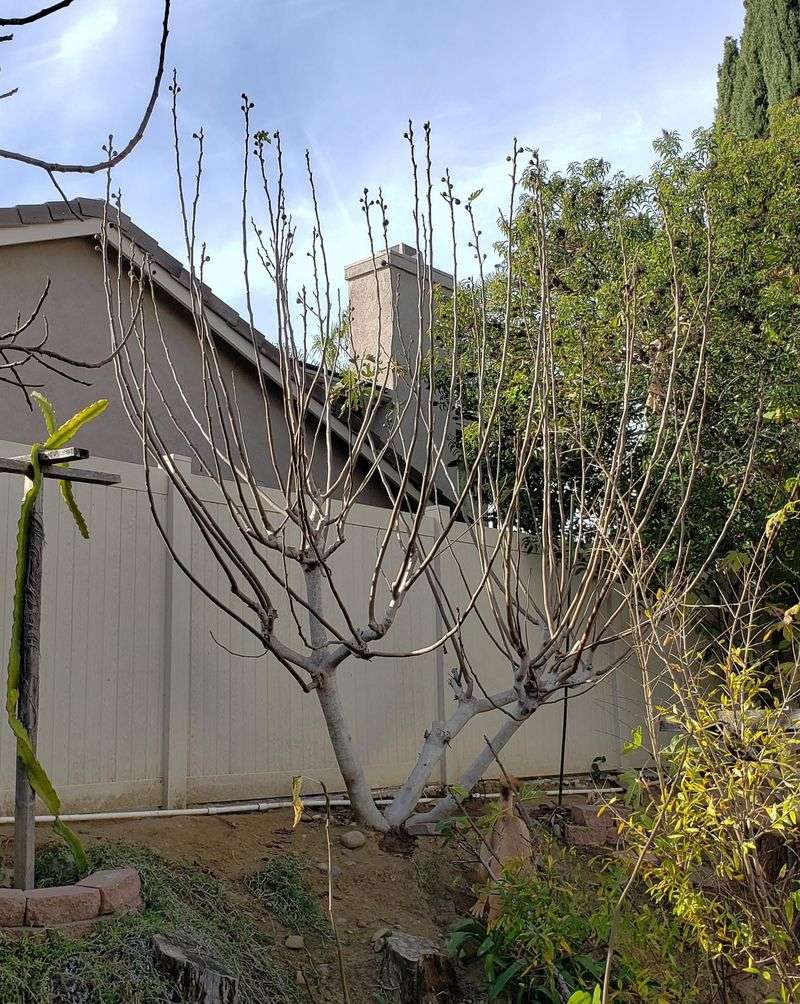
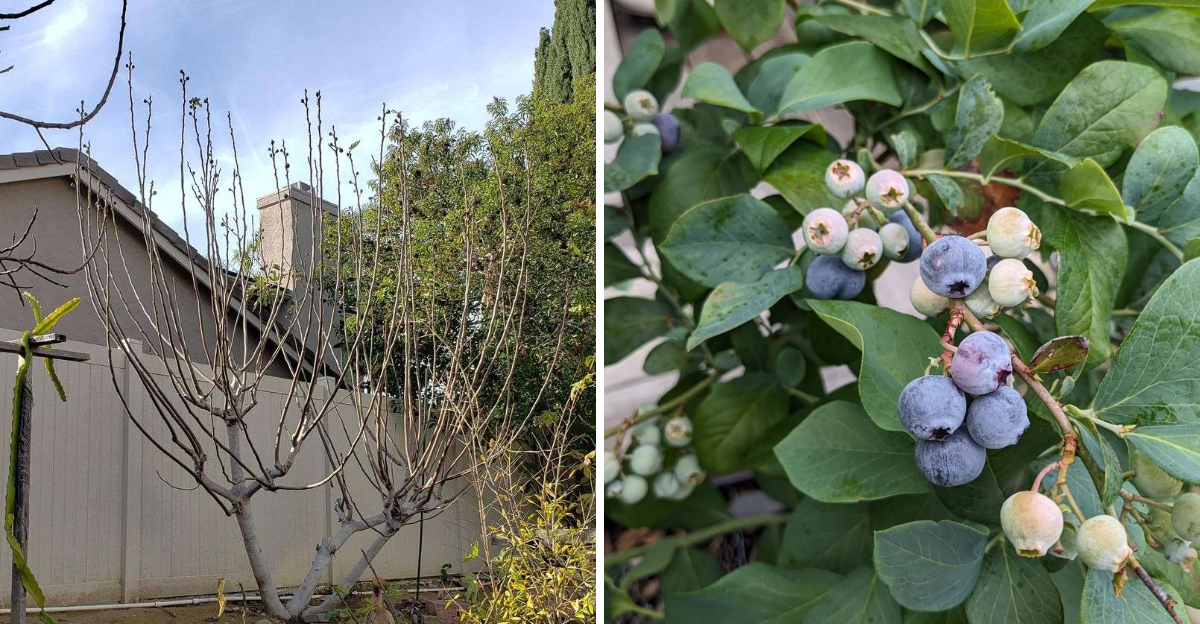
Fig trees are about as forgiving as fruit trees get, but that does not mean they never need attention. Late winter in Georgia, just before the buds start to swell and push, is a perfectly reasonable time to do a light cleanup and shape things up a bit.
Cold snaps in Georgia can occasionally damage fig tips, especially in the northern part of the state. March is the right time to assess that damage and cut back to healthy wood.
Scratch the bark lightly with your thumbnail near a suspicious tip. Green underneath means it is alive; brown or hollow means cut it off.
Figs do not require the same structural pruning as peaches or apples. Heavy cutting actually tends to push a lot of leafy growth at the expense of fruit.
Keep the cuts conservative, just removing damaged wood, any crossing branches that create congestion, and the occasional sucker coming up from the base.
Height management is one genuinely practical reason to prune figs. Left completely alone, a fig can get surprisingly large over several Georgia growing seasons.
Keeping it at a manageable height makes harvesting easier and protects the tree from wind damage during summer storms.
If you want to keep a fig in a container or espalier it against a fence or wall, late winter is a good time to do that shaping work too.
Figs are flexible enough to be trained into many forms, and starting before new growth emerges gives the tree a chance to adjust before it puts energy into the season ahead.
5. Blueberry Bushes Should Not Be Pruned Once Flower Buds Swell
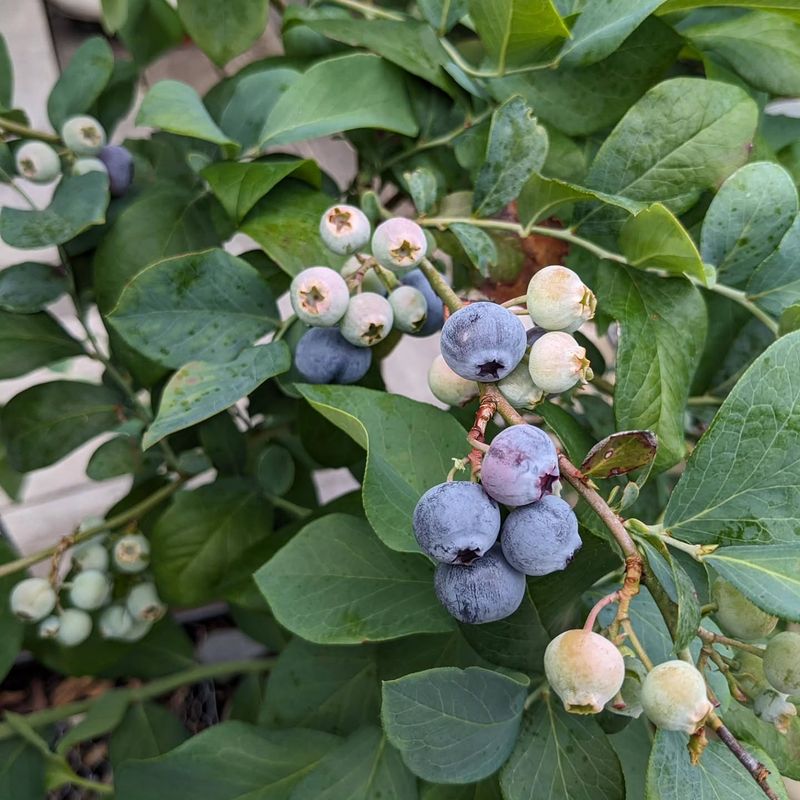
Walk past a blueberry bush in early March and you might notice those buds are already plumping up and showing color. At that point, put your pruners away.
Cutting into swollen flower buds means cutting off the very thing you spent all year waiting for, and no amount of good intentions makes up for a missed blueberry harvest.
Georgia grows mostly rabbiteye blueberries, which are well-suited to the state’s heat and slightly acidic soils. Rabbiteye varieties break dormancy early, sometimes uncomfortably early, which means the pruning window closes faster than many gardeners expect.
If you missed the late January through mid-February window this year, just wait until after harvest to do any significant shaping.
Light removal of obviously broken or completely crossing stems is probably fine even now, but keep it minimal. Anything that involves cutting into productive wood with swollen buds should wait.
Patience here directly translates into bowls of fresh blueberries in late May and June.
Blueberry bushes that have been neglected for several years can be renovated, but that work is better saved for late fall or early the following winter before buds develop.
Trying to do major renovation pruning on a bush that is already heading into bloom just stresses it without delivering any real structural benefit.
Georgia gardeners who time their blueberry pruning correctly consistently get better yields than those who prune at random. Mark your calendar for late January next year and you will hit that window reliably.
Right now in March, just let those buds do their thing undisturbed.
6. Cherry Trees Are Best Pruned In Late Spring Or Summer
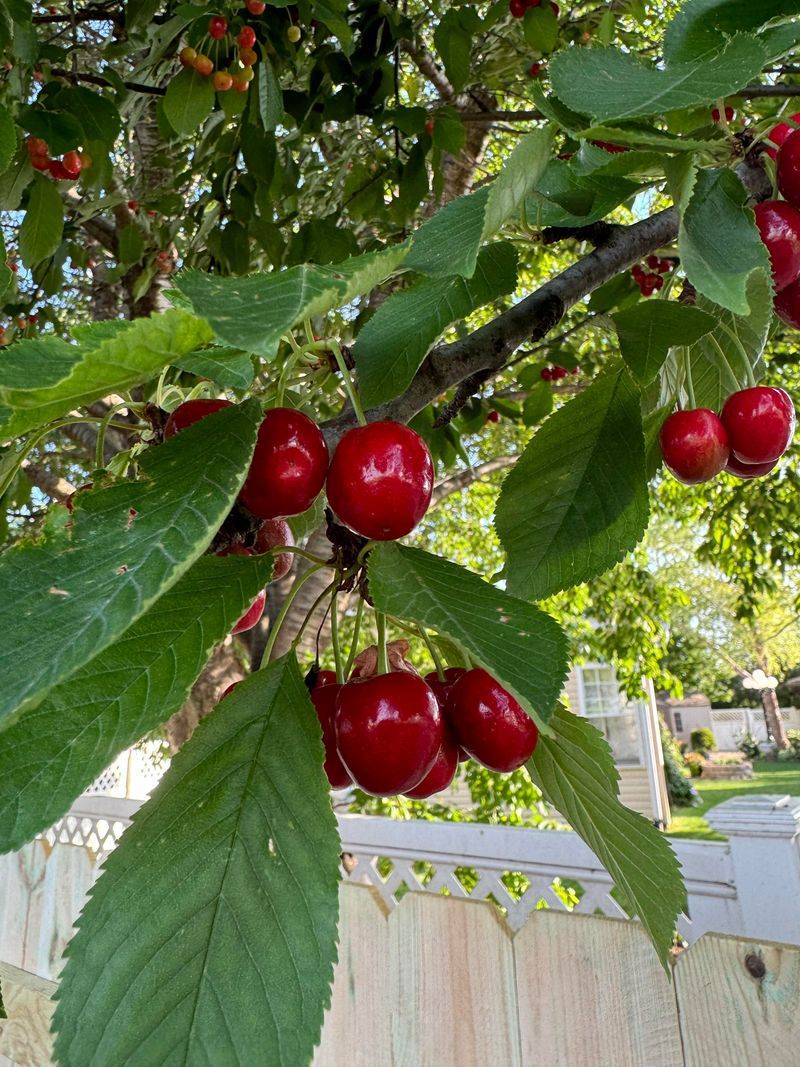
Cherry trees and March pruning are a bad combination, and Georgia gardeners who have learned this lesson the hard way tend not to repeat it.
Stone fruits like cherries are highly susceptible to fungal diseases when cuts are made during cool, wet weather, which is exactly what Georgia March can deliver.
Silver leaf disease and bacterial canker both enter through fresh pruning wounds and spread quickly in the moist conditions of late winter and early spring.
Waiting until late spring or summer, when the tree is in active growth and the weather is drier and warmer, dramatically reduces that risk.
Wounds also seal over faster when the tree has plenty of energy moving through it.
Sweet cherries are not the most common fruit tree in Georgia due to the state’s mild winters, since most sweet varieties need more chill hours than Georgia reliably provides.
Sour cherries are a more practical choice for many Georgia growers, and they follow the same pruning timing rules.
If you notice damaged or broken branches on a cherry tree right now in March, it is tempting to grab the saw and deal with them immediately. Hold off if you can.
A small amount of old wood is not going anywhere, and the trade-off of waiting until summer far outweighs the satisfaction of tidying things up today.
Summer pruning also has the benefit of slowing down overly vigorous growth, which can be a real issue with cherry trees in Georgia’s long growing season.
Pruning in active growth naturally limits regrowth compared to late winter cuts, giving you better control over the tree’s final size and shape.
7. Mulberry Trees Are Better Pruned After Leaf Out To Reduce Sap Bleeding
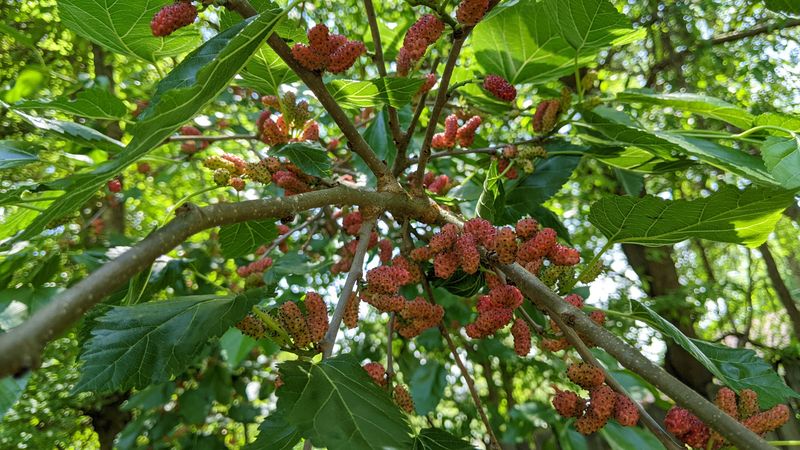
Mulberry trees bleed heavily when cut during dormancy, and that is not just a minor cosmetic issue.
Heavy sap flow from late winter cuts can weaken branch unions, create soggy entry points for disease, and honestly just make a sticky mess of your tools and clothes on an otherwise pleasant Georgia spring morning.
Waiting until after the tree has fully leafed out solves most of that problem. Once leaves are actively working and pulling water and nutrients upward, the pressure that drives sap bleeding decreases significantly.
Cuts made in late spring seal over more cleanly and with far less drama than those made in March.
Mulberries in Georgia can grow surprisingly fast and wide if left alone for a few seasons. Homeowners often discover their mulberry has become a genuine canopy tree before they realize it needed any management at all.
Annual light pruning after leaf out keeps size in check without triggering excessive regrowth.
Fruiting mulberries are worth managing carefully because the fruit attracts birds in huge numbers, and a well-shaped, accessible tree makes cleanup and harvesting much more manageable.
Keeping the canopy open and at a reasonable height makes a real practical difference come June when the fruit drops fast and heavy.
Mulberry wood is also surprisingly brittle for how fast the tree grows. Removing weak or narrow-angled branches during the post-leaf-out pruning window improves structural integrity before Georgia summer storms arrive.
A little proactive shaping now prevents much larger problems when the wind picks up later in the season.