9 Georgia Garden Favorites That Grow Stronger When They Have Company
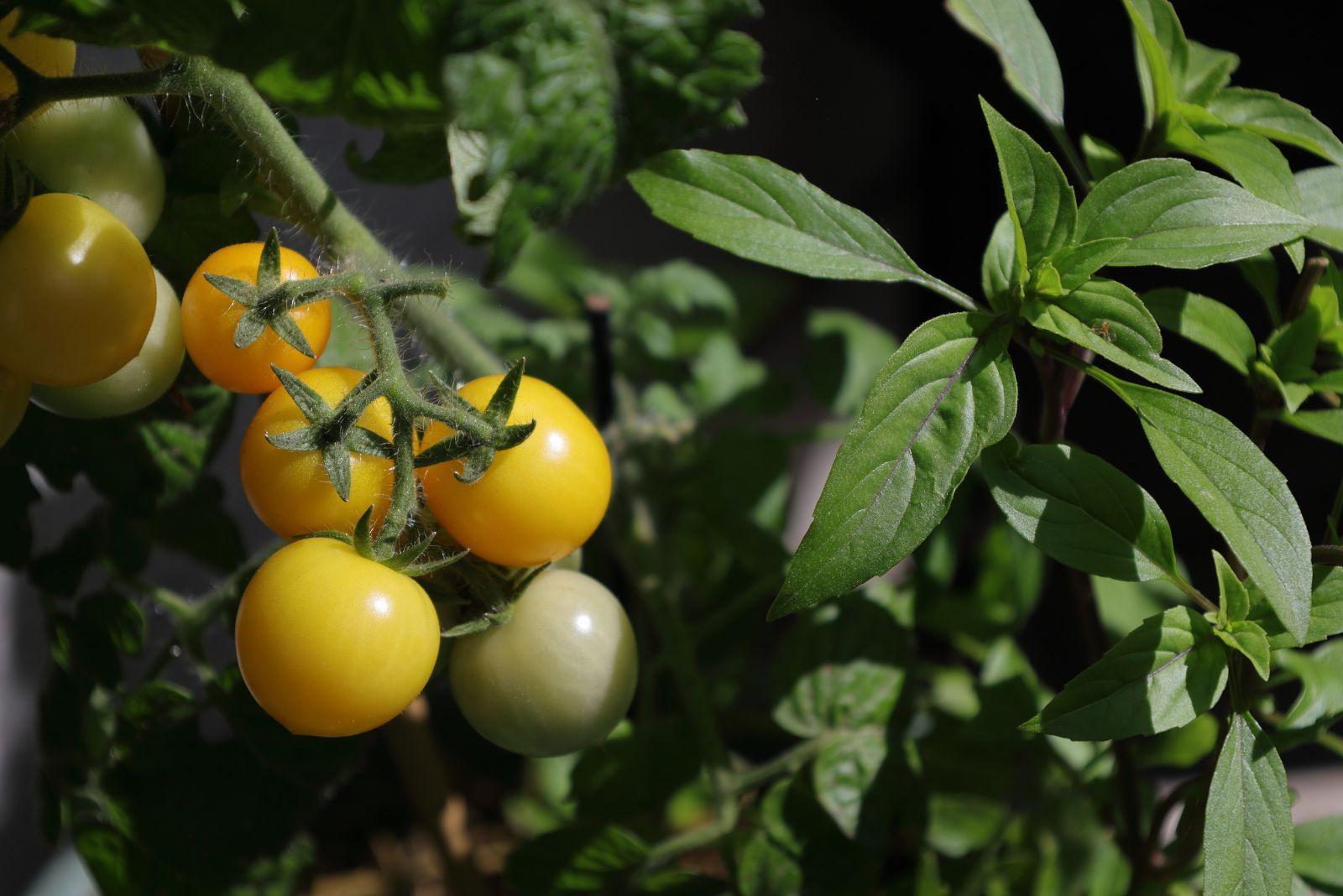
Georgia gardens thrive under warm sun, rich soil, and a rhythm of seasons that keeps plants growing almost year round.
Still, some plants do their best work with a trusted partner by their side.
A single plant may put on a decent show, yet pair it with the right companion and the whole garden can spring to life.
One plant shields another from pests, another enriches the soil, and together they flourish like old friends who know how to bring out the best in each other.
Many gardeners stumble on these winning pairs by accident, noticing that certain plants seem happier together than apart.
Others learn that smart partnerships can mean fewer headaches, stronger growth, and richer harvests.
Companion plants share resources, create balance, and help each other stand tall when heat, bugs, or heavy rain roll through.
Planting with purpose turns guesswork into harmony.
A Georgia garden filled with good company grows thicker, brighter, and more resilient.
Once these partnerships take root, the whole yard begins to feel more alive, as every plant plays its part and the garden works like a well tuned team from soil to stem.
1. Tomatoes With Basil
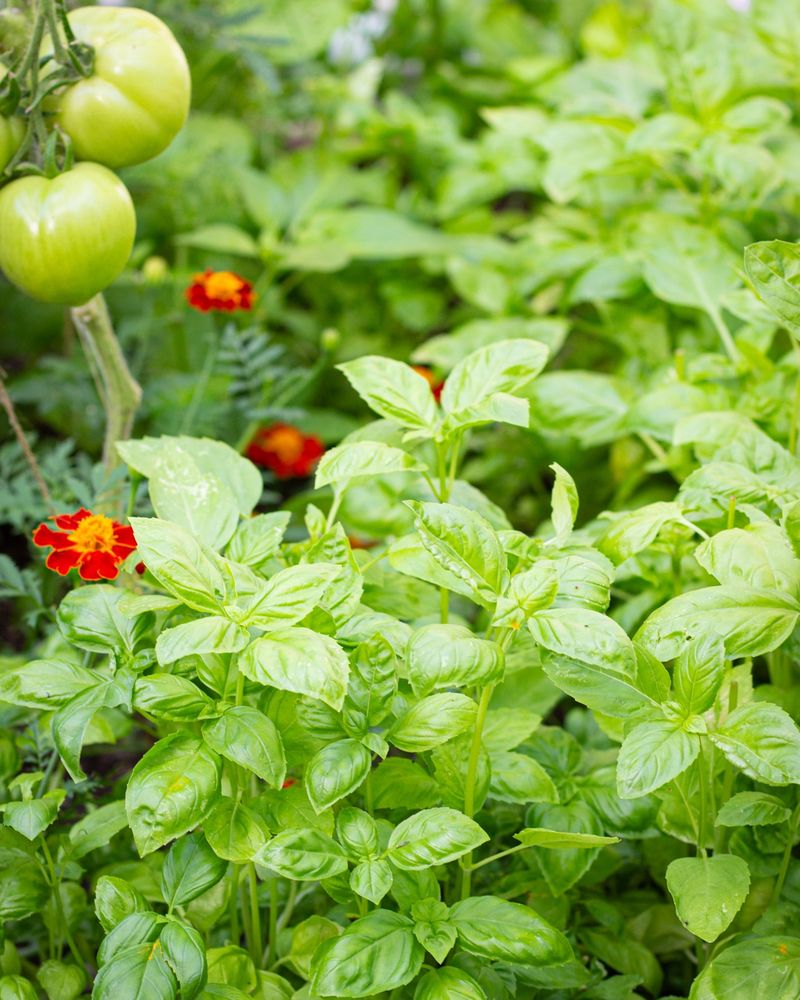
Basil and tomatoes make one of the most famous garden partnerships, and Georgia gardeners have celebrated this combination for generations.
The aromatic oils in basil leaves naturally repel aphids, whiteflies, and hornworms that commonly attack tomato plants throughout the state.
When you plant basil around your tomato plants, you create a protective barrier that keeps these destructive insects away without using any sprays or chemicals.
Many Georgia gardeners swear that basil actually improves the flavor of tomatoes grown nearby.
While scientists debate this claim, there’s no arguing that both plants thrive in Georgia’s warm summers and need similar care.
They both love full sun, regular watering, and rich soil, making them natural companions in any garden bed.
The partnership works both ways because tomato plants provide afternoon shade for basil during the hottest part of Georgia summers.
This prevents basil from bolting too quickly when temperatures soar above 90 degrees.
Plant basil seedlings about 12 inches away from tomato plants for best results.
Throughout Georgia, from Macon to Augusta, this combination produces abundant harvests.
The basil stays bushier and more productive when grown near tomatoes, while the tomatoes develop fewer pest problems.
Both plants benefit from the same fertilizer schedule, making garden maintenance simpler and more efficient for busy gardeners.
2. Corn With Beans And Squash
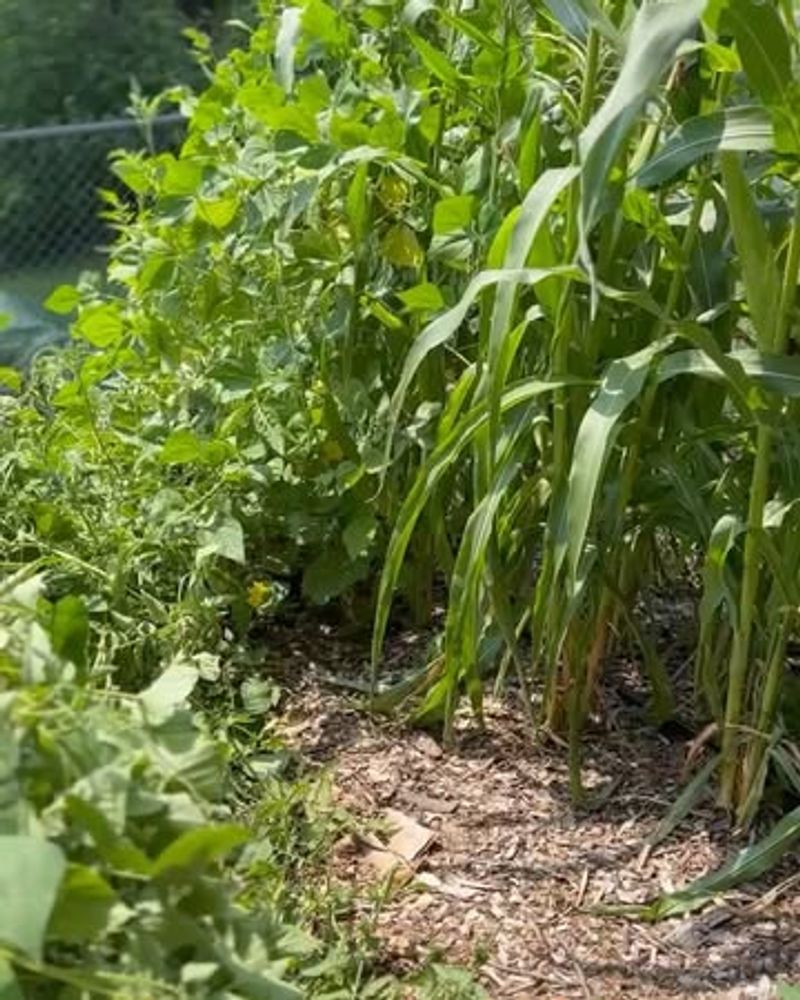
Native Americans taught early settlers about this incredible plant partnership known as the Three Sisters, and it works beautifully in Georgia gardens today.
Corn provides sturdy stalks for bean vines to climb, eliminating the need for stakes or trellises.
The beans fix nitrogen in the soil, which feeds the corn and squash, creating a natural fertilizer system that keeps all three plants healthy and productive.
Squash plants spread their large leaves across the ground, creating living mulch that keeps soil moist during Georgia’s hot, dry spells.
These big leaves also block sunlight from reaching weed seeds, reducing the amount of weeding you need to do.
The slightly prickly squash leaves discourage raccoons and other critters from raiding your corn patch.
In Georgia’s climate, plant corn first when soil temperatures reach 60 degrees, usually in late March or early April.
Once corn reaches about six inches tall, plant beans around the base of each stalk.
Add squash seeds a week later, spacing them between the corn rows.
This traditional combination works from Columbus to Athens, producing abundant harvests from relatively small garden spaces.
The three plants support each other’s growth while requiring less water, fertilizer, and pest control than if grown separately.
Georgia gardeners appreciate how this partnership reduces work while increasing yields throughout the growing season.
3. Cucumbers With Radishes
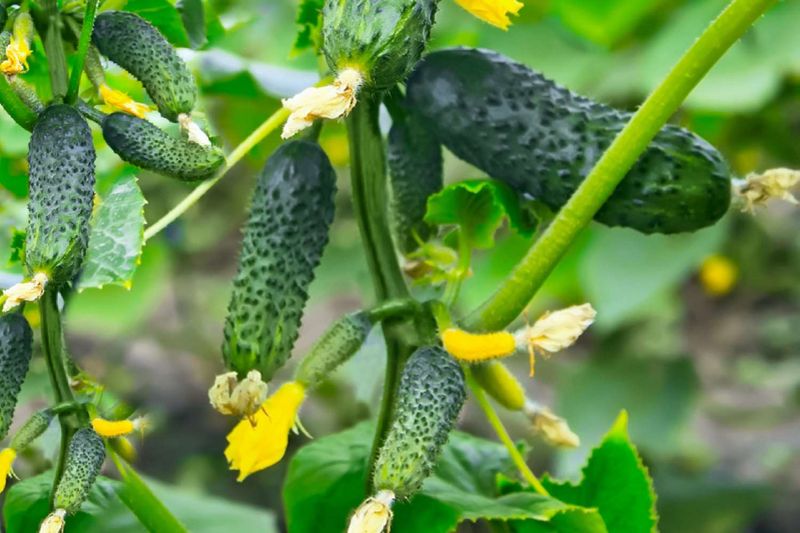
Radishes act as bodyguards for cucumber plants, protecting them from cucumber beetles and other pests that plague Georgia gardens.
When you plant radishes near cucumbers, the strong scent confuses beetles and keeps them from finding and damaging your cucumber vines.
Radishes mature quickly, usually within 25 days, so they’re harvested before cucumbers need the extra space.
Georgia’s spring weather creates perfect conditions for starting this partnership.
Plant radish seeds directly in the soil two weeks before your last frost date, then add cucumber seeds or transplants once temperatures stay consistently above 60 degrees.
The radishes will be ready to harvest just as cucumber vines start spreading.
Cucumber roots grow deep while radish roots stay shallow, so these plants don’t compete for nutrients or water.
This means both crops thrive without interfering with each other’s growth patterns.
The radishes actually help break up compacted Georgia clay soil, making it easier for cucumber roots to establish and access water during dry periods.
From Valdosta to Dalton, this combination produces crisp radishes for salads and abundant cucumbers for pickling or fresh eating.
The radishes also serve as a trap crop, attracting flea beetles away from cucumber leaves.
After harvesting radishes, the space they occupied becomes perfect for spreading cucumber vines, maximizing every inch of your Georgia garden bed.
4. Peppers With Onions
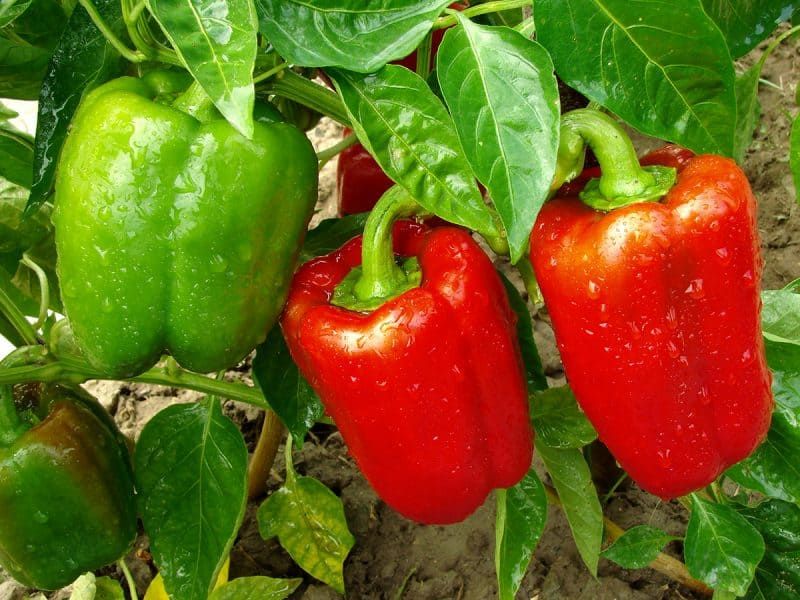
Onions release sulfur compounds that naturally repel aphids, spider mites, and other soft-bodied insects that attack pepper plants throughout Georgia’s growing season.
Planting onions around your pepper plants creates an invisible shield that protects them from common pests without requiring any chemical sprays.
The strong onion scent masks the smell of pepper plants, making it harder for insects to locate them.
Both plants thrive in Georgia’s climate and share similar growing requirements.
They need full sun, well-drained soil, and consistent moisture to produce healthy crops.
Onions have shallow root systems that don’t interfere with pepper roots, which grow deeper into the soil.
This means they coexist peacefully without competing for nutrients or water.
Georgia gardeners from Rome to Waycross plant onion sets in early spring, about four to six weeks before the last frost.
Add pepper transplants after all danger of frost passes, spacing them about 18 inches apart with onions planted between them.
The onions mature and can be harvested in early summer, just as pepper plants need more space to spread.
This partnership produces sweeter peppers with fewer pest problems and healthier onion bulbs.
The peppers provide some afternoon shade that prevents onions from bolting during the hottest weeks of summer.
Together, these plants create a productive, low-maintenance section of any Georgia garden that yields abundant harvests from spring through fall.
5. Carrots With Chives
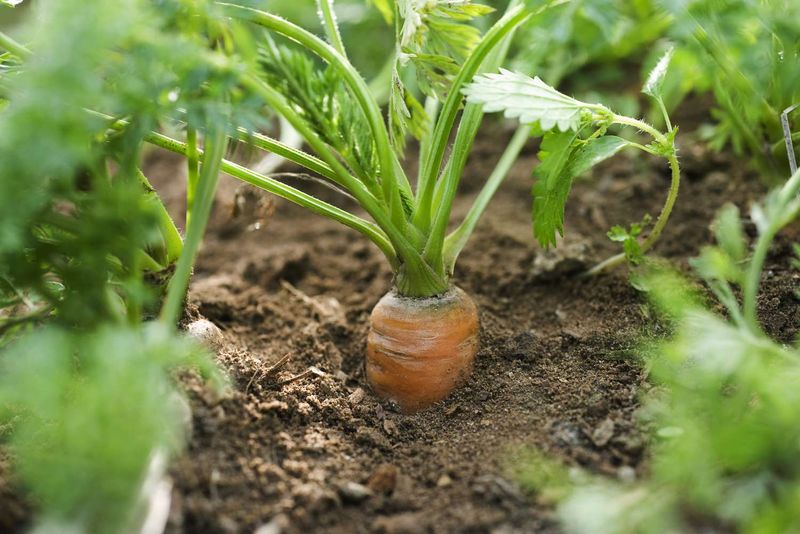
Chives belong to the allium family and release natural compounds that repel carrot rust flies, the most troublesome pest for Georgia carrot growers.
These tiny flies lay eggs near carrot plants, and their larvae tunnel into carrot roots, ruining the harvest.
When chives grow nearby, their strong scent confuses the flies and prevents them from finding carrot plants to attack.
Carrot seeds can be tricky to germinate in Georgia’s variable spring weather, but chives help by marking the rows.
Plant chive seeds or transplants along the edges of carrot rows, and their quick growth shows exactly where you planted the slower-sprouting carrots.
This prevents accidental weeding of carrot seedlings before they emerge.
Both plants prefer similar growing conditions, including loose, well-drained soil and consistent moisture.
In Georgia’s red clay soil, amend beds with compost before planting to help carrots develop straight roots.
Chives grow in clumps that don’t spread aggressively, so they won’t crowd out developing carrots.
Throughout Georgia, from Savannah to Marietta, this combination produces sweet, pest-free carrots and flavorful chives for cooking.
The chives bloom with pretty purple flowers in late spring, attracting beneficial insects like ladybugs and lacewings that eat aphids and other garden pests.
After harvesting carrots, the perennial chives remain in place, ready to protect next year’s crop while providing fresh herbs for your kitchen year-round.
6. Lettuce With Tall Flowers
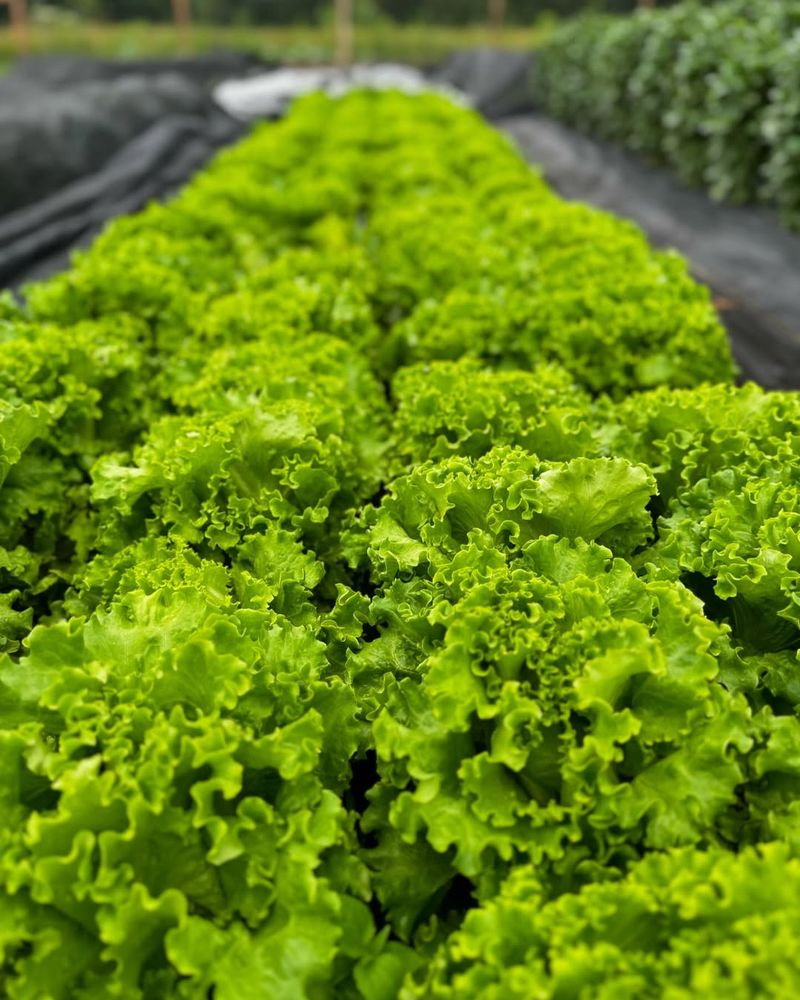
Lettuce struggles in Georgia’s summer heat, often turning bitter and bolting before you can harvest many leaves.
Tall flowers like sunflowers, zinnias, or cosmos provide crucial afternoon shade that keeps lettuce cool and productive even when temperatures climb into the 90s.
This partnership extends your lettuce harvest by several weeks, allowing you to enjoy fresh salads throughout the summer.
Plant tall flowers on the south or west side of lettuce beds to block the most intense afternoon sun.
The flowers create dappled shade that reduces soil temperature and slows moisture evaporation, which helps lettuce stay crisp and sweet.
In Georgia’s climate, this shade makes the difference between lettuce that thrives and lettuce that becomes too bitter to eat.
The tall flowers also attract beneficial insects like bees, butterflies, and predatory wasps that help pollinate other garden plants and control pest populations.
Their bright blooms add beauty to your vegetable garden while serving practical purposes.
Choose flowers that grow at least four feet tall for best shading results.
From Atlanta to Columbus, Georgia gardeners use this technique to grow lettuce successfully through summer.
The flowers benefit too, as lettuce’s shallow roots don’t compete with their deeper root systems.
Both plants need regular watering during dry spells, making maintenance simple.
This beautiful and productive partnership proves that vegetable and flower gardens don’t need to be separate spaces.
7. Strawberries With Borage
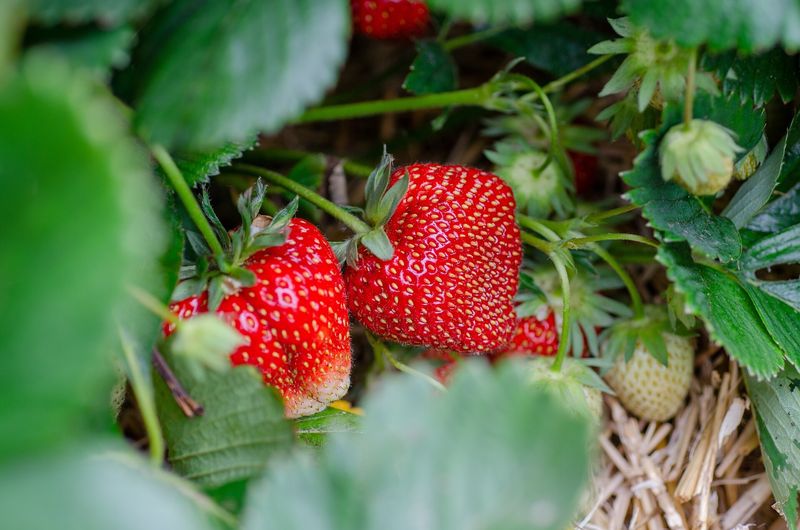
Borage produces beautiful blue star-shaped flowers that attract more bees to your Georgia strawberry patch, increasing pollination and berry production.
Better pollination means larger strawberries and more fruit per plant, making this partnership especially valuable for gardeners who want maximum harvests.
The increased bee activity benefits all nearby plants that need pollination.
Georgia strawberry growers have discovered that borage also improves strawberry plant health and may enhance berry flavor.
While the exact mechanism remains unclear, many experienced gardeners report noticeably sweeter berries when borage grows nearby.
Borage leaves contain minerals that accumulate in the soil as they decompose, potentially enriching the growing environment for strawberries.
Plant borage seeds around the edges of strawberry beds in early spring, spacing them about 12 inches apart.
Borage grows quickly and self-seeds readily, returning year after year without replanting.
Its deep taproot brings nutrients from lower soil layers up to where strawberry roots can access them, creating a natural fertilizer system.
Throughout Georgia, from Brunswick to Gainesville, this combination produces abundant strawberry harvests with minimal pest problems.
Borage’s fuzzy leaves deter some insects while its flowers provide nectar for beneficial predatory insects that eat aphids and mites.
The plants share similar water needs and both prefer full sun, making them easy to care for together.
Borage also has edible flowers and leaves with a cucumber-like taste, adding extra value to your garden.
8. Cabbage Family With Aromatic Herbs
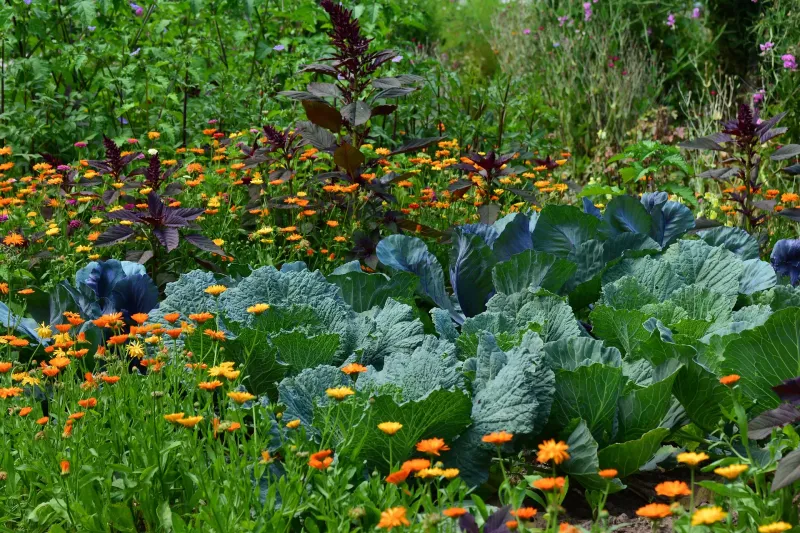
Cabbage, broccoli, kale, and other brassicas face constant attacks from cabbage worms, aphids, and flea beetles in Georgia gardens.
Aromatic herbs like rosemary, sage, thyme, and dill release strong scents that mask the smell of cabbage family plants, making it difficult for pests to locate them.
This natural camouflage protects your crops without requiring chemical pesticides that can harm beneficial insects.
These herbs also attract parasitic wasps and other beneficial insects that lay eggs inside cabbage worms and aphids, naturally controlling pest populations.
The tiny wasps are harmless to humans but devastating to garden pests, providing ongoing protection throughout the growing season.
Georgia’s mild winters allow many of these herbs to grow year-round, offering continuous pest control.
Plant herbs around the perimeter of cabbage beds or intersperse them between brassica plants.
The herbs’ deep roots don’t compete with the shallow roots of cabbage family plants, so all crops receive adequate nutrients and water.
Most aromatic herbs prefer drier conditions than brassicas, so plant them on slightly raised areas or mounds within the bed.
From Thomasville to Athens, Georgia gardeners report healthier cabbage family plants with fewer pest problems when grown near aromatic herbs.
The herbs remain productive for years, providing fresh seasonings for cooking while protecting vegetables.
This partnership creates a beautiful, fragrant garden section that produces abundant harvests of both vegetables and herbs throughout multiple seasons.
9. Green Beans With Marigolds
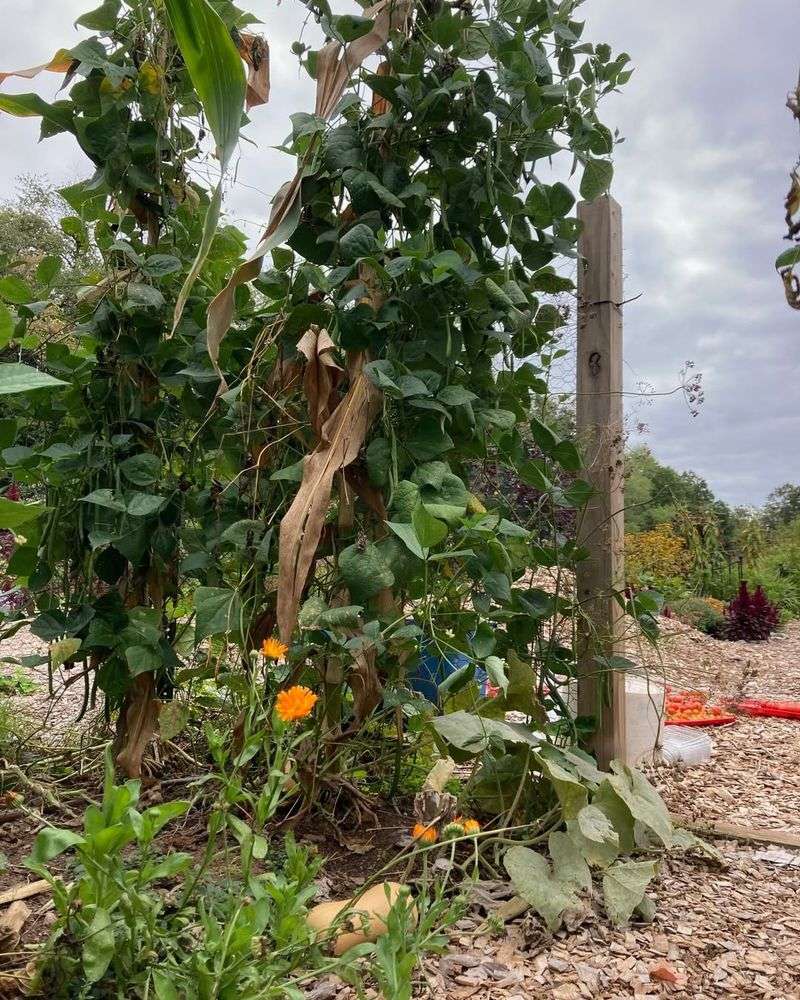
Marigolds produce a chemical in their roots that repels nematodes, microscopic worms that damage bean roots and reduce yields throughout Georgia.
These pests live in the soil and attack many vegetable crops, but marigolds offer natural protection that lasts even after the flowers finish blooming.
French marigolds work especially well for this purpose, making them the top choice for Georgia vegetable gardens.
Bean beetles often devastate green bean plants, but marigolds’ strong scent helps repel these destructive insects.
The bright flowers also attract beneficial predators like ladybugs and lacewings that eat aphids and other soft-bodied pests.
This double protection keeps bean plants healthier and more productive throughout the growing season.
Plant marigold transplants or seeds around bean rows in late spring after soil warms to at least 60 degrees.
Space marigolds about 12 inches apart, alternating them with bean plants for maximum protection.
Both plants thrive in full sun and need regular watering during Georgia’s hot, dry summer months.
Georgia gardeners from LaGrange to Statesboro rely on this partnership to produce abundant bean harvests with minimal pest damage.
The marigolds bloom continuously from late spring through fall, adding cheerful color to vegetable gardens while serving practical purposes.
After beans finish producing, leave marigolds in place because their root chemicals continue protecting the soil from nematodes, benefiting whatever you plant there next season.