8 Georgia Garden Pests That Emerge During March
You might think it’s still too chilly for pests, but in Georgia gardens, some of them are already on the move.
While you’re enjoying the first hints of spring, a few determined little creatures are quietly making their way across leaves and soil, getting a head start on their work.
These early arrivals can sneak in unnoticed, but understanding which pests tend to appear in March helps you stay ahead without stressing over every leaf. Gardeners who pay attention now can protect seedlings, flowers, and shrubs before small problems grow into bigger ones.
I’m going to show you exactly which pests are emerging this month and how to spot them before they become a nuisance. Once you know who to watch for, managing your garden this March becomes a lot easier – and maybe even a little satisfying.
1. Sneaky Aphids Devouring Early Lettuce And Cabbage
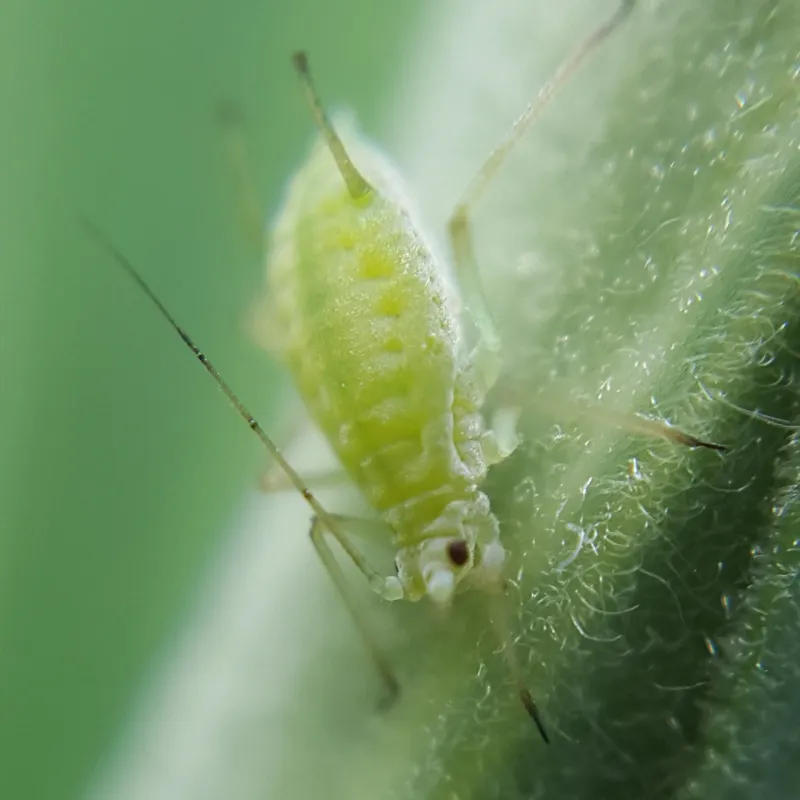
Ever notice tiny insects causing leaves to curl or sticky residue on your early spring greens? Soft-bodied and tiny, aphids reproduce quickly once temperatures rise above 50°F.
Early-planted lettuce, cabbage, and other cool-season greens often show aphid colonies within days. They cluster on leaf undersides, sucking plant juices and leaving sticky honeydew that attracts ants and encourages sooty mold.
Heavy infestations can stunt growth or deform leaves, making early intervention crucial to protect tender seedlings and maintain healthy plants.
Moderate spring temperatures, usually between 60 and 80°F, tend to increase aphid reproduction, though populations may develop more slowly when conditions fall outside this range. Early detection helps gardeners manage infestations before populations explode and prevent damage to delicate seedlings.
Georgia gardeners can dislodge aphids with a firm spray of water, introduce beneficial insects like ladybugs and lacewings for natural control, or protect vulnerable seedlings with row covers during their first weeks. Companion planting with aromatic herbs such as cilantro or dill can also deter aphids while attracting their predators.
Maintaining good airflow, removing heavily infested leaves, and monitoring garden conditions further reduce spread and long-term damage.
Regular monitoring in March ensures aphid activity doesn’t get out of hand, even if daily temperatures fluctuate. By combining physical, biological, and cultural strategies, gardeners can keep early greens healthy while minimizing chemical intervention, setting the stage for a productive and thriving spring garden.
2. Hungry Cutworms Chomping On Seedlings
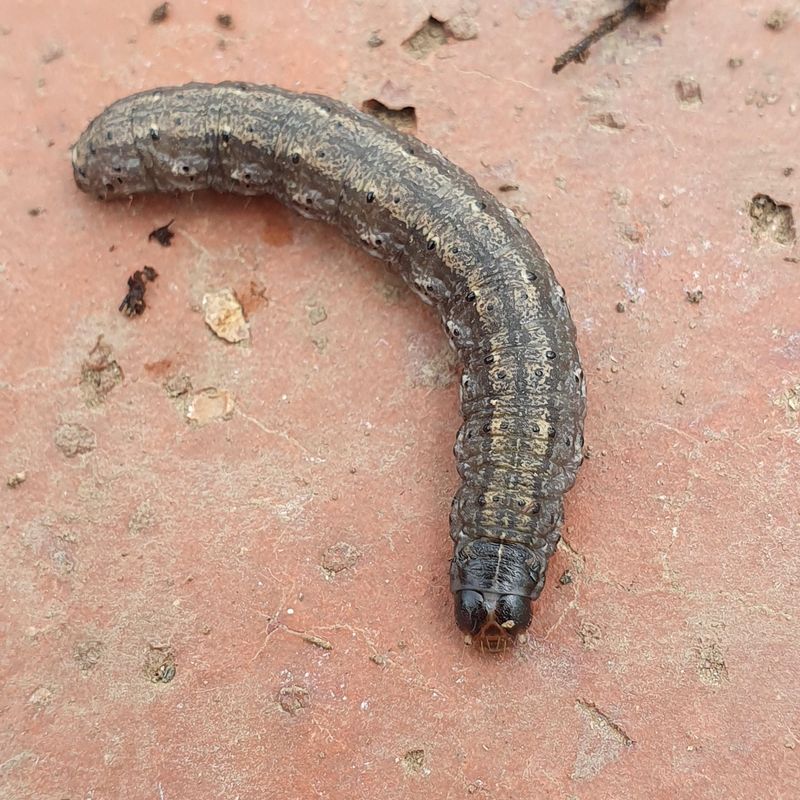
Walking out to find your transplants toppled over at the base is one of gardening’s most frustrating experiences. Cutworms cause this damage by chewing through stems right at soil level, often leaving perfectly healthy-looking plants lying on their sides.
These plump caterpillars hide in soil during daylight hours and emerge after sunset to feed, making them difficult to spot until damage appears.
Several cutworm species become active across Georgia in March as soil temperatures rise above fifty degrees. They overwinter as larvae in garden soil and weeds, then resume feeding as soon as conditions allow.
Tomato transplants, pepper seedlings, and young beans are particularly vulnerable during their first two weeks in the garden.
Creating physical barriers around transplant stems provides excellent protection against cutworm damage. Cut paper cups or cardboard collars into rings and press them into soil around each plant, extending about an inch above and below ground level.
This simple barrier prevents cutworms from reaching vulnerable stems while plants establish stronger root systems.
Clearing garden beds of weeds and plant debris before planting removes cutworm hiding spots and reduces populations. Tilling soil several weeks before planting exposes larvae to birds and weather, naturally reducing their numbers.
Hand-picking cutworms at dusk when they emerge to feed offers immediate control in small Georgia gardens where checking plants individually remains practical.
3. Slippery Slugs Raiding Cool‑Season Crops
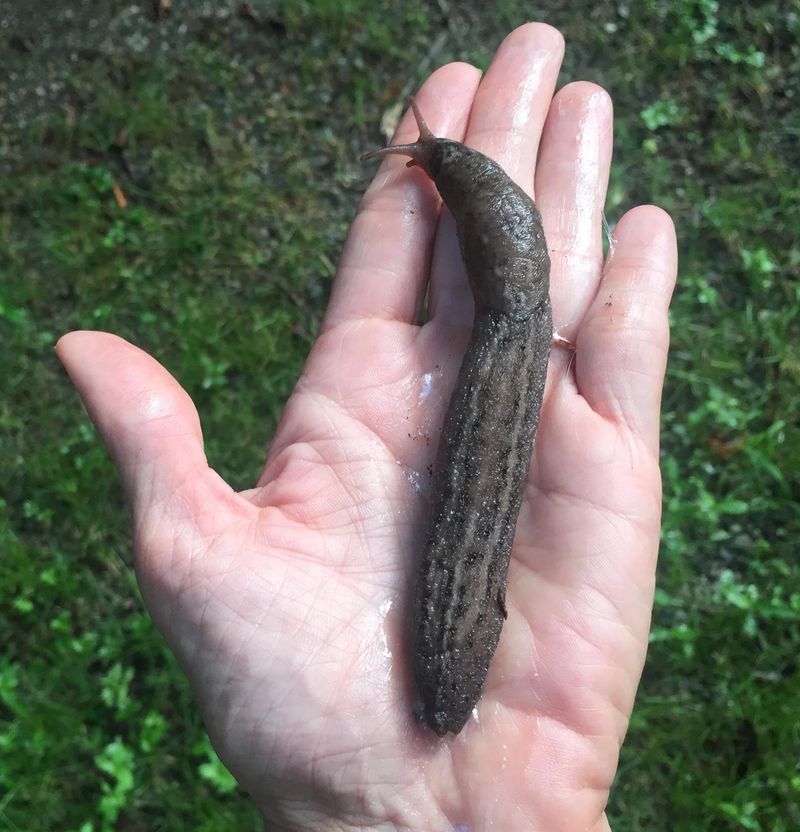
Irregular holes in spinach, lettuce, and cabbage often signal slug activity. Slugs thrive in cool, moist March conditions, especially after rain or when mulch traps moisture.
They leave silvery slime trails and hide under mulch, boards, or leaf litter during the day, emerging at night to feed. In damp, shaded corners of the garden, populations can build quickly, putting young seedlings at serious risk.
Slugs are particularly drawn to tender new growth and freshly planted seeds, making early spring plantings most vulnerable.
Young seedlings can be heavily damaged overnight if populations are high. Removing excess mulch near plants and avoiding evening watering can reduce suitable habitat for slugs.
Copper tape, diatomaceous earth, or physical barriers around beds help deter slugs, though effectiveness may vary depending on soil moisture and slug species. Maintaining well-drained soil and good air circulation can also limit slug activity and reduce the chance of fungal problems.
Simple traps using shallow containers filled with moist lettuce leaves or wet cardboard can attract slugs for easy removal. Hand-picking remains a reliable method for small gardens, while ongoing monitoring ensures early action before damage escalates.
Reducing hiding spots and maintaining proper garden hygiene creates less favorable conditions for slug feeding throughout Georgia’s variable March weather, keeping seedlings healthier, stronger, and more resilient.
4. Whiteflies Swarming Greenhouse And Early Tomatoes
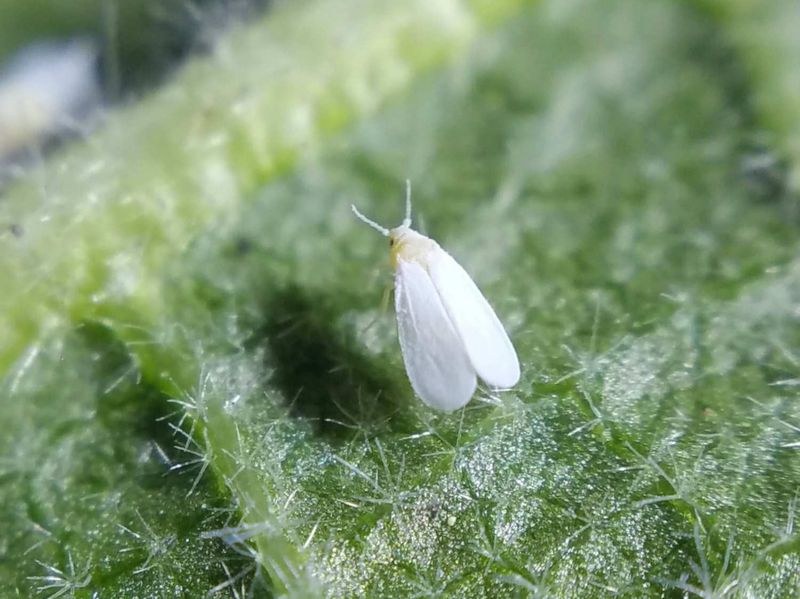
Brushing against your tomato plants and seeing a cloud of tiny white insects take flight indicates a whitefly problem developing in your Georgia greenhouse or garden. These small, moth-like pests congregate on leaf undersides where they feed on plant sap and lay eggs.
March is prime time for whitefly activity on early tomato transplants, especially those started indoors or in protected structures where temperatures remain consistently warm.
Whiteflies weaken plants through constant feeding and excrete honeydew that promotes sooty mold growth on leaves and fruit. They can transmit plant viruses that may reduce tomato yields significantly if populations become large and infestations persist.
Georgia gardeners who start tomatoes early or maintain heated greenhouses often encounter whiteflies before outdoor populations become active.
Yellow sticky traps hung near tomato plants capture adult whiteflies and help monitor population levels throughout the season. Placing traps early in March allows you to detect problems before infestations become severe.
Removing heavily infested leaves and disposing of them away from the garden reduces breeding sites and slows population growth.
Insecticidal soaps and horticultural oils smother whiteflies on contact but require thorough coverage of leaf undersides where pests congregate. Applications need repeating every few days to catch newly hatched nymphs.
Introducing parasitic wasps that target whitefly eggs provides long-term biological control in greenhouses and high tunnels. Screening greenhouse vents with fine mesh prevents whiteflies from entering while maintaining adequate air circulation for healthy tomato growth across Georgia’s variable March temperatures.
5. Tiny Spider Mites Feasting On Tender New Leaves
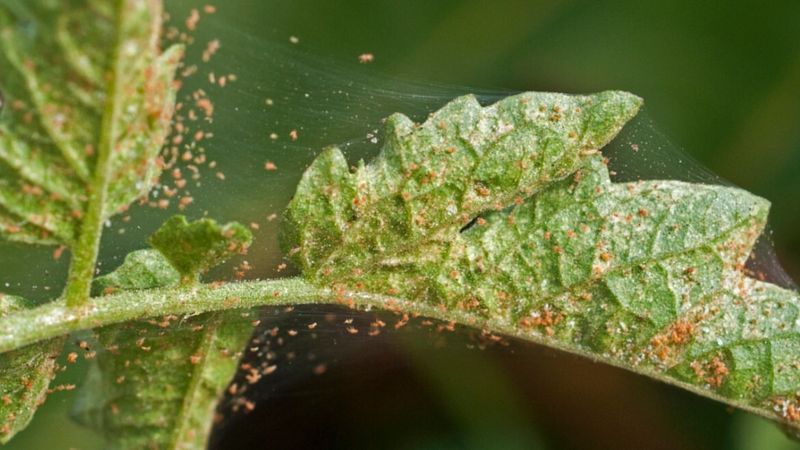
Fine webbing stretching between leaves and stems might seem harmless at first glance, but it signals an infestation of spider mites that can quickly damage plants. These microscopic arachnids are barely visible without magnification, yet they cause significant harm by piercing plant cells and sucking out contents.
Tender new growth on roses, beans, and tomatoes is particularly susceptible as leaves emerge during Georgia’s warming March weather.
Spider mites reproduce quickly under warm and dry conditions, and their populations can increase rapidly when the environment is favorable for growth. Early spring in Georgia can alternate between rainy periods and dry spells, and mites explode in number during those dry stretches.
Affected leaves develop a stippled or bronzed appearance as thousands of feeding punctures accumulate across leaf surfaces.
Increasing humidity around plants helps suppress spider mite populations since they thrive in dry conditions. Regular overhead watering or misting disrupts their lifecycle and washes away individuals before colonies establish.
Strong water sprays directed at leaf undersides physically remove mites and their eggs from plant surfaces.
Predatory mites and insects provide biological control when released early in the season before pest populations explode. Avoid using broad-spectrum insecticides that eliminate beneficial predators while leaving mite eggs unharmed.
Monitoring plants weekly with a magnifying glass allows you to spot early infestations when a simple water spray can still provide adequate control throughout Georgia’s spring growing season.
6. Giant Tomato Hornworms Targeting Transplants
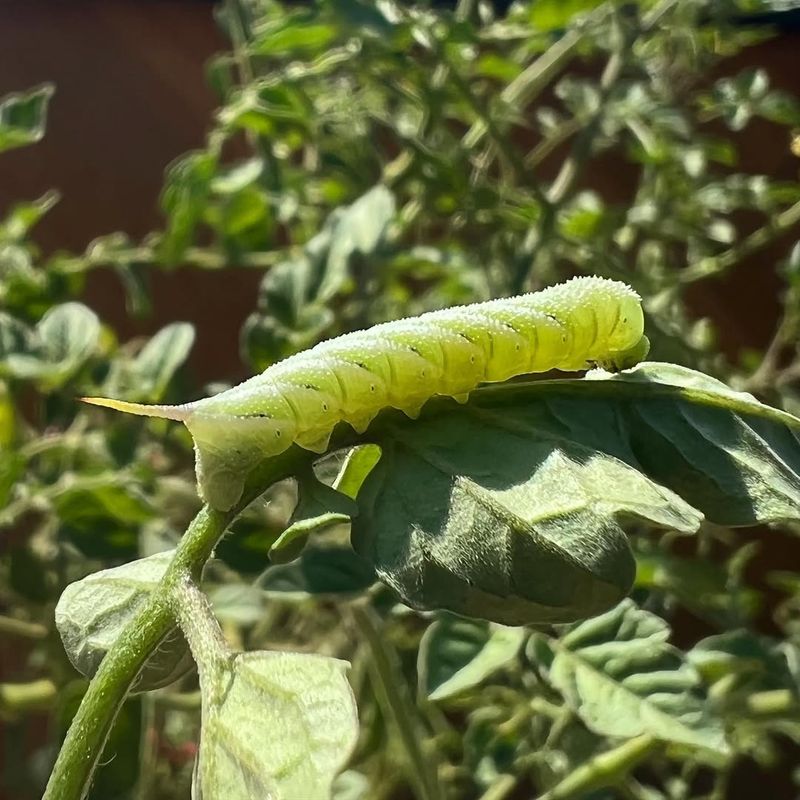
Worried about sudden damage to your tomato plants this spring? Tomato hornworms are large, bright green caterpillars that can grow 4–5 inches long and feed voraciously on young tomato foliage.
They overwinter as pupae in the soil and emerge in early spring as temperatures warm, ready to begin feeding. Even a few caterpillars can quickly defoliate seedlings and young plants if they go unnoticed, leaving gardeners frustrated by sudden leaf loss, slowed growth, and less vigorous fruit development.
Moths lay eggs on tomato leaves at night, and the newly hatched caterpillars start feeding immediately. Early detection is crucial: watch for dark, pellet-like droppings beneath leaves and inspect plants in the morning or evening when hornworms are most active.
Regular garden checks help catch infestations before they escalate. Hand-picking caterpillars off plants remains the simplest and most effective control, especially in smaller home gardens.
Planting flowering herbs such as dill, fennel, or coriander nearby can attract beneficial parasitic wasps that naturally target hornworm eggs and caterpillars. While these pests are incredibly well-camouflaged, careful observation combined with biological control methods allows gardeners to manage populations without heavy chemical intervention.
By integrating scouting, hand-removal, and companion planting, Georgia gardeners can protect tomato crops early in the season, ensuring healthy growth, abundant fruit, and a productive harvest as spring progresses and warmer temperatures arrive.
7. Sneaky Flea Beetles Nibbling Young Brassicas
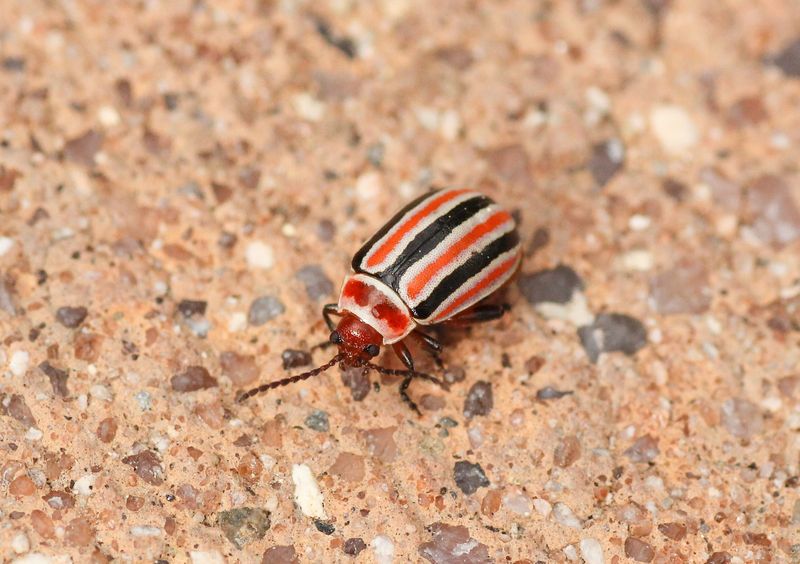
Tiny round holes appearing in your cabbage, broccoli, and kale leaves look like someone used a miniature hole punch on every plant. Flea beetles create this distinctive shot-hole damage as they feed on tender foliage throughout March in gardens.
These small, dark beetles jump like fleas when disturbed, making them difficult to catch but easy to identify when you approach infested plants.
Flea beetles overwinter as adults in garden debris and surrounding vegetation, then emerge to feed as soon as temperatures consistently reach fifty degrees. Young brassica transplants are especially vulnerable during their first few weeks in the garden when they have limited foliage to spare.
Heavy feeding can stunt or even halt plant growth during this critical establishment period.
Row covers installed immediately after transplanting provide excellent protection by creating a physical barrier between beetles and plants. Keeping covers in place for three to four weeks allows brassicas to develop enough foliage that subsequent flea beetle damage becomes less significant.
Floating row covers also protect against other early-season pests while allowing light and water to reach plants.
Planting trap crops like radishes near your main brassica planting draws flea beetles away from more valuable crops. The beetles often prefer radish leaves, concentrating their feeding on sacrificial plants you can easily remove.
Applying kaolin clay as a foliar spray creates a particle barrier that deters flea beetle feeding while remaining safe for beneficial insects and pollinators throughout Georgia’s spring gardening season.
8. Tricky Thrips Attacking Flowering Perennials
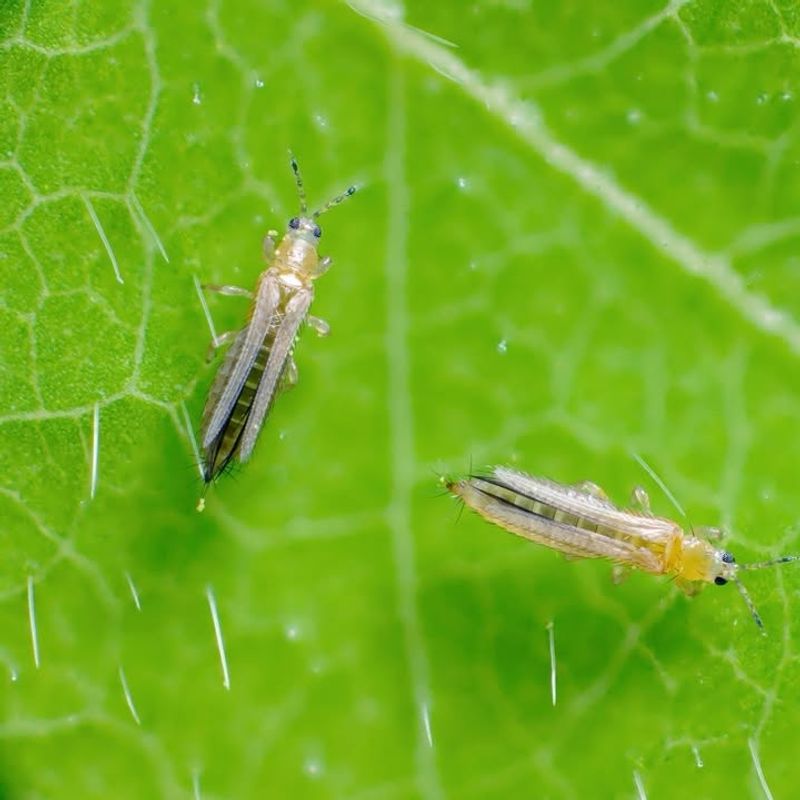
Have you noticed silvery streaks and distorted blooms appearing on early spring flowers? Tiny thrips feeding on buds and petals can quickly become a nuisance in gardens.
Early March perennials like hellebores, daffodils, and pansies often attract these pests as warming temperatures bring them out of dormancy. Their small size and rapid movement make them easy to overlook, yet even a few thrips can damage buds before flowers fully open.
Thrips thrive during dry spells, and under favorable conditions, some species may complete a full lifecycle in roughly two weeks. They feed by piercing plant tissue and sucking out sap, which can stunt growth and reduce overall flower quality.
Heavy infestations may prevent buds from opening entirely, or leave flowers with a distorted, silvery appearance. Regular monitoring is essential, especially on new shoots and flower clusters.
Georgia gardeners can reduce thrips pressure through a combination of methods. Removing damaged flowers and disposing of them limits breeding sites.
Blue or yellow sticky traps attract adult thrips, while beneficial insects such as predatory mites, minute pirate bugs, and lacewings provide natural biological control. Morning water sprays dislodge pests from petals, and avoiding excess nitrogen keeps plants from producing overly tender growth that attracts thrips.
Mulching helps maintain soil moisture and reduces plant stress, supporting healthier blooms. Together, these measures allow gardeners to enjoy vibrant spring flowers even with early thrips activity.