Georgia Gardeners Reveal The Natural Fertilizers That Actually Work
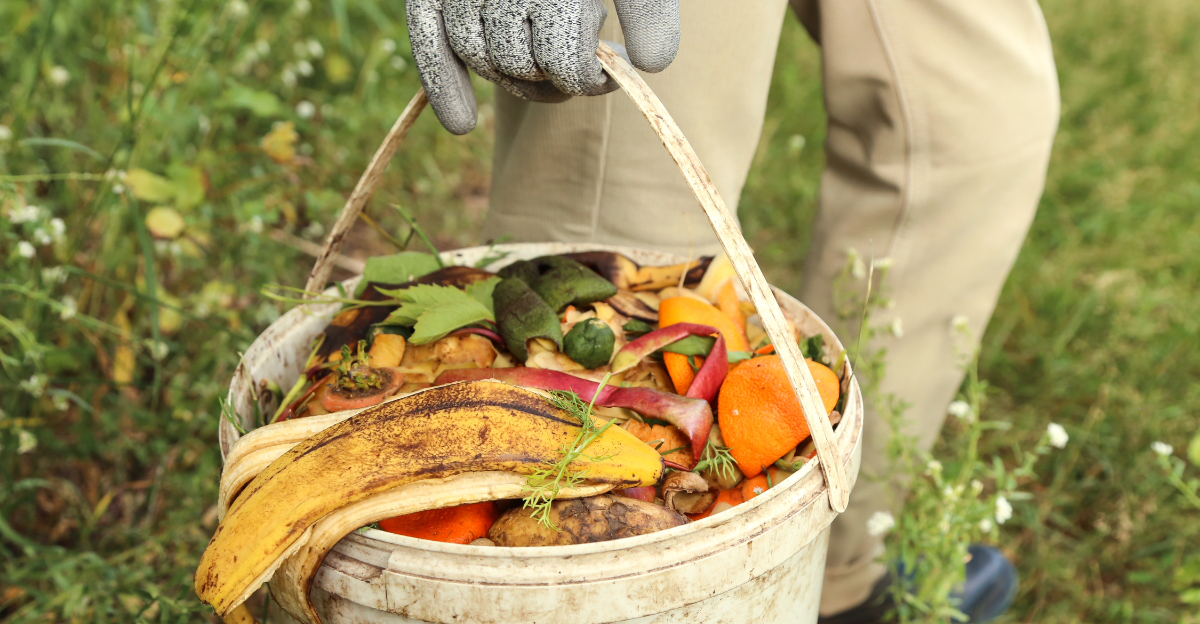
Are you tired of guessing which fertilizers actually make your Georgia garden thrive? Natural options can make your plants stronger, greener, and more productive.
A lot of gardeners try product after product and still feel unsure if they’re doing things right. The problem usually isn’t effort, it’s using solutions that don’t work with the soil.
When nutrients support the soil instead of forcing fast growth, plants respond more steadily and stay healthier.
In Georgia, natural fertilizers often fit the climate and soil better than heavy mixes. They help flowers, vegetables, and shrubs grow with less stress and fewer setbacks.
Small changes in how you feed your garden can lead to better results over time, and these are the options many Georgia gardeners rely on when they want growth that lasts.
1. Compost Rebuilds Georgia Soil And Feeds Plants Slowly
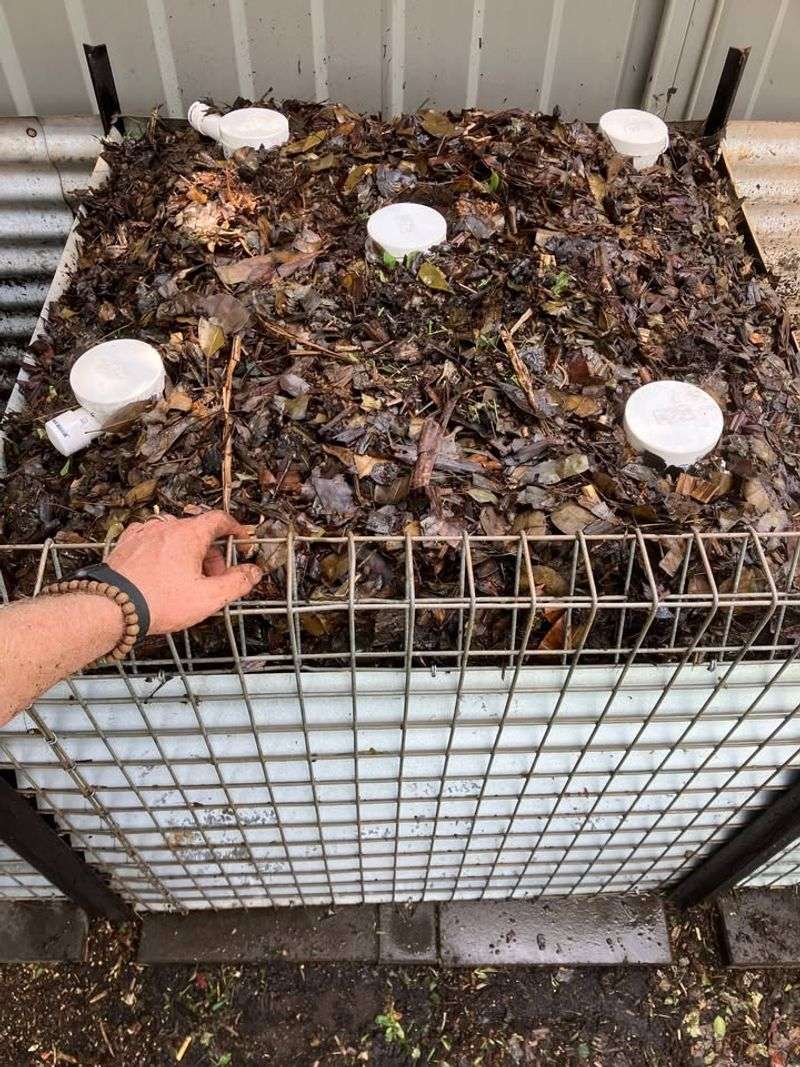
Creating your own compost might be the single best decision you’ll make for your Georgia garden. Breaking down kitchen scraps, yard waste, and other organic materials produces a nutrient-rich amendment that transforms even the toughest red clay into fertile growing medium.
Georgia’s warm temperatures actually speed up the decomposition process, meaning you can produce finished compost faster than gardeners in cooler climates.
The beauty of compost lies in its complete nutrient profile and ability to improve soil structure simultaneously. Unlike single-nutrient fertilizers, compost provides nitrogen, phosphorus, potassium, and trace minerals in forms that release slowly as plants need them.
The organic matter also helps clay soils drain better while helping sandy soils retain moisture, solving two common Georgia soil problems at once.
Starting a compost pile requires minimal investment and effort. Layer green materials like grass clippings and vegetable scraps with brown materials like dried leaves and shredded paper.
Keep the pile moist and turn it occasionally to introduce oxygen. Within three to six months, you’ll have dark, crumbly compost that smells earthy and sweet.
Georgia gardeners can compost year-round, though the process slows during winter months. Add finished compost to vegetable beds before planting, mix it into potting soil, or spread it around established plants as mulch.
Many successful Georgia gardeners apply a two-inch layer of compost to their gardens twice yearly, in spring and fall, maintaining soil health without purchasing commercial fertilizers.
Compost is also one of the safest ways to feed your garden because it builds long-term soil health instead of forcing quick growth.
Once you start using it regularly, you’ll notice stronger plants, fewer watering headaches, and soil that gets easier to work with every season
2. Worm Castings Strengthen Roots Without Forcing Fast Growth
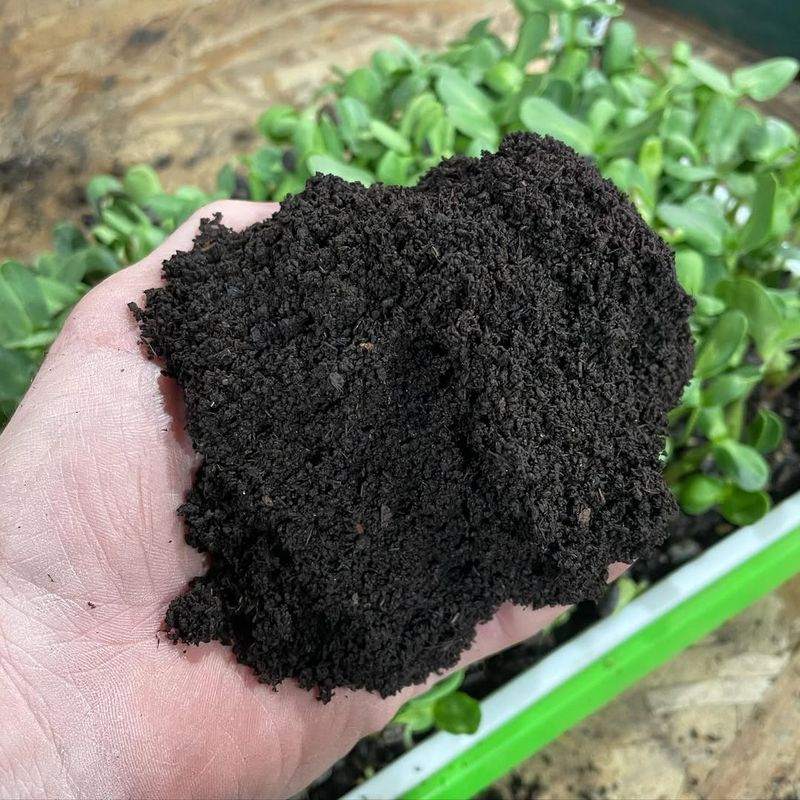
Worm castings represent one of nature’s most concentrated and balanced fertilizers available to Georgia gardeners. These small, dark pellets produced by earthworms as they digest organic matter contain nutrients in forms that plants can immediately absorb.
The casting process concentrates beneficial microorganisms, enzymes, and growth hormones that stimulate plant development beyond simple nutrient provision.
Setting up a worm bin works exceptionally well in Georgia’s climate, though summer heat requires some attention to keep worms comfortable. Red wiggler worms thrive in temperatures between 55 and 75 degrees, so many Georgia vermiculture enthusiasts keep their bins in garages, basements, or shaded outdoor areas.
Feed the worms kitchen scraps, shredded paper, and cardboard, and they’ll transform waste into premium fertilizer.
The nutrient concentration in worm castings makes them particularly valuable for container gardens, seedlings, and transplants. Mix castings into potting soil at a ratio of one part castings to four parts soil, or brew them into a liquid fertilizer by steeping castings in water overnight.
This creates a mild, fast-acting feed you can pour around roots without risking fertilizer burn.
For Georgia gardens, a thin sprinkle around veggies and flowers every few weeks is usually enough to keep growth steady.
3. Blood Meal Fixes Nitrogen Deficiency Fast In Georgia Gardens
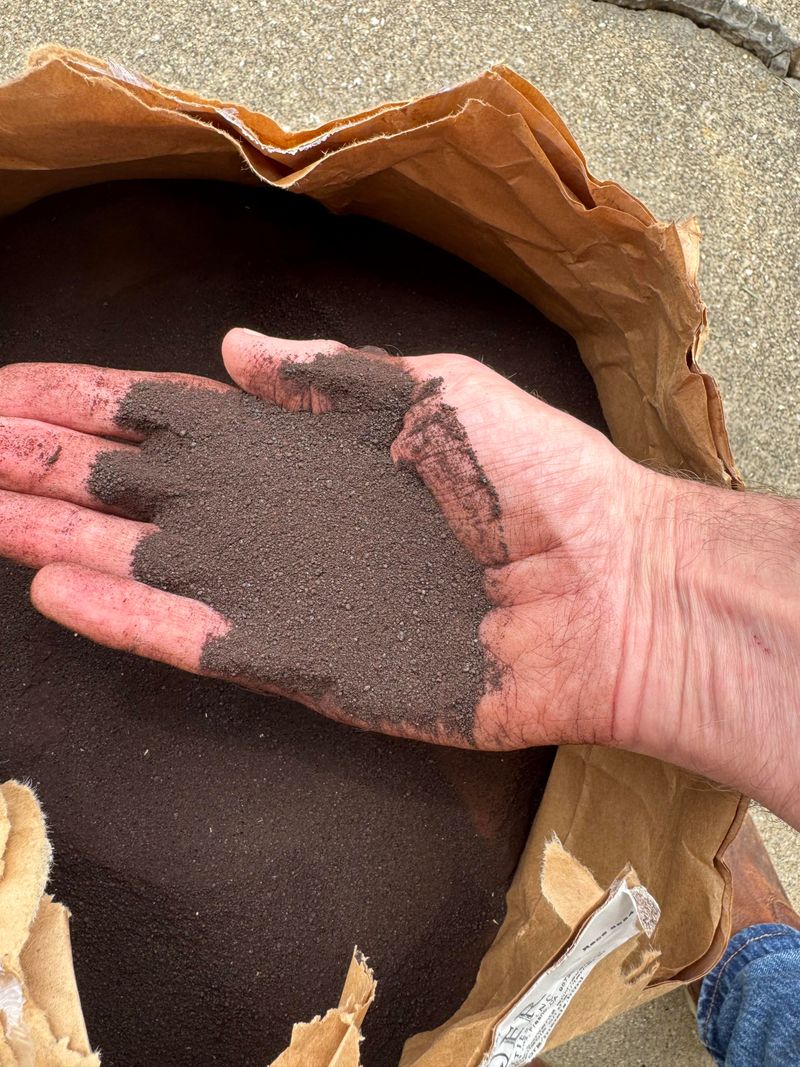
Blood meal delivers a powerful nitrogen boost that Georgia gardeners rely on for leafy crops and nitrogen-hungry plants. This dried, powdered animal blood typically contains 12-15% nitrogen, making it one of the fastest-acting organic nitrogen sources available.
When soil microorganisms break down blood meal, they release nitrogen that plants can absorb within days rather than weeks.
Nitrogen deficiency shows up clearly in Georgia gardens as yellowing leaves and stunted growth, particularly in vegetables like lettuce, spinach, kale, and cabbage. Blood meal corrects these problems quickly, greening up plants and encouraging vigorous leaf production.
The rapid action makes it ideal for side-dressing crops during the growing season when plants need an immediate nutrient boost.
Application requires some caution because blood meal’s concentrated nitrogen can burn plants if used excessively. Most Georgia gardeners apply one to two tablespoons per plant, scratching it into the soil surface and watering thoroughly.
For larger garden beds, broadcasting three to five pounds per 100 square feet provides adequate nitrogen for heavy feeders. Always wear gloves when handling blood meal, as the concentrated protein can irritate skin.
Beyond its fertilizing properties, blood meal’s strong scent reportedly deters deer and rabbits from Georgia gardens. Many growers sprinkle it around the perimeter of vegetable beds as a dual-purpose amendment.
The nitrogen typically remains available for four to six weeks before requiring reapplication during the active growing season.
Blood meal can also slightly acidify soil over time, which may benefit acid-loving plants but is worth watching if you already have low pH. Store it in a sealed container, since moisture and pests can quickly turn it into a mess in Georgia’s humidity.
4. Fish Emulsion Gives Plants A Quick Boost During Active Growth
Fish emulsion brings ocean nutrients to Georgia gardens in liquid form that plants absorb almost immediately. Made from processed fish parts, this fertilizer typically provides a balanced nutrient ratio around 5-2-2, offering nitrogen for growth, phosphorus for roots, and potassium for overall plant health.
The liquid format allows for foliar feeding, where plants absorb nutrients directly through their leaves.
Georgia’s long growing season means plants often need supplemental feeding throughout spring, summer, and fall. Fish emulsion excels at providing these regular nutrient boosts without the risk of burning that comes with stronger synthetic fertilizers.
Dilute the concentrate according to package directions, usually one to two tablespoons per gallon of water, and apply every two to three weeks during active growth.
The smell of fish emulsion ranks as its only significant drawback, though the odor dissipates within a day or two after application. Many Georgia gardeners apply it in the evening to minimize the smell during peak garden enjoyment hours.
Some formulas include deodorizers that reduce the fishy aroma without compromising nutrient content.
Tomatoes, peppers, cucumbers, and squash respond particularly well to regular fish emulsion applications throughout Georgia’s growing season. The balanced nutrients support both vegetative growth and fruit production.
Container plants especially benefit from fish emulsion because frequent watering leaches nutrients from potting soil faster than from garden beds. Indoor plants also thrive with monthly fish emulsion feedings during their active growth periods.
Fish emulsion works best when you apply it to already-moist soil, since dry roots can absorb too much at once and stress the plant.
If raccoons, cats, or dogs visit your yard, avoid spraying it right on the surface and water it in well so the smell doesn’t attract extra attention.
5. Bone Meal Supports Strong Roots And Better Flowering
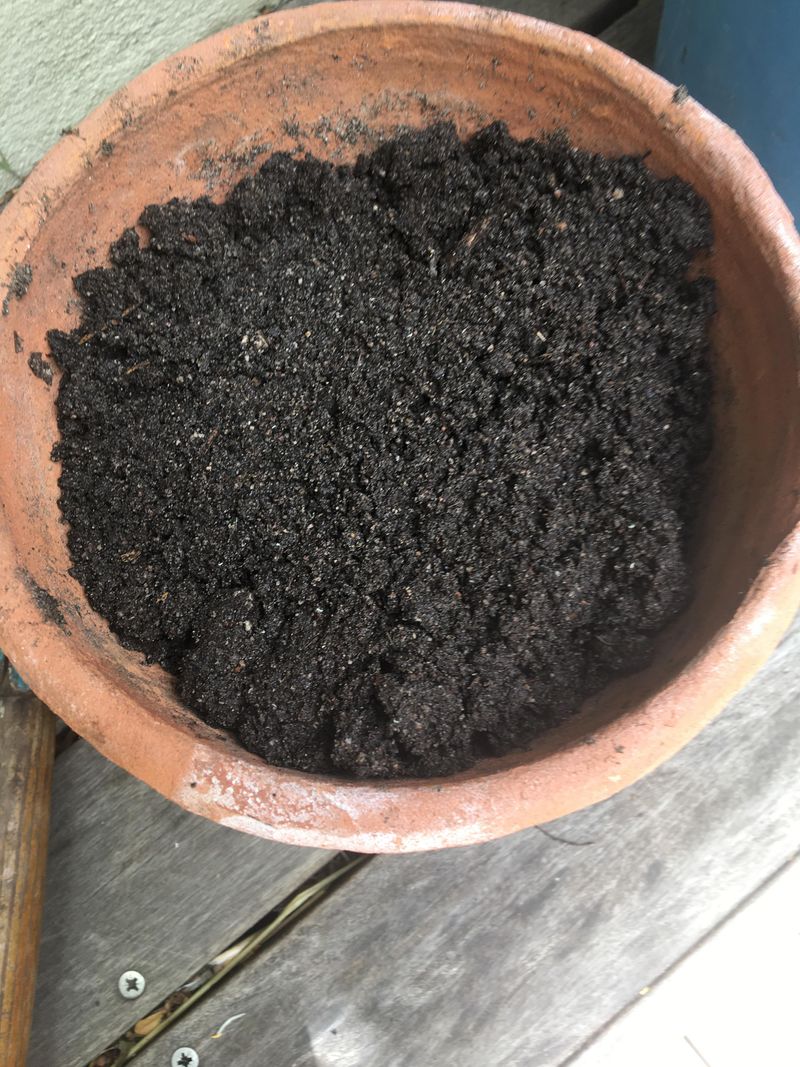
Bone meal serves as Georgia gardeners’ secret weapon for promoting strong root systems and abundant flowering. This ground animal bone product contains 15-27% phosphorus along with calcium, making it essential for root development, flower formation, and fruit production.
Unlike nitrogen fertilizers that promote leafy growth, bone meal focuses plant energy on the underground structures and reproductive parts that determine harvest success.
Phosphorus moves slowly through soil, so Georgia gardeners typically incorporate bone meal at planting time rather than applying it as a top dressing. Mix bone meal into the bottom of planting holes for tomatoes, peppers, bulbs, and flowering perennials.
The phosphorus remains available throughout the growing season as roots grow down to reach it. For established beds, work bone meal into the top few inches of soil in early spring before plants break dormancy.
Flowering plants across Georgia benefit tremendously from bone meal applications. Roses, azaleas, camellias, and hydrangeas produce more abundant blooms when phosphorus levels remain adequate.
Bulbs like daffodils and tulips store energy for next year’s flowers, making phosphorus critical for perennial performance. Root crops including carrots, beets, and potatoes also benefit from the root-stimulating properties bone meal provides.
Application rates typically range from three to five pounds per 100 square feet for general garden use. Individual plants receive one to two tablespoons mixed into the planting hole.
Bone meal breaks down slowly, providing nutrients for several months, so most Georgia gardens need only one or two applications per year.
Bone meal is most useful when a soil test shows low phosphorus, since many Georgia soils already contain enough and extra won’t help. It can also attract pets and wildlife, so mix it in well and cover the area with soil or mulch to keep it out of reach.
6. Compost Tea Improves Soil Life And Plant Resilience
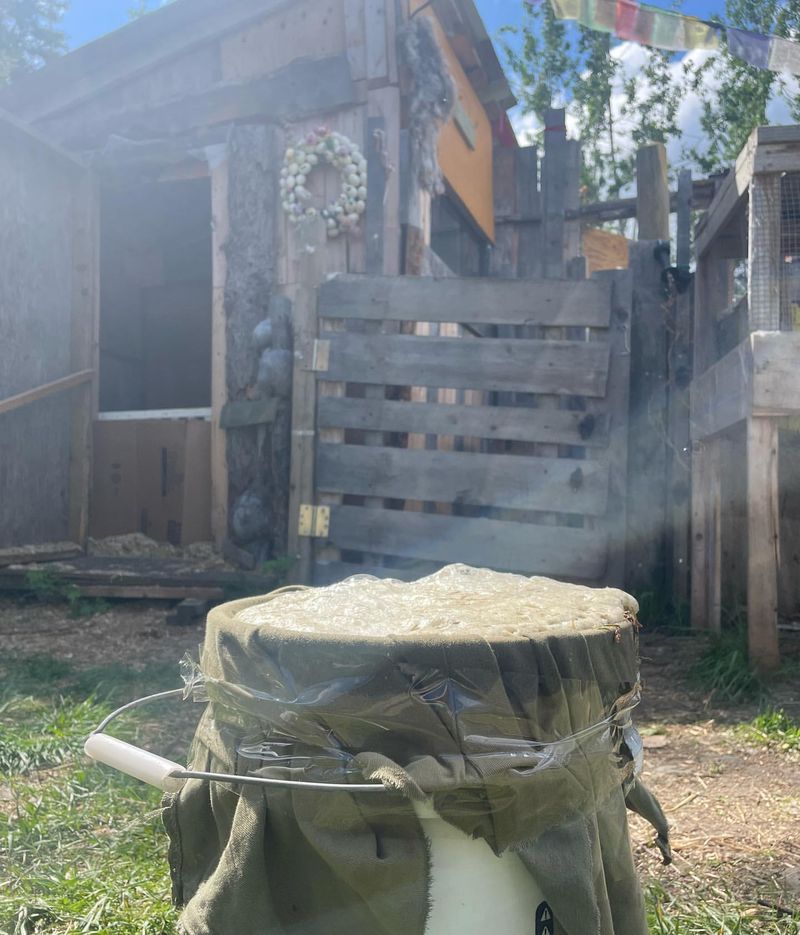
Compost tea takes the benefits of solid compost and delivers them in a liquid form that Georgia gardeners can spray directly on plant leaves and drench into root zones. Brewing compost in water extracts soluble nutrients and multiplies beneficial microorganisms, creating a living fertilizer that both feeds plants and protects them from disease.
The brewing process typically takes 24-48 hours with constant aeration to maintain oxygen levels that beneficial bacteria require.
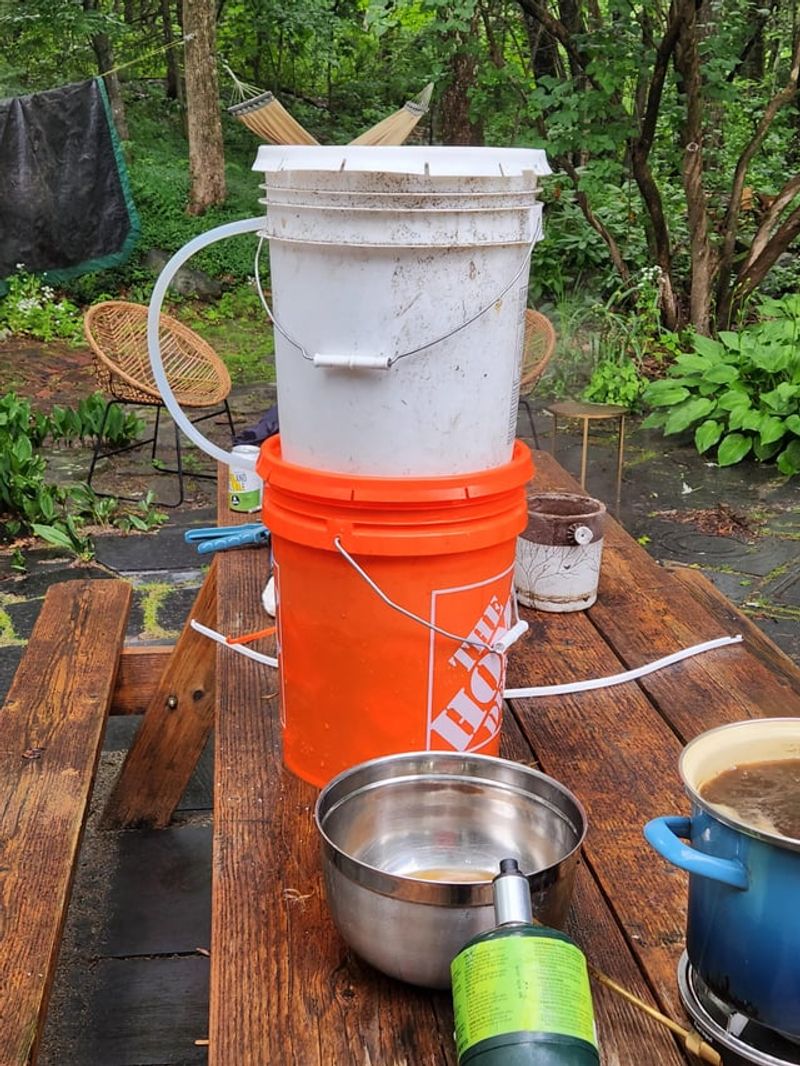
Making compost tea requires finished compost, a bucket, water, and an aquarium pump with an air stone for aeration. Fill a mesh bag with compost, suspend it in non-chlorinated water, and run the aerator continuously while the tea brews.
Some Georgia gardeners add molasses to feed the multiplying microorganisms, boosting their populations even higher. The finished tea should smell earthy and pleasant, never foul or rotten.
Application methods vary depending on your goals. Foliar spraying delivers nutrients directly to leaves while coating them with beneficial microbes that compete with disease organisms.
Soil drenching feeds roots and introduces helpful bacteria and fungi into the root zone. Many Georgia gardeners do both, spraying plants in early morning when leaf pores are open and drenching the soil around the base.
Fresh compost tea works best when used within a few hours of finishing the brewing cycle. The living organisms begin dying once aeration stops, reducing the biological benefits.
Plan to brew only what you’ll use in a single application session. Regular applications every two to three weeks throughout Georgia’s growing season build plant health and resilience against common garden problems.
Skip compost tea if you’re using compost that includes pet waste or anything questionable, since spraying it on edible leaves isn’t worth the risk.
For Georgia’s humidity, focus on soil drenching more than heavy foliar sprays, because wet foliage can invite fungal issues if it stays damp too long.
7. Alfalfa Meal Stimulates Steady Growth And Improves Soil Life
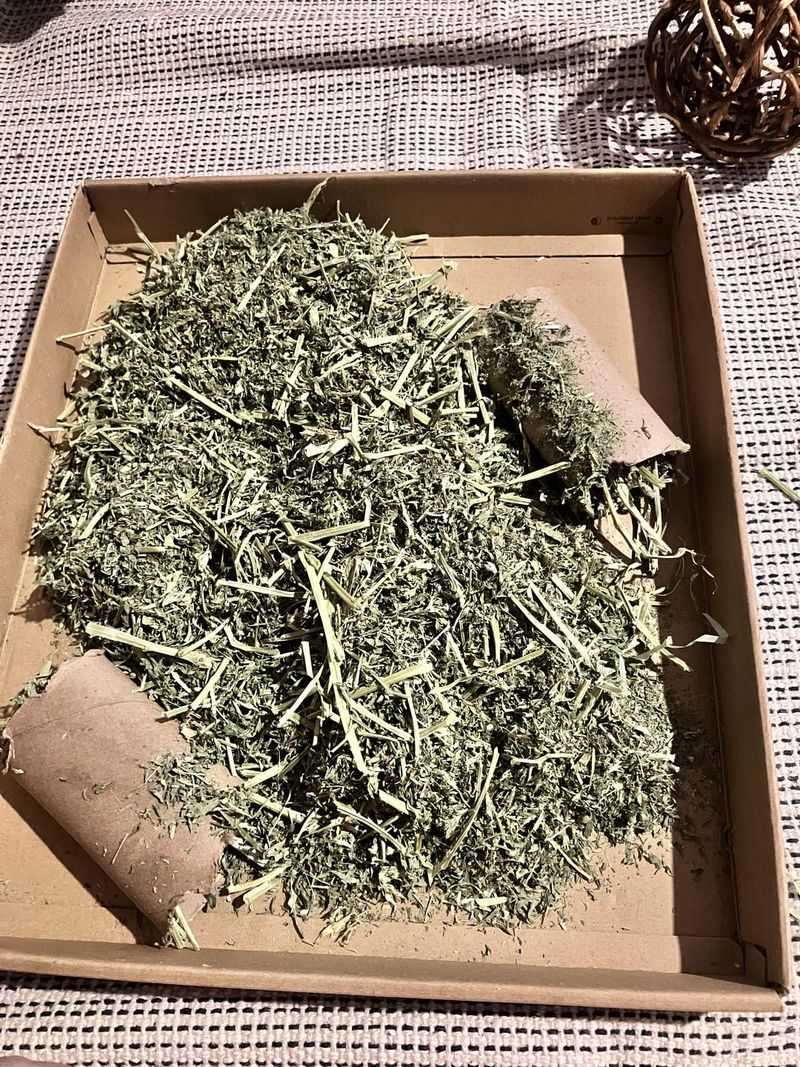
Alfalfa meal works quietly in Georgia gardens, supporting steady growth instead of forcing fast results. It’s especially useful when plants look healthy but could use a gentle boost that won’t overwhelm the soil or push weak growth.
Rather than acting like a quick fertilizer, alfalfa feeds the soil first, which helps plants grow more evenly over time.
This natural amendment contains mild amounts of nitrogen along with organic matter that supports beneficial soil life. As it breaks down, nutrients are released slowly, allowing roots to absorb what they need without stress.
That makes alfalfa meal a good option for vegetables, flowering plants, shrubs, and even lawns where consistent growth matters more than speed.
Georgia gardeners often use alfalfa meal during active growing periods when plants are established but not struggling. It’s commonly applied as a light top dressing around the base of plants or worked gently into the upper layer of soil before watering.
Because it isn’t highly concentrated, the risk of fertilizer burn stays low compared to stronger nitrogen sources.
Another advantage is how alfalfa improves soil texture over time. In clay-heavy areas, it helps loosen compacted ground, while in sandier soils it contributes organic material that improves moisture retention.
That balance is especially helpful in Georgia’s variable soil conditions.
Used regularly but lightly, alfalfa meal supports long-term plant health, encourages steady growth, and fits naturally into soil-focused gardening without adding unnecessary complexity.