Georgia Gardeners Should Start Hardening Off Seedlings In Late March Here’s How
Late March in Georgia can fool both gardeners and seedlings. One afternoon feels soft and springy, the next night dips enough to leave tender young plants looking shocked by morning.
Seedlings raised indoors may look strong, but they have not dealt with real sun, moving air, or the temperature swings that come with a Georgia spring. That is where hardening off comes in.
It gives those pampered little plants time to adjust before they face life in garden beds, raised planters, or porch containers.
For many Georgia gardeners, late March is the moment when that transition starts, and getting it right can make transplanting a whole lot smoother.
1. Why Late March Matters For Georgia Seedlings
Spring in Georgia does not arrive on a single day – it sneaks in gradually, with afternoons that feel almost summer-like while mornings still drop into the upper 30s.
That gap between daytime warmth and overnight cold is exactly what makes late March such a critical window for seedling care.
Young tomatoes, peppers, basil, and squash plants that were started indoors have no idea what real outdoor air feels like.
In South Georgia, where last frost dates often land in mid-March, gardeners may be a step ahead and can begin hardening off earlier. Piedmont gardeners around Atlanta should plan for late March into early April as the sweet spot.
Up in the North Georgia mountains, late frosts can linger into April or even May, so those gardeners should check local frost date averages before moving seedlings outside at all.
The University of Georgia Extension consistently advises home gardeners to avoid rushing transplanting just because the days feel warm. Soil temperatures, nighttime lows, and seedling readiness all matter.
Late March gives most Georgia gardeners just enough time to run a proper 7 to 10 day hardening-off process before safe transplant windows open up across the state.
2. Start With A Few Hours Of Outdoor Time
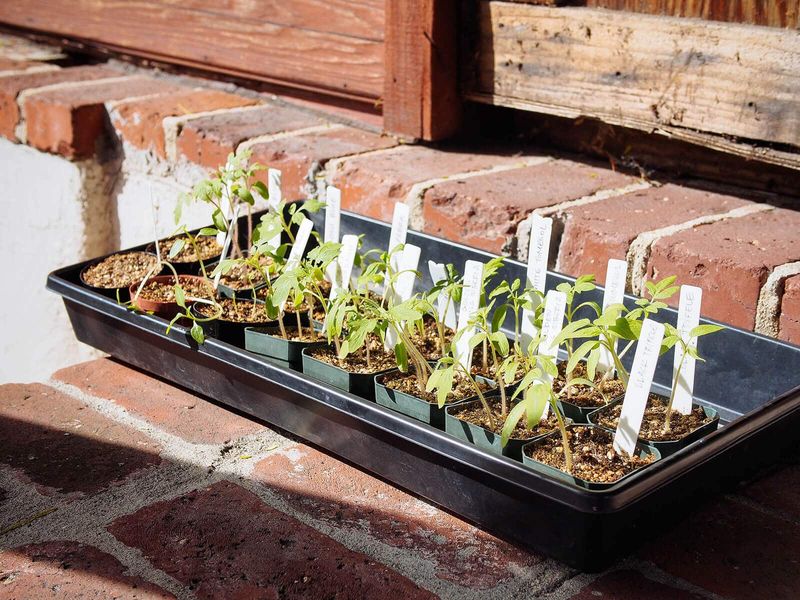
The first day outside should feel almost boring – and that is exactly the point. On day one of hardening off, set your seedlings outside for just two to three hours in a calm, shaded spot and then bring them back in.
That short window is enough to introduce outdoor air movement, humidity changes, and ambient light without overwhelming plants that have only ever known the controlled quiet of an indoor grow space.
Many Georgia gardeners make the mistake of leaving seedlings out for five or six hours on the very first day because the weather looks so mild.
Even on a gentle 68-degree afternoon, that kind of extended exposure can cause leaf edges to curl or turn papery.
The stress is not always visible right away, which makes it easy to assume everything went fine when the seedlings are actually struggling underneath.
Morning hours tend to work best for those first outdoor sessions. Temperatures are cooler, the sun angle is lower, and wind is usually calmer before midday picks up.
Starting around 9 or 10 a.m. and pulling plants back inside by noon gives seedlings a productive introduction to outdoor life without pushing them too hard too soon.
3. Pick A Sheltered Spot Out Of Strong Wind
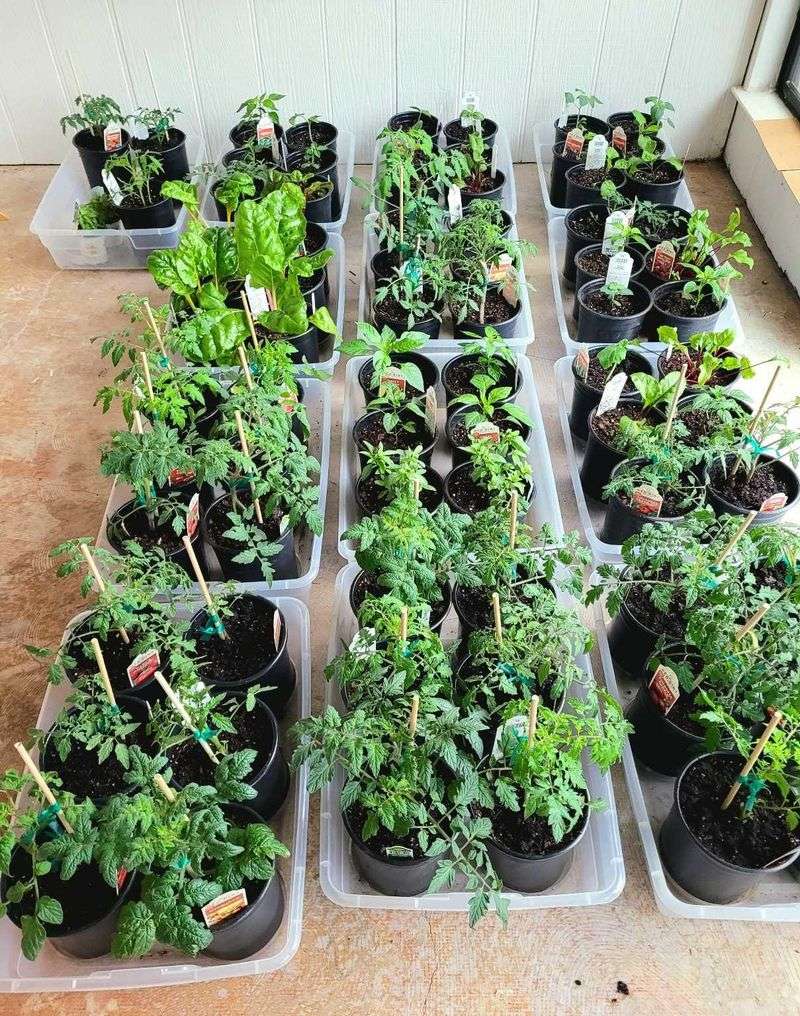
Wind is one of the most underestimated stressors for young seedlings during hardening off.
A breezy spring afternoon in Georgia might feel pleasant to a person, but to a tomato seedling with a thin stem and soft leaves, even a moderate gust can cause physical damage and rapid moisture loss from the leaves.
Choosing a sheltered spot is one of the smartest decisions a Georgia gardener can make during this process.
Look for locations that have a natural windbreak – a fence, a hedge, a brick wall, or the side of the house. A covered porch or carport works well too, especially during the first few days when seedlings are most vulnerable.
The goal is to let plants feel some air movement without exposing them to gusts that whip stems back and forth repeatedly.
Gentle air circulation is actually beneficial because it encourages seedlings to develop stronger stems over time – a process sometimes called thigmomorphogenesis.
But there is a real difference between a soft breeze that gently sways a plant and a sustained wind that batters it.
Starting in a protected spot and gradually moving seedlings to more exposed areas over several days gives stems time to toughen up naturally and steadily.
4. Keep Seedlings Out Of Harsh Afternoon Sun At First
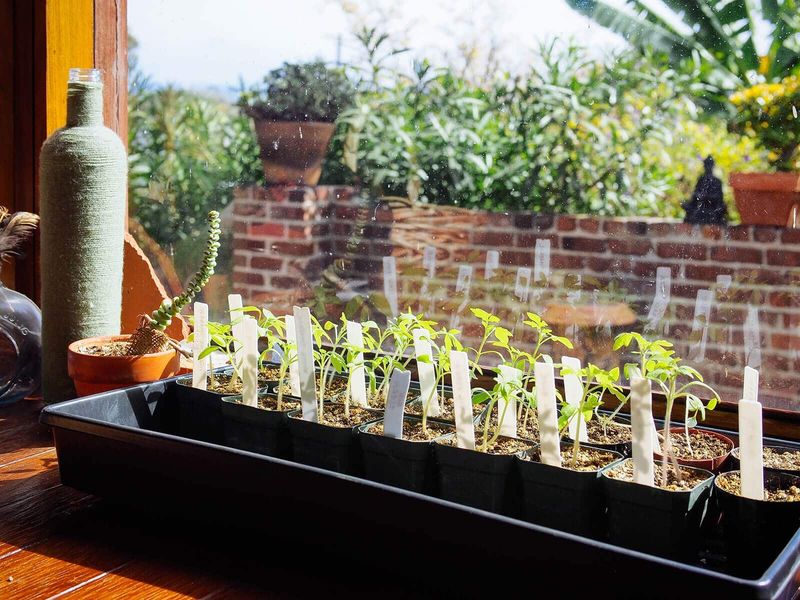
Full Georgia sun in late March is stronger than most people expect. Even before the summer heat arrives, afternoon UV intensity can bleach out and scorch seedling leaves that have only ever been exposed to indoor grow lights or filtered window light.
Leaf scorch looks like pale, bleached patches or crispy edges, and once it shows up, that leaf tissue does not recover.
For the first three to four days of hardening off, keep seedlings in a spot that gets morning light only – ideally filtered or dappled shade. Under a large deciduous tree that has not fully leafed out yet, or on the east-facing side of the house, works really well.
Seedlings get real sunlight exposure without the intensity that comes with direct afternoon rays beating down on soft, unprotected foliage.
After that initial period, begin introducing seedlings to a few hours of direct morning sun before moving them back to shade for the rest of the day.
By the end of the first week, most seedlings can tolerate a half day of sun without distress.
Peppers and basil tend to be more sensitive to sudden sun exposure than squash or cucumbers, so adjust your timeline based on what you are growing and watch leaves closely for early warning signs.
5. Bring Them Back Inside On Cold Nights
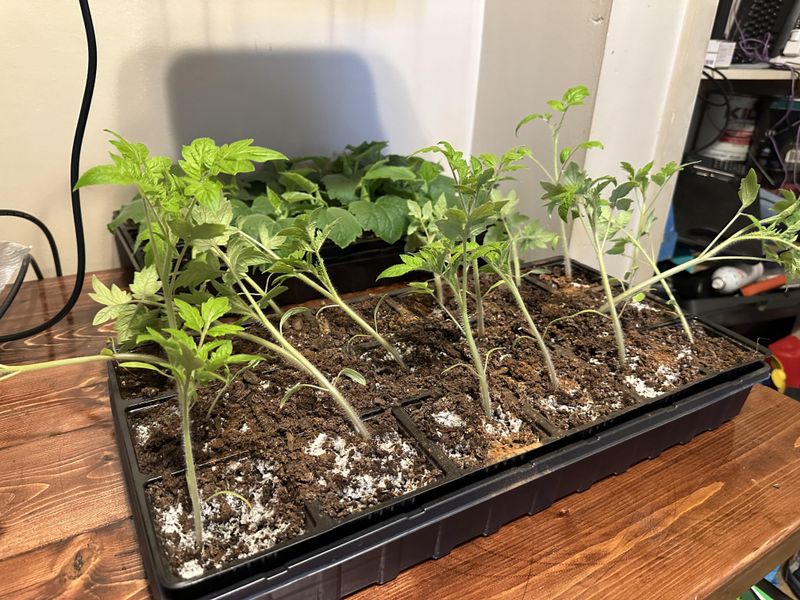
Georgia nights in late March can be genuinely cold, especially in the northern half of the state. Temperatures in the upper 30s or low 40s are not uncommon even when afternoons feel warm and encouraging.
Most warm-season seedlings – tomatoes, peppers, eggplant, basil, melons – are sensitive to cold and can suffer real setbacks if left outside when temperatures drop below 50 degrees Fahrenheit.
Cold stress in seedlings does not always look dramatic right away. Sometimes leaves develop a slight purplish tint, which signals that phosphorus uptake has been disrupted by cold soil or air temperatures.
Other times, growth simply stalls for several days after a cold night outside.
Either way, the seedlings lose valuable time during a window when you want them steadily building strength and root mass before transplanting.
Make it a habit to check the forecast every evening during the hardening-off period. If the overnight low is expected to drop below 50 degrees Fahrenheit, bring seedlings inside.
South Georgia gardeners may have warmer nighttime lows and can sometimes leave cold-tolerant crops like broccoli or lettuce out overnight sooner.
For warm-season crops anywhere in Georgia, patience during the evening hours pays off with healthier, more resilient transplants at planting time.
6. Water Closely As Pots Dry Faster Outdoors
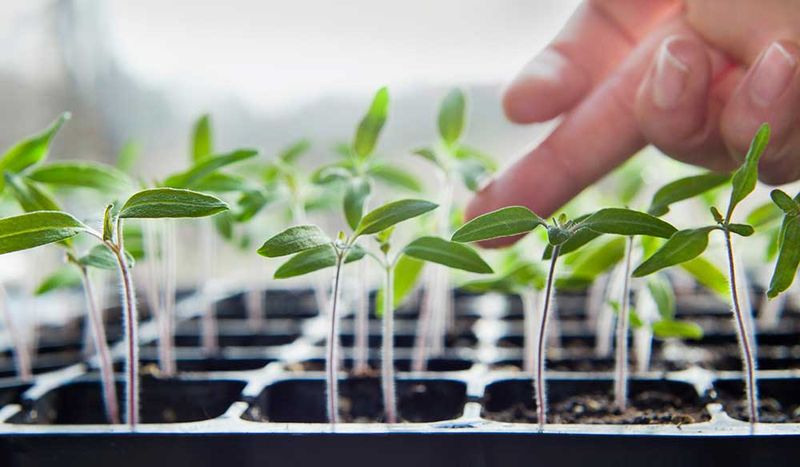
Something that surprises a lot of first-time seed starters is how quickly pots dry out once they move outside. Indoors, a tray of seedlings might only need water every two or three days.
Outside, that same tray can dry out in a single afternoon, especially when there is any wind or direct sun involved. Underwatering during hardening off is one of the most common reasons seedlings struggle during the transition.
Check soil moisture every morning before putting seedlings out and again when you bring them back in at the end of the day.
Press a finger about an inch into the mix – if it feels dry at that depth, water thoroughly and let the excess drain before setting trays back outside.
Wilting from dehydration can look similar to wilting from transplant shock, so keeping moisture consistent removes one variable from the equation.
At the same time, avoid overcompensating by keeping the mix soggy. Wet soil combined with cooler outdoor temperatures creates conditions where root diseases can take hold.
The goal is evenly moist, not waterlogged. Seedlings in small cells or four-inch pots dry out faster than those in larger containers, so size matters when you are setting up your watering schedule during the hardening-off window.
7. Watch For Wilting, Bleaching, And Wind Stress
Seedlings are remarkably communicative once you know what to look for. During hardening off, leaves and stems send clear signals when conditions are more than the plant can handle at that stage.
Catching those signals early lets you adjust your approach before real damage sets in – and keeps your transplant timeline on track.
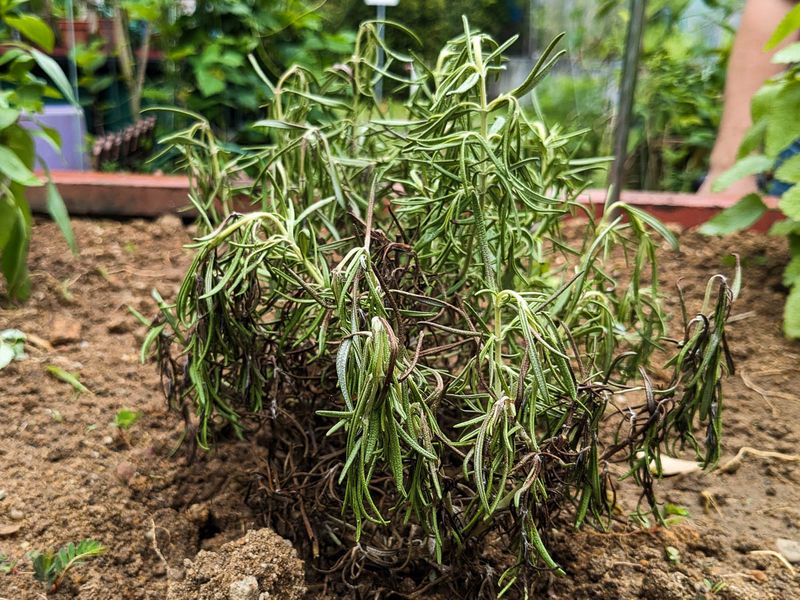
Wilting is the most obvious sign of stress, but it helps to understand what kind of wilting you are seeing. Slight midday wilting that recovers fully by evening is often just the plant responding to heat and is not necessarily alarming.
Wilting that persists into the evening or shows up in the morning before the day heats up usually means the roots cannot keep up with water demand, which calls for more shade, less time outside, or more consistent watering.
Bleached or pale patches on leaves point to sun scorch, while leaves that look shredded, tattered, or bruised along the edges usually indicate wind damage.
Stems that flop or bend dramatically may be struggling with the combination of wind and thin cell walls that have not yet had time to strengthen.
When you spot any of these signs, reduce outdoor exposure time by a day or two rather than pushing forward, and let the plant recover before continuing the process.
8. Increase Outdoor Time A Little Each Day
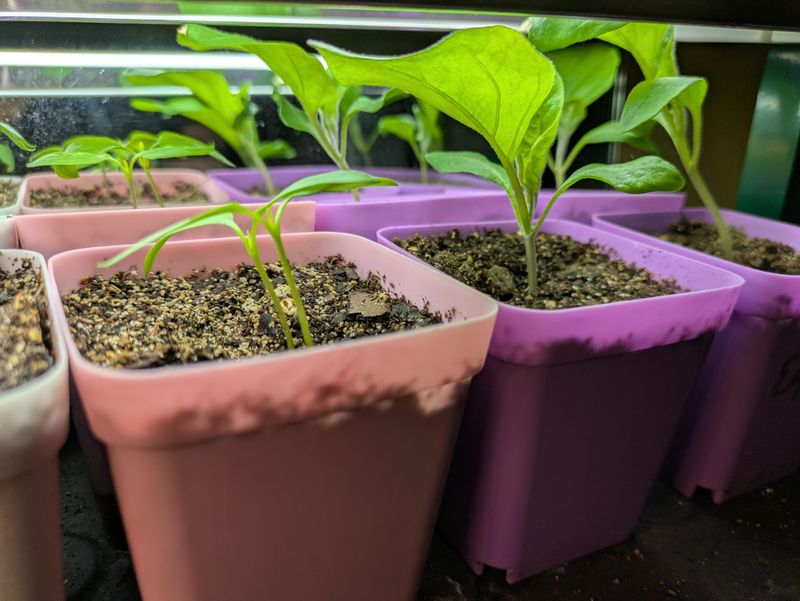
Think of hardening off like building an exercise habit – you do not run a marathon on your first day out. The whole point of the process is gradual exposure, and that word gradual is doing a lot of work.
Adding roughly 30 minutes to an hour of outdoor time each day gives seedlings a manageable increase in light intensity, temperature variation, and air movement without tipping them into stress overload.
A simple schedule looks something like this: two to three hours on day one, three to four on day two, then five hours by day three or four.
By the end of the first week, most seedlings can handle six to eight hours outside comfortably, as long as nighttime temperatures are staying above 50 degrees Fahrenheit.
By day 10, well-hardened seedlings can often stay out through the night if conditions are mild enough.
Keep a simple notebook or use your phone to jot down how many hours seedlings spent outside each day and what the conditions were like.
It sounds like extra work, but when you have multiple trays of different crops going through the process at slightly different rates, tracking helps you avoid accidentally skipping ahead with one variety while another falls behind.
Tomatoes, peppers, and basil often need a slower pace than squash or cucumbers.
9. Know When Seedlings Are Ready For The Garden
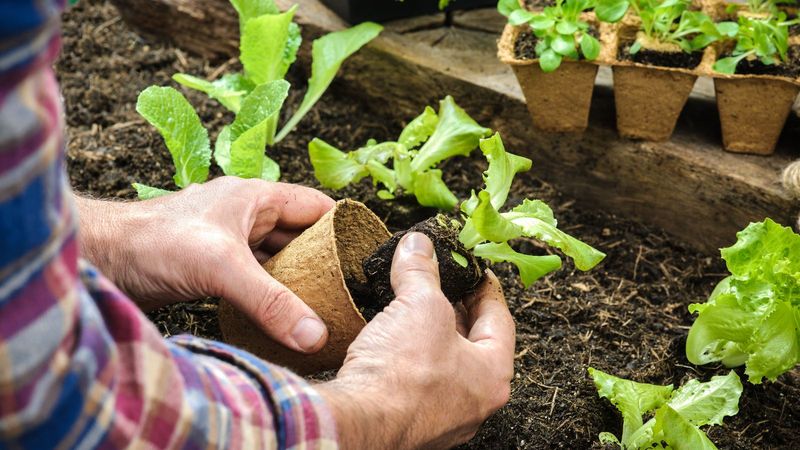
After 7 to 10 days of consistent hardening off, most seedlings show clear signs that they are ready to move into the garden. Stems feel noticeably firmer and more upright compared to when the process started.
Leaves hold their position confidently in light wind rather than drooping or fluttering dramatically. The plant just looks sturdier – a little less tender, a little more capable of handling the real world.
Before transplanting, do one final check on soil temperature in your garden bed.
Most warm-season vegetables prefer soil that has warmed to at least 60 degrees Fahrenheit, with 65 degrees being even better for crops like peppers and basil.
A simple soil thermometer takes the guesswork out of this step and is one of the most useful tools a Georgia vegetable gardener can own. Soil that looks warm on the surface can still be cold just a few inches down.
Transplant on a calm, overcast day if possible – cooler light and still air reduce transplant shock considerably. Water seedlings in well after planting and consider a light shade cloth for the first day or two if a heat spike is in the forecast.
Seedlings that were properly hardened off tend to settle into garden beds quickly and begin putting on new growth within a week of transplanting.