Georgia Guide To Planting Perennials In Early Spring
As the chill of winter fades and the promise of warmer days approaches, many Georgia gardeners are eager to get their hands in the soil.
Early spring is the perfect time to plant perennials, which will bloom year after year with minimal maintenance.
Whether you’re a seasoned gardener or just starting, knowing which plants thrive in Georgia’s early spring conditions can set you up for a successful growing season.
Planting perennials in Georgia during early spring gives you a head start on a colorful, thriving garden.
These hardy plants can withstand the fluctuating temperatures of the season, offering lasting beauty and low-maintenance care once established.
Ready to transform your yard into a vibrant oasis? Let’s dive into the best perennials to plant this spring in Georgia.
1. Plant Sun-Loving Perennials As Soil Warms
Nothing signals the start of Georgia’s gardening season quite like that first stretch of warm, sunny days in March. When daytime temperatures start climbing and the soil feels loose and workable, it is the perfect moment to get sun-loving perennials into the ground.
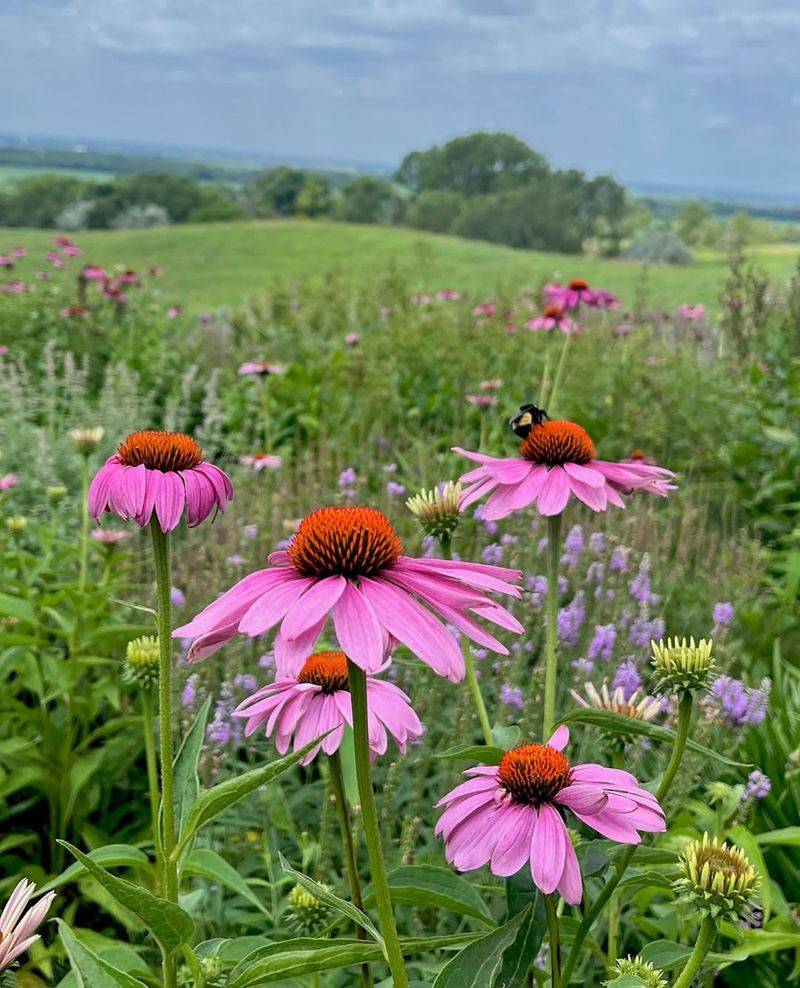
Plants like coneflowers, black-eyed Susans, and daylilies thrive in Georgia’s full-sun conditions and reward early planting with stronger roots and better blooms.
Soil temperature is the real trigger here, not just air temperature. Aim for a consistent soil temperature of at least 50 degrees Fahrenheit before planting.
You can pick up an inexpensive soil thermometer at any garden center, and it is one of the most useful tools you will own.
Sun-loving perennials planted in Georgia during early spring have a full season ahead of them to settle in before the intense summer heat arrives. Water them well after planting and keep the soil evenly moist during the first few weeks.
Roots that get a solid head start in spring are far more likely to handle Georgia summers without skipping a beat. Mulching around the base of each plant right after planting helps lock in moisture and keeps soil temperatures stable as the season changes.
2. Set Out Hardy Bloomers Before The Heat Arrives
Summers in Georgia are no joke. By late May, temperatures can easily climb into the 90s, making it tough for young plants that haven’t had time to establish strong roots to keep up.
That is exactly why setting out hardy bloomers in early spring is such a smart move for Georgia gardeners.
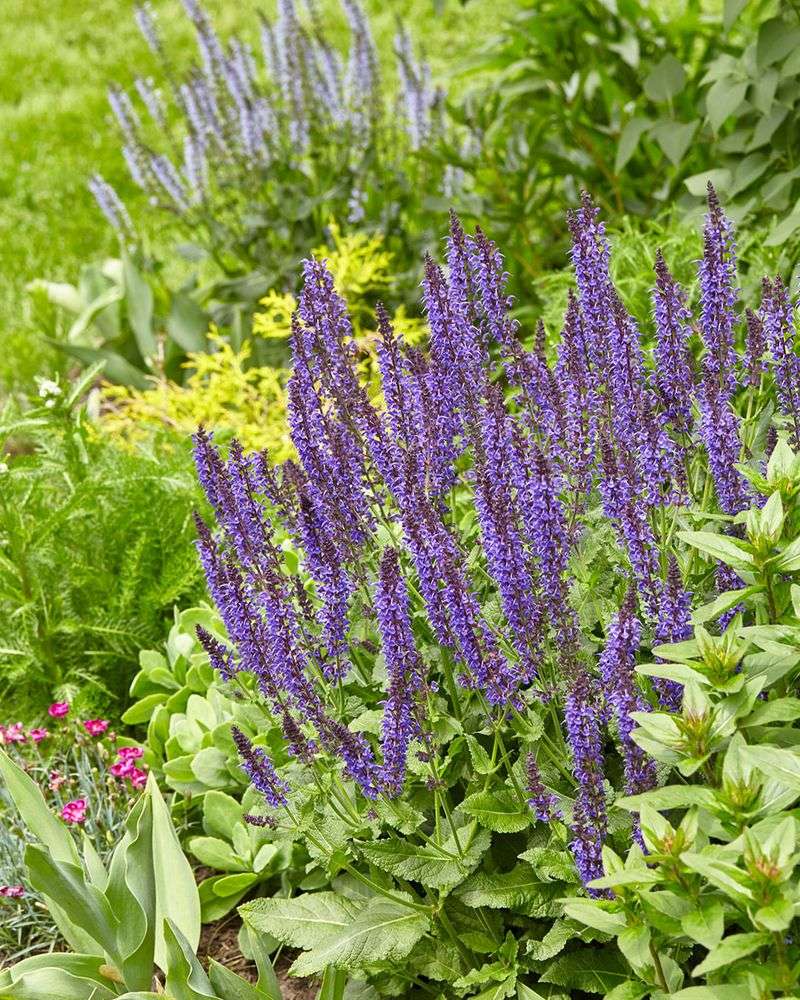
Varieties like salvia, rudbeckia, and yarrow are built tough, but even they need a runway of cooler weather to anchor themselves before the heat hits. Planting between mid-March and mid-April gives these bloomers roughly six to eight weeks of moderate temperatures to send roots deep into Georgia’s soil.
Deep roots mean better access to water and nutrients during the dry, hot stretches of summer.
Pay attention to the April 20 cutoff that experienced Georgia gardeners often reference. Once air temperatures consistently push past 85 degrees Fahrenheit, root growth slows significantly, and newly planted perennials can get stressed before they have had a fair chance.
If you miss the early window, container-grown plants with established root balls are a better bet than bare-root options. Hardy bloomers set out at the right time will repay your effort with weeks of color and very little fuss once summer fully takes hold across the state.
3. Choose Pollinator-Friendly Perennials For Spring Color
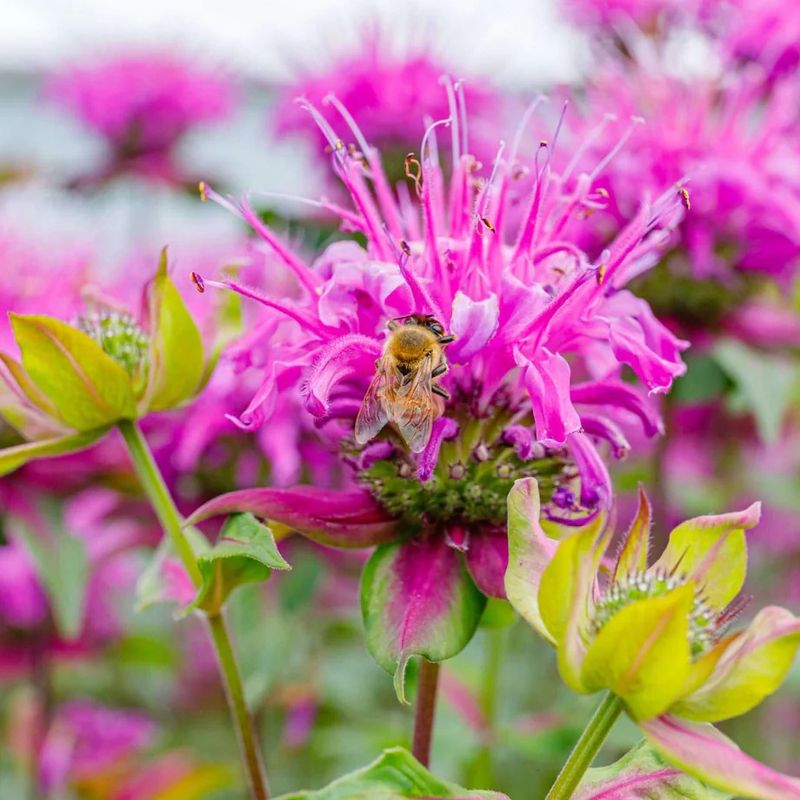
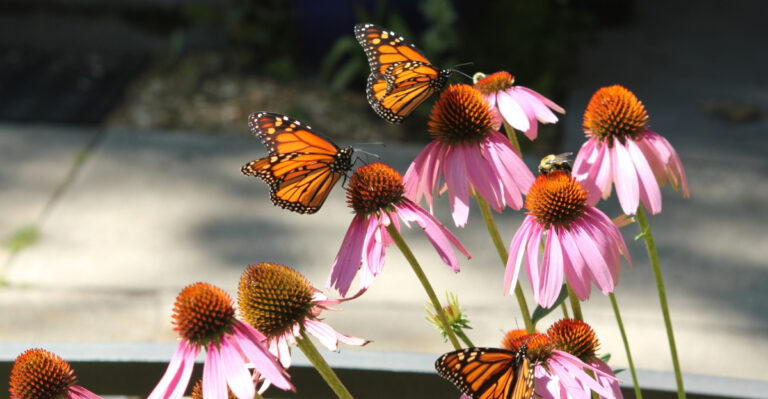
Bees, butterflies, and hummingbirds are some of the best guests your Georgia garden can attract, and the right perennials roll out the welcome mat for all of them. Choosing pollinator-friendly plants does double duty: you get gorgeous spring color and you support the local ecosystem at the same time.
Coneflowers, bee balm, and salvia are among the top picks for Georgia gardens because they produce nectar-rich blooms that pollinators absolutely love. Virginia bluebells are another excellent choice for shadier spots, offering delicate pale-blue flowers in early spring that attract early-season pollinators before most other plants have even woken up.
Planting a variety of species that bloom at different times throughout spring ensures a steady food source for beneficial insects.
Fun fact: native perennials are almost always better for local pollinators than exotic varieties because native insects have evolved alongside native plants for thousands of years. Georgia is home to hundreds of native bee species alone, so stocking your garden with regionally appropriate perennials makes a real difference.
Beyond the environmental benefits, pollinator-friendly gardens tend to look lively and colorful all season long. A buzzing, fluttering garden is also just more fun to spend time in, whether you are weeding, reading outside, or simply enjoying the view from your back porch.
4. Position New Perennials Where They Get The Right Sun
Before you dig a single hole, spend some time watching how sunlight moves across your yard throughout the day. Georgia’s spring sun can be deceptive because what looks like a bright spot in the morning might be deep shade by afternoon.
Getting sun placement right from the start saves you from having to dig plants up and move them later.
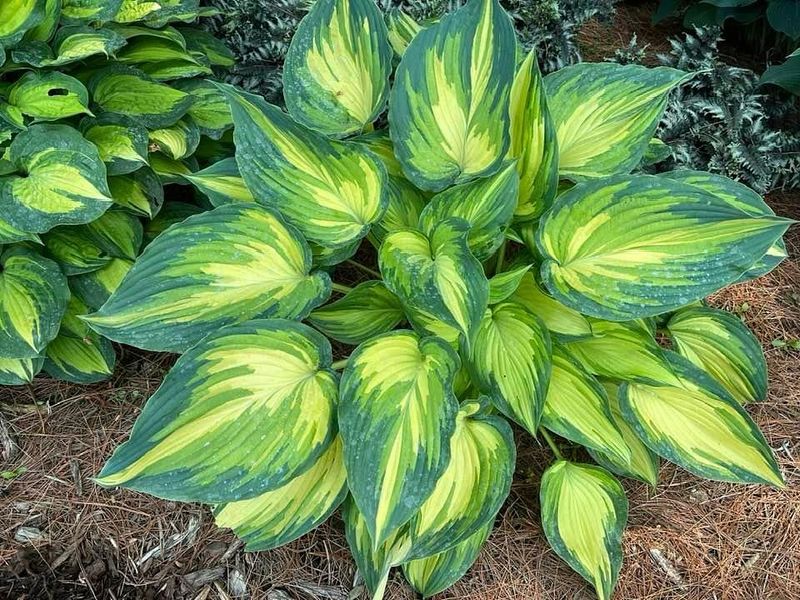
Most flowering perennials prefer full sun, which means at least six hours of direct sunlight per day. Hostas and ferns, on the other hand, do beautifully in partial to full shade, making them ideal for spots under Georgia’s many mature oak and pine trees.
Grouping plants with similar light needs together not only helps them thrive but also creates a more cohesive and attractive garden design.
A helpful trick is to use small flags or garden stakes to mark sunny and shady zones in your yard over the course of a full day before you ever buy a single plant. Take notes at 8 a.m., noon, and 4 p.m. to get a clear picture of your light patterns.
In Georgia, where trees leaf out quickly in spring and can dramatically shift shade patterns, this step is especially worthwhile. Matching each perennial to its ideal light condition is one of the simplest ways to guarantee a healthy, thriving garden all season long.
5. Prep Soil First For Strong Root Establishment
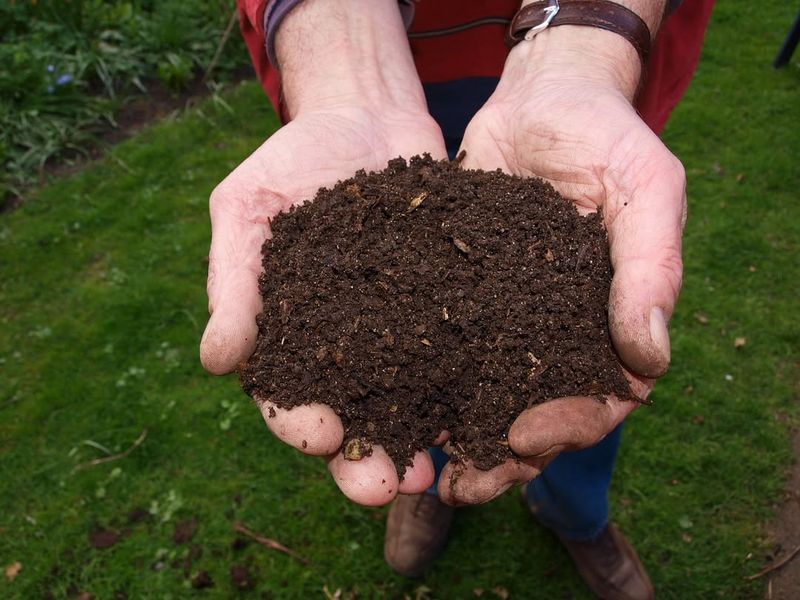
While soil preparation may not be the most exciting part of gardening, it’s the essential foundation that everything else builds upon. Georgia’s native soil can range from red clay in the Piedmont region to sandy loam in the coastal plain, and both extremes benefit from a healthy dose of organic matter before planting perennials.
Work two to three inches of compost into the top eight to ten inches of soil before you plant anything. Compost improves drainage in heavy clay soils and helps sandy soils hold moisture and nutrients more effectively.
It also introduces beneficial microorganisms that support healthy root development from day one. If you have not done a soil test recently, spring is a great time to send a sample to your local Georgia Cooperative Extension office for analysis.
Knowing your soil’s pH and nutrient levels takes the guesswork out of fertilizing and helps you choose the right amendments. Most perennials prefer a slightly acidic to neutral pH, somewhere between 6.0 and 7.0, which lines up well with many parts of Georgia.
Avoid planting in compacted or waterlogged areas, as standing water around roots can cause serious problems fast. Raised beds or berms are a smart solution if your yard has drainage challenges.
Strong soil prep in early spring means your perennials will spend the season growing up instead of just trying to survive.
6. Add Mixed Height Perennials For Season-Long Interest
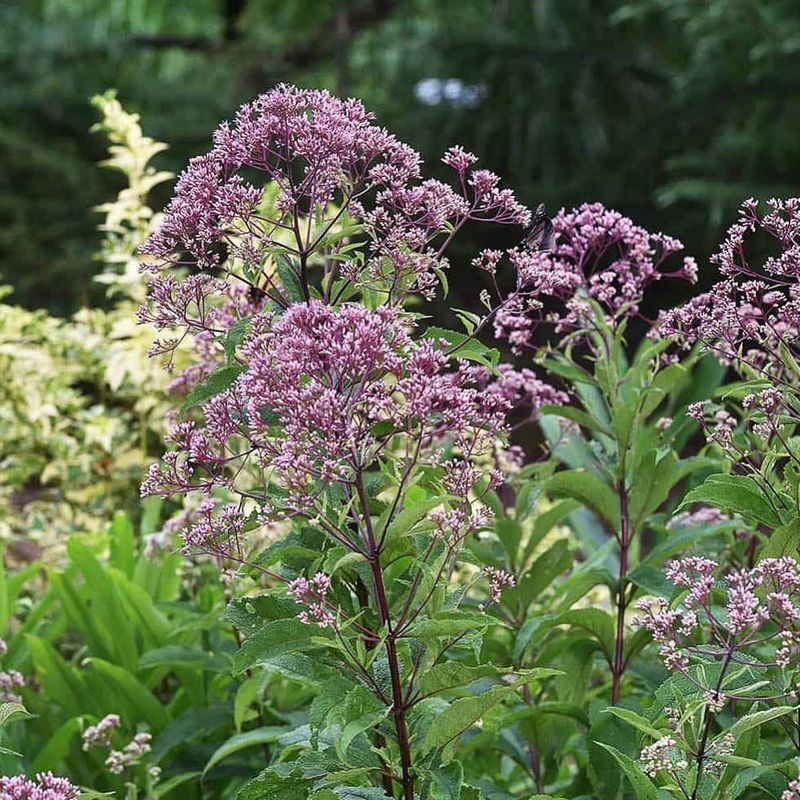
One of the easiest ways to make a Georgia garden look professionally designed is to mix perennials of different heights in a single bed. Tall plants in the back, medium growers in the middle, and low spreaders along the front edge create a layered look that holds visual interest from early spring all the way through fall.
For Georgia gardens, tall options like Joe-Pye weed and ornamental grasses anchor the back of a bed beautifully. Mid-height perennials such as coneflowers, black-eyed Susans, and Russian sage fill in the middle zone with season-long color.
At the front edge, low-growing options like creeping phlox, sedum, and catmint spill over gracefully and soften the border between garden and lawn.
Mixing heights also means staggering bloom times naturally, since taller plants often bloom later in the season while low growers tend to pop in early spring. Planting with this sequence in mind ensures your Georgia garden never looks bare or boring.
Another bonus of height variety is that it creates microhabitats for different types of beneficial insects and birds, adding life and movement to your outdoor space. Think of a mixed-height perennial garden as a living, breathing display that changes and evolves week by week, rewarding you with something new to enjoy every time you step outside.
7. Space Plants Properly To Avoid Early Crowding
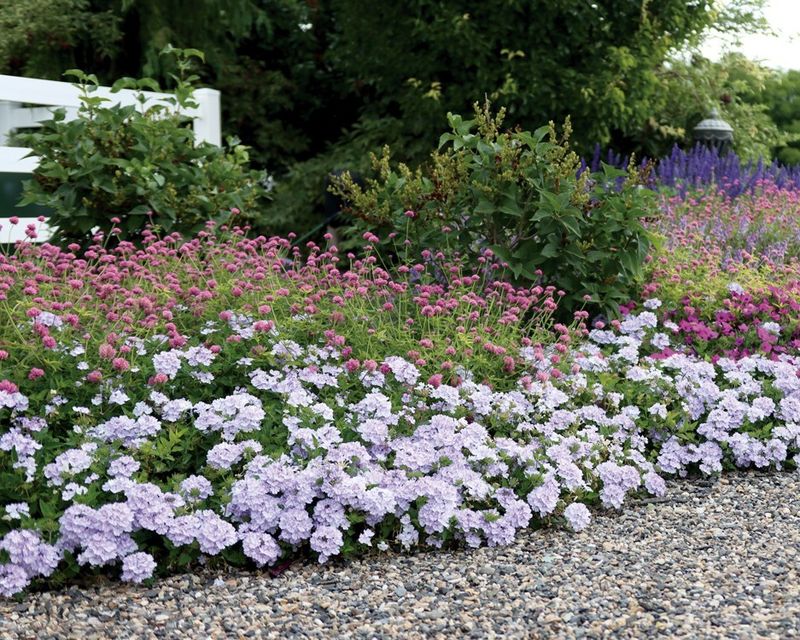
Crowding is one of the most common mistakes new gardeners make, and it is easy to understand why. Young perennials look so small when you first plant them that wide spacing can feel almost wasteful.
Fast forward two seasons in Georgia’s fertile, warm climate, and those same plants can easily double or triple in size.
Always check the mature spread listed on the plant tag before deciding how far apart to place each perennial. As a general rule, most medium-sized perennials need about 18 to 24 inches between plants, while larger varieties may need three feet or more.
Proper spacing allows air to circulate freely around leaves and stems, which reduces the risk of fungal diseases that thrive in Georgia’s humid spring and summer conditions.
If the empty space between newly planted perennials feels too bare at first, fill the gaps temporarily with annuals like zinnias or marigolds. These fast growers add color right away while your perennials settle in, and you can phase them out as your permanent plants expand.
Resist the urge to squeeze plants together just to get a full look immediately. Patience pays off in a big way here.
Well-spaced perennials in a Georgia garden grow into lush, healthy clumps that look intentional and polished, rather than a tangled mess that needs dividing every year just to stay manageable.