Georgia Native Plants That Start Growing Strong In Early Spring
Early spring arrives quietly in Georgia, and native plants are often the first to respond. While everything else still looks slow, these plants begin putting on growth without waiting for perfect conditions.
Because they’re adapted to Georgia’s climate, native plants know how to use early warmth and changing daylight efficiently.
They don’t need pampering or exact timing to get started. Instead, they ease into growth as soon as the season allows, building strength before weather patterns turn unpredictable.
Starting with natives isn’t about filling space fast. It’s about choosing plants that naturally handle early spring shifts and continue growing with fewer interruptions.
When native plants take the lead, gardens tend to look fuller sooner, recover faster from temperature swings, and require less correction as the rest of the season unfolds.
1. Eastern Redbud
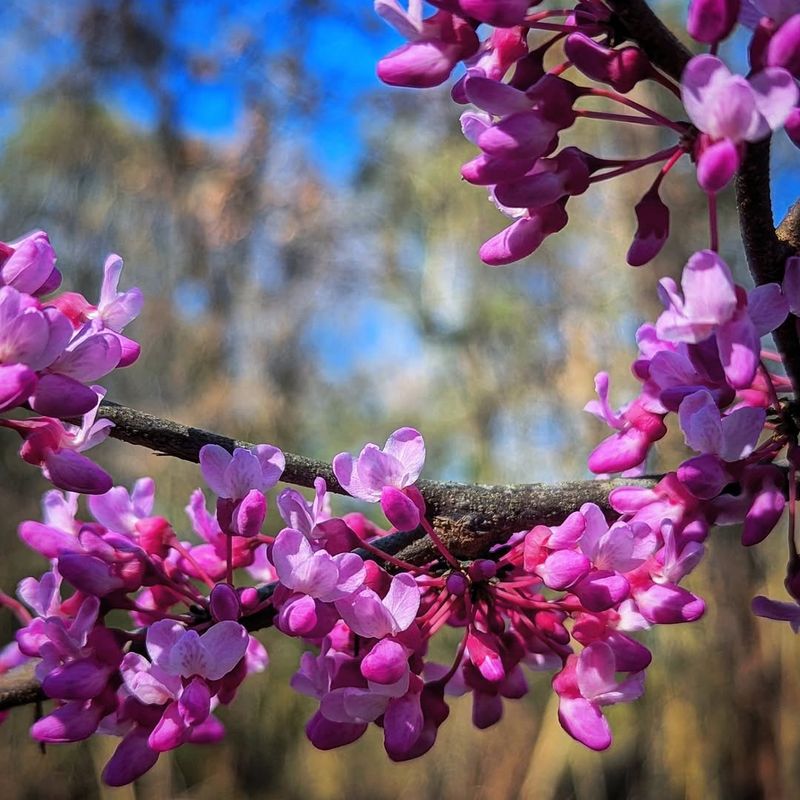
Pink-purple flowers burst directly from bare branches before leaves appear, creating one of spring’s most magical displays in Georgia landscapes. Eastern Redbud transforms from a simple tree structure into a cloud of color almost overnight when temperatures warm in late February or early March.
The heart-shaped leaves that follow provide attractive foliage throughout summer and turn golden-yellow in fall.
This small tree typically reaches 20 to 30 feet tall, making it perfect for residential yards where space might be limited. The branching pattern creates natural architectural interest even during winter months when the tree stands bare.
Gardeners appreciate how Eastern Redbud fits into smaller landscapes without overwhelming other plantings or structures.
Georgia’s native wildlife absolutely loves this tree because early blooms provide essential nectar when few other food sources exist. Bees, butterflies, and hummingbirds visit the flowers constantly during peak bloom.
The seeds that develop later feed various bird species throughout fall and winter.
Plant Eastern Redbud in partial shade to full sun, though it performs best with some afternoon shade protection in southern Georgia. The tree tolerates various soil types but prefers well-drained conditions.
Once established, it handles drought remarkably well, requiring supplemental water only during extended dry periods.
Young trees benefit from mulch around the base to retain moisture and regulate soil temperature. Avoid planting too deep, as this common mistake can stress the tree and slow growth.
With proper placement and minimal care, Eastern Redbud will reward Georgia gardeners with decades of early spring beauty.
2. Serviceberry
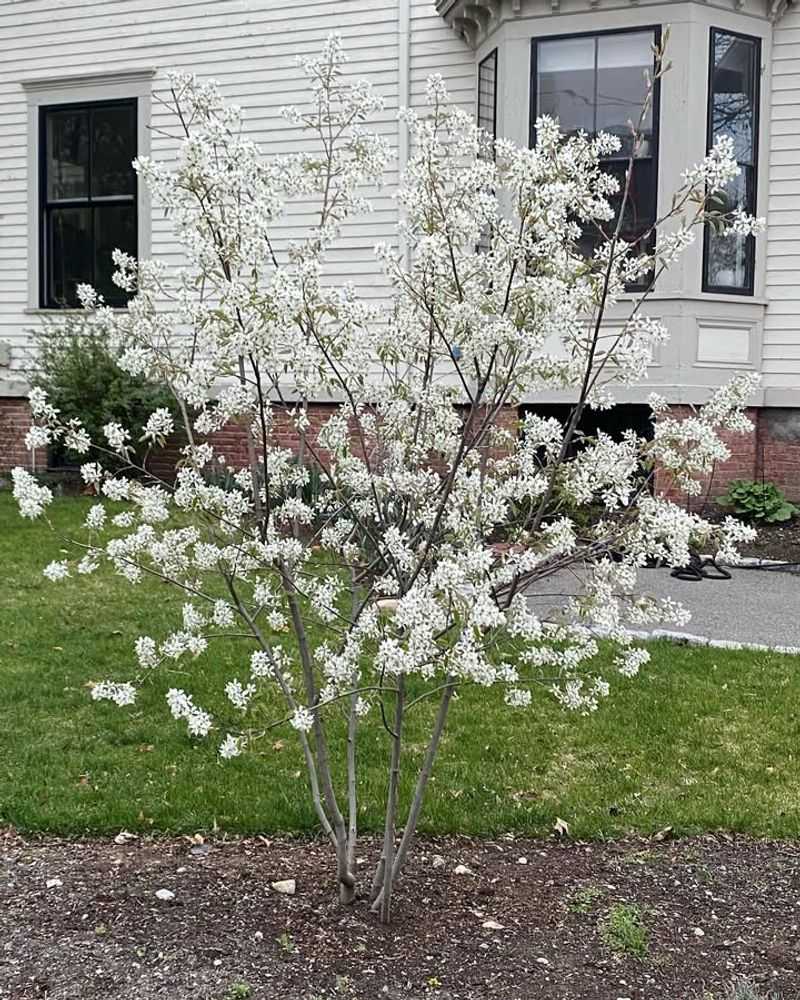
Delicate white flowers appear in drooping clusters just as winter releases its grip on Georgia, often blooming alongside Eastern Redbud for a spectacular spring show. Serviceberry earned its common name because flowers traditionally appeared when the ground thawed enough for frontier preachers to hold burial services.
The blooms last about two weeks, creating a snowy appearance against emerging spring foliage.
Multiple seasons of interest make Serviceberry a valuable addition to Georgia gardens beyond just spring flowers. Edible berries ripen in June, turning from red to deep purple-black when ready for harvest.
These sweet fruits taste similar to blueberries and attract birds from across the neighborhood, providing endless entertainment for nature watchers.
Fall foliage rivals any ornamental tree with brilliant shades of orange, red, and yellow lighting up the landscape. The smooth gray bark develops attractive markings as the plant matures, adding winter interest to the garden.
This multi-season performance makes Serviceberry one of the hardest-working plants in Georgia landscapes.
Growing conditions for Serviceberry are flexible, tolerating full sun to partial shade throughout the state. The plant adapts to various soil types but appreciates consistent moisture during establishment.
Mature plants handle drought better than many natives, though performance improves with occasional deep watering during dry spells.
Serviceberry works beautifully as a specimen plant, in naturalized areas, or massed for screening purposes. The plant can grow as a large shrub or small tree, typically reaching 15 to 25 feet tall.
Pruning requirements remain minimal, with most gardeners simply removing damaged branches or shaping for desired form.
3. Flowering Dogwood
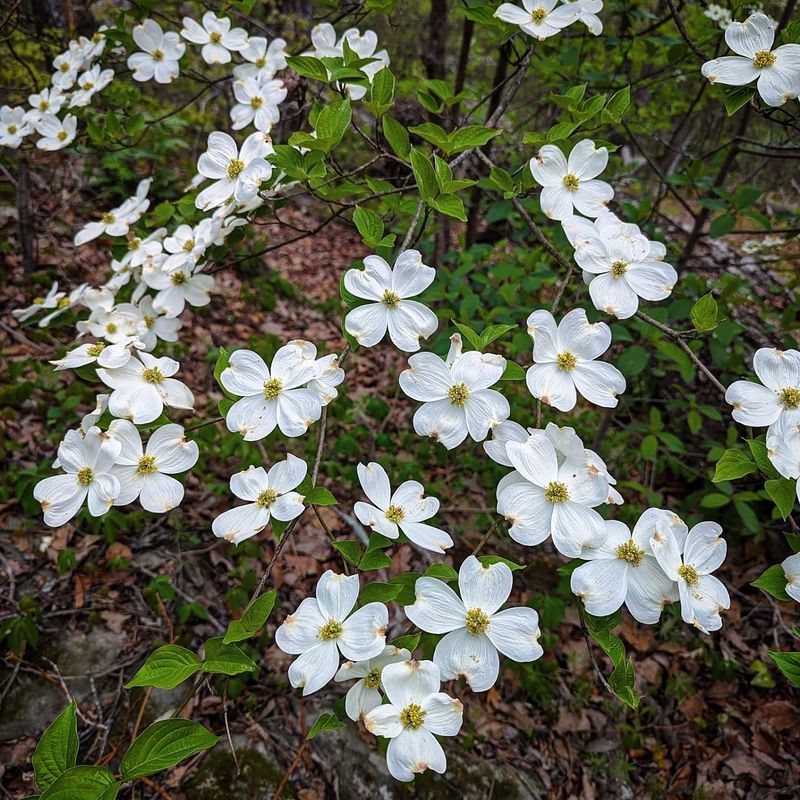
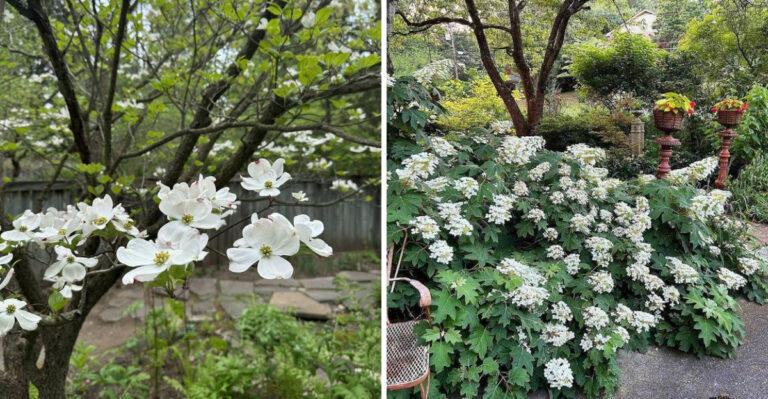
Georgia’s state tree puts on an unforgettable performance each spring when white or pink bracts unfold across the canopy like butterflies settling on branches. What most people call flowers are actually modified leaves called bracts, while the true flowers sit small and inconspicuous at the center.
This botanical distinction doesn’t diminish the spectacular show that Flowering Dogwood provides from late March through April across the state.
Layered horizontal branching creates elegant structure that enhances any landscape design, whether formal or naturalistic. The tree typically grows 15 to 30 feet tall with a similar spread, developing a rounded crown that provides dappled shade.
This growth habit makes Flowering Dogwood perfect for underplanting with shade-loving perennials and groundcovers.
Bright red berries appear in fall, providing critical food for migrating songbirds preparing for long journeys south. The glossy green summer foliage transforms to purplish-red in autumn, extending the tree’s ornamental value well beyond spring.
Even winter offers interest as the distinctive branching pattern and textured bark create garden focal points.
Planting Flowering Dogwood in Georgia requires attention to site selection for best results. The tree performs best in partial shade with protection from harsh afternoon sun, mimicking its natural woodland habitat.
Well-drained, slightly acidic soil enriched with organic matter supports healthy growth and abundant flowering.
Avoid planting in compacted soil or areas with poor drainage, as these conditions stress the tree and increase disease susceptibility. Mulch around the base helps retain moisture and keep roots cool during Georgia’s hot summers.
Water consistently during the first two growing seasons to establish a strong root system that will support the tree for decades.
4. Oakleaf Hydrangea
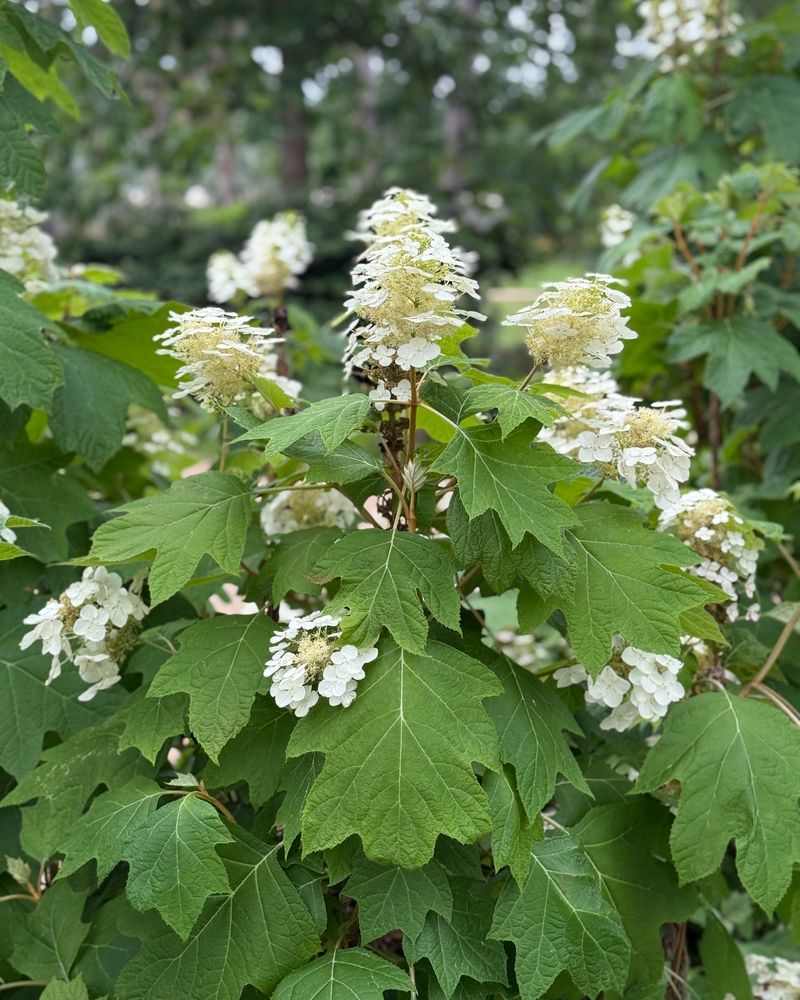
Massive cone-shaped flower clusters emerge white in late spring, gradually fading to pink and then russet-brown as summer progresses. Oakleaf Hydrangea stands out among Georgia natives for its long-lasting floral display that provides interest for months.
The flowers hold their shape even after drying, creating beautiful winter structure in the garden when left uncut.
Distinctive foliage resembling oak leaves gives this shrub its common name and adds bold texture to shaded Georgia gardens. The large leaves create dramatic presence in the landscape, contrasting beautifully with finer-textured plants.
Each fall, the foliage transforms into shades of burgundy, orange, and purple before dropping to reveal exfoliating cinnamon-colored bark.
Size varies by cultivar, with plants ranging from compact three-foot specimens to towering eight-foot giants. This versatility allows Oakleaf Hydrangea to fit various landscape roles, from foundation plantings to woodland borders.
The shrub’s spreading habit creates natural informal hedges or mass plantings that require minimal pruning.
Shade tolerance makes Oakleaf Hydrangea invaluable for Georgia gardeners dealing with tree-filled properties. The plant thrives in partial to full shade, though some morning sun encourages heavier flowering.
Too much direct sun, especially in southern Georgia, can scorch leaves and stress the plant during summer heat.
Moist, well-drained soil rich in organic matter creates ideal growing conditions throughout the state. Mulching helps maintain consistent soil moisture and temperature, particularly important during establishment.
Once mature, Oakleaf Hydrangea tolerates brief dry periods but looks best with regular watering during extended droughts. The plant requires little fertilizer, with an annual spring application of compost usually providing adequate nutrition.
5. Virginia Sweetspire
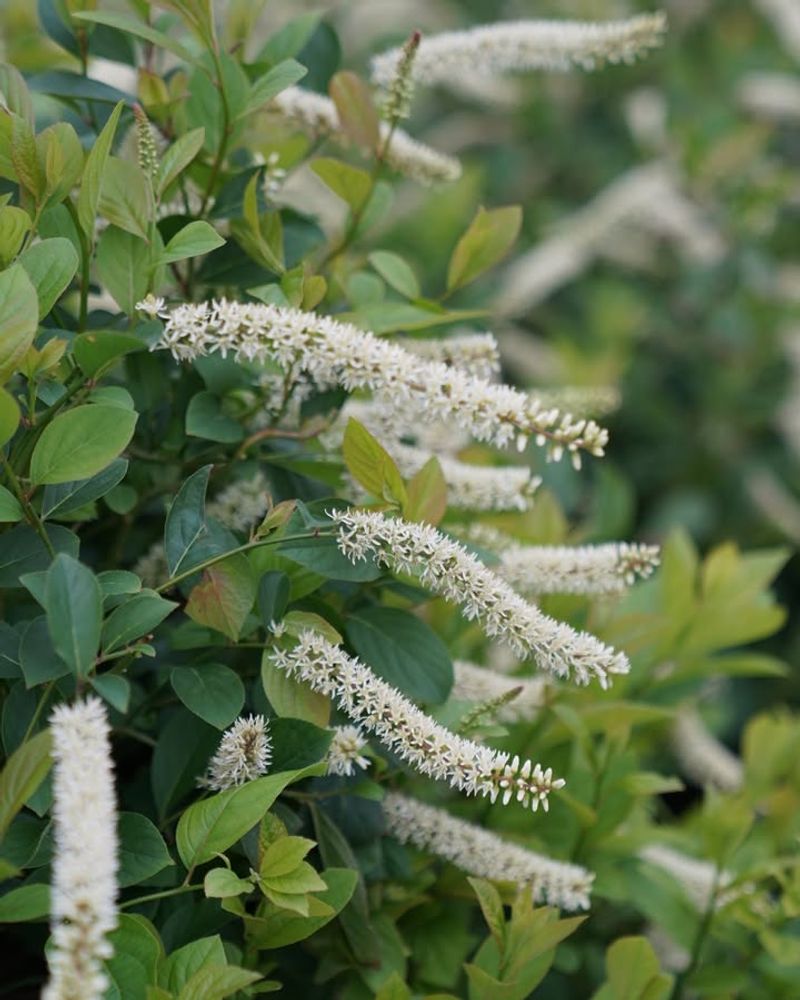
Fragrant white flower spikes dangle like bottlebrushes from arching branches, perfuming Georgia gardens from late spring into early summer. Virginia Sweetspire produces these showy blooms reliably even in challenging growing conditions where other flowering shrubs struggle.
The sweet scent attracts butterflies and bees, creating a buzz of activity around the plant during peak bloom.
Adaptability to wet sites makes this native shrub particularly valuable for Georgia landscapes with drainage challenges. Virginia Sweetspire naturally grows along stream banks and wetland edges throughout the state, tolerating periodic flooding that would damage less resilient plants.
This moisture tolerance also means the shrub performs beautifully in rain gardens designed to manage stormwater runoff.
Fall color ranks among the best of any Georgia native, with leaves turning brilliant shades of red, orange, and purple. The transformation begins in early autumn and intensifies as temperatures drop, often lasting well into November.
Some leaves persist into winter, providing extended seasonal interest in the landscape.
Suckering growth habit creates dense colonies over time, making Virginia Sweetspire excellent for erosion control on slopes or stream banks. Gardeners can easily control spread by removing unwanted shoots or allow natural spreading for informal mass plantings.
The plant typically reaches three to five feet tall with a similar or greater width.
Growing Virginia Sweetspire in Georgia succeeds in full sun to partial shade, though flowering improves with more light. The shrub tolerates various soil types from sandy to clay, as long as moisture remains adequate.
Established plants handle brief drought but prefer consistently moist conditions. Pruning needs remain minimal, with most gardeners simply removing old flower spikes and shaping as desired after blooming finishes.
6. American Beautyberry
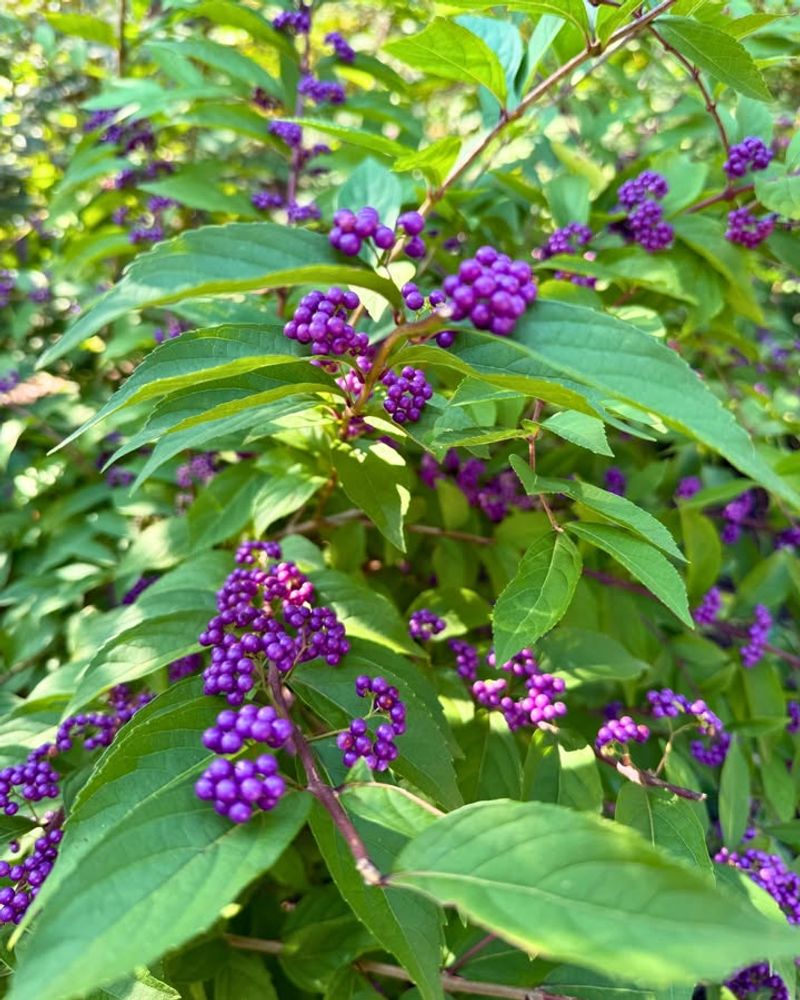
Bright purple berries clustered along arching stems create one of the most eye-catching displays in Georgia gardens from late summer through fall. American Beautyberry produces these vibrant fruits after small, inconspicuous pink flowers finish blooming in early summer.
The berries appear almost artificial in their intensity, glowing like jewels against the plant’s green foliage.
Wildlife value extends beyond visual appeal, as the berries provide important food for numerous bird species during fall migration. Mockingbirds, catbirds, and cardinals feast on the fruits, often stripping branches clean by winter.
Deer typically avoid browsing the foliage, making American Beautyberry a smart choice for Georgia gardens where deer pressure creates challenges.
Coarse texture and open growth habit give this shrub a casual, naturalistic appearance that works beautifully in woodland settings. The plant typically reaches four to six feet tall with a similar spread, though some specimens grow larger in ideal conditions.
Branches arch gracefully outward, creating an informal fountain-like shape that softens rigid landscape structures.
Growing American Beautyberry in Georgia succeeds best in partial shade, though the plant tolerates full sun with adequate moisture. The shrub adapts to various soil types and handles both acidic and slightly alkaline conditions.
Established plants show good drought tolerance but produce more abundant berries with consistent moisture during the growing season.
Hard pruning in late winter encourages vigorous new growth and heavier berry production, as fruits form on current season’s wood. Many Georgia gardeners cut the entire plant back to six to twelve inches in February, resulting in fuller, more productive shrubs.
This renewal pruning also helps maintain compact size and prevents the plant from becoming too leggy or sparse in the center.
7. Inkberry Holly
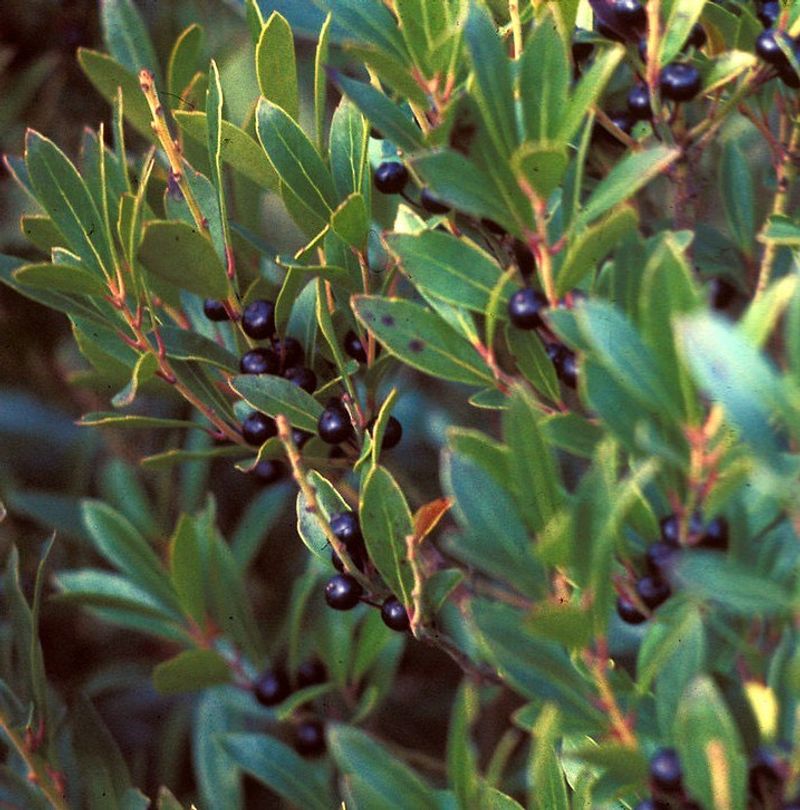
Evergreen foliage provides year-round structure and screening in Georgia landscapes where many native plants go dormant for winter. Inkberry Holly maintains its dark green, glossy leaves through all seasons, creating reliable visual anchors in garden designs.
The compact growth habit and fine texture make this native holly perfect for formal hedges or informal naturalistic plantings throughout the state.
Small black berries appear on female plants in fall, persisting through winter and providing food for birds during lean months. The fruits look like tiny droplets of ink, giving the plant its common name.
Male plants must grow nearby for berry production, so gardeners wanting fruit should plant both sexes in their landscapes.
Adaptability to challenging sites sets Inkberry Holly apart from many other broadleaf evergreens used in Georgia. The plant tolerates wet soils better than most hollies, growing naturally in swampy areas and along stream banks.
This moisture tolerance makes it valuable for rain gardens and other areas with periodic standing water.
Size remains manageable compared to many holly species, with most cultivars reaching four to eight feet tall. Inkberry Holly responds well to pruning and shaping, allowing gardeners to maintain desired dimensions easily.
The plant works beautifully as a foundation planting, low hedge, or massed for screening purposes.
Planting in partial shade to full sun succeeds throughout Georgia, though some afternoon shade benefits plants in the southern part of the state. Acidic soil produces the best growth and darkest foliage color.
Once established, Inkberry Holly tolerates both wet and dry conditions, making it remarkably versatile. The plant rarely suffers from serious pest or disease problems, requiring minimal maintenance beyond occasional pruning to maintain shape and remove any damaged branches.
8. Blue-Eyed Grass
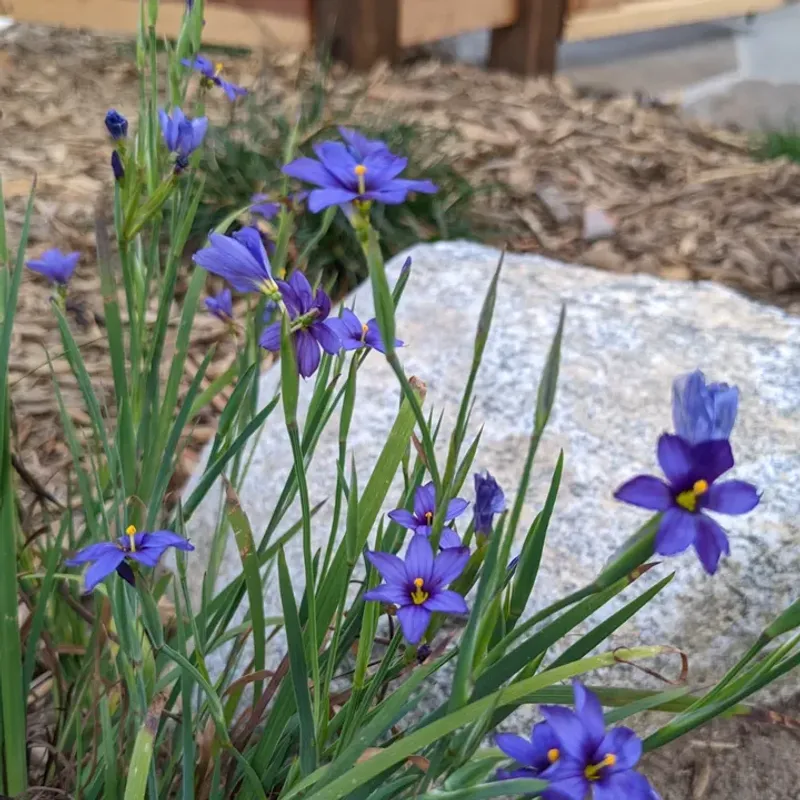
Delicate blue-purple flowers with yellow centers peek through grass-like foliage in early spring, bringing unexpected color to Georgia lawns and meadows. Blue-Eyed Grass isn’t actually a grass at all but rather a member of the iris family, explaining its beautiful flowers.
Each bloom lasts just one day, but plants produce flowers continuously for several weeks, creating an extended display.
Petite size makes Blue-Eyed Grass perfect for rock gardens, border edges, or naturalized areas where taller plants might overwhelm the space. The plant typically reaches only six to twelve inches tall, forming small clumps of thin, blade-like leaves.
This low profile allows it to blend seamlessly into lawn areas, surprising observers when flowers appear.
Native meadows and prairies throughout Georgia historically included Blue-Eyed Grass as part of diverse plant communities. Modern gardeners can recreate these ecosystems by incorporating this charming native into wildflower meadows or naturalized lawn areas.
The plant spreads slowly by seed, gradually filling in without becoming aggressive or weedy.
Sunny locations with well-drained soil provide ideal growing conditions for Blue-Eyed Grass in Georgia. The plant tolerates some light shade but flowers most prolifically in full sun.
Soil preferences range from sandy to loamy, with the plant adapting to various conditions as long as drainage remains adequate.
Low maintenance requirements make Blue-Eyed Grass appealing for busy gardeners seeking native plants that practically care for themselves. Once established, the plant needs no supplemental watering except during severe drought.
Fertilizer isn’t necessary, as the plant thrives in average to lean soils. Allow seed heads to mature and disperse if you want the plant to spread naturally, or remove spent flowers to maintain a tidier appearance in formal garden settings.