8 Georgia Native Plants You Should Prune This March
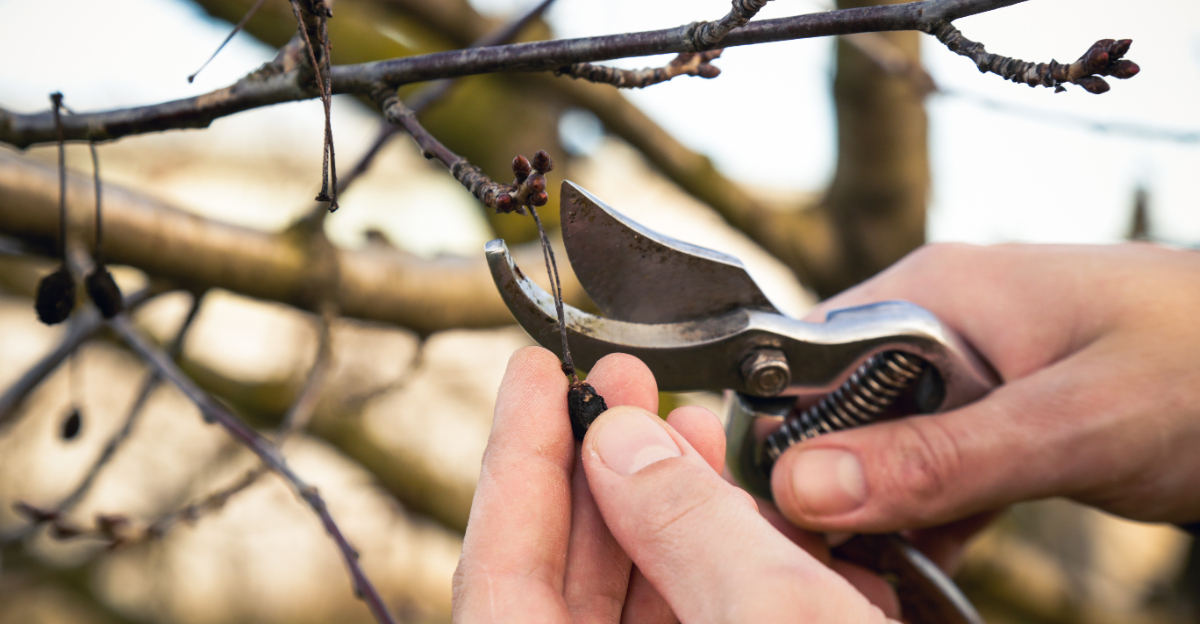
March is one of those moments in Georgia when the garden starts shifting fast. New buds begin swelling, fresh shoots appear, and many native plants are getting ready for a strong burst of spring growth.
Before that happens, a quick round of pruning can make a real difference in how those plants perform through the season.
If a few Georgia natives are growing in the yard, this short window is worth paying attention to. Removing leftover winter growth now helps plants focus their energy on healthy new stems instead of struggling with old, tired branches.
It also keeps shrubs from getting tangled or overly woody as temperatures warm up.
Handled at the right time, pruning becomes less about cutting plants back and more about setting them up for a stronger, fuller season ahead. Some native plants respond especially well to this early spring cleanup.
1. American Beautyberry Responds Well To A Fresh Spring Cut
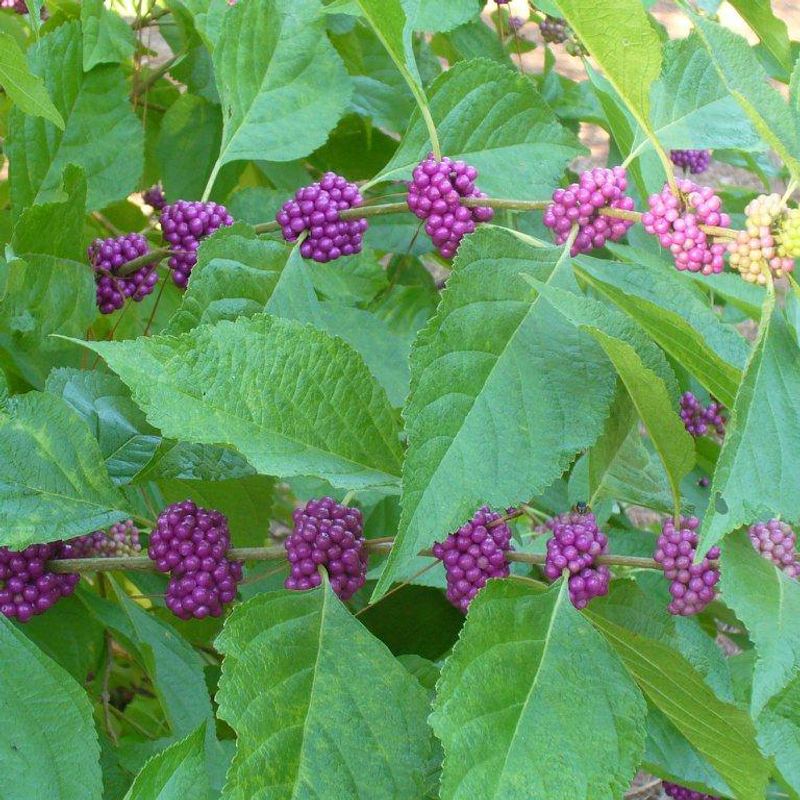
Cut it back hard and watch it explode with growth. American Beautyberry is one of those plants that genuinely rewards aggressive pruning in late winter or early March.
Left unpruned, it gets leggy and the berry clusters end up scattered on long, floppy branches that flop over into everything around them.
Pruning this shrub down to about 12 to 18 inches from the ground might feel dramatic, but it is exactly what the plant wants.
New stems come up fast once the weather warms, and those new stems are the ones that carry the biggest clusters of bright purple berries in fall.
Older wood just does not perform as well.
In Georgia, where spring warmth arrives early, Beautyberry breaks dormancy quickly after a hard cut. You have a short but reliable window in March to get this done before new buds start pushing.
Use clean bypass pruners or loppers depending on how thick the stems have gotten. Remove any crossing or damaged branches first, then cut the rest back evenly.
No complicated technique needed here. Sharp tools, a clear cut, and the plant handles the rest on its own.
It is one of the most forgiving native shrubs you can grow in the state.
After pruning, mulch around the base to conserve moisture and suppress weeds. Regular watering during spring helps those new stems grow strong and produce the biggest berry clusters in fall.
2. American Elderberry Benefits From A Hard Late-Winter Prune
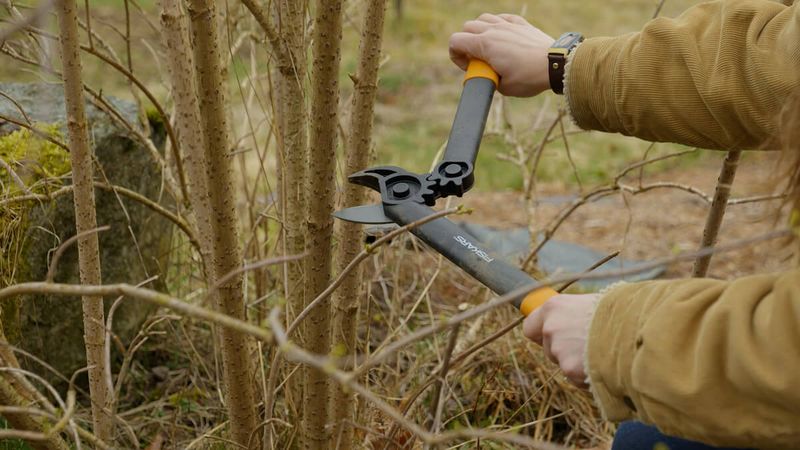
Elderberry has a reputation for being tough, and it earns that reputation every single season. In Georgia gardens, it can push out long, arching canes that sprawl well beyond where you want them.
Without regular pruning, the center of the plant gets crowded, airflow drops, and the flower and fruit production starts to suffer.
A hard prune in late February through mid-March is the move. Cut the oldest, darkest canes all the way down to the ground.
Aim to keep a mix of one-year and two-year canes, since those are the most productive. Anything older than two years tends to slow down on flowering, which means fewer of those flat-topped white blooms and fewer berries later in summer.
Elderberry grows fast in Georgia’s humid climate, so it recovers from a heavy prune without skipping a beat. You might be surprised how quickly fresh green growth appears after you cut.
Keep the plant to around five or six of the healthiest canes, spaced out so light can get through the middle. A pair of sharp loppers handles most of the job, but a pruning saw might be needed for older, thicker canes.
Getting this done before bud break gives the plant maximum energy to push strong, productive new growth all spring long.
3. Buttonbush Grows Stronger After Early Spring Pruning
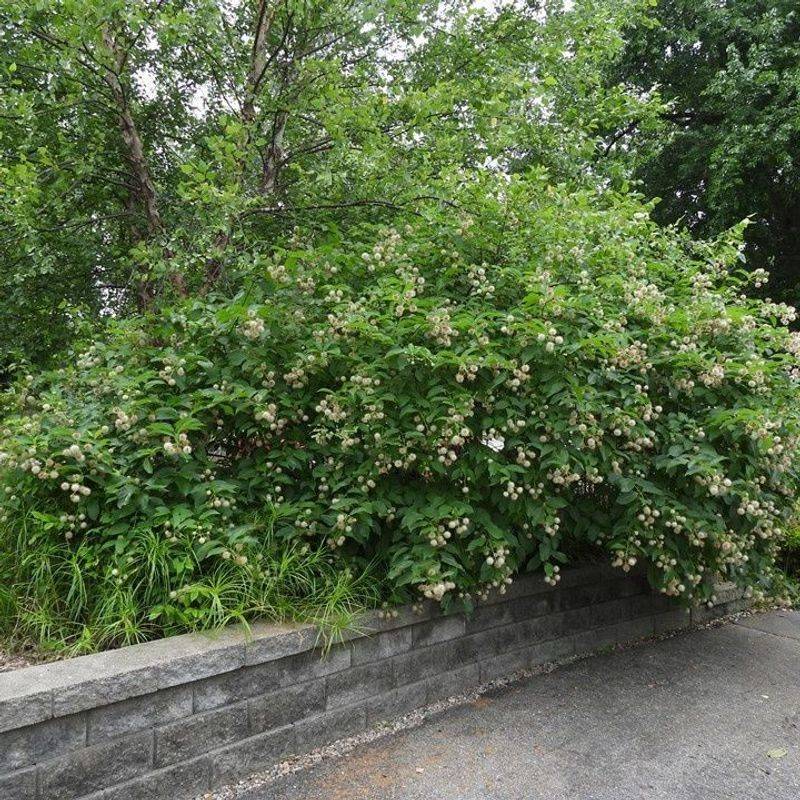
Not every shrub in a Georgia garden grows in dry soil, and Buttonbush proves that plants from wet edges can be just as rewarding as anything else in the yard.
Found naturally along stream banks and pond edges across Georgia, this native shrub blooms in summer with unusual round, white flower clusters that pollinators absolutely flock to.
Pruning Buttonbush in early March, before new growth starts, keeps the plant from getting too rangy. Left alone for several seasons, it can develop a thick tangle of branches that makes the center dense and shaded.
Removing older, weaker stems and shortening the longest branches helps redirect energy into fresh, vigorous shoots that will carry this summer’s blooms.
A light to moderate prune is usually all it needs. You do not have to strip it down the way you would with Beautyberry.
Focus on opening up the canopy a bit and cutting back any stems that are rubbing against each other or heading in the wrong direction.
Buttonbush handles wet conditions better than most shrubs, so if you have a low spot in your Georgia yard that stays damp, this plant fits right in.
Pruning it now means it hits the ground running when warm temperatures return and the pollinators start looking for early summer food sources.
4. Virginia Sweetspire Bounces Back Quickly After A Trim
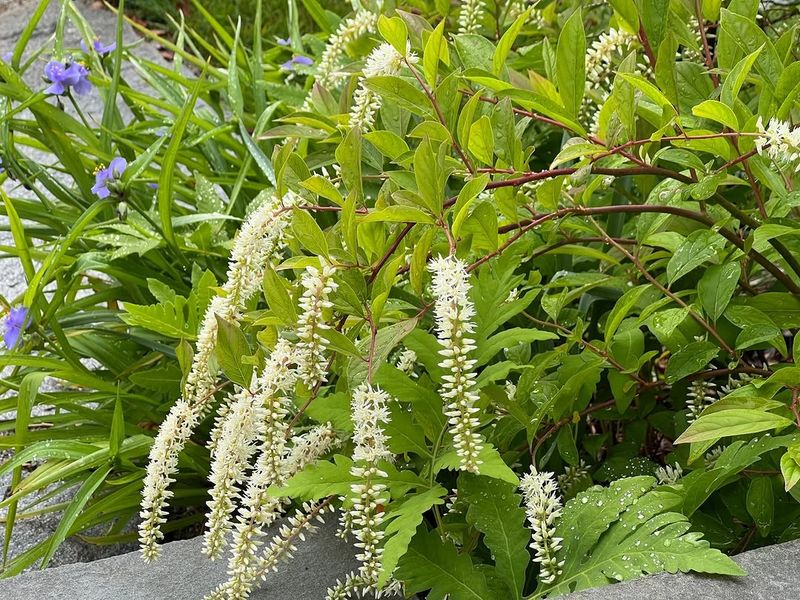
Few native shrubs in Georgia offer the combination of fragrant summer flowers and brilliant fall color that Virginia Sweetspire delivers. Arching stems carry long white flower spikes in early summer, and the foliage turns deep red and burgundy by fall.
It spreads gradually by suckers, forming a soft, natural-looking mass over time.
Pruning in March helps manage that spread and keeps the plant looking intentional rather than wild. Thin out the oldest stems at the base, and cut back any that have stretched too far into neighboring plants.
Sweetspire does not need an aggressive cut the way Elderberry or Beautyberry does, but a thoughtful thinning every year or two makes a noticeable difference in how full and floriferous it looks come summer.
Because Sweetspire tolerates both shade and part sun, it shows up in a lot of Georgia yards under trees or along fence lines where other shrubs struggle.
Pruning while the plant is still dormant in early March means you can clearly see the branch structure without leaves in the way.
Look for any stems that have flopped outward at an awkward angle or are crowding the center, and remove those first. New growth comes in quickly once temperatures climb, and the plant fills back in faster than you might expect.
Sharp hand pruners are all the tool you need for most of the work.
5. Possumhaw Viburnum Handles Structural Pruning Well
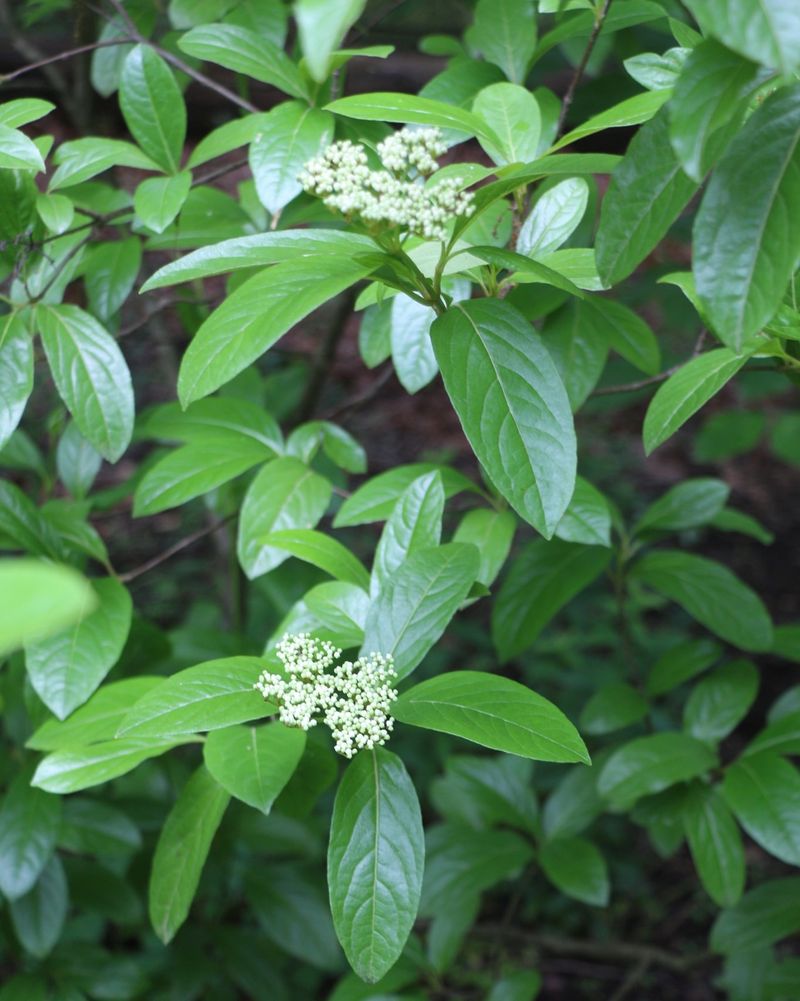
Red berries clinging to bare branches through January and February make Possumhaw Viburnum one of the most eye-catching native shrubs in a Georgia winter garden.
Birds hit those berries hard once other food sources run low, so there is real wildlife value packed into this plant beyond just its good looks.
By March, the berries are mostly gone and the plant is ready for structural pruning before it leafs out. Possumhaw Viburnum develops a layered, spreading form naturally, but it can get wider than expected over time.
Structural pruning now means removing any crossing branches, cutting out old wood that is no longer productive, and shaping the outer edge if it has crept into a walkway or crowded a neighboring plant.
Avoid shearing this shrub into a tight ball shape. It looks best with a natural, slightly irregular outline that allows light into the interior.
Remove no more than one-third of the total growth at once to keep the plant healthy and still able to produce flowers and berries on schedule.
In Georgia, where spring comes on strong and fast, Possumhaw pushes out new growth quickly after pruning.
Flat-topped white flower clusters appear in spring, and the whole berry production cycle starts again. Getting the structure right in March sets the plant up for a productive, good-looking season from bloom time all the way through winter.
6. Winterberry Holly Keeps Its Shape With Early Spring Cuts
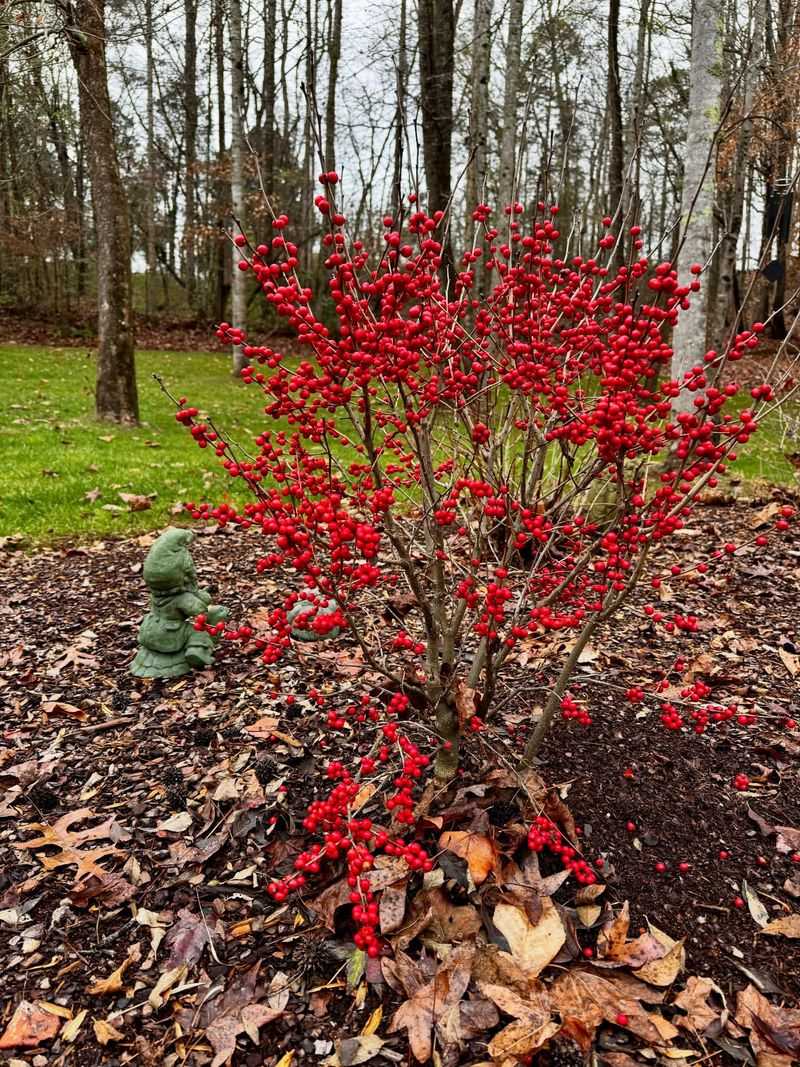
Brilliant red berries packed along bare stems make Winterberry Holly one of the most recognized native shrubs in Georgia through the winter months.
By early March, those berries have usually been claimed by robins and cedar waxwings, and the plant is ready to shift focus toward producing new growth for the coming season.
Early spring pruning helps Winterberry maintain a clean shape and prevents it from becoming too dense in the center. Remove any damaged or weak stems first, then cut back branches that cross through the middle or create a crowded mess.
Thinning those out improves airflow and lets sunlight reach the inner stems, which encourages stronger growth across the whole plant.
One thing to keep in mind with Winterberry is the pollination situation. Female plants produce the berries, but they need a male plant nearby to set fruit.
When pruning, do not remove all the stems from one side of a female plant if that side happens to face the male plant. Keeping good structure and open sightlines between male and female plants matters for berry production.
In Georgia, Winterberry grows best in moist soils, often near pond edges or low spots in the yard. Prune before bud break in March, keep your cuts clean, and the plant will reward you with another heavy berry crop by fall.
7. Sparkleberry Handles Light Pruning Before New Growth
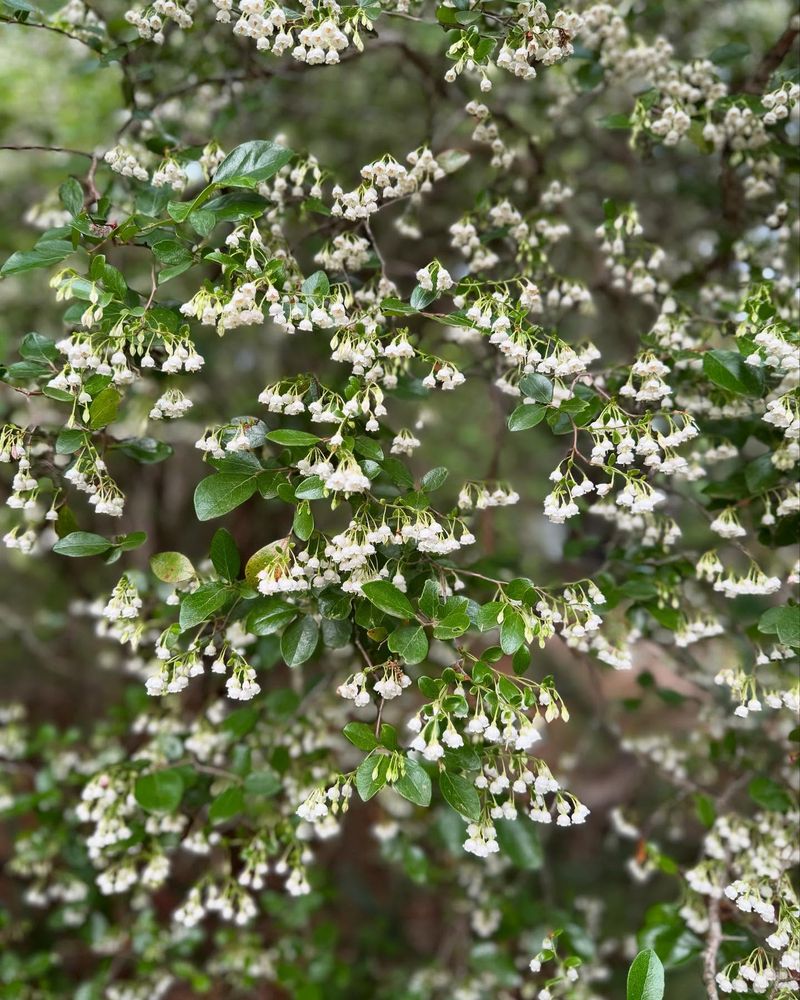
Sparkleberry is the scrappy, small-statured cousin of the blueberry family, and it earns its spot in a Georgia native garden without much fuss.
Gnarled, twisting branches give it serious winter interest, and white bell-shaped flowers in spring draw in early pollinators before most other plants have even woken up.
Light pruning in early March is the right approach here. Sparkleberry does not need or want an aggressive cut.
What it benefits from is removing any damaged or weak wood, trimming stems that have grown too long and spindly, and tidying the overall silhouette before new leaves emerge. Heavy cuts can set back fruit production, so restraint is key.
Across Georgia, Sparkleberry tends to grow in drier, sandier soils and along woodland edges where conditions are not ideal for more demanding plants.
Pruning before bud break in March gives you a clear view of the branch structure, which makes it easier to spot and remove problem wood.
Look for any stems that are crossing or rubbing together and remove the weaker one. Sparkleberry grows slowly enough that you do not need to prune it every year — every two to three seasons is often plenty.
When you do prune, keep it minimal, keep your tools sharp, and let the plant’s natural, irregular form stay intact. That character is a big part of what makes it worth growing.
8. Yaupon Holly Responds Well To A Spring Shape-Up
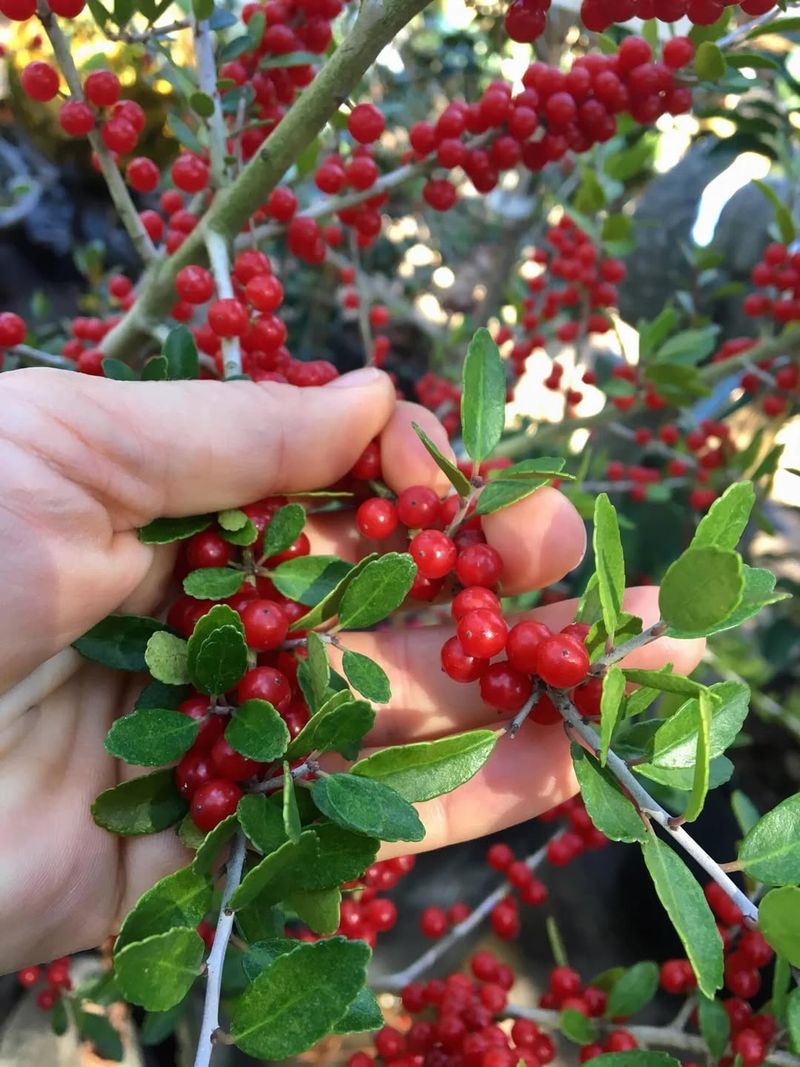
Yaupon Holly might be the toughest native shrub growing in Georgia right now. It handles drought, clay soil, salt spray along the coast, and heavy pruning without complaint.
For a plant that asks so little, it gives back a lot — dense evergreen foliage, small white spring flowers, and clusters of red or yellow berries that birds return to every winter.
March is a great time to shape Yaupon before the flush of new spring growth fills in. If the shrub has gotten oversized or developed an awkward shape, now is the moment to correct it.
Yaupon tolerates hard cuts better than almost any other native, so do not be timid. You can reduce the size significantly and the plant will recover and fill back in with fresh, dense growth by early summer.
For a more natural look, avoid shearing it into a tight geometric form. Hand pruning with bypass pruners gives you more control over the final shape and keeps the growth pattern looking organic rather than clipped.
Remove crossing branches, open up the center slightly, and shorten any stems that stick out past the intended outline of the plant. Across Georgia, Yaupon is used in everything from formal foundation plantings to naturalistic wildlife gardens.
No matter how you grow it, a clean spring pruning keeps it looking intentional and healthy all the way through to the following winter season.