Georgia Trees That Can Get Homeowners In Trouble If They Are Not Removed
A tree can look harmless for years, then suddenly become the reason a homeowner is dealing with damage, complaints, or a problem that gets expensive fast.
In Georgia, some trees become risky not because they are ugly or unhealthy at first glance, but because of where they are growing, how they are growing, or what starts happening once they get too close to homes, driveways, power lines, or property lines.
That is what makes this topic so important for Georgia homeowners. It is not always obvious when a tree has crossed the line from shade and beauty into something that can create real trouble.
In some cases, waiting too long only makes the issue harder and more costly to fix.
Whether the concern is safety, structural damage, or the kind of headache no one wants to deal with after a storm, certain trees are simply better handled sooner rather than later.
1. Bradford Pear Splits Easily And Spreads Beyond Landscapes
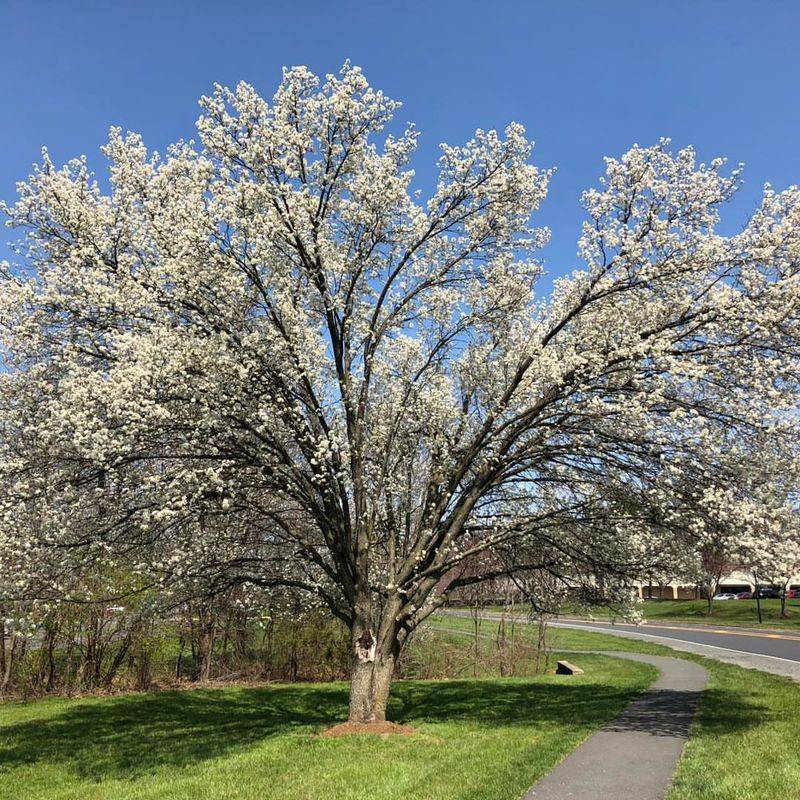
Bradford pear trees look stunning in spring, but that beauty is hiding a serious structural flaw. Georgia homeowners have been dealing with split trunks and broken branches for years, especially after storms roll through.
The branch angles on these trees are extremely narrow, which means the wood has almost no grip strength where branches meet the trunk.
When a limb breaks free during a thunderstorm, it does not fall gently. Heavy branches crashing onto roofs, fences, and parked cars have caused thousands of dollars in damage across Georgia neighborhoods.
Homeowners have faced insurance disputes and neighbor complaints because of falling debris from Bradford pears.
Beyond the structural problems, Bradford pears produce seeds that birds spread everywhere. Seedlings sprout in fields, roadsides, and natural areas throughout Georgia, crowding out native shrubs and wildflowers.
Bradford pear is widely recognized as invasive and structurally weak, which is one reason it has become so controversial in the Southeast.
Removing one before it splits on its own is genuinely the smarter move. A certified arborist can take it down safely and even suggest a native replacement that will not create the same headaches down the road.
That risk gets even higher as the tree ages, because the canopy becomes heavier while the weak branch structure stays the same.
What makes Bradford pear especially frustrating is that it can look perfectly fine one day and then lose major limbs the next after strong wind or heavy rain.
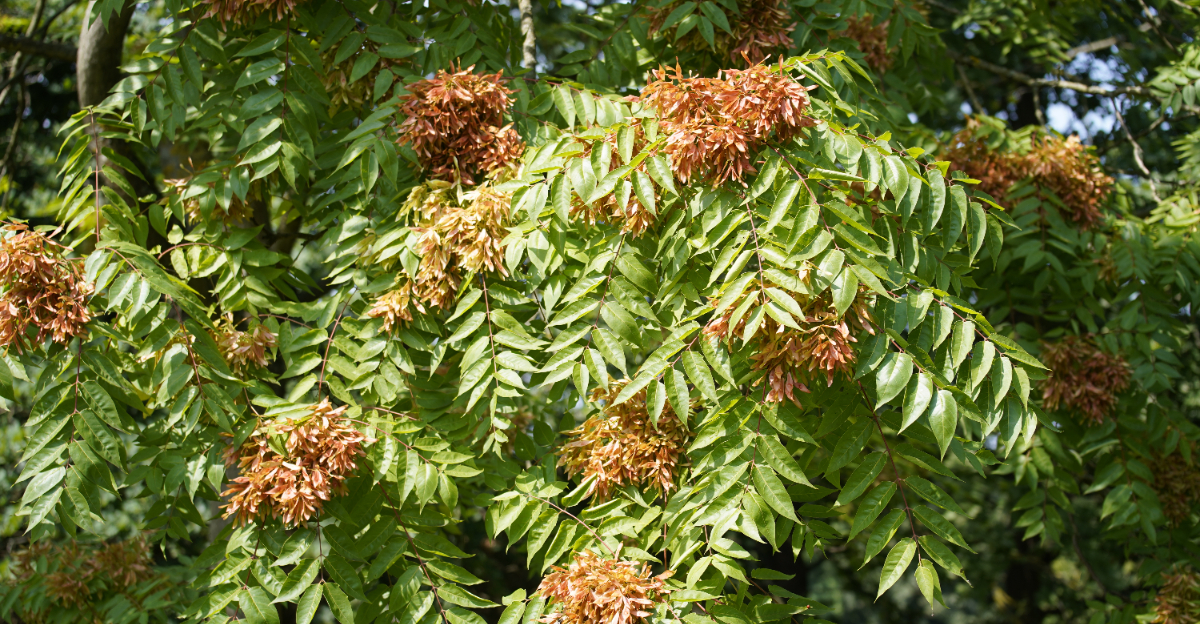
2. Tree Of Heaven Quickly Takes Over And Is Hard To Remove
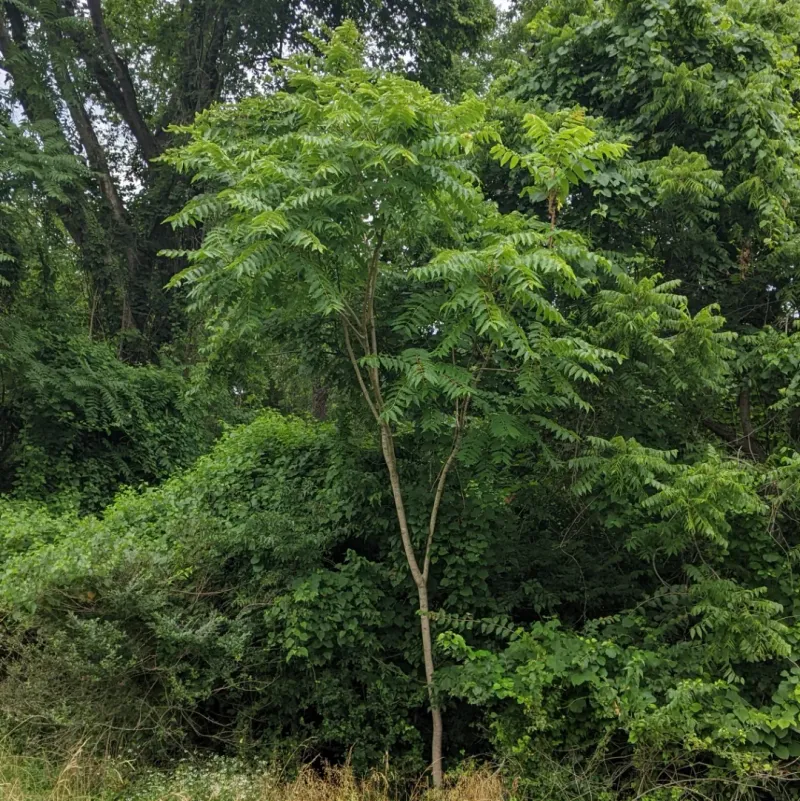
Tree of Heaven sounds like something you would want in your yard, but ask any Georgia homeowner who has dealt with it and they will tell you a completely different story.
Ailanthus altissima grows at a shocking pace, sometimes adding six feet or more in a single season.
Cutting it down without treating the stump almost guarantees it will come back stronger.
Roots spread aggressively underground, pushing through cracks in driveways, foundations, and even sewer lines. Homeowners in older Georgia neighborhoods have discovered root intrusion in pipes they did not even know were vulnerable.
Repair costs can stack up quickly once the roots get established.
If seeds blow onto neighboring properties, you could find yourself in a dispute that is harder to resolve than the tree removal itself.
Professional removal with stump treatment is the only reliable way to deal with this one. Skipping the chemical treatment almost always leads to a forest of sprouts within weeks.
Getting ahead of it early saves a significant amount of time, money, and frustration.
Tree of Heaven also produces huge numbers of windblown seeds, which helps it spread into fence lines, vacant lots, and unmanaged corners of a property before most people notice it.
Another reason it is so hard to control is that it can send up fast growing suckers from the root system, turning one tree into a much larger problem in a short time.
3. Chinaberry Tree Spreads Aggressively And Creates Ongoing Issues
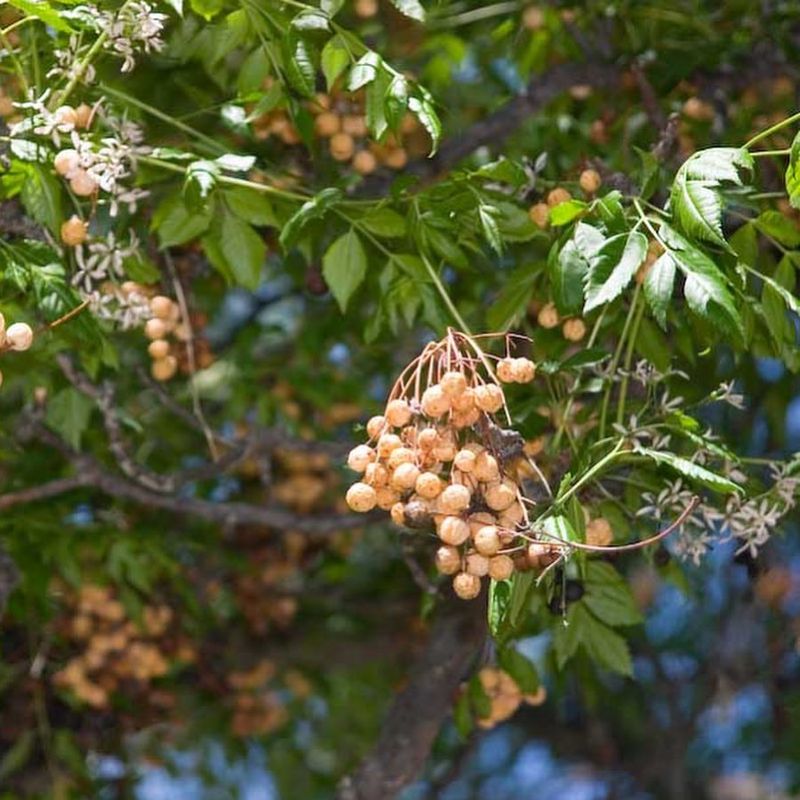
Chinaberry trees have been growing across Georgia for over a century, but familiarity does not make them safe. Every part of this tree is toxic to pets and livestock, which is a serious concern for Georgia families with dogs, cats, or farm animals on the property.
Children playing in the yard can also come into contact with the berries, which hang in clusters and look almost inviting.
Spread happens fast because birds eat the berries and deposit seeds all over the place. Before long, seedlings are popping up in garden beds, along fence lines, and at the edges of wooded areas.
Removing the parent tree does not automatically solve the problem since seedlings can keep showing up for years.
Structurally, Chinaberry is not a reliable tree either. Branches are brittle and tend to break under wind and ice load, which is a real concern during Georgia winter storms.
Falling limbs near structures or power lines create both safety risks and potential liability issues for homeowners.
Proactive removal and replanting with a native species is genuinely the better long-term approach for your yard and your neighborhood.
Those berries are one reason this tree keeps spreading so easily, since wildlife carries the seeds into places homeowners are not even watching closely. Even small volunteer seedlings should be pulled early, because Chinaberry can establish itself quickly once it gets a foothold in Georgia soil.
4. Chinese Tallow Tree Invades And Displaces Native Plants
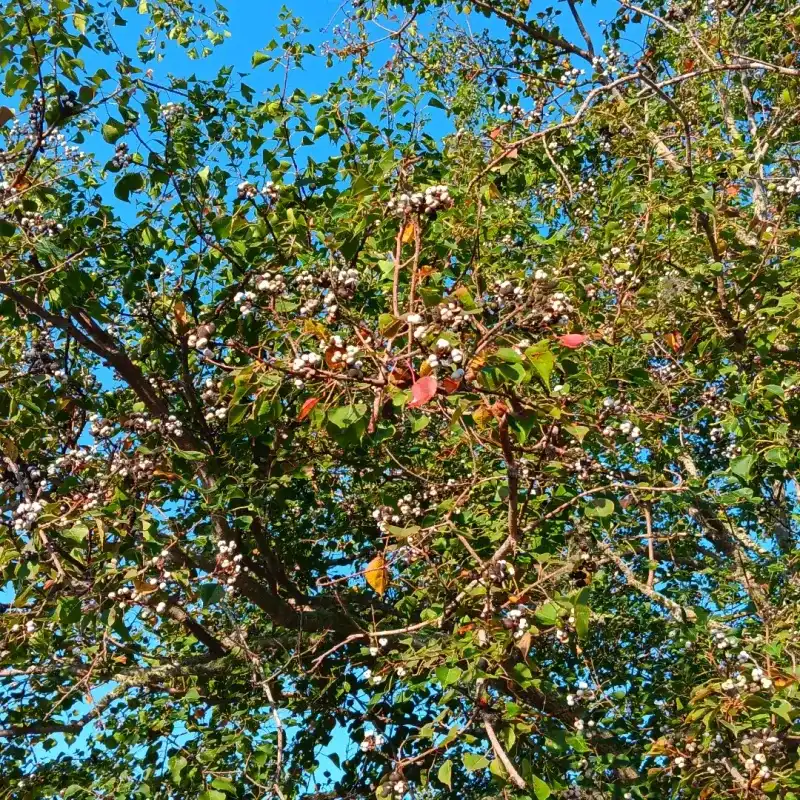
Chinese tallow is one of the most aggressive invaders Georgia has ever faced. It produces up to 100,000 seeds per year, and those seeds travel by water, birds, and wind to colonize wetlands, roadsides, and forest edges faster than most people realize.
Once a tallow population establishes itself, native plants get pushed out completely.
Georgia lists Chinese tallow as a Category 1 invasive species, meaning it causes severe ecological disruption.
On top of the ecological concerns, Chinese tallow produces a milky sap that irritates skin and eyes. That makes casual removal attempts risky without proper protective gear.
Hiring a professional who knows how to handle invasive species removal properly is worth every penny here. S
tumps need treatment to prevent resprouting, and any debris should be disposed of carefully to avoid spreading seeds further across your Georgia property or into adjacent natural areas.
Chinese tallow can also change the conditions around it by creating dense shade and heavy leaf litter that make it harder for native seedlings to come back. In wet parts of Georgia, that spread can happen especially fast because seeds move easily through ditches, streams, and low lying areas after heavy rain.
Even small trees should not be ignored, since young plants can mature quickly and start producing large numbers of seeds before homeowners realize how established they have become.
What makes this tree especially frustrating is that cutting it down without follow up treatment usually does not solve the problem for long.
New shoots often return from the stump or root system, which is why full removal plans need to be thorough from the start.
5. Mimosa Tree Drops Weak Branches And Spreads Rapidly
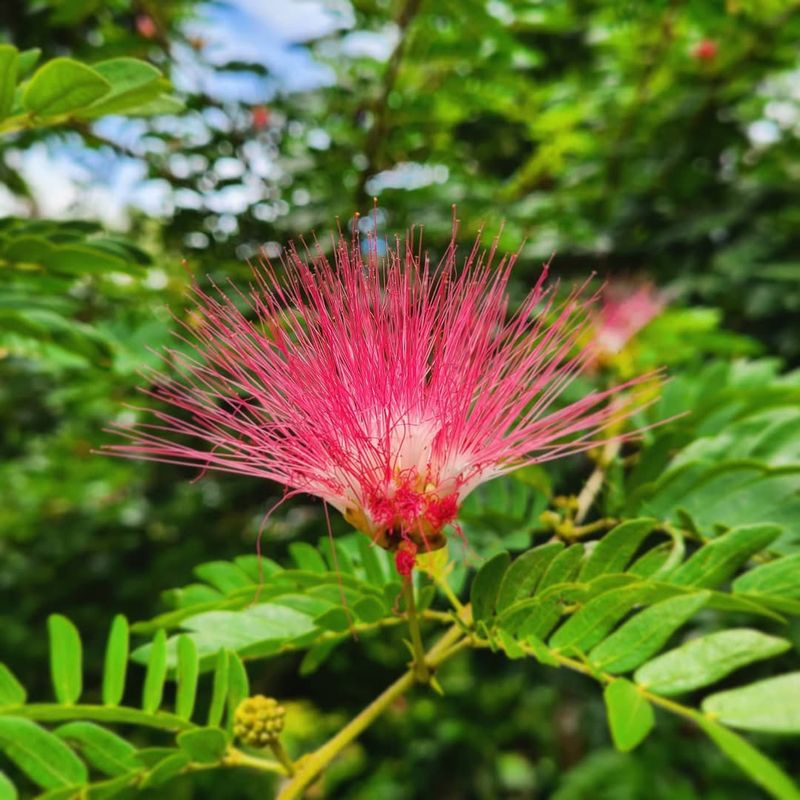
Plenty of Georgia homeowners have a soft spot for mimosa trees because of those fluffy pink flowers that bloom in summer. That sentimental attachment tends to fade once the branches start dropping and the seedlings start taking over every open space in the yard.
Mimosa wood is genuinely weak, and branches snap off during summer storms without much warning.
Fallen branches near patios, driveways, or children’s play areas are a real safety concern. Homeowners have dealt with branch damage to cars and fencing, and in some cases, larger limbs have caused roof damage during severe Georgia thunderstorms.
The cleanup after a storm with a mimosa in the yard gets old very quickly.
Seed production is relentless. A single mimosa tree can drop hundreds of pods in one season, and those seeds stay viable in the soil for years.
Pulling seedlings becomes an ongoing chore that never really ends unless the source tree is removed.
Georgia has seen mimosa spread heavily along roadsides, stream banks, and disturbed areas throughout the state, and it is widely considered an invasive nuisance. Neighbors sometimes raise complaints when mimosa seedlings start appearing in their flower beds.
Removing the tree and treating the stump is the cleanest way to stop the cycle for good.
6. Princess Tree Grows Fast And Crowds Out Native Growth
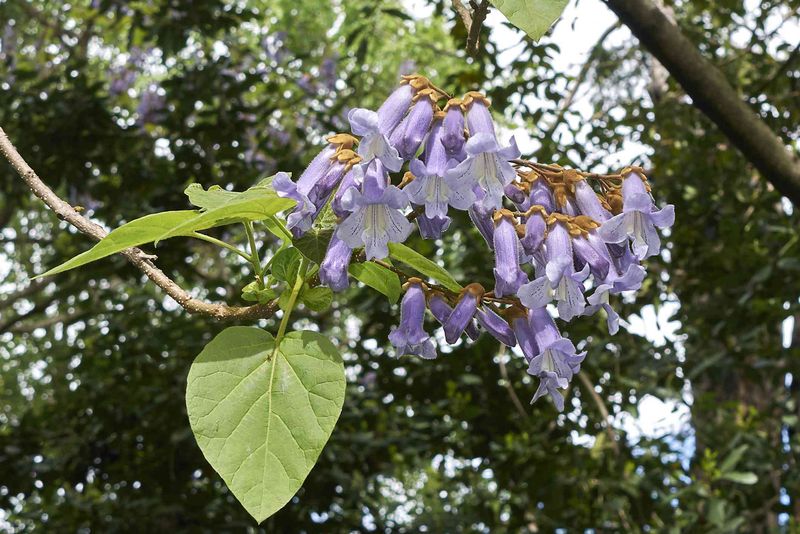
Princess tree, also called paulownia, is one of the fastest-growing trees on the planet, and Georgia’s warm climate gives it every advantage.
It can shoot up ten feet in a single year under the right conditions, which sounds impressive until it starts crowding your roof, dropping massive leaves, and shading out everything in your garden below.
Seeds travel by wind in enormous quantities, meaning one tree on your property can send thousands of seeds into neighboring yards, natural areas, and drainage corridors. Georgia’s native forest understory takes a real hit wherever Princess tree gets a foothold.
Conservation groups across the state have flagged it as a significant threat to biodiversity.
Structurally, the wood is lightweight and prone to breakage. Limbs can come down during wind events with little warning, and the rapid growth means the tree can reach dangerous heights before homeowners even realize how large it has gotten.
Proximity to structures makes this especially risky.
Replacing it with a native flowering tree like a serviceberry or redbud gives you beauty without the ongoing headaches that come with an invasive species growing unchecked in your yard.
7. White Mulberry Spreads Easily And Disrupts Native Species
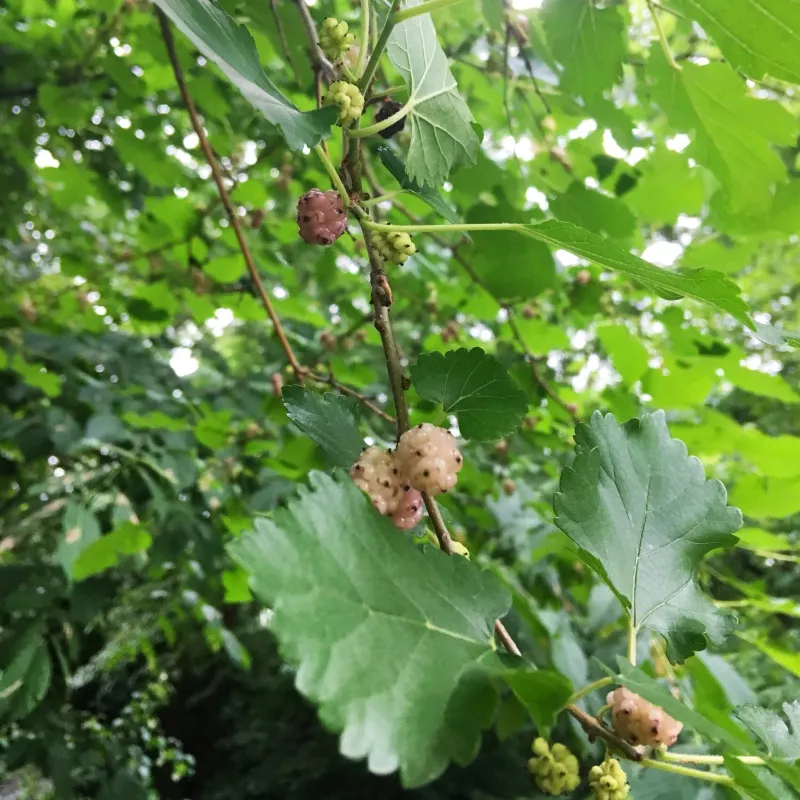
White mulberry was originally brought to North America for silkworm farming, and it has been causing problems in Georgia ever since. Birds absolutely love the berries, which means seeds get deposited across yards, roadsides, and natural areas constantly.
Staining from dropped fruit on driveways and patios is a common complaint from Georgia homeowners who have one nearby.
Beyond the mess, white mulberry crossbreeds with native red mulberry, which is actually a species of conservation concern in Georgia. That hybridization weakens the native gene pool and has contributed to a steady decline in pure red mulberry populations across the Southeast.
Keeping white mulberry on your property directly contributes to that problem whether you intend it to or not.
The tree also resprouts readily from cut stumps, so removal without proper stump treatment just creates a multi-stemmed shrub problem instead.
White mulberry pollen is also a significant allergen, which adds another layer of frustration for Georgia residents who already deal with heavy spring pollen seasons.
Removing this tree and replacing it with a native fruiting species is genuinely a win on multiple fronts for your yard and local ecosystem.
That spread is hard to control because birds can carry the seeds far beyond the original tree, dropping them into hedgerows, fence lines, and wooded edges all over a neighborhood.
Even after removal, homeowners need to watch the area for new seedlings, since white mulberry often keeps showing up from seed long after the parent tree is gone.
8. Privet Forms Dense Thickets That Are Difficult To Control
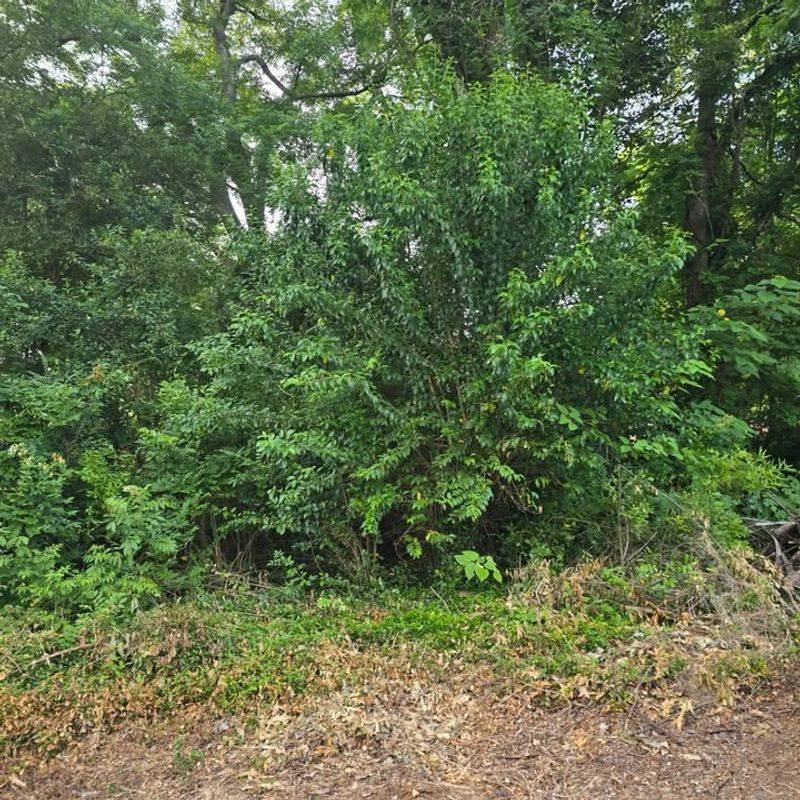
Privet is everywhere in Georgia, and most people have stopped noticing it, which is exactly why it keeps winning.
What starts as a few shrubby stems along a fence line turns into an impenetrable thicket that shades out native wildflowers, blocks drainage, and makes large sections of a yard essentially unusable.
Chinese privet in particular has taken over countless Georgia properties and natural areas.
Cutting it back without treating the root system is almost pointless. Privet resprouts aggressively from the base and can produce multiple new stems for every one you remove.
Homeowners who have tried to manage large privet populations by hand know how exhausting and discouraging that process gets over time.
Berries are produced in massive quantities and spread by birds across the entire neighborhood. Georgia’s natural areas along stream corridors and forest edges have been heavily impacted by privet invasion, and local conservation groups have spent years trying to reclaim those spaces.
A large privet population on your property actively contributes to that regional problem.
Professional removal combined with stump treatment and replanting with native shrubs is the most effective long-term solution for getting your yard back under control.