8 Giant-Leaf Houseplants That Make A Small Room Feel Bigger
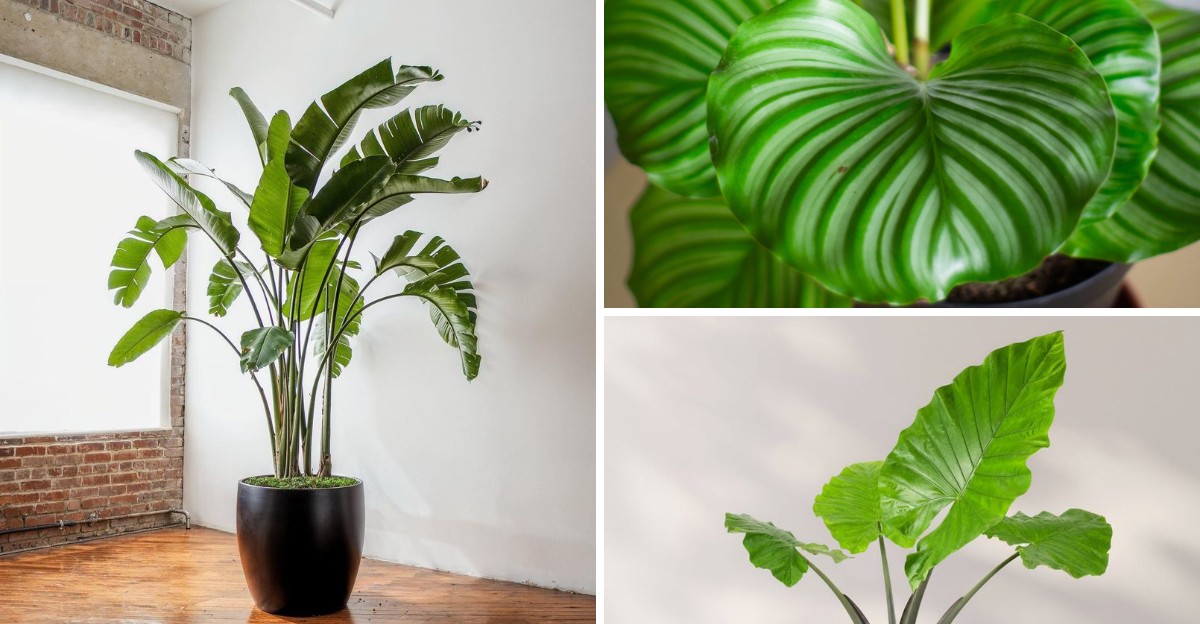
You squeeze past the couch and bump the wobbly lamp again. Beige walls lean closer, and the room feels like a shoebox. Add a giant leaf, and your eyes travel upward.
Scale fools your brain in the sweetest possible way. Bird of paradise paddles stretching past your shoulder pull the gaze toward the ceiling. October light turns glossy leaves into polished leather.
Monstera holes let light and views pass through, so the plant looks huge without heaviness. Calathea orbifolia stripes bounce light across a tabletop.
Choose upright shapes for narrow corners and wide leaves for low stands. Find a bright window. Check pet safety before you buy, since several of these plants irritate mouths.
Raise wide plants on a stand so the floor stays visible. Your room keeps its size, yet guests may swear you rented the apartment next door.
1. Fiddle Leaf Fig
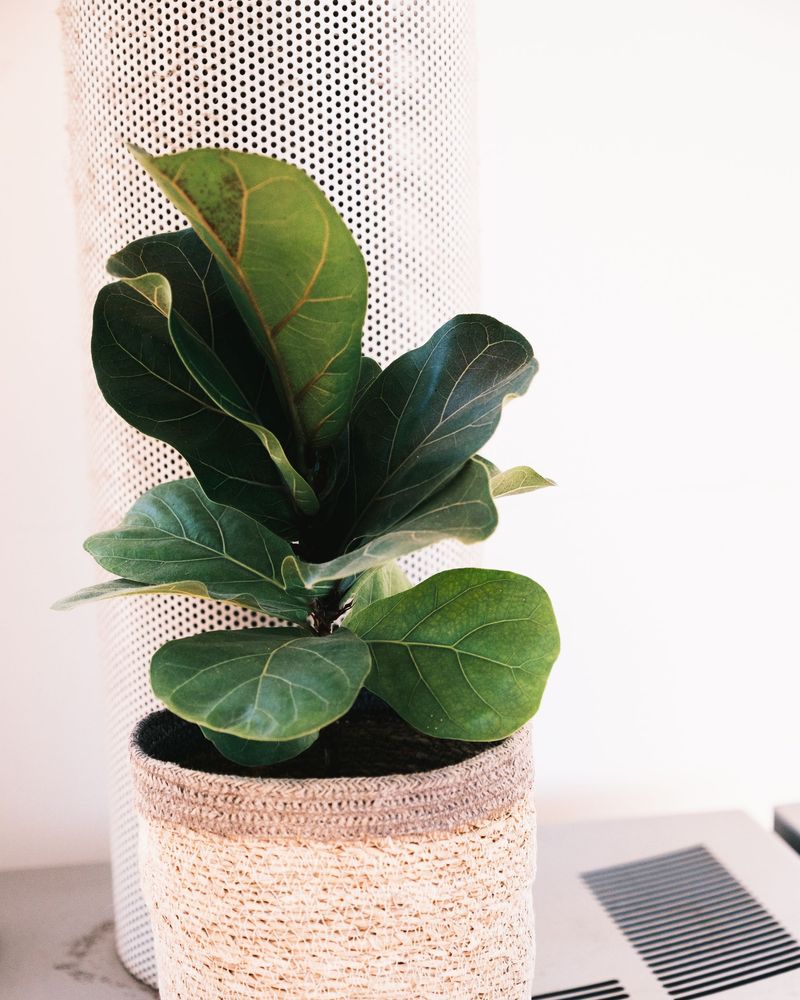
Some plants whisper, but the fiddle leaf fig clears its throat and demands the spotlight. Its leaves can grow over a foot long, shaped like wavy violins.
One tall fig in a corner pulls the eye upward toward the ceiling. That vertical line tricks your brain into reading the room as taller and roomier.
Place it near a bright window, ideally one facing east or south. Direct afternoon sun through glass can scorch leaves, so a sheer curtain helps.
Water only when the top two inches of soil feel dry. Soggy roots cause brown spots, and this fig holds a grudge about wet feet.
In the Northern Hemisphere, October brings shorter days, so growth slows down. Cut back on watering and skip fertilizer until spring wakes the plant up again.
Figs dislike being moved, so pick a spot and commit to it. Sudden changes in light or position can stress it, so rotate it a quarter turn only occasionally. Keep it away from curious pets, since the leaves can irritate mouths and stomachs.
Choose a simple pot in white or light gray to keep things airy. A slim stand under a smaller fig adds instant height without crowding the floor.
Prices vary by size and retailer, so compare a few options before you buy. It also makes a striking focal point.
Give it patience and steady habits, and it can reward you with new leaves during the growing season. Your small room gains a striking focal point.
2. Monstera Deliciosa
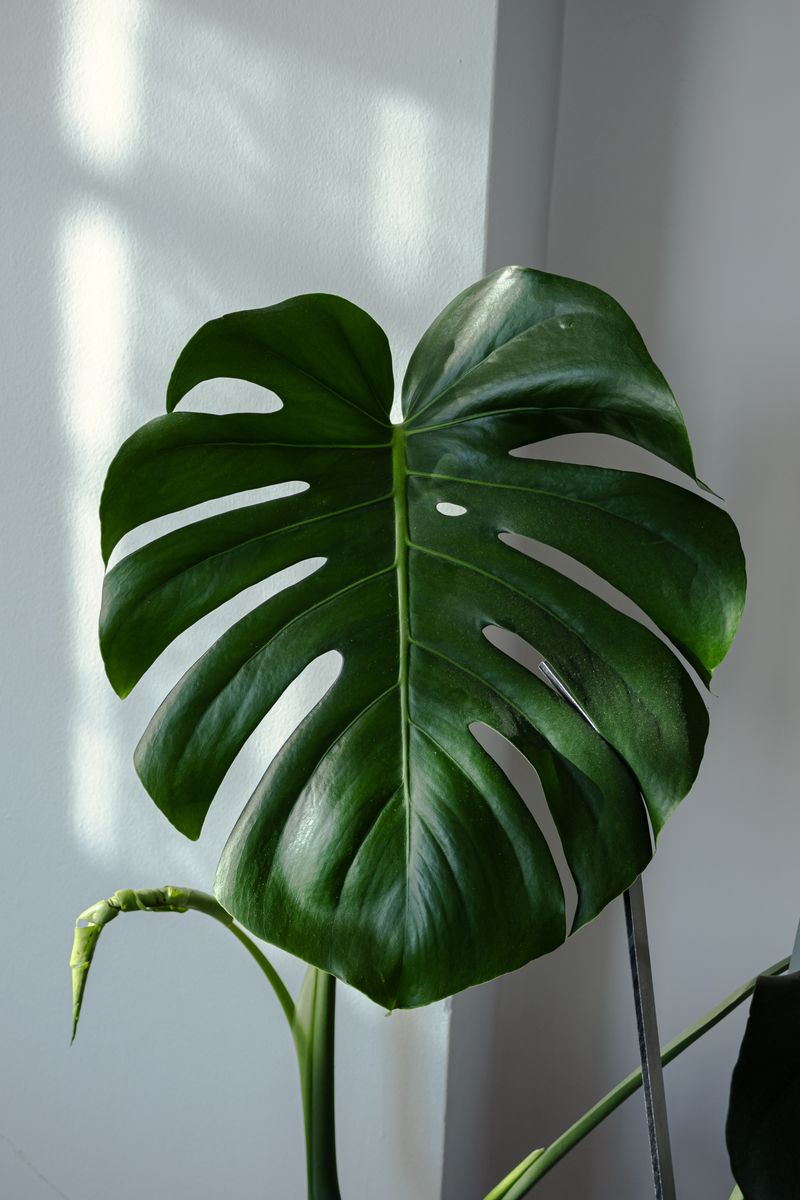
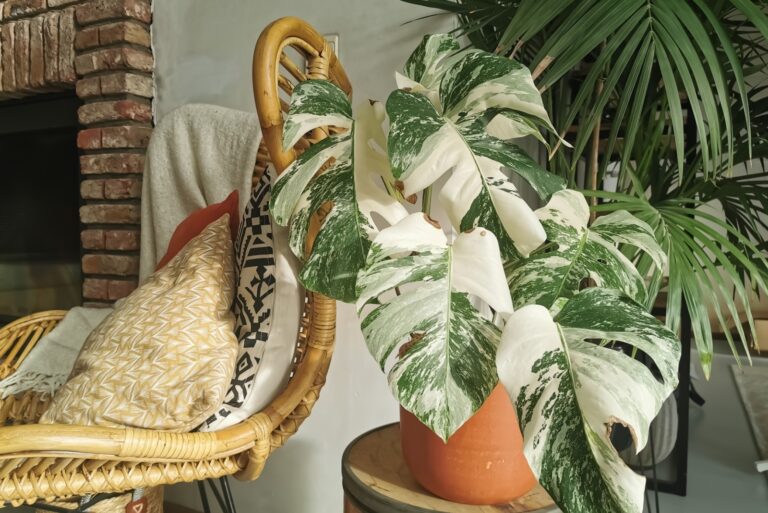
Ask a plant lover about holes in leaves, and they will grin instead of worry. Monstera leaves split and open as they mature, creating natural windows of green.
Those gaps are the main advantage for small spaces. Light and views pass through them, so the plant looks huge without feeling heavy.
In the jungles of Central America, researchers suggest the holes may help leaves handle strong winds and rain. At home, they simply make your room look like a lush Florida getaway.
Bright, indirect light keeps the splits coming on new leaves. Too little light gives you smaller, solid leaves that look a bit shy.
Monsteras love to climb, so add a moss pole when you pot it. Training it upward saves floor space and adds that tall, roomy effect.
Water when the top half of the soil dries out. In October, you might stretch that to every ten days or so.
Big leaves gather dust quickly, especially near heating vents switching on this month. Wipe them gently, supporting each leaf from below with your palm.
Keep it away from curious pets, since the leaves can upset stomachs. A high-up spot or a closed room handles that worry nicely.
Placement matters more than size here. Set it beside a mirror, and suddenly you have two jungles and twice the sense of space.
Cuttings that include a node root easily in a jar of water on a bright sill. Share them with friends, and your tiny room becomes the neighborhood plant nursery.
3. White Bird Of Paradise
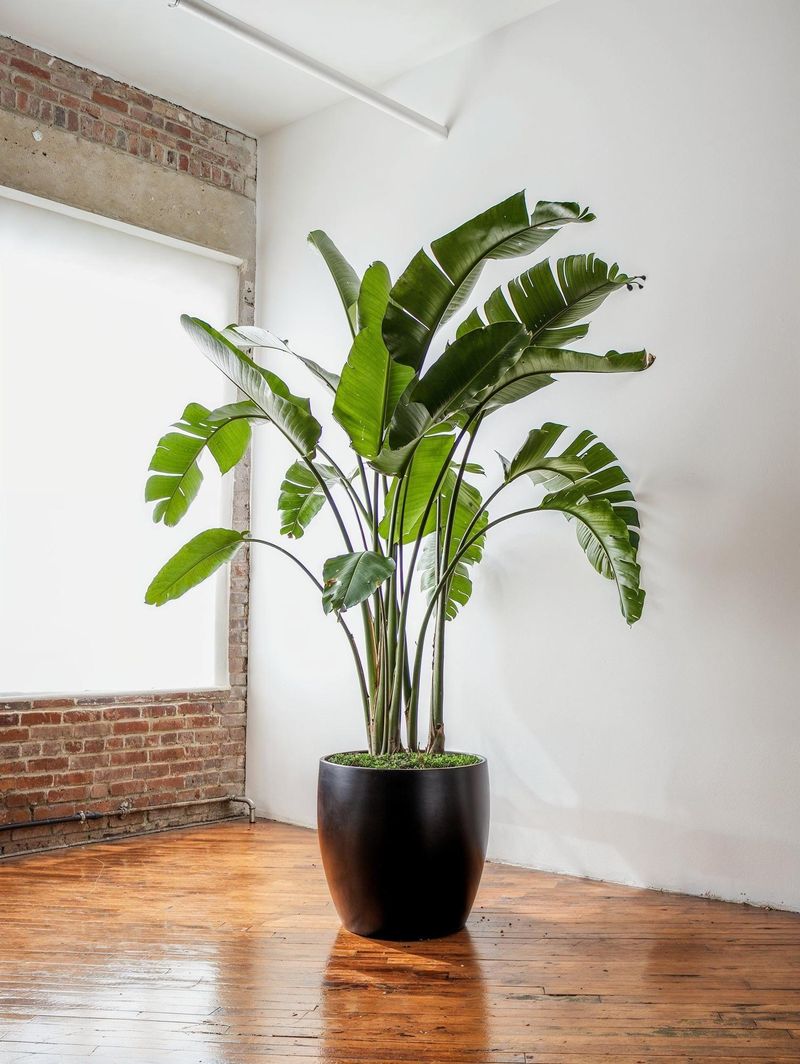
Imagine a banana leaf and a paddle had a very stylish child. That is the white bird of paradise, with leaves that can reach four feet long on mature plants.
Its upright, fan-like shape grows tall instead of wide. For a small room, that means big drama with a surprisingly small footprint on the floor.
Light is critical for this sun lover. Give it the brightest window you own, and a few hours of direct sun is welcome.
The leaves often split along their veins as they age. Gardeners in Florida, where it grows outdoors, call this normal, and one theory says the tears let wind pass through in its native South Africa.
Water deeply when the top few inches feel dry, then let excess drain away. Yellowing lower leaves usually mean too much water, not too little.
Fall air indoors gets dry once the heat turns on. Group it with other plants or run a small humidifier nearby to stop crispy edges.
Rotate the pot a quarter turn every month or so. That keeps the fan balanced instead of leaning toward the glass like a nosy neighbor.
Pair it with a tall woven basket for a relaxed, beachy look. Lighter textures keep the big leaves from feeling like a wall.
Flowers are unlikely indoors, so enjoy the foliage for what it is. Leaves this grand make blooms a bonus.
Start with a three or four foot plant for faster impact. It will keep stretching upward, making your ceiling seem higher each season.
4. Elephant Ear Alocasia
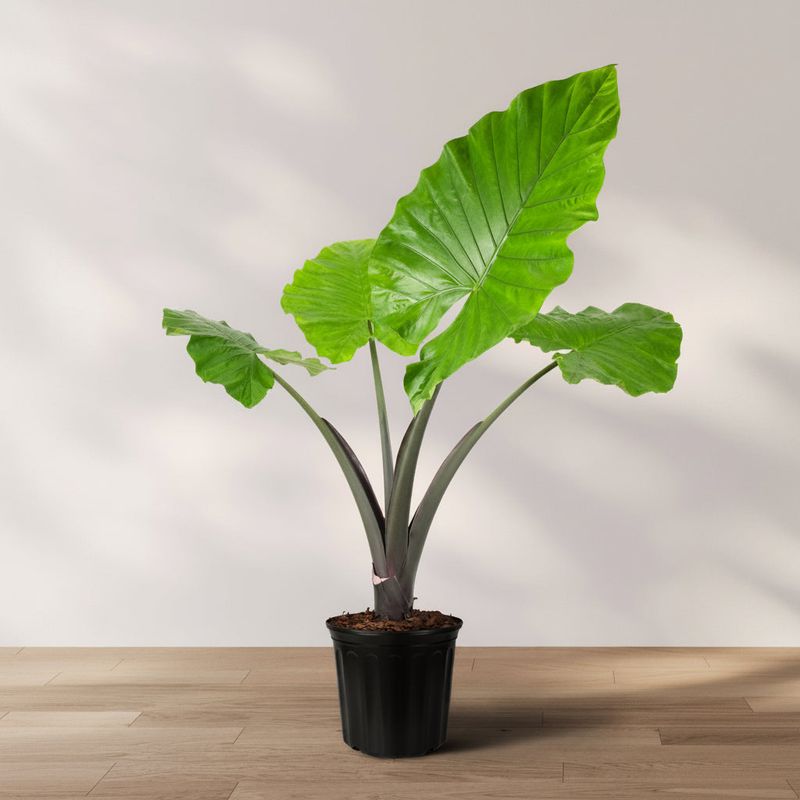
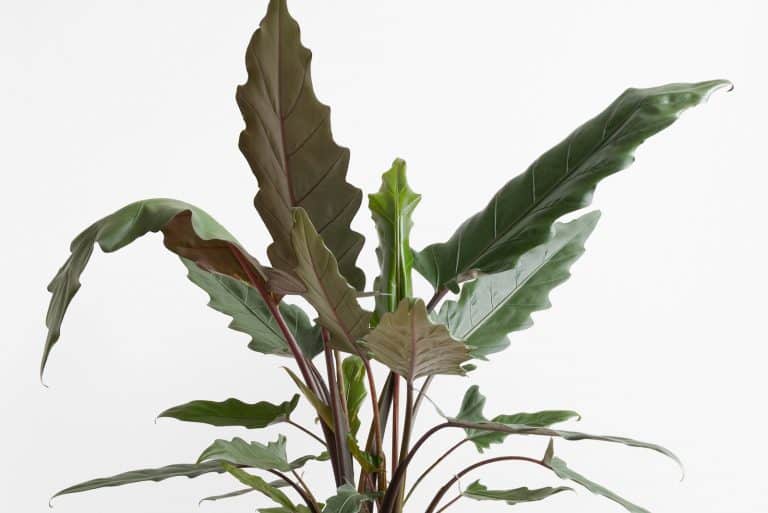
Fans of drama, meet a plant with bold arrow-shaped leaves and a dramatic dormant streak. Elephant ear alocasias send up leaves that can stretch two feet long.
Held up on long stems, the leaves float above the pot like green umbrellas. That lifted look leaves space underneath, so the room still breathes.
Bright, filtered light suits it best. A spot a few feet from a sunny window keeps the leaves bold without burning them.
Moisture is where things get tricky. Keep soil lightly damp in summer, but let it dry more between drinks as autumn sets in.
Many owners notice an odd habit as autumn arrives. Some alocasias go dormant, dropping leaves and resting until warmer weather returns.
Do not toss the pot if this happens! The rhizome underground is resting, and fresh leaves usually return by spring.
Humidity keeps those huge leaves happy and smooth. A nearby humidifier works best, while a pebble tray adds only a little humidity.
Watch for spider mites, which love dry indoor air. Tiny webs under leaves mean it is time for a gentle shower in the tub.
Use it on a low stool beside a couch to fill an empty corner. The giant leaves draw eyes outward, stretching the feel of the room.
Pets should keep their distance, since the sap can irritate mouths and skin. Wear gloves when trimming, and wash your hands afterward just to be safe.
Give it steady care, and it rewards you with bold foliage. Each unfurling leaf adds a fresh accent to your living room.
5. Rubber Plant
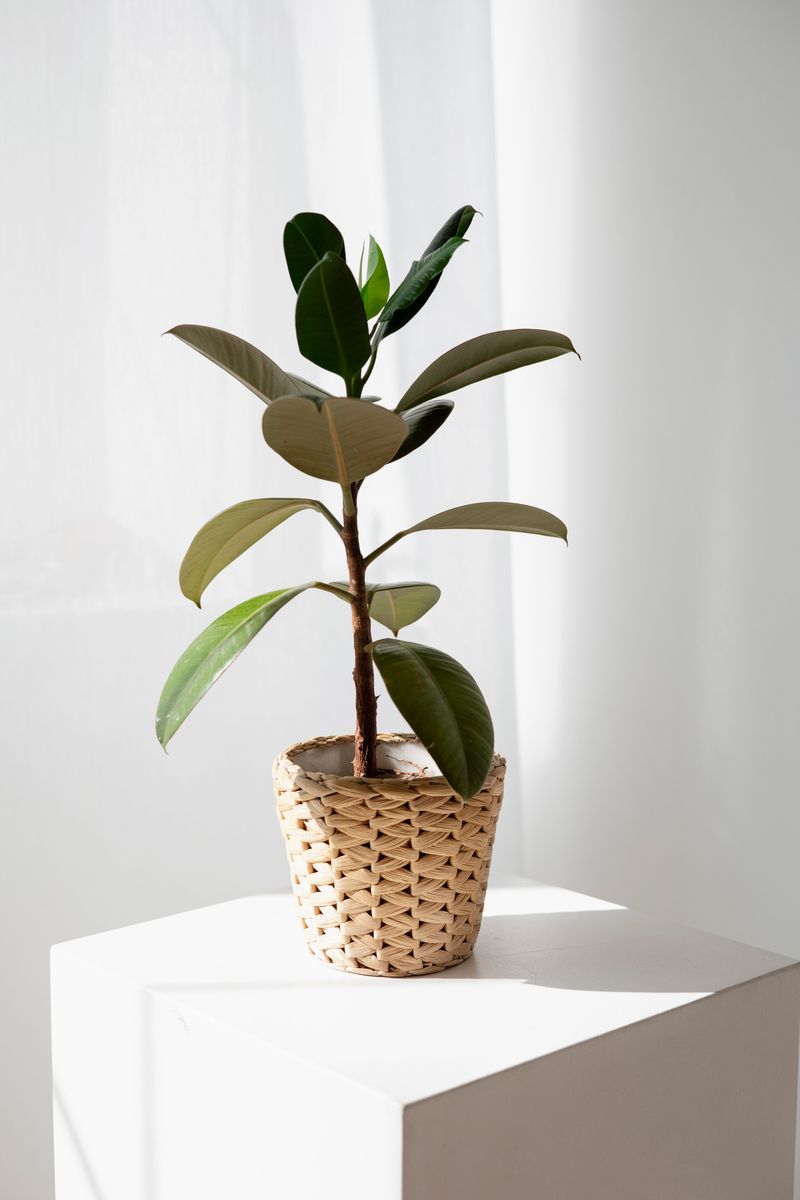
Grandma probably had one of these glossy giants by her front window. Rubber plants were living room favorites decades ago, and they are back in style.
The oval leaves are thick, shiny, and often as long as your hand and wrist together. Their gloss reflects some light, which can help brighten shaded corners in smaller spaces.
Dark burgundy types add rich color, while variegated ones splash cream and pink. Lighter varieties work best when a room already feels a bit cramped.
Medium to bright indirect light keeps growth steady. In low light, it survives but stretches out, leaving gaps between leaves.
Water when the top inch or two dries out. These plants forgive the occasional missed drink better than many fussy cousins.
Pruning is the secret to a full, tidy shape. Snip the top in spring, and new branches pop out below the cut.
Milky sap will leak from cuts, so lay down a towel first. It can irritate skin, so gloves are a smart choice. Keep it away from pets, since the sap can irritate mouths and skin.
As October nights cool down, move it away from drafty doors. Sudden chills can cause leaves to drop, which spoils an otherwise handsome plant.
A tall, narrow rubber plant fits nicely beside bookshelves or doorways. It adds height and color without stealing much walking room.
Wipe leaves monthly with water and a soft cloth to keep that famous shine. Grandma would be proud, and your room will look more polished.
6. Dwarf Banana Plant
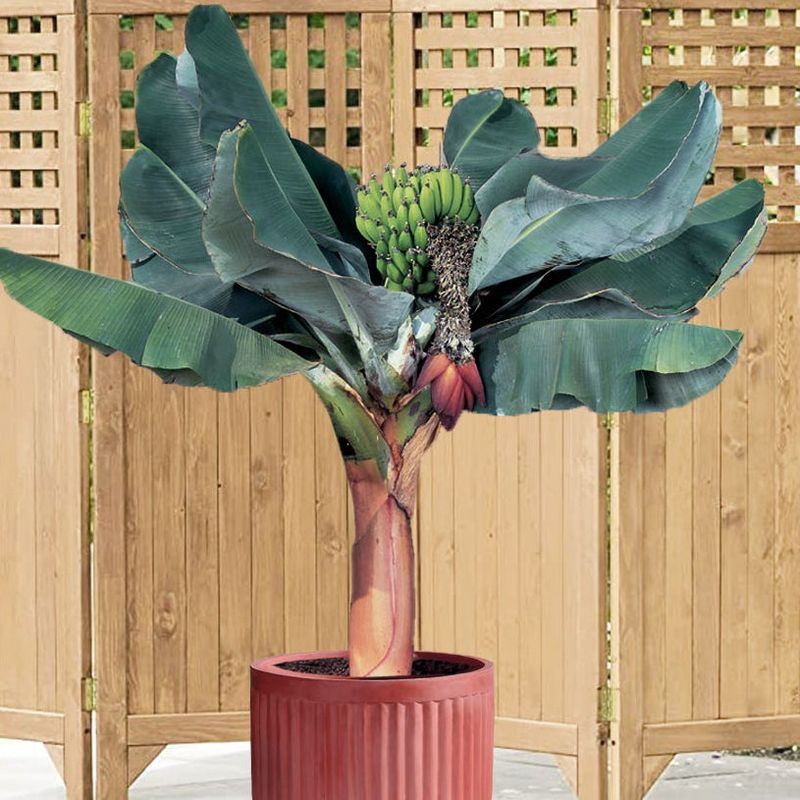
Few things say vacation like a banana leaf rustling in a breeze. Indoor banana plants bring that Florida Keys island feeling to even the tiniest apartment.
Their paddle-shaped leaves can reach three feet or more, growing fast in warm months. A dwarf variety like Dwarf Cavendish stays more manageable, often between six and ten feet.
Height is the key benefit for small rooms. One tall banana stretches the space vertically, making low ceilings seem higher than they are.
Banana plants are hungry and thirsty during summer. They want lots of bright light, rich soil, and regular feeding to keep growing.
Things change in October as days get shorter. Slow your watering and stop fertilizing, since the plant naturally takes a break in cooler months.
Leaves may tear along their edges over time. That is normal, and wind is thought to play a role in how wild banana leaves split.
Trim older, brown leaves at the base with clean scissors. Fresh leaves unroll from the center like a green scroll being opened.
Humidity matters a lot for those big, thin leaves. Misting helps a little, but a humidifier nearby works much better in heated homes.
Bananas technically are not trees, despite their size. The trunk is really tightly rolled leaf stalks, which often surprises people.
Fruit indoors is unlikely, though a few lucky growers see small bunches. Either way, the leaves alone deliver plenty of tropical charm.
Pick a pot with good drainage and a saucer to protect floors. Then sit back, sip something fruity, and pretend the beach is outside your window.
7. Tree Philodendron
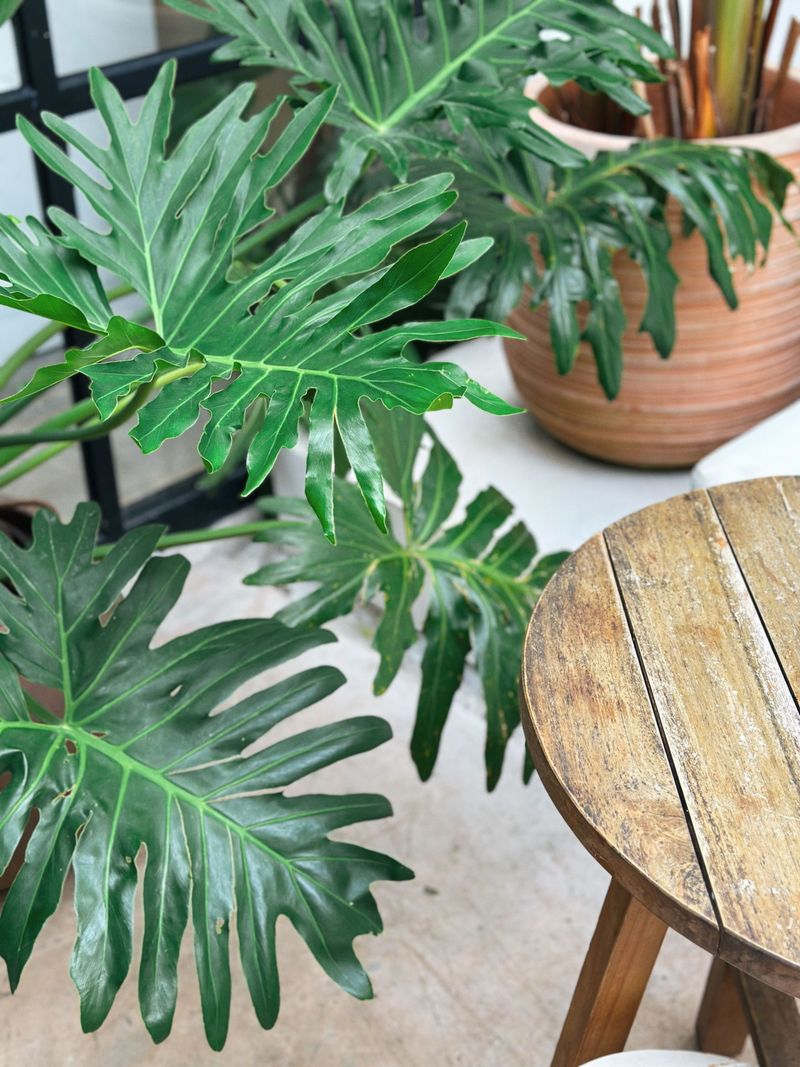
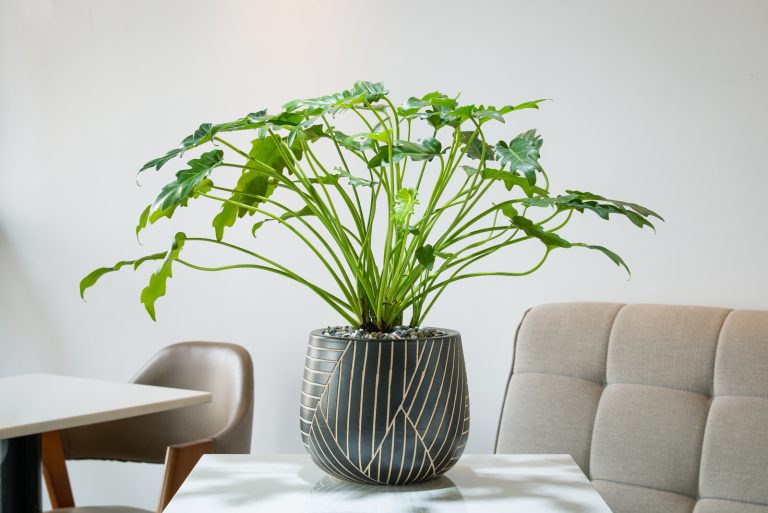
Deep lobes, wavy edges, and leaves that can grow wider than a dinner tray make the tree philodendron a showstopper. Its proper name today is Thaumatophyllum bipinnatifidum, quite a mouthful.
Most people still call it Philodendron selloum, or simply split-leaf philodendron. Whatever you call it, mature plants can spread several feet wide, so placement takes planning.
Wide plants can work in small rooms when you use them wisely. Tuck one into a corner, and its leaves soften hard edges and hide awkward angles.
The trick is to raise it up off the floor. A plant stand lifts the leaves above furniture, so the room feels layered instead of crowded.
Bright, indirect light keeps the lobes deep and dramatic. Low light still works, but leaves come in smaller with fewer cuts.
Let the top inch or two of soil dry before watering. This plant handles a missed week far better than an overwatered one.
Aerial roots may sneak out of the pot over time. Tuck them back into the soil or trim them if they wander too far.
With fall here, growth slows and the plant needs less food. Feed lightly once a month in spring and summer, then pause until March.
Keep it away from nibbling pets and toddlers, as the leaves are toxic if chewed. Placing it out of reach keeps everyone safe and the leaves intact.
Pair its bold leaves with simple furniture and plain walls. The contrast lets the plant shine while your room feels clean and open.
8. Calathea Orbifolia
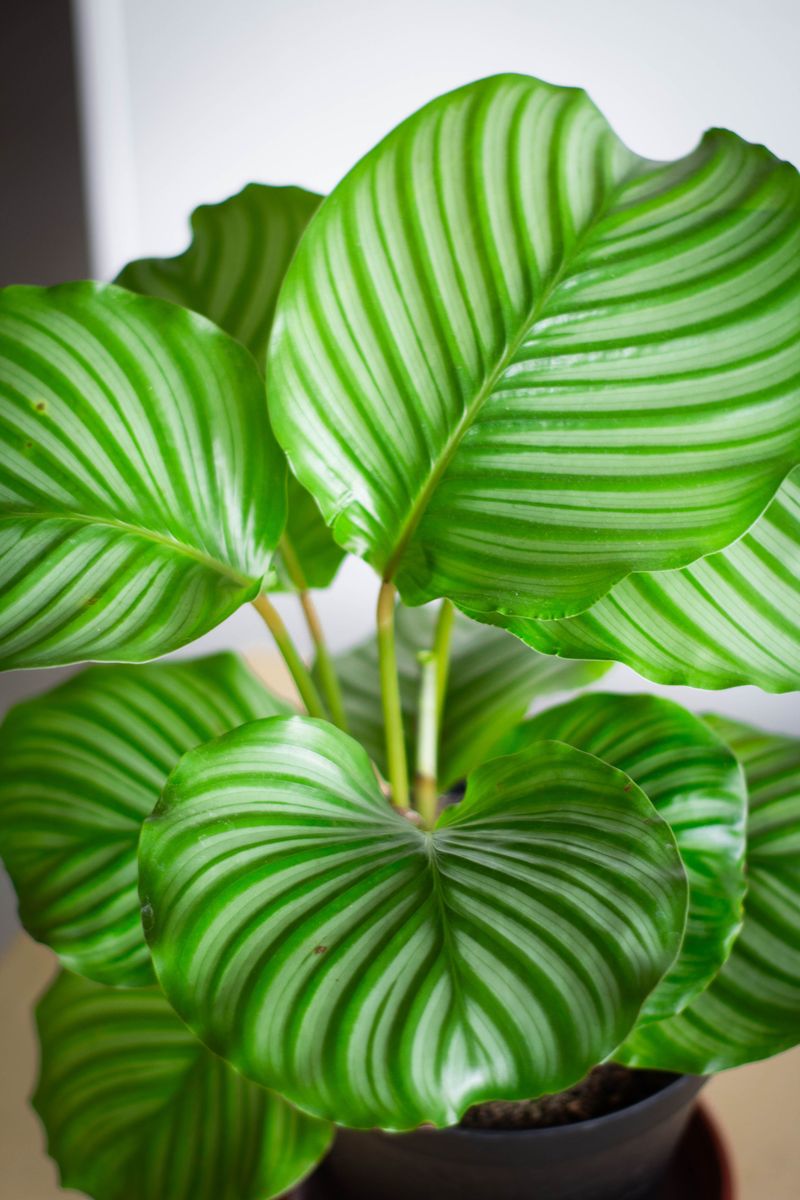
Round, silvery-striped leaves the size of salad plates give calathea orbifolia a calm, soothing presence. It feels like a quiet corner of the tropics in your living room.
Unlike towering plants, this one stays about two to three feet tall. Its giant leaves spread outward, perfect for tabletops, low stands, and sunny nooks.
Wide, pale-striped leaves bounce light around the room. That brightness helps small spaces feel airy rather than closed in.
Calatheas are prayer plants, meaning leaves shift position from day to night. Watching them move slightly each evening is oddly relaxing after a long day.
Medium, indirect light suits it best, so skip harsh direct sun. Bright rays fade those lovely stripes and crisp the leaf edges.
Water is where this plant gets particular. Use filtered or rainwater, since minerals in tap water can cause brown tips.
Keep the soil evenly moist but not soggy, like a wrung-out sponge. Check it often, since it dislikes drying out between drinks.
October heaters dry the air fast, and this plant notices right away. A humidifier or a spot in a bright bathroom keeps leaves smooth.
Pet owners have a safer option here. Calatheas are considered safe for cats and dogs, according to the ASPCA.
Snip curled or browned leaves at the base to keep it looking fresh. New leaves unfurl slowly, so patience is part of the charm.
Set it on a low table where you can admire those stripes up close. Your room gains a cozy focal point that feels both grand and gentle.