Give Your Houseplants What They Actually Need In Oregon Homes
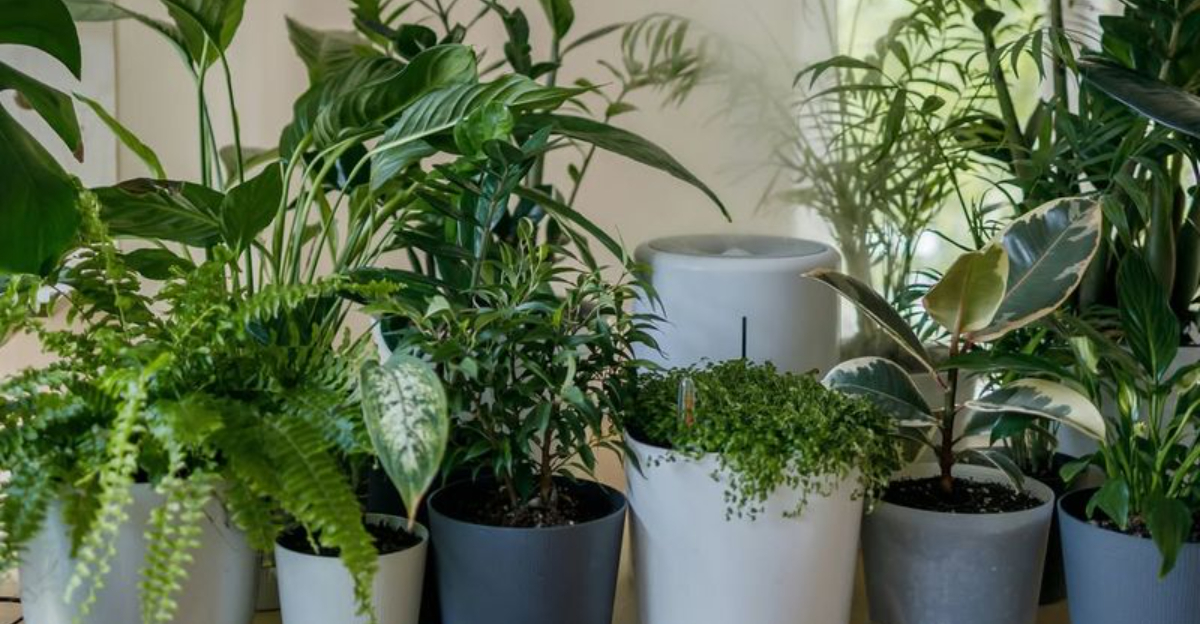
Houseplants can brighten up any home, but figuring out what they really need can be tricky, especially when instructions talk about “bright, indirect light.”
In Oregon, where natural sunlight can be softer and our days can be cloudy for weeks, it’s easy to misread what your plants are actually asking for.
It’s not about sticking your plant right in front of a window or keeping it in a dim corner.
Understanding the difference between direct sun, filtered light, and bright but indirect light makes a huge difference in keeping leaves healthy, flowers blooming, and roots thriving.
Even small changes in placement can mean the difference between a struggling plant and one that flourishes.
You don’t need a greenhouse or a special light setup to get it right. Just a few simple observations and adjustments in your home can help your plants thrive in Oregon’s unique light conditions.
Let’s break down what “bright, indirect light” actually means, and how you can give your houseplants exactly what they need.
With the right spots and a little attention, your indoor garden can thrive year-round, even when the Oregon skies are gray.
1. What “Bright, Indirect Light” Actually Means
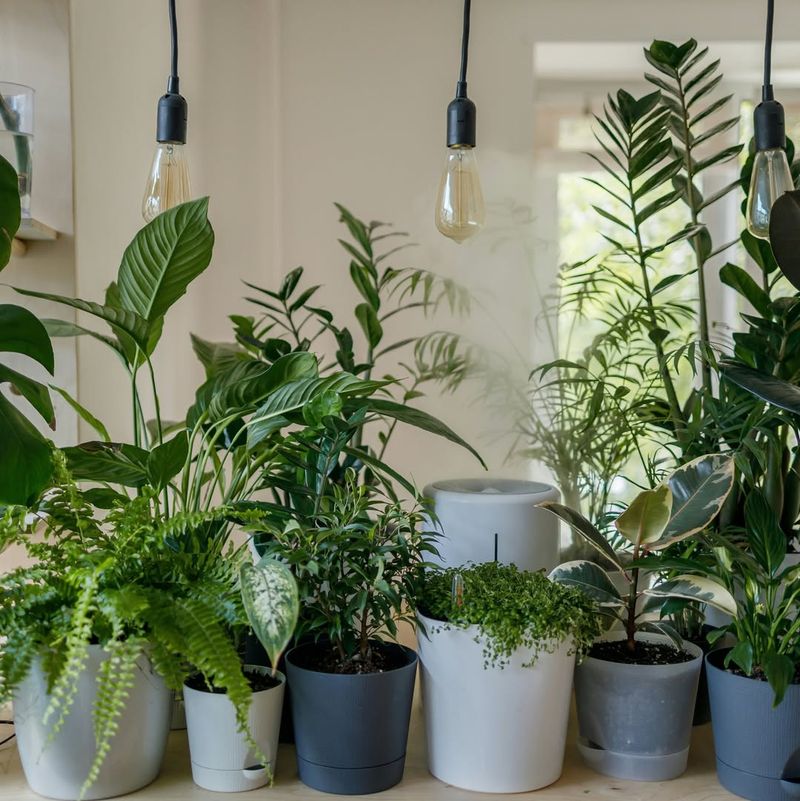
You’ve read the plant care tag a hundred times: “bright, indirect light.” But what does that even look like inside a typical Oregon living room?
Most people guess wrong and either bake their plants on a south-facing windowsill or tuck them into a dark corner where they slowly fade.
Bright, indirect light means your plant gets plenty of natural daylight without the sun’s rays landing directly on its leaves. Think of it like standing under a tree on a sunny day, you’re in the shade, but it’s still bright around you.
That’s the sweet spot.
In Oregon homes, this often means placing plants a few feet back from a window, or right next to one with sheer curtains filtering the light. East-facing windows work beautifully because morning sun is gentle.
West-facing windows can be trickier since afternoon sun gets intense, even through clouds.
You’ll know you’ve nailed it when your plant’s leaves stay vibrant and new growth appears steadily. If leaves start turning pale or stretching toward the window, they’re asking for more brightness.
If they develop brown, crispy edges, they’re getting too much direct sun. Adjusting placement by just a foot or two can make all the difference in how your plants respond throughout the year.
2. Finding The Best Windows In Oregon Homes
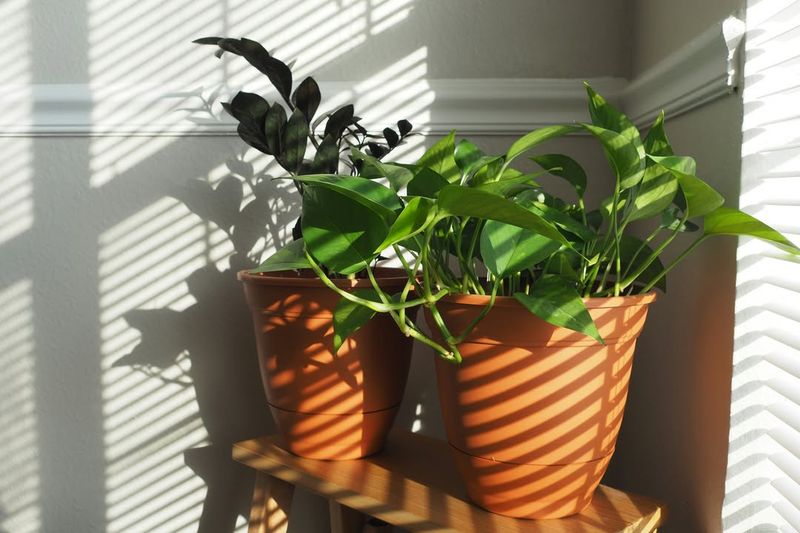
Not all windows are created equal, especially in Oregon where cloud cover can last for weeks. South-facing windows are your gold standard, they get the most consistent light throughout the day, even when it’s overcast.
If you have one, treat it like prime real estate for your light-loving plants.
East-facing windows come in second. They catch gentle morning sun, which is perfect for most houseplants without the risk of scorching.
Your pothos, philodendrons, and snake plants will be perfectly content here.
West-facing windows get strong afternoon light, which can be too intense for delicate plants but works great for succulents and cacti. North-facing windows are the trickiest, they’re dim even on bright days, so save them for low-light champions like ZZ plants or cast iron plants.
Walk through your home and take note of which direction each window faces. You can use a compass app on your phone if you’re not sure.
Once you know your window inventory, you can start matching plants to the right spots. During winter, even your best windows will provide less light, so don’t be surprised if you need to shuffle plants closer to the glass or consolidate them near your brightest window to keep them happy.
3. Using Sheer Curtains To Soften Sunlight
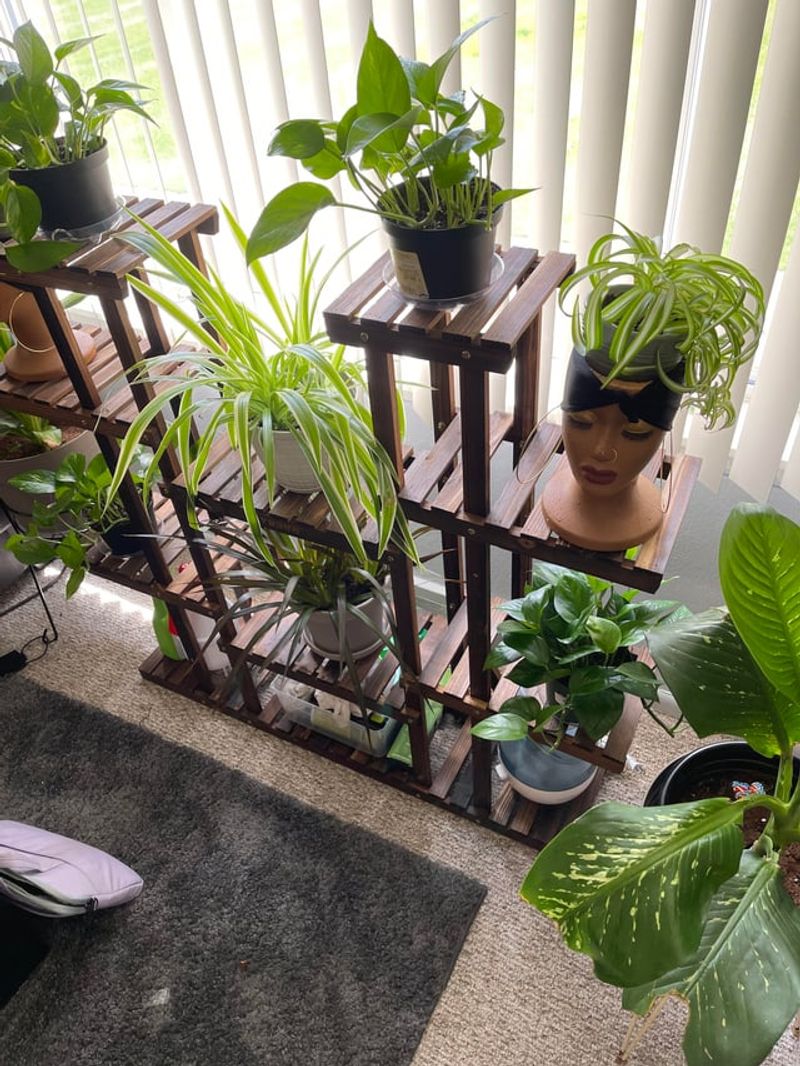
Even on cloudy Oregon days, direct sun through a window can surprise you with its intensity. If you’ve ever noticed brown, crispy leaf tips on your monstera or fiddle leaf fig, harsh sunlight might be the culprit.
Sheer curtains are one of the easiest fixes for creating that perfect bright, indirect light environment.
Hang a lightweight white or cream curtain in front of your sunniest window. It diffuses the light beautifully, spreading it evenly across the room instead of concentrating it in one hot spot.
Your plants get all the brightness they need without the risk of sunburn.
This trick works especially well on west-facing windows where afternoon sun can get surprisingly strong, even in winter. It also helps on those rare sunny summer days when Oregon finally shows off its blue skies.
You don’t need anything fancy, an inexpensive sheer panel from any home store does the job.
If you’re not into curtains, you can also use frosted window film or even a thin white sheet tacked up temporarily. The goal is just to scatter the light.
Your plants will respond with healthier, more evenly colored leaves, and you won’t have to worry about moving them every time the sun comes out unexpectedly during our unpredictable spring and fall weather.
4. Adjusting Plant Distance From Windows
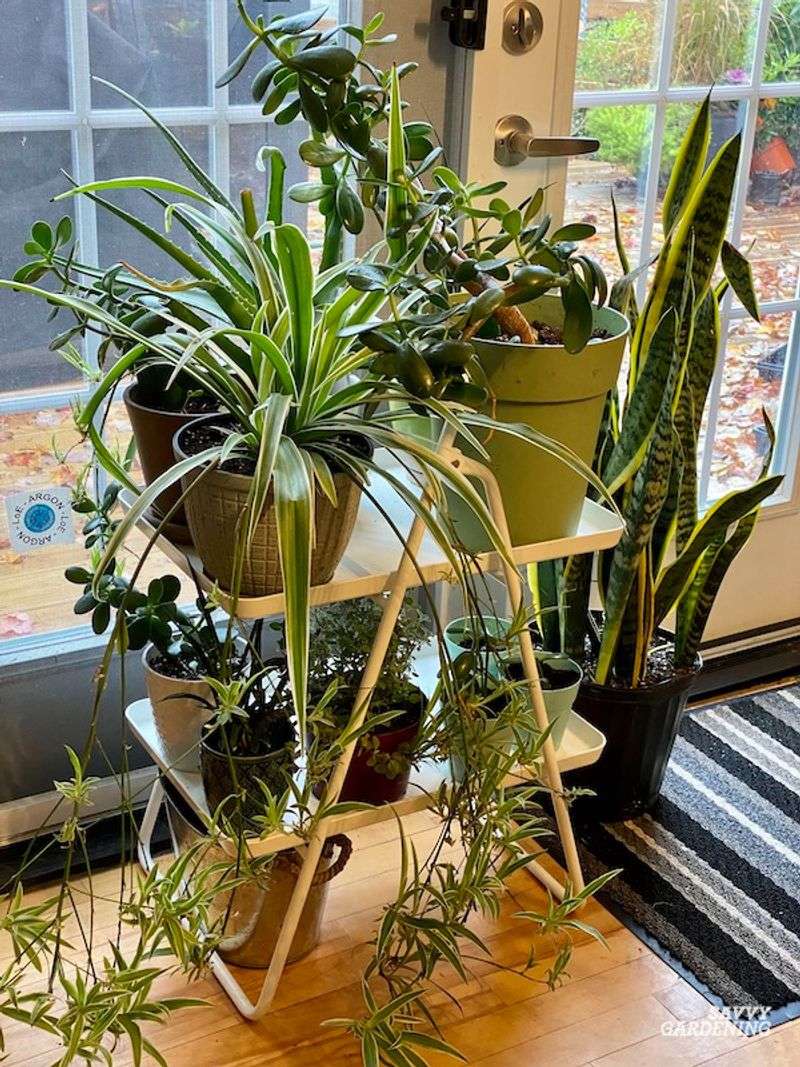
One of the simplest ways to control how much light your plants get is by adjusting their distance from the window. Moving a plant just two or three feet can completely change its light exposure, and most Oregon plant owners don’t realize how much this matters.
Right next to the window is prime real estate, but it’s not always the best spot. If your window gets any direct sun, plants placed directly on the sill can overheat or get scorched.
Pull them back about a foot, and suddenly they’re in perfect bright, indirect light instead.
For plants that need lower light – like pothos, philodendrons, or dracaenas – you can place them several feet back into the room. They’ll still get enough ambient light to grow, just at a slower, steadier pace.
In Oregon’s dim winter months, you might need to move them closer to compensate for shorter days.
Try placing a plant in a spot and observing it for a week or two. If it starts leaning hard toward the window, it’s asking for more light, move it closer.
If the leaves look pale or washed out, it might be getting too much, move it back. There’s no perfect formula because every home is different, but experimenting with distance gives you real control over your plants’ health without spending a dime.
5. Rotating Plants For Even Growth
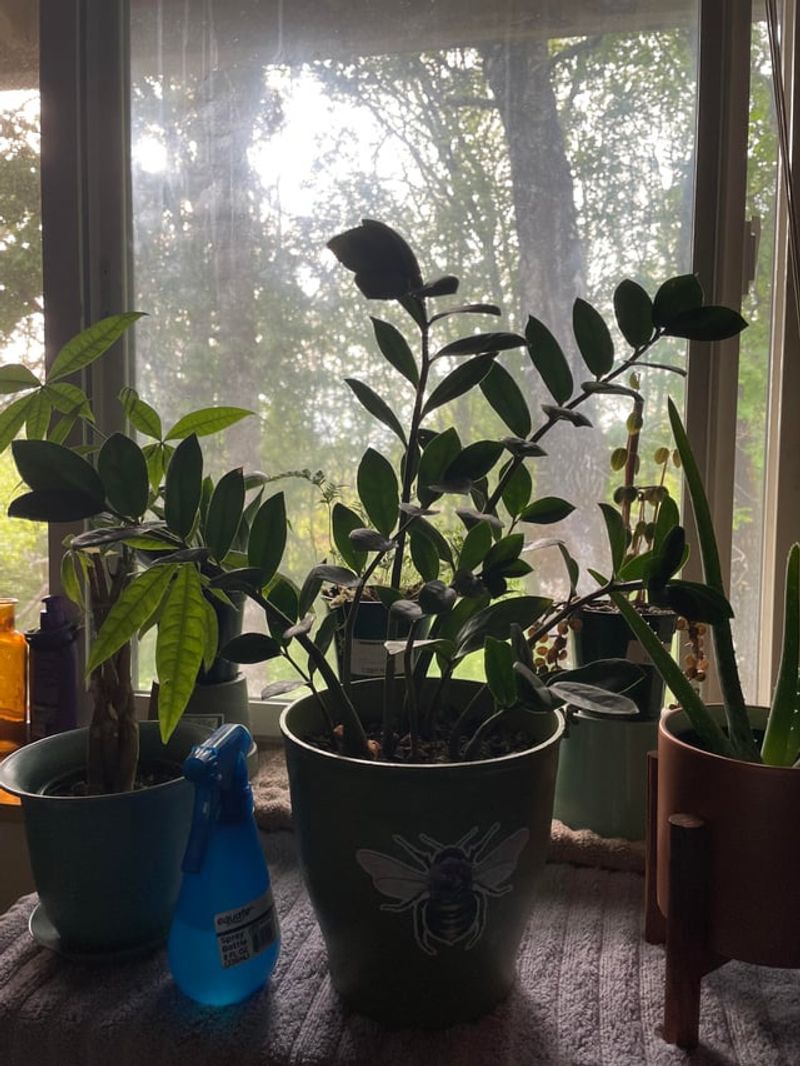
Have you ever noticed your houseplant leaning dramatically toward the window like it’s reaching for the light? That’s exactly what it’s doing.
Plants naturally grow toward their light source, and if you don’t rotate them regularly, they’ll end up lopsided and uneven.
Every week or two, give your plants a quarter turn. This ensures all sides get equal light exposure, promoting balanced, symmetrical growth.
It’s especially important in Oregon homes where light comes from limited directions and isn’t always strong.
This simple habit makes a noticeable difference over time. Your fiddle leaf fig will grow straight and full instead of leaning awkwardly.
Your pothos will develop vines evenly around the pot instead of all reaching one way. Even your snake plants, which are famously low-maintenance, benefit from a little rotation love.
Set a reminder on your phone if you’re likely to forget, Sunday mornings work great. As you rotate, take a moment to check your plant’s overall health.
Look for new growth, inspect for pests, and feel the soil to see if it needs water. Rotating isn’t just about light; it’s a chance to stay connected with your plants and catch small problems before they become big ones.
In Oregon’s ever-changing light conditions, this small habit keeps your plants looking their best year-round.
6. Dealing With Short Winter Days
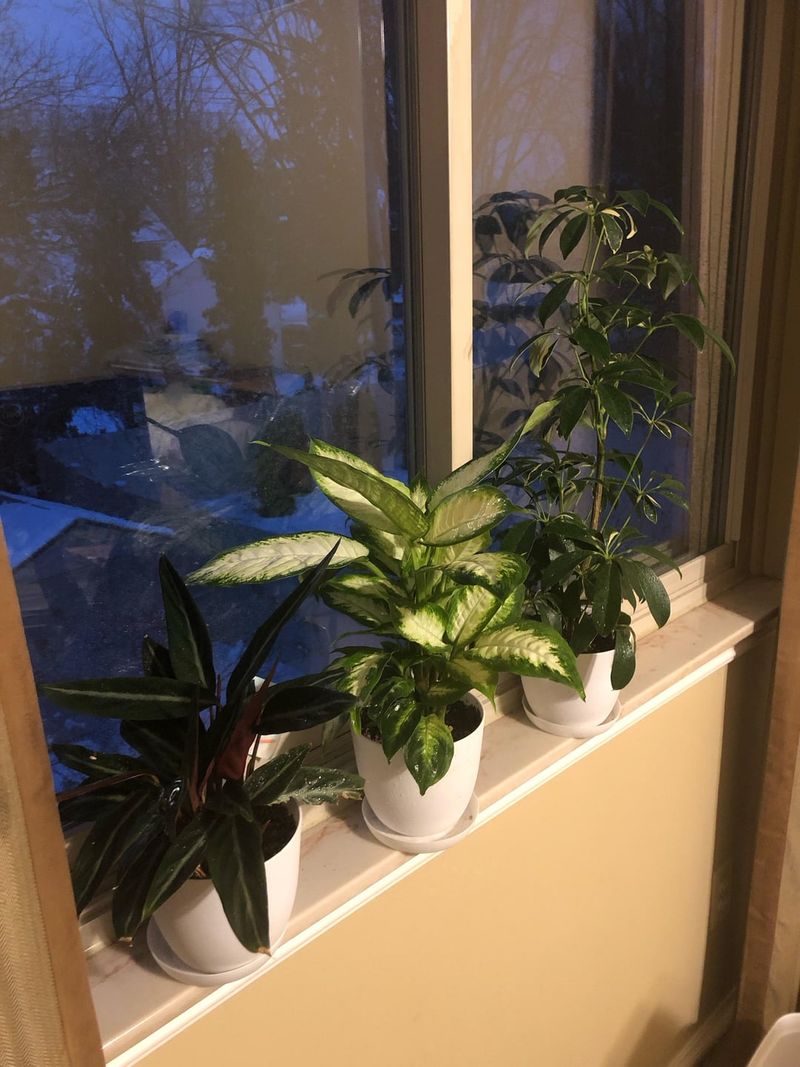
Oregon winters are tough on houseplants. By December, we’re down to about eight hours of daylight, and much of that is hidden behind thick clouds.
Even your sunniest window doesn’t deliver the light your plants enjoyed back in June, and you’ll notice the difference—slower growth, droopier leaves, maybe even some yellowing.
First, accept that winter is rest time for most houseplants. They’re not going to grow much, and that’s okay.
Cut back on watering since they’re not using as much energy. Move your plants closer to windows to maximize whatever light they can get.
If you have a south-facing window, this is the time to consolidate your collection there. Group your neediest plants together in the brightest spot.
Plants that tolerate lower light, like pothos or snake plants, can handle the darker corners until spring returns.
Don’t panic if a few lower leaves turn yellow and drop off—that’s normal during the dark months. Your plants are just conserving energy.
Keep them away from cold drafts near windows and doors, and resist the urge to overfeed them with fertilizer. They’re not growing much, so they don’t need extra nutrients.
Come March, when the days start stretching out again, you’ll see them perk back up naturally. Patience is your best tool during Oregon’s long, gray winters.
7. Using Mirrors And Light Walls To Boost Brightness
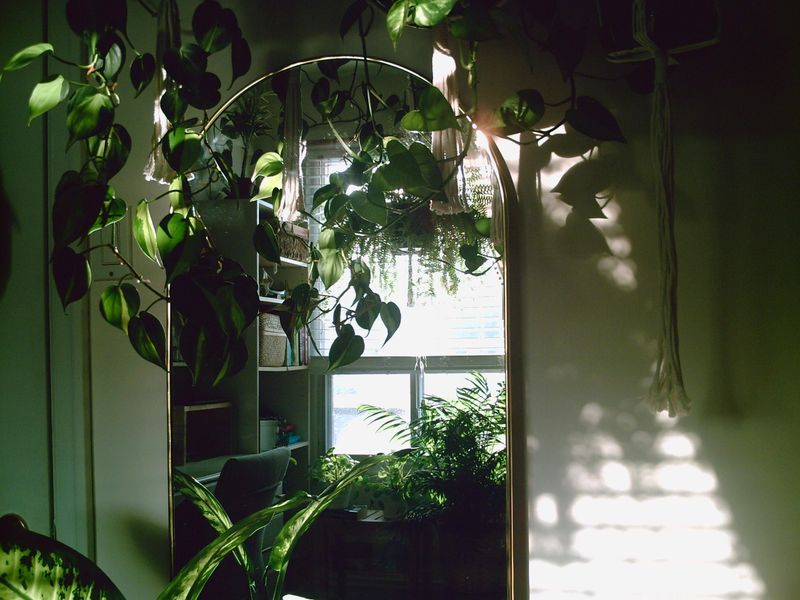
Sometimes the layout of your Oregon home just doesn’t cooperate. Maybe your windows are small, or they face north, or there’s a big tree blocking the light.
Before you give up on houseplants altogether, try a simple trick: use mirrors and light-colored walls to bounce light around the room.
Placing a mirror across from or next to a window reflects natural light back into the space, effectively doubling the brightness in that area. It’s not a perfect substitute for direct sunlight, but it makes a real difference for plants sitting a few feet from the window.
Light-colored walls work similarly. If you’re repainting, choose soft whites, creams, or pale grays.
They reflect light much better than dark colors, making your whole room, and your plants, feel brighter. Even adding a white poster board or foam board behind your plant shelf can help.
This strategy works especially well in apartments or rental homes where you can’t change the windows but can control the decor. Pair a mirror with a small plant stand, and suddenly that dim corner becomes a viable spot for a pothos or philodendron.
It’s a low-cost, renter-friendly way to create better growing conditions without installing grow lights or moving to a sunnier apartment. Your plants will appreciate every extra bit of reflected brightness, especially during Oregon’s long stretches of gray weather.
8. When Grow Lights Make Sense In Oregon
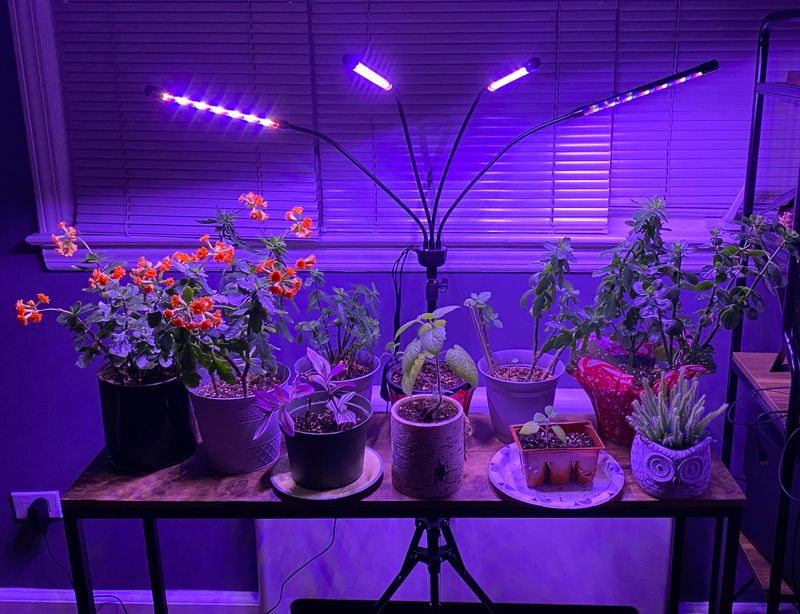
Let’s be honest: sometimes Oregon’s natural light just isn’t enough, especially if you’re trying to keep tropical plants happy in a north-facing apartment during winter. That’s when grow lights stop being extra and start being essential.
Grow lights aren’t just for serious plant collectors anymore. Affordable LED options are available at most home stores, and they’re easy to set up.
If your plants are struggling despite your best efforts with window placement and rotation, a grow light can be the game-changer they need.
Look for full-spectrum LED grow lights, which mimic natural sunlight. You can find clip-on versions for single plants, standing lamps for small collections, or strip lights that mount under shelves.
Run them for about 12 to 14 hours a day during the darker months to supplement the weak winter daylight.
Grow lights are especially helpful for plants that need bright light to thrive, like fiddle leaf figs, African violets, or herbs you’re growing on your kitchen counter. They’re also great if you work long hours and your plants sit in a dim room all day.
You don’t need to light every plant in your home—just the ones that are clearly suffering. Come spring, you can dial back or turn them off entirely.
Think of grow lights as winter insurance for your favorite plants in Oregon’s toughest season.