9 Goldenrod Benefits North Carolina Gardeners Should Know
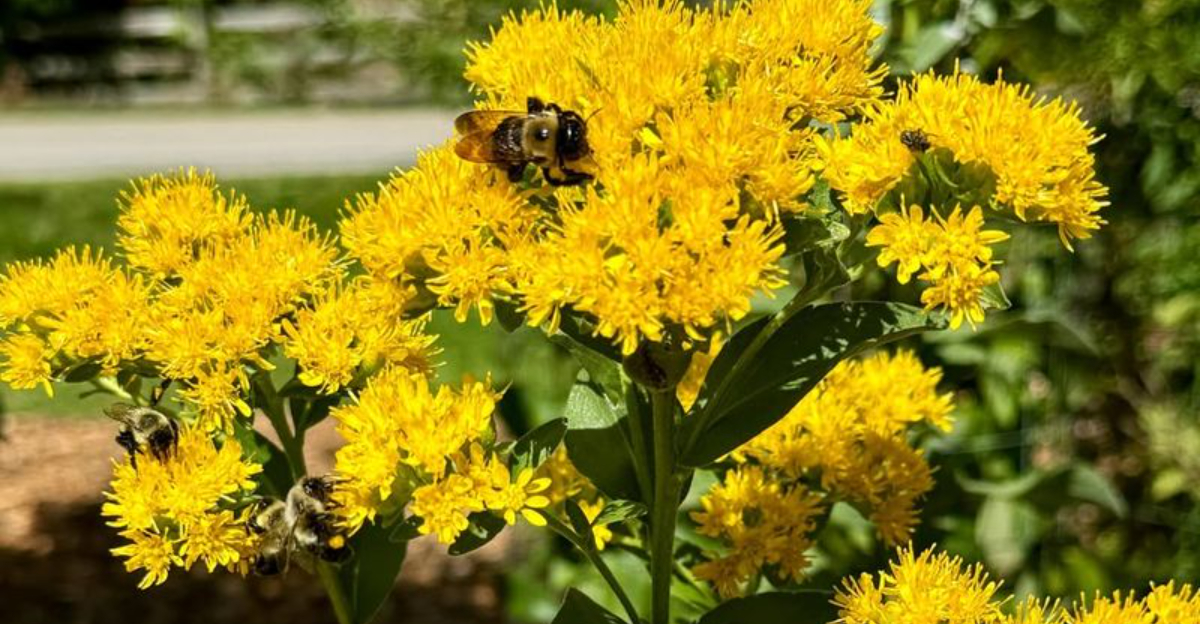
Goldenrod has long been misunderstood, but North Carolina gardeners are finally giving it the credit it deserves.
This native plant isn’t just tough—it’s incredibly beneficial.
Goldenrod supports pollinators late in the season, improves soil health, and adds bold color when many plants fade.
It thrives in heat, shrugs off drought, and asks very little in return.
Gardeners who welcome goldenrod often see healthier gardens overall.
Sometimes, the most valuable plants are the ones we were taught to overlook.
1. Critical Late-Season Pollinator Support
When most garden flowers have finished blooming for the season, goldenrod steps up to save the day for hungry pollinators.
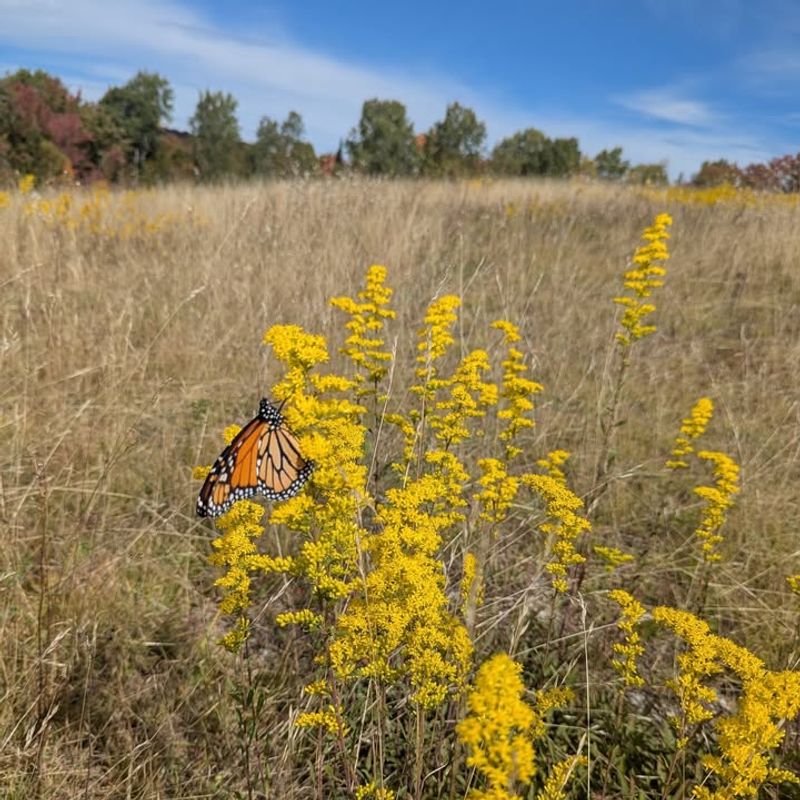
Solidago species burst into brilliant yellow blooms from late August through October across North Carolina, creating a vital lifeline for bees and butterflies.
During this crucial period, migrating monarch butterflies depend heavily on goldenrod nectar to fuel their incredible journey to Mexico.
Native bumblebees also rely on these late-season flowers to build up energy reserves before winter arrives.
Without this dependable food source, many pollinator populations would struggle to survive the transition between seasons.
Goldenrod flowers produce abundant nectar and pollen precisely when other plants have stopped flowering, filling a dangerous gap in the pollinator food chain.
Planting goldenrod in your North Carolina garden essentially creates a rest stop and refueling station for exhausted travelers and local residents alike.
The timing of goldenrod blooms makes it irreplaceable in supporting biodiversity throughout the state.
Watching dozens of butterflies and bees work goldenrod flowers on a September afternoon demonstrates just how essential this plant truly is.
Your garden becomes a conservation hub simply by including this golden beauty in your landscape design.
2. Major Food Source For Native Bees
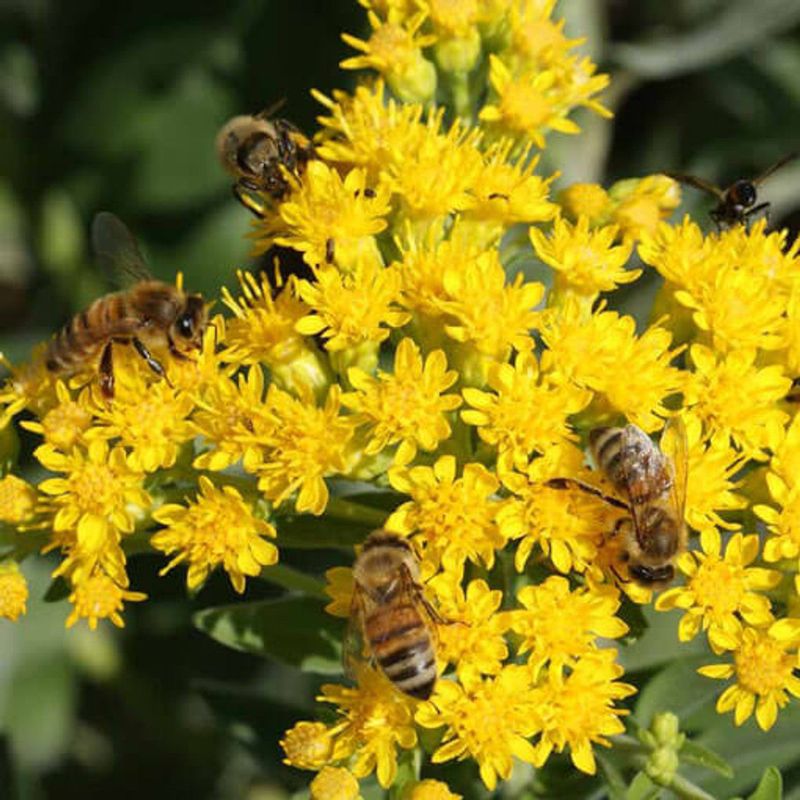
North Carolina hosts incredible diversity among native bee species, and goldenrod ranks among their most important survival resources.
Scientists have documented over 100 different bee species visiting goldenrod flowers, including many specialist bees that depend almost exclusively on this plant.
Sweat bees, mining bees, and leafcutter bees all gather substantial amounts of pollen from goldenrod to provision their nests and feed their developing young.
The protein-rich pollen provides essential nutrition that helps bee larvae grow strong and healthy before winter.
Unlike honeybees that were brought from Europe, these native bees evolved alongside goldenrod over thousands of years, creating deep ecological connections.
Many native bee species time their life cycles specifically to coincide with goldenrod blooming periods.
When you plant goldenrod, you support entire populations of these gentle, efficient pollinators that quietly work your garden vegetables and fruit trees.
Native bees are often more effective pollinators than honeybees for many crops, making goldenrod an indirect boost to your garden productivity.
Conservation biologists consistently identify goldenrod as a keystone plant for native bee protection efforts across the eastern United States.
Including goldenrod in your landscape directly contributes to preserving North Carolina’s remarkable native bee diversity for future generations.
3. Feeds Birds Through Fall And Winter
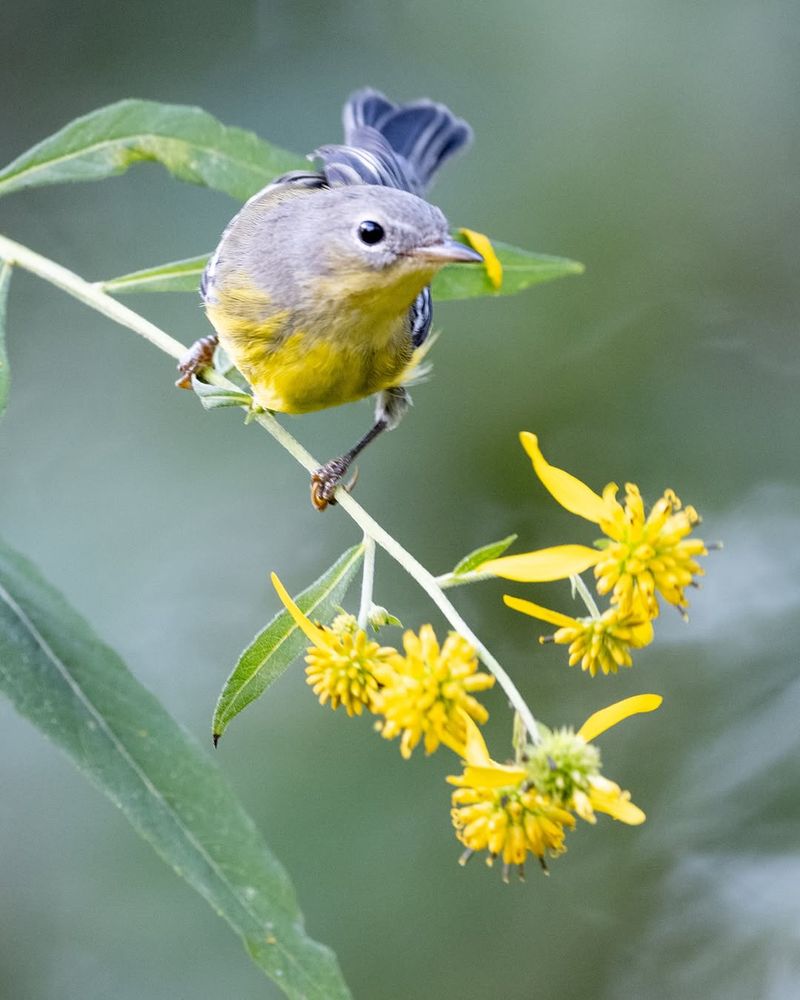
Goldenrod continues providing value long after its blooms fade, becoming an important food source for songbirds throughout colder months.
The small seeds that develop after flowering attract goldfinches, sparrows, juncos, and other seed-eating birds during fall and winter.
Watching American goldfinches perch on swaying goldenrod stems while extracting seeds makes for delightful winter bird watching from your kitchen window.
Beyond seeds, the insects that shelter in goldenrod stems provide critical protein for birds like chickadees and nuthatches during winter.
Many beneficial insects overwinter as eggs or larvae tucked inside hollow goldenrod stems, creating a hidden pantry for insect-eating birds.
This dual food source helps resident birds survive harsh North Carolina winters when other food becomes scarce.
Leaving goldenrod standing instead of cutting it down in fall ensures these food resources remain available when birds need them most.
The structural strength of goldenrod stems means they remain upright through winter storms, keeping seeds accessible even after snow or ice.
Bird-friendly gardening experts consistently recommend goldenrod as one of the best plants for year-round avian support.
Your decision to grow goldenrod transforms your yard into a bird sanctuary that provides nourishment across multiple seasons.
4. Supports Beneficial Insects That Control Pests
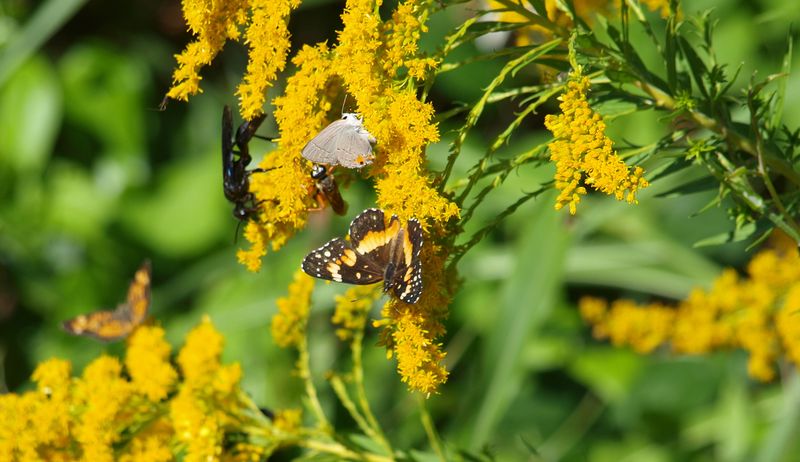
Goldenrod attracts an army of helpful insects that naturally protect your garden from destructive pests without any chemical intervention.
Parasitic wasps, which lay eggs in aphids and caterpillars, visit goldenrod flowers for nectar that fuels their pest-hunting activities.
Ladybugs, lacewings, and predatory beetles also feed on goldenrod pollen and nectar between their meals of garden pests like aphids and mites.
These beneficial insects need supplemental nutrition from flowers to maintain their energy for hunting and reproducing.
By providing this food source, goldenrod keeps populations of natural pest controllers thriving in your landscape throughout the growing season.
Soldier beetles and assassin bugs frequently patrol goldenrod plants, using them as hunting grounds for soft-bodied insects.
Research shows gardens with goldenrod experience fewer pest outbreaks because beneficial insect populations remain stable and abundant.
This natural pest management system reduces or eliminates the need for insecticides that can harm pollinators and contaminate soil and water.
Organic gardeners have long recognized goldenrod as a cornerstone plant for integrated pest management strategies.
Including goldenrod in your North Carolina garden essentially hires a free, effective, and environmentally friendly pest control team that works around the clock.
5. Misunderstood Allergy Reputation (Not The Cause Of Hay Fever)
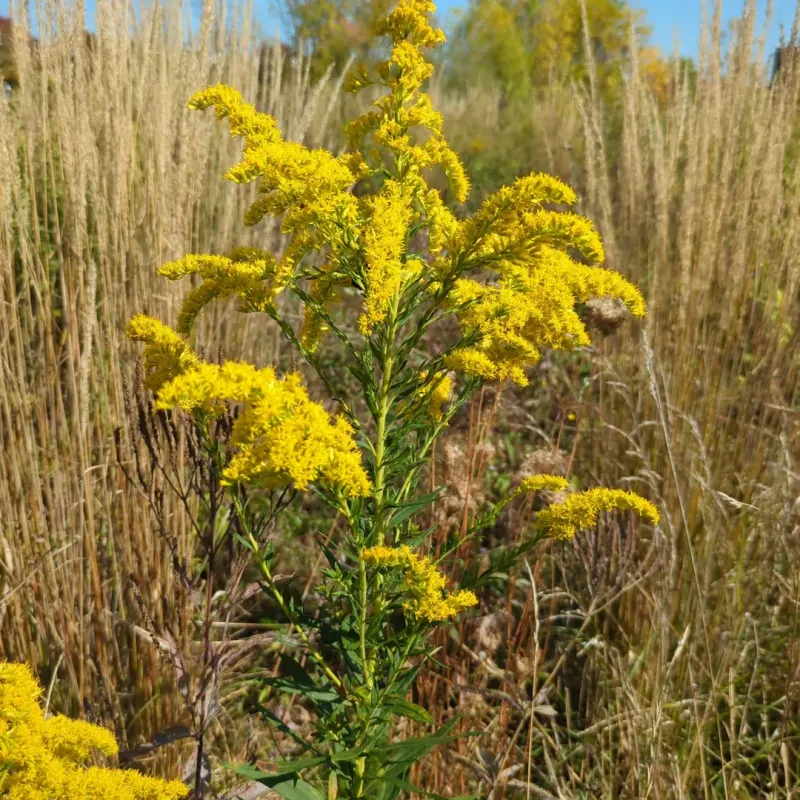
Goldenrod has suffered from mistaken identity for decades, wrongly blamed for causing fall allergies that actually come from ragweed.
The timing is unfortunate because goldenrod and ragweed bloom simultaneously across North Carolina, leading people to blame the most visible plant.
However, goldenrod produces heavy, sticky pollen designed to cling to insect bodies rather than float through the air.
This insect-pollinated reproduction strategy means goldenrod pollen rarely becomes airborne and almost never reaches human noses to trigger allergic reactions.
Ragweed, on the other hand, produces enormous quantities of lightweight pollen specifically designed to travel on wind currents for miles.
A single ragweed plant can release millions of pollen grains that easily cause the sneezing, itchy eyes, and congestion people associate with fall allergies.
Ragweed often grows inconspicuously alongside roads and in waste areas where its small green flowers go unnoticed while showy goldenrod takes the blame.
Allergy specialists and botanists have worked for years to correct this widespread misconception about goldenrod.
Planting goldenrod in your garden poses virtually no allergy risk while providing tremendous ecological benefits.
Next time someone mentions goldenrod allergies, you can confidently share the truth and help rehabilitate this innocent plant’s unfairly tarnished reputation.
6. Low-Maintenance Native Perennial
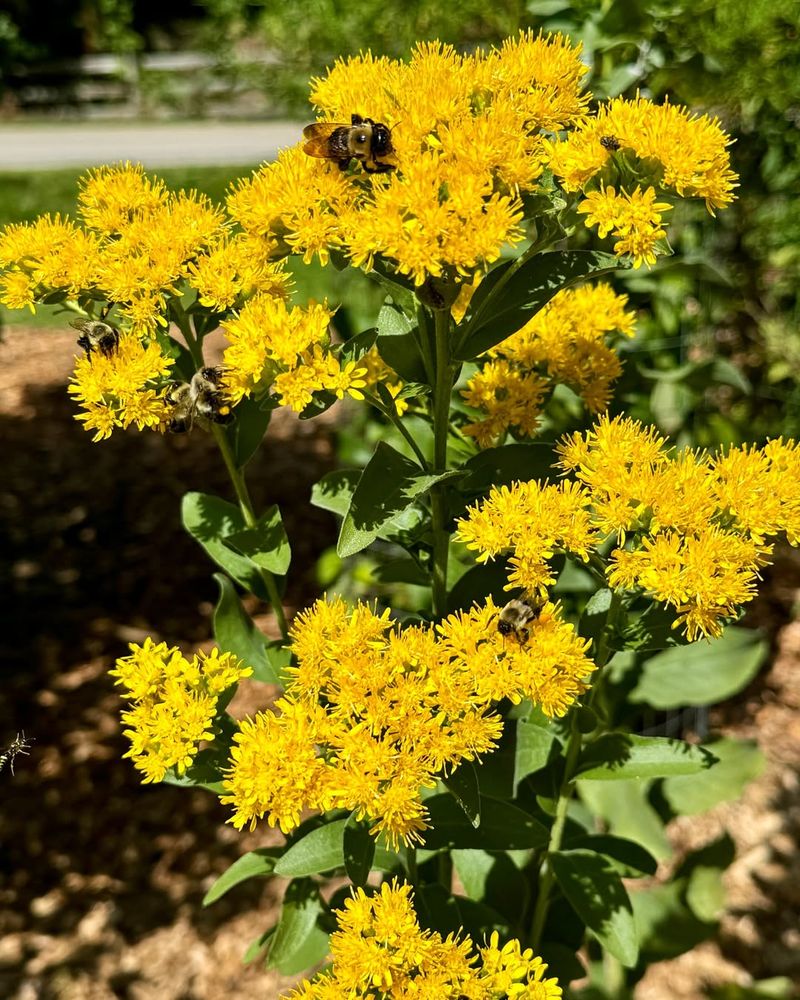
Once established in your North Carolina garden, goldenrod becomes one of the easiest plants you will ever grow, thriving with minimal attention.
Native plants like goldenrod evolved in local soil and climate conditions, making them naturally adapted to survive without constant watering or fertilizing.
After the first growing season when roots establish themselves, goldenrod handles summer heat and occasional drought without wilting or requiring irrigation.
The deep root systems that develop allow goldenrod to access moisture and nutrients far below the soil surface where other plants cannot reach.
You will never need to fertilize goldenrod because it thrives in average to poor soils that would challenge many ornamental garden plants.
Pests and diseases rarely bother goldenrod since it developed natural defenses through thousands of years of evolution in North American ecosystems.
Unlike high-maintenance annuals that require replanting every year, goldenrod returns reliably each spring, growing larger and more impressive over time.
The only maintenance goldenrod might need involves cutting back old stems in early spring before new growth emerges.
Busy gardeners appreciate plants that deliver spectacular results without demanding constant care and attention.
Choosing native goldenrod over exotic ornamentals saves time, money, water, and effort while supporting local wildlife and natural beauty.
7. Improves Soil And Prevents Erosion
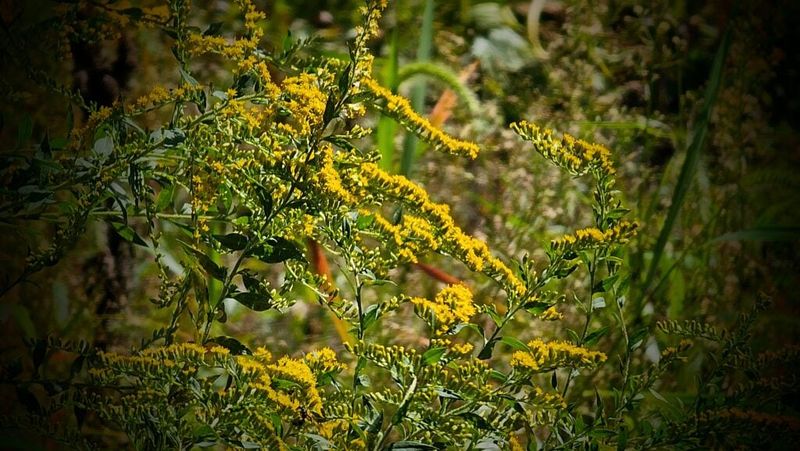
Beneath goldenrod’s cheerful yellow flowers lies an extensive root system that works hard to stabilize and improve your North Carolina soil.
The roots penetrate deeply into the ground, sometimes reaching several feet down, creating channels that improve soil structure and water infiltration.
On slopes and hillsides prone to washing away during heavy rains, goldenrod roots hold soil particles together, preventing erosion and nutrient loss.
Roadside plantings across North Carolina often feature goldenrod specifically because of its exceptional ability to anchor soil on embankments.
The fibrous root network also helps break up compacted soil over time, improving growing conditions for neighboring plants.
As goldenrod roots grow and eventually decompose, they add organic matter deep in the soil profile where it benefits the entire plant community.
This organic matter improves soil fertility naturally without requiring fertilizer applications that can pollute waterways.
Goldenrod growing along stream banks helps filter runoff and prevent sediment from entering waterways, protecting water quality.
Gardeners dealing with challenging slopes or areas with poor, eroded soil find goldenrod an attractive solution that provides beauty while solving practical problems.
Planting goldenrod demonstrates how ornamental landscaping and environmental stewardship work together to create healthier, more resilient properties.
8. Provides Winter Structure And Habitat
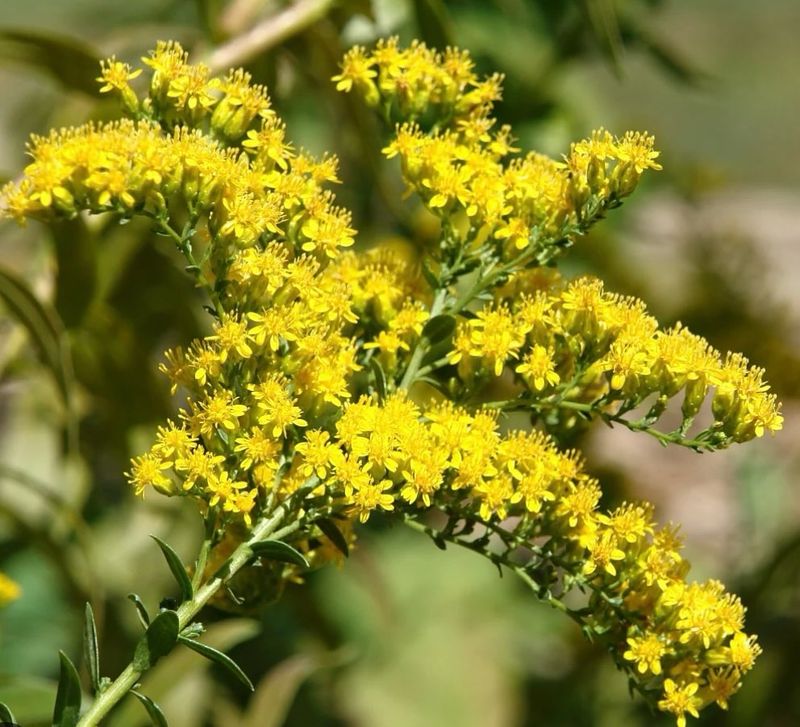
Resisting the urge to tidy up your garden in fall allows goldenrod to serve important functions throughout winter months.
The sturdy dried stems remain standing through snow, ice, and winter winds, adding vertical interest and golden-brown texture to dormant landscapes.
Many gardeners discover that winter gardens need structure and form just as much as summer gardens need color and fragrance.
Goldenrod seed heads catch snow and frost in ways that create stunning natural sculptures when backlit by winter sunshine.
More importantly, those standing stems provide essential overwintering habitat for beneficial insects that will protect your garden next spring.
Native bees, predatory beetles, and other helpful insects shelter inside hollow goldenrod stems, surviving cold temperatures in protected microhabitats.
Cutting down goldenrod in fall destroys these winter homes and can significantly reduce beneficial insect populations in your garden.
Leaving stems standing until late winter or early spring ensures insects complete their life cycles and emerge healthy when warm weather returns.
The combination of visual appeal and ecological function makes standing goldenrod a perfect example of sustainable gardening practices.
When spring arrives and you finally cut back old stems, you can compost them knowing they served multiple valuable purposes throughout winter.
9. Native Alternatives Exist For Every Garden Size
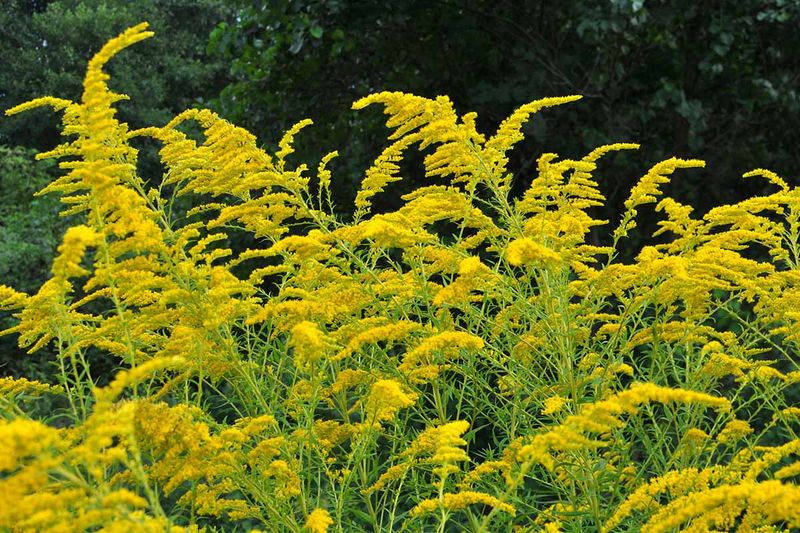
North Carolina gardeners can choose from numerous goldenrod species and cultivars that fit different landscape needs without taking over the entire yard.
Tall species like Canada goldenrod grow five to six feet high, making them perfect for back borders or naturalized meadow areas.
Compact varieties such as Solidago rugosa Fireworks reach only two to three feet tall, working beautifully in smaller gardens or mixed perennial beds.
Some goldenrod species form tight clumps that stay put year after year, while others spread gradually through underground rhizomes to fill larger spaces.
Gardeners worried about aggressive spreading can select clump-forming varieties or simply plant goldenrod in areas where spreading is welcome or easily managed.
Showy goldenrod and wrinkleleaf goldenrod offer different bloom times and growth habits, allowing you to extend the flowering season in your landscape.
Many nurseries now carry native goldenrod selections specifically chosen for garden performance, combining wildlife value with ornamental appeal.
Reading plant tags or asking knowledgeable nursery staff helps you select the right goldenrod variety for your specific garden situation and aesthetic preferences.
Container gardening enthusiasts can even grow compact goldenrod varieties in large pots on patios or balconies.
With so many options available, every North Carolina gardener can enjoy goldenrod benefits regardless of property size or landscaping style.