Google Maps Reveals Meadow-Style Lawns Spreading Quickly Across Oregon Neighborhoods
Oregon is seeing a huge shift toward meadow-style lawns, and you can actually spot the change straight from Google Maps.
Whole blocks are turning into colorful wildflower patches that look completely different from traditional turf lawns.
More residents are choosing native plants because they want easier upkeep, better water savings, and yards that support pollinators.
The trend keeps spreading as people notice how vibrant these naturalized yards look compared to high-maintenance grass.
When you zoom in on Oregon’s towns and cities today, the rapid growth of meadow lawns is impossible to miss.
1. Eugene’s Friendly Neighborhood District
Eugene’s Friendly neighborhood near 19th Avenue and Hilyard Street showcases some of the most impressive meadow conversions in all of Oregon.
Homeowners here have embraced wildflower yards so enthusiastically that entire streets now look like colorful tapestries when viewed from Google Maps above.
The transformation began when local environmental groups offered free workshops on replacing thirsty grass with drought-tolerant native species perfect for Oregon.
Residents quickly discovered that meadow lawns require far less mowing, watering, and fertilizing than traditional turf grass while supporting butterflies and hummingbirds.
Many properties feature Oregon favorites like California poppy, blanket flower, and purple coneflower that create stunning visual displays throughout growing season.
The neighborhood association even created a self-guided walking tour map so visitors can admire the most beautiful meadow yards up close.
This grassroots movement has made the Friendly District a destination for gardeners from across Oregon seeking inspiration for their own yards.
Many visitors say the Friendly District is one of the easiest places in Oregon to see how quickly meadow yards can transform an entire neighborhood.
2. Bend’s Northwest Crossing Development
Northwest Crossing in Bend, located off Shevlin Park Road near Mount Washington Drive, took a bold approach by making meadow lawns part of community design.
Developers in this Oregon neighborhood actually encourage residents to plant native wildflower meadows instead of traditional grass, creating a cohesive natural aesthetic.
Google Maps clearly reveals dozens of properties with naturalized yards that blend seamlessly with the surrounding high desert landscape characteristic of central Oregon.
The homeowners association provides lists of approved native plants that thrive in Bend’s climate, including penstemon, desert marigold, and native bunch grasses.
These meadow yards require minimal irrigation, which is crucial in Oregon’s drier regions where water conservation remains a top environmental priority.
Kids in the neighborhood love exploring the yards to find butterflies, bees, and other insects that regular grass lawns simply cannot support.
The success here has inspired other Bend developments to adopt similar guidelines, making meadow lawns increasingly common across central Oregon communities.
Northwest Crossing now serves as a real-life example of how planned communities can successfully blend native landscaping with modern neighborhood design.
3. Corvallis Near Oregon State University Campus
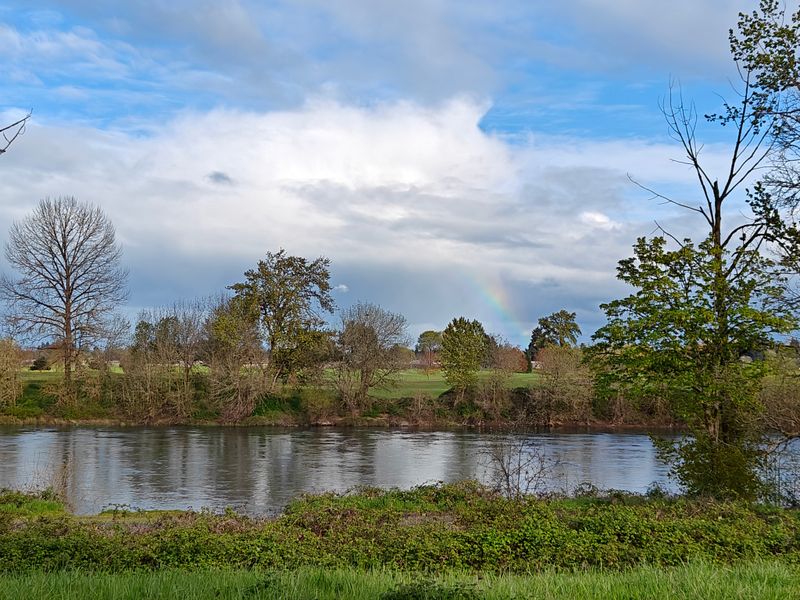
The neighborhoods surrounding Oregon State University, particularly around Monroe Avenue and 9th Street, have seen remarkable growth in meadow-style landscaping recently.
Students and professors living in Corvallis, Oregon, have turned rental properties and family homes into pollinator havens filled with native wildflowers and grasses.
The university’s strong environmental science programs have definitely influenced local attitudes toward sustainable landscaping practices that benefit ecosystems throughout Oregon.
Many homeowners participate in research projects studying how meadow lawns support beneficial insects and reduce urban heat island effects in Corvallis.
Google Maps satellite imagery shows clusters of these naturalized yards creating green corridors that connect campus areas with nearby parks and wetlands.
Local landlords have discovered that meadow lawns actually reduce maintenance costs while attracting environmentally conscious student renters who appreciate sustainable living spaces.
The trend has spread beyond the immediate campus area into older Corvallis neighborhoods, proving that meadow lawns work beautifully in Oregon communities.
Corvallis homeowners often mention that switching to meadow lawns feels like joining a larger movement that reflects the city’s university-driven environmental values.
4. Ashland’s Railroad District
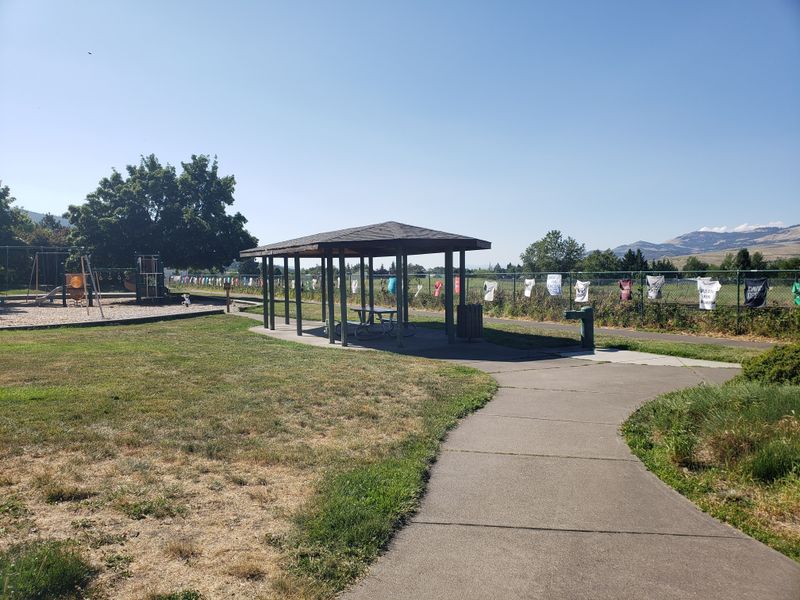
Ashland’s historic Railroad District, centered around A Street and 4th Street, has become famous throughout southern Oregon for its stunning meadow lawns.
This artsy community near the California border has always valued environmental sustainability, making it perfect ground for the wildflower lawn movement.
Property owners in Ashland have transformed formerly water-hungry grass yards into drought-resistant meadows that flourish even during Oregon’s hot, dry summer months.
The satellite view on Google Maps reveals a patchwork of colorful yards that look especially vibrant during peak blooming season in May and June.
Many residents choose plants that attract specific pollinators, creating specialized habitats for native bees, butterflies, and even hummingbirds throughout southern Oregon.
The local water utility offers rebates for homeowners who remove traditional lawns, which has accelerated meadow conversions across the entire Ashland area.
Tourists visiting for the famous Shakespeare Festival now also admire the beautiful naturalized yards that make this Oregon town uniquely charming and sustainable.
The Railroad District has become so well known for its vibrant meadows that locals often point out their favorite yards to friends visiting from out of town.
5. Salem’s Grant Neighborhood
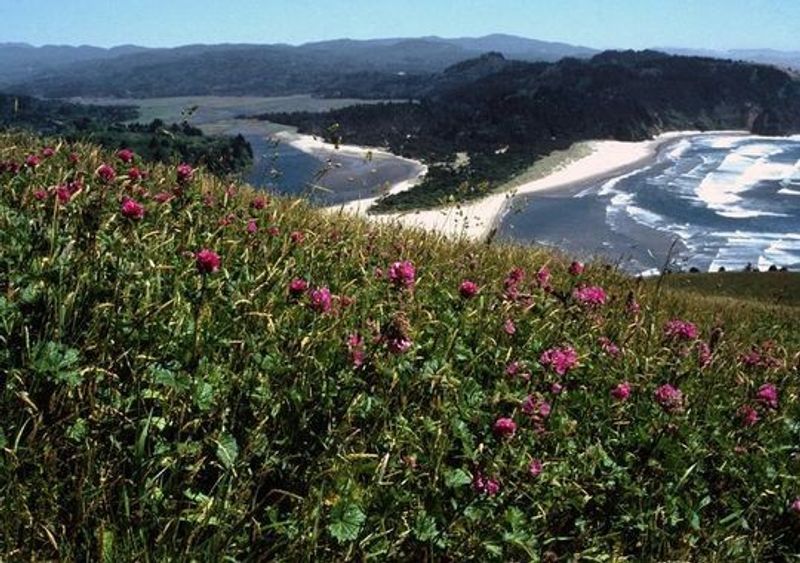
Salem’s Grant neighborhood, located between 12th Street and Capitol Street near downtown, has quietly become a meadow lawn hotspot in Oregon’s capital city.
Working families in this Oregon community discovered that meadow lawns save both time and money while creating beautiful spaces for children to explore nature.
The neighborhood transformation became visible on Google Maps about three years ago when multiple residents coordinated their lawn conversions through a local garden club.
Native plants like Oregon iris, columbine, and sword fern thrive in Salem’s mild climate, creating lush meadows that stay attractive year-round.
Local schools have incorporated these neighborhood meadows into science curriculum, teaching Salem kids about native ecosystems and the importance of supporting pollinators.
The Grant Neighborhood Association now hosts an annual garden tour specifically highlighting successful meadow lawn conversions that inspire others throughout Oregon.
This grassroots approach has proven that meadow lawns work beautifully in urban Salem neighborhoods, not just rural areas across the state.
Residents say the meadows make the entire Grant area feel more welcoming, especially during peak bloom when the streets look unusually colorful for an urban neighborhood.
6. Hood River’s Heights District
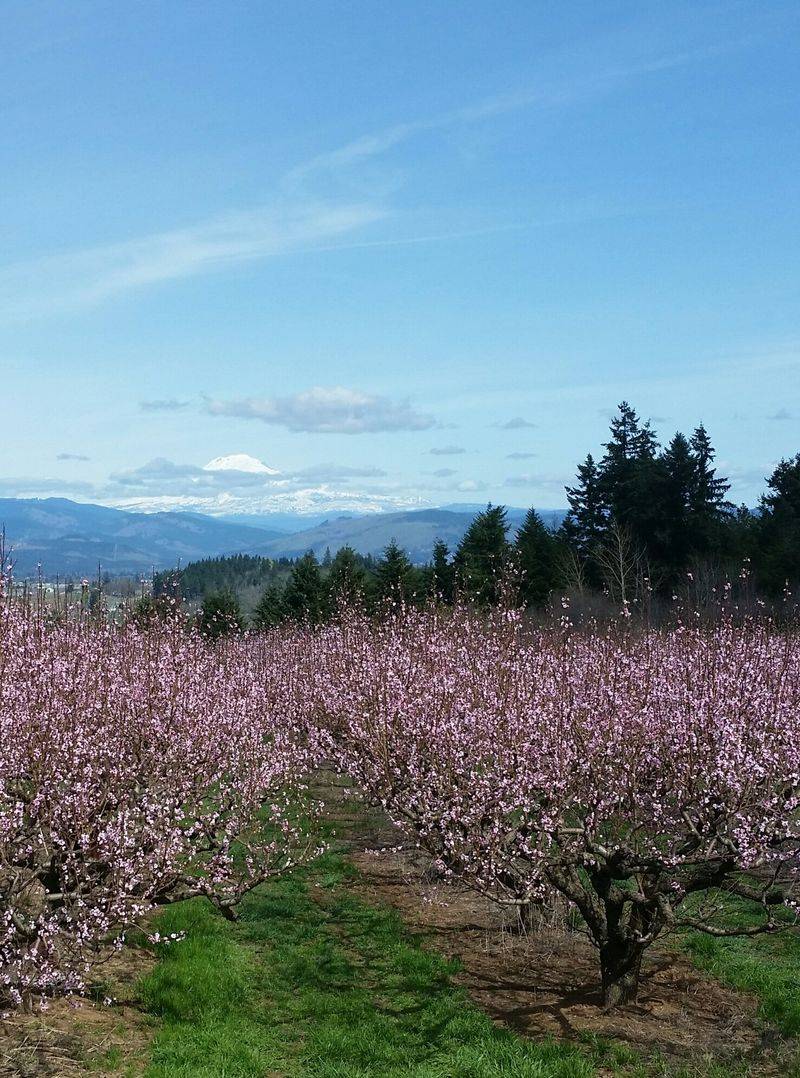
Hood River’s Heights District, climbing the hillsides above Cascade Avenue near 13th Street, offers spectacular views and increasingly spectacular meadow lawns.
Homeowners in this Oregon community face challenging slopes that make traditional lawn maintenance difficult, expensive, and sometimes dangerous to maintain with mowers.
Meadow lawns solve this problem beautifully by establishing deep-rooted native plants that prevent erosion while requiring virtually no mowing on steep terrain.
Google Maps reveals numerous properties where colorful wildflower meadows cascade down hillsides, creating visual interest that enhances Hood River’s natural beauty throughout Oregon.
The windy conditions near the Columbia River Gorge actually benefit many native plants that thrive in Oregon’s challenging microclimates found in this region.
Residents report that their meadow lawns attract more songbirds and beneficial insects than traditional grass ever did, enriching the local ecosystem significantly.
The success in Hood River’s Heights has inspired meadow conversions in flatter neighborhoods too, spreading sustainable landscaping practices throughout this Oregon town.
People living on the hillside often mention that their meadows make the steep views even more dramatic when seen from below or from Google Maps above.
7. Medford’s Hawthorne Park Area
Medford’s Hawthorne Park neighborhood, surrounding the park at Dakota Avenue and Merriman Road, has embraced meadow lawns to combat southern Oregon’s water challenges.
This region of Oregon experiences hot summers and occasional drought conditions that make traditional grass lawns expensive and environmentally problematic to maintain properly.
Forward-thinking residents began replacing their lawns with native wildflower meadows that naturally tolerate Medford’s climate without constant watering or chemical treatments.
The aerial view on Google Maps shows increasing numbers of these naturalized yards, especially on corner lots where they create attractive neighborhood focal points.
Popular plant choices include California poppy, blue flax, and native bunch grasses that provide texture and color from early spring through late fall.
Local garden centers in Medford now dedicate entire sections to native plants and meadow lawn supplies, reflecting strong demand across southern Oregon communities.
The neighborhood kids have nicknamed several particularly beautiful meadow yards, treating them like miniature nature preserves where they can observe insects and birds.
Neighbors here love how the meadows bring small pops of color to a region that gets long stretches of hot, dry weather each summer.
8. Hillsboro’s Orenco Station Neighborhood
Orenco Station in Hillsboro, centered around Orenco Station Parkway near Cornell Road, represents Oregon’s newest approach to sustainable community planning with meadow lawns.
This planned community west of Portland incorporated native landscaping principles from the beginning, making meadow yards a natural choice for environmentally conscious residents.
Google Maps satellite imagery reveals how these naturalized spaces create green connections between homes, parks, and the light rail station serving the Oregon community.
Tech workers living in Hillsboro appreciate the low-maintenance aspect of meadow lawns, which require far less weekend time than traditional grass cutting and edging.
The homeowners association provides educational resources about meadow lawn care, helping new residents in Oregon understand how these landscapes differ from conventional yards.
Children growing up in Orenco Station develop early appreciation for native plants and pollinators, learning environmental lessons right in their own front yards.
The neighborhood’s success has influenced other developments throughout Washington County, expanding meadow lawn adoption across suburban Oregon communities rapidly.
Orenco Station’s residents say the meadows help the community feel calmer and more nature-focused despite being close to major tech campuses.