Google Maps Shows New Green Zones Spreading Through Colorado Suburbs
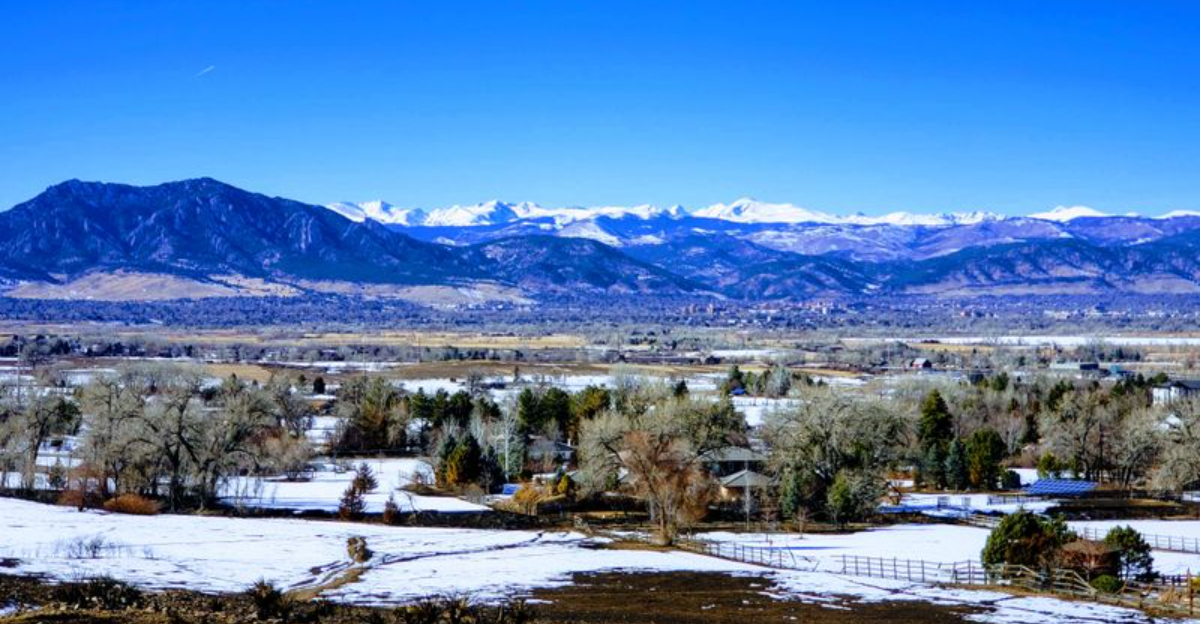
Colorado keeps surprising me lately because every time I zoom around on Google Maps, another patch of green shows up in a spot that used to look completely bare.
It feels like the suburbs are quietly transforming behind everyone’s backs, turning little corners and empty strips into places that look suddenly alive.
I keep catching myself going back to check again, half convinced Colorado is adding fresh green dots faster than I can keep up.
And honestly, each new zone feels like finding a tiny reminder that people there are doing something pretty special without making a big fuss about it.
1. Broomfield

Broomfield sits between Denver and Boulder, and recent satellite images show something remarkable happening across this growing community.
New parks have appeared in neighborhoods that previously had very few green spaces, giving families much better access to outdoor recreation areas near their homes.
The city around 1 DesCombes Drive has invested millions in creating connected trail systems that link schools, shopping areas, and residential streets with nature.
Kids can now bike safely to parks without crossing busy roads thanks to careful planning by local officials in Colorado.
Google Maps updates reveal that tree cover has increased by noticeable amounts in developments built over the past five years throughout Broomfield.
Residents appreciate having more shade during hot summer months and better air quality year-round from these environmental improvements.
Community gardens have also sprouted up, allowing neighbors to grow vegetables together and build friendships while caring for the land.
This Colorado suburb proves that growth and green space can happen at the same time when cities make nature a priority.
2. Highlands Ranch

Highlands Ranch has always valued open space, but recent years have brought an explosion of new natural areas visible on mapping technology.
Developers in this Colorado community must now dedicate portions of every new neighborhood to parks, which creates pockets of nature throughout residential zones.
Near 9568 Heritage Hills Circle, families discover playgrounds surrounded by native grasses and wildflowers instead of just concrete and equipment alone.
The suburb has added over thirty miles of new trails since recent years began, connecting different parts of town through green corridors.
Google Maps shows these pathways as green lines weaving between neighborhoods, making it easy for residents to plan outdoor adventures close to home.
Wildlife has responded positively to these changes, with deer, foxes, and numerous bird species now calling suburban areas their home too.
Local schools incorporate nearby nature areas into science classes, teaching Colorado kids about ecosystems right in their own backyards.
This approach to development shows how suburbs can grow while actually increasing the amount of accessible natural space for everyone.
3. Lone Tree

Lone Tree earned its name from a single tree that once stood on the prairie, but today the story is completely different.
Satellite imagery reveals dramatic greening happening throughout this Colorado suburb, especially around the area near 9220 Kimmer Drive where development meets conservation.
City planners require builders to preserve existing vegetation and add new plantings, creating neighborhoods that feel established even when they are brand new.
Detention ponds have been transformed from ugly concrete basins into attractive wetlands with walking paths, benches, and educational signs about local ecosystems.
Google Maps clearly shows how these water features now appear as green and blue spaces rather than gray infrastructure throughout the community.
The suburb has partnered with environmental groups to plant thousands of trees along streets, in parks, and around commercial areas each year.
Residents enjoy lower temperatures in summer because of increased shade and more beautiful views from their windows year-round in Colorado.
This transformation demonstrates how thoughtful planning can turn a once-barren landscape into a thriving green community in just a few decades.
4. Castle Rock
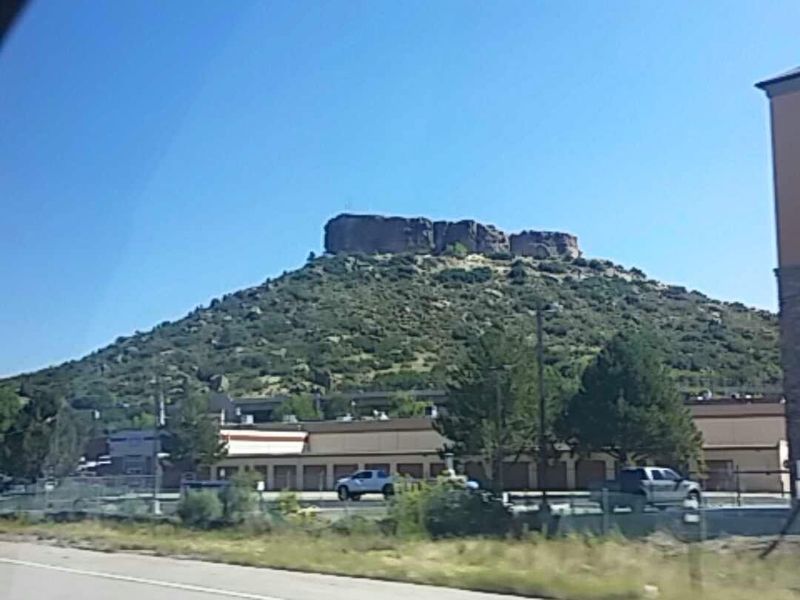
Castle Rock combines dramatic rock formations with an impressive commitment to expanding green space throughout its growing neighborhoods.
The area around 100 North Wilcox Street in Colorado has seen significant investment in parks that preserve the natural beauty people love about this region.
Recent mapping updates show new green zones appearing in previously undeveloped areas, carefully designed to protect wildlife corridors and native plant communities.
The town has created a unique system where trails wind through neighborhoods and connect to larger open space areas outside the suburban core.
Families can hike from their doorstep to genuine wilderness areas without ever getting in a car, which is rare for Colorado suburbs.
Google Maps displays these connections clearly, helping residents and visitors discover outdoor opportunities they might otherwise miss in their own community.
Local businesses have noticed that green space attracts people who value outdoor lifestyles, making the town more economically vibrant as well.
Castle Rock proves that preserving natural features while growing creates communities where people genuinely want to live and raise their families.
5. Parker
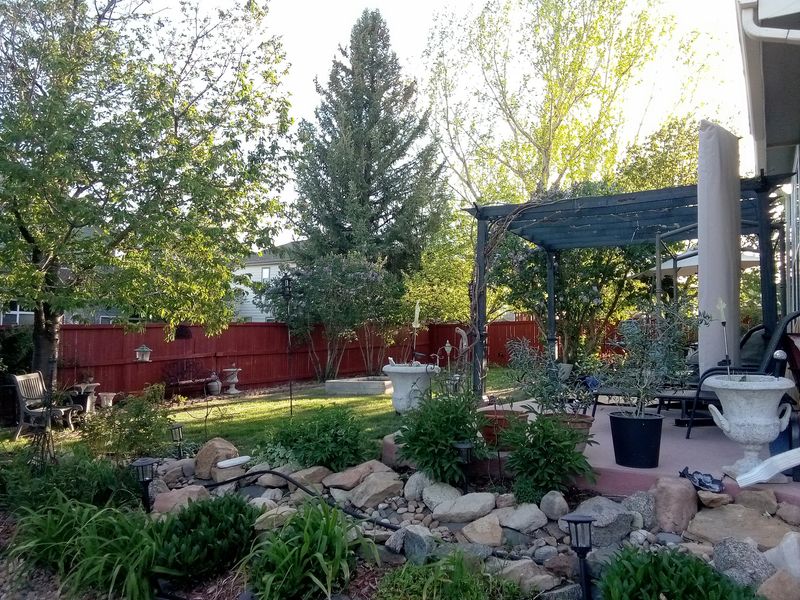
Parker has transformed from a small agricultural town into a thriving suburb without sacrificing its connection to nature and open land.
Google Maps reveals an impressive network of green spaces threading through neighborhoods, especially visible near 20120 East Mainstreet in this Colorado community.
The town requires developers to include parks within walking distance of every home, ensuring that no family lives far from outdoor recreation.
Recent years have brought creative approaches like rooftop gardens on municipal buildings and green walls on parking structures throughout Parker.
These innovations add green space even in commercial areas where land is expensive and every square foot matters for business operations.
Trail systems connect schools directly to parks, encouraging kids to walk or bike rather than always depending on car rides from parents.
The suburb has also preserved several working farms within its boundaries, maintaining agricultural heritage while growing as a modern Colorado community.
Residents appreciate being able to buy fresh produce from local farms and enjoy rural views just minutes from their suburban homes.
6. Centennial
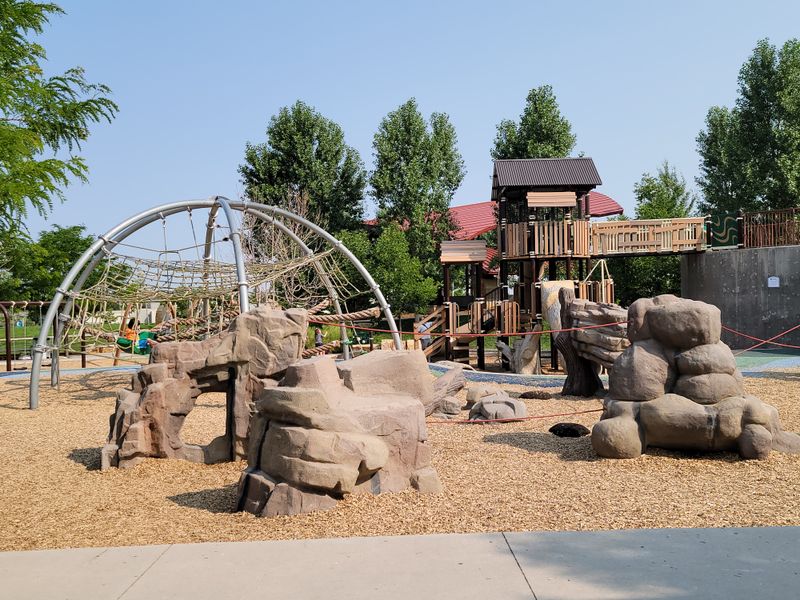
Centennial formed by combining several smaller communities, and green space has become the glue that holds these neighborhoods together visually.
The area surrounding 13133 East Arapahoe Road in Colorado shows remarkable growth in parks and natural areas over the past decade alone.
City officials have prioritized connecting existing parks with new trails, creating a web of green corridors that residents use for commuting and recreation.
Google Maps updates show these connections appearing as continuous green lines rather than isolated patches, which makes planning outdoor activities much easier.
The suburb has invested in native plant landscaping along roadways, reducing water use while creating habitat for butterflies, bees, and birds.
Schools have partnered with the city to create outdoor classrooms in nearby parks where Colorado students learn science through hands-on nature experiences.
Community events like outdoor concerts and farmers markets happen in these green spaces, strengthening neighborhood bonds and encouraging healthy outdoor lifestyles.
Centennial demonstrates how suburbs can use green infrastructure to create identity and community connection even when they are relatively new.
7. Superior
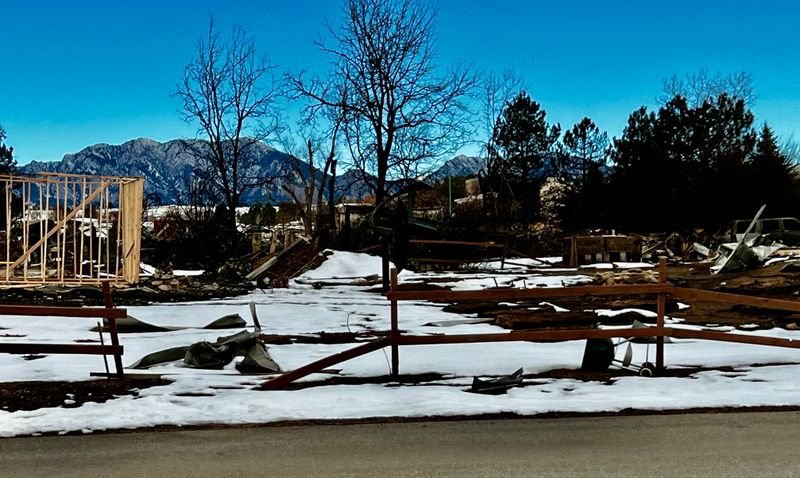
Superior sits at the base of the Flatirons, and residents expect easy access to nature as part of their everyday Colorado lifestyle.
Recent satellite imagery shows the suburb has delivered on this expectation by adding significant green space around 124 East Coal Creek Drive and beyond.
The town has preserved agricultural land as permanent open space, creating buffers between neighborhoods that prevent the area from feeling too crowded.
These preserved areas appear as large green zones on Google Maps, offering visual proof of the community’s commitment to balancing growth with conservation.
Trail connections link Superior directly to Boulder County open space, giving residents access to thousands of acres of wilderness from their doorsteps.
The suburb has also created pocket parks in every neighborhood, ensuring that even apartment dwellers have green space within a short walk.
Community gardens encourage residents to grow food together, building friendships while reducing the environmental impact of shipping produce long distances to Colorado.
Superior shows how small suburbs can maintain a strong connection to nature even as they grow and attract new families.
8. Erie
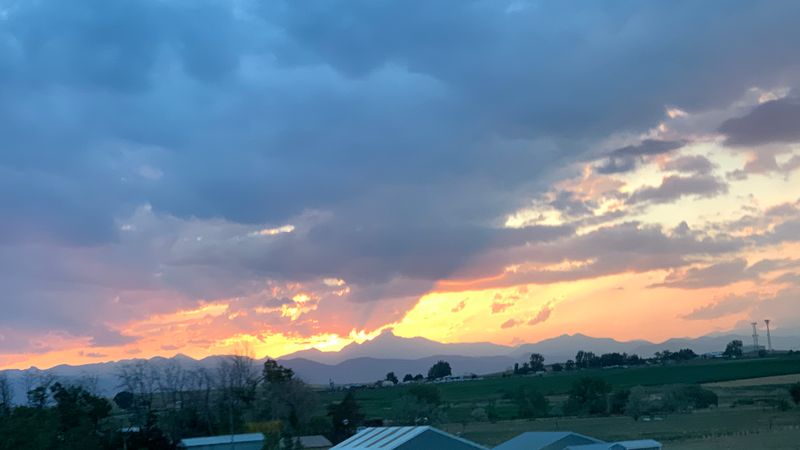
Erie has experienced explosive growth in recent years, but town leaders have ensured that green space grows right alongside new homes.
The area near 645 Holbrook Street in Colorado demonstrates this commitment, with parks appearing in every new neighborhood development throughout the community.
Google Maps clearly shows how detention ponds have been designed as attractive water features surrounded by trails, benches, and natural landscaping elements.
The town has created a unique greenbelt system that separates different neighborhoods while providing continuous trails for walking, running, and biking safely.
These greenbelts appear as distinctive green ribbons on satellite imagery, making Erie instantly recognizable compared to other Colorado suburbs that lack such features.
Local schools use nearby natural areas for outdoor education, teaching students about prairie ecosystems and the importance of conservation in their region.
The suburb has also preserved views of the mountains by limiting building heights and maintaining open space along key corridors throughout town.
Erie proves that even rapidly growing communities can prioritize quality of life through thoughtful planning that values nature as much as development.
9. Louisville
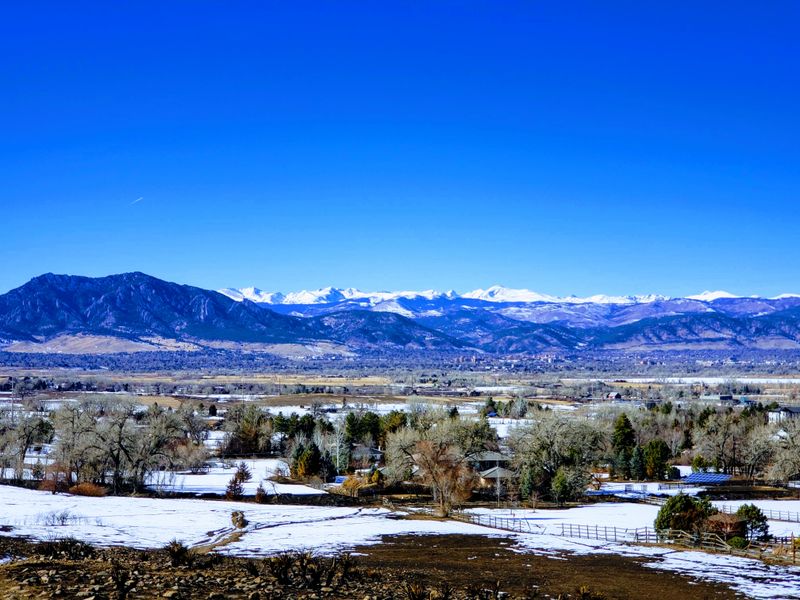
Louisville combines small-town charm with impressive green infrastructure that has expanded significantly in recent years throughout this Colorado community.
Satellite images reveal new parks and trails appearing around 749 Main Street and in neighborhoods that previously had limited access to nature.
The town has transformed old industrial sites into beautiful parks, turning environmental challenges into community assets that everyone can enjoy together.
Google Maps shows these reclaimed areas as green zones where abandoned buildings once stood, demonstrating how communities can heal and improve over time.
Trail systems connect Louisville to neighboring towns, allowing residents to bike to work or school through green corridors rather than along busy roads.
The suburb has invested heavily in tree planting programs, with volunteers helping to establish thousands of new trees throughout residential and commercial areas.
These efforts have created noticeably cooler temperatures in summer and more attractive streetscapes that make walking and outdoor activities more pleasant year-round.
Louisville shows how older suburbs can reinvent themselves by prioritizing green space and environmental quality as keys to attracting new Colorado residents.
10. Thornton

Thornton has worked hard to add green space throughout its diverse neighborhoods, creating opportunities for outdoor recreation across the entire community.
The area around 9500 Civic Center Drive in Colorado shows particularly impressive growth in parks and natural areas over the past several years.
City planners have focused on creating large regional parks that serve multiple neighborhoods while also adding smaller pocket parks throughout residential areas.
Google Maps displays this strategy clearly, showing both big green spaces and smaller ones distributed evenly so everyone has access to nature nearby.
The suburb has built an extensive trail system that connects parks, schools, libraries, and recreation centers, encouraging people to walk or bike instead of driving.
These trails have become community gathering places where neighbors meet, kids play safely, and families enjoy outdoor time together in Colorado.
Thornton has also preserved natural areas along creeks and waterways, protecting habitat for wildlife while providing beautiful natural settings for residents to explore.
This approach demonstrates how large, diverse suburbs can use green infrastructure to create unity and improve quality of life for all residents.