9 Gorgeous California Plants You Can Easily Propagate From Cuttings
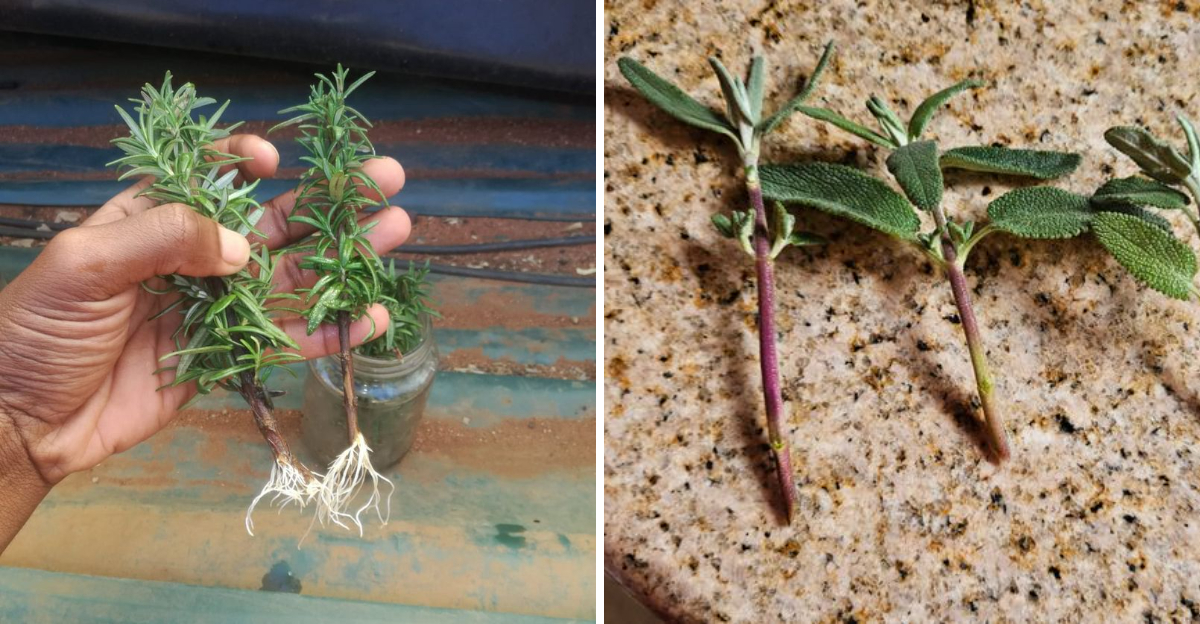
California gardeners love a good shortcut, and propagating plants from cuttings might be one of the best ones out there. Instead of buying new plants every season, you can turn one healthy plant into several, all for free.
Even better, many California-friendly plants root quickly and grow strong with very little effort.
With the state’s warm sun and long growing season, cuttings often take off faster than expected. Give them a bit of moisture, the right light, and a little patience, and you’ll start seeing new growth before you know it.
It’s a simple process that feels surprisingly rewarding.
The real fun comes when your garden starts to multiply. You can fill empty spaces, share plants with friends, or expand your favorite varieties without spending extra.
Once you get the hang of it, it’s hard to stop.
1. Lavender
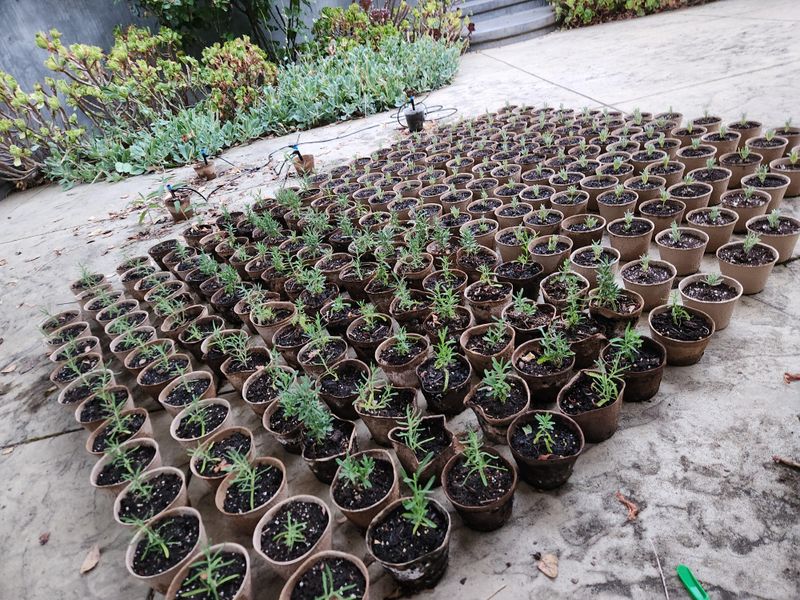
Few plants capture the spirit of a California garden quite like lavender. Its silvery-green stems and tall purple flower spikes look stunning in any yard, and the sweet, calming scent is hard to beat.
Lavender loves California’s warm, dry summers and well-draining soil, which makes it one of the easiest plants to grow here.
To propagate lavender from cuttings, choose a healthy stem that is about four to six inches long. Pick a stem that has not yet flowered, because younger growth roots faster.
Strip the leaves off the bottom half of the stem so the bare part can go into the soil without rotting.
Dip the cut end into rooting hormone powder before planting it in a small pot filled with sandy or gritty soil. Water it lightly and place it somewhere bright but not in direct harsh afternoon sun.
Keep the soil just barely moist, never soggy.
In about four to six weeks, roots should start forming. Once the cutting feels firm and shows new growth, it is ready to move to a bigger pot or straight into your garden bed.
Lavender grows beautifully along walkways, in raised beds, or in containers on patios all across California.
2. Rosemary
Rosemary is one of those plants that does double duty in a California garden. It looks gorgeous growing along a sunny fence or in a raised herb bed, and it also smells amazing every time you brush past it.
Best of all, it is incredibly easy to propagate from cuttings, making it a favorite for gardeners across the state.
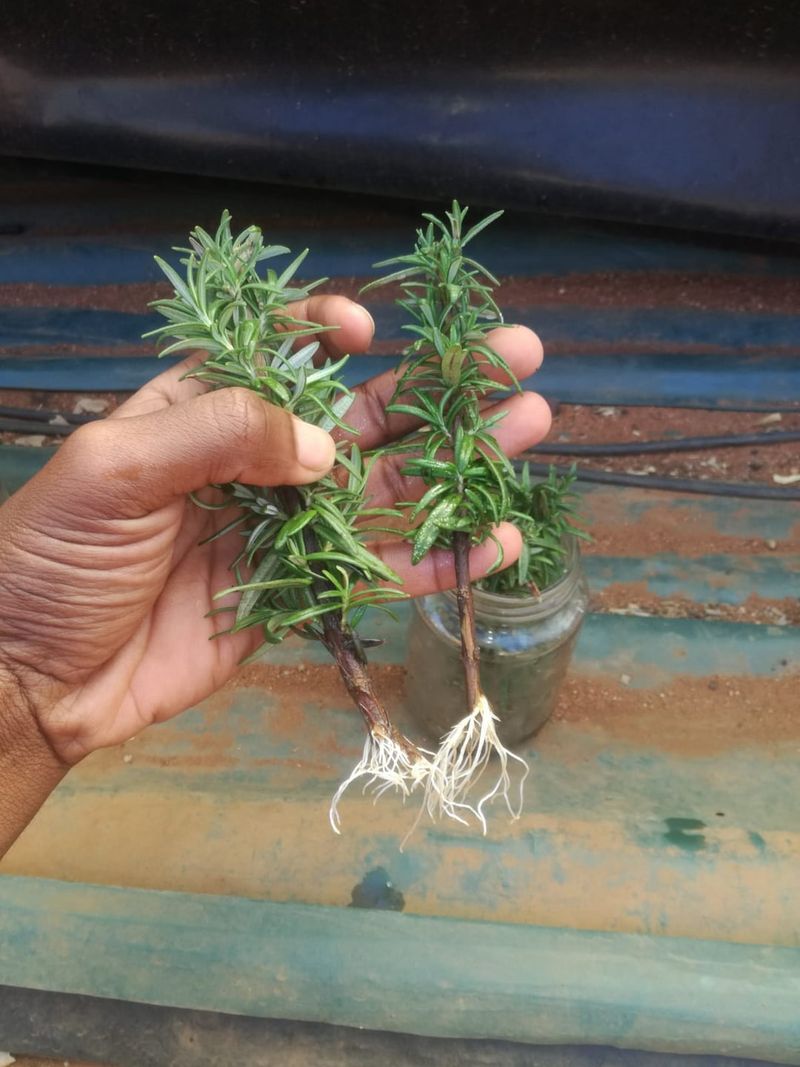
Start by snipping a healthy stem that is about five to seven inches long from an established rosemary plant. Look for stems with fresh, green growth near the tips.
Avoid woody, older stems at the base of the plant, since those take much longer to root.
Remove the leaves from the bottom two inches of the cutting. Then dip that bare section into rooting hormone before sticking it into a pot of well-draining soil.
Rosemary does not like sitting in wet soil, so make sure the mix drains freely.
Place the pot in a warm, bright spot outdoors or near a sunny window. Water sparingly and wait.
Roots typically develop within four to eight weeks in California’s warm climate. Once the plant is established, rosemary is incredibly low-maintenance and can even handle coastal conditions and dry inland heat with ease.
3. Salvia
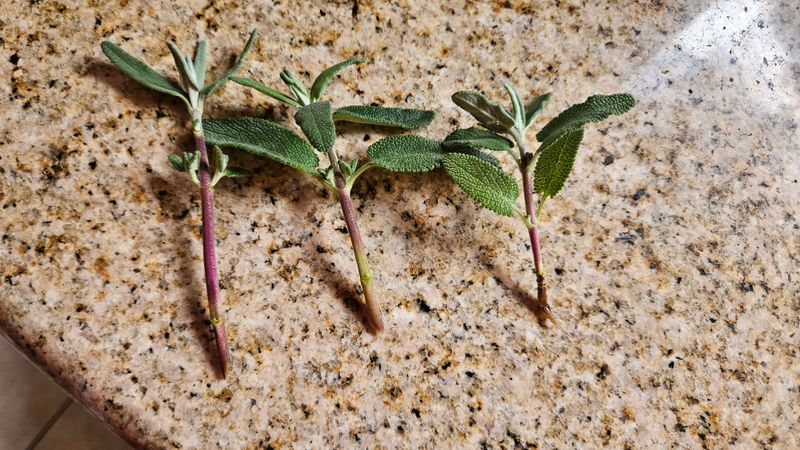
Walk through almost any California neighborhood in spring or summer and you will likely spot salvia growing somewhere nearby. With its tall, colorful flower spikes in shades of red, purple, blue, and pink, salvia is one of the most eye-catching plants you can add to your yard.
It also attracts hummingbirds and butterflies, which makes the garden feel even more alive.
Propagating salvia from cuttings is straightforward and beginner-friendly. Cut a stem that is about four to six inches long, choosing new growth from the tips of healthy branches.
Strip the lower leaves off and leave just a few at the top so the cutting can still absorb light.
Dip the cut end into rooting hormone and plant it in moist, well-draining potting mix. Cover the pot loosely with a plastic bag or a clear plastic dome to help hold in humidity.
Place it in a warm, bright area out of direct midday sun.
Check on it every few days and mist lightly if the soil feels dry. Roots usually form within three to five weeks.
Salvia thrives in California’s climate, especially in sunny spots with good air circulation. Once established, it is drought-tolerant and comes back season after season with very little fuss.
4. Bougainvillea
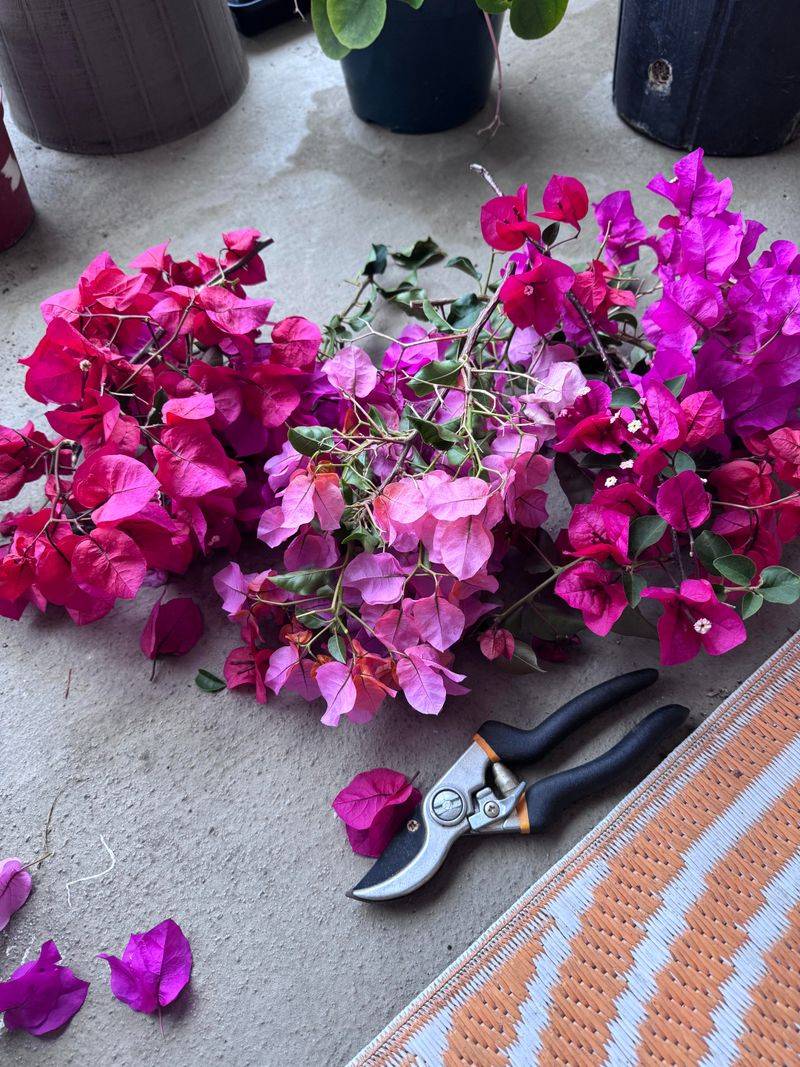
If there is one plant that screams California, it is bougainvillea. Those bold, papery blooms in hot pink, orange, red, and purple drape over fences and walls all across the state, from San Diego up to the Bay Area.
The good news is that you do not have to buy a new plant every time you want more of this beauty in your yard.
Propagating bougainvillea from cuttings takes a bit of patience, but it is totally worth it. Take a cutting about six to eight inches long from a semi-hardwood stem, meaning a stem that is not brand new but not fully woody either.
Remove most of the leaves, leaving just two or three near the top.
Dip the cut end generously into rooting hormone powder, then plant it in a pot filled with a mix of perlite and potting soil. Bougainvillea needs warmth to root well, so place the pot somewhere that gets plenty of sun.
California’s warm climate is actually ideal for this process.
Water the cutting just enough to keep the soil barely moist. Too much water can cause the stem to rot before roots form.
With patience, roots should develop within six to ten weeks. Once rooted, bougainvillea grows fast and rewards you with stunning color year after year.
5. Geranium
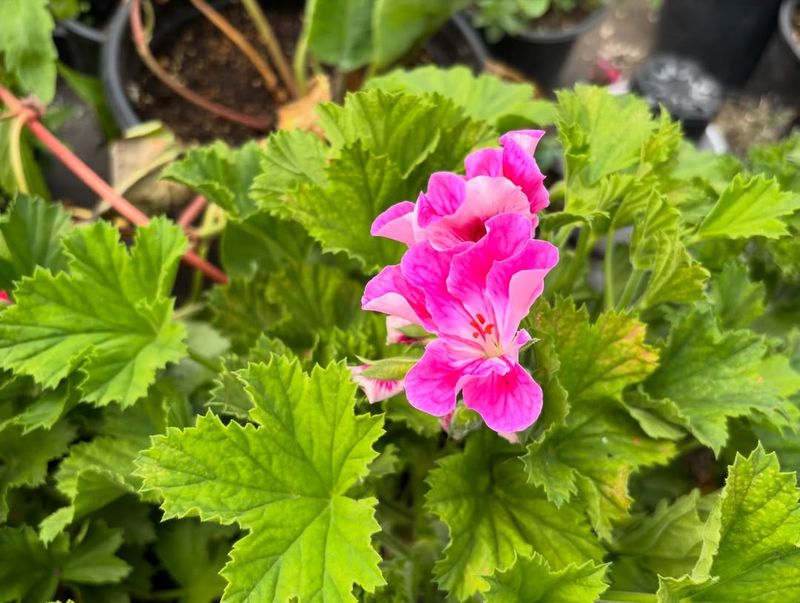
Geraniums have been a garden favorite for generations, and it is easy to see why. Their cheerful clusters of red, pink, white, or coral flowers bloom almost nonstop in California’s mild climate.
They look wonderful in window boxes, hanging baskets, and garden borders, and they are one of the simplest plants to multiply from cuttings.
To get started, choose a healthy stem that is about four to six inches long. Make a clean cut just below a leaf node, which is the small bump where a leaf grows out of the stem.
Remove the lower leaves and let the cutting sit out in a dry spot for a few hours before planting.
Allowing the cut end to dry slightly before planting helps prevent rot. Once it has dried a bit, stick it into a pot of moist, well-draining potting mix.
No rooting hormone is needed for geraniums, though using it can speed things up.
Place the pot in a bright spot that gets morning sun but stays a little shaded in the afternoon heat. Water lightly and consistently.
Roots usually form within two to four weeks, which is pretty fast compared to many other plants. Geraniums are a fantastic choice for beginner gardeners anywhere in California who want quick, colorful results.
6. Fuchsia
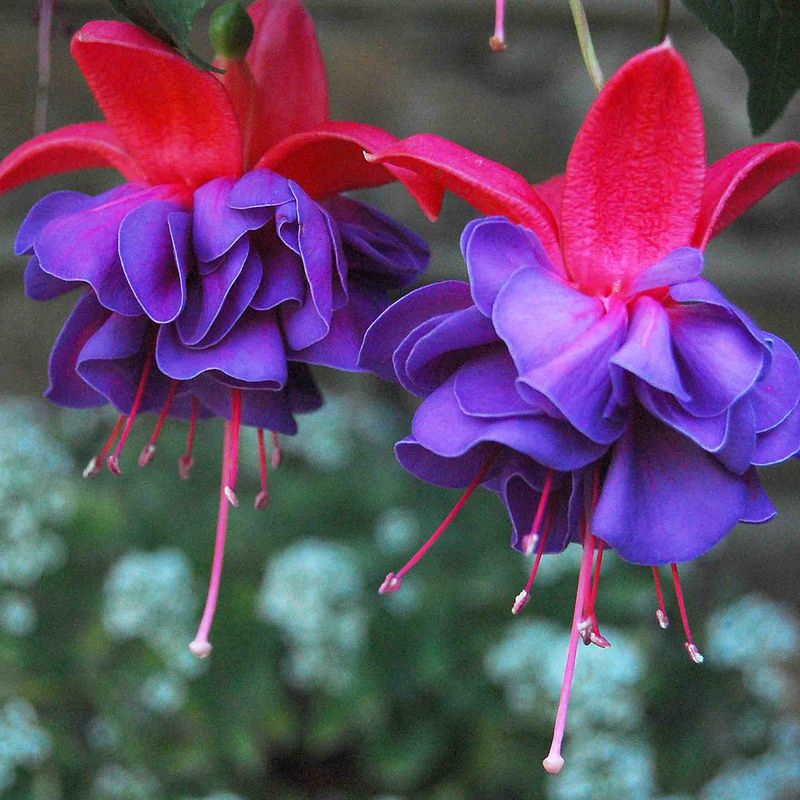
There is something almost magical about fuchsia flowers. Those delicate, dangling blooms in hot pink and deep purple look like tiny ballerinas hanging from the branches.
Fuchsias thrive in California’s cooler coastal areas, making them a top choice for gardens near the ocean or in shaded yards where other flowering plants struggle.
Propagating fuchsia from cuttings is one of the most rewarding gardening projects you can try. Take a soft stem cutting about three to four inches long from the tips of healthy branches.
The softer and fresher the growth, the better it will root.
Remove the lower leaves and dip the cut end into rooting hormone before planting it in a small pot of moist, well-draining mix. Fuchsias like humidity while they are rooting, so covering the pot with a clear plastic bag can really help speed things along.
Keep the pot in a bright spot out of direct sun, since fuchsia leaves can scorch easily. Mist the inside of the plastic cover every couple of days to maintain moisture.
Roots typically form in two to four weeks. Once rooted, fuchsias grow quickly and produce those gorgeous, showy blooms throughout spring and summer, especially in California’s cooler coastal climates where they truly shine.
7. Hydrangea
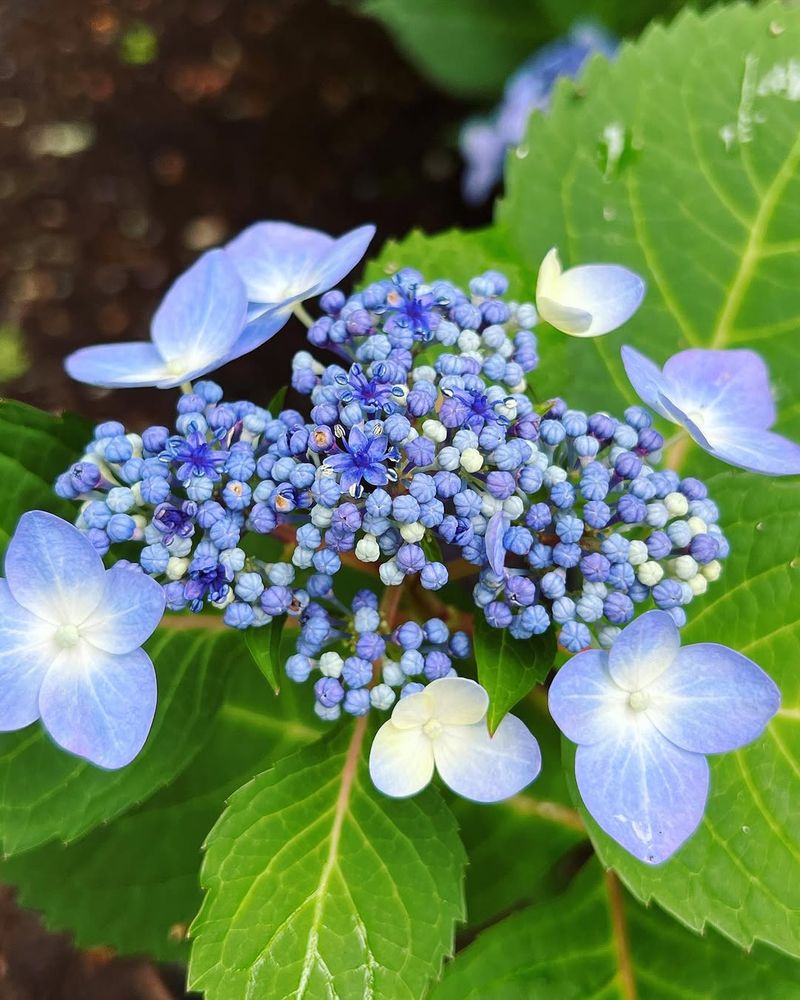
Hydrangeas are the kind of plants that stop people in their tracks. Those enormous, cloud-like flower clusters in white, blue, pink, or purple make a bold statement in any garden.
They grow beautifully in many parts of California, especially in areas that get some afternoon shade, and they are surprisingly easy to propagate at home.
To take a cutting, look for a stem that has not yet flowered. Cut about five to six inches from the tip of a healthy branch, making sure it has at least two sets of leaves.
Remove the bottom set of leaves and trim the remaining large leaves in half to reduce water loss while the cutting is rooting.
Dip the cut end into rooting hormone and plant it in a pot filled with moist potting mix. Cover the pot with a plastic bag to create a humid little greenhouse environment.
Place it somewhere bright but away from harsh direct sun.
Check the soil every few days and mist lightly if it starts to dry out. Roots usually develop within four to six weeks.
Hydrangeas can be a little slower to root than some other plants on this list, but once they get going, they grow into full, lush shrubs that bring incredible beauty to California gardens for many years.
8. Coleus
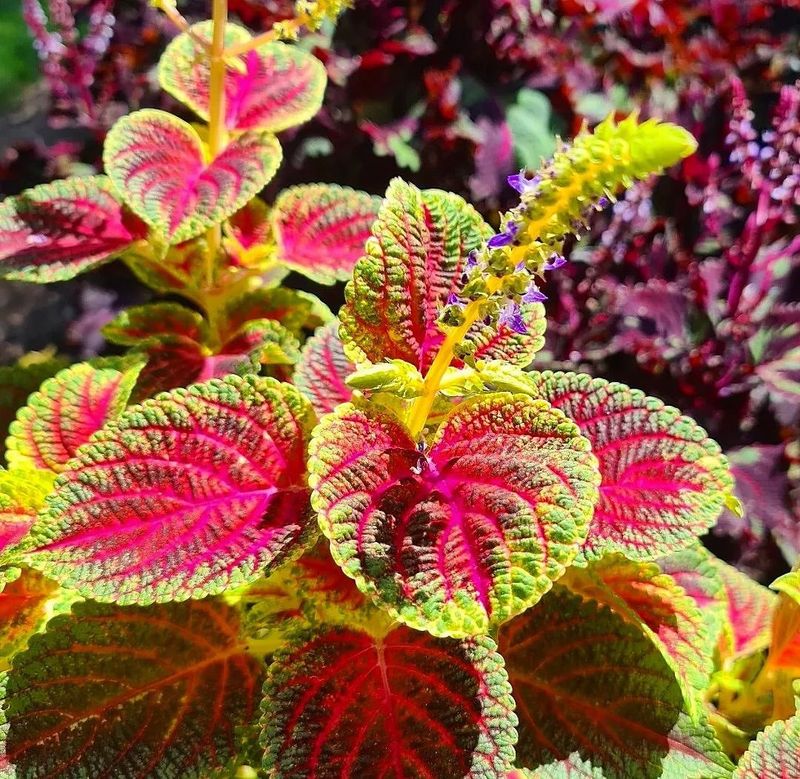
Not every stunning garden plant needs flowers to turn heads. Coleus proves that point beautifully with its bold, patterned leaves in combinations of red, purple, green, yellow, and pink.
It thrives in shaded spots that other colorful plants avoid, making it a fantastic choice for darker corners of California gardens and patios.
Propagating coleus from cuttings is about as easy as it gets. Snip a stem about four to six inches long from a healthy plant.
Remove the lower leaves so the bottom half of the stem is bare. You can root coleus in either water or soil, which gives you flexibility depending on what you have available.
If rooting in water, simply place the cutting in a glass of water and set it on a bright windowsill. Change the water every couple of days to keep it fresh.
Roots appear quickly, often within one to two weeks, which is one of the fastest rooting times of any plant on this list.
Once the roots are about an inch long, transfer the cutting into a pot of moist potting mix. Coleus grows fast and fills out beautifully, adding a burst of vivid color to shaded patios, entryways, and garden beds all across California.
It is a low-fuss, high-reward plant that every gardener should try growing from cuttings.
9. Mint
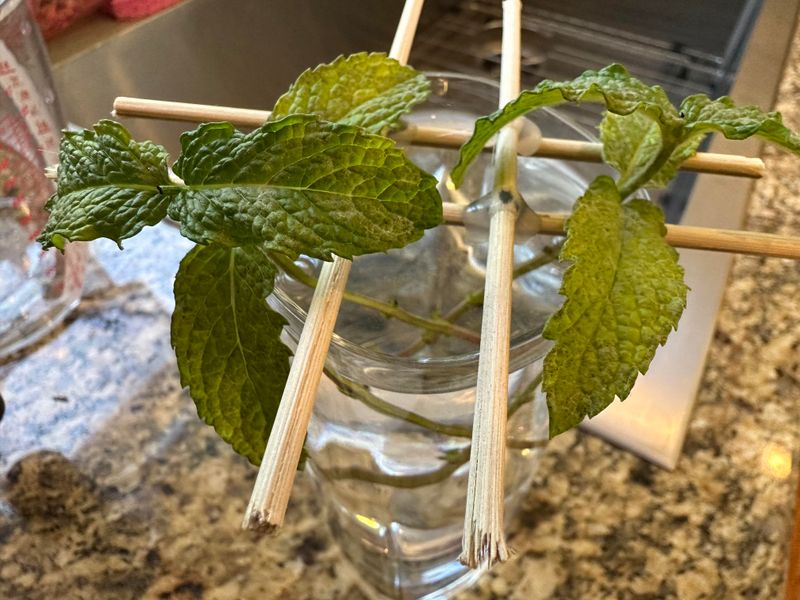
Mint is one of those plants that practically wants to be propagated. It grows eagerly, spreads enthusiastically, and roots so fast that it almost feels like cheating.
Beyond its usefulness in cooking, drinks, and home remedies, mint also looks fresh and lush in any California garden, patio, or kitchen windowsill.
Taking a cutting from mint is simple. Snip a stem about four to six inches long just below a leaf node.
Remove the lower leaves, leaving just a small cluster at the top. You can root mint in water or soil, and both methods work really well.
For the water method, place the cutting in a small jar of clean water and set it somewhere sunny. Roots usually appear within one to two weeks.
Once the roots reach an inch or two in length, the cutting is ready to be moved into a pot of moist potting soil.
One important tip: mint spreads aggressively once it gets going. Planting it in a container rather than directly in a garden bed helps keep it from taking over the space.
Across California, mint grows happily in pots on sunny porches, in raised beds, and even indoors near a bright window. It is a practical, beautiful, and incredibly easy plant to multiply at home.