Gorgeous Garden Bed Designs Arizona Landscapers Rely On
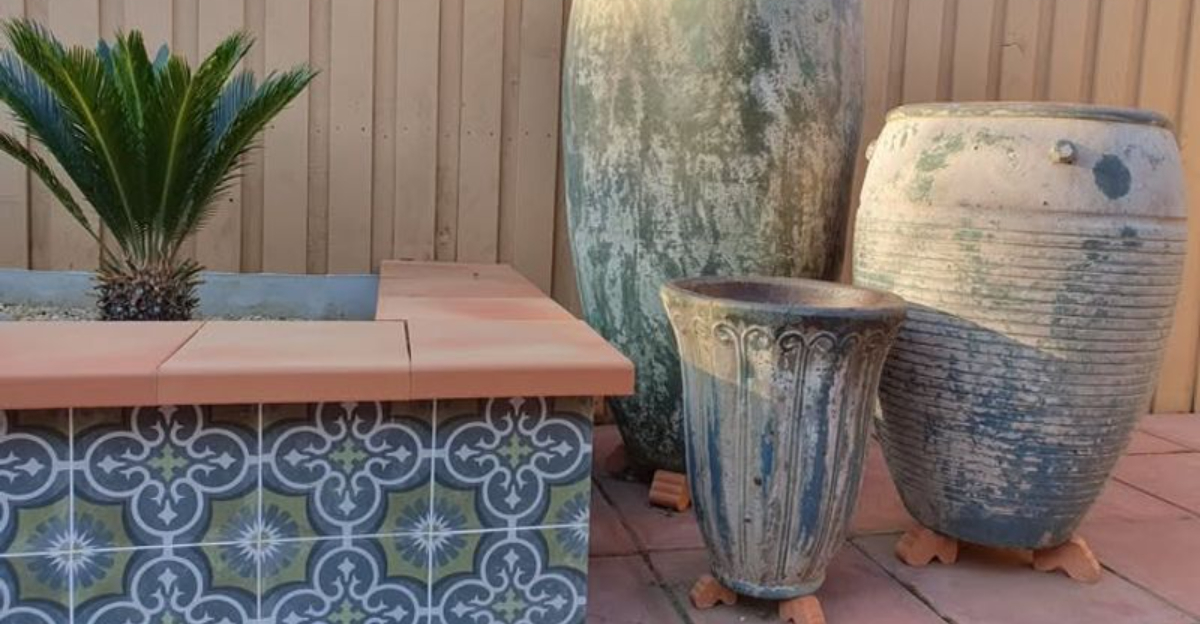
Arizona gardens shine when thoughtful bed designs work with the heat instead of fighting it, turning tough conditions into standout beauty.
There’s a certain magic in seeing layered textures, smart plant choices, and clean lines come together under that bright desert sun.
These garden beds aren’t just about looks, they’re built to stay practical, resilient, and striking through long, dry seasons.
If you love landscapes that feel intentional yet effortless, these are the designs that keep showing up in Arizona yards for a reason.
1. Raised Desert Rock Gardens
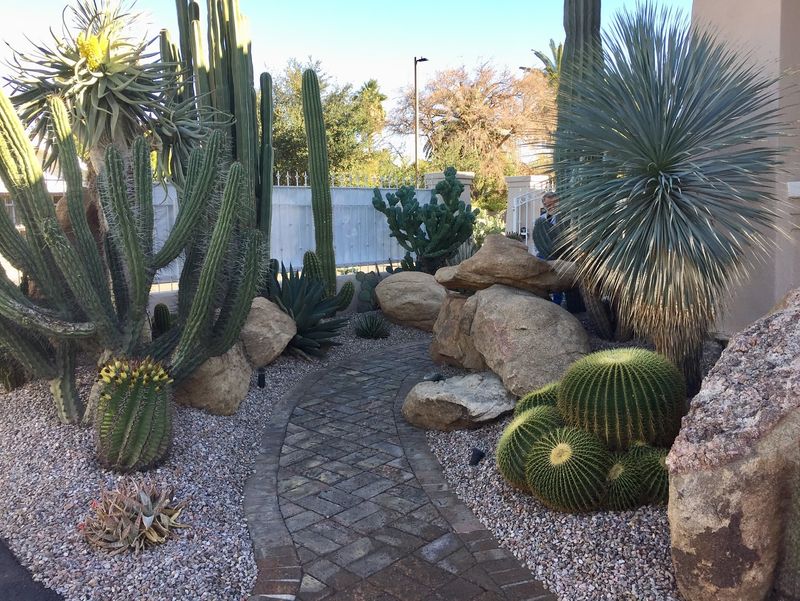
Building elevated planters with stacked stone creates dramatic focal points that showcase native plants while improving drainage in Arizona’s challenging clay soil.
Rocks retain heat during chilly desert nights, protecting tender roots from temperature drops that sometimes surprise gardeners in higher elevation communities.
Local landscapers often build these beds twelve to eighteen inches high, allowing roots to spread without hitting caliche layers below.
Red sandstone, tan flagstone, and gray granite complement desert surroundings while creating natural-looking borders that never need painting or replacing over time.
Homeowners appreciate how these structures separate garden zones from gravel yards, making yard maintenance simpler and more organized throughout every season.
Succulents, agave, and desert marigolds thrive in raised rock beds, requiring minimal water once established in Arizona’s arid climate conditions.
Professional installers recommend using larger boulders at corners for stability, ensuring beds withstand monsoon rains that occasionally pound the region during summer.
This design works beautifully in both front yards and backyard entertainment areas, adding texture and visual interest to otherwise flat landscapes.
2. Sunken Courtyard Planters
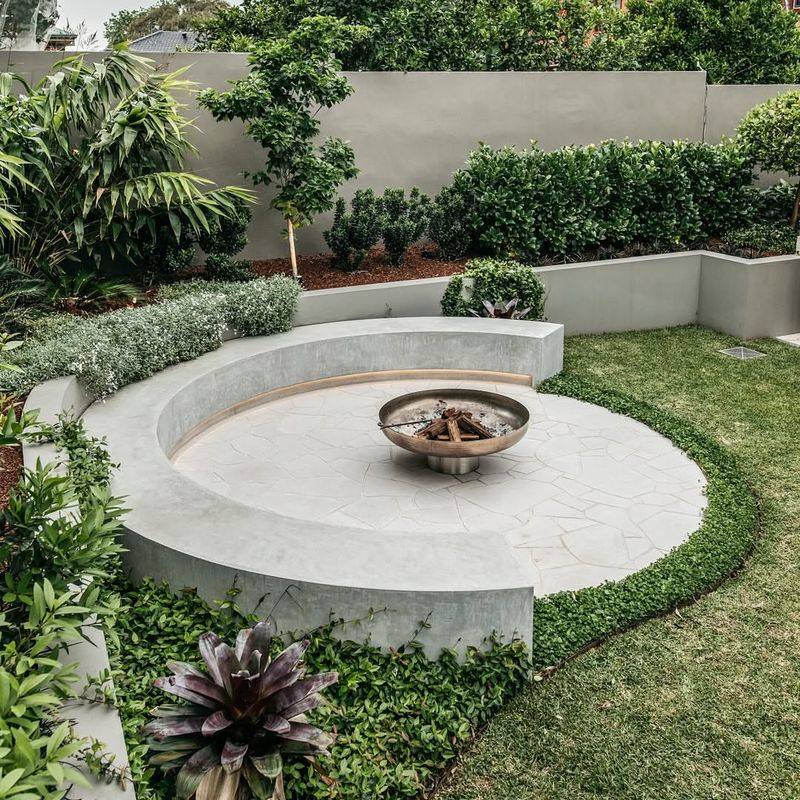
Lowering planting areas below ground level creates cool microclimates where delicate flowers and herbs can flourish despite Arizona’s scorching summer temperatures.
These recessed spaces trap morning dew and reduce wind exposure, helping moisture stay in soil longer than traditional ground-level beds ever could.
Landscapers in Phoenix and Tucson frequently install sunken beds near patios, transforming harsh outdoor spaces into comfortable gathering spots for families.
Surrounding walls provide afternoon shade, extending the growing season for vegetables like tomatoes and peppers that struggle in relentless midday Arizona sun.
Homeowners love how these designs create natural seating walls around planting zones, combining functionality with beauty in compact yard spaces available today.
Professional designers often include built-in irrigation lines within sunken beds, ensuring water reaches roots efficiently without wasteful runoff or evaporation losses.
Colorful petunias, snapdragons, and pansies thrive in these protected environments, bringing vibrant blooms to Arizona gardens during cooler months each year.
This style works exceptionally well in Spanish colonial and Mediterranean home designs, enhancing architectural character while solving practical desert gardening challenges.
3. Curved Flowing Bed Layouts
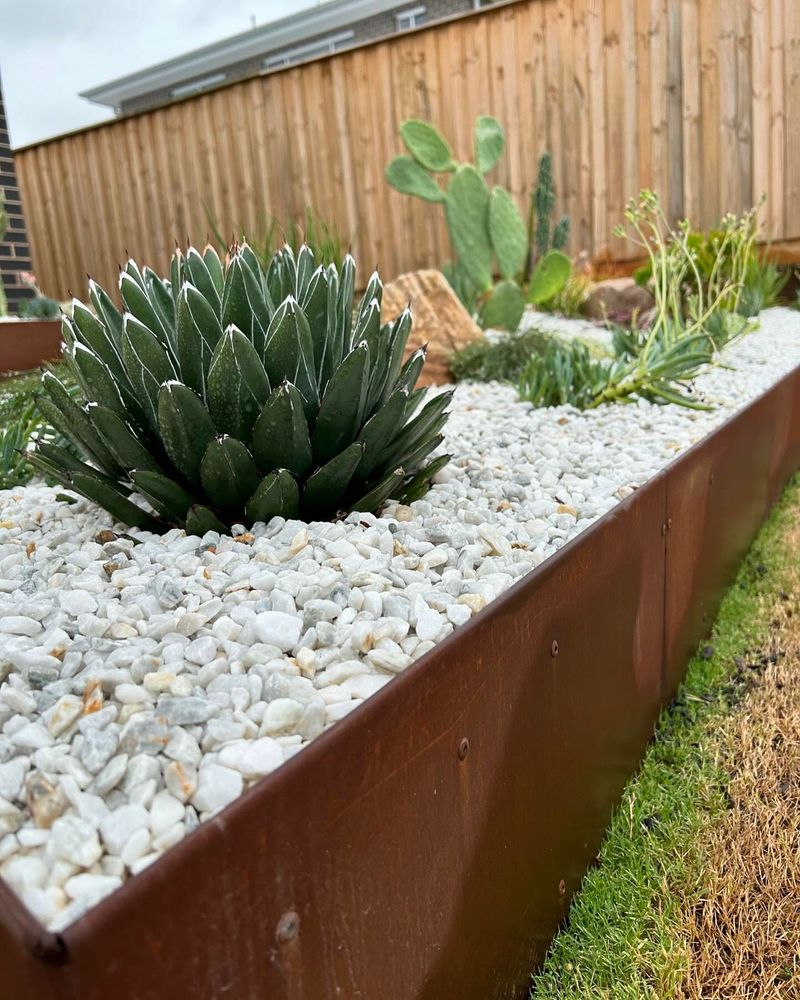
Soft, winding borders bring organic movement to Arizona yards, contrasting beautifully with angular home architecture and rigid property lines seen everywhere.
Landscapers create these flowing shapes using flexible metal edging or natural stone, guiding the eye through outdoor spaces in pleasing, relaxing patterns.
Curved beds feel more spacious than straight geometric designs, making smaller Arizona properties appear larger and more thoughtfully planned to visiting guests.
Professional installers follow natural terrain contours when possible, reducing grading work and creating beds that look like they’ve always belonged in the landscape.
Homeowners find curved layouts easier to mow around compared to sharp corners, saving time during weekly yard maintenance routines throughout the year.
Desert wildflowers, ornamental grasses, and flowering shrubs look spectacular when planted in sweeping drifts along these graceful, meandering border lines across yards.
Arizona landscape professionals often combine curves with dry creek beds, creating unified designs that manage rainwater while adding visual interest to properties.
This approach works wonderfully in both contemporary and traditional home settings, adapting easily to various architectural styles found throughout the state today.
4. Tiered Slope Gardens
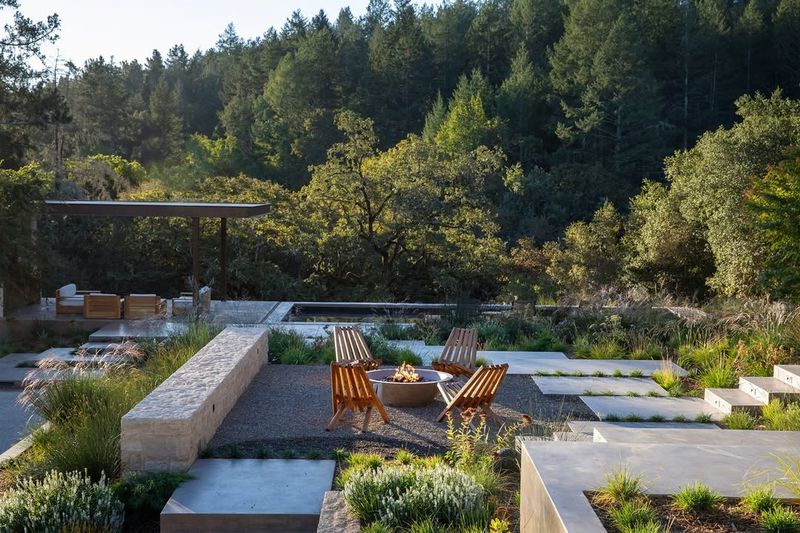
Transforming sloped yards into stepped planting terraces prevents erosion while creating multiple growing zones with different sun exposures across Arizona hillside properties.
Retaining walls built from stacked stone or timber hold soil in place during monsoon storms, protecting homes from mudslides and water damage.
Landscapers in Prescott and Flagstaff frequently recommend tiered designs for mountain properties where flat ground is scarce and slopes dominate the terrain.
Each level can host different plant types based on sun angle and drainage patterns, maximizing growing potential in challenging sloped yard spaces.
Homeowners appreciate how terracing creates natural pathways through gardens, making watering and maintenance accessible without dangerous climbing or awkward reaching on hillsides.
Professional designers often install drip irrigation on each tier, ensuring water doesn’t rush downhill before soaking into soil where plant roots need it.
Colorful ice plants, trailing rosemary, and cascading lantana spill beautifully over terrace edges, softening hard retaining wall lines with flowing greenery and blooms.
This design solves practical problems while adding dimension to Arizona landscapes, turning problematic slopes into stunning focal points that enhance property values significantly.
5. Geometric Modern Planters
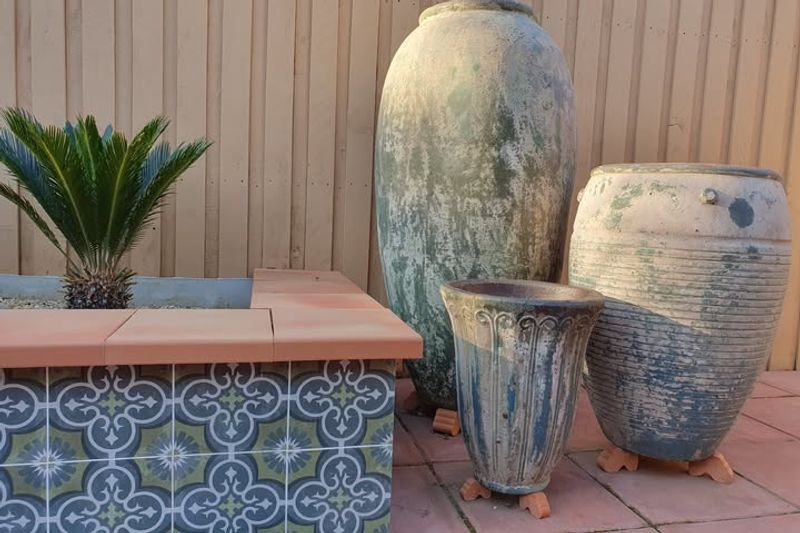
Sharp-edged rectangular and square beds complement contemporary Arizona homes, creating clean lines that echo modern architectural elements found in newer developments.
Metal, composite lumber, or poured concrete borders define these crisp spaces, offering durability that withstands intense desert sun without warping or fading.
Landscapers across Scottsdale and Tempe favor geometric layouts for minimalist designs, where simplicity and order create sophisticated outdoor living environments for homeowners.
Repeating identical bed sizes in grid patterns establishes rhythm and balance, making even small yards feel organized, intentional, and professionally designed.
Homeowners find geometric beds easier to plan and plant, with straight rows simplifying spacing calculations and making crop rotation straightforward for vegetable gardens.
Professional installers often elevate these planters to comfortable working heights, reducing back strain and making gardening accessible for people with mobility concerns.
Architectural plants like yucca, agave, and ornamental grasses emphasize geometric shapes, creating bold statements that look striking against Arizona’s expansive blue skies.
This style pairs perfectly with gravel yards and concrete patios, unifying hardscape and softscape elements into cohesive, polished landscape designs throughout the state.
6. Circular Island Beds
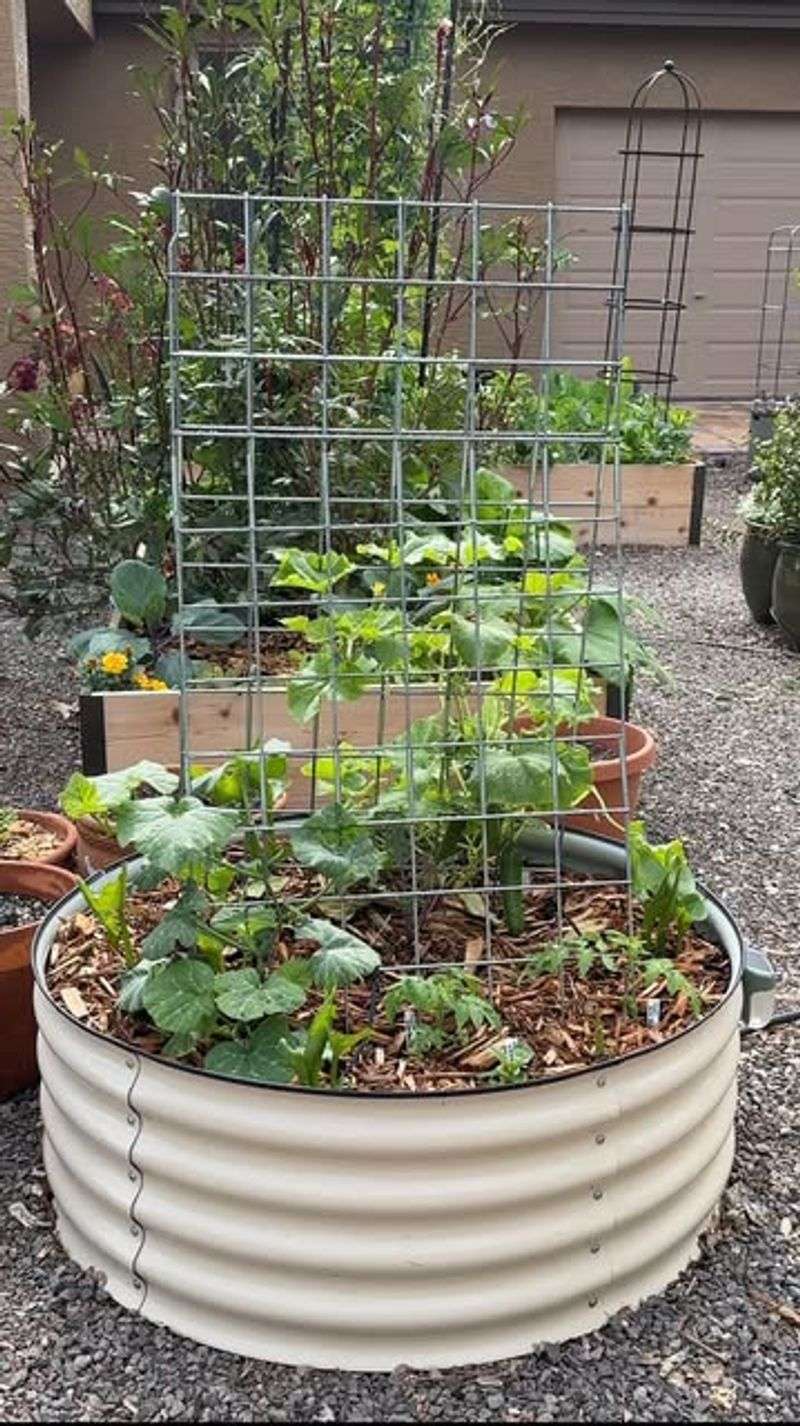
Round planting zones positioned in open yard spaces create eye-catching focal points that draw attention and break up monotonous expanses of gravel.
Landscapers design these islands with tallest plants at center and shorter varieties radiating outward, ensuring every angle offers attractive views across Arizona properties.
Circular beds soften harsh desert landscapes, introducing gentle curves that contrast with straight sidewalks, driveways, and fence lines dominating most residential lots today.
Homeowners love how these standalone gardens can showcase seasonal color, allowing easy replanting without disturbing permanent landscape features elsewhere in the yard.
Professional designers often position circular beds where multiple sightlines converge, maximizing visual impact from windows, patios, and entry gates around Arizona homes.
Decorative rock mulch surrounds these islands, creating maintenance-free transitions between planted areas and surrounding gravel yards that stay neat year-round without weeding.
Desert marigolds, red yucca, and purple trailing lantana create stunning color combinations in circular arrangements, blooming reliably despite challenging Arizona growing conditions.
This versatile design works in both front and back yards, adapting easily to available space while adding dimension to otherwise flat landscapes.
7. Border Foundation Plantings
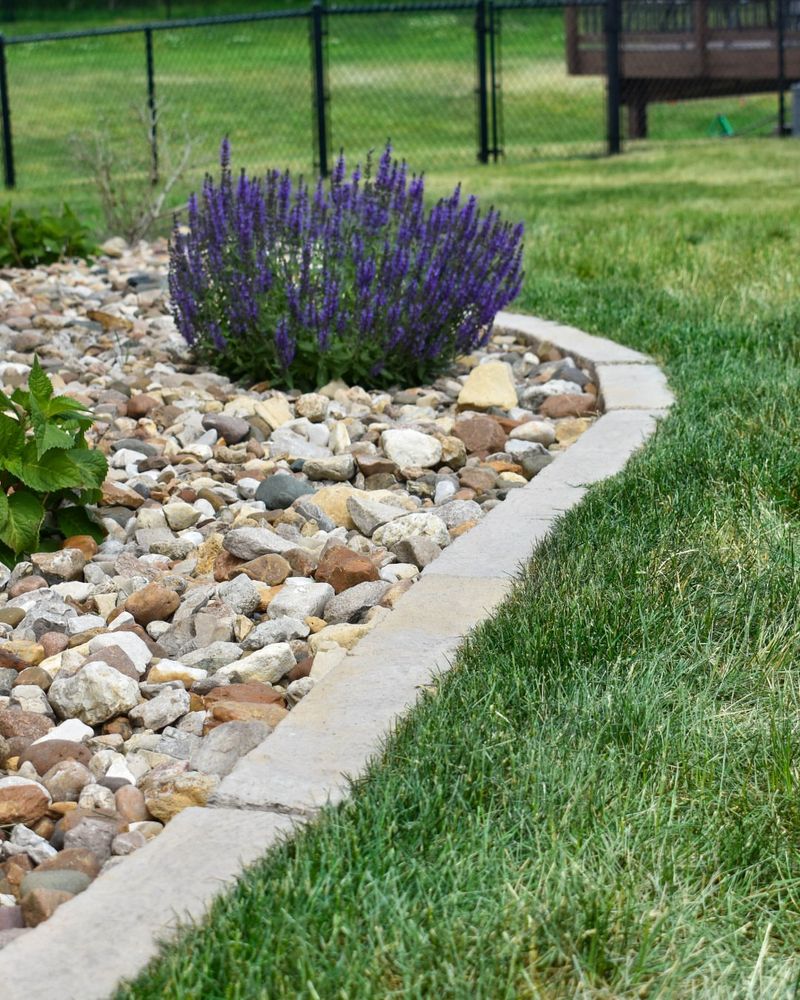
Narrow beds running along home foundations soften building edges while protecting walls from soil splash and moisture damage during Arizona’s intense monsoon seasons.
Landscapers typically keep these plantings eighteen to twenty-four inches wide, providing adequate root space without encroaching on walkways or outdoor living areas.
Strategic plant selection near foundations helps shade walls, reducing heat absorption that drives up cooling costs during brutal Arizona summer months each year.
Homeowners appreciate how foundation beds create smooth visual transitions between structures and yards, making homes appear grounded and connected to surrounding landscapes.
Professional installers ensure proper drainage slopes away from buildings, preventing water from pooling near foundations where it could cause expensive structural problems.
Drought-tolerant shrubs like Texas sage, desert spoon, and fairy duster thrive in these narrow spaces, requiring minimal pruning while providing year-round interest.
Adding decorative rock mulch in foundation beds reduces maintenance time, eliminates weed problems, and creates clean finished appearances that boost curb appeal significantly.
This practical design works beautifully on all home styles throughout Arizona, solving functional problems while enhancing exterior beauty with relatively simple, affordable installations.
8. Xeriscape Gravel Gardens
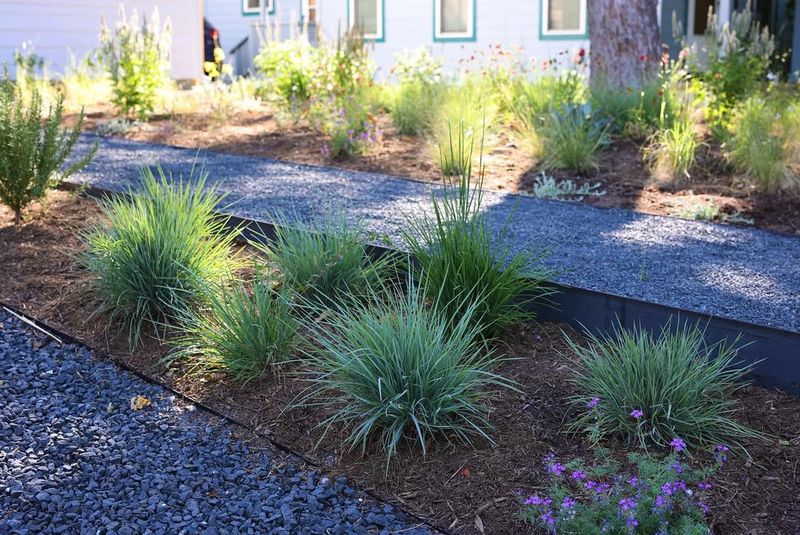
Combining plants with decorative gravel creates stunning water-wise gardens that reflect Arizona’s natural desert beauty while dramatically reducing irrigation needs and costs.
Landscapers select gravel colors that complement home exteriors, using earth tones that unify outdoor spaces and create cohesive designs across entire properties.
Varied rock sizes add texture and visual interest, with larger stones anchoring corners and smaller pebbles filling spaces between plants in attractive patterns.
Homeowners across Arizona embrace xeriscape designs for their low maintenance requirements, needing only occasional weeding and minimal watering once plants establish strong roots.
Professional designers group plants with similar water needs together, ensuring efficient irrigation that doesn’t waste precious resources in desert communities facing ongoing shortages.
Colorful succulents, silver-leafed artemisia, and golden barrel cactus create stunning contrasts against neutral gravel backgrounds, proving water-wise gardens can be absolutely gorgeous.
This approach aligns with Arizona water conservation regulations, helping homeowners meet municipal requirements while maintaining beautiful outdoor spaces that enhance property values consistently.
Xeriscape beds work perfectly in both front and back yards, adapting to any size space while delivering striking visual impact with minimal ongoing effort.
9. Shaded Oasis Beds
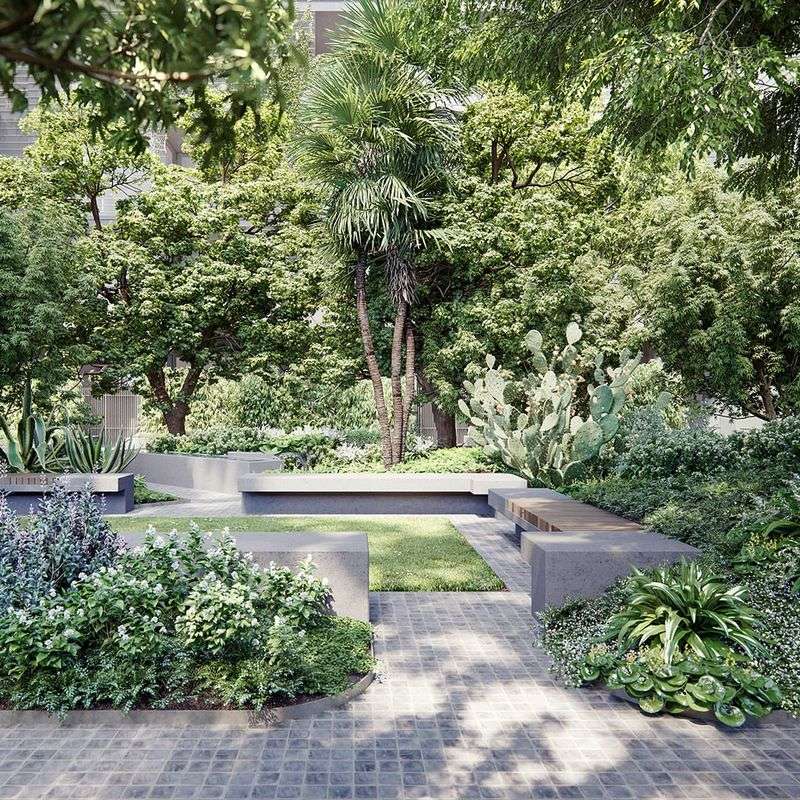
Creating planting zones beneath existing trees allows homeowners to grow shade-loving species that would otherwise struggle in Arizona’s relentless desert sunshine year-round.
Landscapers carefully select plants that tolerate dry shade, since tree roots often consume available moisture before smaller plants can access needed water.
These beds extend usable garden space into areas that might otherwise remain bare, maximizing every square foot of valuable Arizona residential property for beauty.
Homeowners appreciate cooler microclimates under trees, making shaded beds perfect spots for tender herbs and flowers that wilt in exposed sunny locations elsewhere.
Professional installers add organic compost to improve soil quality in shaded zones, helping plants compete with established tree roots for available nutrients and moisture.
Hostas, ferns, and coral bells bring lush greenery to shaded Arizona gardens, creating surprising tropical feels that contrast beautifully with surrounding desert landscapes.
Mulching shaded beds with organic materials helps retain moisture while slowly improving soil structure, benefiting both new plantings and existing trees over time.
This design works wonderfully in mature neighborhoods across Arizona, where established trees provide natural opportunities for creating diverse, multi-layered landscape environments homeowners truly enjoy.