9 Gorgeous Hydrangea Alternatives You Can Grow Easily In Georgia
Hydrangeas get all the attention in Georgia, but they are not the only plants that can deliver that full, showy look. Many gardeners chase blooms that never quite behave the way they expect.
Georgia gardens offer far more options than most people realize. Several flowering plants handle heat, soil, and seasonal shifts far better while still giving that lush, eye-catching effect.
These plants settle faster, keep their shape longer, and avoid the common issues that make hydrangeas frustrating for many yards. Once established, they tend to stay consistent instead of demanding constant fixes.
Choosing alternatives is not about giving something up. It is about finding plants that match Georgia conditions and still bring strong color and structure.
The right picks make the garden feel reliable, balanced, and easier to enjoy through the season.
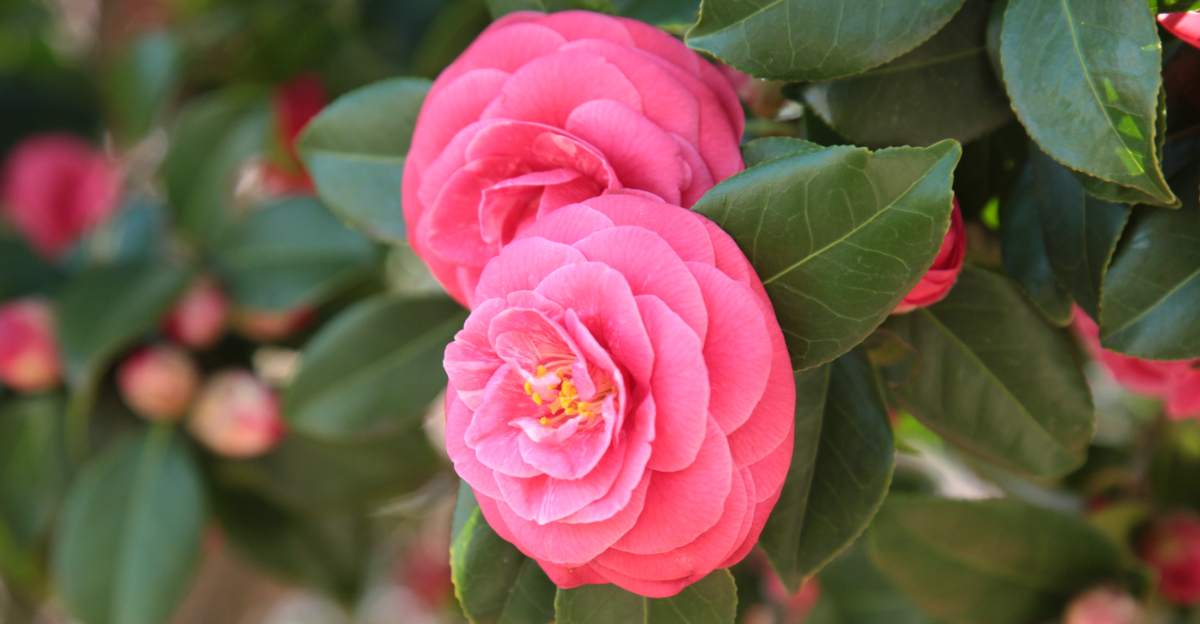
1. Evergreen Blooms And Glossy Leaves Make Camellias Stand Out
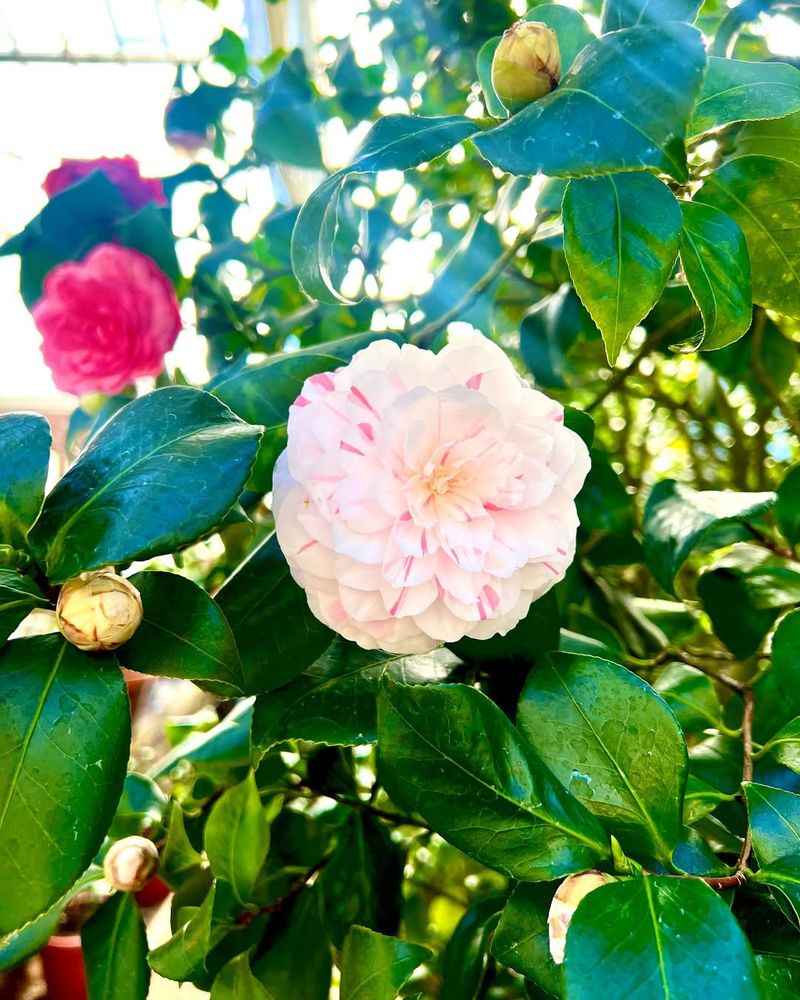
Camellias bring something special to Georgia landscapes that most flowering shrubs can’t match. While other plants go dormant in winter, these evergreen beauties produce stunning blooms from late fall through early spring, filling the coldest months with color.
Their glossy, dark green foliage looks polished year-round, creating a sophisticated backdrop even when flowers aren’t present.
Georgia’s climate suits camellias perfectly, especially in zones 7b through 8b where most varieties flourish without special care. They prefer the same acidic soil that hydrangeas love, making them an easy swap in existing beds.
The partial shade under pine trees or on the north side of your home creates ideal growing conditions.
Flower forms range from simple singles to elaborate doubles that look almost like roses. Colors span white, pink, red, and even variegated combinations, giving you plenty of design options.
Sasanqua varieties bloom earlier in fall and tolerate more sun, while japonicas produce larger flowers in late winter and early spring.
Established camellias need minimal maintenance beyond occasional pruning to shape and regular watering during dry spells. A layer of pine straw mulch keeps roots cool and maintains soil acidity.
In Georgia gardens, these shrubs can grow quite large over time, eventually reaching eight to twelve feet tall and wide, creating substantial presence in your landscape.
2. Long Bloom Seasons Keep Color Going With Abelia
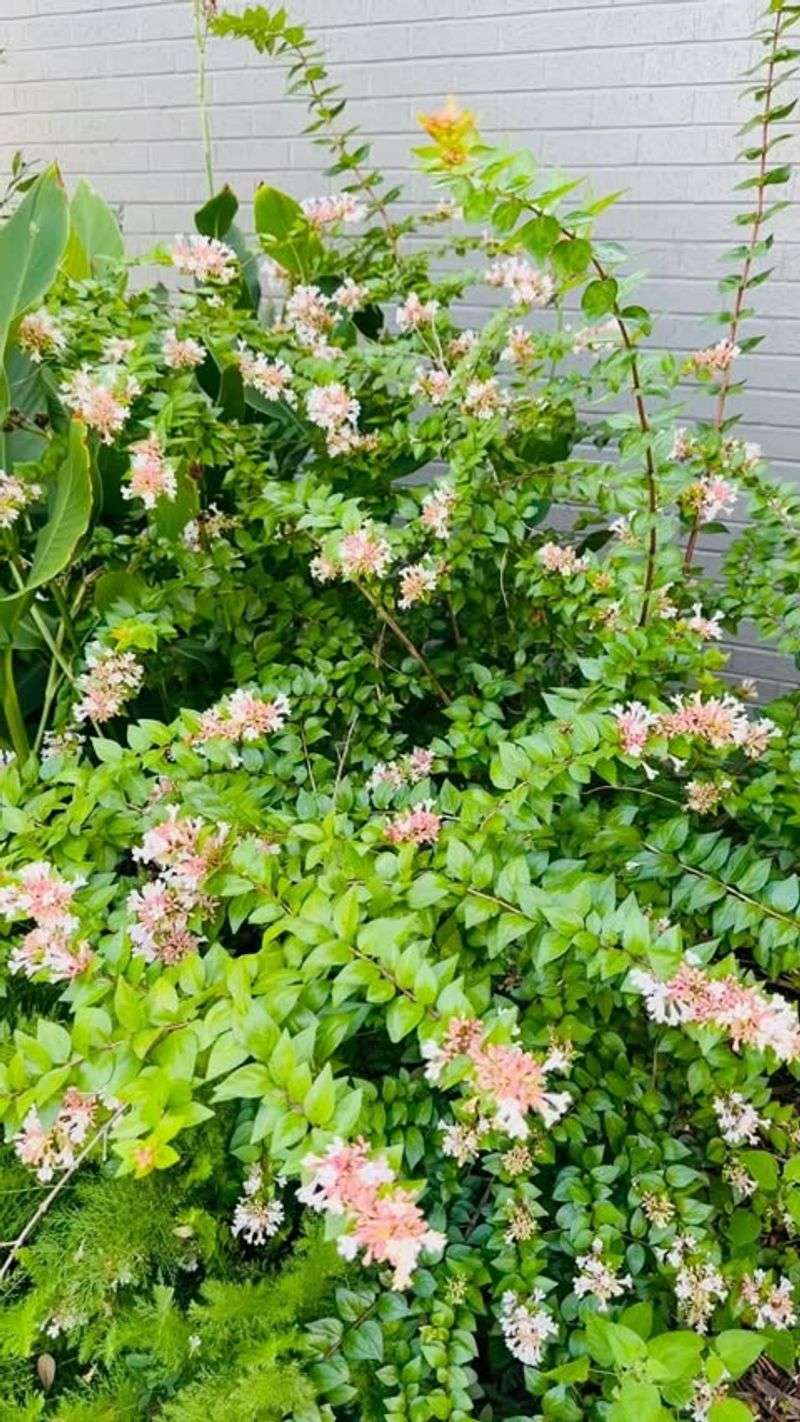
Abelia earns its place in Georgia gardens through sheer persistence. From late spring through the first frost, this adaptable shrub produces waves of small, tubular flowers that keep the color coming when many other plants take a break.
The blooms attract hummingbirds and butterflies throughout the growing season, adding movement and life to your yard.
The glossy, semi-evergreen foliage provides year-round structure, turning attractive bronze-purple shades when cold weather arrives. This color shift adds unexpected interest during Georgia’s mild winters, when the leaves often persist rather than dropping completely.
New growth emerges with a reddish tint in spring, creating another seasonal highlight.
Heat and humidity don’t faze abelia at all. It handles Georgia summers without wilting or burning, even in locations that get afternoon sun.
The arching, fountain-like growth habit softens harsh landscape lines and works well for foundation plantings or mixed borders.
Modern compact varieties like ‘Kaleidoscope’ and ‘Rose Creek’ stay smaller than older types, fitting neatly into tighter spaces without constant pruning. These selections typically reach three to four feet tall and wide, making them manageable for most residential landscapes.
Abelia adapts to various soil types as long as drainage is decent, and established plants tolerate short dry periods better than hydrangeas. A light pruning in early spring keeps the shape tidy and encourages fresh flowering wood.
3. Fragrance And Structure Come Together In Gardenias
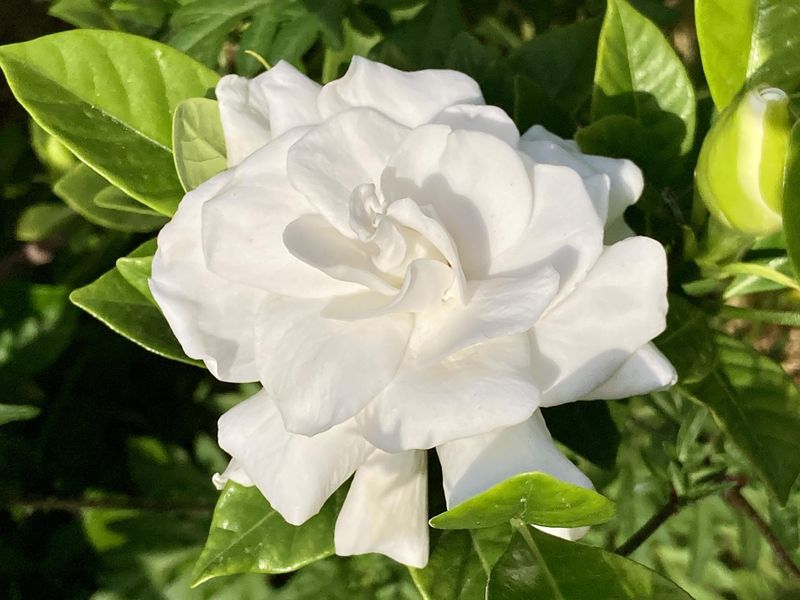
Few plants can match the intoxicating perfume that gardenias release on warm Georgia evenings. That signature fragrance alone makes them worth growing, but these evergreen shrubs also deliver elegant white blooms and lustrous foliage that elevate any landscape.
The flowers emerge creamy white and age to soft ivory, creating a romantic display from late spring into summer.
Georgia gardeners in the southern and coastal regions have the easiest time with gardenias, though many varieties perform well into the middle part of the state. They demand acidic soil and consistent moisture, similar to hydrangeas but even more particular about their conditions.
When sited correctly with afternoon shade and protection from harsh winter winds, gardenias become reliable performers.
The glossy, dark green leaves provide a formal appearance that works beautifully near entryways or along walkways where the fragrance can be appreciated up close. Compact varieties like ‘Jubilation’ and ‘Heaven Scent’ fit into foundation beds without overwhelming smaller homes, while larger selections can anchor corner plantings.
Gardenias do ask for attention. They benefit from regular feeding with acid-forming fertilizer and need protection when temperatures drop below fifteen degrees.
Mulching heavily around the root zone helps insulate against Georgia’s occasional cold snaps. Despite these requirements, devoted gardenia fans find the stunning blooms and unforgettable scent worth the extra effort, especially when warm breezes carry that perfume through open windows on spring nights.
4. Soft Spring Color Arrives Reliably With Azaleas
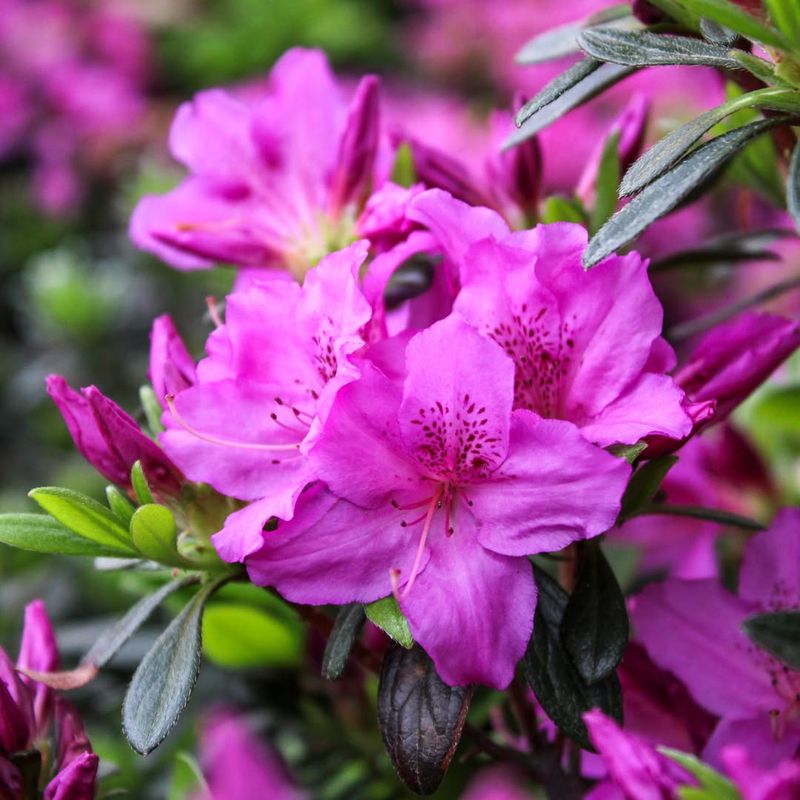
Spring in Georgia wouldn’t feel complete without azaleas painting the landscape in brilliant pinks, purples, whites, and reds. These reliable bloomers have been southern garden staples for generations, and for good reason.
When they burst into flower, usually from March through May depending on variety, they create an explosion of color that few plants can rival.
The same acidic soil and partial shade that suits hydrangeas works perfectly for azaleas, making them natural companions or substitutes in your landscape design. Georgia’s native azaleas offer a more natural, woodland appearance with their loose growth habit, while evergreen Asian varieties provide denser, more formal shapes that hold their foliage year-round.
Size options range from dwarf varieties that stay under three feet to large specimens that can reach eight feet or more. This versatility lets you use azaleas in foundation plantings, as hedges, or as specimen plants depending on the variety you choose.
Encore azaleas add a bonus feature with repeat blooming in fall, extending the color show beyond the typical spring display.
Established azaleas need minimal care in Georgia. A layer of pine bark or pine straw mulch keeps roots cool and maintains the acidic conditions they prefer.
Pruning right after spring flowering allows you to shape plants without sacrificing next year’s blooms. During dry spells, deep watering helps, but mature plants show good drought tolerance once their root systems develop fully.
5. Loose Flower Clusters Add Charm Through Rose Of Sharon
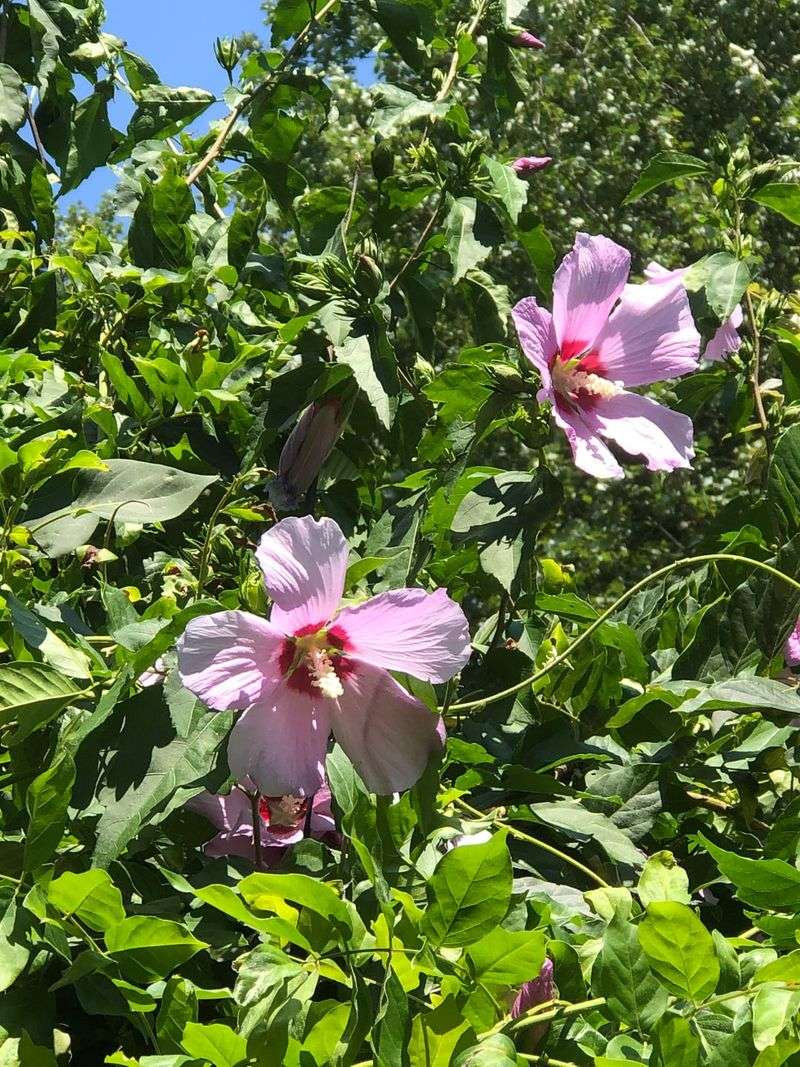
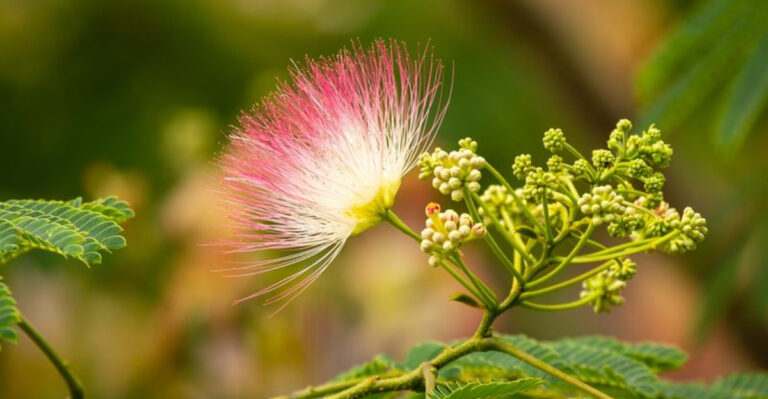
Rose of Sharon brings a different energy to Georgia landscapes with its upright growth and tropical-looking blooms. The large, hibiscus-like flowers open from mid-summer through fall, providing color during the hottest months when many shrubs take a rest.
Each bloom lasts only a day, but plants produce so many buds that fresh flowers keep appearing for weeks on end.
This tough shrub handles Georgia’s brutal summer heat without complaint. Full sun doesn’t faze it, and once established, it powers through dry periods that would stress more delicate plants.
The vase-shaped growth habit creates a vertical accent that contrasts nicely with mounding shrubs like hydrangeas or abelia.
Flower colors include white, pink, purple, red, and bicolors, often with contrasting centers that add extra visual interest. Modern varieties like ‘Lil’ Kim’ and ‘Minerva’ offer larger blooms and more compact growth than older selections, making them better choices for residential landscapes where space is limited.
Rose of Sharon drops its leaves in winter, revealing an attractive branching structure. Some gardeners appreciate this deciduous nature because it allows more sunlight to reach spring bulbs planted underneath.
The plant can self-seed enthusiastically in Georgia gardens, so choosing sterile varieties or deadheading spent blooms prevents unwanted seedlings. Light pruning in late winter shapes the plant and encourages bushier growth.
In Georgia’s climate, these shrubs typically reach eight to ten feet tall and four to six feet wide at maturity.
6. Heat And Humidity Are No Problem For Loropetalum
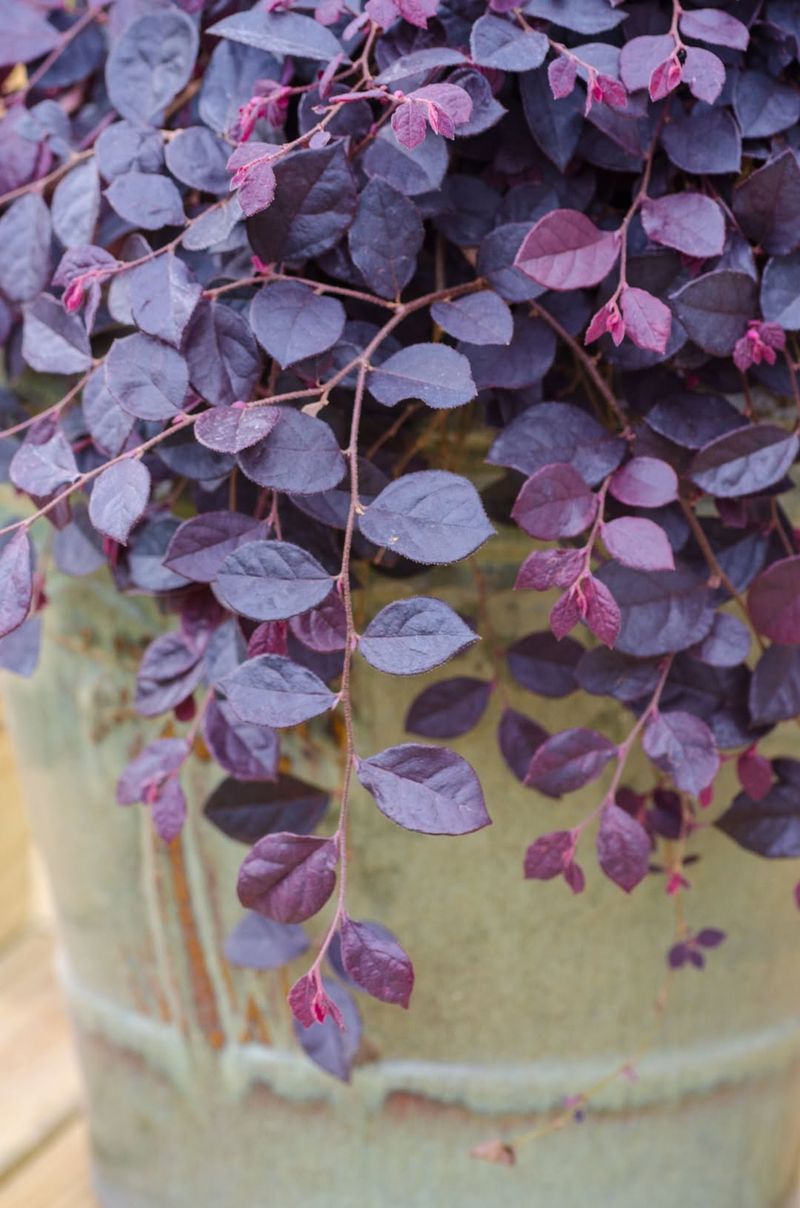
Loropetalum has become wildly popular in Georgia landscapes over the past two decades, and one look at the burgundy-purple foliage explains why. The colorful leaves create dramatic contrast against green plants, while the unusual fringe-like flowers add textural interest in spring.
Pink blooms against purple foliage make a stunning combination that catches every eye.
Georgia’s warm, humid climate suits loropetalum perfectly. These shrubs thrive in our heat and handle both sun and partial shade, though the deepest foliage color develops with more sunlight.
They grow vigorously here, quickly filling in spaces and creating privacy screens or colorful hedges.
Size varies dramatically by variety. Compact selections like ‘Purple Pixie’ stay under three feet tall, working well as groundcovers or edging plants.
Mid-sized varieties reach four to six feet, fitting nicely into foundation beds. Large forms can grow ten feet or more, creating substantial screening or background plantings.
This range of sizes gives you options for almost any landscape need.
The main flowering happens in early spring, but loropetalum often sends out scattered blooms throughout the growing season, especially after pruning. The evergreen foliage provides year-round color, intensifying during cooler weather when burgundy tones deepen.
These shrubs adapt to various soil types and tolerate short dry periods once established. Pruning can be done anytime, but late winter shaping before spring growth begins gives the cleanest results.
In Georgia, loropetalum grows quickly, so plan for their mature size when planting.
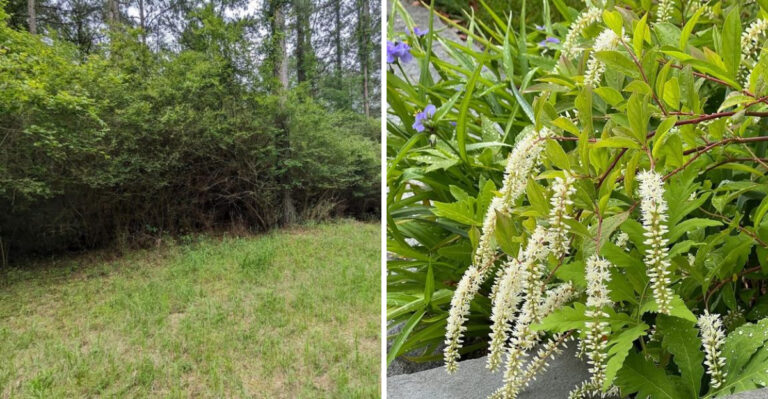
7. Summer Flowers Thrive Naturally With Clethra
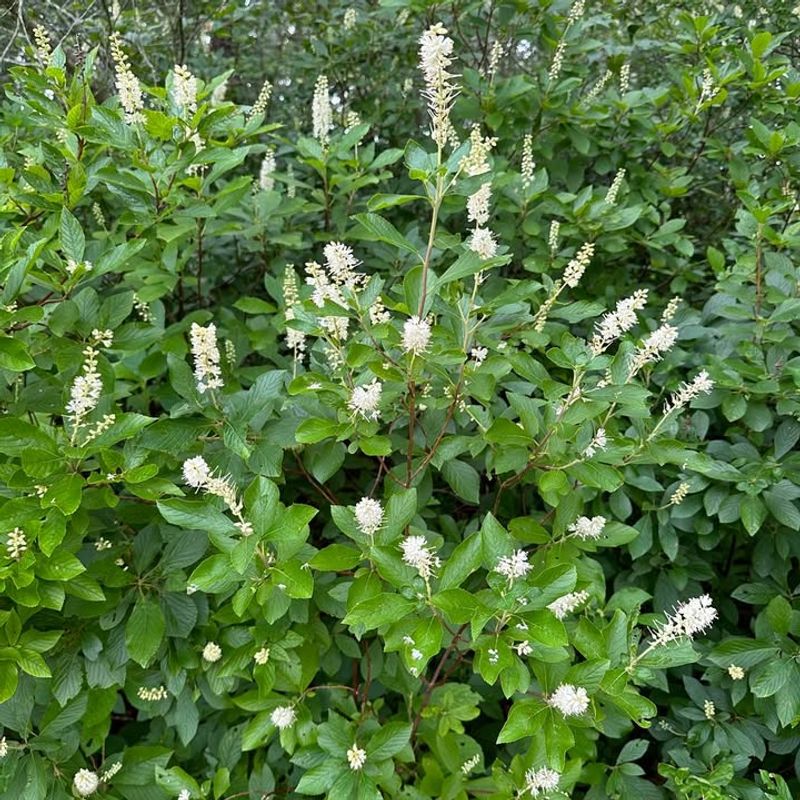
Clethra, commonly called summersweet, solves a tricky problem for Georgia gardeners who need flowering shrubs for shady, moist areas. While most flowering plants demand sun, this native shrub actually prefers shade and produces abundant blooms in conditions that leave other plants struggling.
The fragrant white or pink flower spikes appear in mid to late summer, filling the air with a sweet, spicy scent that attracts butterflies and bees.
Georgia’s native clethra species grows wild in wetland areas throughout the state, proving its adaptation to our climate. It handles wet soil better than almost any other flowering shrub, making it perfect for low spots, rain garden edges, or areas near downspouts where water collects.
The tolerance for moisture doesn’t mean it requires soggy conditions, though. Clethra adapts to average garden soil as long as it doesn’t dry out completely.
The upright, somewhat open growth habit creates an informal appearance that suits naturalistic landscapes and woodland gardens. Foliage emerges bright green in spring and often turns attractive golden-yellow in fall before dropping.
Plants typically reach four to eight feet tall with a slightly narrower spread.
Clethra needs virtually no maintenance in Georgia gardens. It doesn’t require pruning unless you want to control size or remove old stems.
The plant spreads slowly by suckers, gradually forming colonies that create nice drifts in informal settings. For gardeners seeking low-maintenance natives that support local wildlife, summersweet delivers beauty and ecological value without demanding constant attention.
8. Full Shrub Form Brings Presence Using Viburnum
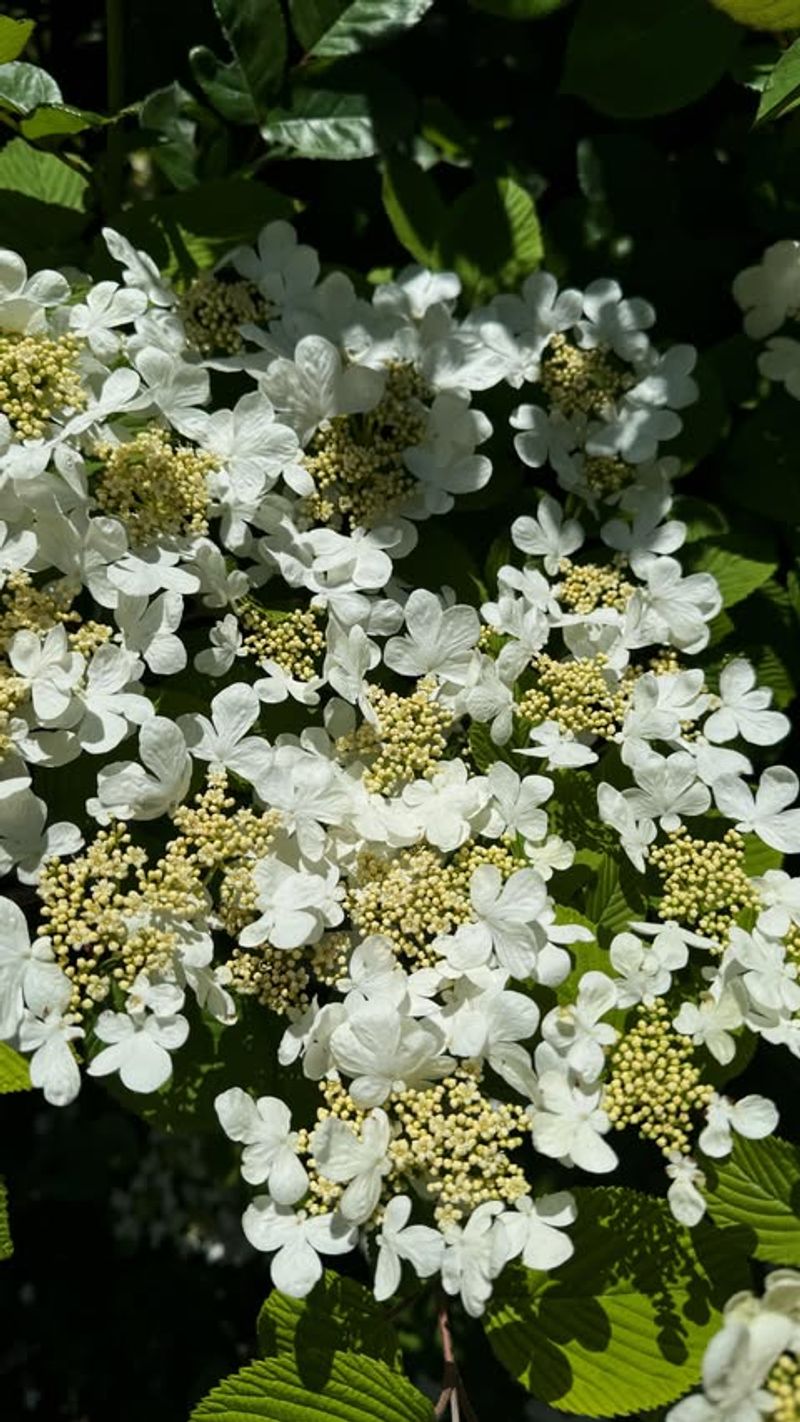
Viburnums offer Georgia gardeners remarkable variety, with dozens of species and cultivars that perform beautifully in our climate. These versatile shrubs range from compact evergreens to large deciduous types, but most share common traits: clusters of white or pink flowers, attractive foliage, and colorful berries that birds love.
The spring flower display rivals hydrangeas for impact, while the multi-season interest extends the show.
Several viburnums excel in Georgia landscapes. Awabuki viburnum creates dense evergreen screens with glossy leaves and fragrant spring flowers, thriving in both sun and partial shade.
Doublefile viburnum offers a more refined appearance with horizontal branching that displays flat-topped flower clusters like layers of lace. Burkwood viburnum combines fragrance, spring flowers, and semi-evergreen foliage that turns burgundy in winter.
Most viburnums adapt to Georgia’s clay soils as long as drainage is reasonable. They handle heat and humidity well, though some appreciate afternoon shade during the hottest months.
Once established, these shrubs show good drought tolerance, needing supplemental water only during extended dry spells.
The berry display that follows flowering attracts cedar waxwings, robins, and other birds to your garden. Berries typically start out red or yellow before ripening to black or blue, creating changing color through late summer and fall.
In Georgia, depending on variety, these shrubs range from four feet to over fifteen feet tall, so choosing the right type for your space matters.
9. Seasonal Interest Stays Strong With Crapemyrtle Shrub Forms
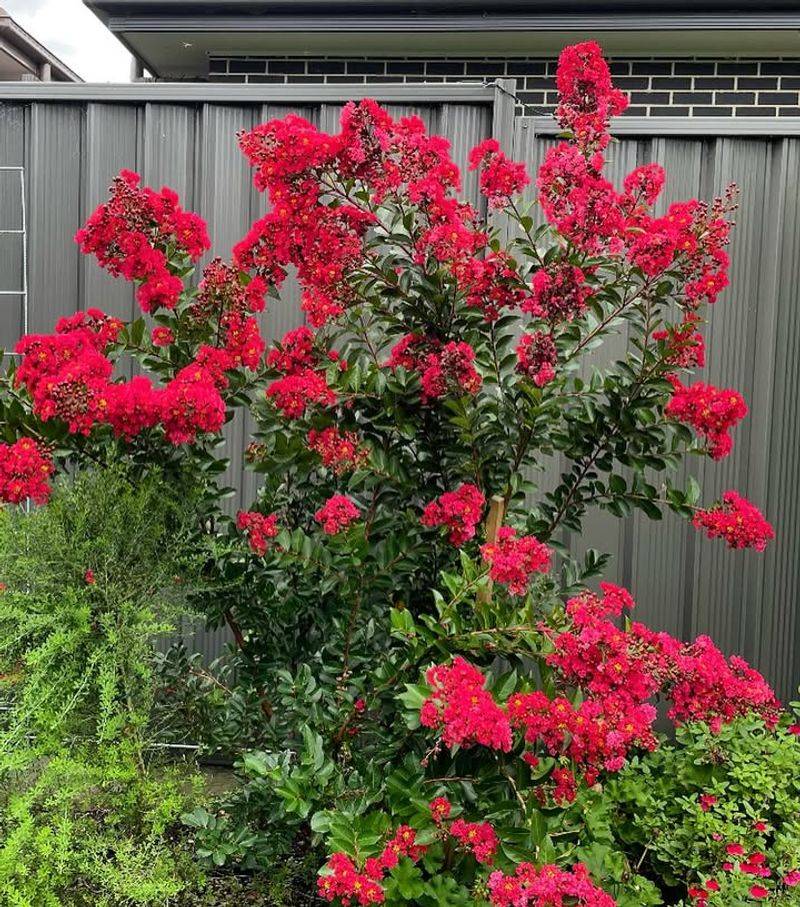
Most people think of crapemyrtles as trees, but dwarf and semi-dwarf varieties work beautifully as flowering shrubs in Georgia landscapes. These compact forms deliver the same spectacular summer blooms, attractive bark, and fall color as their larger cousins while staying small enough for foundation plantings and mixed borders.
The long flowering season from June through September provides months of color when many other shrubs have finished blooming.
Georgia’s climate is practically perfect for crapemyrtles. They love our heat, handle humidity without disease problems when properly sited, and tolerate drought once established.
Full sun brings out the best flowering and fall color, though they’ll bloom reasonably well with six hours of direct light.
Dwarf varieties like ‘Pocomoke’, ‘Chickasaw’, and ‘Delta Blush’ stay under four feet tall, making them manageable alternatives to larger shrubs. The flower colors range from pure white through various pinks, reds, and purples, letting you coordinate with your existing landscape palette.
Blooms appear in large, showy clusters that create bold color statements.
The exfoliating bark provides winter interest that hydrangeas can’t match, revealing smooth, mottled trunks in shades of gray, tan, and cinnamon. Fall foliage turns brilliant shades of orange, red, and yellow before dropping, adding another seasonal highlight.
Crapemyrtles need minimal care in Georgia beyond occasional pruning to remove spent flower clusters and shape the plant. Avoid heavy pruning, which ruins the natural form and delays flowering.
These tough shrubs resist pests and diseases, making them genuinely low-maintenance choices for busy gardeners.