15 Gorgeous Low Maintenance Garden Ideas That Practically Grow Themselves In California
California gardeners are embracing a refreshing idea: beautiful gardens that don’t demand constant attention.
With water concerns, busy schedules, and shifting climates, low-maintenance design isn’t a trend—it’s a necessity.
These garden ideas rely on smart plant choices, efficient layouts, and natural rhythms rather than endless upkeep.
Native and drought-tolerant plants anchor the landscape, while mulch, grouping, and thoughtful spacing do the heavy lifting behind the scenes.
The result is a garden that looks intentional without feeling fussy.
California’s varied climates make it possible to create stunning outdoor spaces that thrive with minimal intervention.
Once established, these gardens practically take care of themselves, freeing homeowners to enjoy their yards instead of constantly managing them.
Beauty doesn’t have to be high effort—and these ideas prove it.
1. Native Drought-Tolerant Plant Beds
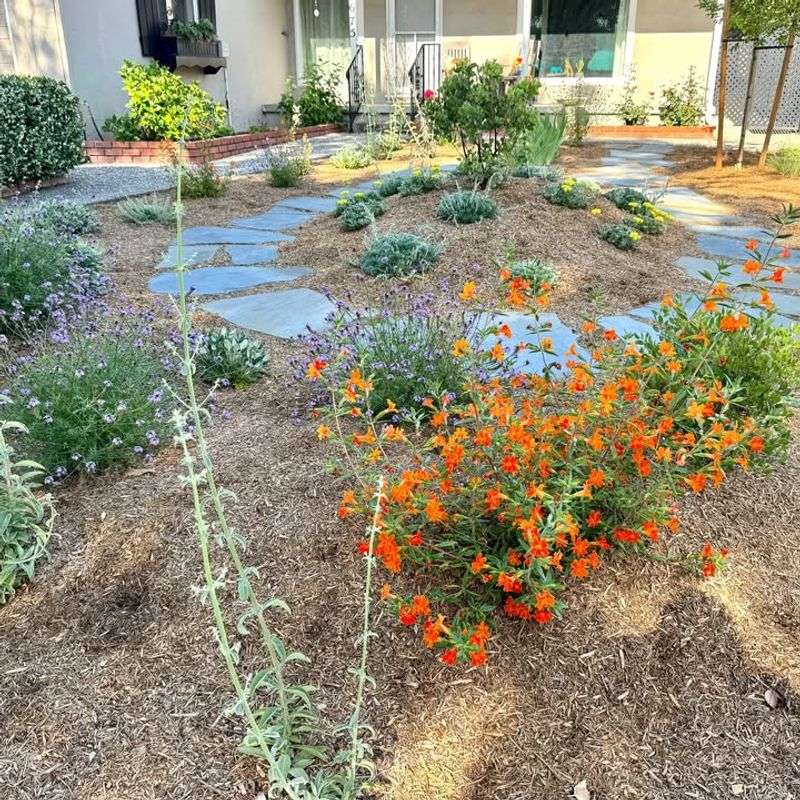
California native plants have spent thousands of years adapting to the state’s unique rainfall patterns and soil conditions.
Once these plants establish their root systems in your garden, they become incredibly self-sufficient.
You won’t need to worry about frequent watering schedules or expensive fertilizers because these plants evolved to thrive on what nature provides.
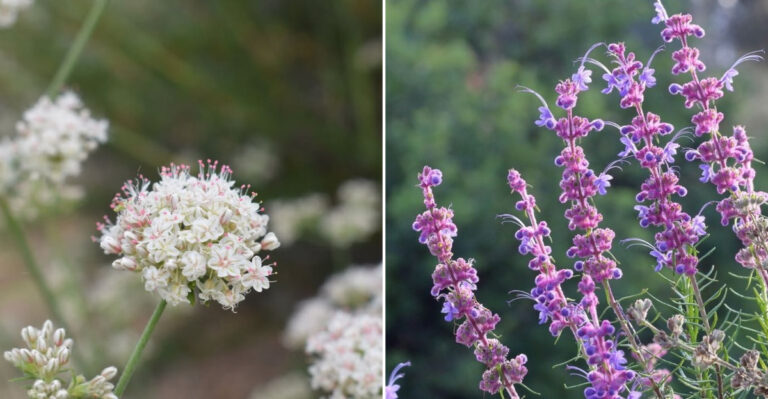
Species like California sagebrush, buckwheat, and manzanita offer stunning visual appeal while requiring almost no intervention from you.
Their deep root systems allow them to access moisture far below the surface during dry months.
This means your water bills stay low, and you spend less time dragging hoses around your yard.
The beauty of native plant beds extends beyond convenience.
These gardens support local wildlife, including beneficial insects, birds, and butterflies that evolved alongside these plants.
You’ll notice your garden becoming a thriving ecosystem rather than just a decorative space.
Installation requires some initial effort, but the long-term payoff is remarkable.
After the first growing season, most native plants need only occasional deep watering during extended dry spells.
Pruning requirements are minimal, and many natives actually perform better without heavy fertilization.
This approach gives you a gorgeous, environmentally responsible garden that practically takes care of itself.
2. Gravel And Native Plant Combination Gardens
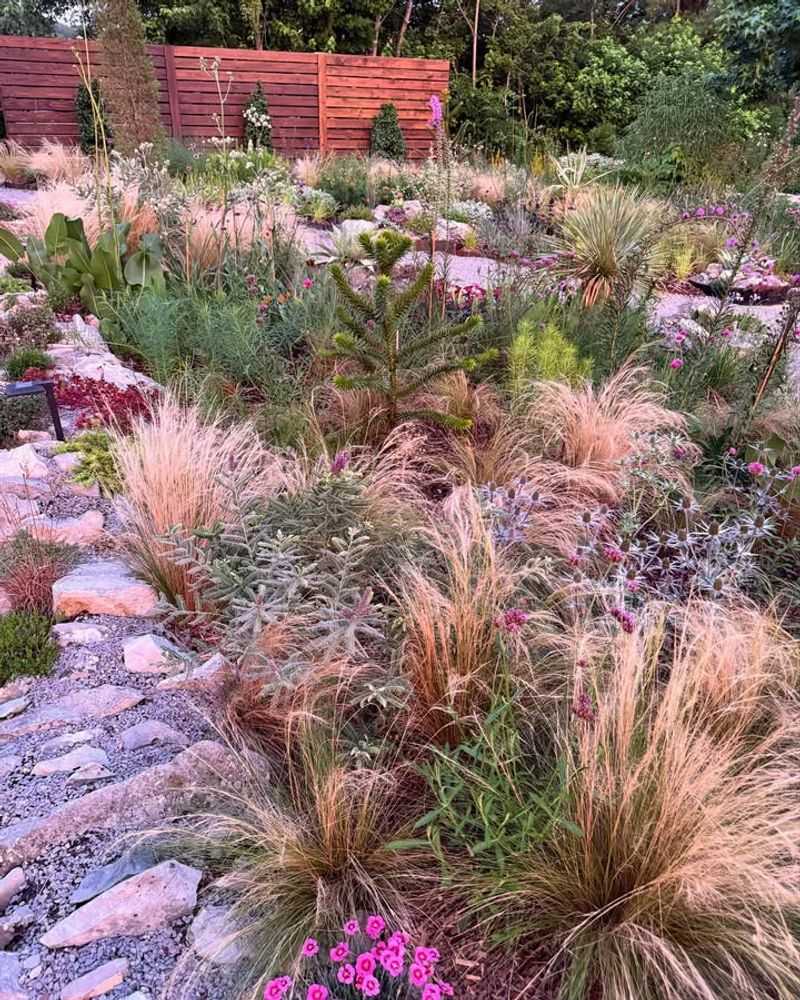
Imagine a garden where weeds struggle to take hold and water drains perfectly every time it rains.
Gravel gardens paired with strategically placed native plants deliver exactly that.
The gravel layer acts as a natural weed barrier while creating a clean, modern aesthetic that complements California’s architectural styles.
Traditional lawns demand constant mowing, edging, fertilizing, and watering to maintain their appearance.
Gravel gardens flip this equation entirely.
You simply lay down quality landscape fabric, spread an attractive gravel layer, and plant your chosen natives through strategic openings.
The result is a garden that looks intentionally designed and requires a fraction of the maintenance.
Water management becomes effortless with this approach.
Rain and irrigation water percolate through the gravel directly to plant roots without runoff or pooling.
During California’s dry seasons, the gravel layer helps retain soil moisture by reducing evaporation from the surface.
This garden style works beautifully in both front yards and backyard spaces.
You can create pathways, seating areas, and visual interest zones simply by varying gravel colors and textures.
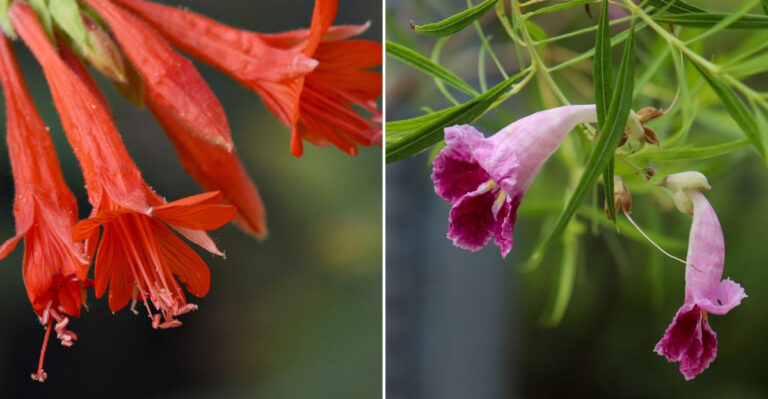
Plants like California fuchsia, desert marigold, and silver lupine look spectacular emerging from gravel beds.
The contrast between stone and foliage creates striking visual drama without demanding hours of weekly maintenance from you.
3. Mediterranean-Style Herb Gardens
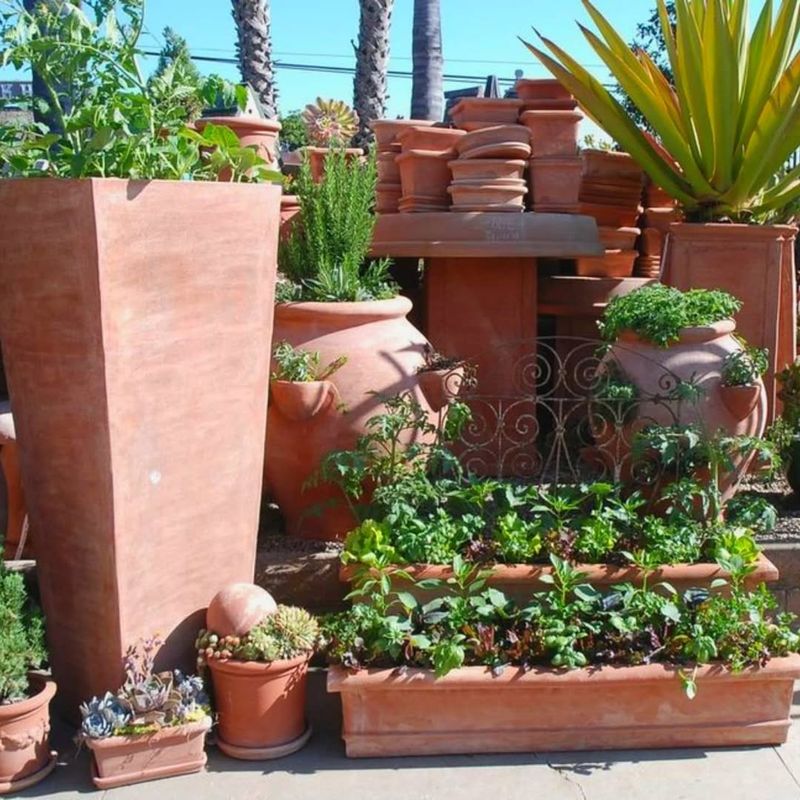
Mediterranean herbs and California’s climate share a beautiful relationship that makes gardening almost effortless.
Rosemary, lavender, thyme, and oregano originally evolved in regions with hot, dry summers and mild winters—conditions that perfectly describe much of California.
When you plant these aromatic herbs, you’re essentially recreating their natural habitat.
These herbs require shockingly little water once their roots establish.
Many gardeners report watering their Mediterranean herb gardens only once or twice monthly during summer.
The plants actually develop stronger flavors and fragrances when slightly stressed by dry conditions.
This means neglecting them a bit actually improves their quality.
Maintenance consists mainly of occasional harvesting, which you’ll do naturally when cooking.
Regular trimming for culinary use keeps plants bushy and attractive without formal pruning sessions.
Most Mediterranean herbs are perennial in California, meaning they return year after year without replanting.
The sensory experience these gardens provide extends beyond visual beauty.
Brushing against rosemary or lavender releases intoxicating scents that transform your outdoor space into an aromatic retreat.
Bees and butterflies adore these flowering herbs, adding movement and life to your garden.
Planting is straightforward—choose a sunny location with decent drainage, space plants appropriately, and step back.
Within months, you’ll have a lush, fragrant garden that provides fresh cooking ingredients while requiring almost no effort to maintain.
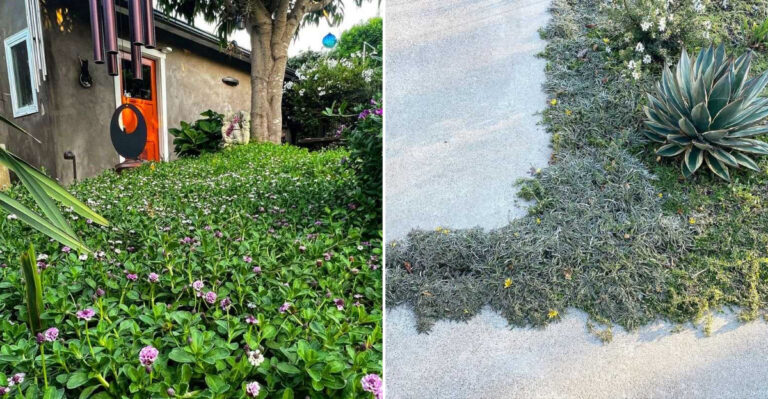
4. Succulent Groundcover Areas
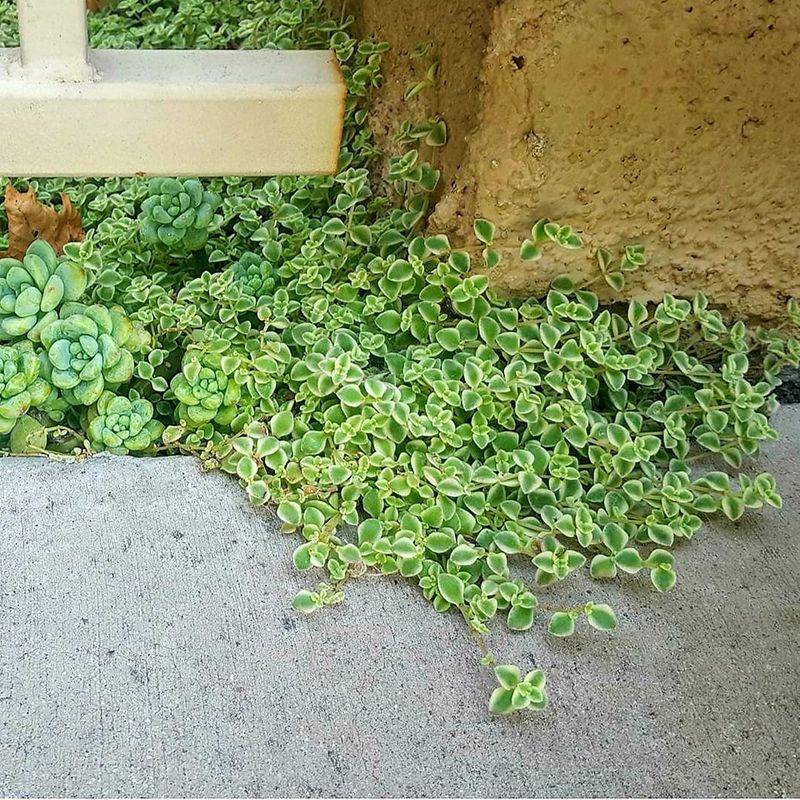
Succulents possess an almost magical ability to transform problem areas into stunning garden features.
These water-storing plants spread naturally to form dense, colorful carpets that choke out weeds before they can establish.
Once rooted, succulent groundcovers become nearly indestructible garden elements that thrive on neglect.
California’s climate suits succulents perfectly, especially varieties like sedum, ice plant, and various echeveria species.
Their fleshy leaves store moisture during wet periods, allowing them to cruise through months of drought without supplemental watering.
This makes them ideal for slopes, parking strips, and other areas where traditional plants struggle.
The visual diversity succulents offer is remarkable.
You can create living tapestries featuring plants in shades of green, blue, purple, red, and silver.
Many succulents produce spectacular flowers that attract hummingbirds and beneficial insects.
Textures range from smooth and rounded to spiky and architectural, giving you endless design possibilities.
Installation is refreshingly simple.
Most succulents propagate easily from cuttings or small starts.
You can even create entire groundcover areas by planting small pieces that will spread and fill in naturally.
They require no mowing, minimal pruning, and virtually no fertilization.
Problem slopes that erode or dry out too quickly become assets when planted with succulent groundcovers.
These plants stabilize soil while creating eye-catching displays that improve with age rather than requiring constant renovation.
5. Native Grass Meadows
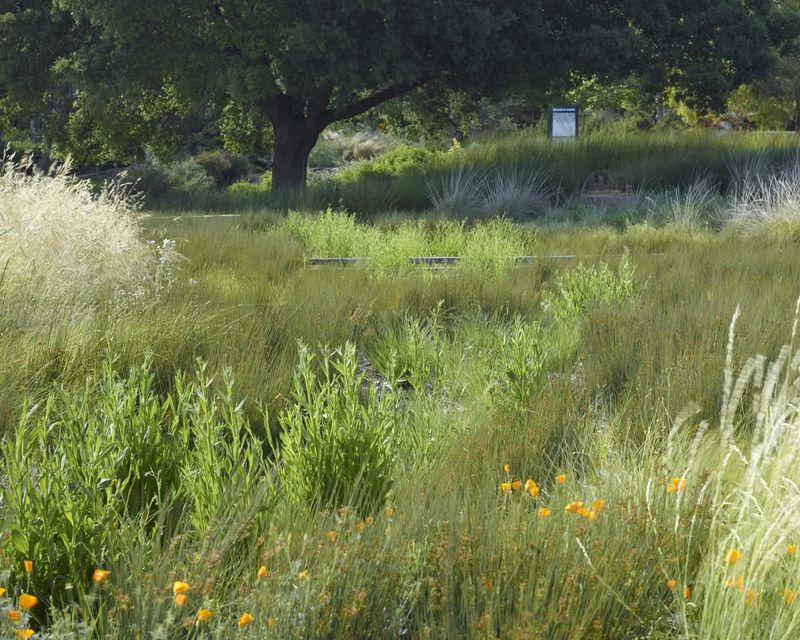
Picture a garden where grasses sway gracefully with every breeze, creating movement and sound that brings your landscape to life.
California native grasses like purple needlegrass, blue grama, and deer grass offer this enchanting quality while eliminating the tyranny of weekly lawn mowing.
These grasses evolved to survive California’s seasonal rainfall patterns without human intervention.
Traditional turf lawns rank among the most maintenance-intensive landscape features you can install.
They demand frequent mowing, edging, fertilizing, aerating, and massive amounts of water.
Native grass meadows require none of this.
After establishment, they need perhaps one or two cuttings per year to remove old growth and encourage fresh blades.
The ecological benefits of native grass meadows extend far beyond convenience.
These grasses provide habitat for ground-nesting birds, beneficial insects, and small wildlife.
Their deep root systems improve soil structure and water infiltration better than shallow-rooted turf.
During California’s fire season, many native grasses are less flammable than dried turf or invasive grasses.
Aesthetically, native grass meadows bring a naturalistic, relaxed quality to residential landscapes.
They look particularly stunning when backlit by morning or evening sun.
You can mow pathways through taller grasses to create walking routes while leaving most of the meadow undisturbed.
Installation involves removing existing turf, preparing soil, and planting grass plugs or seeds.
Within two growing seasons, you’ll have an established meadow that requires minimal attention while providing maximum visual and environmental impact.
6. Perennial Wildflower Patches
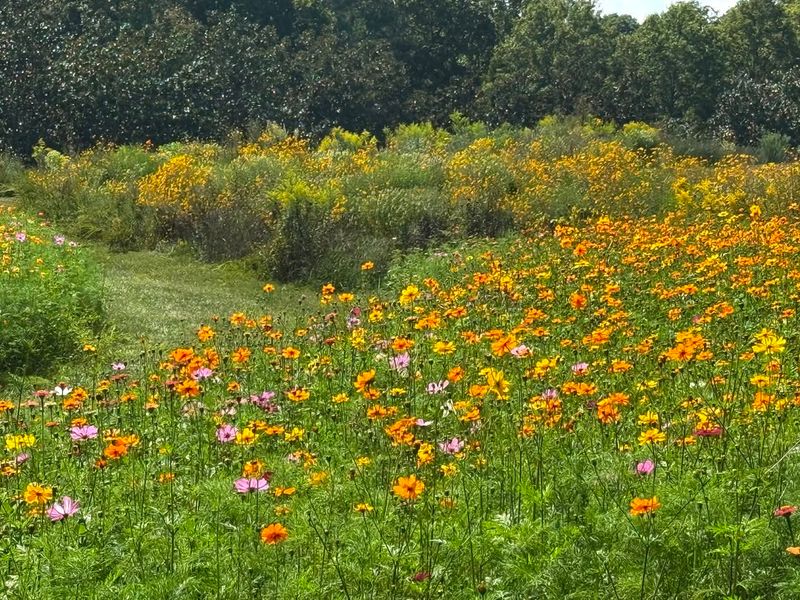
Few garden features deliver more joy per hour of maintenance than perennial wildflower patches.
Unlike annual flowers that require yearly replanting, perennial wildflowers return reliably each growing season from established root systems.
Many also self-seed, gradually expanding their territory and filling bare spots without any effort from you.
California boasts an incredible diversity of native perennial wildflowers adapted to various regions and microclimates.
Species like California fuchsia, scarlet bugler penstemon, and seaside daisy provide months of color while supporting pollinators.
These plants evolved alongside native bees, butterflies, and hummingbirds, making them superior wildlife habitat compared to non-native ornamentals.
Establishment is the only significant effort required.
You’ll need to prepare planting areas, install young plants or seeds, and provide regular water during their first season.
After that, most perennial wildflowers become remarkably independent.
They’ll bloom according to natural seasonal patterns, set seed, and return next year without reminders or intervention.
The naturalistic appearance of wildflower patches adds charm and character that formal gardens can’t match.
These areas look like they’ve always been part of the landscape rather than recently installed.
You can let them grow freely or do light editing by removing aggressive spreaders.
Maintenance consists mainly of enjoying the blooms and perhaps collecting seeds to expand plantings elsewhere.
An occasional light watering during extended dry spells keeps plants vigorous, but many wildflowers handle drought remarkably well once established.
7. Mulched Shrub Borders
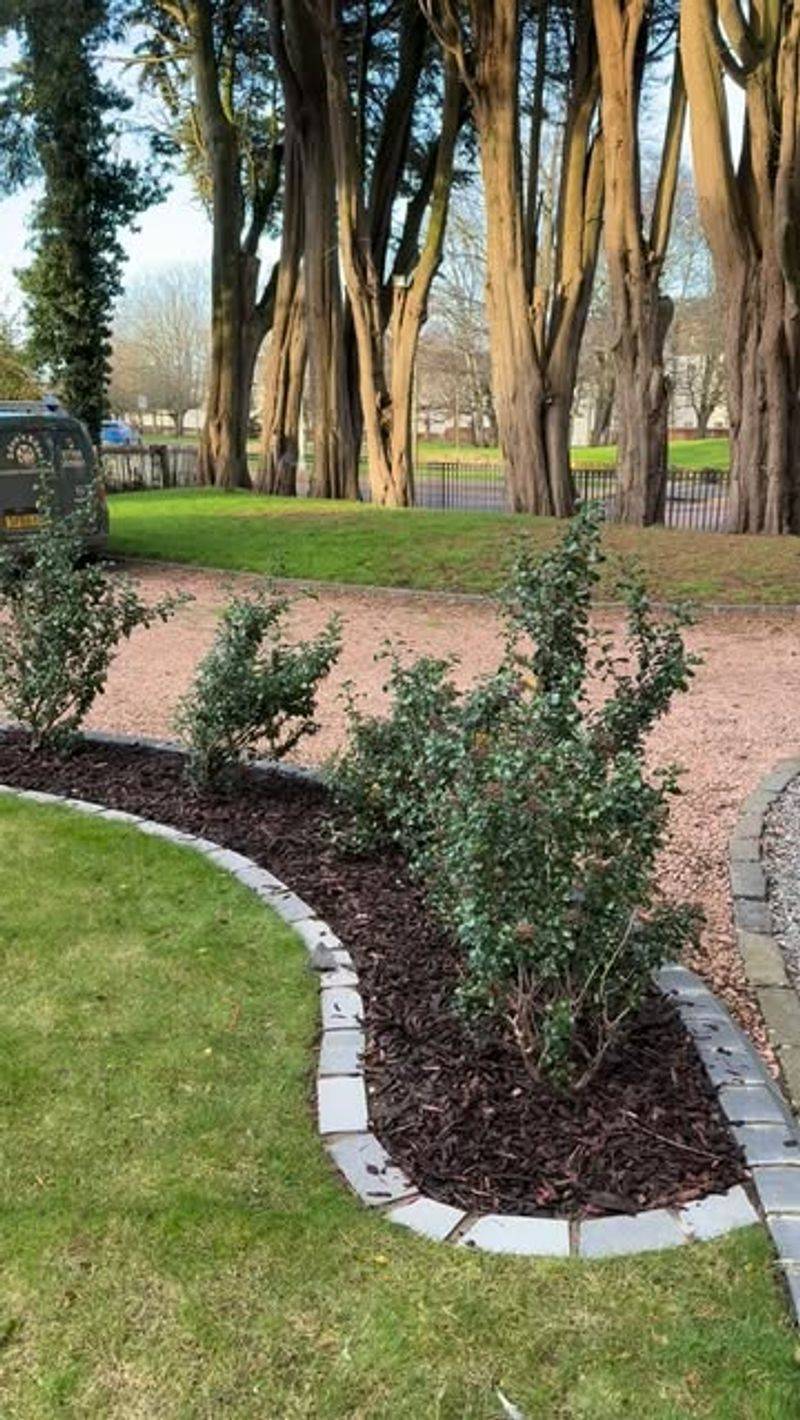
Organic mulch might be the hardest-working material in low-maintenance gardening.
When applied thickly around shrubs and border plantings, mulch suppresses weeds, conserves moisture, moderates soil temperature, and gradually improves soil quality as it decomposes.
This simple addition dramatically reduces the time you spend maintaining shrub borders.
Weed prevention is mulch’s most immediate benefit.
A three-to-four-inch layer of quality mulch blocks sunlight from reaching weed seeds, preventing germination.
The few weeds that do emerge pull easily from the loose mulch layer.
This eliminates hours of tedious hand-weeding or the need for chemical herbicides.
Water conservation becomes automatic with mulched beds.
The mulch layer acts as insulation, slowing evaporation from soil surfaces.
During California’s hot, dry months, this can reduce watering needs by thirty to fifty percent.
Your plants stay healthier, and your water bills stay lower.
Choosing the right mulch matters.
Shredded bark, wood chips, and compost all work well in California gardens.
Avoid dyed mulches or materials that might contain chemicals.
As organic mulches break down, they feed soil organisms and improve soil structure, creating a healthier growing environment.
Application is straightforward—simply spread mulch around established shrubs, keeping it a few inches away from plant stems to prevent rot.
Refresh the layer annually or when it thins.
The time invested in mulching pays back many times over in reduced maintenance throughout the year.
8. Rock Gardens With Native Accent Plants
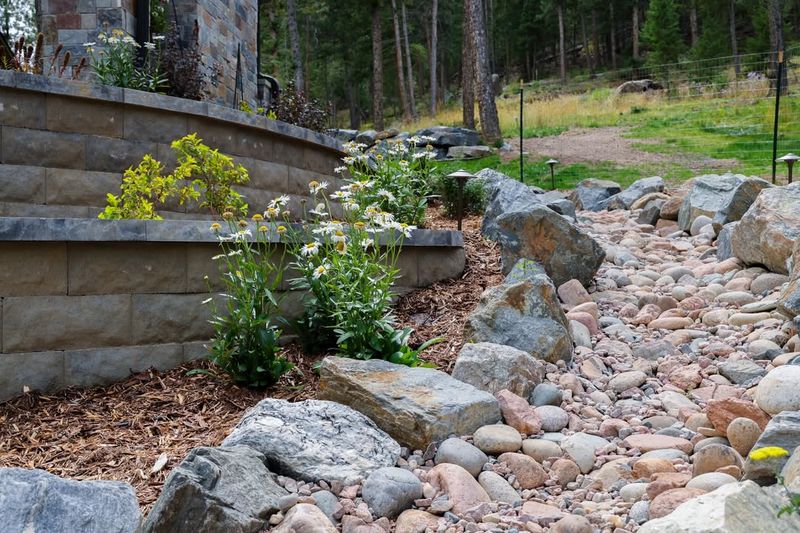
Rock gardens capture the essence of California’s natural landscapes—think coastal bluffs, mountain slopes, and desert washes.
By mimicking these environments in your yard, you create gardens that thrive with minimal intervention because they reflect conditions plants naturally encounter.
Rocks provide thermal mass, create microclimates, and eliminate large areas that would otherwise require planting or maintenance.
Construction involves arranging rocks of various sizes to create visual interest and planting pockets.
You’ll tuck drought-tolerant natives like dudleya, penstemon, and California fuchsia into spaces between stones.
The rocks protect plant roots, provide afternoon shade, and create dramatic backdrops that make plants stand out.
Maintenance becomes almost nonexistent once plants establish.
Weeds struggle in rocky environments, especially when you use landscape fabric beneath the stones.
The plants you choose are already adapted to lean, rocky soils with minimal moisture.
You won’t need to fertilize, and watering requirements drop to occasional deep soakings during extended dry periods.
Rock gardens work beautifully on slopes where traditional planting is difficult.
They prevent erosion while creating striking focal points visible from indoors.
The combination of stone textures and plant forms creates year-round interest that doesn’t depend on seasonal blooms.
This approach celebrates California’s natural beauty rather than fighting against it.
You’re not trying to maintain an artificial landscape that requires constant inputs.
Instead, you’re creating a garden that looks and functions like it belongs exactly where you planted it.
9. Self-Seeding Annuals Allowed To Naturalize
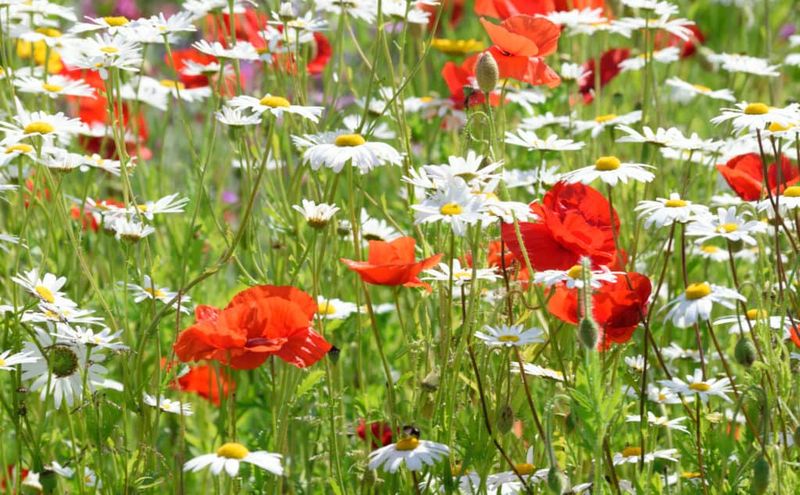
California poppies demonstrate the magic of self-seeding annuals perfectly.
Plant them once, and they’ll return year after year, spreading gradually and filling spaces with brilliant orange blooms each spring.
This happens automatically through natural seed dispersal, eliminating the annual ritual of buying and planting new flowers.
The concept is simple but powerful—choose annuals that readily drop viable seeds, provide conditions they enjoy, and step back.
Besides California poppies, species like clarkia, tidy tips, and baby blue eyes naturalize beautifully in California gardens.
These plants complete their life cycles according to natural seasonal patterns, then leave seeds behind for next year’s generation.
Your role becomes curator rather than constant gardener.
You might scatter seeds initially or plant small starts to establish a colony.
After that, plants handle reproduction themselves.
You can do light editing by removing seedlings from unwanted areas or allowing them to expand into new territories.
This approach creates gardens with a wonderfully spontaneous, cottage-garden quality.
Plants appear in slightly different configurations each year, keeping your landscape fresh and surprising.
The naturalized look feels relaxed and welcoming rather than overly controlled.
Water needs are minimal because these annuals evolved to complete their life cycles during California’s naturally wet winter and spring months.
By summer, most have set seed and gone dormant, requiring no supplemental irrigation.
You get months of color and habitat value without ongoing maintenance commitments.
10. Evergreen Structural Shrubs
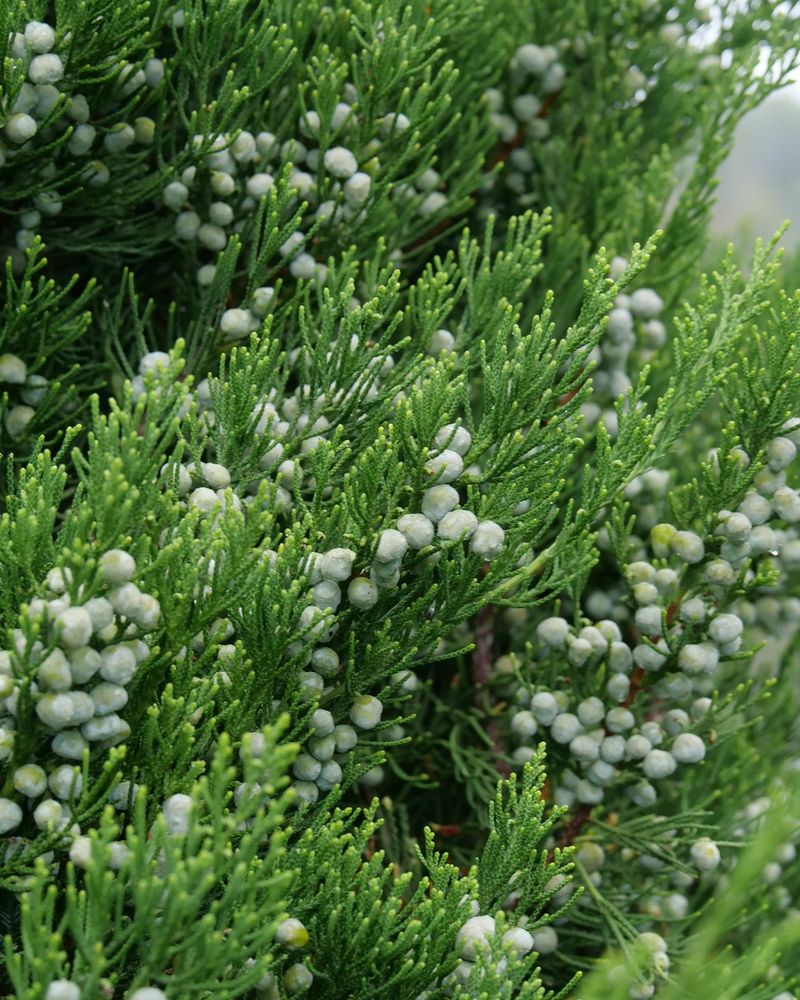
Evergreen shrubs provide the backbone of low-maintenance California gardens.
Unlike deciduous plants that drop leaves and require seasonal cleanup, or annuals that need yearly replacement, evergreens maintain their appearance twelve months a year.
This consistency means your garden always looks intentional and cared for, even when you’re not actively working in it.
California offers excellent evergreen shrub options adapted to local conditions.
Toyon, coffeeberry, ceanothus, and manzanita provide year-round foliage in various shades and textures.
These shrubs establish strong root systems that make them drought-tolerant and wind-resistant once mature.
You won’t need to stake, heavily prune, or constantly fuss with them.
The structural quality of evergreen shrubs allows you to create defined garden spaces with minimal effort.
Use them to frame pathways, screen unwanted views, or create outdoor rooms within your landscape.
Their permanent presence anchors seasonal color from perennials and annuals.
Pruning requirements are surprisingly light.
Most evergreen shrubs need only occasional shaping to maintain size and remove any branches damaged by weather.
Many naturally develop attractive forms that require no pruning at all.
Fertilization is rarely necessary, especially with native species adapted to California’s nutrient levels.
Installation requires thoughtful placement since these are long-term garden residents.
Research mature sizes and space accordingly.
Once planted and established, evergreen shrubs become reliable garden features that deliver beauty and structure for decades with minimal attention from you.
11. Drip-Irrigated Garden Beds
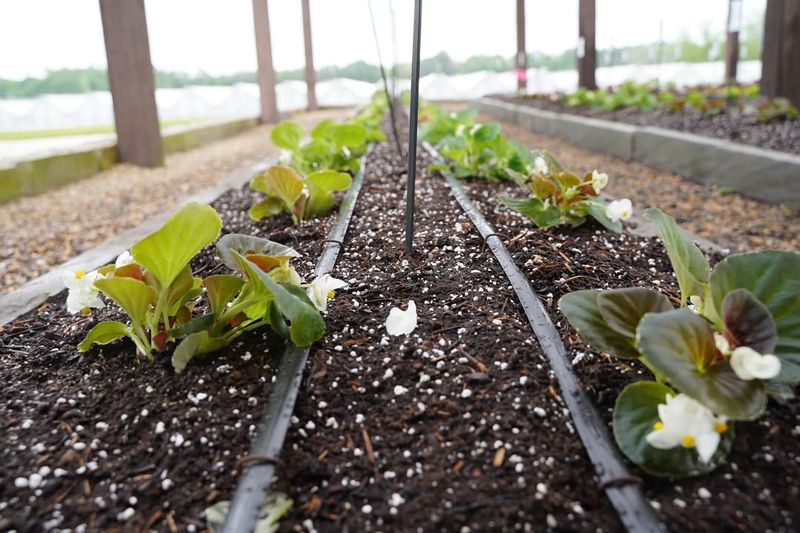
Drip irrigation transforms garden maintenance by automating the most time-consuming task—watering.
Instead of dragging hoses or adjusting sprinklers, drip systems deliver water directly to plant root zones through networks of tubing and emitters.
This precision eliminates water waste while ensuring plants receive consistent moisture exactly where they need it.
California’s water conservation requirements make drip irrigation increasingly important.
These systems use thirty to fifty percent less water than traditional sprinklers because water goes directly into soil rather than evaporating mid-air or running off surfaces.
You’ll notice significant water bill reductions while maintaining healthier plants.
Installation has become surprisingly accessible for home gardeners.
Many hardware stores offer complete drip kits with everything needed for typical garden beds.
You can customize layouts to accommodate any planting arrangement, adding or moving emitters as your garden evolves.
Timers automate watering schedules, so your garden receives moisture even when you’re traveling.
Weed reduction is an unexpected benefit of drip irrigation.
Since water goes only to planted areas, soil between plants stays drier.
This discourages weed seed germination and makes your garden naturally tidier.
Maintenance consists mainly of occasional system checks to ensure emitters aren’t clogged and lines remain properly positioned.
The time saved compared to hand-watering is enormous—hours every week become free for actually enjoying your garden rather than maintaining it.
Combined with mulch and appropriate plant selection, drip irrigation creates a nearly self-sustaining garden ecosystem.
12. Native Pollinator Gardens
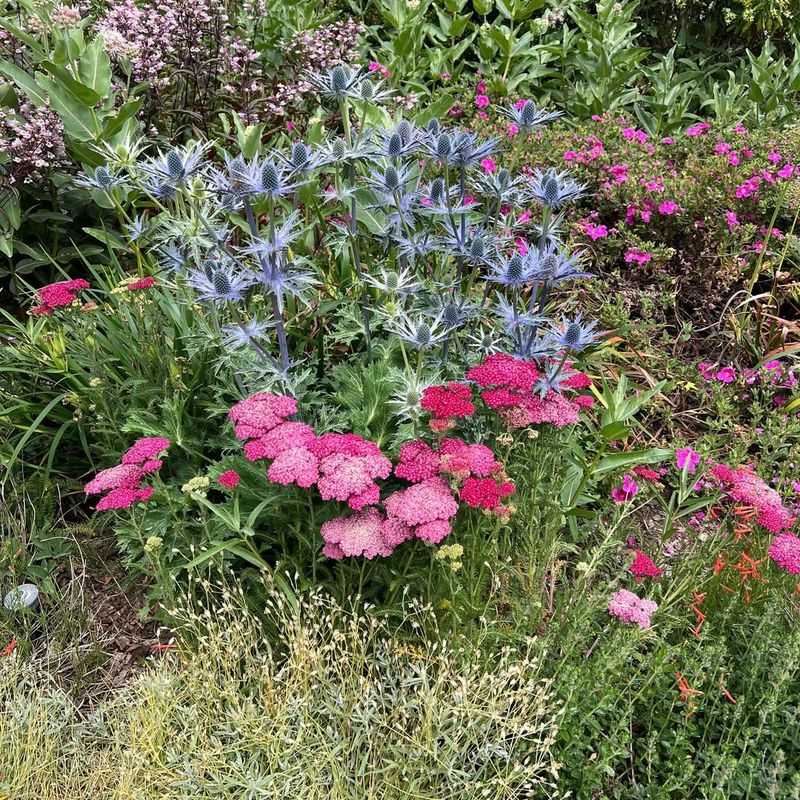
Native pollinator gardens represent a beautiful convergence of low maintenance and ecological responsibility.
When you plant flowers that evolved alongside native bees, butterflies, and other pollinators, you create habitat that sustains itself through natural relationships.
These gardens require minimal intervention because they function as balanced ecosystems rather than artificial displays.
California’s native pollinators have specific relationships with native plants that non-native ornamentals can’t fulfill.
Flowers like California lilac, buckwheat, and aster provide nectar and pollen perfectly suited to local insect species.
By choosing these plants, you support pollinator populations that have declined dramatically in recent decades.
Once established, pollinator gardens largely manage themselves.
Native plants adapted to local conditions need little supplemental water or fertilization.
The insects they attract help control pest populations naturally, reducing or eliminating the need for pesticides.
You’ll notice your garden becoming increasingly vibrant as pollinator populations build.
The sensory experience of pollinator gardens is exceptional.
Watching hummingbirds dart between flowers, bees collect pollen, and butterflies rest on blooms brings your garden to life in ways purely decorative plantings cannot match.
These observations connect you to natural cycles and ecological processes.
Maintenance involves mainly enjoying the show and perhaps doing light seasonal cleanup.
Allow some plant material to remain through winter to provide habitat for overwintering insects.
Avoid pesticides entirely, as these harm the beneficial insects you’re trying to support.
The result is a gorgeous, dynamic garden that improves with age while requiring less work.
13. Raised Beds With Perennial Vegetables
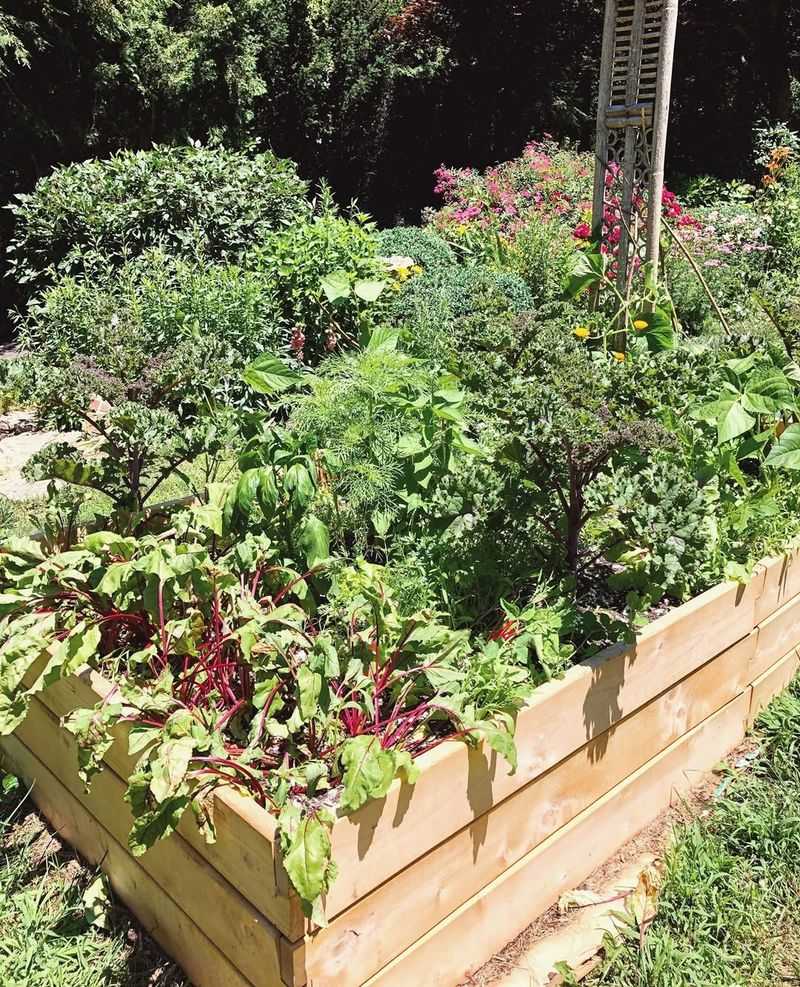
Raised beds combined with perennial vegetables create productive gardens that eliminate much of traditional vegetable gardening’s repetitive work.
Instead of tilling, planting, and replanting annually, you establish permanent crops that return year after year from the same root systems.
This approach gives you fresh food without the constant cycle of starting over each season.
Perennial vegetables suited to California include artichokes, asparagus, rhubarb, and various perennial herbs.
Once planted in raised beds with quality soil, these crops become increasingly productive over time.
Mature asparagus crowns, for example, can produce for twenty years or more with minimal care beyond occasional fertilizing and harvesting.
Raised beds offer multiple maintenance advantages.
Improved drainage prevents waterlogging that plagues ground-level gardens.
Soil warms faster in spring, extending growing seasons.
The defined edges make mulching easier and discourage weeds from creeping in from surrounding areas.
Elevated heights reduce bending and make harvesting more comfortable.
Soil quality in raised beds remains superior because you’re not walking on planting areas and compacting soil.
The loose, well-aerated soil encourages strong root development and supports beneficial soil organisms.
Adding compost annually maintains fertility without complicated fertilization schedules.
This combination creates a productive garden that respects your time.
You’ll spend more time harvesting fresh vegetables and less time on repetitive planting tasks.
The permanent nature of perennial crops means your garden becomes more established and productive each year rather than starting from scratch.
14. Hardscaped Seating Areas With Minimal Planting
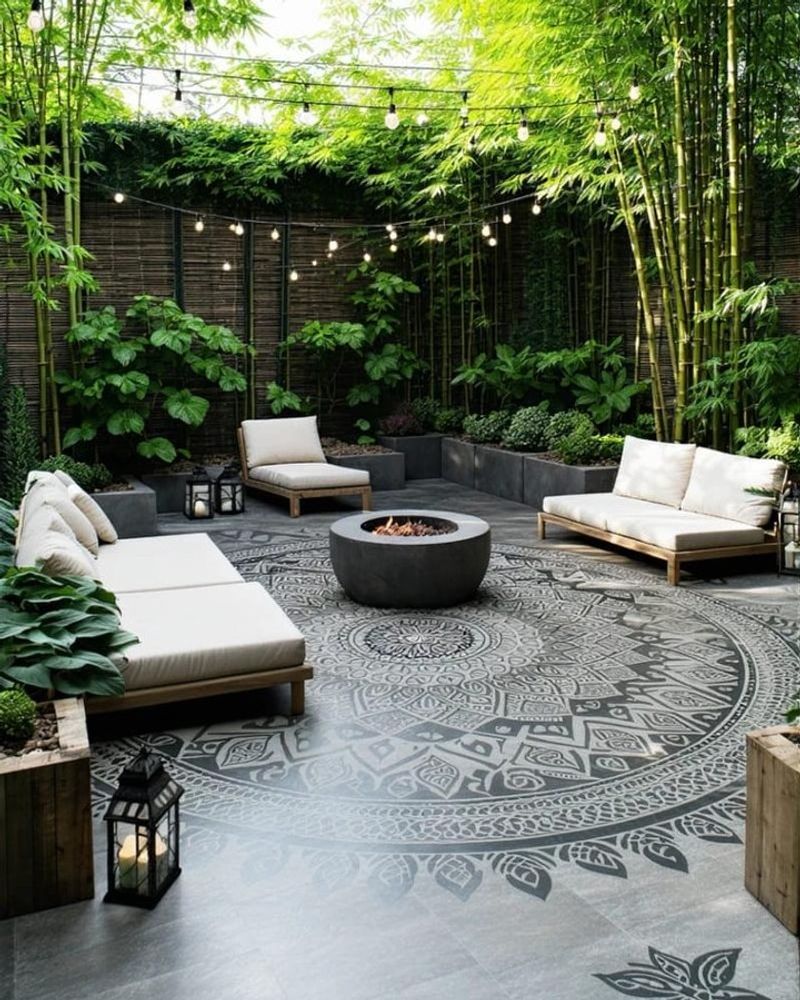
Strategic hardscaping reduces maintenance while increasing how much you actually use and enjoy your outdoor space.
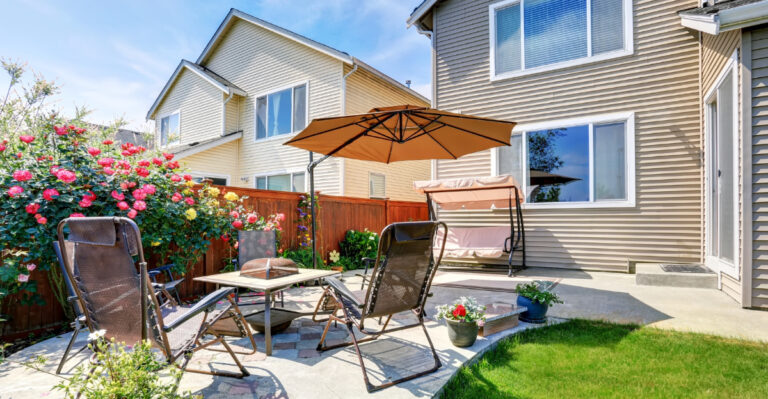
Patios, pavers, and seating areas require no watering, mowing, or pruning, yet they provide the functional spaces where you’ll spend most of your outdoor time.
By dedicating more square footage to hardscape and less to high-maintenance plantings, you create beautiful, usable gardens that practically care for themselves.
The key is balancing hardscape with carefully chosen accent plants that provide softness and color without demanding constant attention.
A few well-placed evergreen shrubs, ornamental grasses, or succulent clusters create visual interest around patios without overwhelming you with maintenance tasks.
These accent plants define spaces and add life without turning your garden into a time-consuming project.
Hardscape materials suitable for California include natural stone, concrete pavers, decomposed granite, and permeable pavers that allow water infiltration.
Choose materials that complement your home’s architecture and require minimal maintenance themselves.
Sealed concrete and stone need only occasional sweeping and washing.
This approach transforms how you relate to your outdoor space.
Instead of viewing your yard primarily as a maintenance obligation, it becomes an extension of your living area.
You’ll find yourself spending more time outdoors because the space invites relaxation rather than demanding work.
Installation requires upfront investment and effort, but the long-term payoff is remarkable.
You create permanent outdoor rooms that serve your lifestyle while eliminating large areas that would otherwise require regular care.
The result is a beautiful, functional landscape that respects your time.
15. Natural Woodland-Style Edges
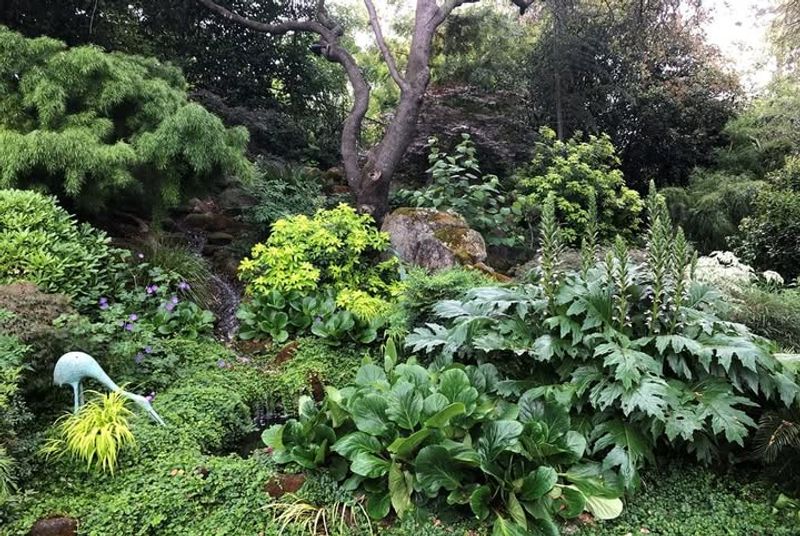
Formal garden edges demand constant vigilance—trimming, edging, and maintaining sharp boundaries between different landscape areas.
Natural woodland-style edges eliminate this maintenance trap by allowing gradual transitions between garden zones.
Instead of fighting nature’s tendency toward soft boundaries, you work with it to create beautiful, low-maintenance transitions.
This approach involves letting your garden edge blend naturally into shrubs, small trees, and groundcovers rather than maintaining rigid lines.
California native plants like toyon, coffeeberry, currant, and native grasses create these transitional zones beautifully.
They naturally layer themselves by height, creating depth and habitat while requiring minimal pruning or shaping.
The ecological benefits of woodland edges are substantial.
These transitional zones provide crucial habitat for birds, beneficial insects, and small wildlife that need cover and varied vegetation heights.
You’ll notice increased bird activity and natural pest control as your garden ecosystem becomes more complex and balanced.
Maintenance shifts from constant trimming to occasional editing.
You might remove a seedling that’s emerging where you don’t want it or prune a branch that’s blocking a pathway.
These tasks take minutes rather than the hours required to maintain formal edges.
Aesthetically, natural edges create a sense of maturity and belonging.
Your garden looks like it’s been there for decades rather than recently installed.
The soft transitions feel peaceful and inviting compared to harsh, maintained boundaries.
This approach celebrates California’s natural beauty while giving you more time to enjoy your garden instead of constantly maintaining it.