Plants From Grandma’s Windowsills That Maryland Indoor Gardeners Still Cherish
Your grandmother’s dusty windowsill might actually hide a botanical goldmine!
Maryland homes often harbor silent witnesses to history that modern collectors now crave. These leafy companions represent decades of dedicated care and shared family stories.
A recent surge in indoor gardening has sparked a massive rediscovery of these timeless heirlooms. Today’s plant hunters value these classics for their sheer resilience and deep connection to past generations.
Maryland’s unique seasonal shifts create a perfect environment for these plants to thrive year after year.
Finding an ancient specimen on a shelf brings a sense of wonder that fleeting modern trends cannot match.
These enduring greens transform a simple living space into a living legacy.
1. Monstera Deliciosa Thrives With Iconic Split Leaves In Maryland Homes
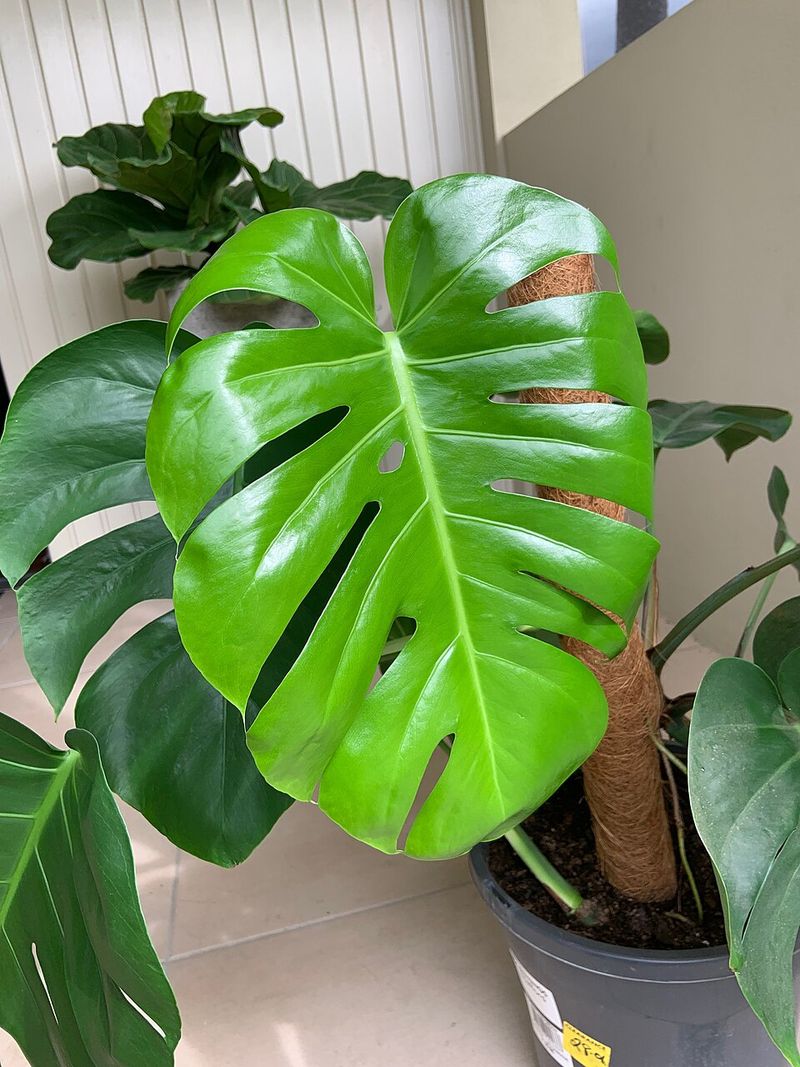
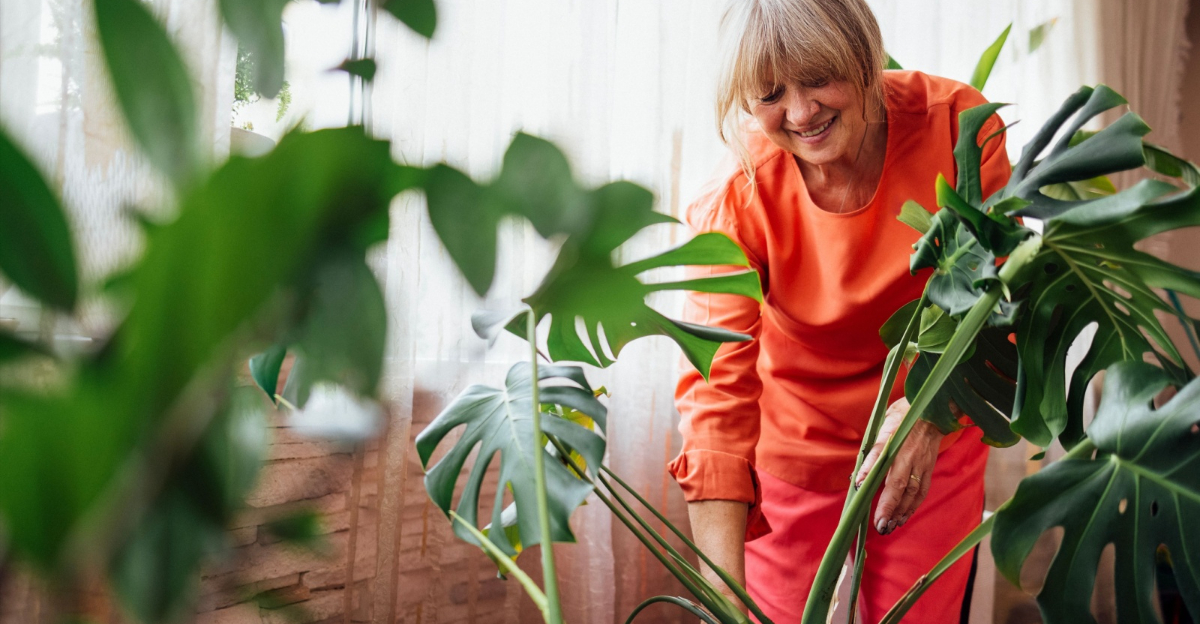
Few plants capture attention like Monstera Deliciosa with its iconic split and perforated leaves. Maryland indoor gardeners often place these plants near bright windows where filtered sunlight encourages leaf development and prevents scorching.
Mature Monsteras can develop large leaves over years, creating a dramatic tropical focal point for living rooms or sunrooms.
Experienced indoor gardeners propagate them through stem cuttings, preserving unique growth patterns and variegation traits that collectors value.
Long-lived specimens from family homes often exhibit irregular leaf fenestration that can’t be easily replicated by younger nursery plants, giving them both aesthetic appeal and collector interest.
Indoor humidity in Maryland, especially in summer, encourages steady growth, while moderate winter heating ensures the plant continues to thrive.
Many plant enthusiasts appreciate the Monstera’s combination of bold foliage, climbing habit, and legacy value, making heirloom specimens a prized addition to indoor plant collections.
2. Snake Plant Thrives In Low Light And Has Become Highly Sought After
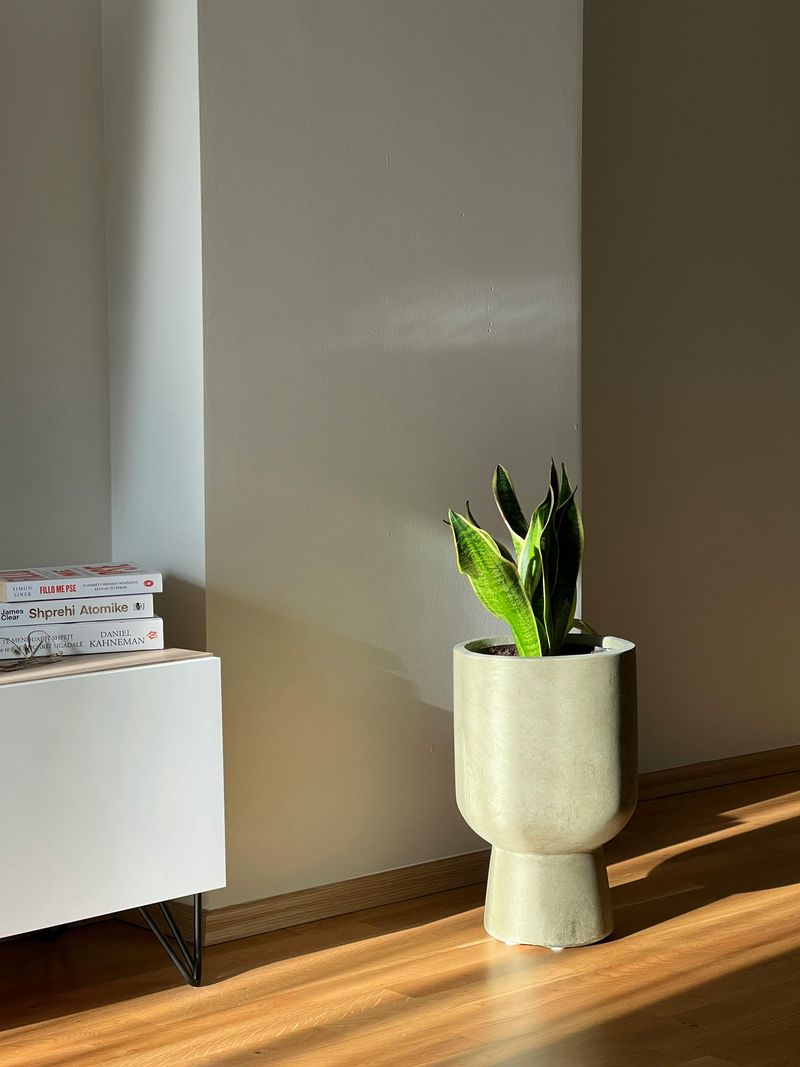
Many Maryland indoor gardeners rely on snake plants for their adaptability and architectural form. These plants grow upright, with tall leaves that create a bold presence in rooms with limited light.
They tolerate moderate indoor lighting and thrive with consistent, though not excessive, watering. Older snake plants from family collections often display thicker leaves and distinctive patterns, showing years of patient care.
Propagation through leaf cuttings allows gardeners to continue a lineage of well-maintained plants. Some collectors in Maryland seek unusual varieties, including variegated or cylindrical-leaved types.
Mature specimens bring structural interest and demonstrate resilience, making them appealing additions to contemporary indoor gardens while honoring decades of care in previous homes.
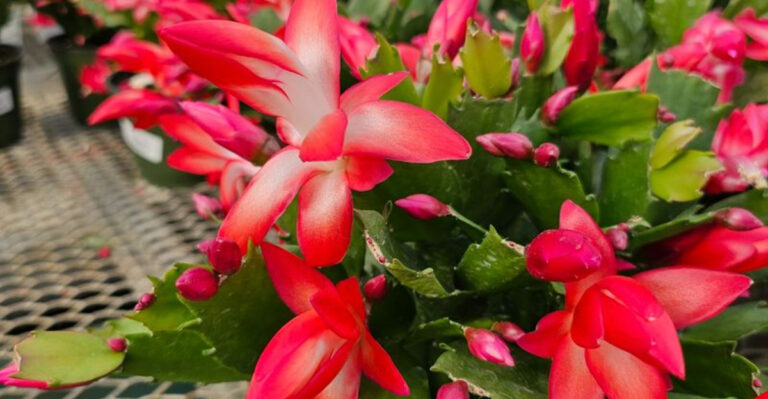
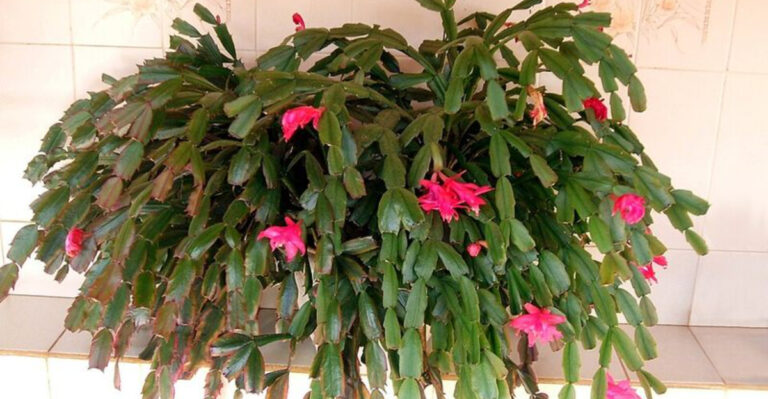
3. Christmas Cactus Still Brightens Maryland Homes Every Winter
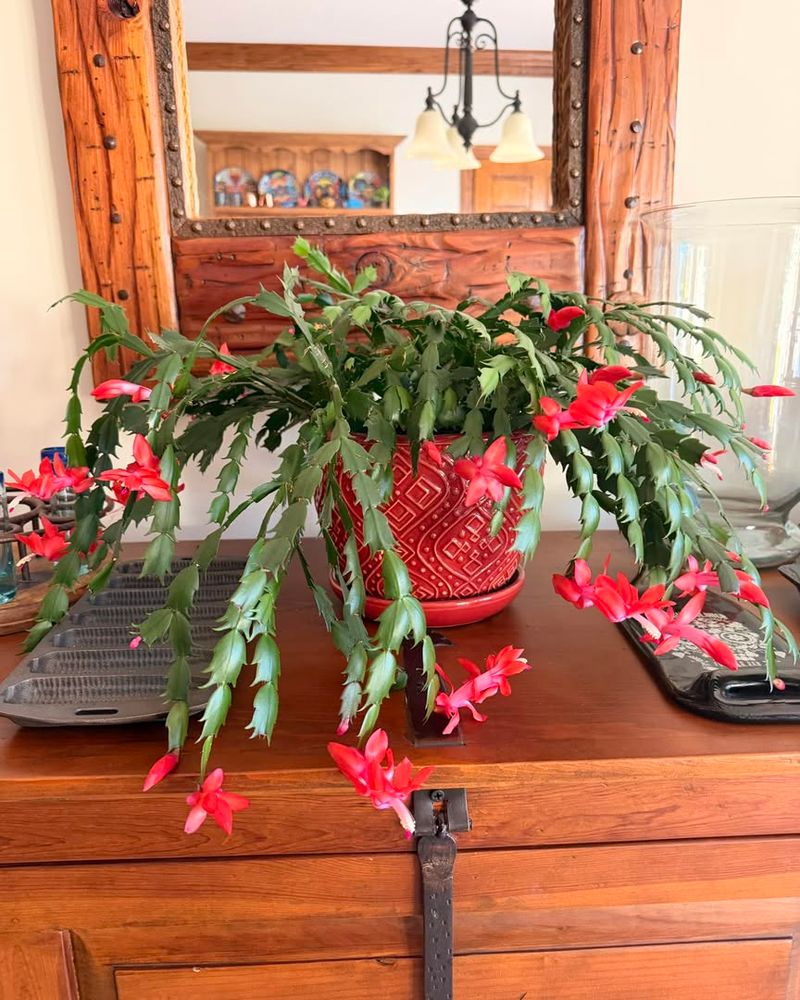
There is something comforting about the sight of a Christmas cactus blooming in a Maryland home during shorter winter days.
These cacti often live for many years, quietly building thick, woody stems that support cascades of colorful flowers in December and January.
Unlike desert cacti, Christmas cactus thrives in indirect light and appreciates consistent moisture – conditions easily met inside homes with bright windows and moderate indoor temperatures.
Long-lived specimens can develop rich branching over decades, which makes them visually striking compared to younger nursery plants.
Indoor gardeners enjoy sharing sections of mature plants with friends or family, and experienced growers may propagate stems to preserve interesting bloom traits or unusual flower colors.
Because Christmas cactus can tolerate typical indoor humidity and adjust to lower light, collectors often value older, robust plants for their proven performance and nostalgic appeal.
In Maryland plant circles, a well-grown Christmas cactus that reliably produces abundant flowers during winter has earned a place of affection among indoor plant lovers.
4. Hoya Plants Offer Wax-Like Leaves And Long-Term Blooming Beauty
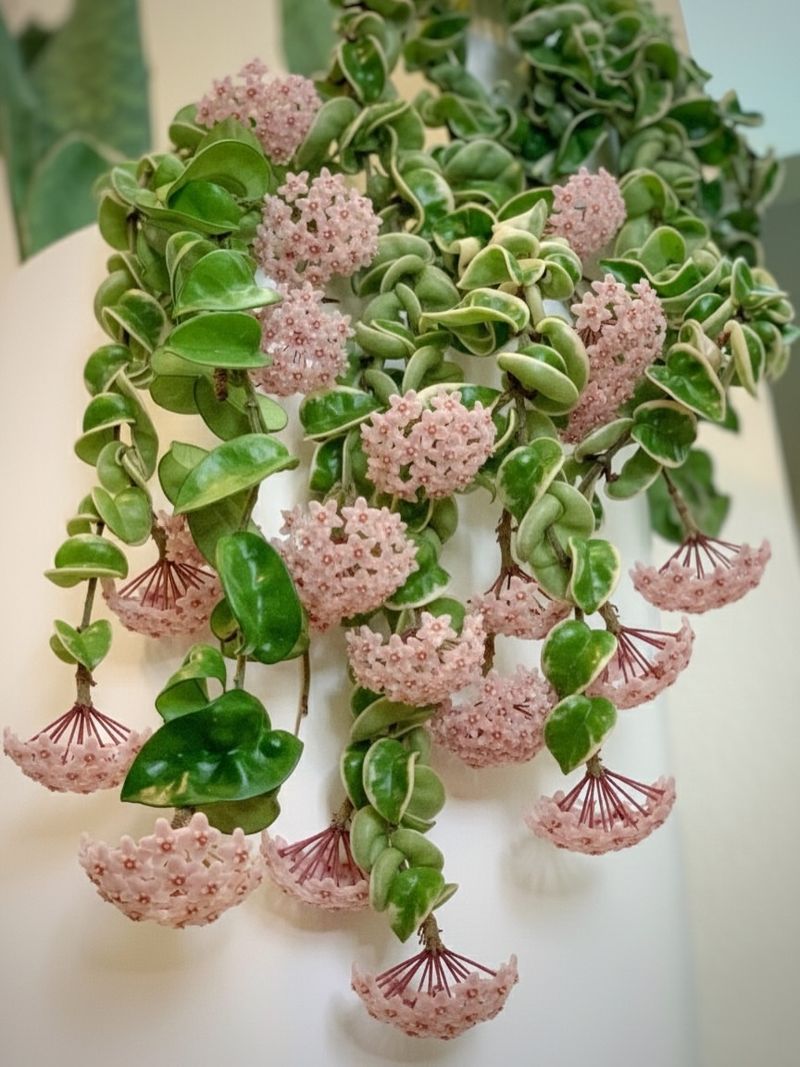
Hoya plants, or wax plants, are prized for their thick, glossy leaves and clusters of star-shaped flowers that emerge on long-term vines.
Maryland indoor gardeners enjoy placing Hoyas in bright, indirect light near windows or hanging baskets where the trailing vines can cascade gracefully.
Mature plants may develop thick, woody stems and predictable flowering cycles that younger plants take years to achieve, which adds to their appeal among collectors.
Hoya cuttings root readily in soil or water, allowing indoor gardeners to propagate favorite varieties while preserving unique flower colors or leaf traits.
Indoor humidity during Maryland summers supports consistent growth, while winter heating requires careful moisture management to maintain healthy foliage.
Collectors are particularly drawn to rare Hoya cultivars or specimens that have been nurtured over decades, making older plants both sentimental and sought after for their beauty and history in the home.
5. African Violet Remains A Classic Blooming Houseplant Passed Down Through Generations
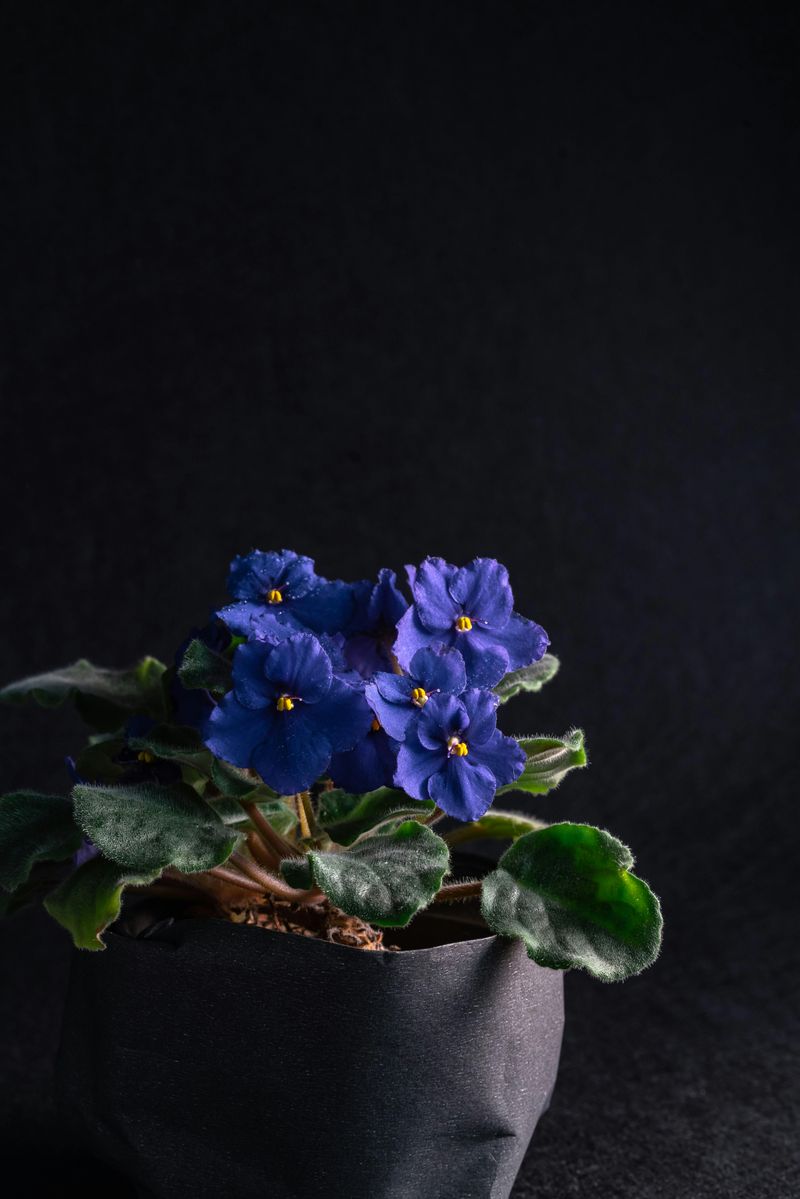
Walking into an older Maryland living room often means seeing African violets clustered on windowsills, their soft, fuzzy leaves offset by delicate blooms.
These plants are widely loved because they can bloom repeatedly through winter and spring when outdoor gardens are quiet.
African violets tend to grow well in the moderate light typical of Maryland homes that face east or north, and they appreciate even moisture and good air circulation.
Many heirloom varieties have unique flower colors or patterns that are no longer common in garden centers.
That uniqueness is one reason plant enthusiasts enjoy trading or propagating these plants among friends and neighbors.
Maryland growers may share leaf cuttings that root easily in light potting mixes, allowing families to preserve a specimen that has been in the home for decades.
While common violet types are widely available, plants with unusual colors or forms can hold special interest for indoor gardeners exploring classic houseplant collections.
6. Jade Plant Grows Into A Long-Lived Indoor Succulent With Collector Appeal
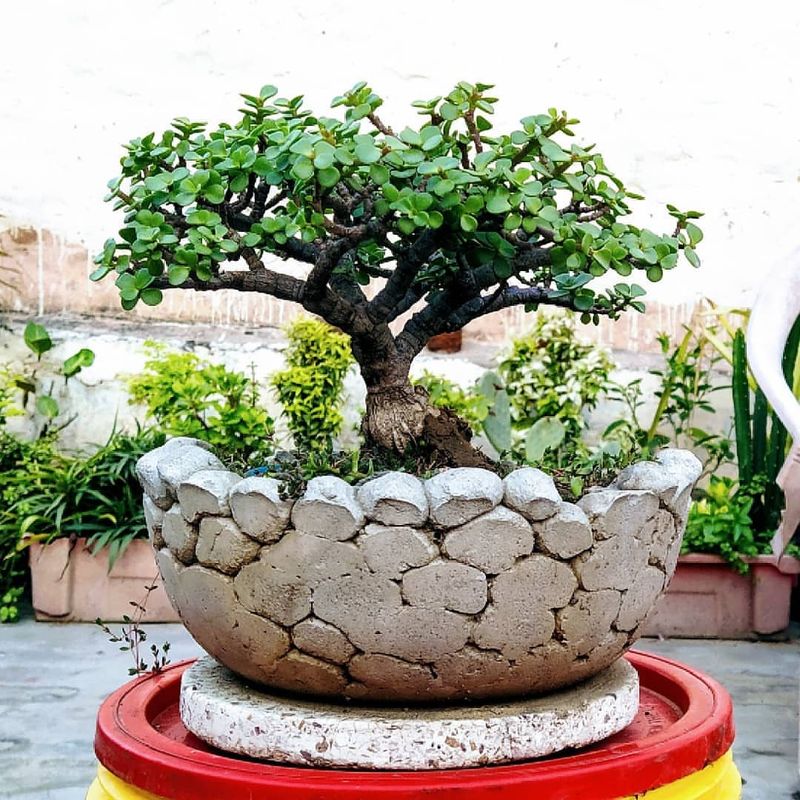
Jade plants often develop thick stems and glossy leaves that reflect years of steady care in Maryland homes. These succulents thrive in bright light near windows and develop trunk-like structures and branching over time.
Mature plants can be propagated from leaf or stem cuttings, making it possible to preserve interesting characteristics while sharing with friends.
In Maryland, indoor conditions with moderate temperatures and occasional summer humidity support slow, steady growth.
Older jade plants resemble miniature trees and bring a sculptural element to indoor spaces. Collectors value mature specimens for their character, trunk thickness, and established branching that younger plants lack.
Long-term care in Maryland homes helps these plants achieve their full aesthetic potential, and their longevity adds to their appeal as heirlooms passed down through generations.
7. Boston Fern Brings Old-Fashioned Porch And Parlor Style Back Indoors
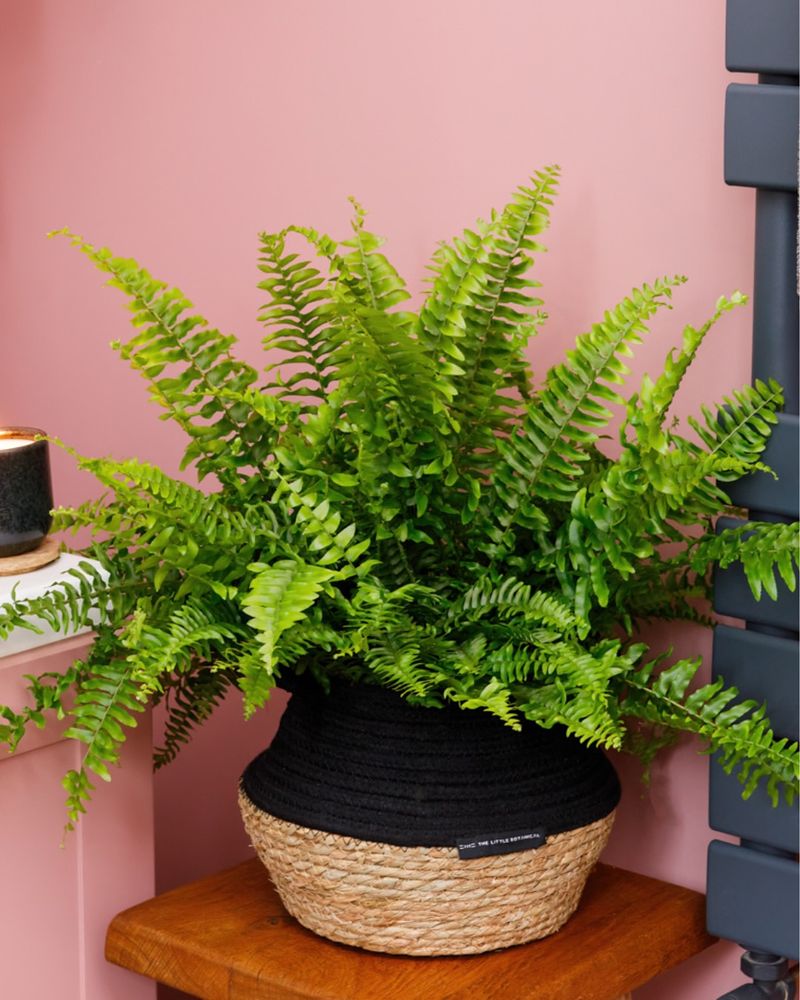
Boston ferns evoke nostalgia with their arching fronds and rich green foliage. Many Maryland homes house ferns that have been nurtured for years, benefiting from bright indirect light and humid environments.
Indoor gardeners often maintain these plants with misting, humidity trays, and occasional pruning to encourage full, lush growth.
Mature ferns may be divided for propagation, allowing gardeners to continue the life of a particularly successful plant.
Collectors appreciate older Boston ferns for their classic form and dense, dramatic foliage.
The ability of these plants to thrive indoors over decades makes them a favorite for adding a traditional style to Maryland porches, parlors, and living areas.
8. Rubber Plant Adds Bold Foliage And Vintage Charm To Indoor Spaces
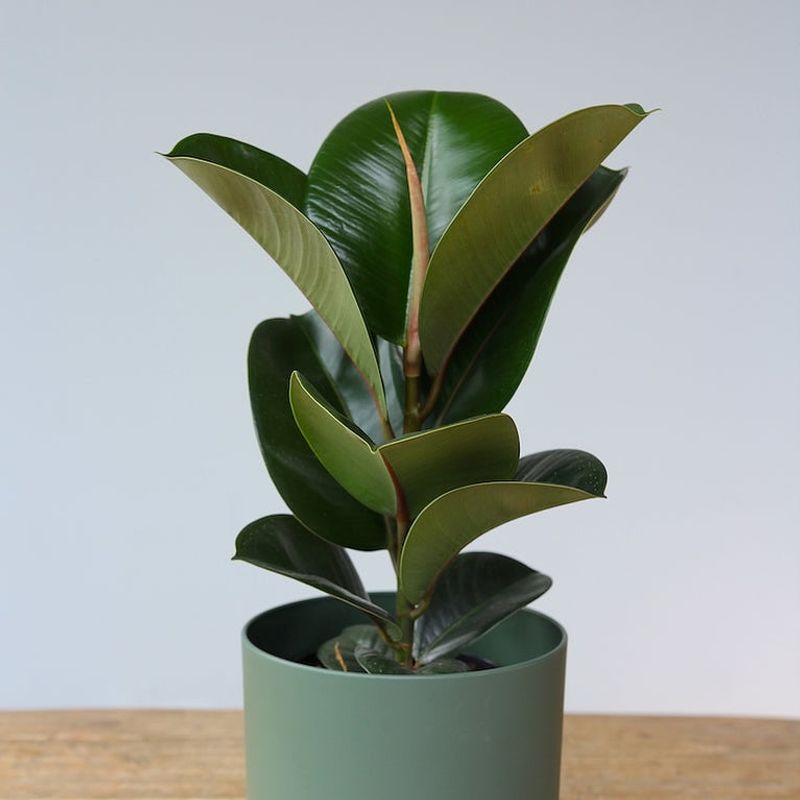
Mature rubber plants create a striking presence with their large, glossy leaves and thick stems. Maryland indoor conditions with bright, indirect light and consistent watering support slow, steady growth over years.
Older specimens often display multiple branches and leaf variations that reflect long-term care, making them visually appealing and conversation-worthy in living spaces.
Indoor gardeners can propagate rubber plants using stem cuttings, which allows the continuation of prized characteristics in new homes.
Collectors may seek out mature specimens for their architectural form and leaf size, appreciating the history embedded in a plant that has lived in a family home for decades.
Rubber plants combine beauty, resilience, and indoor adaptability, making them favorites for indoor collections across Maryland.
When properly cared for, these plants can reach impressive heights indoors, adding vertical interest to corners and window areas.
Many Maryland gardeners also appreciate how rubber plants respond well to pruning, allowing them to maintain balanced growth and a tidy appearance over the years.
9. Spider Plant Continues To Multiply In Homes Across Maryland
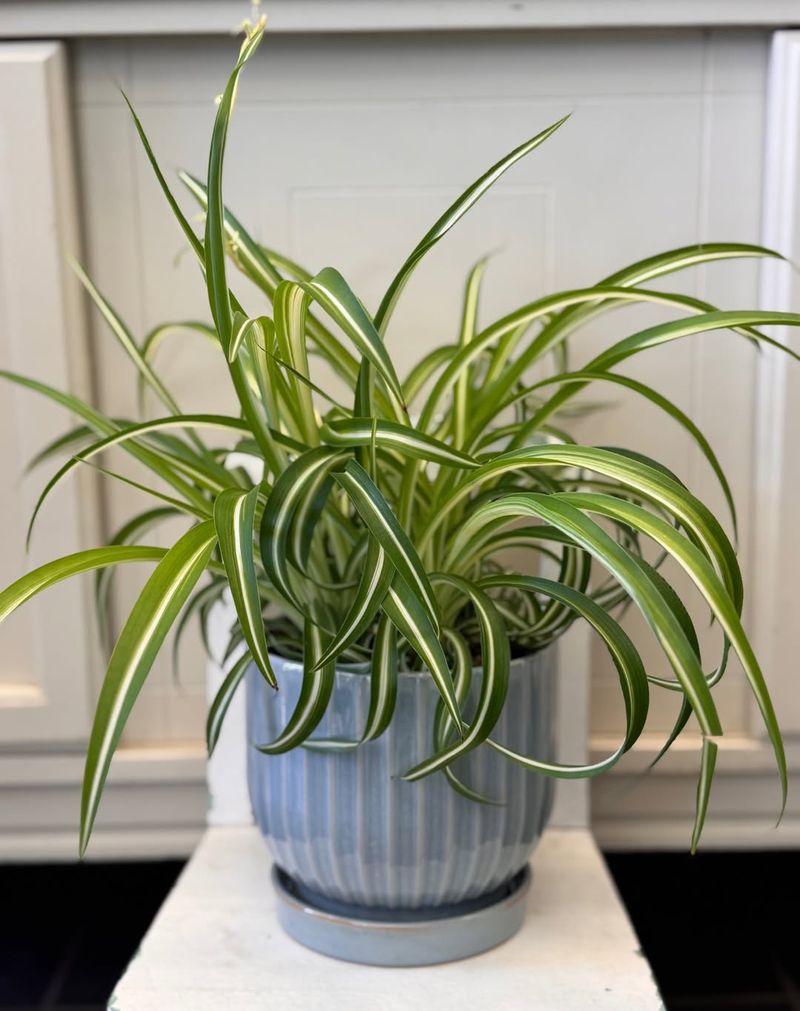
Spider plants capture the joy of indoor gardening with their arching stems and abundant plantlets. In many Maryland homes, classic spider plants produce numerous offshoots that can be rooted in fresh soil to continue the family collection.
These plants thrive in bright, indirect light and enjoy evenly moist soil, which aligns well with the natural conditions of east- or north-facing windows during Maryland winters.
Over time, older plants develop thick root systems and distinctive growth patterns that are prized by enthusiasts.
Sharing baby plantlets with friends or neighbors allows the lineage to continue, and unusual variegation patterns add collector appeal.
Spider plants are a testament to patience and care, demonstrating how heirloom plants can remain vibrant and productive indoors for decades.
10. Philodendron Varieties Continue To Grow In Popularity Among Plant Enthusiasts
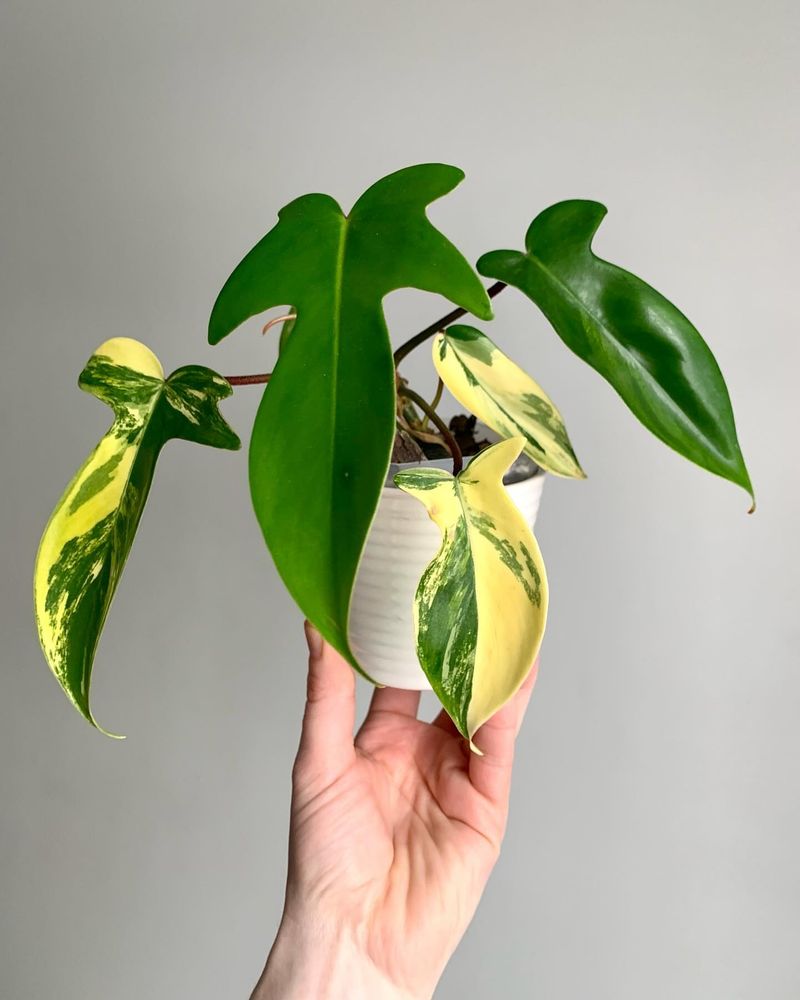
Philodendrons remain popular due to their striking leaves and adaptability to Maryland indoor environments. They grow well in bright, indirect light and tolerate moderate watering, producing large leaves and sprawling vines with time.
Stem cuttings can root easily, enabling gardeners to continue cherished varieties. Collector interest often focuses on rare leaf shapes, variegation, or large mature specimens that demonstrate years of careful growth.
These plants combine visual appeal, ease of care, and legacy value, making them lasting favorites for indoor gardening enthusiasts.
Many Maryland indoor gardeners enjoy training philodendron vines along trellises or shelves to create living walls that add texture and greenery to rooms.
The broad leaves also help improve indoor air quality, making them both decorative and functional.
Long-standing philodendrons in family homes often carry sentimental value, representing decades of care and a connection to previous generations of gardeners.
11. Peace Lily Combines Elegant Leaves With Long-Standing Popularity
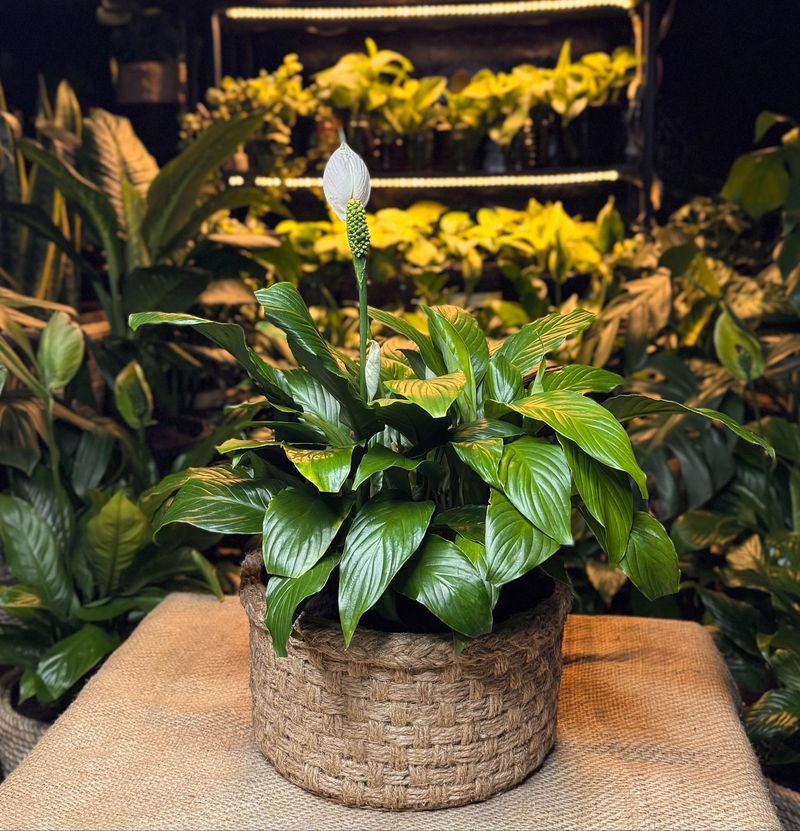
Peace lilies provide lush greenery and delicate white blooms, making them a classic indoor plant in Maryland homes.
They tolerate moderate light and adapt to household humidity and temperature variations, performing well in winter-heated rooms and humid summer conditions.
Mature peace lilies often develop multiple crowns, creating a full, multi-stemmed appearance that newer nursery plants may lack. These plants respond well to careful watering, keeping soil evenly moist without waterlogging.
Indoor gardeners value mature specimens for their reliable bloom cycles, air-purifying foliage, and visual appeal.
Sharing divisions of a well-grown peace lily preserves the plant’s history and allows multiple homes to enjoy a single cherished specimen, reinforcing its ongoing popularity.
In Maryland, these plants can thrive for decades when placed near a bright window or in a room with indirect sunlight.
Collectors and indoor gardeners often seek out older specimens for their size, well-developed structure, and proven ability to bloom consistently year after year.
12. Prayer Plant Delights With Colorful, Movable Leaves In Maryland Interiors
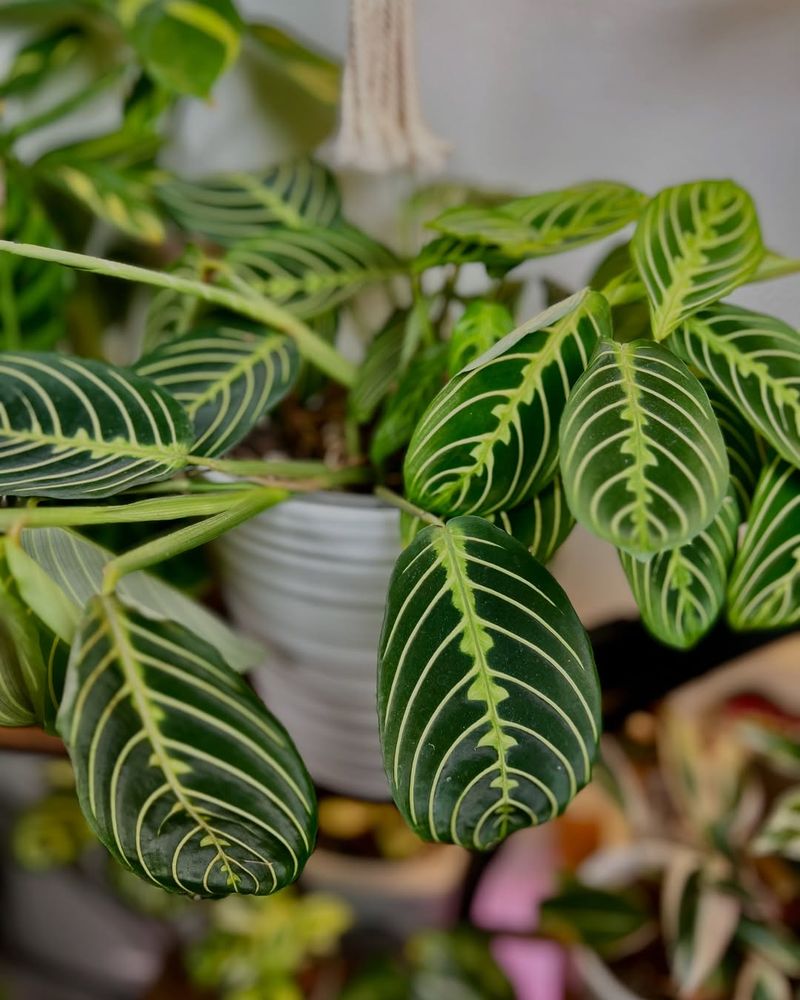
Prayer plants brighten Maryland homes with vibrant, patterned leaves that respond to daily light cycles by folding upward at night.
These plants thrive in bright, indirect light and appreciate moderate humidity, which Maryland gardeners can provide through humidifiers or pebble trays during dry winter months.
Mature Prayer Plants often develop dense foliage and rich coloration, reflecting years of steady care in family homes. Indoor gardeners propagate them through stem or rhizome cuttings, ensuring unique leaf patterns continue through generations.
Collectors value older specimens for their full, lively growth and the interactive movement of the leaves, which adds dynamic interest to indoor spaces.
With consistent moisture, careful light placement, and proper potting medium, Prayer Plants can flourish for decades in Maryland homes, combining visual appeal with long-term legacy and heirloom charm.
13. ZZ Plant Offers Resilient, Glossy Foliage For Long-Term Indoor Growth
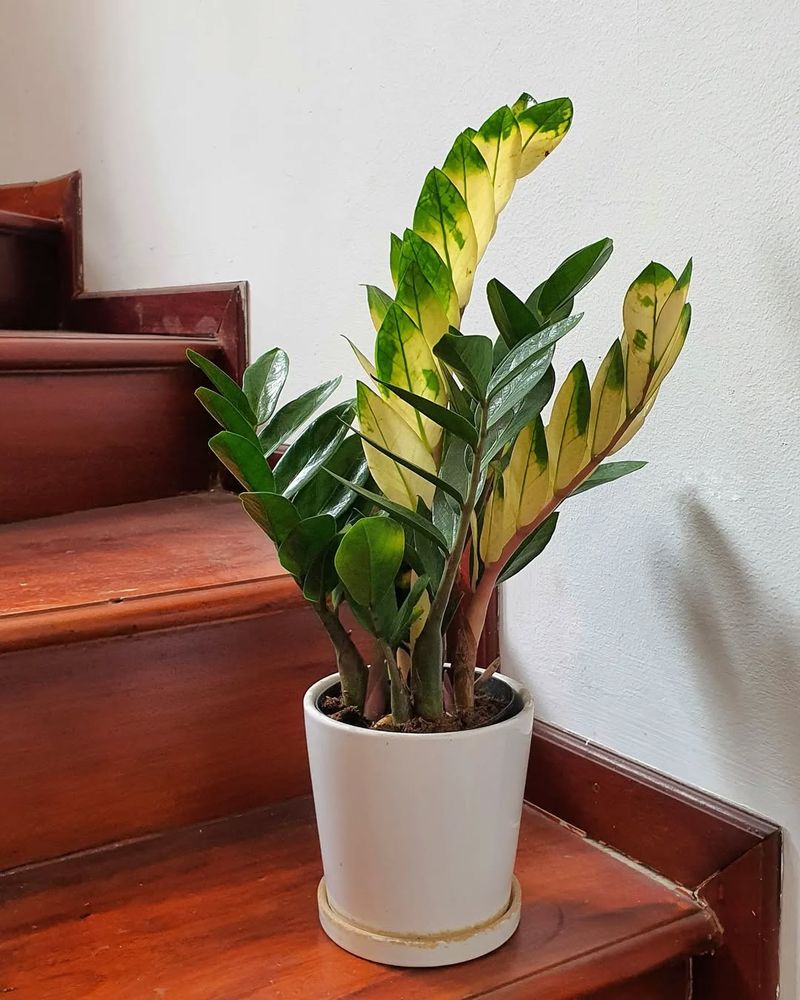
ZZ plants have gained popularity in Maryland homes for their glossy, thick leaves and tolerance of a range of indoor conditions. These plants thrive in moderate to bright indirect light but can adapt to lower-light corners, making them suitable for many indoor spaces.
Mature ZZ plants develop robust, potato-like rhizomes and multiple stems over the years, giving them a sculptural, almost architectural appearance.
They require moderate watering and well-draining soil, which helps them thrive even with seasonal variations in indoor humidity and heating.
Propagation through stem cuttings allows gardeners to maintain or share prized specimens, preserving the characteristics of older plants.
Collectors value mature ZZ plants for their resilience, visual impact, and longevity, and Maryland indoor gardeners enjoy their low-maintenance nature combined with the aesthetic appeal of a long-standing houseplant heirloom.