Grass Varieties That Bring Birds To Oregon Gardens In Wet Weather
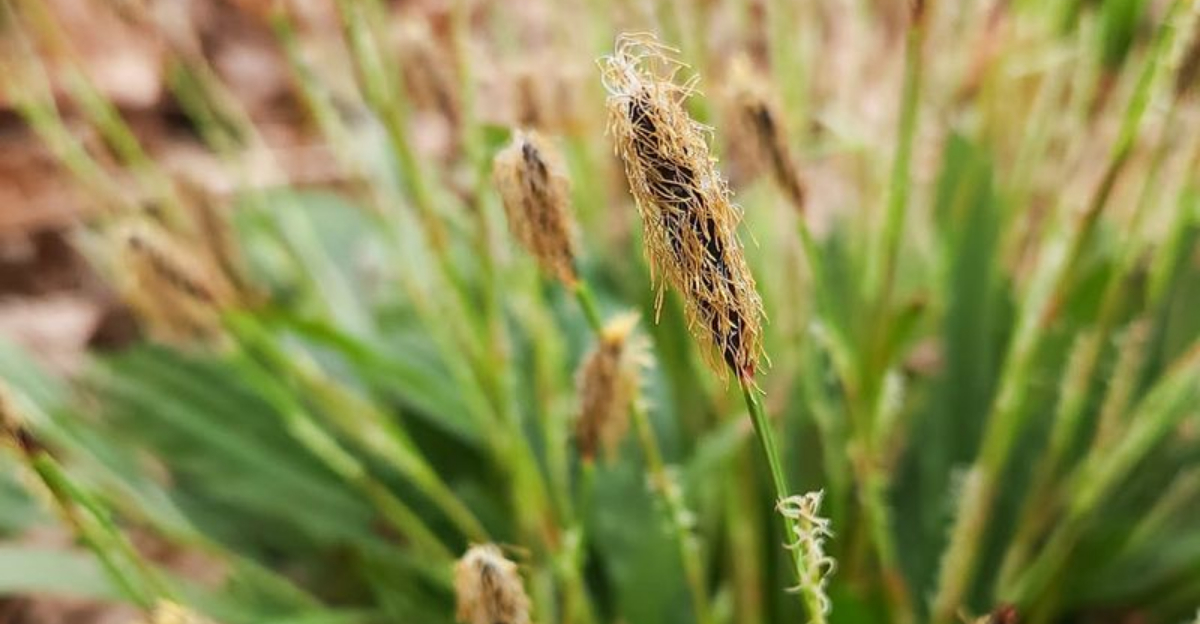
Oregon rain sets the rhythm, and smart gardens move to that beat.
In damp seasons, grass choices can do more than cover ground; they can turn a yard into a welcome mat for birds.
Seed heads become pantry shelves, dense blades offer shelter, and wet soil turns into prime habitat instead of a soggy mess.
While lawns sulk under gray skies, the right grasses step up and earn their keep.
Songbirds notice first, then sparrows, finches, and visitors that stick around longer than expected.
A living carpet can hum with quiet activity even on drizzly days.
Pick wisely, and rainfall shifts from nuisance to advantage.
In a state where moisture never backs down, these grasses help gardens feel alive, resilient, and full of wings year-round.
1. Tufted Hairgrass
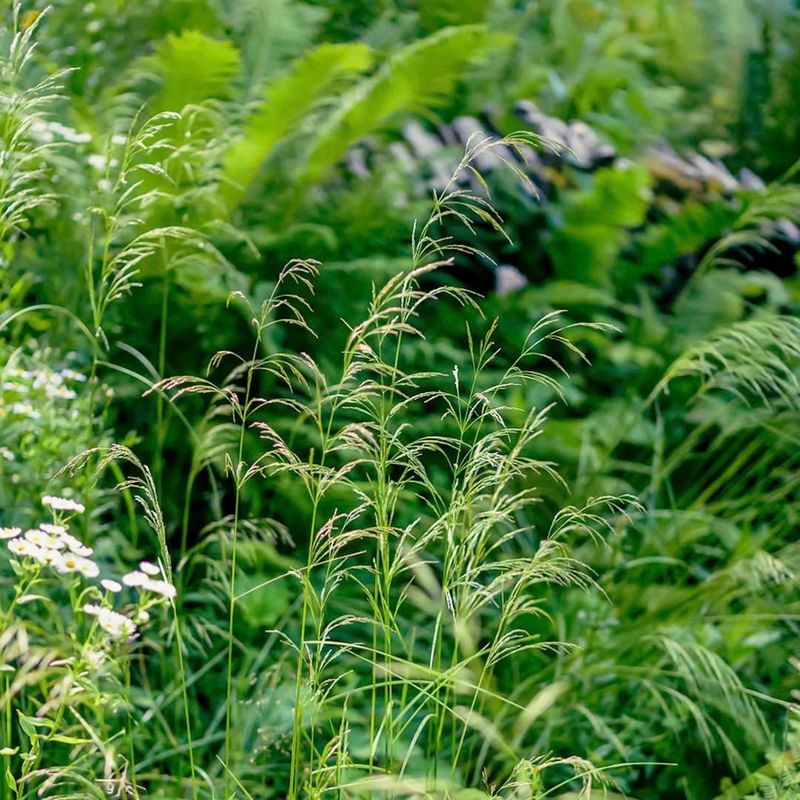
Native to the Pacific Northwest, this graceful grass thrives in soggy conditions that would drown other plants.
Its slender stems rise two to three feet tall, topped with airy seed heads that sway beautifully in Oregon’s frequent breezes.
Songbirds like juncos and sparrows flock to these nutritious seeds from late summer through winter, especially when rain softens the hulls.
The dense tufts also provide cozy shelter where small birds hide from predators during storms.
Gardeners appreciate how this perennial tolerates clay soil and standing water better than most ornamental options.
Plant it in masses along pond edges or rain garden borders for maximum bird appeal.
The foliage stays attractive year-round, turning golden bronze in autumn while seed heads persist through wet months.
Maintenance requires minimal effort—just trim back old growth in early spring before new shoots emerge.
Pair tufted hairgrass with native shrubs to create layered habitat that supports diverse bird species.
This grass proves that wet spots need not be problem areas but can become wildlife magnets with smart plant choices.
2. Red Fescue
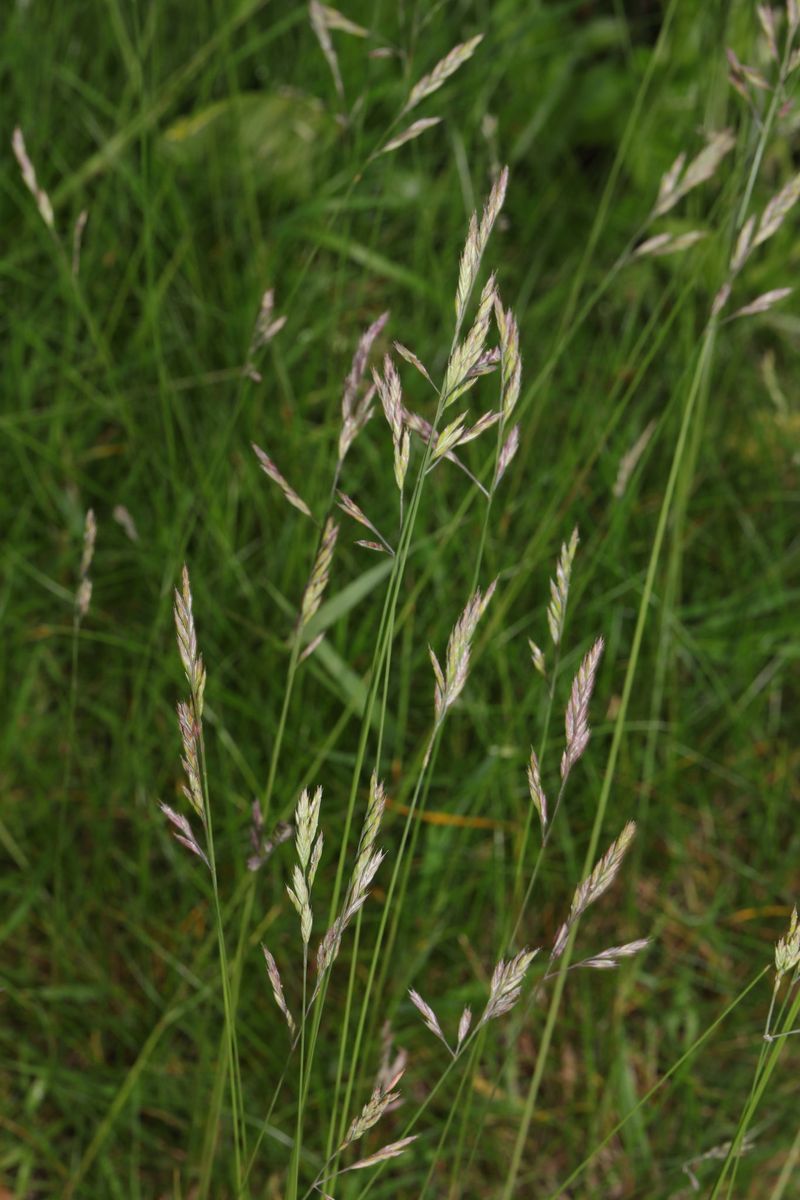
Imagine a lawn alternative that actually invites wildlife instead of creating a sterile carpet.
Red fescue offers exactly that, with fine-textured blades forming a soft meadow where ground-feeding birds love to forage.
This cool-season grass flourishes in Oregon’s damp climate, requiring far less maintenance than traditional turf.
Towhees and thrushes hop through the foliage searching for insects that shelter among the dense growth.
When allowed to flower, the grass produces delicate seed heads that finches and sparrows devour with enthusiasm.
Unlike manicured lawns, red fescue meadows develop a natural, layered structure that provides both food and cover.
The grass tolerates shade under trees where other varieties struggle, making it perfect for woodland garden edges.
Its deep root system prevents erosion on slopes while filtering rainwater runoff effectively.
Mow just once or twice per year to maintain a tidy appearance while preserving bird habitat value.
Red fescue blends beautifully with wildflowers, creating a biodiverse landscape that hums with activity during rainy seasons.
This versatile grass proves low-maintenance and wildlife-friendly goals can coexist perfectly.
3. California Oatgrass
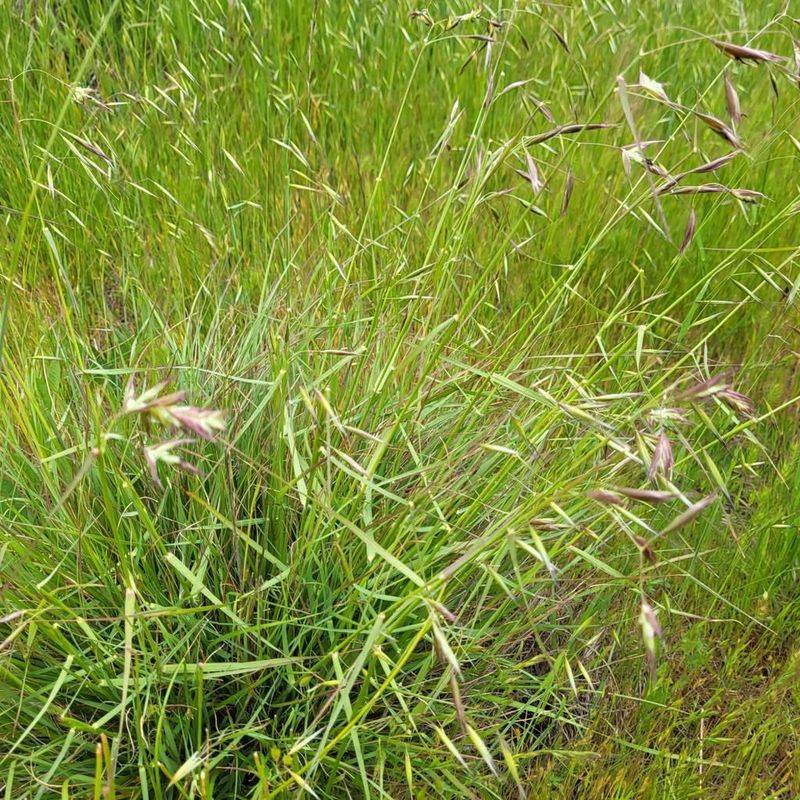
With seed heads resembling miniature oats, this native bunch grass offers a buffet that birds find irresistible.
The silvery-green foliage forms elegant clumps that remain evergreen even through Oregon’s wettest winters.
Goldfinches perform acrobatic displays while clinging to the nodding seed stalks, plucking nutritious grains with precision.
This grass adapts to various moisture levels, thriving equally in seasonal wetlands and well-drained slopes.
Its early seed production provides critical food when other sources remain scarce in late spring.
Native American tribes historically harvested these seeds themselves, recognizing their exceptional nutritional value.
Modern gardeners appreciate how California oatgrass establishes quickly, filling bare spots within a single growing season.
The fine texture contrasts beautifully with broader-leaved perennials in mixed borders.
Unlike aggressive spreaders, this bunch grass maintains polite boundaries, never overtaking garden neighbors.
Plant multiple clumps throughout your landscape to create feeding stations that distribute bird activity evenly.
The rustling sound of wind through oatgrass adds peaceful ambiance to outdoor spaces.
This underutilized native deserves wider recognition for its dual role as ornamental feature and wildlife supporter.
4. Blue Wildrye
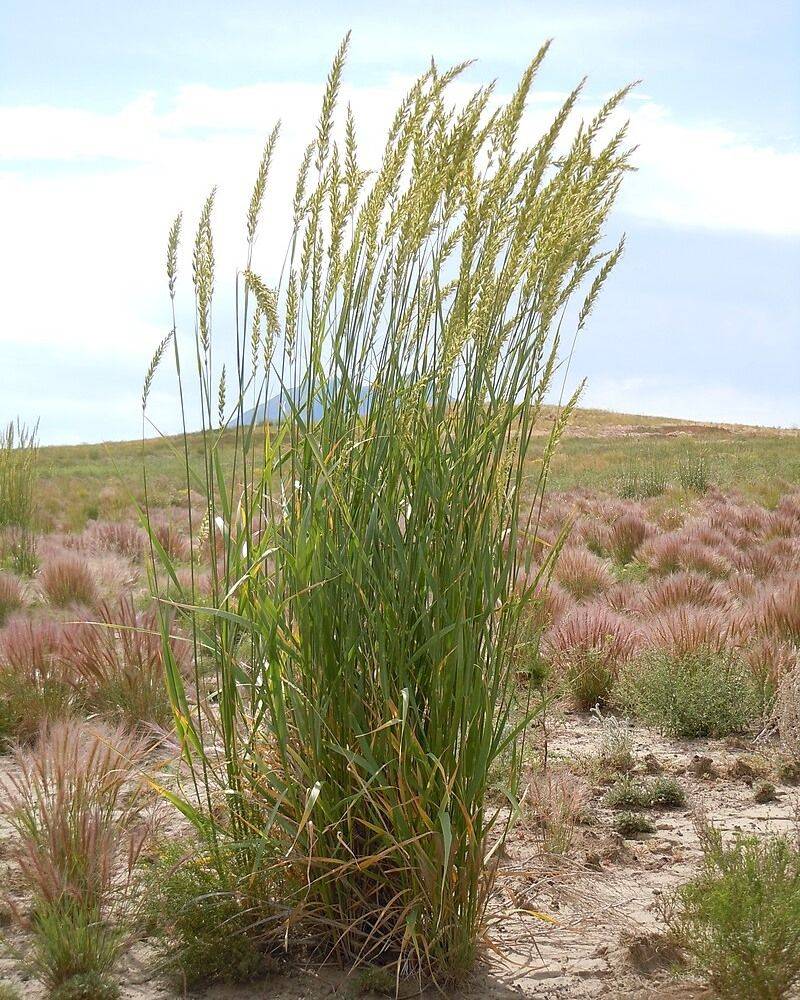
Bold blue-gray foliage makes this grass a showstopper even before birds discover its generous seed production.
Reaching four feet tall, blue wildrye commands attention in rain gardens and along stream banks where moisture collects.
The substantial seed heads mature in midsummer, attracting waves of sparrows, buntings, and towhees throughout autumn.
This native grass evolved alongside Oregon’s bird populations, producing seeds perfectly sized for local species.
Its robust structure withstands heavy rain and wind without flopping, maintaining garden structure through winter.
Deer typically avoid blue wildrye, making it ideal for rural properties where browsing pressure limits plant choices.
The cool blue tones create stunning color contrasts when paired with warm-hued perennials.
Gardeners can expect minimal pest problems and disease resistance from this tough native.
Plant blue wildrye as a living screen to block unsightly views while providing bird habitat.
The grass self-sows moderately, allowing you to expand plantings or share seedlings with neighbors.
Cut back old foliage in late winter to reveal fresh blue growth emerging in spring.
This architectural grass proves that practical wildlife plants can also serve as garden focal points.
5. Deschampsia
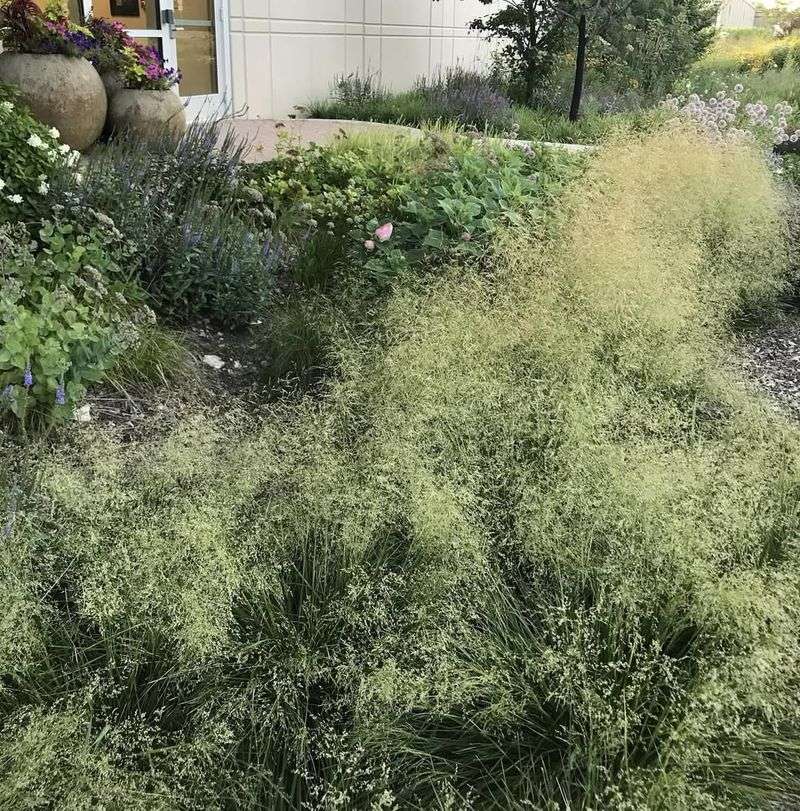
Cloud-like seed heads seem to float above the foliage when this grass blooms, creating ethereal garden moments.
Deschampsia thrives in the exact wet, cool conditions that characterize Oregon’s climate for much of the year.
The tiny seeds attract small finches and siskins that might overlook coarser grass varieties.
This evergreen grass maintains its tidy appearance without the dormant brown period many species display.
Backlit by morning sun, the translucent seed heads glow golden, adding magical quality to rainy-day gardens.
Compact varieties suit small urban spaces while taller selections anchor larger landscape compositions.
The grass tolerates both full sun and partial shade, adapting to various garden microclimates.
Its fine texture softens hard landscape edges like patios and pathways.
Birds appreciate how the dense foliage provides protective cover close to feeding areas.
Deschampsia requires no fertilizer and minimal water once established, despite its lush appearance.
Plant it in drifts for naturalistic effect, or use single specimens as refined accents.
The grass combines effortlessly with ferns, hostas, and shade-loving perennials in woodland settings.
This refined beauty proves that ornamental value and wildlife support need not be competing priorities.
6. Creeping Red Fescue
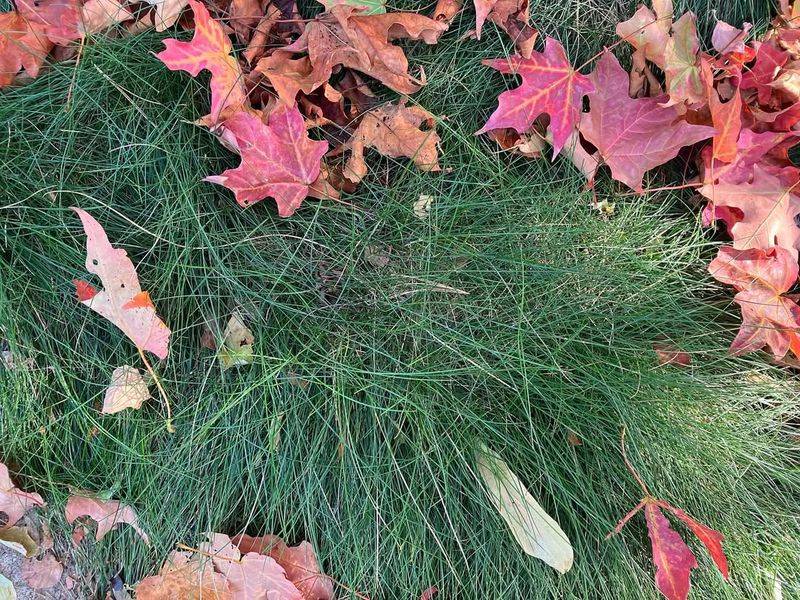
Ground-feeding birds consider this low-growing grass their personal dining room, hopping through the dense growth in search of insects and seeds.
Creeping red fescue spreads slowly via rhizomes, forming a durable mat that handles foot traffic better than many alternatives.
Oregon’s native song sparrows particularly favor this grass, using it for both foraging and nesting material.
The fine blades stay green through winter when established, providing year-round habitat value.
This grass excels in challenging spots like dry shade under evergreens where little else survives.
Its ability to tolerate both drought and excess moisture makes it remarkably versatile for Pacific Northwest gardens.
Mowing height can vary from two to six inches depending on desired appearance and wildlife goals.
Taller growth produces more seeds while shorter cuts create easier foraging access for birds.
The grass requires no pesticides or herbicides, supporting healthy insect populations that birds rely upon.
Creeping red fescue establishes from seed quickly and inexpensively compared to sod installation.
Mix it with other low-growing grasses to create diverse habitat structure.
This unassuming groundcover works quietly behind the scenes, supporting birds without demanding gardener attention.
7. Tall Fescue
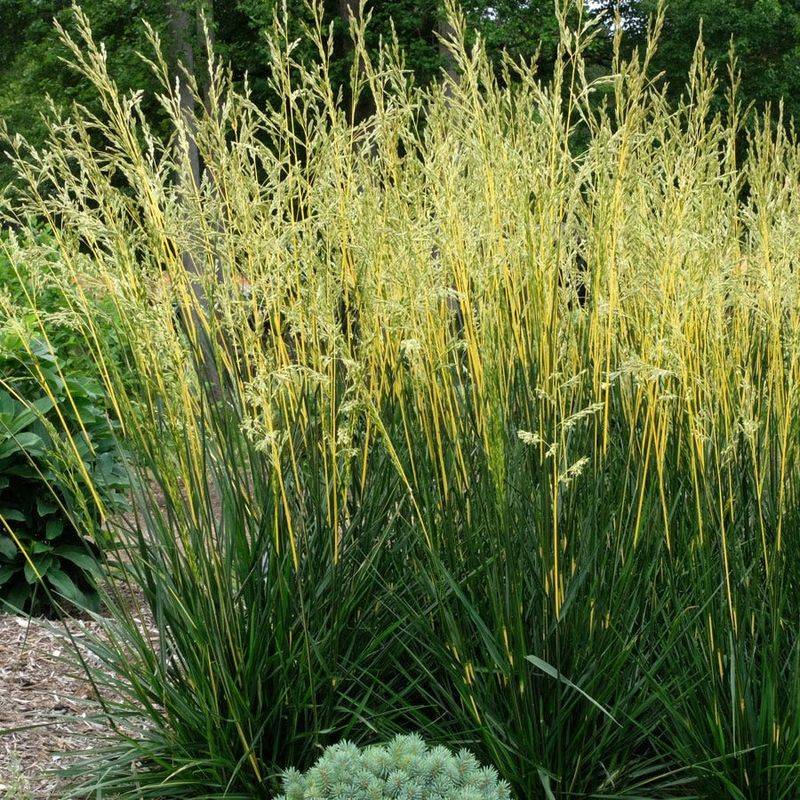
Robust and resilient, tall fescue handles Oregon’s unpredictable weather swings from soggy to dry without missing a beat.
The grass produces abundant seeds on sturdy stalks that remain upright even during heavy rainstorms.
Larger birds like jays and blackbirds easily access these elevated seed heads, while smaller species glean dropped seeds below.
Deep roots extending several feet down make tall fescue exceptionally drought-tolerant once established, despite its love for wet conditions.
This adaptability proves valuable as climate patterns shift and precipitation becomes less predictable.
The grass forms substantial clumps that provide windbreak protection for ground-nesting birds.
Modern cultivars offer improved texture and color compared to older agricultural varieties.
Tall fescue tolerates salt spray in coastal gardens where ocean winds limit plant options.
Its vigorous growth quickly repairs bare patches caused by heavy bird activity or foot traffic.
The grass remains actively growing during cool, wet periods when warm-season species go dormant.
Plant it along property borders to create privacy screens that double as wildlife corridors.
Tall fescue requires less frequent mowing than traditional lawns while supporting far more biodiversity.
This workhorse grass delivers reliable performance year after year with minimal input.
8. Sedges
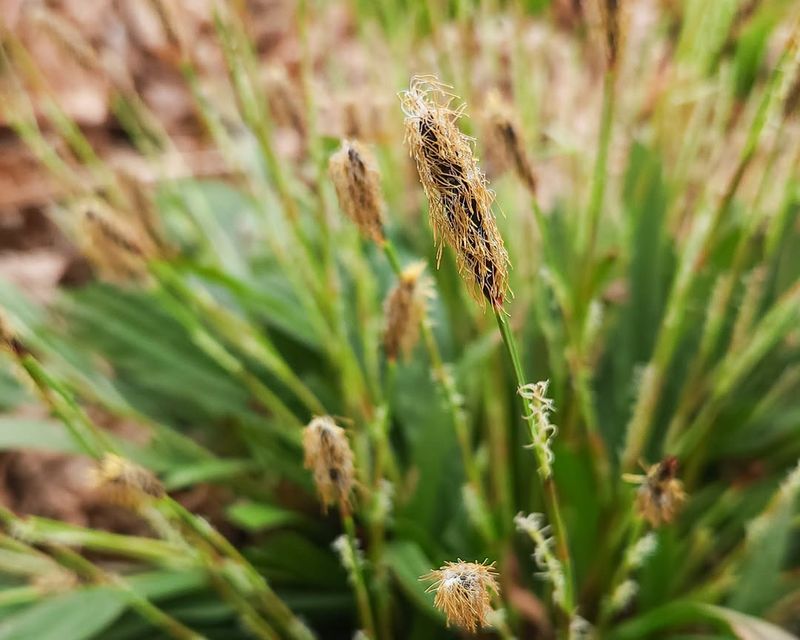
Technically not true grasses but often grouped with them, sedges offer unmatched value for wet Oregon gardens.
The distinctive triangular stems feel different from round grass blades, and birds seem to appreciate the structural variety.
Oregon boasts numerous native sedge species, each adapted to specific moisture and light conditions.
Seed production varies by species but generally provides food from early summer through autumn.
Wrens and warblers hunt insects that shelter among sedge foliage during rainy periods.
Many sedges remain evergreen, offering crucial winter cover when deciduous plants stand bare.
These plants excel at filtering pollutants from runoff water before it enters streams and wetlands.
Gardeners can choose from compact six-inch varieties to towering four-foot specimens depending on space and design needs.
Sedges require virtually no maintenance once established in appropriate conditions.
Their tolerance for standing water makes them perfect for bioswales and rain garden bottoms.
The subtle beauty of sedges appeals to gardeners seeking naturalistic, low-key aesthetics.
Mix several species together to create textured tapestries that support diverse bird communities.
Sedges prove that the most valuable wildlife plants often fly under the radar, working magic without fanfare.