Green Roof Care Tips Georgia Homeowners Should Handle Before Winter
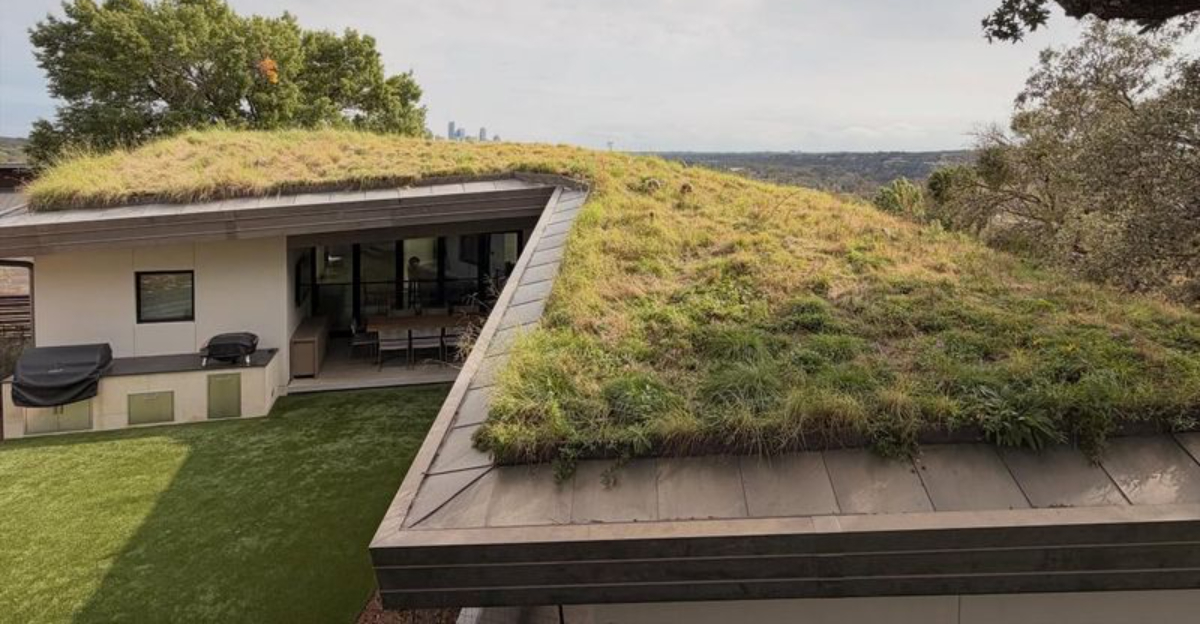
Georgia homeowners are getting their green roofs ready for the colder months, and a few simple habits can make a surprisingly big difference as the season starts to shift.
Each bit of upkeep helps the plants stay steady when the weather cools down, giving the roof a better chance to handle sudden changes without losing its rhythm.
A quick look over the drainage, a little trimming, and a light clean can prevent small issues from turning into winter headaches that no one wants to deal with.
All of these small moments of care help the whole setup stay balanced and ready for colder nights ahead.
It all comes together in a way that keeps the roof looking healthy and the home feeling season-ready without much stress.
1. Inspect Your Drainage System Thoroughly
Water needs somewhere to go, especially during Georgia’s winter rains that can arrive without warning and flood unprepared surfaces.
Your green roof depends on a well-functioning drainage system to prevent water from pooling and causing damage to both plants and the waterproof membrane beneath.
Check every drain, gutter, and downspout for leaves, twigs, dirt, and other debris that might have accumulated during fall months across the state.
Clogged drains force water to sit on your roof, which can lead to root rot, membrane deterioration, and structural issues that become expensive problems.
Remove all blockages by hand or with a small tool, making sure water flows freely through each drainage point on your Georgia home.
Test the system by running water through it and watching how quickly it drains away from the vegetated surface.
Proper drainage protects your investment and keeps your green roof healthy throughout the entire winter season in Georgia.
2. Remove Dead Plant Material Carefully
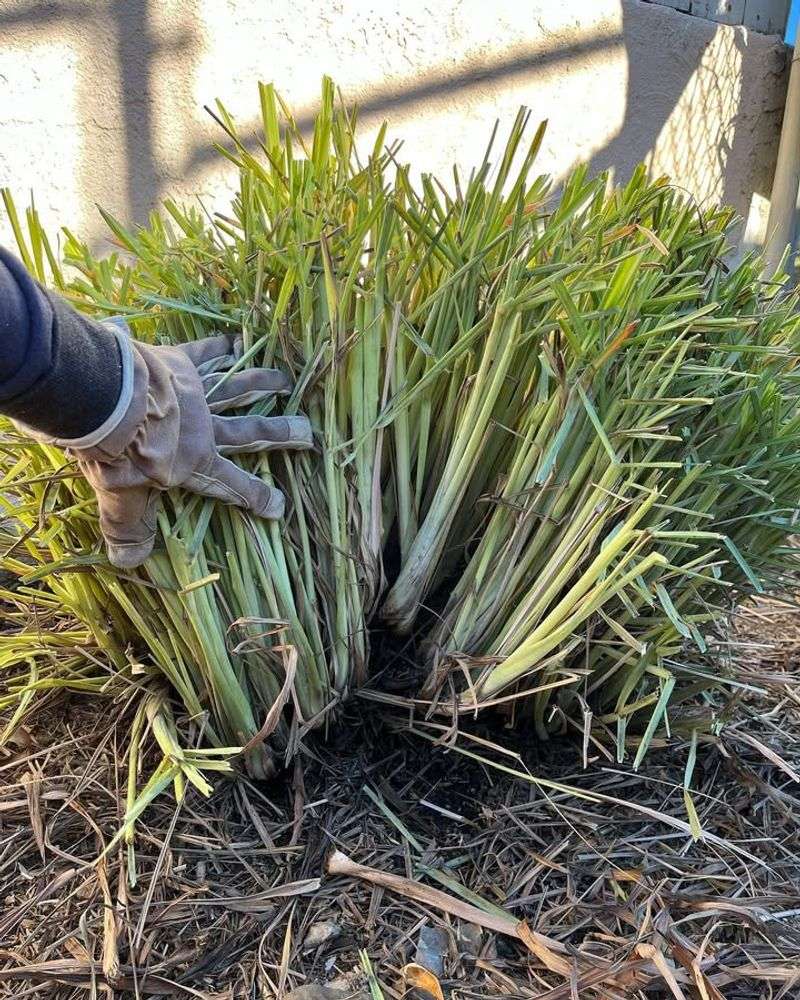
Dead leaves, stems, and flowers create more than just an eyesore on your beautiful green roof installation in Georgia.
Decaying plant matter holds moisture against the roof surface, creating conditions where mold, fungus, and harmful bacteria can flourish during winter months.
Walk across your roof carefully and pull out any brown, withered, or lifeless vegetation that won’t survive the colder weather ahead.
This cleanup prevents disease from spreading to healthy plants and improves air circulation around the surviving vegetation on your Georgia property.
Use gentle hand-pulling techniques rather than aggressive raking, which could disturb the growing medium or damage the waterproof layer underneath everything.
Bag up the removed material and compost it away from your roof, or dispose of it according to local Georgia regulations.
A clean green roof enters winter in better shape and emerges healthier when spring warmth returns to the state.
3. Check Membrane Integrity for Damage
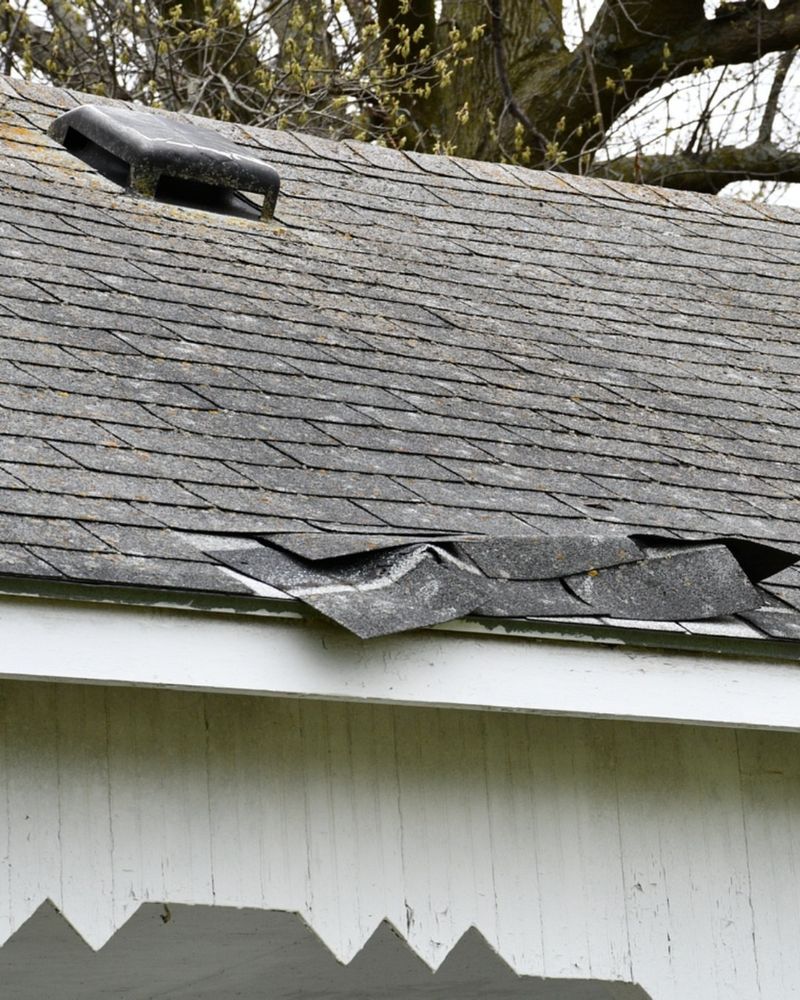
Hidden beneath your plants and soil lies the waterproof membrane that protects your Georgia home from leaks and water damage.
Even small punctures or tears in this crucial layer can allow moisture to seep into your house, causing problems you won’t notice until serious damage occurs.
Gently move aside some of the growing medium in several spots to visually inspect the membrane for rips, holes, or worn areas.
Look especially carefully around roof penetrations like vents, chimneys, and edges where damage most commonly develops over time in Georgia.
If you spot any compromised areas, contact a professional roofing contractor who specializes in green roof systems to make repairs before winter arrives.
Early detection saves Georgia homeowners from expensive interior repairs and protects the structural integrity of the entire building.
A sound membrane means your green roof can handle whatever winter weather the state sends your way.
4. Fertilize Plants with Appropriate Nutrients
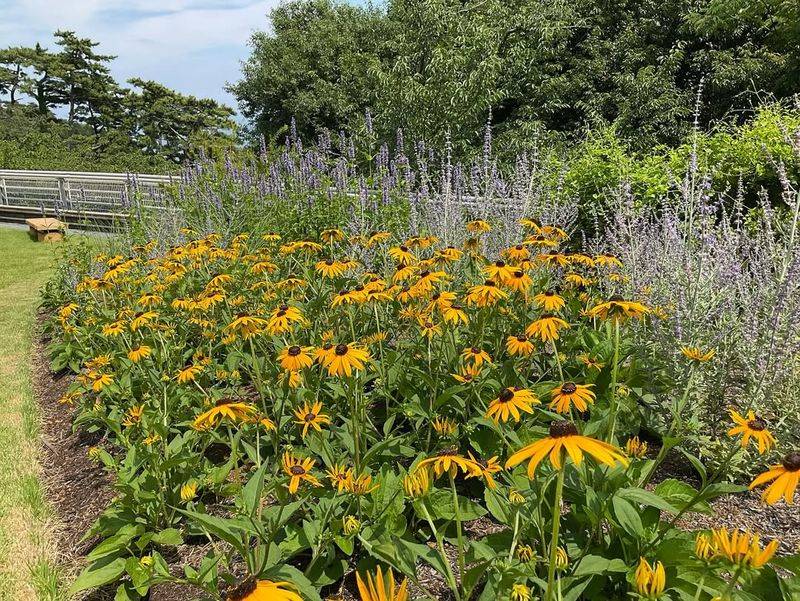
Strong, well-nourished plants handle winter stress much better than weak, undernourished ones struggling to survive on your Georgia green roof.
Late fall offers the perfect window to give your vegetation a nutrient boost that helps them build reserves for the dormant season ahead.
Choose a slow-release organic fertilizer specifically formulated for green roof applications rather than standard garden products sold throughout Georgia.
These specialized fertilizers won’t wash away with the first rain and provide steady nutrition over several months as plants need it most.
Spread the fertilizer evenly across the entire planted area, following package directions carefully to avoid overfeeding, which can harm rather than help.
Water lightly after application to help nutrients begin moving into the soil where roots can access them easily.
Well-fed plants in Georgia enter winter dormancy healthier and bounce back faster when growing conditions improve in spring.
5. Trim Overgrown Vegetation Back

Plants that grew enthusiastically during Georgia’s long growing season might now be crowding each other or hanging over roof edges where they don’t belong.
Overgrown vegetation creates weight imbalances, blocks drainage paths, and makes your green roof look unkempt heading into the winter months ahead.
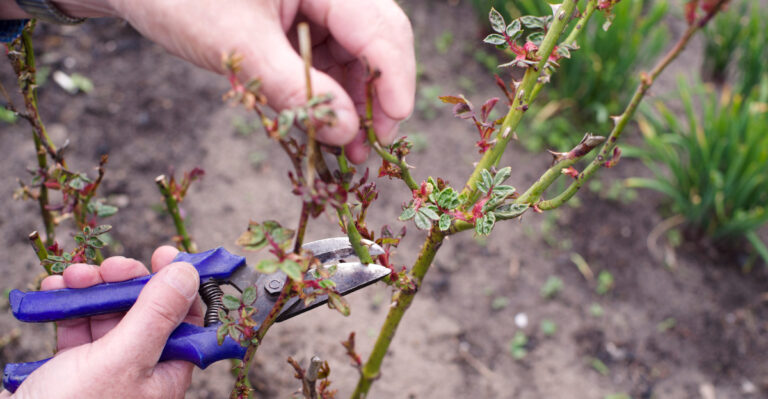
Use clean, sharp pruning shears to trim back any plants that have spread beyond their intended areas or grown too tall for the roof design.
Cut back perennial grasses and flowering plants to about three inches above the growing medium, which encourages healthy regrowth when spring arrives in Georgia.
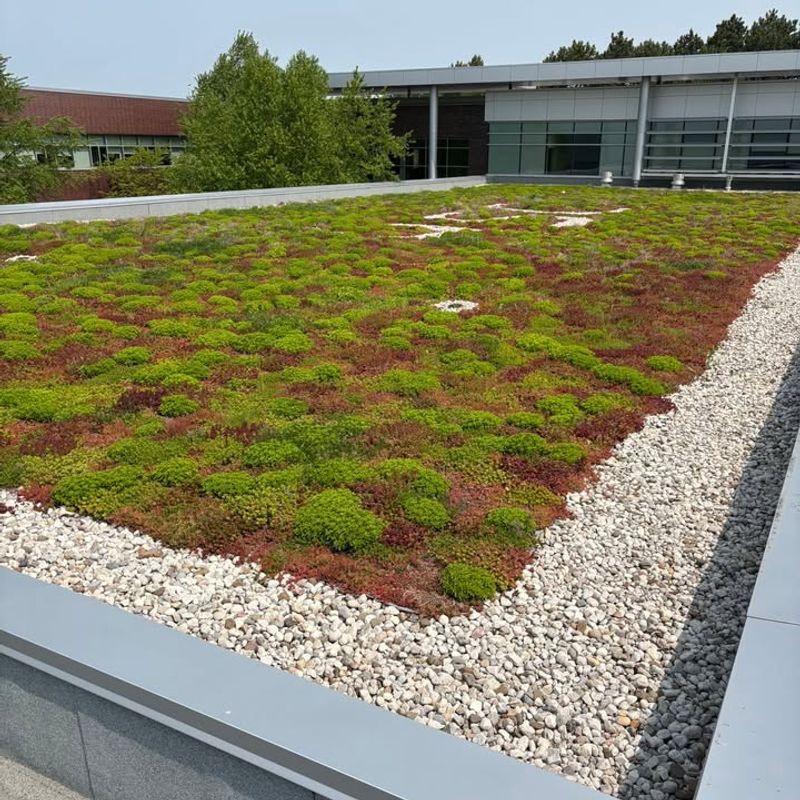
Don’t trim evergreen sedums too aggressively, as they need their foliage to survive winter and protect the crown of the plant below.
Collect all trimmings immediately and remove them from the roof to prevent them from blocking drains or decomposing on the surface.
A well-trimmed green roof in Georgia looks neat and functions better throughout the entire winter season.
6. Secure Loose Growing Medium
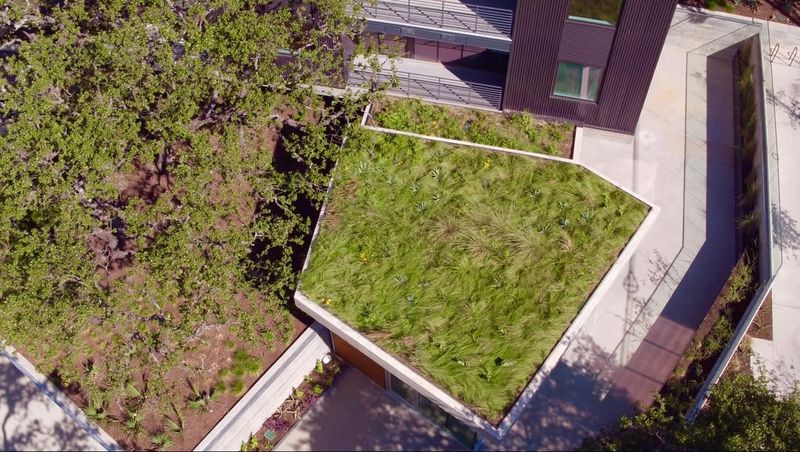
Wind, rain, and foot traffic can gradually displace the growing medium on your roof, creating thin spots and exposing the membrane underneath to Georgia weather.
These bare patches allow water to pool, reduce insulation effectiveness, and leave the waterproof layer vulnerable to damaging ultraviolet rays from the sun.
Walk your entire green roof and look for areas where the soil depth seems reduced or where you can see more membrane than you should.
Add fresh growing medium to these thin spots, matching the original substrate composition as closely as possible for consistency across your Georgia installation.
Gently rake the new material to blend it with existing soil, creating a smooth, even surface that supports plant growth and proper drainage.
Water the replenished areas lightly to help the new medium settle and integrate with the established growing layer on your roof.
Maintaining proper soil depth protects your green roof system and ensures it performs as designed throughout winter in Georgia.
7. Test Irrigation System Functionality

Even though Georgia winters bring rain, your green roof might still need supplemental watering during dry spells that occasionally occur across the state.
A malfunctioning irrigation system discovered in January when plants need water does you no good if repairs require special parts or professional assistance.
Turn on your system now and watch each sprinkler head or drip emitter to confirm it operates correctly and covers its designated area.
Look for clogged nozzles, broken heads, leaking connections, and dry spots that indicate your system isn’t distributing water evenly across the Georgia roof.
Clean or replace any problematic components before cold weather arrives and makes outdoor work uncomfortable or damages water-filled lines.
Consider installing a timer or moisture sensor that automatically adjusts watering based on actual conditions rather than a fixed schedule.
A properly functioning irrigation system gives you peace of mind and keeps your green roof vegetation healthy all winter long in Georgia.
8. Evaluate Edge Restraints and Borders

Edge restraints hold your growing medium in place and prevent it from washing or blowing off the sides of your Georgia home during storms.
Over time, these borders can shift, crack, or separate from the roof surface, creating gaps where soil can escape and plants can spread beyond intended boundaries.
Walk the entire perimeter of your green roof and inspect every section of edging for damage, looseness, or deterioration that needs attention.
Push against the restraints gently to make sure they’re still firmly attached and haven’t pulled away from the roof deck underneath them.
Repair or replace any compromised sections before winter weather tests these important components and potentially causes bigger problems for Georgia homeowners.
Secure edges also improve the finished appearance of your green roof and prevent soil from staining the building facade below.
Strong, intact edge restraints protect your investment and keep everything where it belongs throughout winter in Georgia.
9. Document Current Roof Condition
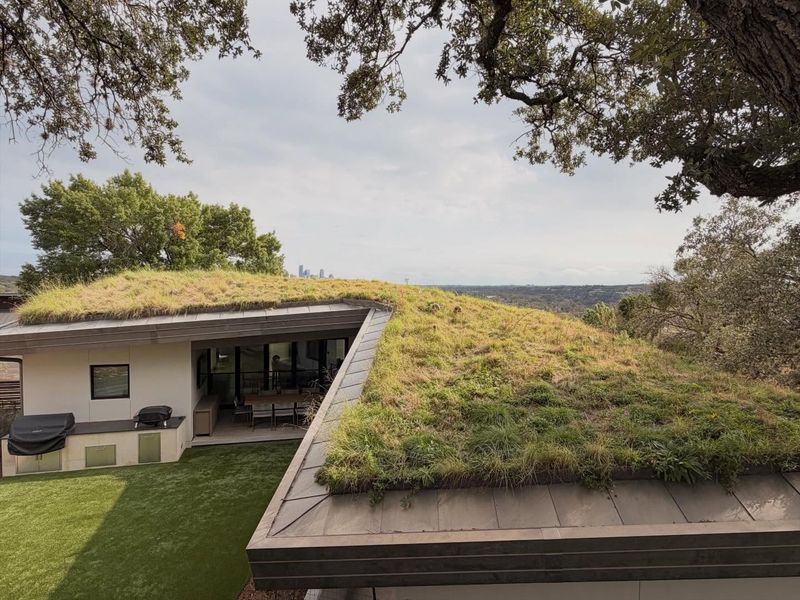
Creating a visual record of your green roof’s condition before winter provides valuable documentation for insurance purposes and helps track changes over time in Georgia.
Take clear photographs from multiple angles, capturing the overall appearance as well as close-up shots of plants, drainage areas, and any existing concerns.
Write down notes about what you observe, including which plants look healthiest, where drainage seems slowest, and any repairs you completed recently.
This documentation helps you compare spring conditions to fall conditions and notice problems early when they’re easier and cheaper to address.
Store your photos and notes in a safe place where you can easily find them when you need to reference past conditions or show them to contractors.
If winter storms or unusual weather affect your Georgia green roof, having before pictures helps with insurance claims and repair planning.
Good record-keeping turns you into a more informed homeowner and helps you make better decisions about your green roof care in Georgia.