5 Groundcovers To Start Planting In March In Arizona And 4 That Are Too Early
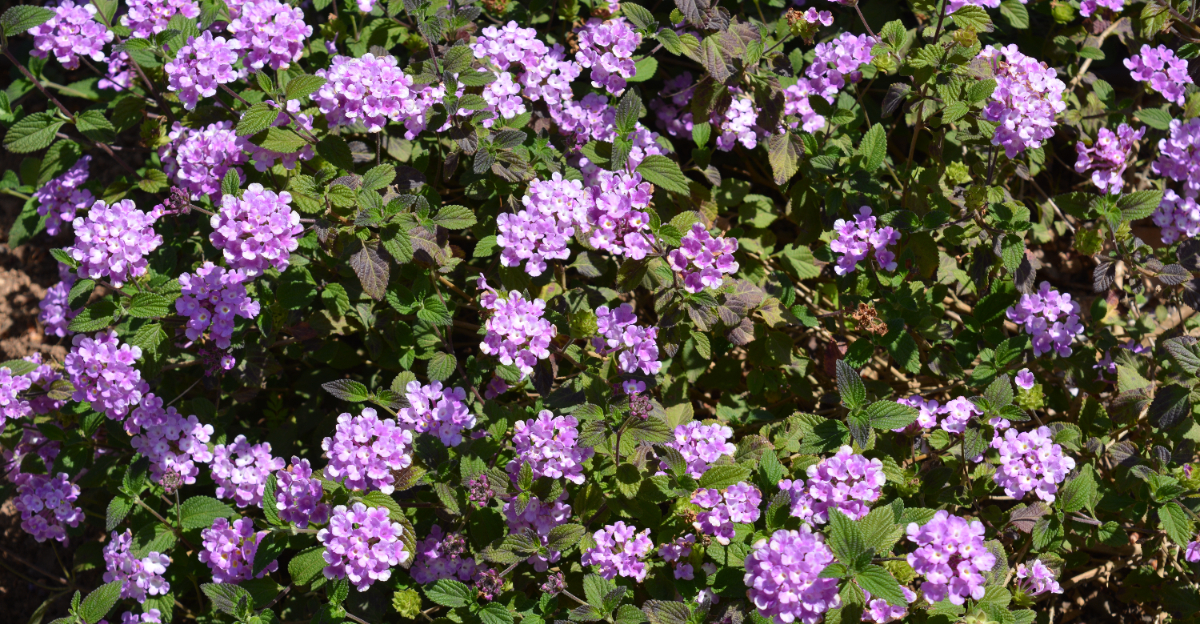
March is when many Arizona gardeners start thinking about filling bare patches in the landscape.
As temperatures begin to warm and the days grow longer, it becomes one of the best times to establish certain groundcovers before the intense summer heat arrives.
These low-growing plants can spread quickly, soften the look of gravel or bare soil, and help reduce weeds while adding color and texture to the yard. But timing still matters.
Some groundcovers handle March planting very well and use the mild spring weather to settle in and start spreading. Others need warmer soil and more stable nighttime temperatures before they are ready to be planted successfully.
Knowing which groundcovers can go into the ground now and which ones should wait a little longer can help Arizona gardeners avoid setbacks and give new plants a much better start in the landscape.
1. Trailing Lantana Establishes Well As Temperatures Begin Warming
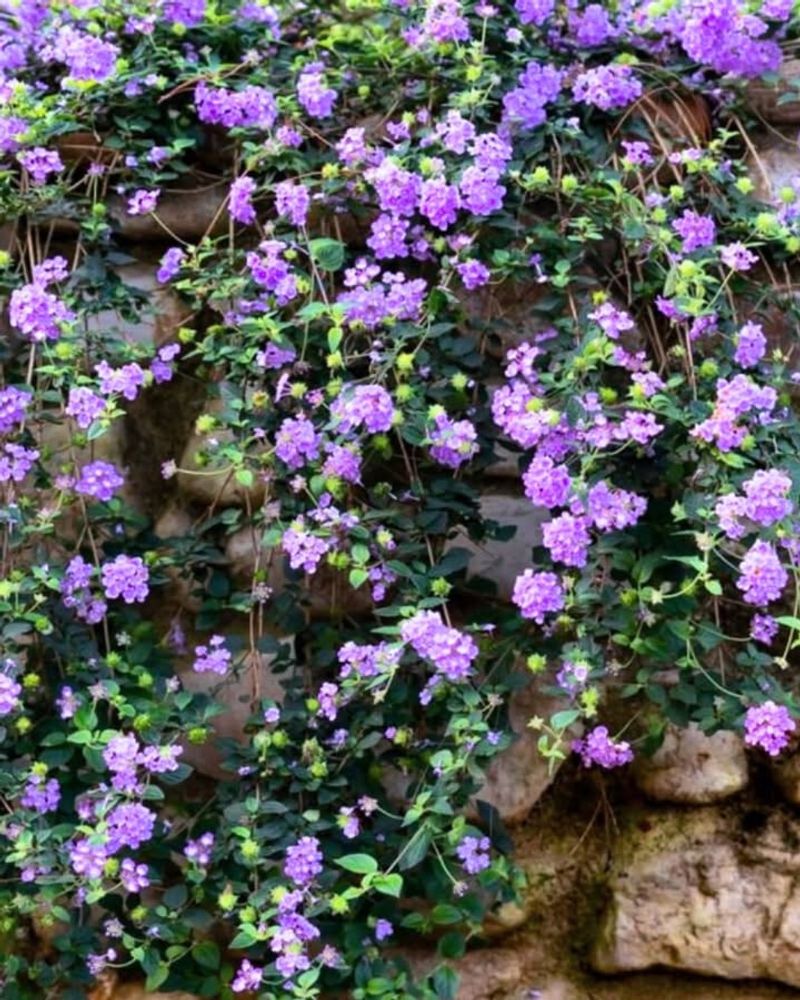
Few groundcovers hit the ground running in Arizona the way trailing lantana does.
Put it in the soil in March and you will almost immediately see it respond to the warming temperatures — it stretches out, fills space fast, and starts throwing color before you know it.
Lantana spreads low and wide, covering bare patches that would otherwise bake and crack by June. In Phoenix or Tucson yards, that spreading habit is genuinely useful.
It handles full sun without flinching, and once the soil temps start climbing, the plant just takes off on its own.
Flowers come in mixes of yellow, orange, pink, and purple depending on the variety. Pollinators absolutely swarm it, especially butterflies.
Planting in March gives roots enough time to anchor before triple-digit days arrive. Water it regularly through the first few weeks, then back off gradually as it settles in.
Avoid heavy clay spots — lantana prefers soil with decent drainage. Spacing plants about three feet apart gives them room without crowding.
It is one of those plants that rewards a little patience in spring with months of color payoff through fall.
By early summer, it often forms a dense, colorful mat that helps shade the soil and keep weeds from taking over.
2. Damianita Handles Full Sun And Dry Soil Well
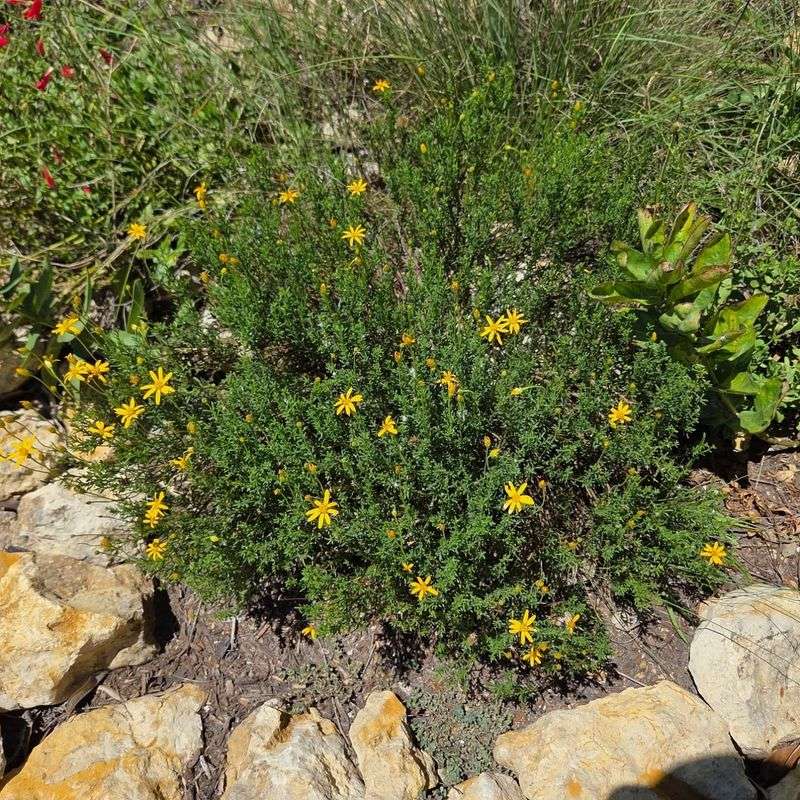
Damianita is not a flashy plant, but it earns serious respect in Arizona gardens. Native to the Chihuahuan Desert, it already knows how to handle brutal sun and dry, rocky ground — conditions that stop most plants cold.
Bright yellow flowers pop up in spring and sometimes again in fall, bringing pollinators in without any extra effort on your part. The foliage stays a fine-textured, silvery green all year, which gives the garden some visual interest even when it is not blooming.
March planting works well because the mild weather lets roots go deep before summer stress kicks in.
Drainage is non-negotiable with damianita. Soggy soil causes problems fast, so avoid low spots or areas where water pools after rain.
Sandy or gravelly soil is ideal. Space plants about two feet apart and let them knit together into a solid mat over time.
Around Tucson and Phoenix, this plant fits naturally into rock gardens, slopes, and dry borders where other groundcovers struggle. Overwatering is the most common mistake — keep irrigation minimal once plants are settled in.
A little neglect honestly suits damianita just fine.
3. Trailing Rosemary Spreads Nicely As A Low Groundcover
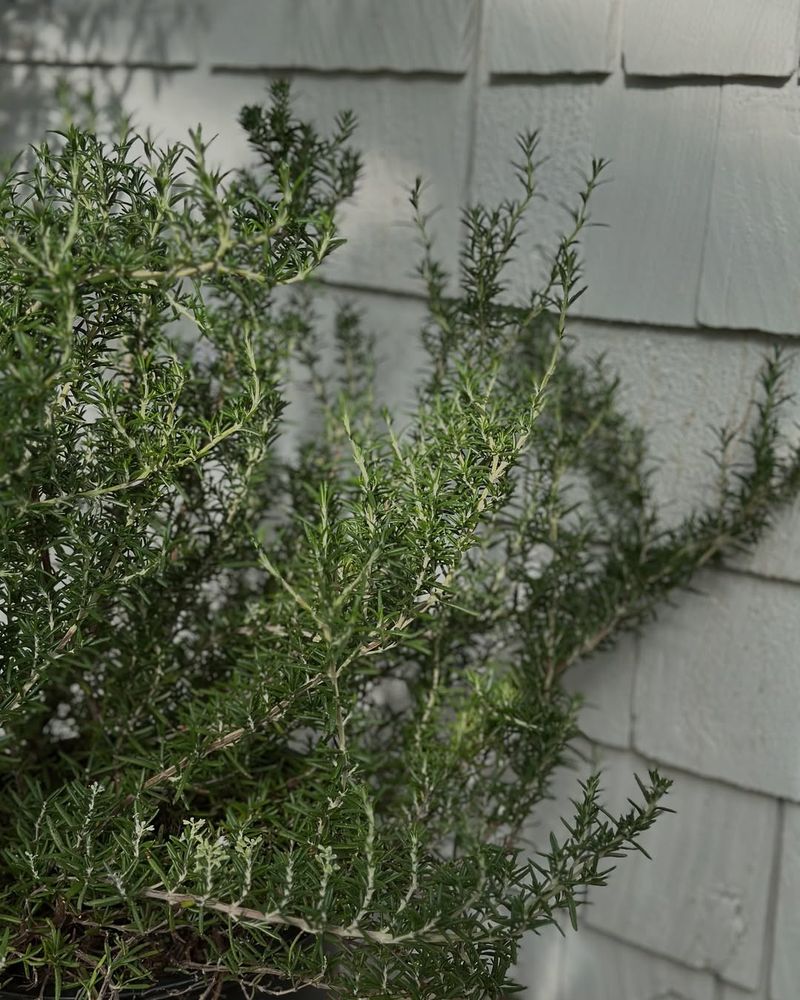
Walk past a patch of trailing rosemary on a warm Arizona morning and the scent alone stops you in your tracks. It is a practical groundcover that also happens to smell incredible — not a bad combination for a front yard or pathway border.
Unlike upright rosemary varieties, the trailing form stays low and spreads outward, covering ground steadily without getting bushy or tall.
Small blue flowers appear in late winter and early spring, which means by the time you are planting in March, some varieties are already mid-bloom.
Bees love it.
Full sun is a must — put trailing rosemary in shade and it gets leggy and weak. Well-drained soil matters just as much.
Caliche layers common in many Phoenix and Tucson yards can restrict root growth, so break through that layer when digging your planting hole. Water regularly for the first month, then taper off.
Trailing rosemary is surprisingly tough once it gets going. Space plants three to four feet apart and let them fill in naturally.
Avoid fertilizing heavily — too much nitrogen pushes soft growth that does not hold up well through summer. Lean soil actually produces a sturdier, more aromatic plant.
4. Blackfoot Daisy Thrives In Sunny Well Drained Soil
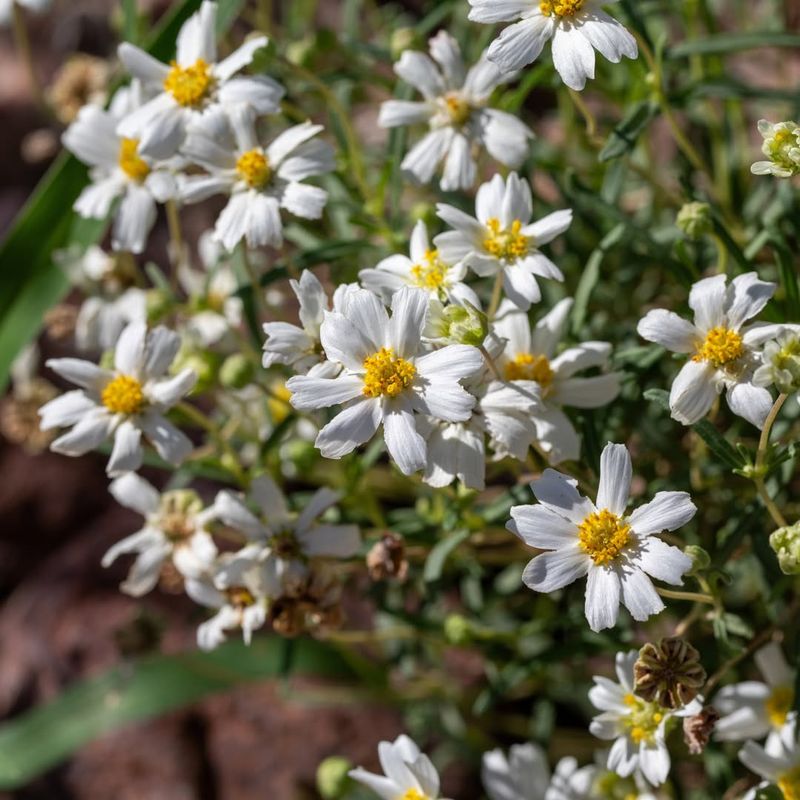
Cheerful is the only word for blackfoot daisy. Small white petals with bright yellow centers cover the plant from late winter through spring, and in Arizona it often blooms again in fall when temperatures cool back down.
March is a great window to get it planted.
Rocky, gravelly, or sandy soil is where blackfoot daisy really shines. It evolved in harsh, dry landscapes and handles poor soil better than rich amended beds.
In fact, too much organic matter or fertilizer tends to make the plant floppy and short-lived. Keep the soil lean and sharp-draining.
Spacing plants about eighteen inches apart gives each one room to round out into a nice mound. In Phoenix and Tucson landscapes, blackfoot daisy pairs well with other desert natives along pathways or at the edge of rock gardens.
It handles reflected heat from walls and pavement without much trouble. Deadheading spent flowers is optional — the plant keeps blooming on its own without it.
Watering deeply but infrequently encourages deep root growth, which helps it survive the intense Arizona summer. Avoid overhead watering when possible, as wet foliage in humid monsoon conditions can cause fungal issues on the leaves.
5. Angelita Daisy Performs Well When Planted In Early Spring
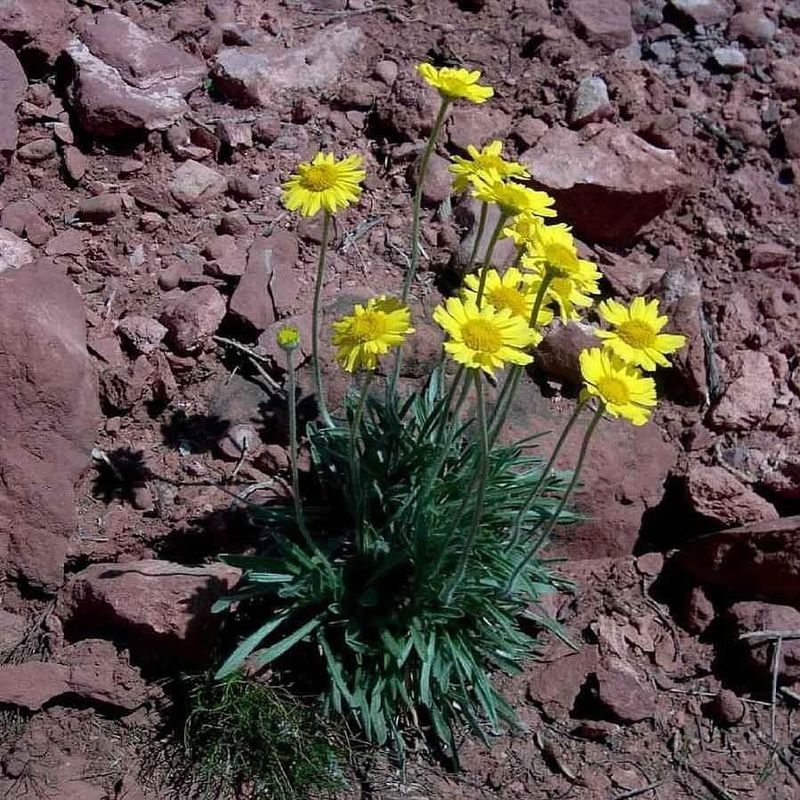
Angelita daisy is one of those plants that looks delicate but handles Arizona conditions with zero drama. Planted in March, it catches mild temperatures and uses those early weeks to push roots down before heat arrives.
Bright yellow flowers bloom heavily in spring and keep going in waves through fall. The foliage is fine-textured and dark green, staying tidy without much pruning.
Around Phoenix and Tucson, it fits nicely along borders, in mass plantings, or tucked between boulders in a desert-style yard. It does not need much space to make a visual impact.
Full sun brings out the best bloom performance — plants in partial shade produce fewer flowers and tend to stretch toward light in an awkward way.
Soil drainage matters, but angelita daisy is more forgiving than some desert plants when it comes to soil type.
Water consistently through the first growing season to help it establish, then reduce irrigation heading into summer. Avoid cutting it back too hard in spring since new growth and flower buds are already forming.
Light grooming to remove spent blooms is usually enough. Fertilizing once in early spring with a low-nitrogen option gives it a gentle boost without pushing excessive leafy growth.
6. Sweet Potato Vine Needs Warmer Soil Before Planting
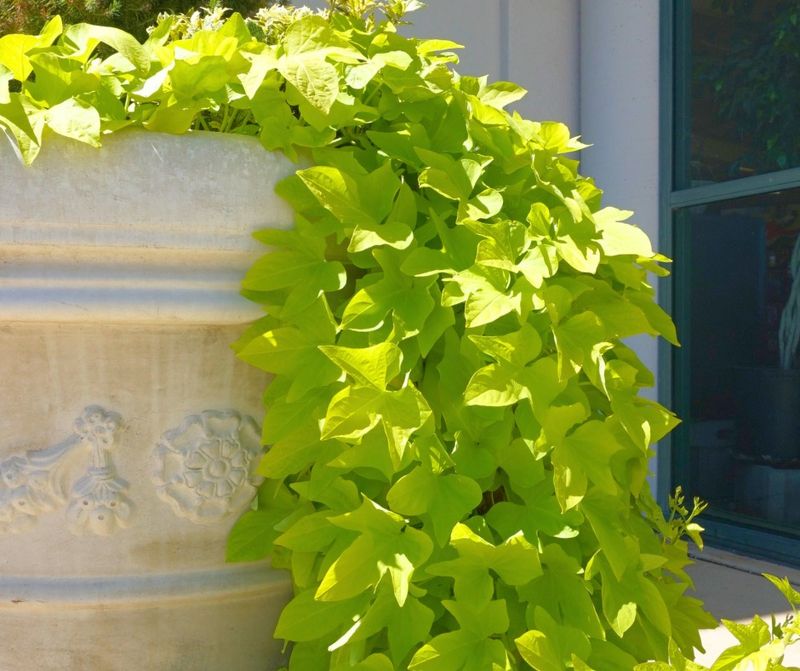
Sweet potato vine is gorgeous — cascading leaves in chartreuse, deep purple, or bronze make it one of the most eye-catching groundcovers available.
But plant it too early in Arizona and it just sits there looking miserable, barely growing and susceptible to rot.
Soil temperature is the real issue. Sweet potato vine wants the ground at or above 65 degrees Fahrenheit before it will actively root and spread.
March soil in many parts of Arizona, even in Phoenix, often has not reached that threshold yet — especially in shaded beds or north-facing areas. Rushing it does not pay off.
Waiting until late April or early May gives the soil time to warm properly, and then sweet potato vine takes off fast. It can cover a surprising amount of ground in just a few weeks once conditions are right.
In the meantime, keep transplants indoors or in a warm greenhouse. Planting into cold soil stresses the roots and slows establishment significantly.
Gardeners in Tucson at higher elevations should wait even longer than those in the Phoenix valley. Patience here genuinely pays off — a late-planted sweet potato vine will outperform an early-planted one within just a few weeks of going in.
7. Moss Rose Prefers Consistently Warm Temperatures
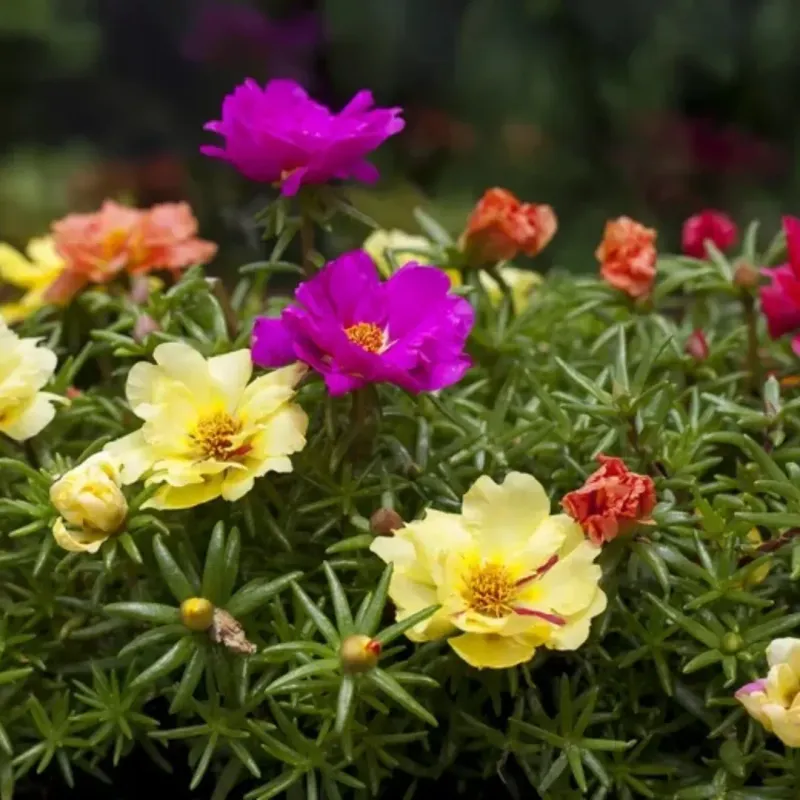
Moss rose is a heat lover through and through. Those jewel-bright flowers in pink, red, yellow, orange, and white look stunning in summer Arizona gardens, but trying to plant it in March almost always backfires.
Cool nights are the main problem.
Portulaca, which is the botanical name most nurseries use, needs consistently warm nights to germinate and establish properly.
March in Arizona still brings nighttime temperatures that regularly dip into the low 50s or even the upper 40s in some areas.
That kind of chill slows germination dramatically and can cause seedlings to stall out or develop poorly.
Waiting until late April gives much better results. By then, both day and night temperatures in Phoenix and Tucson have climbed enough to give moss rose the warmth it needs.
Direct seeding into warm soil works well, as does transplanting nursery starts once nights stay reliably above 55 degrees. Moss rose thrives in poor, dry soil and full sun — it actually performs worse in rich, moist conditions.
No special soil prep is needed. Just wait for warmth, get it in the ground, and step back.
It handles Arizona summers with remarkable ease once it gets started on its own terms.
8. Alternanthera Grows Better Once Nights Warm Up
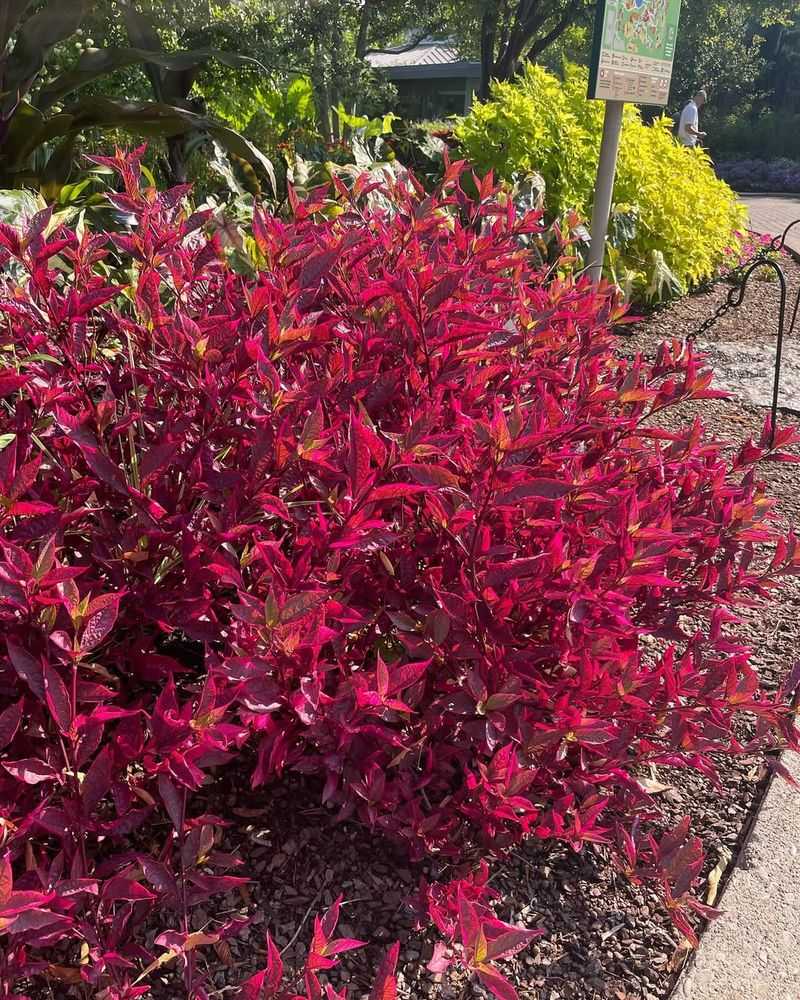
Alternanthera brings some of the boldest foliage color available in a groundcover — deep burgundy, bright red, orange, and chartreuse leaves make it a striking choice for Arizona gardens. March, though, is simply not its moment.
Cold nights send alternanthera into a stubborn holding pattern. Growth slows dramatically, color fades, and the plant just looks rough.
Soil temperature below 60 degrees stresses the roots in ways that take weeks to recover from, even after warmer weather arrives. Planting early does not create a head start — it creates a setback.
Tucson gardeners especially feel this, since elevations there keep nighttime temperatures cooler than Phoenix through much of March and into April.
Waiting until mid to late April, when nights consistently stay above 60 degrees, makes a noticeable difference in how fast alternanthera establishes and spreads.
Moist, well-amended soil suits it better than the lean, dry conditions preferred by desert natives. Regular watering through the growing season keeps the foliage color vibrant.
Alternanthera works well as a colorful border plant, edging for pathways, or mass planting in a shaded courtyard. It is worth the wait — a warm-soil planting outpaces a cold-soil planting in both color and coverage within just a couple of weeks.
9. Silver Ponyfoot Establishes Better Later In Spring
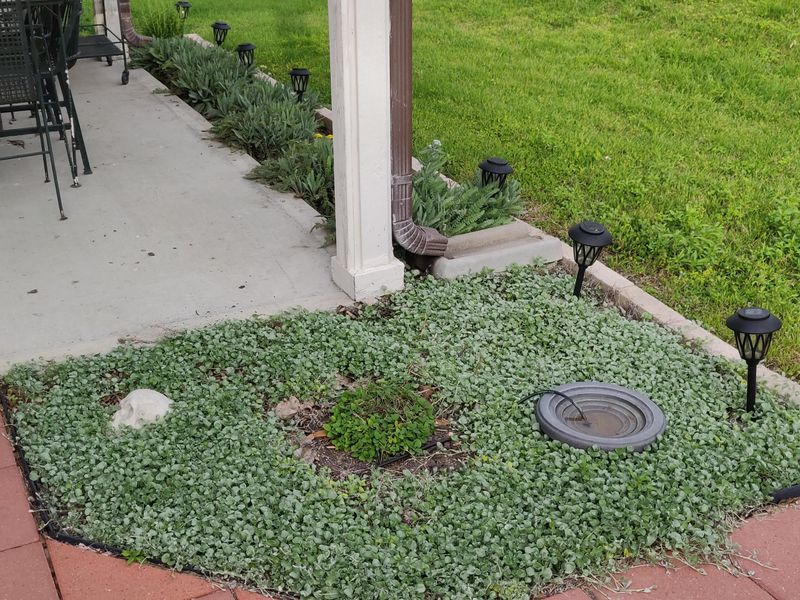
Silver ponyfoot has a soft, shimmering quality that looks almost like moonlight spilling across the ground. Silvery, rounded leaves on trailing stems create a low mat that fills in steadily through the warmer months.
March, however, is not the right entry point for this plant in Arizona.
Cool soil slows silver ponyfoot significantly. Unlike some desert natives that can handle fluctuating early spring temperatures, silver ponyfoot really wants warmth both above and below ground before it starts putting on growth.
Plants set out in March often look stagnant for weeks, which is frustrating and not a sign of a healthy start.
Mid to late April planting in Phoenix, and closer to May in higher-elevation areas like Tucson or Prescott, gives silver ponyfoot the conditions it actually needs. Warm soil kicks root development into gear quickly, and once it gets going, it spreads at a satisfying pace.
Full sun works well, though it also handles partial shade better than many desert groundcovers. Soil does not need to be particularly rich — average, well-draining ground is fine.
Water consistently through the first growing season. Avoid planting in areas with heavy foot traffic since the delicate stems bruise easily.
Give it space and warmth and it rewards you generously.