Grow A Cherry Tree In Michigan For Sweet Fruit And Beautiful Blooms Every Year
There’s a reason the Great Lakes State is the cherry capital of the world – our unique “lake effect” climate creates a coastal paradise where both sweet and tart varieties thrive.
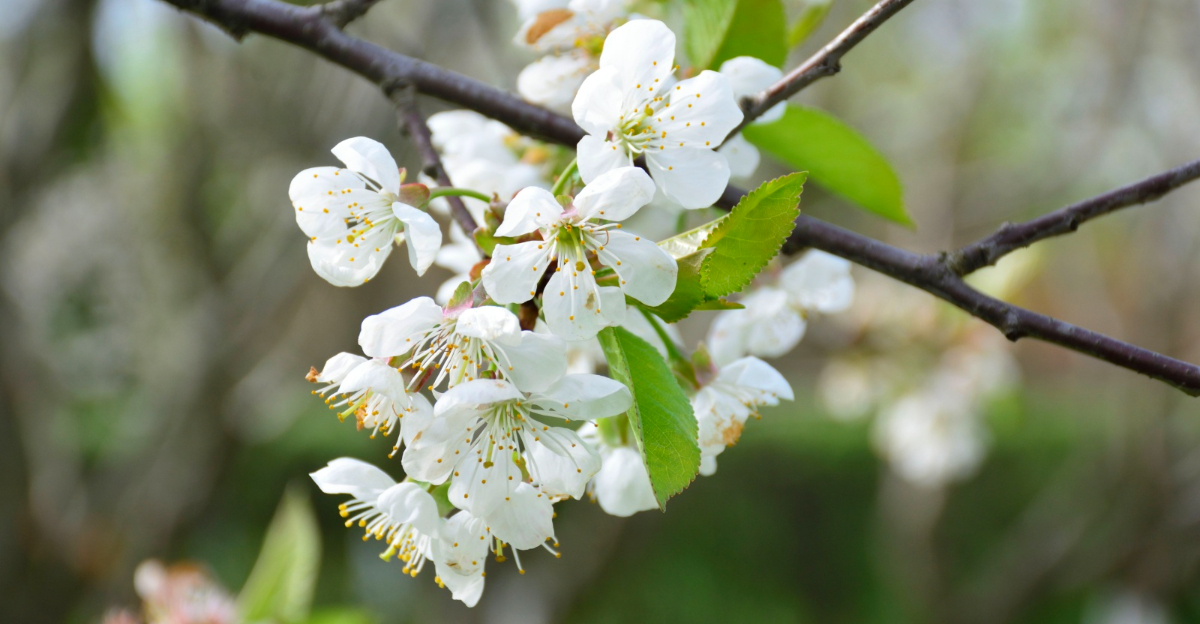
Planting a cherry tree offers more than just a summer snack; it brings a snowstorm of spring blossoms and a lifetime of shade to your landscape.
Whether you’re baking world-class pies or eating sun-warmed fruit straight from the branch, success starts with the right variety and a sunny, well-drained spot.
With a little Michigan-specific care, you can turn your garden into a productive powerhouse.
1. Choose A Michigan Friendly Cherry Tree First
Not every cherry tree is built for Michigan winters, and picking the wrong variety is one of the most common mistakes home gardeners make.
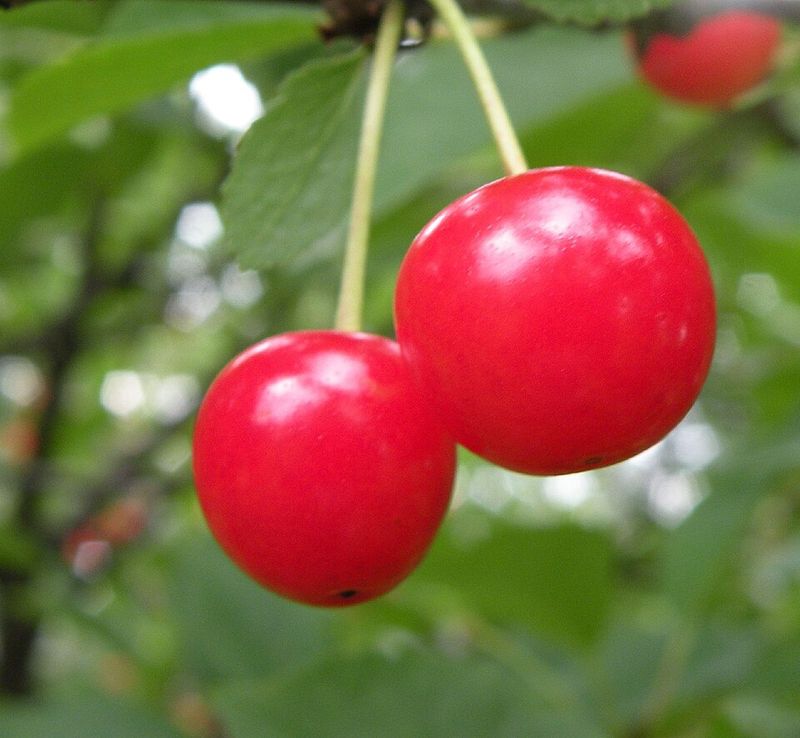
Tart cherries, especially the Montmorency variety, are the gold standard for Michigan growing.
They handle cold winters well, adapt to a wide range of soil types, and produce bright red fruit that is perfect for pies, jams, and juices. Montmorency is self-pollinating, which means you only need one tree to get fruit.
Sweet cherries like Bing, Lapins, and Rainier are also possible in Michigan, but they work best in the southern Lower Peninsula where winters are slightly milder.
Sweet cherries are more sensitive to late spring frosts and harsh cold snaps, so site selection matters even more with these varieties.
Lapins is a good self-fertile option if you want to try a sweet cherry without needing a second tree nearby.
Dwarf and semi-dwarf rootstocks are worth considering for backyard gardens because they keep the tree at a manageable height, usually between eight and fifteen feet. Shorter trees are easier to prune, net for bird protection, and harvest without a ladder.
When buying a tree, look for a healthy one-year-old whip or a two-year-old branched tree from a reputable nursery that carries varieties suited to Michigan growing zones.
2. Pick A Sunny Spot With Fast Draining Soil
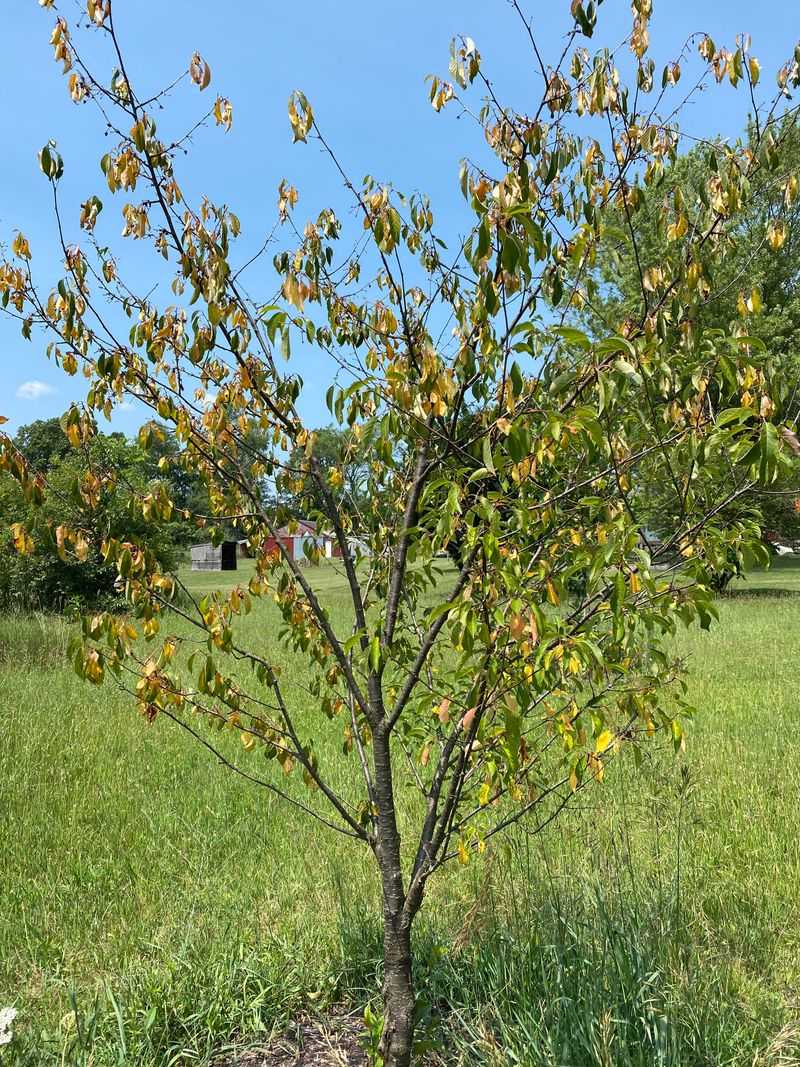
Cherry trees are sun lovers, and a shaded or soggy spot will limit both flowering and fruiting no matter how well you care for the tree in other ways. Look for a location that gets at least six to eight hours of direct sunlight each day.
South or southwest facing slopes are especially good choices in Michigan because they warm up faster in spring and allow cold air to drain away from the blossoms on frosty nights.
Soil drainage is just as important as sunlight. Cherry roots do not tolerate standing water, and poorly drained soil can lead to serious root problems within just a season or two.
Sandy loam soils with a pH between 6.0 and 7.0 are ideal. If your yard has heavy clay soil, consider raised planting beds or amending the soil with compost and coarse sand before planting.
A simple percolation test, where you dig a hole and fill it with water to see how quickly it drains, can tell you a lot about your site.
Avoid planting near large trees that create shade or compete for nutrients and water. Also stay away from low spots, valley floors, or areas near buildings where cold air pools in spring.
In Michigan, a late April or early May frost can wipe out an entire season of blossoms, so elevation and air drainage around your planting site genuinely matter.
3. Plant In Spring Or Fall For The Best Start
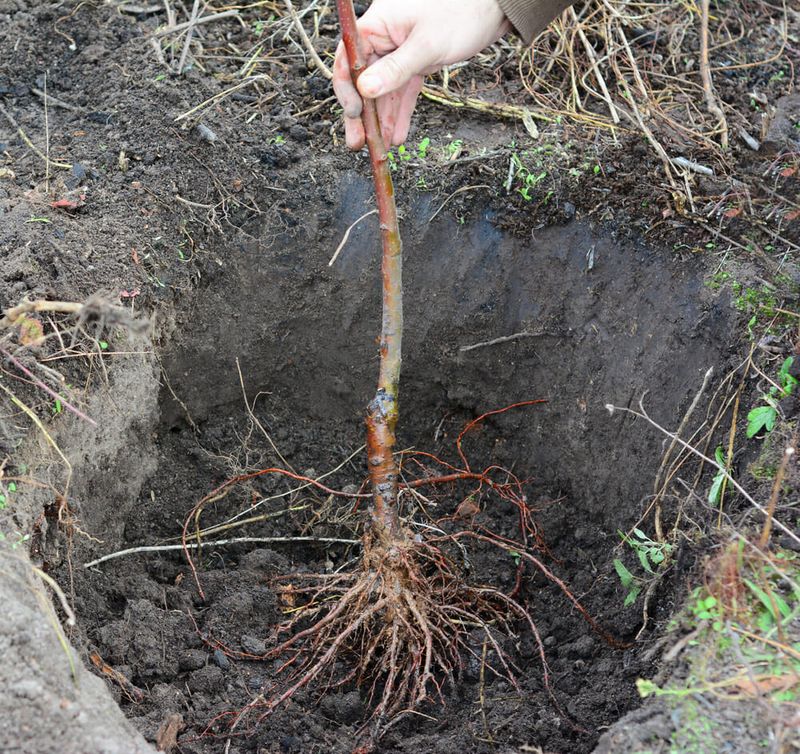
Timing your planting correctly gives cherry tree roots the best chance to settle in before they have to deal with summer heat or frozen ground.
Early spring planting, right after the last frost has passed and the soil can be worked, is a popular choice for Michigan gardeners.
Bare root trees planted in spring establish quickly because cooler soil temperatures reduce transplant stress and allow roots to spread before the tree leafs out.
Fall planting is also a solid option, particularly for container-grown trees. Planting in September or October gives roots several weeks to anchor before the ground freezes.
Just make sure to get the tree in the ground at least four to six weeks before hard frost arrives so it has some time to settle. Avoid planting in the heat of summer when water stress can set back a young tree significantly.
When you dig the planting hole, make it two to three times wider than the root ball but only as deep as the root system itself.
The graft union, the slightly swollen area near the base of the trunk, should sit two to three inches above the soil surface.
Backfill with the original soil rather than amended mix, since research suggests that filling with native soil encourages roots to spread outward into the surrounding ground rather than circling inside a rich pocket.
4. Give Young Trees Deep Water And A Mulch Ring
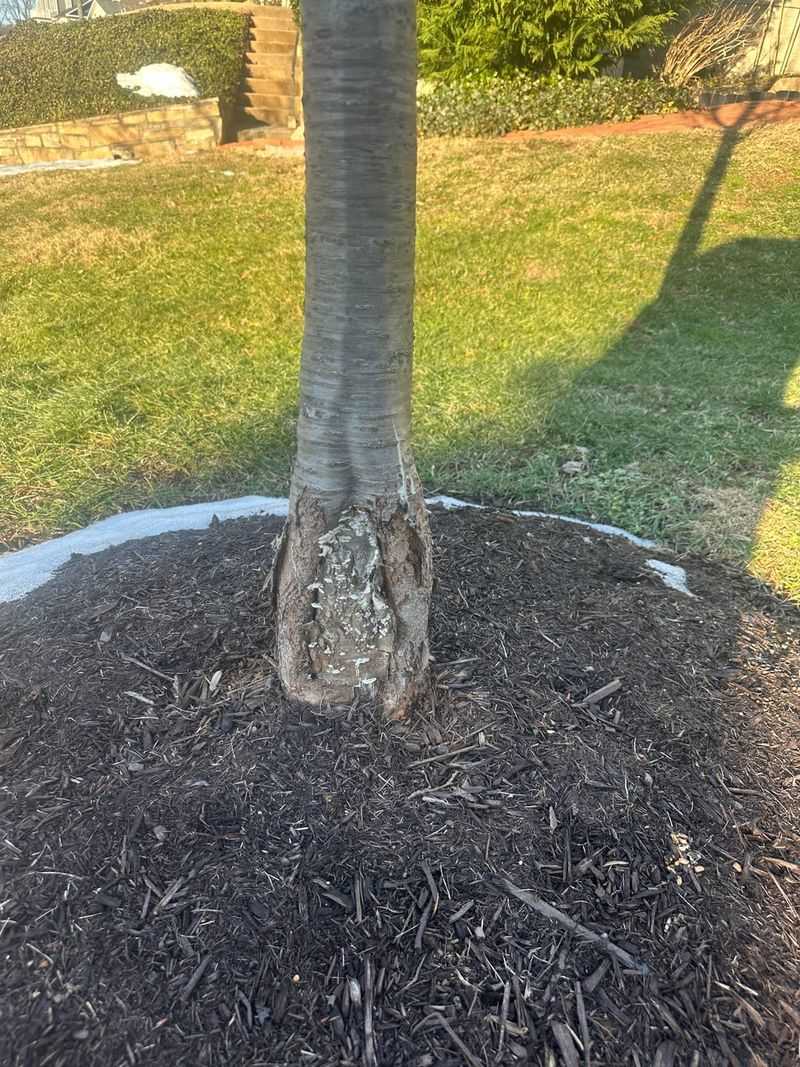
Newly planted cherry trees need consistent moisture during their first two growing seasons while their root systems are still developing. A good rule of thumb is to water deeply once or twice a week rather than giving shallow sprinkles every day.
Deep watering encourages roots to grow downward and outward, which builds a stronger, more drought-tolerant tree over time.
During dry Michigan summers, young trees may need one to two inches of water per week from rainfall or supplemental irrigation combined.
Checking soil moisture a few inches below the surface is more reliable than watering on a fixed schedule. If the soil feels dry at that depth, it is time to water.
If it still feels damp, wait another day or two. Overwatering is a real concern with cherry trees, especially in heavier soils, so resist the urge to water on a rigid calendar without checking conditions first.
Mulching around the base of the tree is one of the smartest things you can do for a young cherry. Spread two to four inches of wood chips, shredded bark, or straw in a ring that extends out to the drip line of the canopy.
Keep the mulch a few inches away from the trunk to prevent moisture buildup against the bark.
Mulch holds soil moisture, moderates soil temperature, suppresses competing weeds, and slowly improves soil structure as it breaks down over the seasons.
5. Know When Your Tree Needs A Pollination Partner
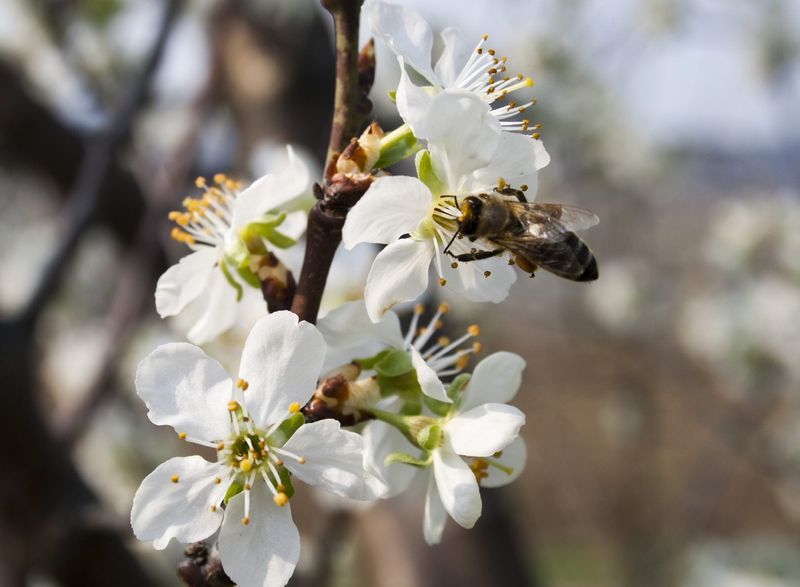
One of the most frustrating experiences for home gardeners is a cherry tree that blooms beautifully every spring but produces almost no fruit. In many cases, the problem comes down to pollination.
Understanding whether your variety needs a second tree is an important step that should happen before you even purchase your first cherry.
Tart cherries, including the popular Montmorency, are self-fertile, meaning a single tree can pollinate itself and produce a full crop without any help from another tree. This makes tart cherries especially convenient for smaller yards where space is limited.
Sweet cherries are a different story. Most sweet cherry varieties need a compatible second variety planted nearby to set fruit.
Bing, for example, does not pollinate well with Rainier, so pairing choices matter. Lapins and Stella are two sweet cherry varieties that are self-fertile and work well as standalone trees or as pollinators for others.
When planting two trees for cross-pollination, keep them within about 100 feet of each other so bees can move between them easily. Bloom timing also has to overlap, so check that both varieties flower at the same time before purchasing.
A local nursery or university extension office can help you match compatible varieties for your specific part of Michigan.
Even one or two neighboring trees in a nearby yard can sometimes provide enough cross-pollination to make a difference in fruit set.
6. Prune In Late Winter Before Buds Begin To Open
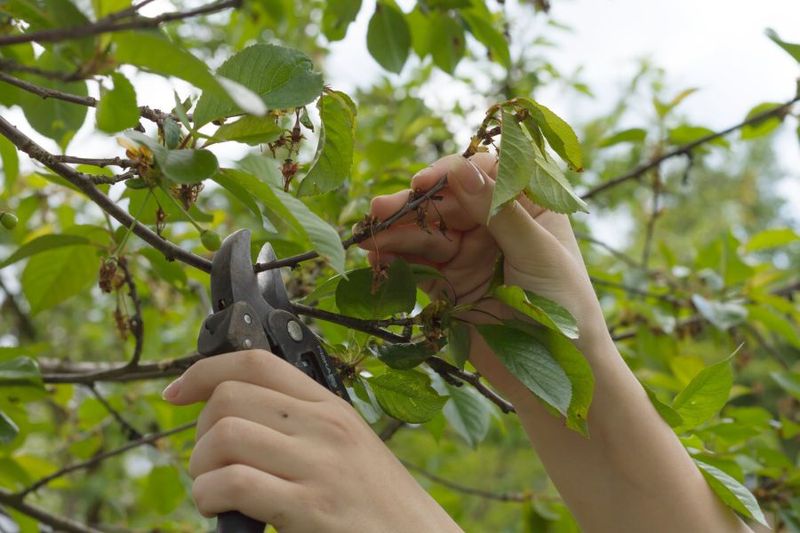
Late winter is the ideal window for pruning cherry trees in Michigan, typically from mid-February through early March, before the buds start to swell and break open.
Pruning during dormancy reduces the chance of disease entering fresh cuts, and it allows you to clearly see the branch structure without leaves blocking your view.
Waiting until buds are just starting to show color but have not yet opened gives you a reliable cue that the time is right.
For young trees in their first few years, the goal is to build a strong open scaffold structure with three to five main branches spreading outward from the central trunk.
Remove any branches that cross, rub against each other, or grow straight down or straight up without purpose.
An open canopy allows sunlight to reach the interior of the tree and improves air circulation, which helps reduce fungal disease problems during Michigan’s humid summers.
On mature trees, focus on removing old or damaged wood, thinning out crowded areas, and keeping the overall height manageable. Cherry trees can grow quite tall if left unpruned, making harvest and pest management much harder.
Aim to remove no more than about one quarter of the canopy in any single year to avoid stressing the tree.
Always use clean, sharp tools and make cuts just outside the branch collar, the slightly raised ring at the base of each branch, to encourage proper healing.
7. Protect Blossoms From Frost And Fruit From Birds
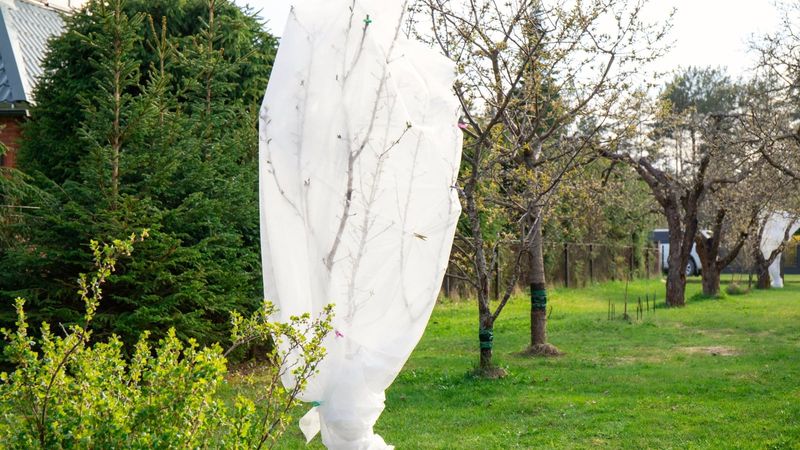
Spring in Michigan has a way of keeping gardeners on their toes. Cherry trees bloom in late April to early May across much of the state, and that timing often overlaps with the last round of freezing nights.
A single night below 28 degrees Fahrenheit during full bloom can wipe out most of the year’s fruit crop. Watching the forecast closely during bloom time and being ready to act quickly makes a real difference.
Covering small or dwarf trees with lightweight frost blankets or old bedsheets when temperatures are expected to drop below freezing can protect open blossoms. Remove the covers during the day so pollinators can access the flowers.
Overhead sprinklers are used commercially to protect blossoms, but this approach is less practical for most home gardeners.
Choosing a planting site on a gentle slope, as mentioned earlier, helps cold air drain away from the tree naturally on calm nights.
Bird damage is one of the most common complaints from cherry growers once the fruit starts ripening. Robins, starlings, and cedar waxwings can strip a tree in a matter of days.
The most reliable protection is bird netting draped over the entire canopy and secured at the base so birds cannot sneak underneath.
Install the netting as soon as the cherries begin to color up, usually a week or two before they are fully ripe.
Reflective tape or scare devices offer some help but are generally less effective than physical netting.
8. Feed And Monitor Your Tree For Better Harvests
A healthy cherry tree does not need heavy feeding, but a little attention to soil nutrition goes a long way toward consistent fruiting and strong growth.
In early spring, before new growth begins, apply a balanced granular fertilizer around the drip line of the tree according to the package directions.
Avoid fertilizing after midsummer because late-season feeding can push soft new growth that does not harden off well before Michigan winters arrive.
Young trees in their first two years benefit from a modest nitrogen boost to support establishment, but once a tree is mature and bearing fruit, less is often more.
A simple soil test every two to three years can tell you exactly what nutrients your soil needs and prevent the guesswork that leads to over-fertilizing.
Over-fertilized cherry trees tend to produce lots of leafy growth at the expense of fruit.
Cherry leaf spot is the most common disease problem for Michigan home gardeners. It shows up as small purple or red spots on leaves that eventually turn yellow and drop early, weakening the tree over time.
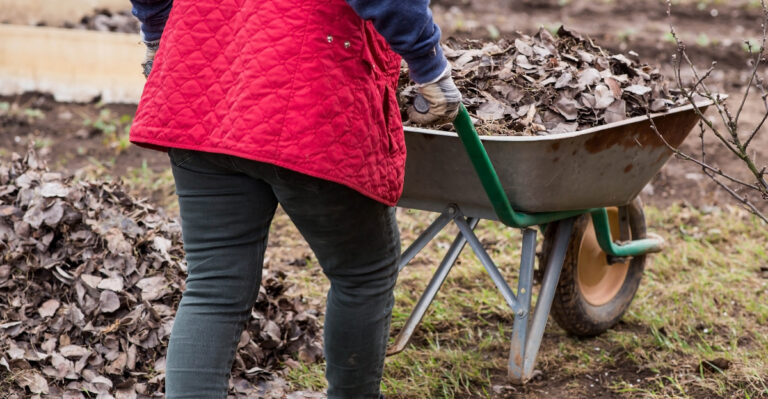
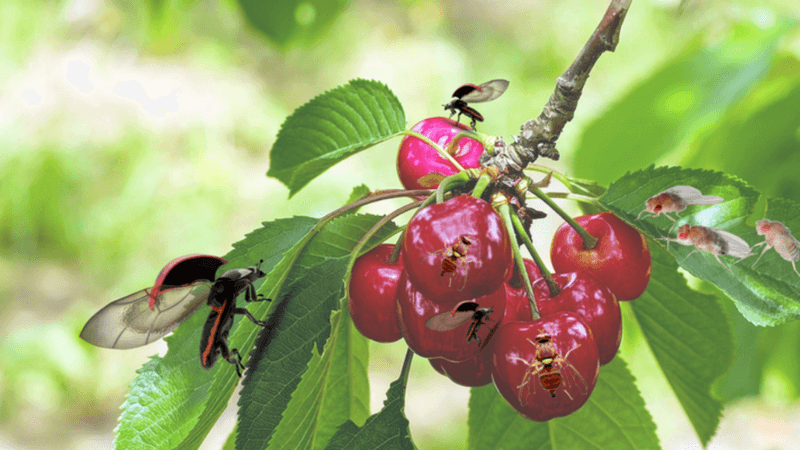
Keeping fallen leaves cleaned up in autumn reduces the fungal spores that carry over to the next season. Cherry fruit fly is another pest to watch for in midsummer.
Sticky red sphere traps hung in the canopy can help you monitor activity and catch problems early before they affect a significant portion of your harvest.
Consistent observation is genuinely one of the most powerful tools a backyard cherry grower has.