Grow A Cinnamon Plant At Home With These Simple Steps

Growing a cinnamon plant at home became one of those fun ideas I tried on a whim, and I was surprised by how simple the whole setup actually felt.
I enjoy how fast the plant responds once it settles in, and the little bursts of new growth always make the project feel more satisfying than expected.
A cinnamon plant adds this cool touch to the home, and the whole process stays easy enough that anyone can keep it going without stress.
#1 Choose The Right Cinnamon Variety For Your Climate
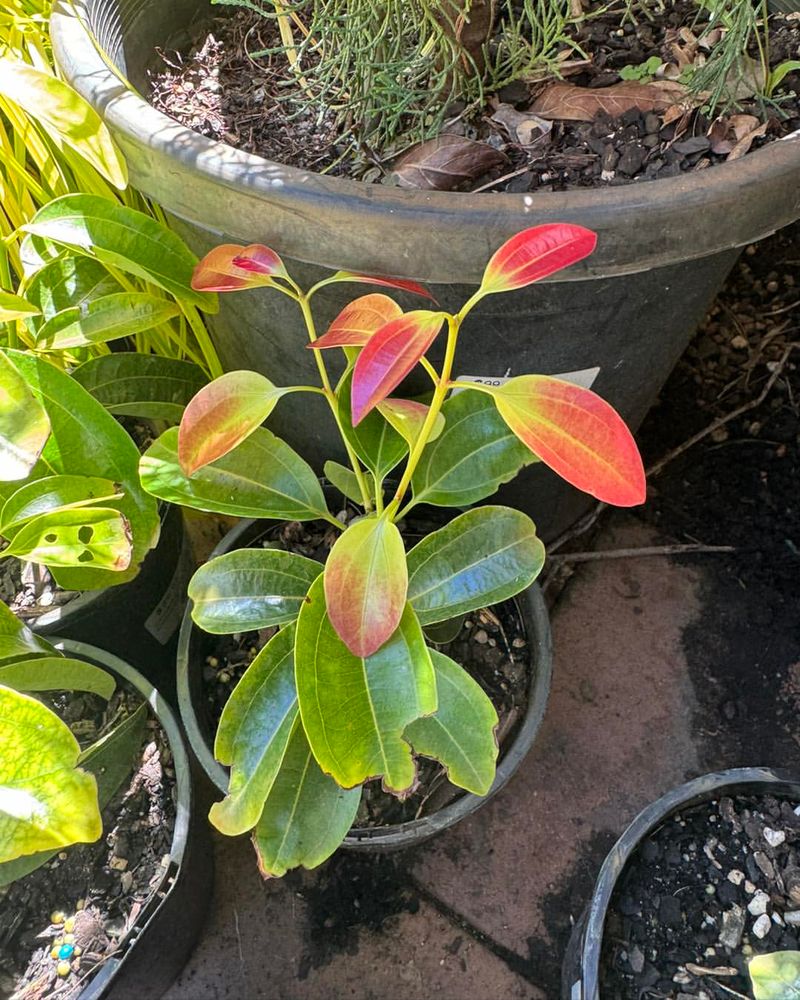
Selecting the perfect cinnamon variety makes all the difference when you want to grow a healthy plant that thrives in your specific home environment successfully.
Ceylon cinnamon and cassia cinnamon are the two main types available, and each one has different needs that you should understand before making your choice.
Ceylon cinnamon, also known as true cinnamon, grows best in warm tropical climates with high humidity levels and temperatures that stay consistently above sixty degrees Fahrenheit.
Cassia cinnamon is hardier and can tolerate slightly cooler conditions, making it a better option for gardeners who live in less tropical areas or regions.
Consider your local weather patterns and indoor temperature control capabilities before deciding which variety will work best for your unique growing situation and available space.
Most home gardeners find that growing cinnamon indoors gives them better control over temperature and humidity, which helps the plant flourish throughout the entire year.
Research both varieties carefully and choose the one that matches your climate zone and your ability to provide the right conditions for long term success.
#2 Source Fresh Seeds Or Healthy Starter Plants
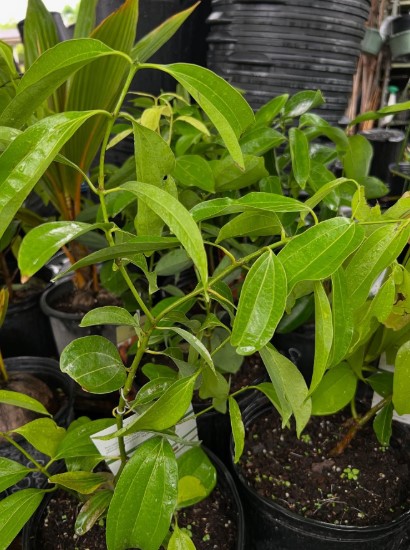
Finding quality seeds or starter plants is your first real step toward growing a beautiful cinnamon plant that will reward you with fragrant leaves and bark.
Fresh cinnamon seeds have a much higher germination rate than old seeds, so always buy from reputable nurseries or online suppliers who specialize in tropical plant varieties.
Seeds should be plump, dark brown, and free from any mold or damage that might prevent them from sprouting properly when you plant them soon.
Alternatively, purchasing a young starter plant from a trusted nursery gives you a head start and lets you skip the sometimes tricky germination process entirely today.
Starter plants should have bright green leaves, strong stems, and healthy root systems that show no signs of rot or insect damage that could harm growth.
Ask the nursery staff about the plant’s care history and any special requirements it might need to adjust smoothly to your home environment without stress or shock.
Investing in high quality seeds or plants from the beginning saves you time and frustration later and increases your chances of growing a thriving cinnamon tree.
#3 Prepare Nutrient Rich Well Draining Soil Mix
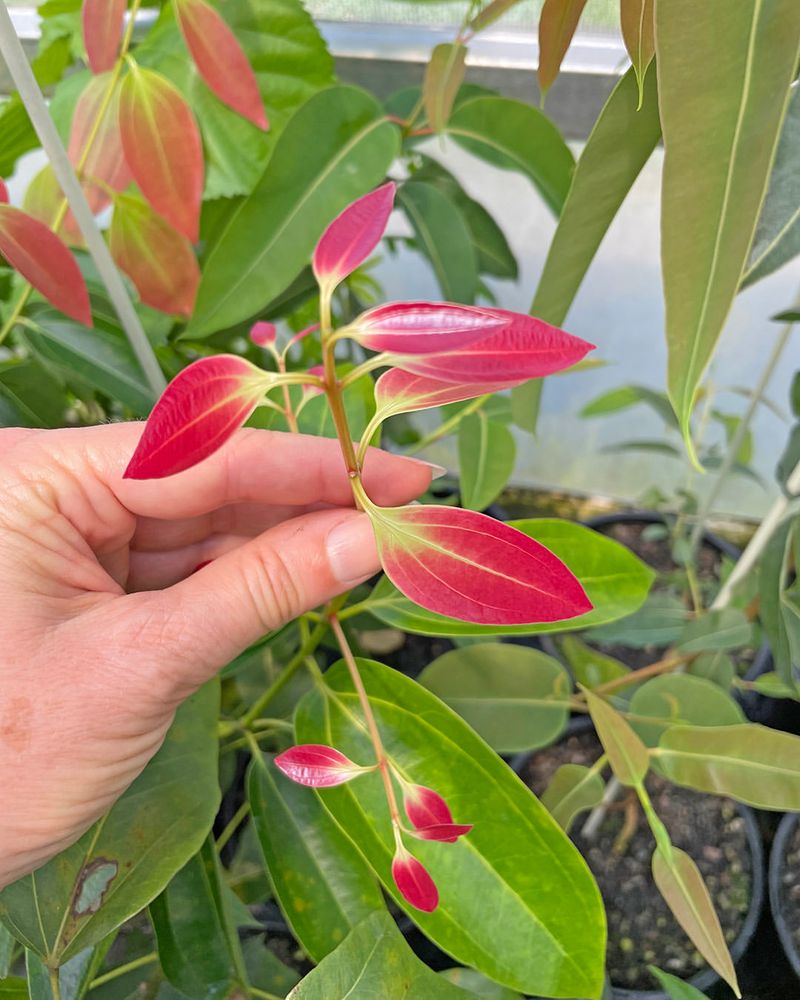
Creating the perfect soil mix is absolutely essential for your cinnamon plant because it needs excellent drainage combined with rich organic matter to support strong growth.
Cinnamon plants naturally grow in forest floors where soil is loose, slightly acidic, and packed with decomposed leaves and organic nutrients that feed the roots constantly.
Mix together equal parts of high quality potting soil, peat moss, and perlite or coarse sand to create a blend that drains quickly but retains moisture.
Adding compost or aged manure enriches the soil with nutrients and beneficial microorganisms that help your cinnamon plant absorb minerals and grow more vigorously over time.
The soil pH should fall between five point five and six point five, which is slightly acidic and mimics the natural conditions cinnamon plants prefer in wild.
Avoid using heavy clay soils or mixes that hold too much water because cinnamon roots are prone to rot when they sit in soggy conditions too long.
Testing your soil mix before planting ensures your cinnamon plant gets the best possible start and sets the foundation for healthy growth throughout its entire lifespan.
#4 Select A Container With Proper Drainage Holes

Choosing the right container is crucial because your cinnamon plant needs a pot that allows excess water to escape freely and prevents root rot problems later.
Look for a container that is at least twelve inches deep and ten inches wide to give the roots plenty of room to spread out comfortably.
Drainage holes at the bottom are absolutely necessary because they allow water to flow through the soil and prevent moisture from accumulating around the root system.
Terracotta or clay pots work wonderfully for cinnamon plants because they are porous and allow air to reach the roots while helping soil dry out naturally.
Plastic pots can also work well as long as they have multiple drainage holes and you monitor the soil moisture carefully to avoid overwatering your plant.
Place a layer of small rocks or broken pottery pieces at the bottom of the pot to improve drainage and keep soil from blocking the holes completely.
A well chosen container sets your cinnamon plant up for success by providing the right environment for roots to grow strong and healthy without waterlogged conditions.
#5 Plant Seeds Or Transplant Seedlings With Care
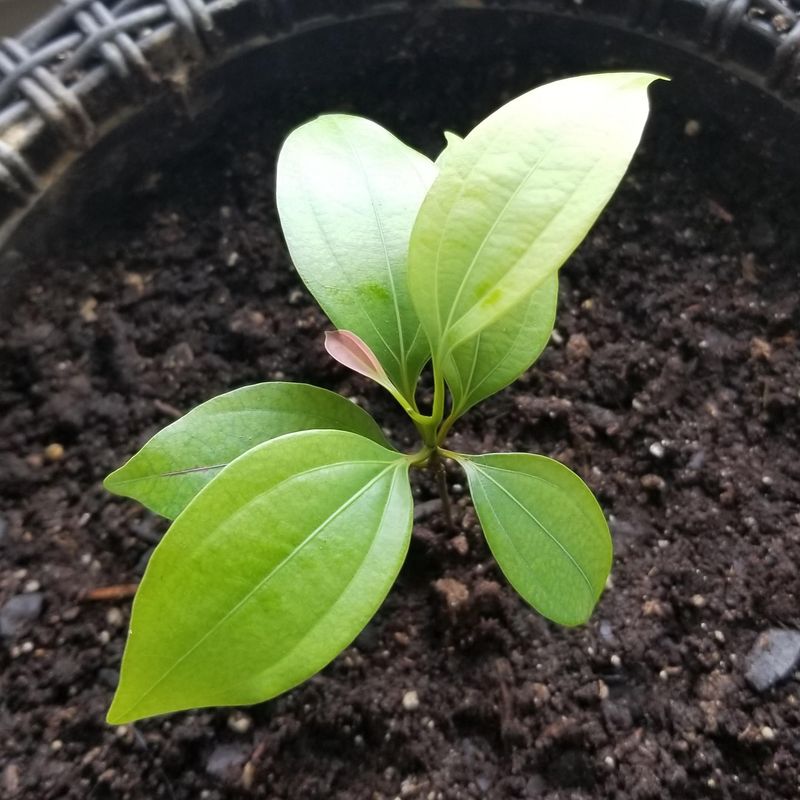
Planting your cinnamon seeds or transplanting a seedling requires gentle handling and attention to detail to ensure the plant establishes itself successfully in its new home.
If starting from seed, plant each seed about half an inch deep in moist soil and cover it lightly without packing the soil down too tightly.
Keep the soil consistently moist but not waterlogged, and place the pot in a warm spot with temperatures between seventy and eighty degrees Fahrenheit for best results.
Germination can take anywhere from two to four weeks, so be patient and keep checking the soil moisture regularly to prevent it from drying out completely.
When transplanting a seedling or starter plant, carefully remove it from its original container and gently loosen any tangled roots before placing it in new soil.
Position the plant at the same depth it was growing before and fill in around the roots with your prepared soil mix, pressing gently to eliminate air.
Water the newly planted cinnamon thoroughly after planting and place it in a bright location with indirect sunlight to help it adjust to its new environment smoothly.
#6 Provide Bright Indirect Light For Optimal Growth
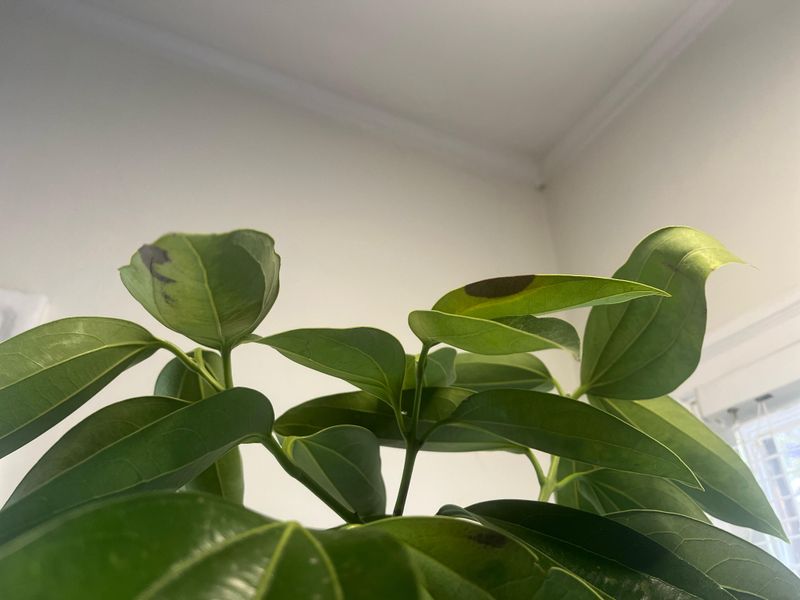
Lighting plays a huge role in how well your cinnamon plant grows because it needs plenty of bright light but can suffer if exposed to harsh sunlight.
Place your cinnamon plant near a window that receives bright indirect light for most of the day, such as an east or west facing window location.
Direct afternoon sun can scorch the delicate leaves and cause them to turn brown or yellow, so avoid placing the plant in intense direct sunlight for hours.
If natural light is limited in your home, consider using grow lights to supplement and provide the twelve to fourteen hours of light cinnamon plants prefer daily.
Rotate the pot every few days to ensure all sides of the plant receive equal light exposure and grow evenly without leaning toward the light source.
Watch for signs of insufficient light such as leggy growth or pale leaves, which indicate your plant needs to be moved to a brighter spot immediately.
Proper lighting encourages lush foliage growth and helps your cinnamon plant develop the strong stems and vibrant leaves that make it such a beautiful addition to homes.
#7 Water Consistently To Maintain Moist Soil Conditions
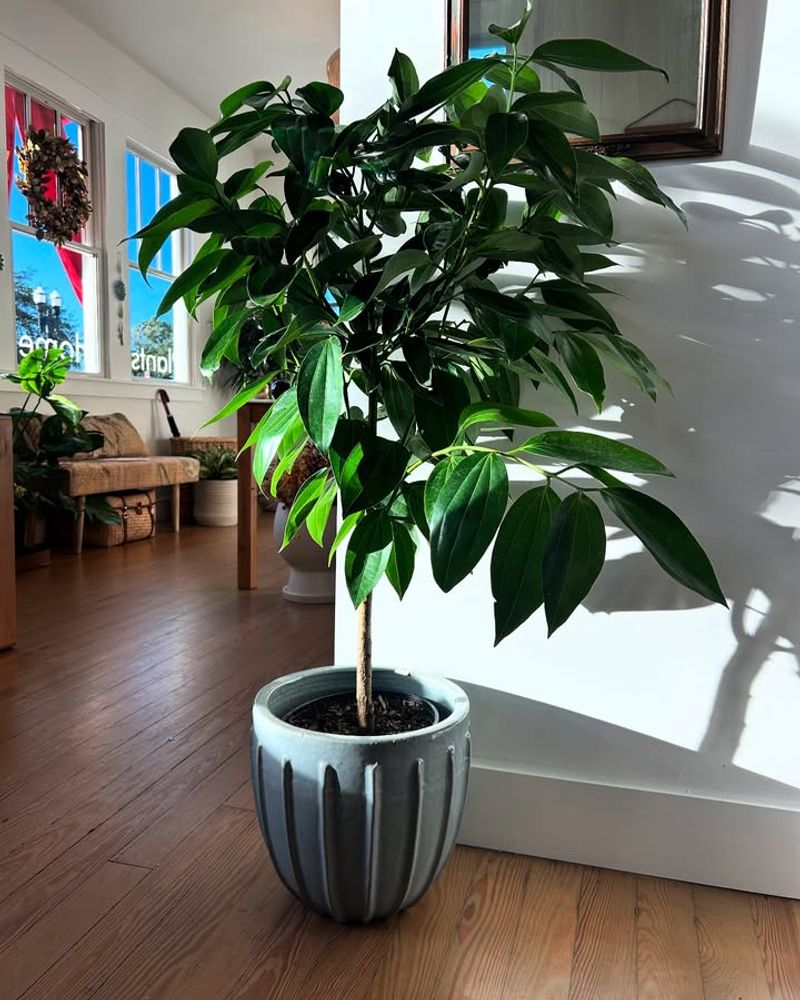
Watering your cinnamon plant correctly is one of the most important care tasks because these tropical plants love moisture but hate sitting in waterlogged soil always.
Check the soil moisture by sticking your finger about an inch deep into the soil, and water when the top layer feels dry to your touch.
Water thoroughly until you see excess water draining out of the bottom holes, which ensures the entire root system gets hydrated properly without leaving dry pockets.
During warmer months, your cinnamon plant may need watering two to three times per week, while cooler months might require less frequent watering to prevent overwatering.
Always use room temperature water instead of cold water because cold water can shock the roots and slow down growth or cause stress to the plant.
Avoid letting the soil dry out completely between waterings because cinnamon plants prefer consistently moist conditions that mimic their natural tropical rainforest habitat and environment conditions.
Proper watering keeps your cinnamon plant happy and healthy, promoting vigorous growth and preventing common problems like leaf drop or wilting that frustrate many growers regularly.
#8 Maintain High Humidity Levels Around Your Plant
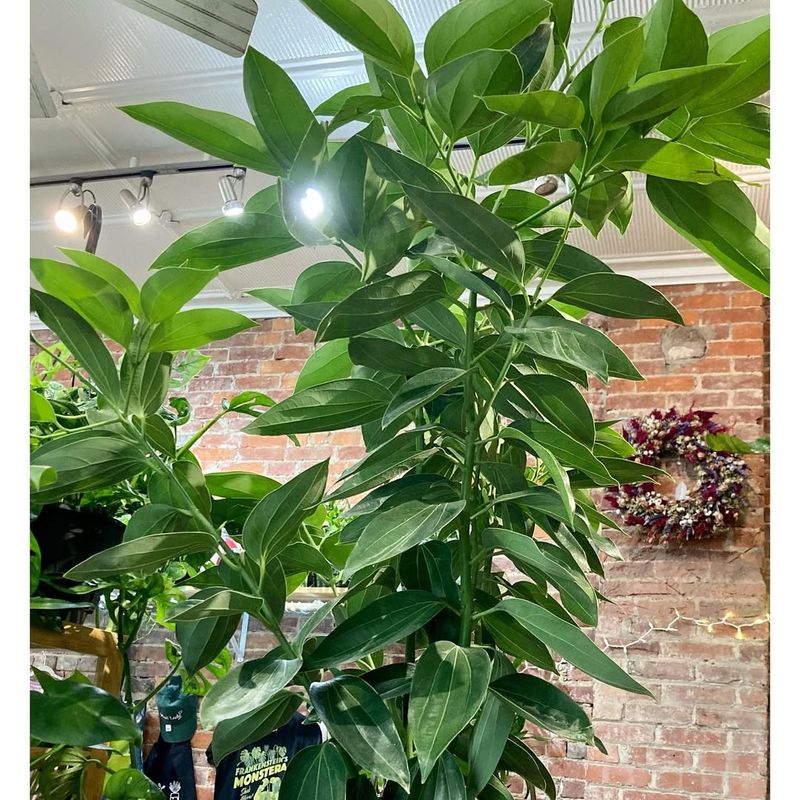
Cinnamon plants are native to humid tropical regions, so they need moisture in the air to thrive and develop those gorgeous glossy leaves you want to see.
Aim to keep humidity levels around sixty to seventy percent, which can be challenging in dry indoor environments or during winter when heating systems reduce moisture.
Misting your cinnamon plant daily with a spray bottle filled with room temperature water helps increase humidity and keeps the leaves fresh and vibrant looking always.
Placing a humidity tray filled with water and pebbles beneath the pot is another effective method that adds moisture to the air as water evaporates slowly.
Grouping your cinnamon plant with other houseplants creates a micro climate where plants release moisture through transpiration, naturally raising humidity levels for all plants involved together.
Using a small humidifier near your cinnamon plant is the most reliable way to maintain consistent humidity, especially during dry seasons when natural moisture levels drop significantly.
Proper humidity prevents leaf browning, encourages healthy growth, and helps your cinnamon plant look its absolute best while flourishing in your home environment beautifully and naturally.
#9 Feed Regularly With Balanced Organic Fertilizer
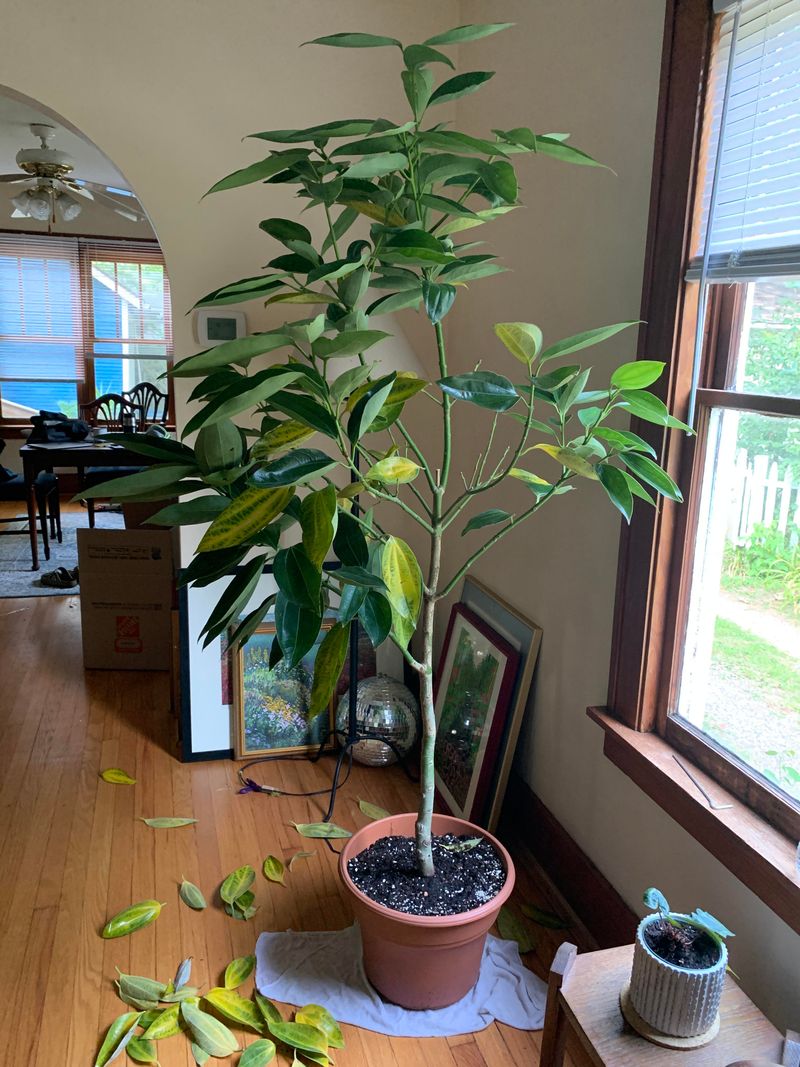
Fertilizing your cinnamon plant provides the essential nutrients it needs to grow strong, produce lush foliage, and develop the aromatic compounds that make it special.
Use a balanced organic fertilizer with equal parts nitrogen, phosphorus, and potassium, such as a ten ten ten formula, to support overall plant health effectively.
Apply fertilizer once a month during the growing season from spring through early fall when your cinnamon plant is actively growing and needs extra nutrition support.
Dilute the fertilizer to half strength to avoid burning the roots, because cinnamon plants are sensitive to strong concentrations of chemical nutrients that can damage them.
Organic options like compost tea, fish emulsion, or seaweed extract work wonderfully and provide slow release nutrients that feed your plant gently over extended time periods.
Reduce or stop fertilizing during winter months when growth naturally slows down and the plant enters a semi dormant phase that requires less nutrient input overall.
Proper feeding keeps your cinnamon plant vigorous and healthy, promoting faster growth and helping it reach maturity so you can eventually harvest leaves and bark for use.
#10 Prune And Harvest To Encourage Bushy Growth
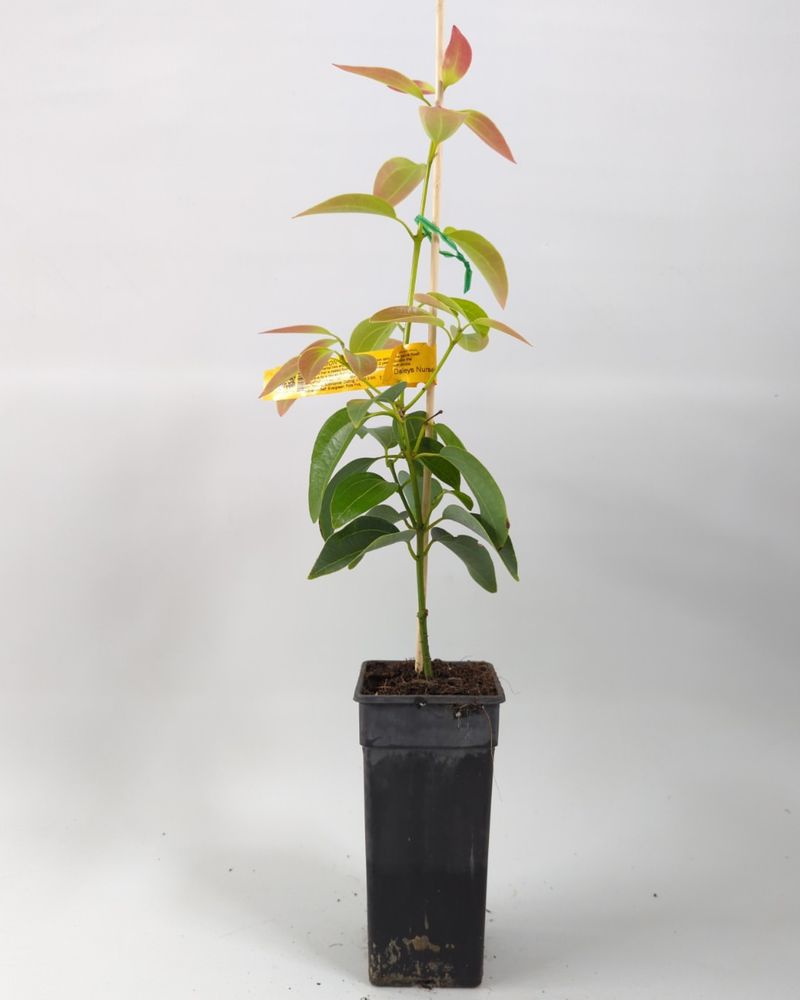
Pruning your cinnamon plant regularly helps it develop a fuller, bushier shape and encourages new growth that keeps the plant looking attractive and healthy over time.
Use clean, sharp pruning shears to trim back leggy stems and remove any damaged or yellowing leaves that detract from the plant’s overall appearance and vigor.
Prune during the active growing season in spring or early summer when the plant can quickly recover and produce new shoots to replace what was removed.
Harvesting leaves for culinary use is easy once your plant is mature, and picking leaves regularly actually stimulates the plant to produce more fresh foliage continuously.
Wait until your cinnamon plant is at least two years old before harvesting bark, as younger plants need time to develop strong stems and proper structure.
To harvest bark, carefully peel thin strips from mature stems, but never remove too much at once because this can stress the plant and slow growth.
Regular pruning and careful harvesting keep your cinnamon plant productive and beautiful, giving you fresh aromatic plant material while maintaining a compact and manageable size for your space.