Grow A Winterberry Bush In New York For Color And Backyard Birds This Winter
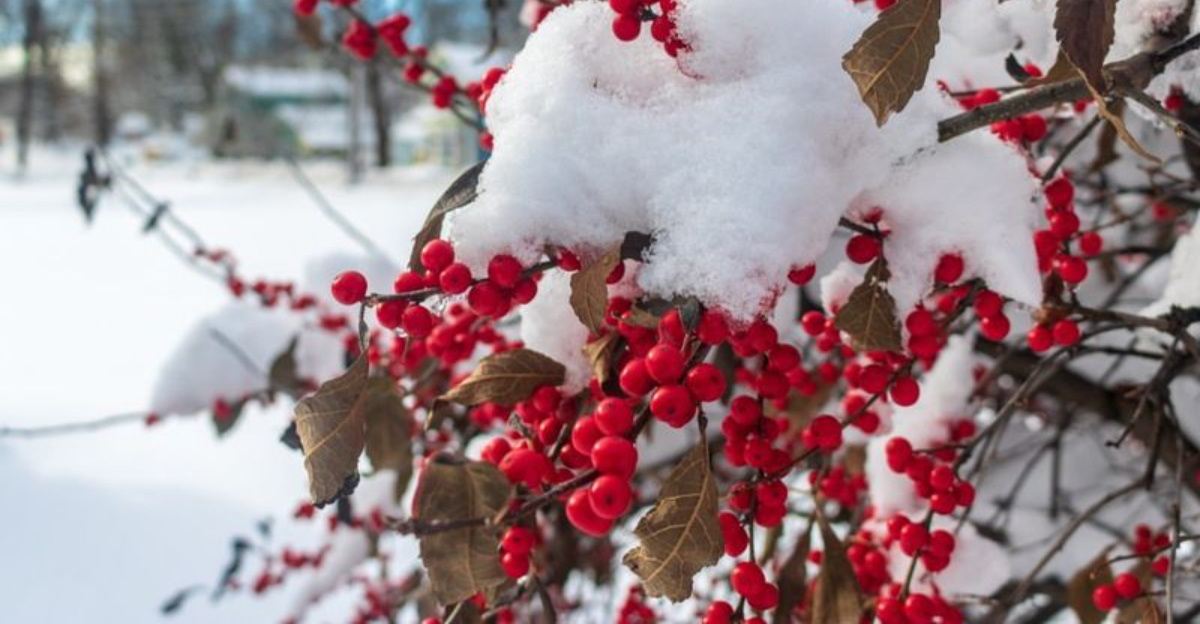
Winter in New York can leave gardens looking gray and lifeless, but a winterberry bush changes everything.
With its bright red berries and striking presence, this deciduous shrub adds vibrant color to your yard while providing food for birds during the cold months. Who says your garden has to hibernate in winter?
Winterberries are hardy, low-maintenance, and thrive in New York climates, making them perfect for gardeners who want visual interest and wildlife support.
Planting one near your yard or garden attracts cardinals, bluebirds, and other feathered friends while creating a festive, lively backdrop even when snow covers the ground. Color, life, and birdwatching, all from one beautiful shrub!
For New York gardeners, a winterberry bush is more than decoration, it’s a winter wildlife haven and a pop of seasonal cheer. With the right care, it offers years of vibrant berries and backyard activity.
Bring color and life to your winter garden with this charming shrub!
Choose True Winterberry, Not Evergreen Holly
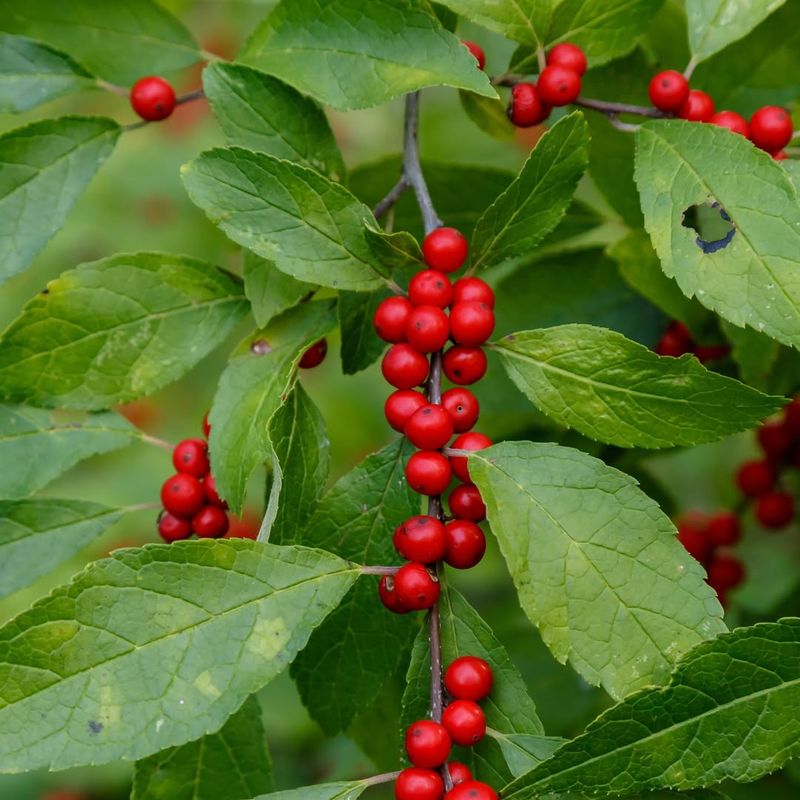
Winterberry holly belongs to a unique group of deciduous hollies that shed their leaves each fall, which might seem surprising since most people think of holly as evergreen.
Unlike the glossy-leaved hollies you see in holiday wreaths, winterberry stands bare through winter with nothing but brilliant red berries covering its branches.
This leaf-dropping habit is actually what makes winterberry so spectacular during the cold months, since there’s no foliage to hide those gorgeous berries.
New York’s harsh winters don’t bother winterberry one bit because it’s a native plant that evolved right here in the Northeast.
The shrub naturally grows in wetlands and along stream banks from Canada down to Georgia, so it’s perfectly adapted to handle freezing temperatures and heavy snow.
While evergreen hollies might struggle or suffer damage in Zone 5 and colder areas of New York, winterberry thrives without any special protection.
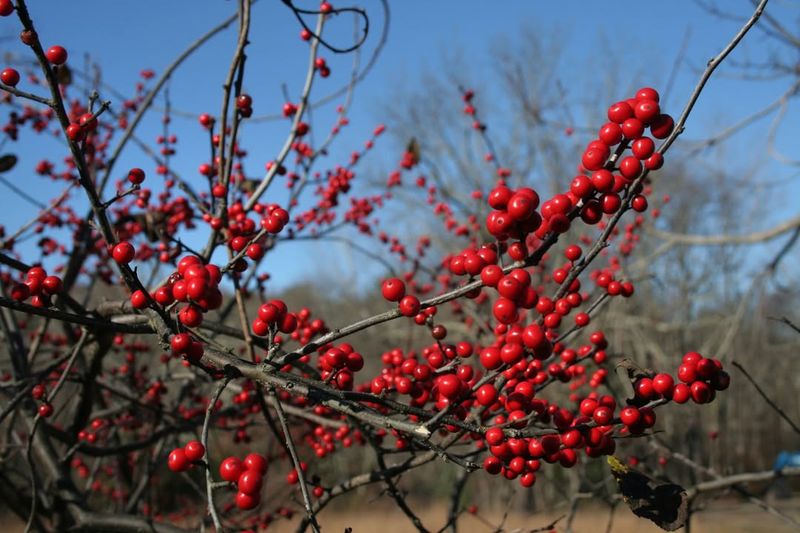
The botanical name Ilex verticillata tells you something interesting about how the berries grow, they cluster tightly along the stems in a vertical arrangement. This creates an incredibly dense display of color that can last from November straight through to early spring.
Choosing true winterberry instead of other holly types ensures you’ll have a shrub that performs beautifully in New York’s climate without babying or winter protection.
Plant Both Male And Female Shrubs For Berries
Here’s something that surprises many gardeners: winterberry bushes are either male or female, and only the female plants produce those stunning red berries everyone wants.
The male plants never develop berries, but they play an absolutely essential role because they provide the pollen that fertilizes the female flowers in spring.
Without a male plant nearby, your female winterberry will bloom beautifully but won’t set a single berry, leaving you wondering what went wrong.
The good news is that one male plant can pollinate multiple females, so you don’t need a one-to-one ratio in your landscape.
Most experts recommend planting one male for every three to five female shrubs, and the male should be within about forty feet for best pollination results.
Bees and other insects do the work of transferring pollen between plants during the late spring flowering period.
When shopping for winterberry, nurseries typically label plants clearly as male or female, and they’ll often suggest compatible varieties that bloom at the same time. Timing matters because the male and female flowers need to open simultaneously for successful pollination.
Popular pairings include ‘Winter Red’ females with ‘Southern Gentleman’ males, or ‘Red Sprite’ females with ‘Jim Dandy’ males. Planning your planting with both sexes ensures you’ll enjoy maximum berry production come winter.
Select Cold-Hardy Varieties Suited To New York Zones
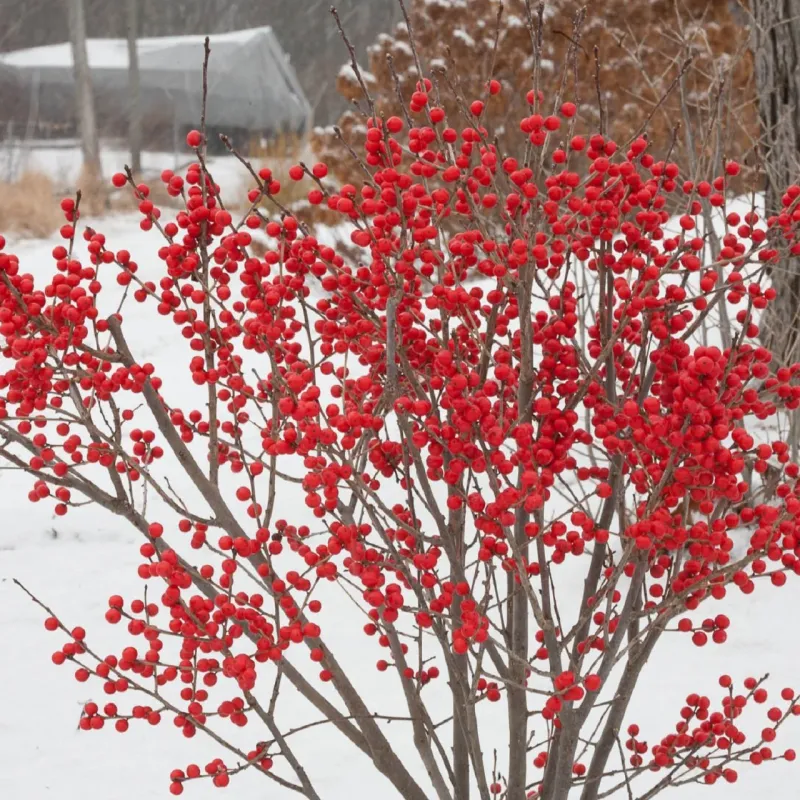
New York gardeners span several USDA hardiness zones, from Zone 3 in the Adirondacks to Zone 7 along Long Island, so choosing winterberry varieties matched to your specific zone makes a huge difference in performance.
Most winterberry cultivars handle Zones 4 through 9 beautifully, which covers the vast majority of New York State.
Selecting varieties bred specifically for cold tolerance ensures your shrubs won’t just survive but will produce abundant berries year after year.
‘Winter Red’ stands as one of the most popular cultivars because it produces enormous quantities of large, bright red berries that persist well into winter. This variety grows six to nine feet tall and thrives throughout New York, even in the coldest regions.
For smaller spaces, ‘Red Sprite’ offers a compact option that reaches only three to five feet, making it perfect for foundation plantings or smaller yards while still delivering plenty of berry power.
‘Berry Heavy’ lives up to its name with an absolutely massive berry crop that weighs down the branches in the most beautiful way. ‘Sparkleberry’ produces slightly smaller berries but in such profusion that the entire shrub seems to glow.
Matching your cultivar choice to your zone and available space ensures the plants establish quickly and begin producing their full berry potential within just a couple of seasons after planting.
Give Winterberry Full Sun For The Best Berry Color
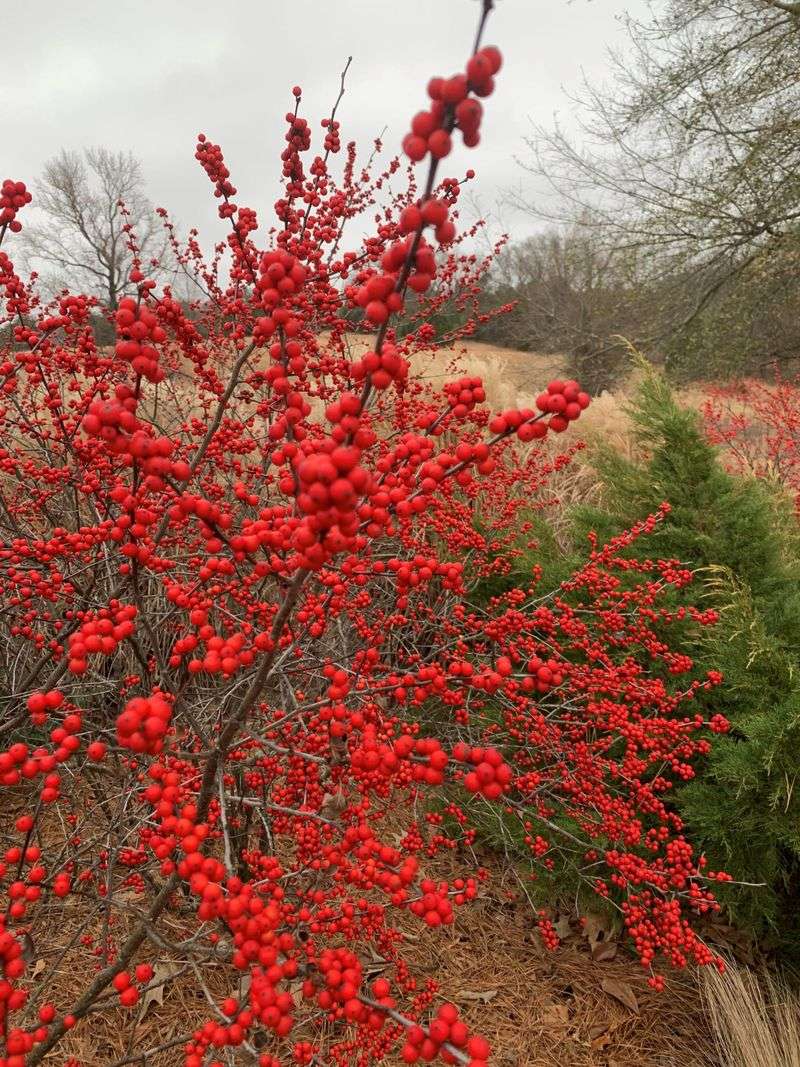
Sunlight makes an enormous difference in how many berries your winterberry produces and how vibrant those berries appear throughout winter.
Plants growing in full sun, meaning six or more hours of direct sunlight daily, develop the most spectacular berry displays with the brightest red color.
The berries also tend to be larger and more numerous when the shrub receives plenty of sunshine during the growing season.
Winterberry can tolerate partial shade and will still produce berries in locations that receive four to six hours of sun, but the berry crop won’t be quite as heavy.
In shadier spots with less than four hours of direct sun, you’ll notice a significant reduction in both berry quantity and color intensity.
The shrub itself will grow just fine in shade, developing healthy foliage and structure, but the whole point of planting winterberry is those amazing berries.
When selecting a planting location in your New York landscape, consider how winter sun angles differ from summer.
A spot that’s shaded by deciduous trees in summer might actually receive full sun in winter after the leaves have fallen, which works perfectly fine since winterberry does its visual show when bare.
Morning sun is particularly beneficial because it helps dry dew from the branches, reducing potential disease issues while still providing the light energy needed for maximum berry production.
Plant In Moist, Well-Draining Soil
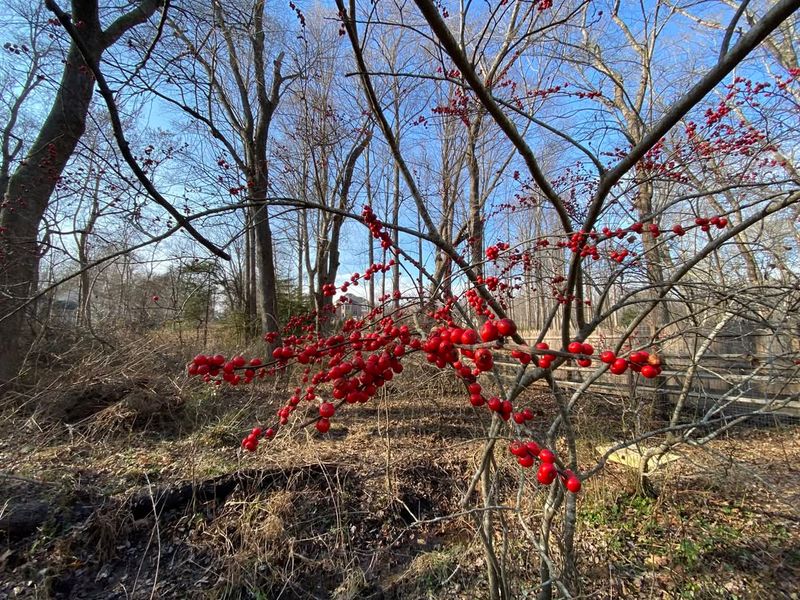
Understanding winterberry’s natural habitat helps explain its soil preferences perfectly. In the wild, these shrubs grow along stream banks, in wet meadows, and at the edges of swamps where the soil stays consistently moist but never becomes stagnant or waterlogged.
Recreating these conditions in your New York garden gives winterberry the environment it needs to establish strong roots and produce abundant berries.
The ideal soil for winterberry is rich in organic matter, slightly acidic with a pH between 4.5 and 6.5, and holds moisture well without staying soggy. Clay loam soils work beautifully because they retain water while still allowing excess to drain away.
If your soil is sandy and dries out quickly, amending it with compost, peat moss, or well-aged leaf mold before planting helps create better moisture retention.
During the first year or two after planting, consistent moisture is absolutely crucial for helping winterberry develop a strong root system.
Once established, the shrubs become more tolerant of occasional dry spells, though they’ll always perform best with regular water.
A two to three inch layer of organic mulch around the base helps keep soil moisture steady while also adding organic matter as it breaks down. Avoid planting winterberry in spots where water pools after heavy rain or where soil stays dry and dusty.
Avoid Heavy Pruning That Removes Berry Buds
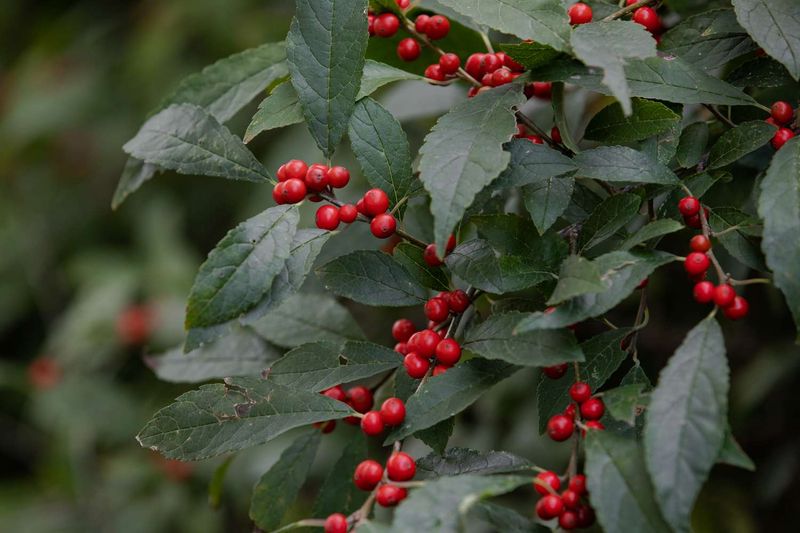
Winterberry produces its flower buds on old wood from the previous season’s growth, which means any pruning you do in late summer, fall, or winter will remove the branches that would have carried berries.
This timing quirk catches many gardeners off guard when they trim their shrubs in fall cleanup or early spring and then wonder why the berry display disappoints.
Understanding when and how to prune prevents accidentally cutting away your winter show.
The best time to prune winterberry is immediately after the berries have been eaten by birds or have naturally fallen off in late winter or very early spring.
This timing allows you to shape the shrub before new growth begins while ensuring you’re only removing branches that have already completed their berry display.
Light pruning to remove damaged, crossing, or awkwardly placed branches won’t significantly impact berry production.
Most winterberry shrubs need very little pruning and develop attractive natural shapes without much intervention. Resist the urge to shear or heavily trim your plants unless they’ve become overgrown or misshapen over many years.
When renovation pruning becomes necessary, you can cut one-third of the oldest stems down to ground level each year over three years to rejuvenate the shrub gradually. This approach maintains some berry production each year while slowly renewing the entire plant.
Leave Berries On The Shrub For Winter Birds
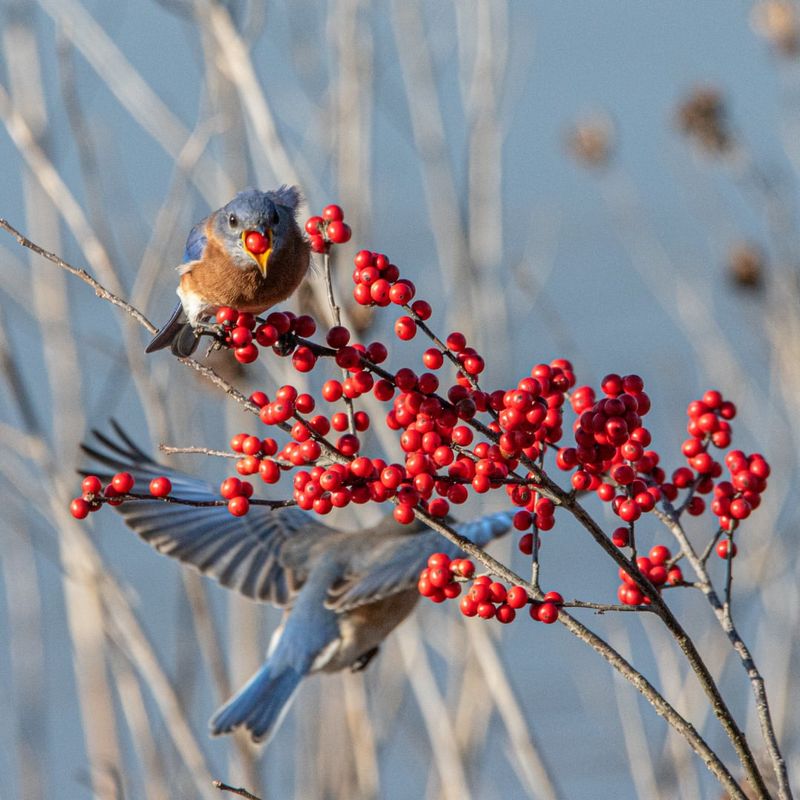
Winterberry berries serve as a critical food source for birds during New York’s harshest months when insects have vanished and other natural foods have been consumed.
American robins, cedar waxwings, eastern bluebirds, mockingbirds, and thrushes all rely on winterberry as an important part of their cold-season diet.
The berries persist on the branches through early winter because they’re slightly bitter when fresh, but as they freeze and thaw repeatedly, their chemistry changes and they become more palatable just when birds need them most.
Watching birds feast on your winterberry creates wonderful wildlife viewing opportunities right outside your window. Cedar waxwings often arrive in large flocks and can strip a shrub of berries in just a day or two, putting on quite a show with their acrobatic feeding behavior.
Robins that stick around for winter instead of migrating south depend heavily on berries like winterberry to survive until spring.
Resisting the temptation to cut berry-laden branches for indoor arrangements means leaving this valuable food source available for wildlife. The ecological benefit of feeding birds far outweighs the temporary enjoyment of cut branches indoors.
If you really want some branches for decorating, plant extra shrubs specifically for cutting, or wait until late winter when birds have already consumed most of the berries naturally.
Use Winterberry As A Focal Point In The Winter Landscape
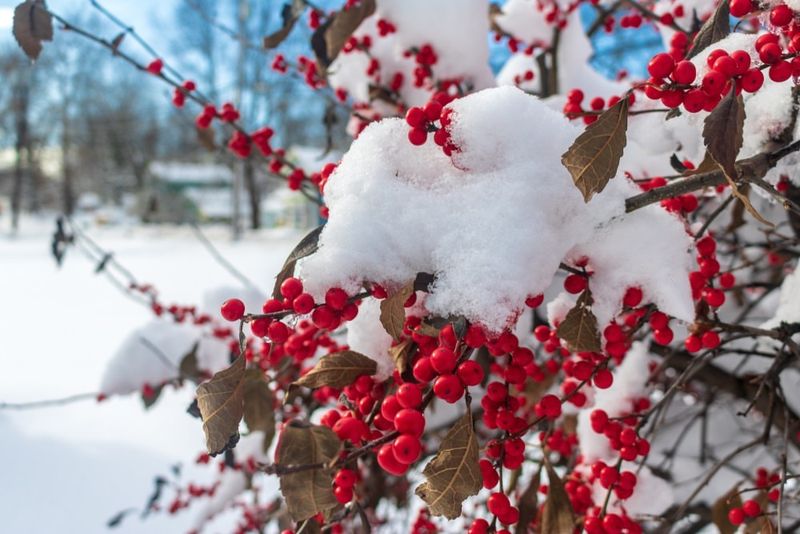
Strategic placement of winterberry transforms it from just another shrub into a stunning landscape feature that draws the eye throughout the coldest months.
Positioning winterberry where you’ll see it frequently—near walkways, visible from windows, or as a specimen near the front entrance—ensures you’ll enjoy its beauty every single day.
The brilliant red berries show up dramatically against white snow, gray winter skies, and the muted tones of dormant landscapes.
Planting winterberry as a backdrop to evergreens creates a spectacular color combination where the red berries pop against dark green needles or foliage.
A grouping of three or five winterberry shrubs makes more visual impact than a single plant and creates a naturalistic look that echoes how these shrubs grow in the wild.
Consider the sight lines from inside your home when planning placement, since you’ll probably spend more time viewing your garden through windows in winter than actually being outside.
Winterberry also works beautifully when planted where it can be illuminated by landscape lighting, creating magical nighttime scenes when the berries seem to glow. Positioning shrubs near patios, decks, or seating areas means you’ll appreciate them during those rare warm winter days when you venture outside.
The vertical branching structure and dense berry clusters create architectural interest that looks intentional and artistic even when covered with snow or ice.
Let Nature Do The Decorating Through Winter
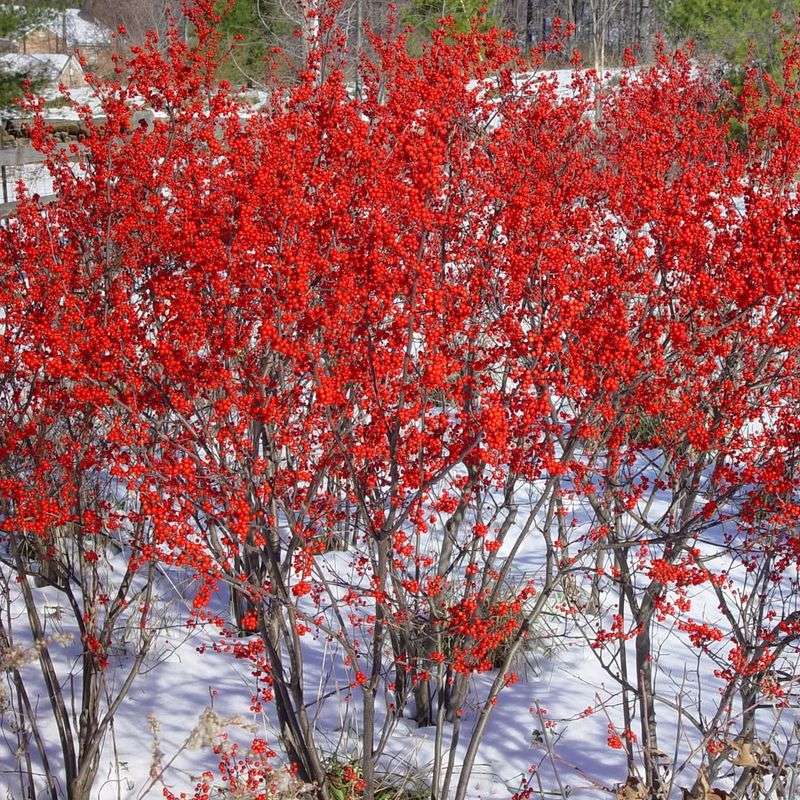
Winterberry reaches its peak beauty when left completely alone to interact naturally with winter weather and wildlife. Fresh snow clinging to berry-laden branches creates picture-perfect scenes that look like something from a holiday card.
Ice storms coat the berries and twigs with crystalline sheaths that catch sunlight and sparkle brilliantly. Each weather event transforms the shrub into a different work of natural art without any effort on your part.
As birds visit to feed, they create movement and life in an otherwise still winter landscape, and their presence adds another layer of interest beyond just the plant itself.
Watching nature’s drama unfold—flocks of waxwings descending, individual robins defending berry patches, or bluebirds carefully selecting the ripest berries—provides entertainment and connection to the natural world during months when many people feel disconnected from their gardens.
The gradual transition as berries are consumed or naturally fall creates an ever-changing display from November through March. Rather than viewing this as the shrub declining, recognize it as part of the natural seasonal cycle that makes winterberry so special.
By late winter, when most berries have been taken by birds or weather, you’ll start noticing the interesting branch structure and maybe even early signs of spring buds forming for next year’s flowers and berries, completing the beautiful cycle all over again.