Grow A Winterberry Bush In Ohio To Add Color And Attract Birds In Winter
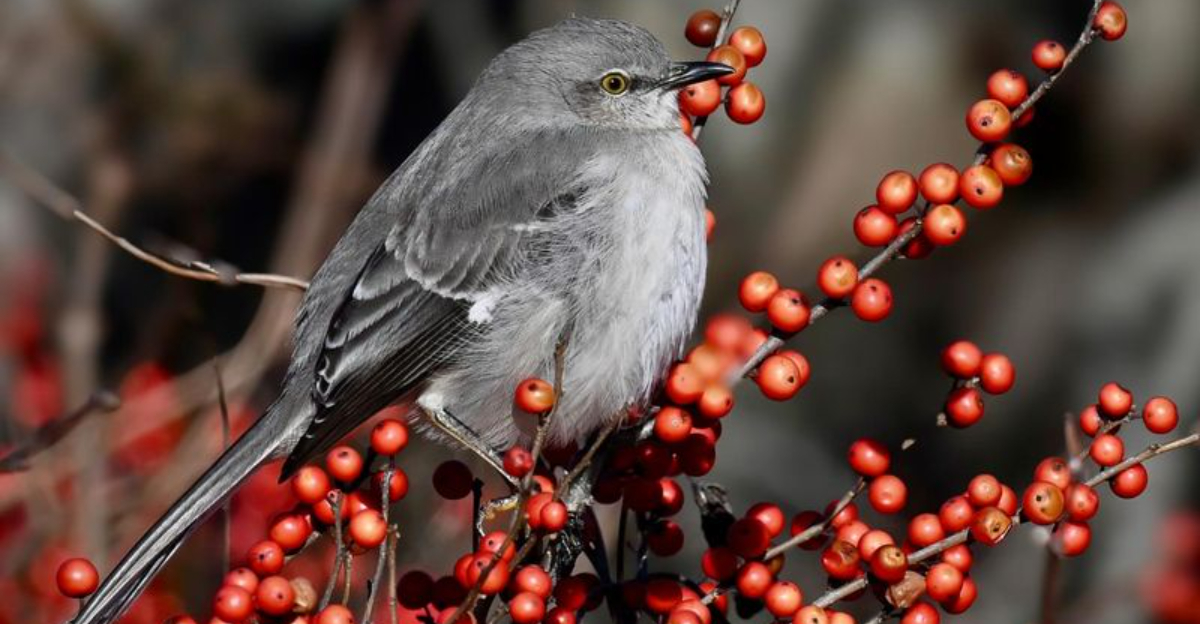
Winter in Ohio can leave gardens gray and lifeless, but a winterberry bush changes the game.
With its bright red berries and bold structure, this deciduous shrub adds a splash of color while providing an essential food source for birds during the cold months. Who says your garden has to hibernate in winter?
Winterberries are hardy, low-maintenance, and thrive in Ohio’s climate, making them perfect for home landscapes. Planted near windows, walkways, or backyard borders, they attract cardinals, bluebirds, and other wildlife, creating a lively scene even under snow.
Beyond their beauty, winterberries contribute to local ecosystems by supporting winter-feeding birds. Color, life, and backyard birdwatching, all from one shrub!
For Ohio gardeners, a winterberry bush is more than decoration, it’s a winter wildlife haven that adds cheer, structure, and sustainability to your landscape. Brighten your garden and delight the birds this winter!
Winterberry Is A Native Shrub That Thrives In Ohio
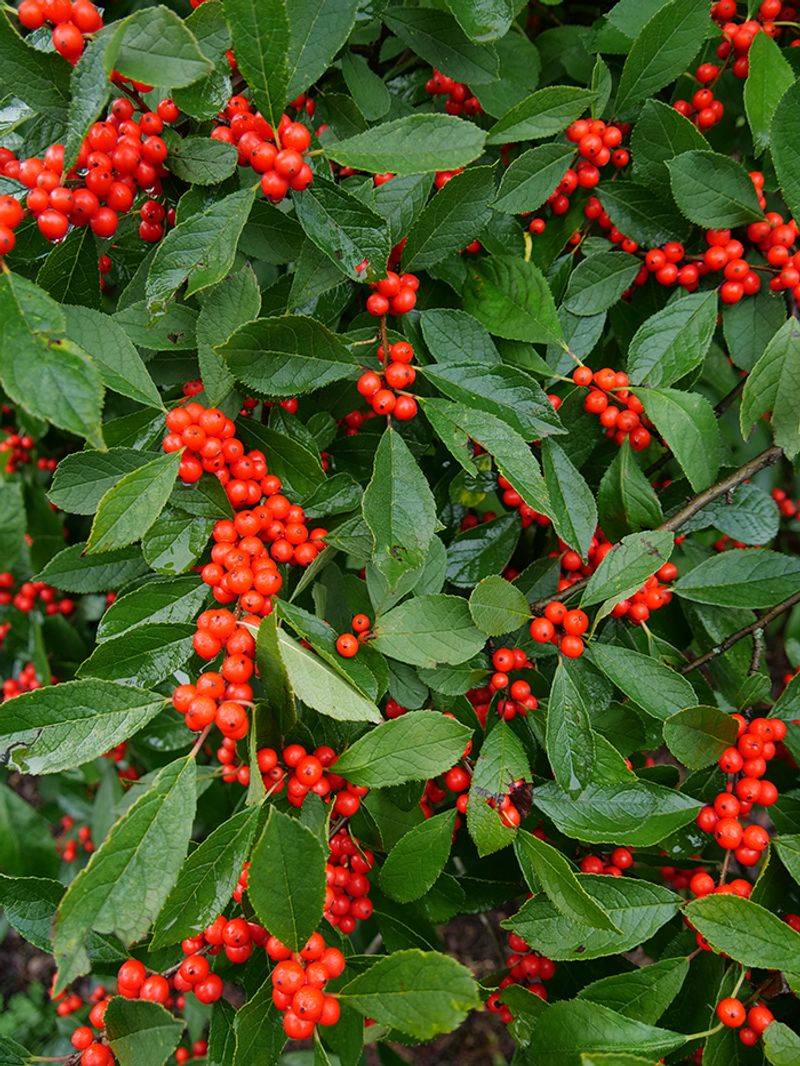
Native plants have a special advantage in the garden because they already know how to handle local conditions without much fuss.
Winterberry holly evolved right here in the eastern United States, including Ohio, so it naturally tolerates the state’s unpredictable weather patterns.
From sudden cold snaps to heavy spring rains, this shrub has adapted over thousands of years to handle whatever nature throws its way.
Ohio gardeners appreciate winterberry because it doesn’t require the extra pampering that non-native plants often need. The shrub’s root system is designed to handle freeze-thaw cycles that can damage other species.
When temperatures swing wildly in late winter and early spring, winterberry remains unfazed and continues to thrive.
Planting native species like winterberry also supports local ecosystems by providing habitat and food that native wildlife recognizes and depends on.
The shrub fits naturally into Ohio’s plant communities, working alongside other native species to create a balanced landscape.
You won’t need to worry about invasive tendencies or compatibility issues when you choose winterberry for your yard.
Because winterberry is naturally suited to Ohio’s growing conditions, you’ll spend less time watering, fertilizing, and troubleshooting problems.
The shrub simply does what it was born to do, grow beautifully and produce those stunning red berries that make winter gardens come alive.
It Loses Its Leaves So The Berries Steal The Show
Most hollies keep their glossy green leaves year-round, but winterberry takes a different approach that makes it even more spectacular.
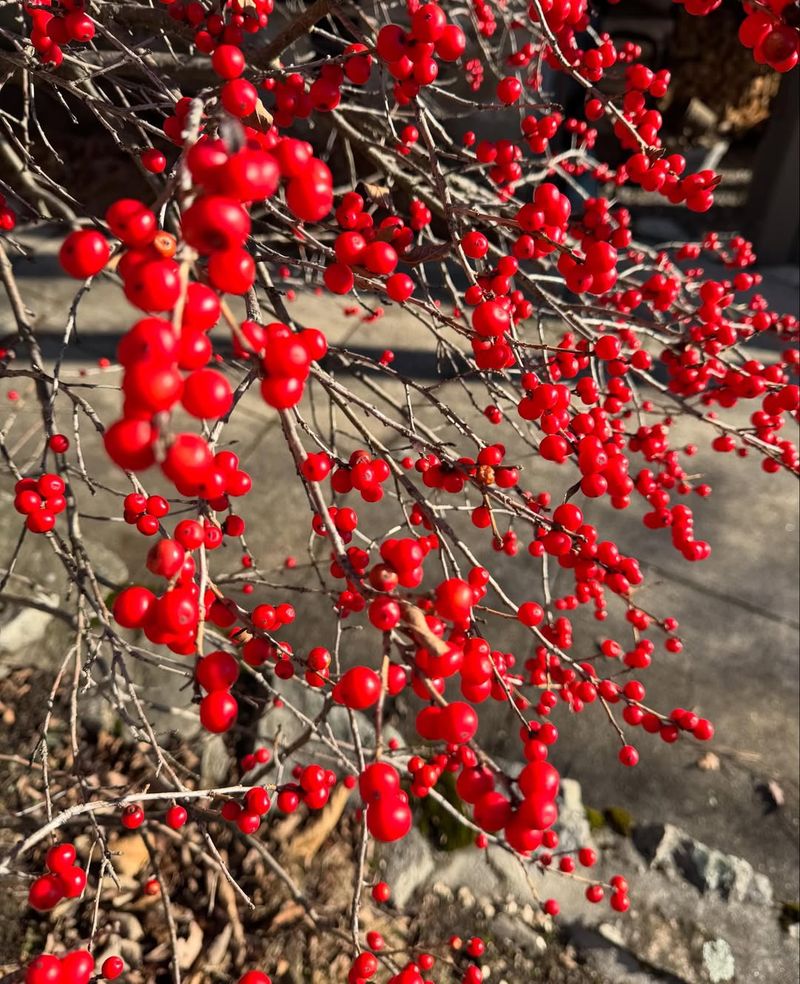
When autumn arrives, winterberry sheds all its foliage, leaving behind bare branches absolutely loaded with bright red berries.
This deciduous habit means nothing blocks the view of those gorgeous fruits, creating a dramatic display that catches every eye.
The contrast between the dark stems and brilliant berries creates an artistic effect that evergreen hollies simply cannot match.
Against a backdrop of snow or gray winter sky, those exposed berries glow like tiny lanterns scattered throughout the branches.
Ohio winters can feel dreary and monotonous, but winterberry transforms the season into something worth looking forward to. This leaf-dropping characteristic also makes winterberry easier to place in the landscape than evergreen shrubs.
You can plant it where you want summer screening but prefer more open views in winter. The seasonal transformation adds interest and variety to your garden’s appearance throughout the year.
Birds also benefit from this deciduous nature because the berries are easier to spot and access without dense foliage in the way.
When hungry birds scan the landscape for food during harsh weather, those exposed berries act like bright beacons guiding them to a reliable meal. The whole design is brilliantly simple and effective.
You Must Plant A Male And A Female For Berries

Here’s something many gardeners discover too late: winterberry is dioecious, which means individual plants are either male or female.
Female plants produce those gorgeous berries, but only if a male plant is nearby to provide pollen. Without both sexes in your garden, you’ll have healthy shrubs but no winter color or bird food.
The good news is that one male winterberry can pollinate multiple females, so you don’t need a one-to-one ratio.
Most experts recommend planting one male for every three to five females to ensure reliable pollination.
The male plant doesn’t need to be right next to the females, but it should be within a reasonable distance, generally within 50 feet or so works well. When shopping for winterberry, nurseries usually label plants clearly as male or female cultivars.
Popular female varieties include ‘Winter Red’ and ‘Red Sprite,’ while ‘Southern Gentleman’ and ‘Jim Dandy’ are common male selections.
Make sure the varieties you choose bloom at the same time, as timing matters for successful pollination.
Don’t worry if the male plant seems less showy—its role is essential even though it won’t produce berries. Think of it as the behind-the-scenes partner that makes the whole show possible.
Proper planning at planting time ensures you’ll enjoy abundant berries for many winters to come.
Winterberry Handles Wet And Poorly Drained Soil

Many Ohio gardeners struggle with soggy spots in their yards where most plants refuse to grow or quickly succumb to root problems.
Winterberry actually prefers these challenging conditions, making it the perfect solution for those wet, low-lying areas that leave you scratching your head.
In nature, winterberry grows along stream banks, in wetlands, and in other areas where water collects and lingers.
Clay soil, which is common throughout Ohio, tends to hold water and drain slowly, creating conditions that many ornamental shrubs cannot tolerate.
Winterberry’s root system is adapted to function even when surrounded by moisture, so it thrives where other plants would struggle. This makes it an excellent choice for rain gardens or areas near downspouts.
While winterberry loves moisture, it’s also surprisingly adaptable and can handle average garden soil as long as it receives adequate water during establishment.
The key is avoiding extremely dry conditions, which stress the plant and reduce berry production.
If you have a wet problem spot in your landscape, winterberry might just be the beautiful solution you’ve been searching for.
Planting winterberry in appropriate moisture conditions also means less maintenance work for you. You won’t need to install drainage systems or constantly worry about root rot.
The shrub simply does what comes naturally, turning a landscape challenge into a stunning winter feature.
Full Sun Produces The Best Berry Color
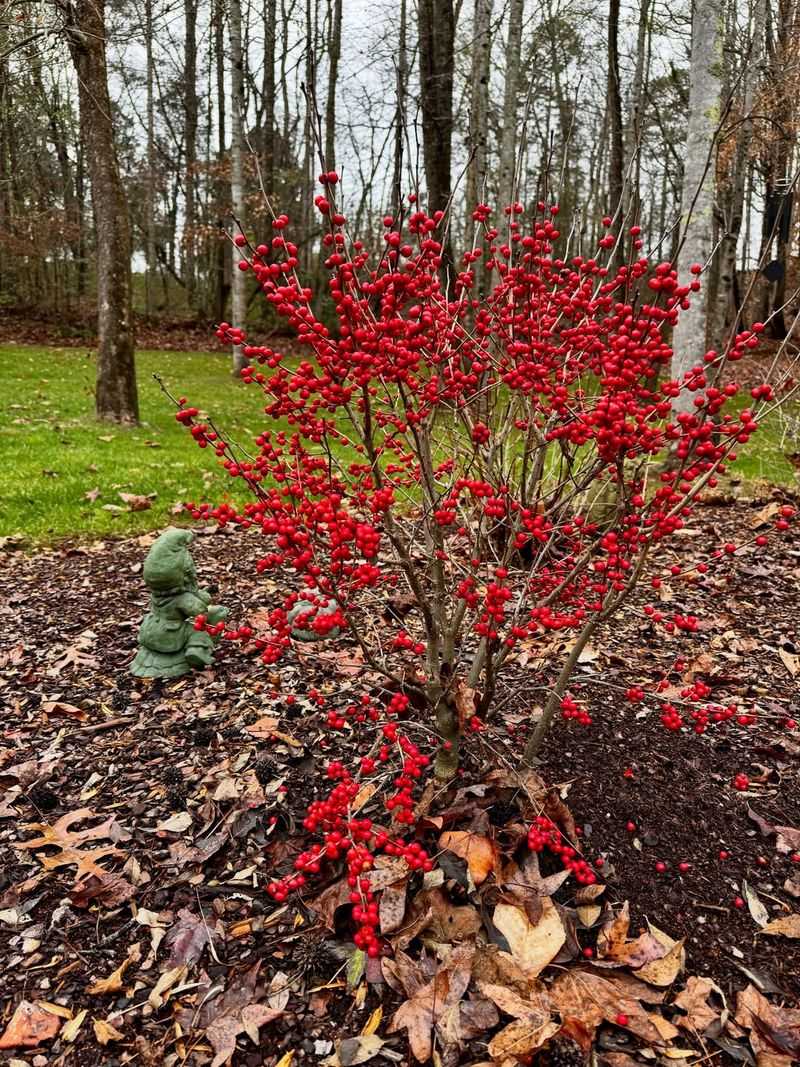
Light levels dramatically affect how many berries your winterberry produces and how vibrant they appear.
While these adaptable shrubs can tolerate partial shade, Ohio gardeners who want the most spectacular display should plant winterberry where it receives at least six hours of direct sunlight daily.
Full sun exposure encourages maximum flower production, which translates directly into more berries come winter. The intensity of the berry color also improves with more sunlight.
Berries grown in full sun tend to be deeper red and more numerous than those produced in shadier conditions.
When you’re growing winterberry specifically for winter interest and bird attraction, that difference really matters.
Morning sun is particularly beneficial in Ohio because it helps dry dew from the leaves, reducing the risk of fungal issues.
Eastern or southern exposures work wonderfully for winterberry, providing strong light without the harsh intensity of western afternoon sun in summer.
Consider the mature size of surrounding trees and structures to ensure your winterberry won’t end up in increasing shade as years pass.
If your only available planting spot has some shade, don’t give up on winterberry entirely. The shrub will still grow and produce berries, just not quite as abundantly.
Even a moderately berried winterberry provides more winter color and bird food than most other landscape plants, making it a worthwhile addition regardless of less-than-perfect sun exposure.
Birds Rely On Winterberry Late In The Season
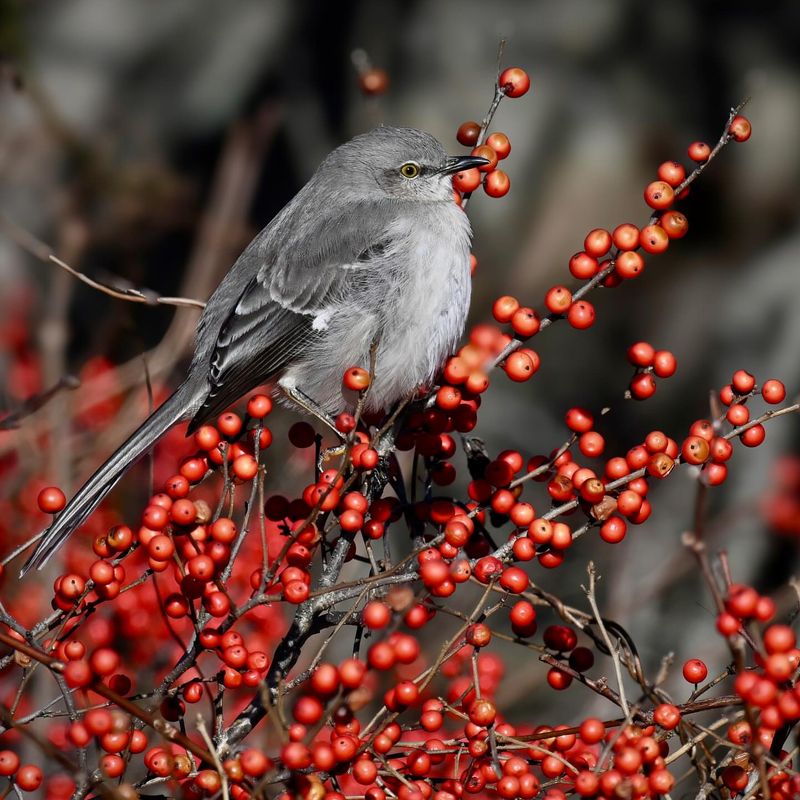
Winterberry berries have a special quality that makes them incredibly valuable to birds, they persist on the branches well into winter when most other food sources have disappeared.
Many berries ripen and get eaten quickly in fall, but winterberry fruits remain available during the coldest, harshest months.
This timing makes winterberry a genuine lifeline for birds struggling through Ohio’s toughest weather.
American robins, cedar waxwings, and eastern bluebirds are particularly fond of winterberry fruits.
These species often form flocks in winter and move through the landscape searching for reliable food sources.
When they discover a well-berried winterberry, they may stay in the area for days, providing you with wonderful wildlife viewing opportunities right outside your window.
The berries become more palatable to birds after repeated freezing and thawing, which breaks down compounds that make them less appealing earlier in the season. This natural timing means the berries are available exactly when birds need them most.
By late winter, when natural food supplies are at their lowest, winterberry often becomes a critical resource.
Planting winterberry is like setting up a natural bird feeder that requires no filling or maintenance. You simply enjoy watching grateful visitors feast on the berries you’ve provided.
It’s a beautiful example of how thoughtful plant choices can support local wildlife while enhancing your own enjoyment of your garden.
Minimal Pruning Keeps Berry Production High

Understanding how winterberry produces flowers and berries will help you avoid a common pruning mistake that eliminates next winter’s display.
Winterberry blooms on old wood, meaning the flower buds form on branches that grew during the previous season.
Heavy pruning in late winter or spring removes these bud-bearing branches, leaving you with a nicely shaped shrub but no berries when winter arrives.
The best approach is to prune winterberry minimally and only when necessary to remove damaged, crossing, or wayward branches.
If you must prune for size control or shaping, do it immediately after the berries are gone or have been eaten by birds, typically in late winter.
This timing gives the plant maximum time to produce new growth that will bear next year’s berry crop. Winterberry naturally develops an attractive form without much intervention, so resist the urge to over-prune or constantly shape the shrub.
Let it grow in its natural rounded or upright form, depending on the variety you’ve chosen. The slightly wild, informal appearance actually looks more natural and appealing in most landscape settings than rigidly pruned shrubs.
Removing just a few of the oldest stems at ground level every few years helps rejuvenate the shrub and encourages fresh, vigorous growth.
This gentle maintenance approach keeps winterberry healthy and productive without sacrificing the berry display that makes it so valuable in the winter garden.
Cold Winters Actually Improve Berry Persistence
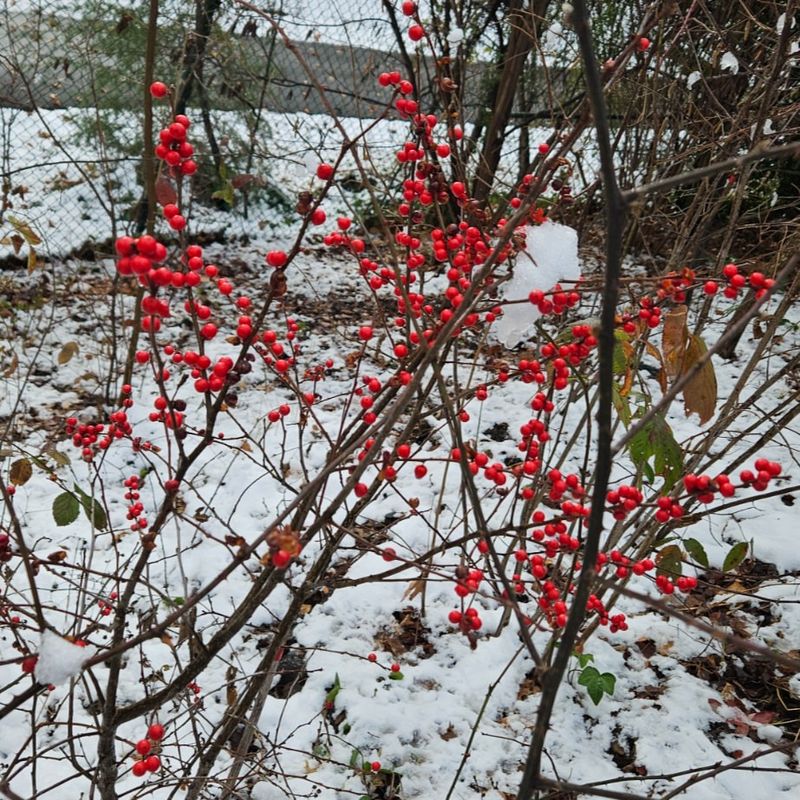
Ohio’s cold winters, which can sometimes feel like a gardening challenge, actually work in winterberry’s favor.
Frigid temperatures help the berries remain firm and attached to the branches much longer than they would in warmer climates.
The cold essentially preserves the fruits, preventing them from softening and dropping prematurely. Warmer winter temperatures can cause berries to deteriorate more quickly or become overly attractive to birds earlier in the season.
In Ohio’s consistently cold conditions, the berries stay fresh and available throughout the entire winter period. This extended persistence means you enjoy color for months rather than weeks.
The freeze-thaw cycles that occur in Ohio also have an interesting effect on berry chemistry.
Repeated freezing makes the berries gradually more palatable to birds as cellular structures break down and sugars become more concentrated.
This natural process creates a slow-release food source that benefits birds throughout the season rather than all at once.
Snow and ice can make winterberry displays even more dramatic, with berries peeking through white blankets or glistening beneath ice coatings. These winter weather events enhance rather than diminish the shrub’s ornamental value.
Ohio gardeners can truly appreciate winterberry’s performance in a way that gardeners in milder climates might not fully experience, making it a plant perfectly matched to the region’s conditions.
It Adds Color When Most Gardens Are Bare
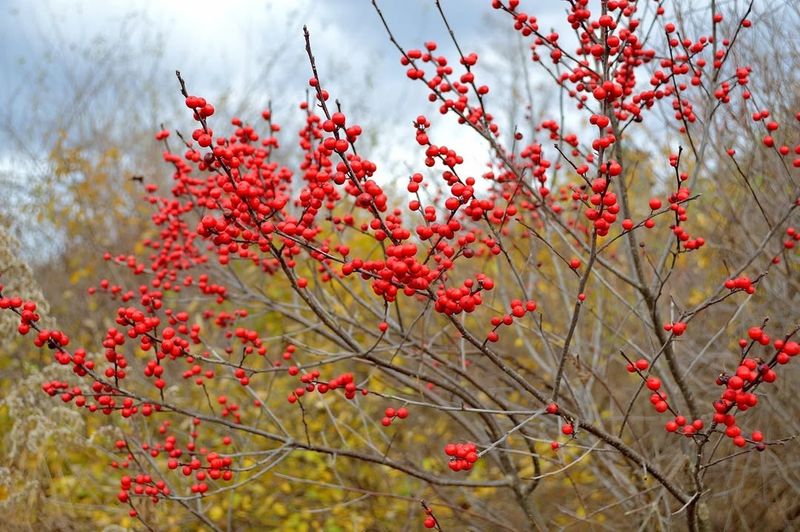
Walk through most Ohio neighborhoods in January or February, and you’ll see landscapes dominated by brown grass, bare tree branches, and dormant perennial beds.
Winter can feel like a long stretch of visual monotony, which is exactly why winterberry’s contribution is so remarkable.
Those brilliant red berries stand out dramatically against the neutral winter palette, drawing the eye and lifting spirits during the dreariest months.
Winterberry’s color impact goes beyond simple aesthetics—it actually affects how people feel about their outdoor spaces during winter.
A landscape with winterberry feels cared for and intentional rather than forgotten and waiting for spring.
The vibrant berries provide a focal point and a reason to look out the window and appreciate the garden even when temperatures discourage outdoor activities. Strategic placement of winterberry can transform entire views.
Plant it where you’ll see it from frequently used windows, near entryways, or along pathways you use regularly.
These locations maximize the psychological benefit of having living color in your landscape during winter’s long stretch.
Even a single well-placed winterberry can make a significant difference in how your property looks and feels.
Combining winterberry with other winter-interest plants like ornamental grasses, evergreens with interesting bark, or conifers creates a complete winter landscape rather than a garden that simply shuts down for months.
Winterberry often becomes the star of these combinations, providing the pop of color that brings everything together into a cohesive, attractive winter scene.