Grow Amaryllis The Right Way And Make It Bloom Again
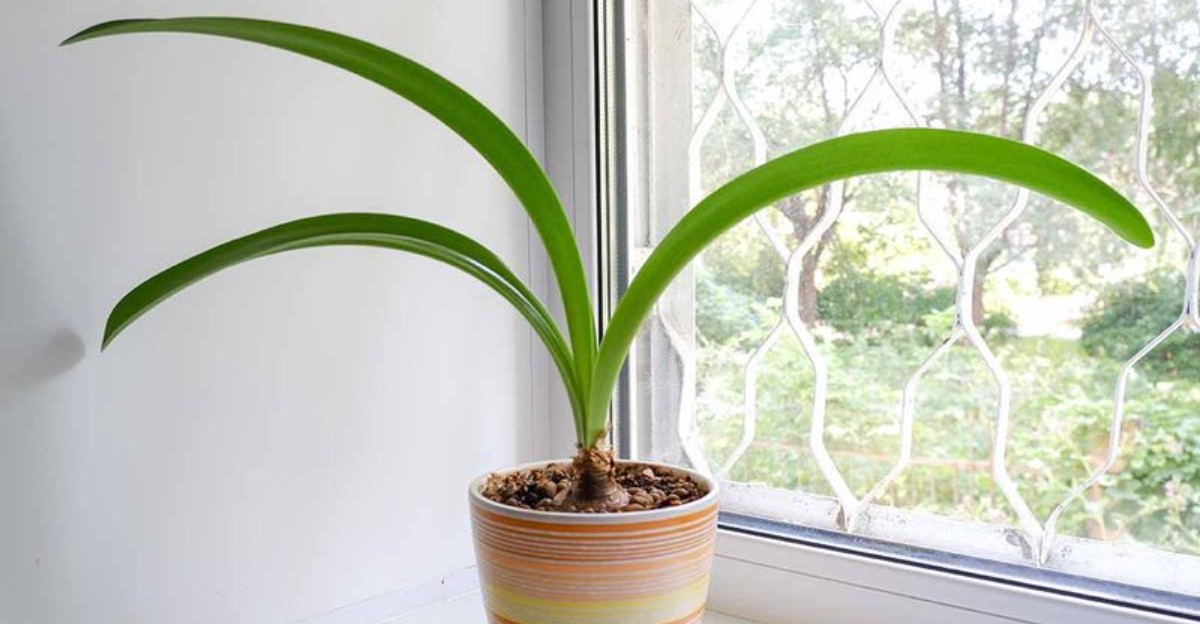
Those giant holiday bulbs sold in every grocery store can flower for decades. Some gardeners keep the same bulb going for 20 years or more, passing it down like a family recipe.
I’m not proud of this, but my first one went straight into the trash in January. The flowers faded, the leaves flopped, and I figured the show was over for good.
Truth is, the bulb was just getting started. Those floppy green leaves were busy packing away food for next winter’s flowers, and I tossed the whole pantry.
Here’s what gets me now. The plant that looks finished after the holidays is already working toward next year’s flower buds, waiting for the right care. Now, what does it take to coax those big trumpet blooms back out of a bulb that seems to be done?
That Faded Amaryllis Bloom Is Not The End Of The Story
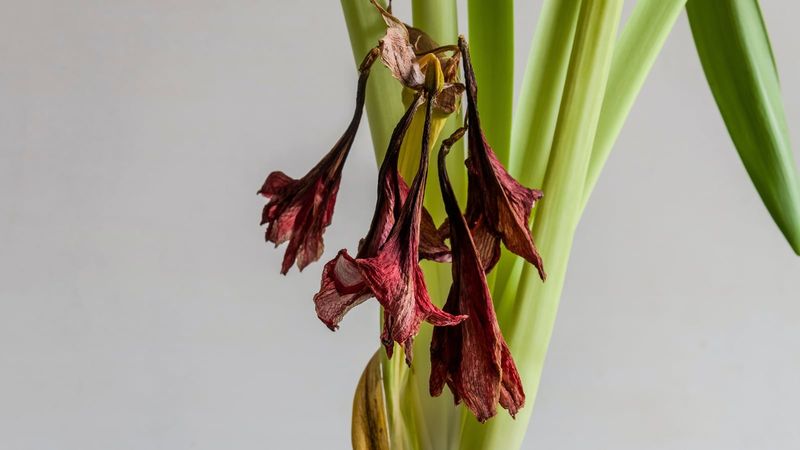
Most people treat a spent amaryllis like a bouquet that wilted. Toss it, move on. I get it, but that habit throws away a plant built to bloom year after year.
An amaryllis bulb is basically a storage tank. Inside, layers of fleshy scales hold sugars and starches, and next season’s flower buds start forming there during the growing months. A bulb that eats well this year flowers well next year.
The catch is timing. The flowers you enjoy in winter were fueled by last summer’s leaves, not by anything you did in December. That means the real work starts after the blooms fade, not before.
University of Minnesota Extension describes amaryllis reblooming as a full cycle. You grow the leaves through spring and summer, rest the bulb in fall, then wake it up for winter flowers. Skip a step, and you often get a pot full of leaves and no flower stalk.
One quick check before you begin. Waxed amaryllis bulbs, the kind sealed in colorful coating with no pot or soil, are sold as one-season decorations. They rarely rebloom because they have no roots to feed themselves. Stick with bulbs grown in soil if you want a repeat performance.
Snip The Spent Flowers But Leave Those Green Amaryllis Leaves Alone
Grab your snips, but be choosy. The first cut you make is the most important one, and it goes on the faded flowers only.
Once a bloom shrivels, clip it off right behind the flower head. If you leave it, the plant may start forming a seed pod. Making seeds uses up energy the bulb would rather store for next winter.
Now the hard part. Leave the tall flower stalk in place until it turns yellow and soft on its own. A green stalk still makes food through photosynthesis, so it is quietly helping the bulb refill. Once it sags and yellows, cut it about an inch above the bulb.
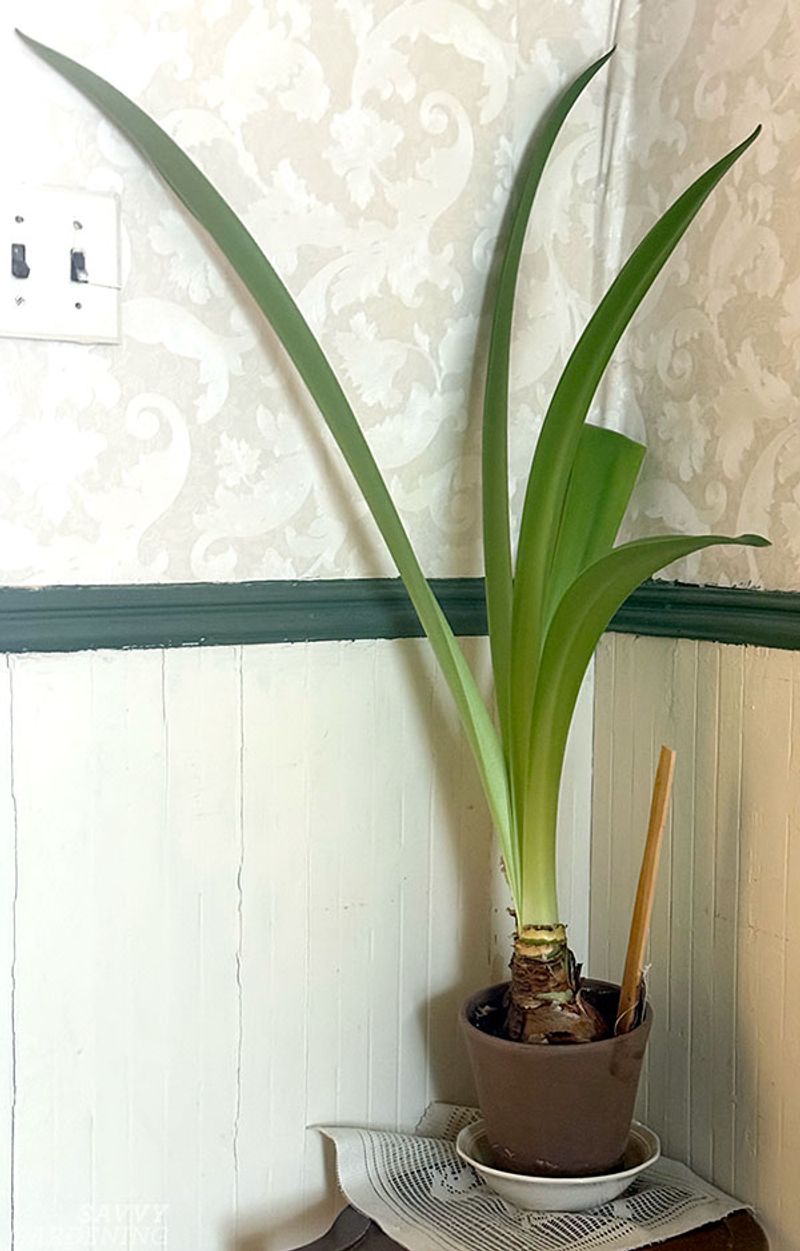
The leaves deserve the most respect of all. Those long, glossy straps are the bulb’s solar panels. Every leaf you cut means less stored energy and a weaker chance of flowers next year.
I used to trim them because they looked messy and flopped over the pot. Big mistake. If they lean, rotate the pot or give it a small stake rather than reaching for scissors.
Treat the plant like any other houseplant from here. Keep it growing, keep it green, and let those leaves do their job.
A Sunny Window And Steady Feeding Keep Amaryllis Bulbs Fat And Happy
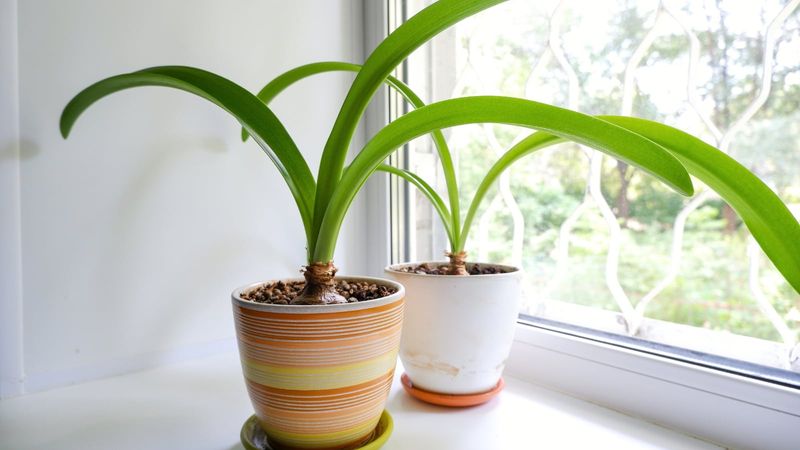
Think of late winter and spring as the bulb’s meal plan. A plump, heavy bulb is usually the one that flowers again, and light plus food is how it gets there.
Move your amaryllis to the brightest window you have. A south or west exposure works great indoors. Dim corners lead to pale, stretched leaves and a skinny bulb.
Water when the top inch or two of soil feels dry. Push your finger in and check rather than following a calendar. Make sure the pot drains well, because soggy soil invites bulb rot faster than almost anything else.
Feeding matters just as much. Use a balanced liquid houseplant fertilizer every two to six weeks, following the label. Some growers like a formula a bit higher in phosphorus, the middle number, to support strong roots and storage.
Trust me on this one. My best rebloomers were the ones I fussed over in April, not December. The difference showed up the next winter as two flower stalks instead of none.
Keep an eye out for new leaves appearing during this stretch. Fresh growth is a sign your bulb is eating well and building toward another show.
Your Potted Amaryllis Might Love A Summer Vacation Outdoors
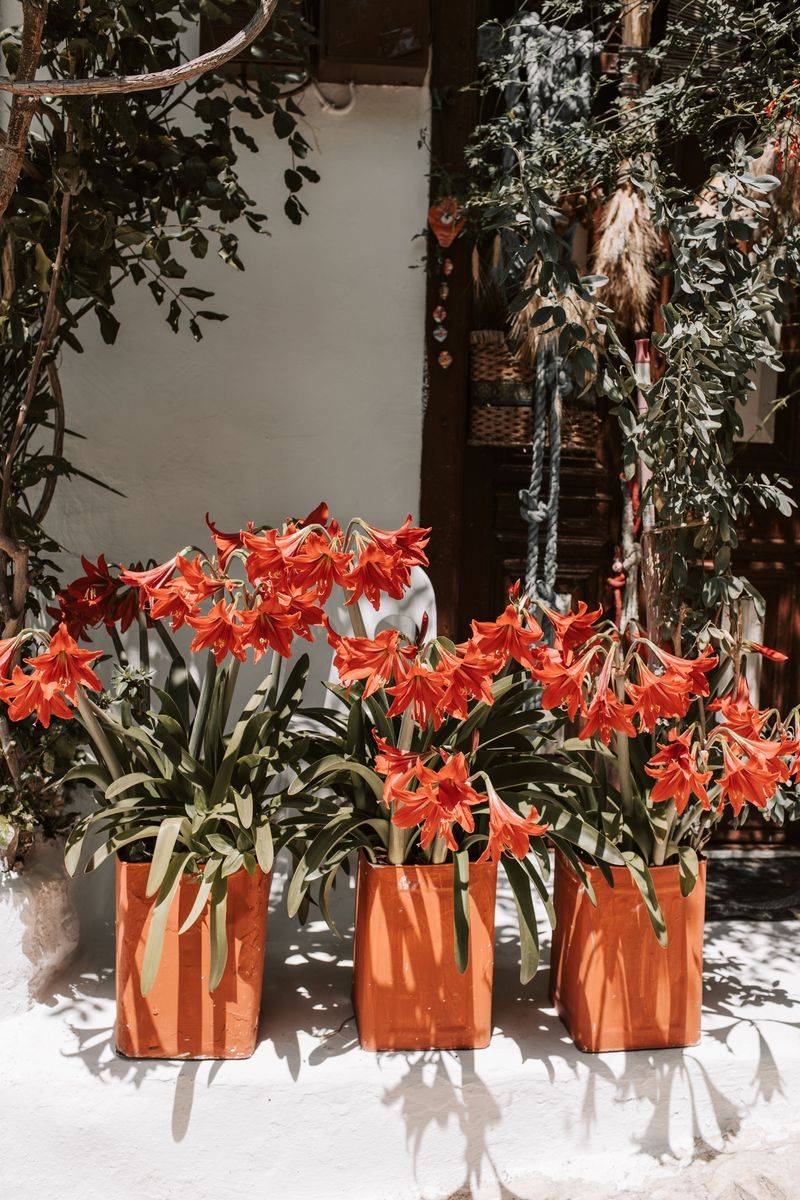
Here comes the fun season. Amaryllis comes from warm parts of South America, and a summer outside can supercharge its leaves.
Wait until frost danger has passed and nights stay above about 50°F. In much of the northern U.S., that means late May or early June. Southern gardeners can usually make the move earlier.
Don’t plop it straight into blazing sun. Indoor leaves scorch easily, so start the pot in shade for a week or two. Then shift it gradually into brighter light.
Where you live changes the ideal spot. Northern growers often aim for six or more hours of sun. In the hot South and Southwest, morning sun with afternoon shade protects the foliage from harsh midday heat.
You can keep the bulb in its pot or plant it in a well-drained garden bed. I keep mine potted because it makes fall cleanup simple, and slugs have a harder time finding it.
Keep watering so the soil stays moist but not soggy, especially during hot spells. Continue fertilizing through summer. Big, healthy leaves in July are the best predictor of flowers in winter.
Late Summer Is When Amaryllis Needs A Little Tough Love
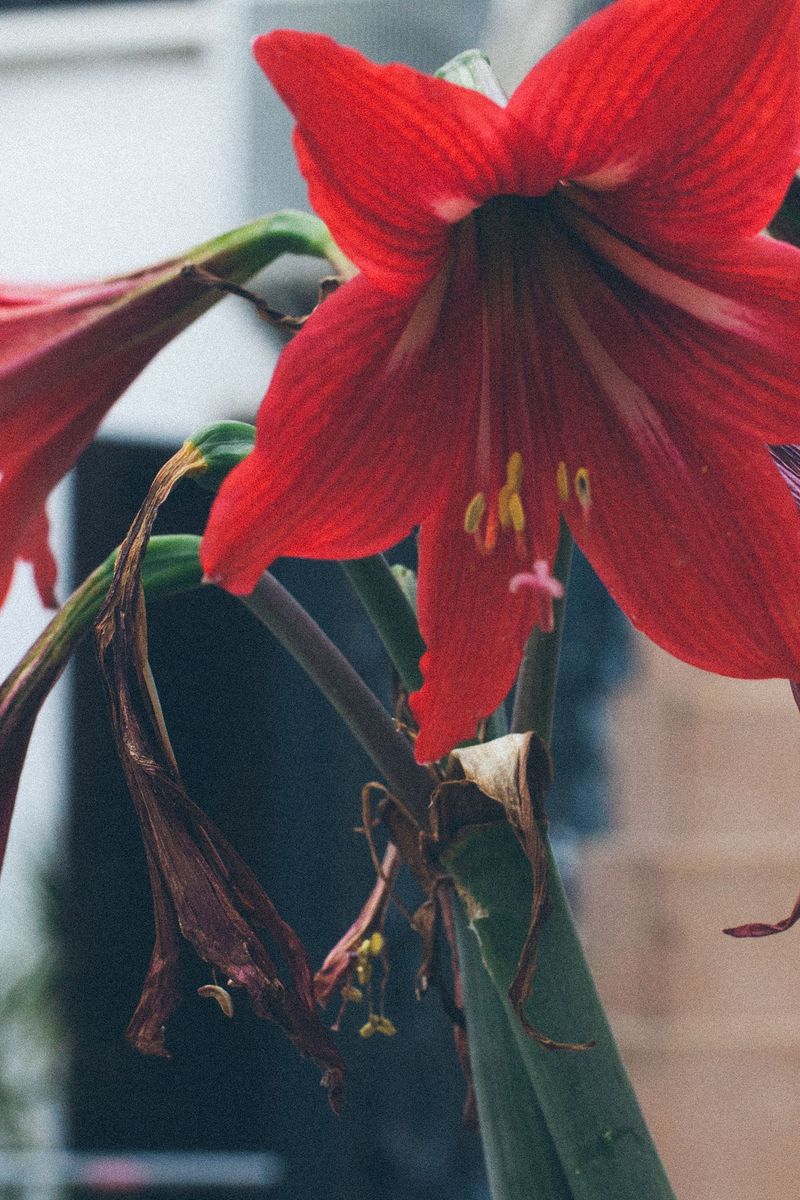
Mid-August rolls around, and it is time to change the routine. Rest triggers the next round of flowers, so this step is where you start setting up winter color.
Gradually cut back on watering over a few weeks. Stop fertilizing at the same time. The plant reads these changes as a signal that the growing season is winding down.
The leaves will slowly yellow and flop. Let that happen naturally. As they fade, the bulb pulls the last nutrients from them and tucks the goodness away inside.
Not going to lie, this stage looks rough. Your proud summer plant turns brown and droopy, and it feels like you did something wrong. You didn’t.
Once the leaves are dry and brittle, trim them to about one or two inches above the neck of the bulb. Avoid cutting leaves that are still green and firm.
Bring the pot indoors before your first frost. In northern states, that could be September. Gardeners in mild zones like Florida or southern Texas often grow amaryllis in the ground year-round, since bulbs are commonly hardy in USDA zones 8 to 10 with some protection.
A Cool Dark Closet Gives Amaryllis Bulbs The Rest They Crave
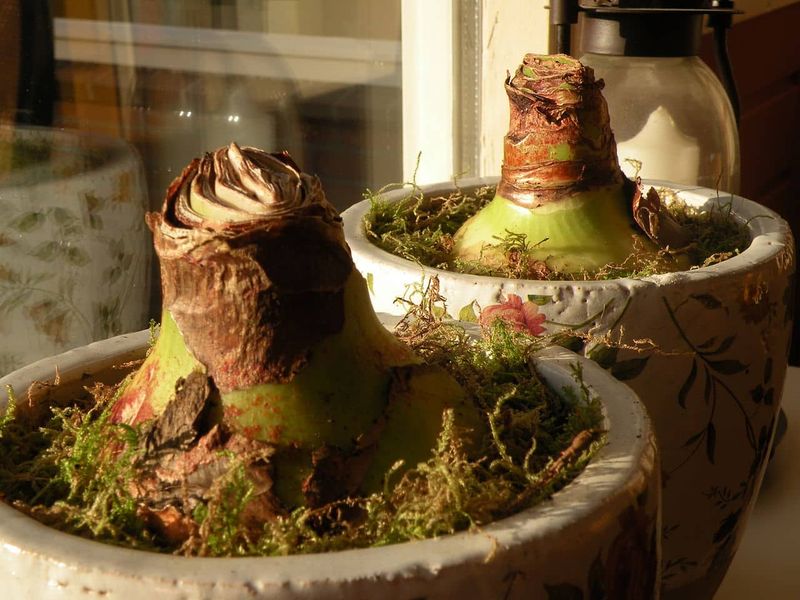
Some plants need a nap before they perform. Amaryllis is one of them, and a good rest helps you control when the flowers show up.
Store the potted bulb somewhere cool, dark, and dry. A basement, unheated closet, or attached garage often works. Aim for temperatures between about 45°F and 60°F, and keep it above freezing.
No water during this stretch. Dry soil keeps the bulb quiet and lowers the risk of rot.
Plan on a rest of at least six to eight weeks, and up to twelve. Count backward from when you want blooms. A bulb tucked away in early September can come out around November.
Fair warning about the fridge. If you store loose bulbs in a refrigerator, keep them far away from apples and other ripening fruit. Fruit gives off ethylene gas, which can damage the developing flower buds inside.
Some growers in warm climates skip the formal rest and still get flowers. That works sometimes. Still, a dormant period is the most reliable way to time blooms for the holidays or a gray January day when you need them most.
Fresh Soil And A Snug Pot Wake Up A Sleepy Amaryllis Bulb
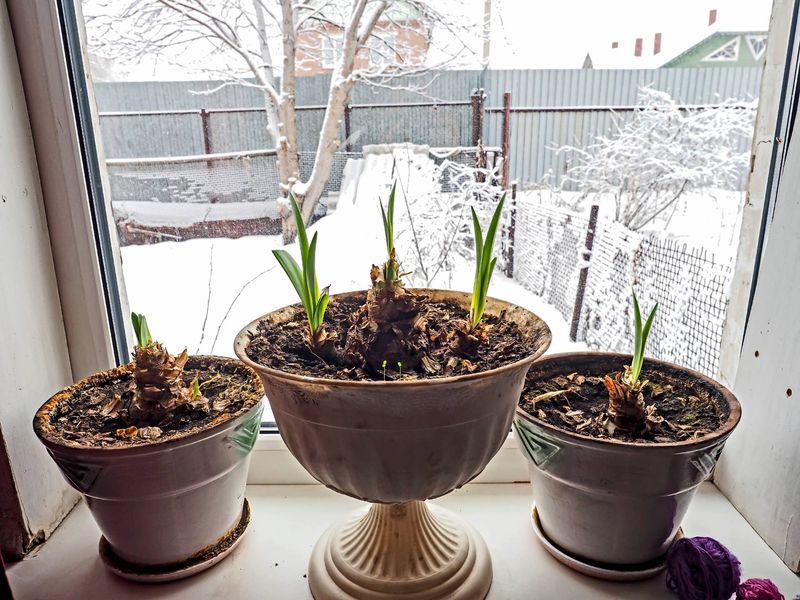
Wake-up day feels like opening a present. About five to eight weeks before you want flowers, bring the bulb back into the light.
This is the perfect time to repot if needed. Plan on fresh soil every three or four years, or sooner if roots are circling or the mix looks tired. Check the bulb too, since it should feel firm, not mushy.
Amaryllis likes snug quarters. Pick a pot only about an inch or two wider than the bulb, with a drainage hole. A huge pot holds extra water and can lead to rot.
Use a well-draining potting mix. Set the bulb so the top third to half sits above the soil line. That exposed shoulder helps keep the neck dry.
Give it one thorough watering, then place it somewhere warm, around 60°F to 75°F, with bright light. Water sparingly until you see a green tip.
I’m a sucker for this part. A fat bud often pokes up within a few weeks, and stalks can follow over the next month or two. Turn the pot every few days so the stalk grows straight instead of leaning toward the window.
Leaves But No Amaryllis Flowers Usually Points To One Simple Fix
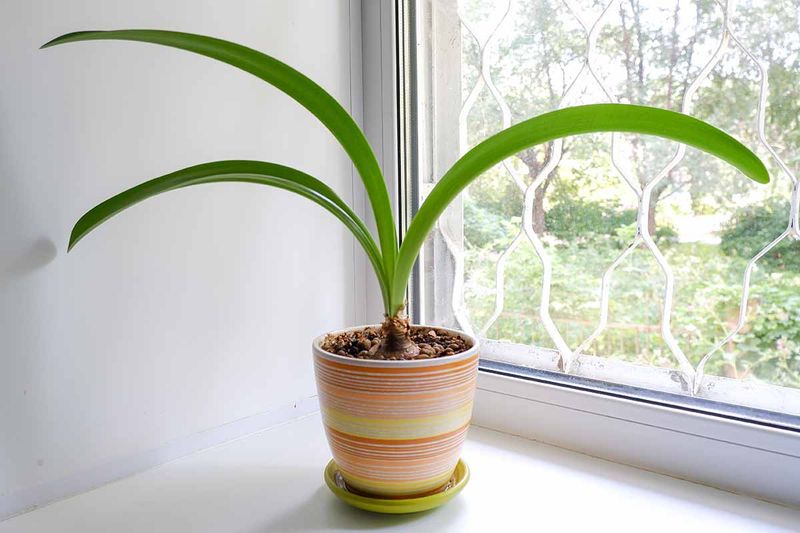
So the leaves came back but no flower stalk showed up. Annoying, I know, but this puzzle usually has a straightforward answer.
Most often, the bulb didn’t store enough energy last season. Too little light or too little fertilizer during spring and summer leaves a skinny bulb with no buds inside. Feed it well and give it more sun this year, and it often catches up.
A rest period that was too short can also delay flowers. So can a bulb that simply got small. Squeeze it gently, because a soft or shrunken bulb needs a full season of good growing.
Yellow leaves outside of dormancy usually mean overwatering or poor light. A mushy, smelly bulb points to rot from soggy soil, and those are best tossed.
Once buds show color, move the plant somewhere a bit cooler and out of direct sun. Blooms often last noticeably longer that way.
I’ll say this much. Each year you repeat the cycle, you learn your bulb’s rhythm. Keep a little note of wake-up and bloom dates, and next winter you will know exactly when to start the show again.