Grow Peppers Indoors In California With These 10 Tips
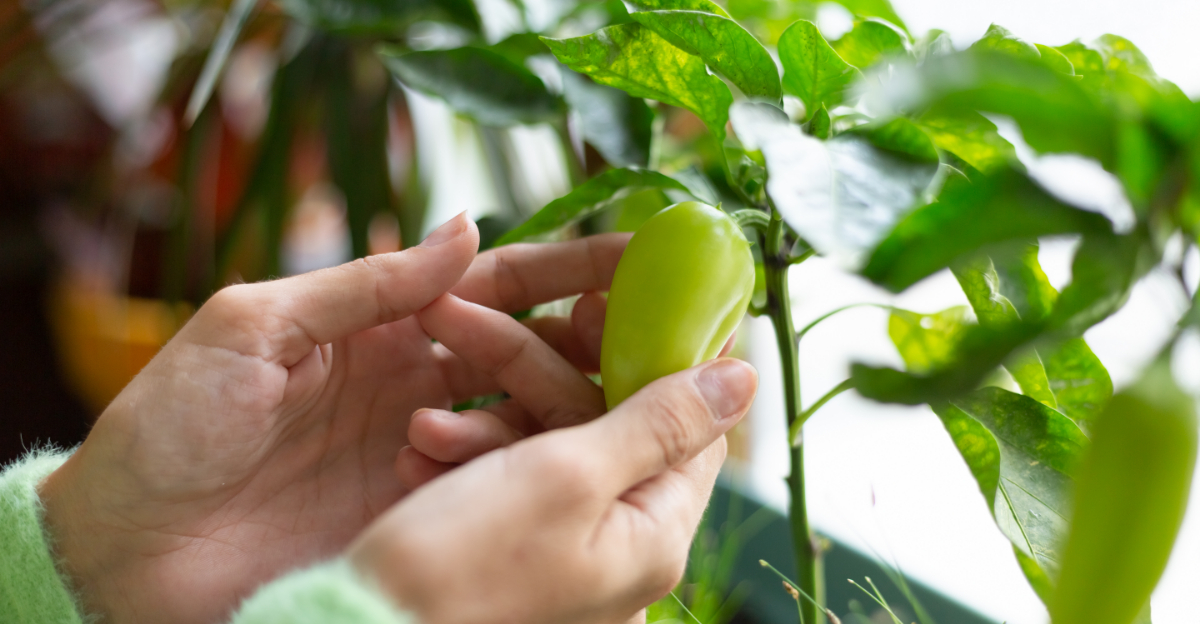
Peppers are usually thought of as outdoor plants, soaking up sun in a backyard garden or patio container. But in California, growing them indoors is becoming more common, especially for gardeners who want more control over conditions.
Indoor growing can help avoid temperature swings, pests, and unpredictable weather. With the right setup, peppers can keep producing longer and stay in better shape throughout the season.
It turns a typically seasonal crop into something that can fit into everyday indoor spaces.
There is a bit of a learning curve at first, especially when it comes to light and watering. Once those pieces fall into place, though, the results can be surprisingly steady, giving you fresh peppers without stepping outside.
1. Start With Warm, Stable Temperatures
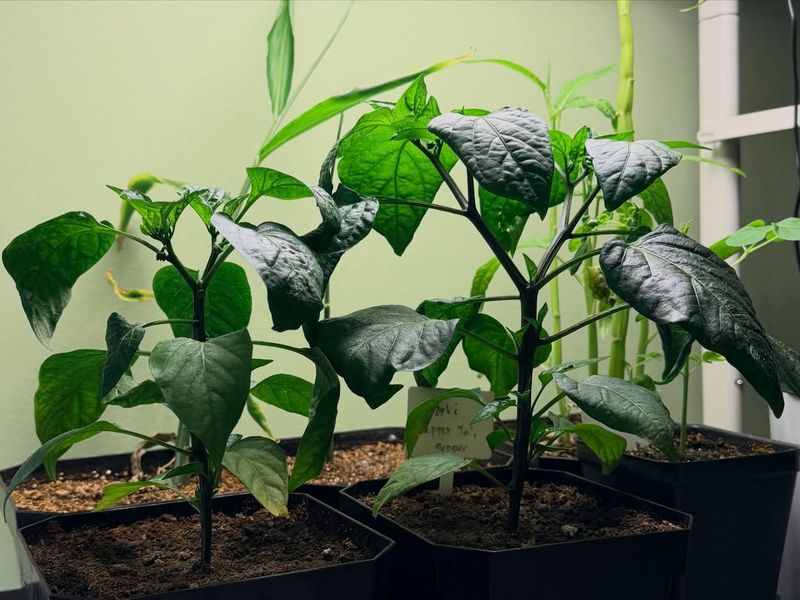
Peppers are tropical plants at heart, and they absolutely love warmth. If your indoor space in California drops below 60 degrees Fahrenheit at night, your plants will slow down and struggle to produce fruit.
Keeping temperatures between 70 and 80 degrees Fahrenheit during the day is the sweet spot for strong, steady growth.
Cold drafts from air conditioning vents or windows can stress your plants without you even noticing. Place your pepper containers away from vents and exterior walls where temperatures tend to swing.
A simple thermometer placed near your plants can help you catch any temperature drops before they cause problems.
Many California homes stay naturally warm, which gives indoor growers a real advantage over gardeners in colder states. Still, nights in coastal areas like San Francisco can get chilly, so check your indoor temps regularly.
Stable warmth is one of the most important factors in growing peppers successfully inside, so never overlook it.
2. Provide Strong Light Beyond A Window
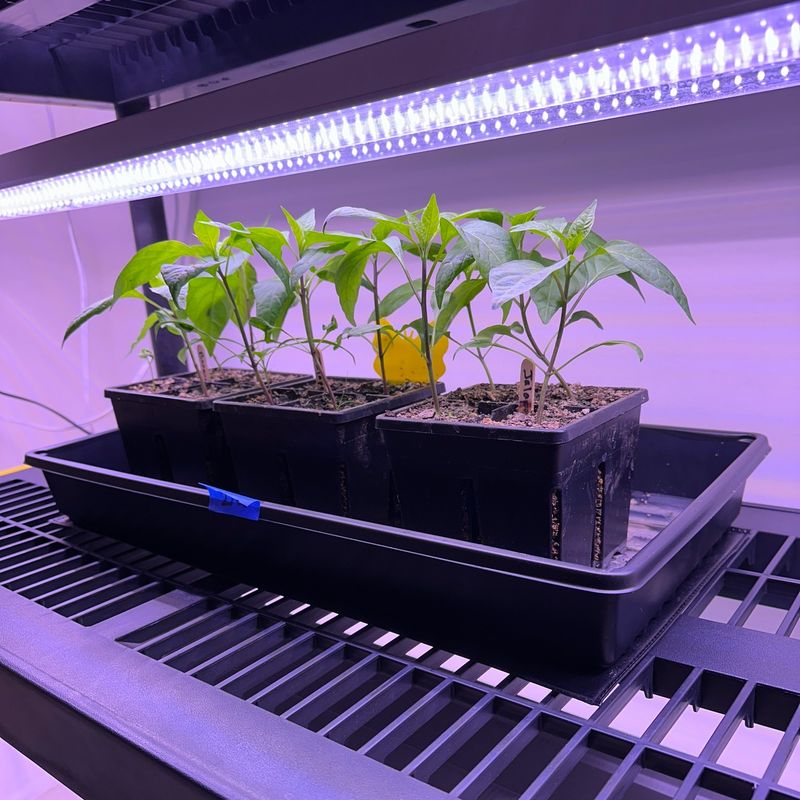
Most windows in California homes do not provide enough light to keep pepper plants truly happy. Even a south-facing window with full afternoon sun usually delivers only five to seven hours of usable light, which falls short of what peppers need to thrive and fruit well indoors.
Full-spectrum LED grow lights are the best solution for indoor pepper growers across California. They mimic natural sunlight closely, covering the full range of wavelengths that plants use for photosynthesis.
LED lights also run cool and use less electricity than older fluorescent or HID options, making them a smart, cost-effective choice.
Setting up a grow light does not have to be complicated or expensive. Many affordable LED panels are available online and are easy to mount on a shelf or hang from a hook.
Once your light is in place, your plants will respond quickly with thicker stems, deeper green leaves, and eventually, more flowers and fruit. Strong, consistent light is the real game-changer for growing peppers indoors in California.
3. Keep Grow Lights Close To Plants
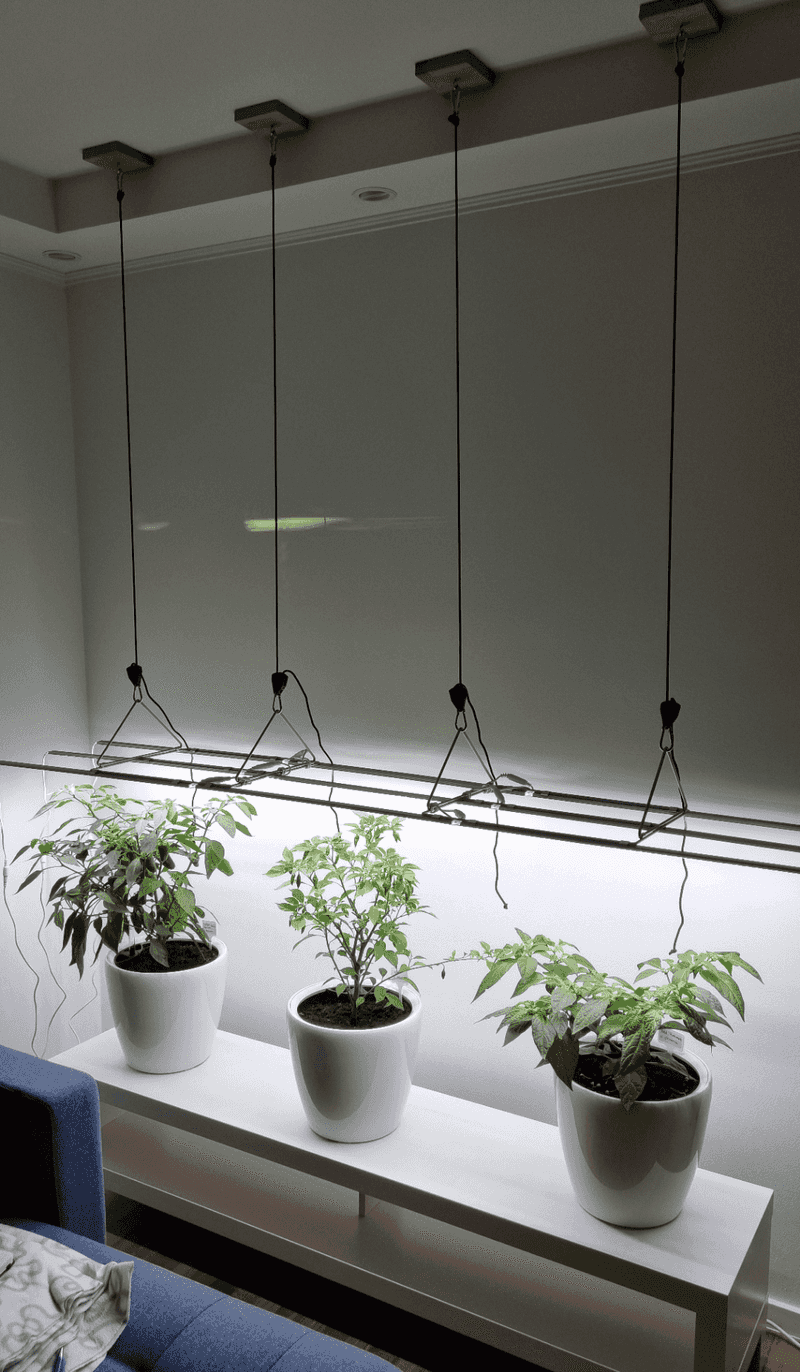
One mistake many new indoor gardeners make is hanging their grow lights too high above their plants. When a light is too far away, the intensity drops dramatically and your pepper plants end up stretching upward with weak, spindly stems trying to reach the light source.
That kind of growth wastes the plant’s energy and reduces fruit production.
A good rule of thumb is to keep your LED grow light about 12 to 18 inches above the tops of your pepper plants. As your plants grow taller, adjust the light upward to maintain that distance.
Most adjustable hanging systems make this easy to manage without any special tools.
You can do a quick hand test to check the light intensity. Hold your hand at plant level under the light for 30 seconds.
If it feels comfortably warm but not hot, the distance is likely right. Growers in California who set up their lights correctly from the beginning tend to see faster growth, stronger branching, and more consistent flowering throughout the season.
Getting this detail right early saves a lot of frustration later.
4. Use Containers That Stay Cool
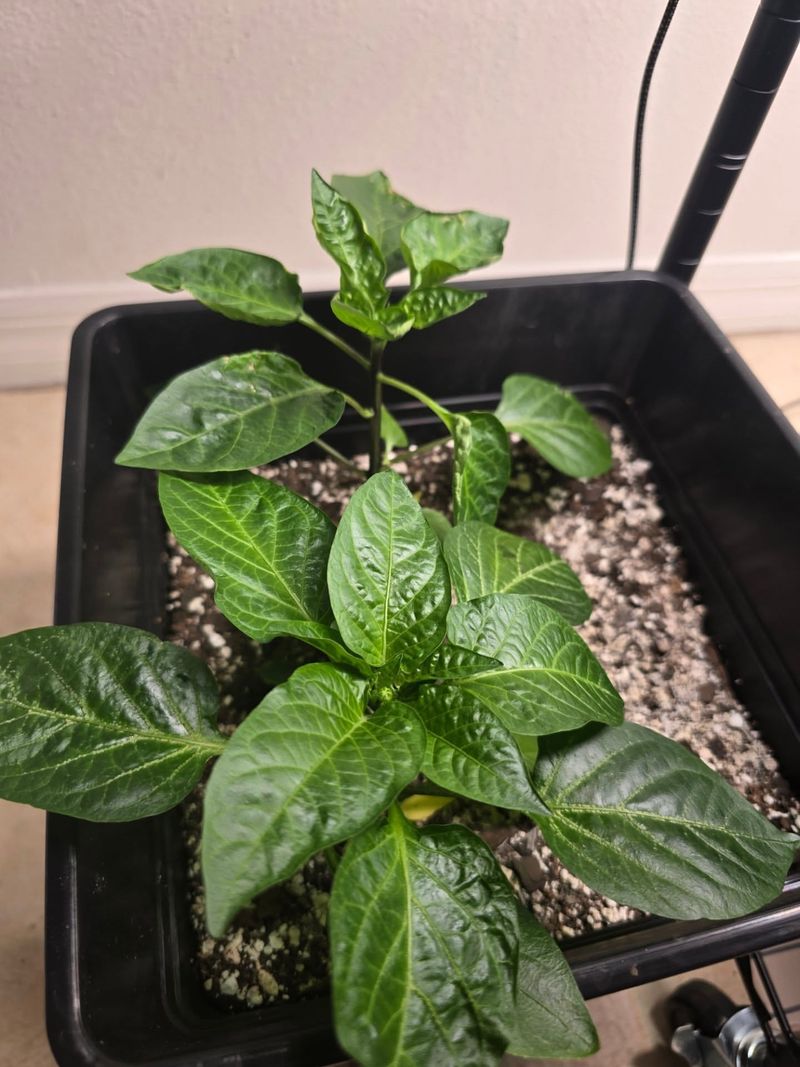
Dark-colored plastic pots absorb heat and can cause root temperatures to climb too high, especially in California homes that get warm afternoon sun through windows. Overheated roots struggle to absorb water and nutrients efficiently, which leads to wilting and slow growth even when you are watering regularly.
Light-colored containers, fabric grow bags, or terra cotta pots are much better choices for indoor pepper growing. Fabric grow bags are especially popular because they allow air to reach the roots, which prevents overheating and encourages healthier root development.
Terra cotta naturally wicks away excess moisture and keeps roots slightly cooler than plastic alternatives.
Whatever container you choose, make sure it has drainage holes at the bottom. Peppers are very sensitive to sitting in soggy soil, and without drainage, water builds up and causes root rot quickly.
A pot that is at least 12 inches wide and deep gives roots enough room to spread out comfortably. Choosing the right container from the start sets your indoor pepper plant up for long-term success in any California home, whether you are growing in a studio apartment or a spacious house.
5. Choose Container-Friendly Varieties
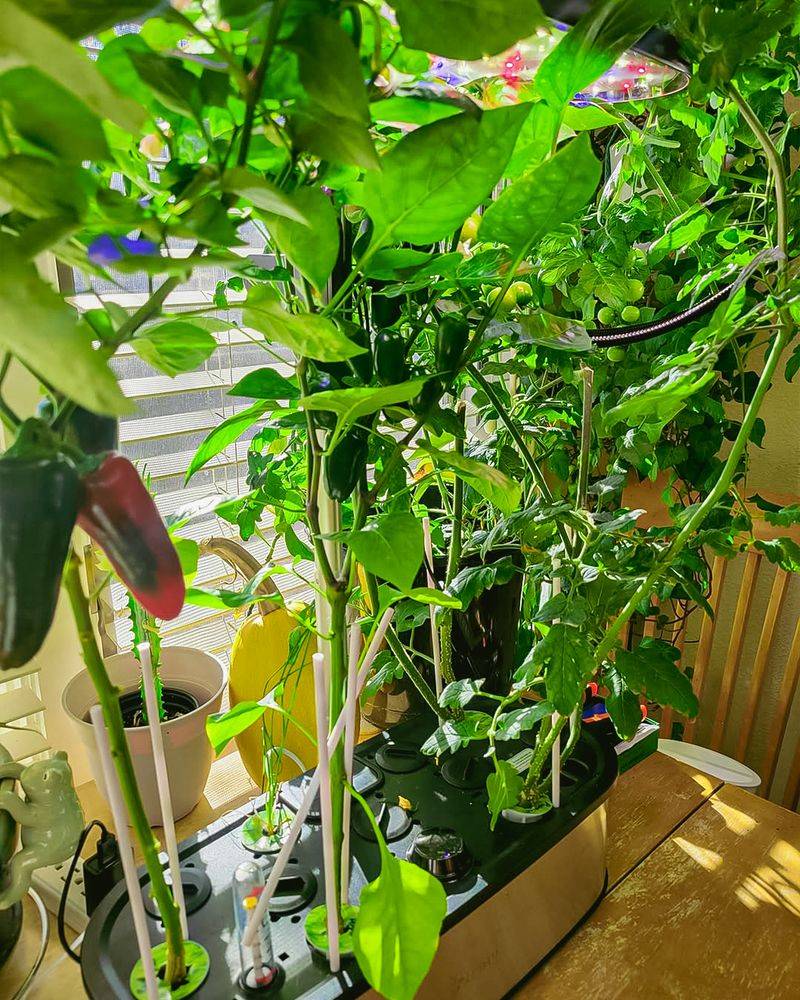
Not all pepper varieties are created equal when it comes to indoor growing. Large bell peppers and giant sweet peppers need a lot of space and light to produce well, which makes them harder to manage inside.
Compact varieties are a far smarter choice for California home growers working with limited space.
Mini bell peppers, jalapeños, Thai chilies, and cayenne peppers all do exceptionally well in containers. They stay relatively small, produce fruit quickly, and handle the somewhat drier indoor air better than larger varieties.
Jalapeños in particular are tough, adaptable plants that reward consistent care with a generous harvest.
When shopping for seeds or seedlings, look for labels that say “compact,” “patio,” or “container variety.” These plants have been selected or bred specifically to thrive in smaller growing spaces. Some California nurseries and online seed companies carry a wide range of compact pepper varieties worth exploring.
Picking the right variety is one of the simplest ways to set yourself up for success before you even put soil in a pot. Start with a proven compact type and expand to more varieties once you feel confident with your indoor setup.
6. Give Six To Eight Hours Of Strong Light
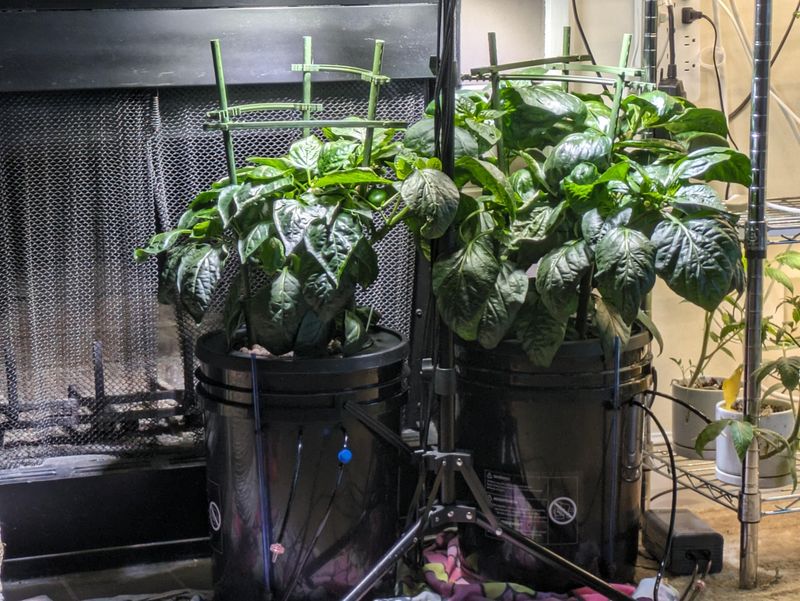
Peppers are sun-loving plants that naturally thrive in long, bright days. Indoors, they need at least 12 to 16 hours of strong light each day to grow well and produce fruit consistently.
Giving them less than that often results in slow growth, few flowers, and disappointing harvests even when everything else seems right.
Using a simple plug-in timer with your grow light makes managing the light schedule completely effortless. Set it to run for 14 hours a day and forget about it.
Your plants will get a reliable, consistent light cycle every single day without you having to remember to flip a switch.
Natural sunlight from a window can supplement your grow light during the day, which is a nice bonus for California growers who enjoy sunny weather most of the year. Position your setup near a bright window and let the grow light fill in the gaps during morning and evening hours.
The combination of natural and artificial light gives your peppers the best possible environment for vigorous, productive growth. Consistent light is just as important as consistent temperature when growing peppers successfully inside a California home.
7. Keep Nights Warm For Steady Growth
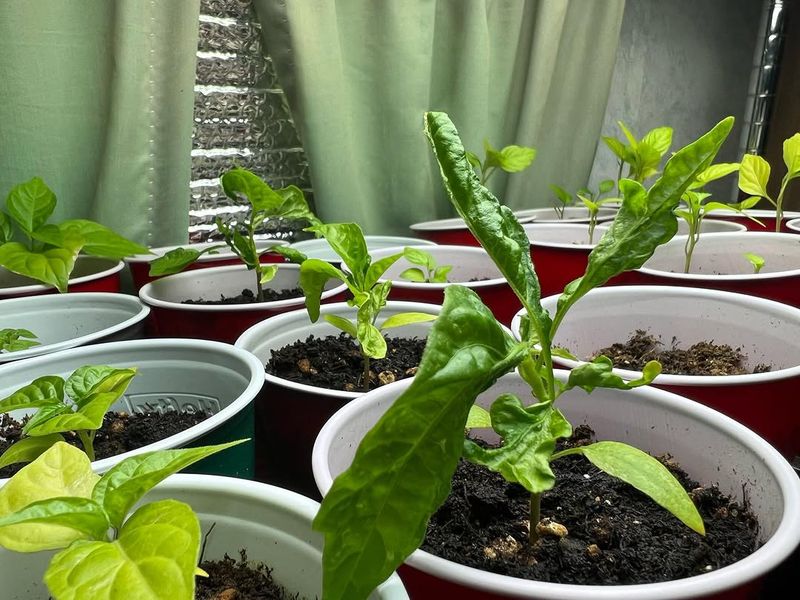
Nighttime temperatures play a bigger role in pepper growth than most people realize. When indoor temps drop below 60 degrees Fahrenheit after dark, pepper plants slow down their metabolism and stop growing efficiently.
Over time, consistent cold nights lead to yellow leaves, blossom drop, and very little fruit development.
California coastal areas, mountain communities, and inland valleys can all experience surprisingly cool nights, even in summer. If your home gets chilly after sunset, consider placing your pepper plants in a warmer interior room away from windows or exterior walls.
A small space heater on a thermostat can help maintain a steady nighttime temperature without running up your energy bill.
Keeping nighttime temperatures between 65 and 70 degrees Fahrenheit gives peppers the warm environment they need to rest and recover properly after a long day under the grow lights. Think of it like a good night’s sleep for your plant.
When peppers get consistent warmth around the clock, they grow faster, flower more freely, and produce more fruit per plant. California growers who pay attention to both day and night temperatures tend to see dramatically better results than those who only focus on daytime conditions.
8. Watch For Aphids On Indoor Plants
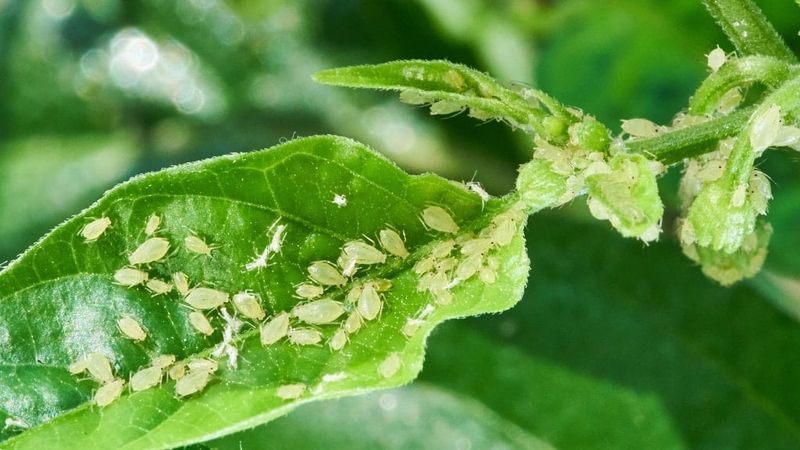
Aphids are tiny, soft-bodied insects that love to cluster on the undersides of pepper leaves and along new stem growth. They feed by sucking the sap out of the plant, which causes leaves to curl, yellow, and eventually drop.
An aphid infestation can spread quickly indoors because there are no natural predators like ladybugs to keep their numbers in check.
Check the undersides of your pepper plant’s leaves at least once a week. Catching aphids early makes them much easier to manage before they multiply into a serious problem.
A strong spray of water from a spray bottle can knock them off stems and leaves effectively without using any chemicals.
Neem oil mixed with water and a few drops of dish soap is a popular and effective organic treatment that many California indoor gardeners swear by. Spray it on all leaf surfaces, including the undersides, every few days until the aphids are gone.
Keeping your indoor growing space clean and well-ventilated also helps prevent future infestations. Healthy, well-fed plants tend to be more resistant to pest pressure, so staying on top of watering and fertilizing goes a long way toward keeping aphids away from your indoor pepper garden.
9. Water Consistently Without Overdoing It
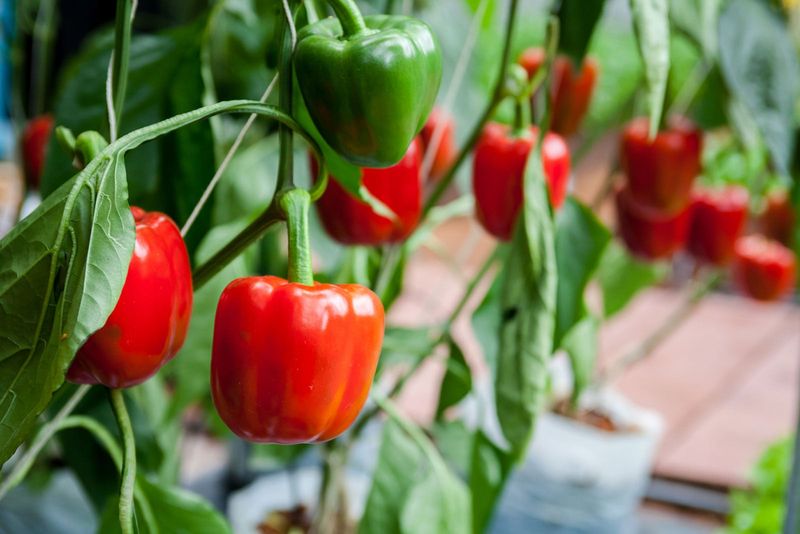
Watering is one of those things that sounds simple but trips up a lot of new pepper growers. Both too much and too little water cause problems, and the signs can look surprisingly similar at first glance.
Yellowing leaves and drooping stems can come from overwatering just as easily as from drought stress.
The best method is to stick your finger about an inch into the soil before watering. If the soil feels dry at that depth, it is time to water.
If it still feels moist, wait another day and check again. Peppers prefer a consistent moisture level rather than swinging between soaking wet and bone dry.
When you do water, pour slowly until water drains freely from the bottom of the pot. That tells you the entire root zone has been moistened evenly.
Empty the drainage tray after watering so roots are never sitting in standing water for long. California’s indoor air can be quite dry, especially in summer with air conditioning running, so check your plants more frequently during hot stretches.
Consistent, thoughtful watering is one of the most reliable ways to keep indoor pepper plants healthy and productive throughout the growing season.
10. Move Outdoors Only When Nights Stay Warm
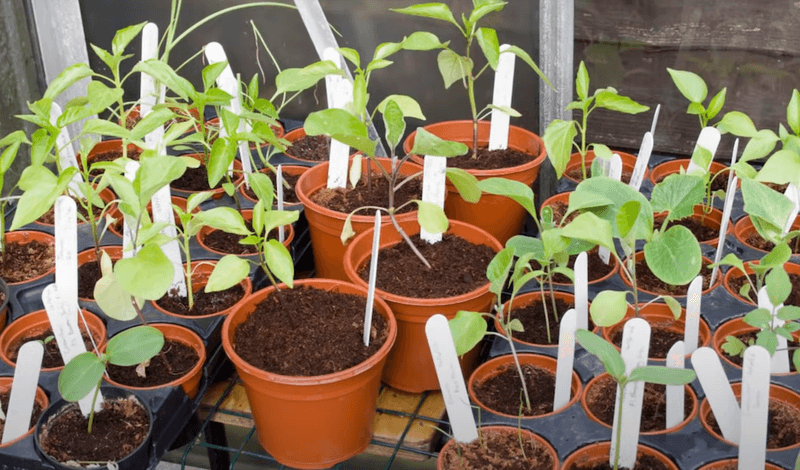
One of the great perks of growing peppers indoors in California is the flexibility to move plants outside when the weather cooperates. Taking your pepper plants outdoors during warm months gives them access to natural sunlight and fresh air, which can supercharge their growth and fruit production in a way that indoor lighting simply cannot fully replicate.
Before moving plants outside, make sure nighttime temperatures are consistently staying above 60 degrees Fahrenheit. A surprise cold night after moving your plants out can set them back significantly.
In most parts of California, late spring through early fall is the ideal window for outdoor time.
When you first move plants outside, do it gradually to avoid shock. Start by placing them in a shaded spot for a few hours a day and slowly increase their sun exposure over one to two weeks.
This process, called hardening off, helps plants adjust to stronger sunlight and outdoor conditions without getting scorched. When nights start cooling down again in fall, bring your plants back inside and return to your grow light routine.
California growers who move their pepper plants in and out seasonally often enjoy the biggest, most productive harvests of all.