Grow Red Creeping Thyme In Montana For A Hardy And Easy Ground Cover
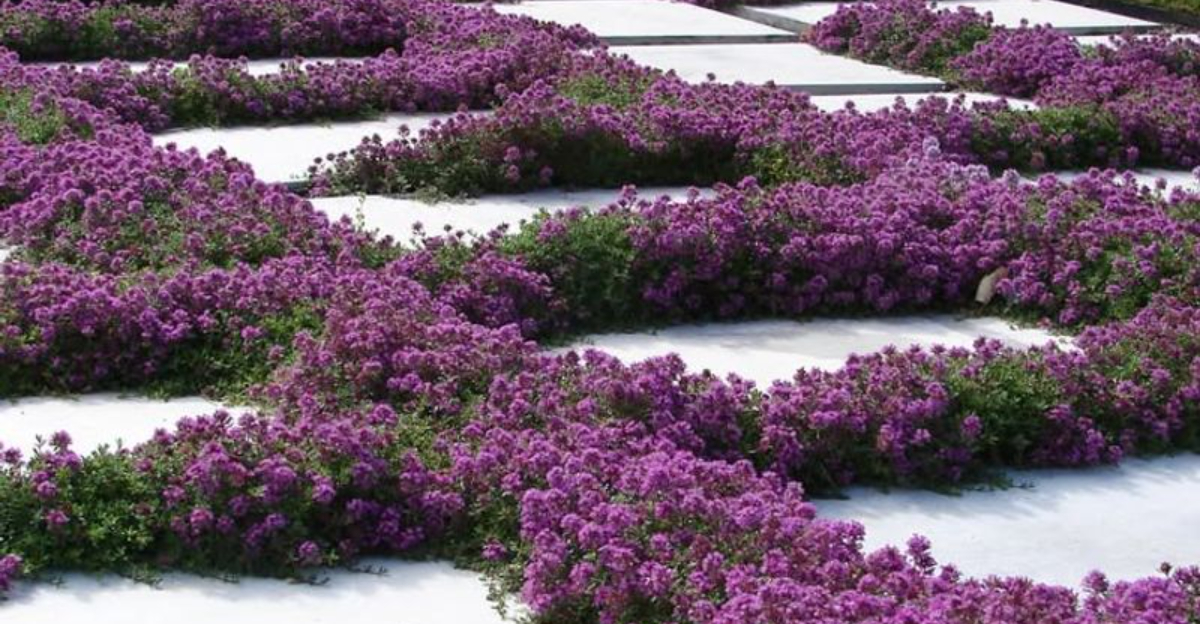
Red creeping thyme is a versatile and resilient plant that thrives in Montana gardens. Its low-growing habit makes it an excellent ground cover, providing vibrant color, suppressing weeds, and adding texture to borders, pathways, or rock gardens.
This hardy herb is perfect for gardeners who want beauty without constant upkeep. Red creeping thyme tolerates cold temperatures, drought, and poor soil, making it ideal for Montana’s challenging climate.
It requires minimal maintenance once established, and its aromatic foliage adds fragrance and interest to outdoor spaces. Planting it in the right location ensures strong growth and long-lasting coverage.
Red creeping thyme combines hardiness, color, and ease of care in one plant. Montana gardeners who add this perennial ground cover can enjoy a vibrant, low-maintenance landscape that looks great year-round.
Create a beautiful and resilient garden with red creeping thyme.
Choose Full Sun Locations
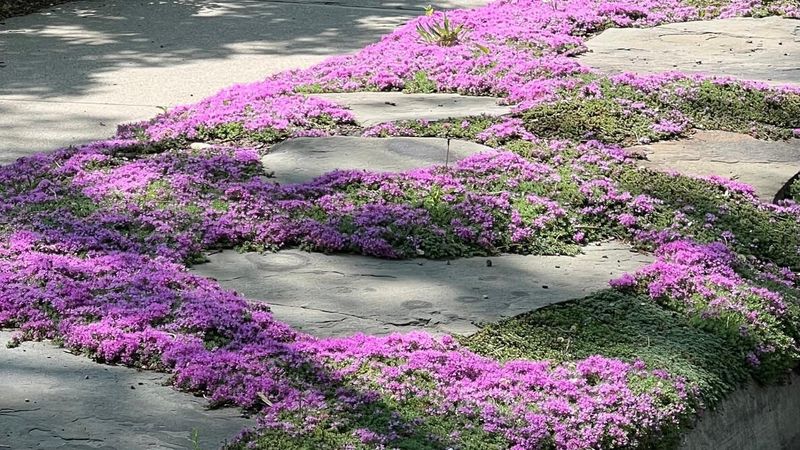
Montana’s short growing season means every ray of sunshine counts when you’re cultivating red creeping thyme in your landscape.
This Mediterranean native absolutely craves bright, direct sunlight for at least six to eight hours daily to develop its signature dense mat and produce those gorgeous pink-purple blooms that make it such a garden favorite.
Without adequate light exposure, your thyme will grow thin and leggy, struggling to fill in bare patches the way you want it to.
Sunlight powers the photosynthesis process that helps thyme build strong roots and lush foliage, which is especially important during our limited warm months.
When selecting planting sites, look for south-facing slopes, open garden beds away from tree shade, or sunny borders along driveways and walkways where light reaches the ground all day long.
Even partial shade can reduce flowering and weaken the plant’s natural drought tolerance. Remember that Montana’s high elevation actually intensifies sunlight, which works perfectly for sun-loving thyme but can stress shade plants.
Position your creeping thyme where it receives morning through late afternoon sun, and you’ll be rewarded with a thick, fragrant carpet that stays vibrant from spring through fall.
Proper sun exposure also helps the foliage dry quickly after rain or irrigation, reducing the chance of fungal issues in our sometimes unpredictable weather patterns.
Plant In Well-Draining Soil
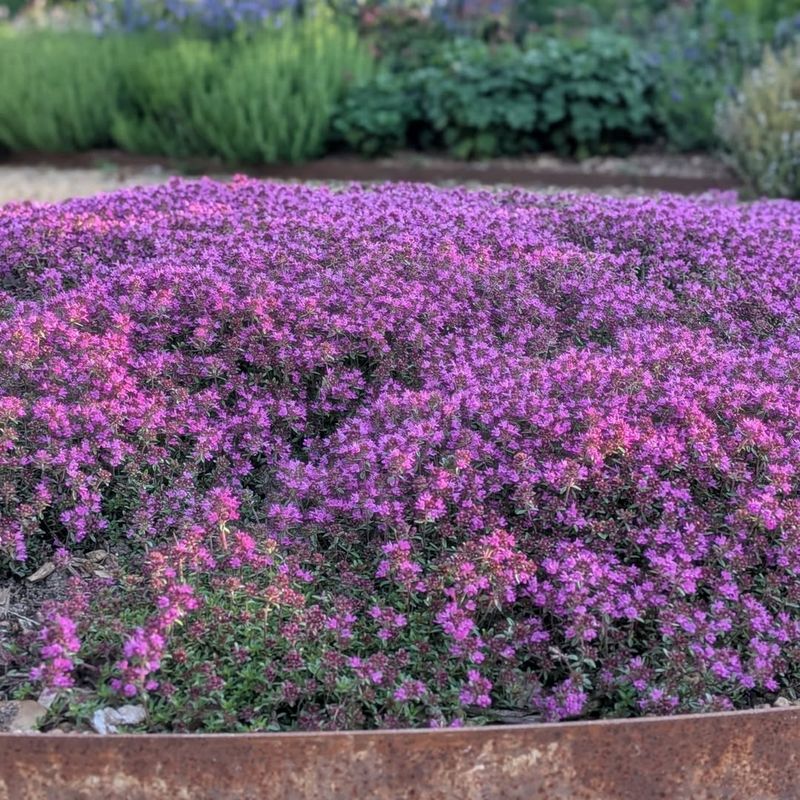
Sandy or rocky soil might seem like a challenge for most plants, but red creeping thyme actually thrives in these conditions that closely resemble its native Mediterranean hillsides.
Excellent drainage is absolutely essential for thyme success in Montana, where spring snowmelt and occasional heavy rains can saturate garden beds and cause root rot in plants sitting in waterlogged soil.
Thyme roots need oxygen to stay healthy, and compacted clay or moisture-retentive soil suffocates them quickly.
If your garden has heavy clay soil, amend it generously with coarse sand, perlite, or fine gravel to improve drainage before planting.
You can also create a raised mound or berm for your thyme, allowing excess water to drain away from the root zone naturally.
Testing drainage is simple—dig a hole about six inches deep, fill it with water, and watch how quickly it drains; if water remains after an hour, you need to improve the soil structure.
Rocky soils common in many Montana areas are actually ideal because stones and gravel create air pockets that prevent water from pooling around roots. This mimics the natural habitat where thyme evolved, making your plants stronger and more resilient.
Well-draining soil also warms up faster in spring, giving your thyme a head start on the growing season and encouraging earlier blooms that attract beneficial pollinators to your garden.
Space Plants Properly
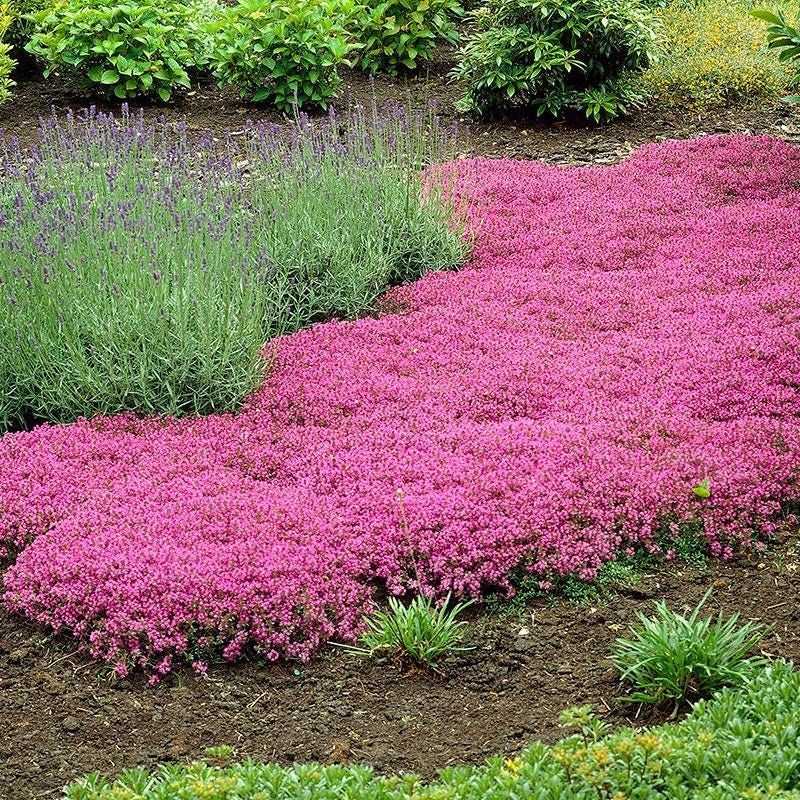
Giving each thyme plant adequate room to spread is a balancing act that pays off beautifully when done correctly.
Spacing your red creeping thyme plants twelve to eighteen inches apart creates the perfect environment for them to fill in completely while maintaining enough airflow to keep foliage dry and healthy.
Crowding plants too closely might seem like a shortcut to quick coverage, but it actually invites moisture-related problems and slows overall establishment.
Proper spacing allows each plant to develop a strong root system without competing for nutrients and water with its neighbors.
As the plants mature over their first full season, their stems will spread outward, eventually meeting and creating that seamless carpet effect you’re aiming for.
Montana’s sometimes humid summer nights can promote fungal issues if plants are packed too tightly, so that breathing room between individual thyme plants helps air circulate and foliage dry quickly after dew or rain.
When laying out your planting pattern, use a measuring tape or create a simple spacing guide to ensure consistency across the bed.
Staggering plants in a triangular pattern rather than straight rows creates a more natural appearance and helps coverage happen more uniformly.
Within one to two growing seasons, your well-spaced thyme will knit together into a dense, weed-suppressing mat that looks intentional and professionally designed while staying healthier than overcrowded plantings that struggle with poor air circulation.
Water Sparingly After Establishment
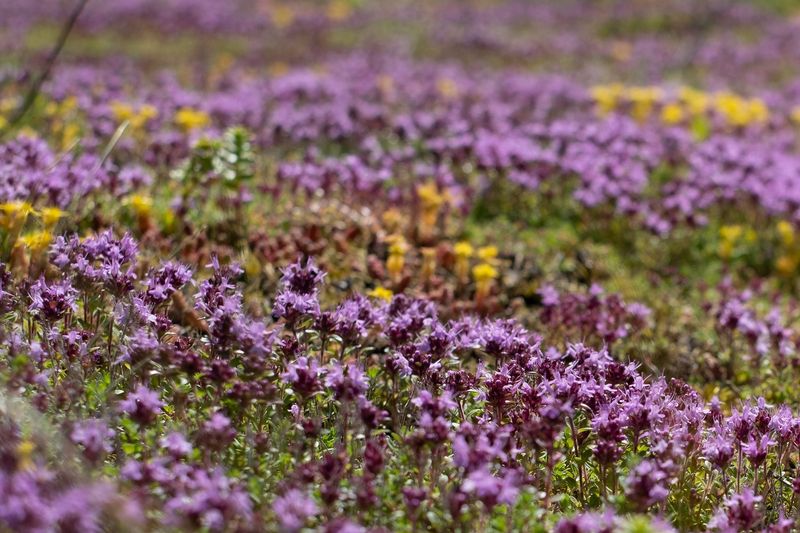
Once your red creeping thyme settles into its new Montana home, it becomes remarkably self-sufficient and actually prefers drier conditions than most garden plants.
Overwatering is one of the most common mistakes gardeners make with this drought-tolerant ground cover, as too much moisture weakens the plant’s natural defenses and can lead to root problems that compromise its vigor.
After the first growing season, established thyme typically needs supplemental water only during extended dry spells.
During the establishment period—roughly the first six to eight weeks after planting—water your thyme regularly but moderately to help roots grow deep into the soil.
Once you see new growth and spreading, gradually reduce watering frequency and let the soil dry out between waterings.
Montana’s low humidity and frequent breezes help soil dry naturally, which suits thyme perfectly since it evolved in arid climates where water is scarce.
A good rule is to water deeply but infrequently, encouraging roots to reach down rather than staying shallow. Stick your finger two inches into the soil—if it feels dry at that depth, it’s time to water; if it’s still moist, wait a few more days.
Established thyme can survive on rainfall alone in most Montana locations, making it an excellent choice for water-wise landscaping.
This drought tolerance not only saves you time and reduces water bills but also creates tougher, more resilient plants that handle our variable climate with impressive strength.
Mulch Lightly Around Plants
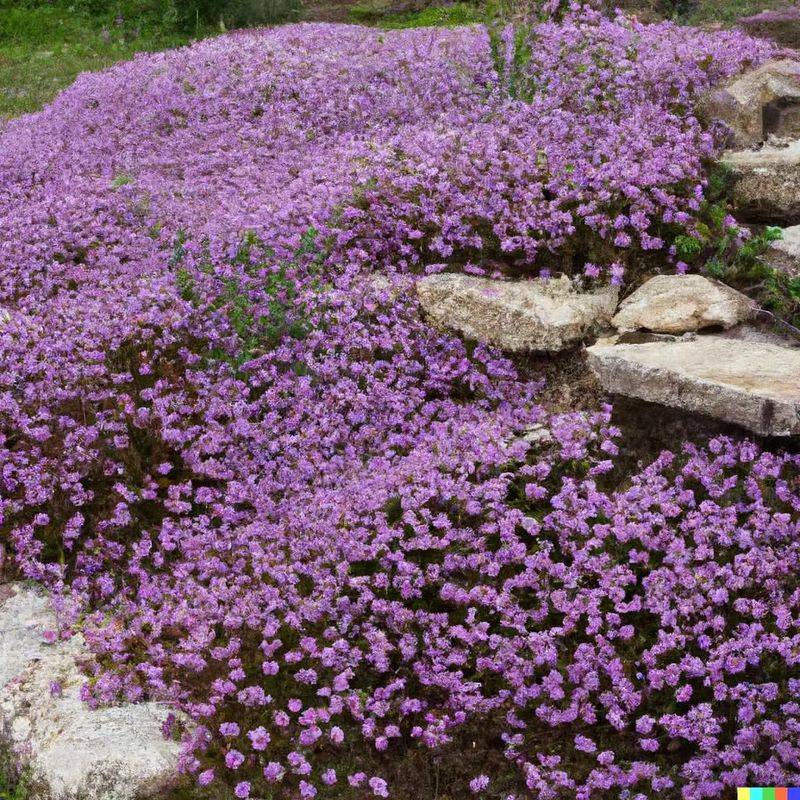
A thin layer of organic mulch serves as protective armor for your red creeping thyme, especially during those unpredictable early spring frosts that can surprise Montana gardeners when tender new growth emerges.
Applying mulch around—but not directly on top of—your thyme plants helps suppress competing weeds while moderating soil temperature fluctuations that can stress shallow roots.
The key word here is lightly; thyme doesn’t appreciate heavy mulch that holds excessive moisture against its crown.
Use no more than one to two inches of fine organic material such as shredded bark, compost, or leaf mold, keeping it pulled back about an inch from the plant stems to allow air circulation.
This light mulch layer protects roots from temperature extremes during Montana’s sometimes dramatic spring weather shifts, when warm days can suddenly give way to freezing nights.
Mulch also helps retain just enough soil moisture during establishment without creating the soggy conditions that thyme absolutely cannot tolerate.
As your thyme matures and spreads, it will eventually create its own living mulch as the dense foliage shades the soil and prevents weed seeds from germinating.
Until that full coverage develops, your light mulch application gives young plants the competitive advantage they need to establish quickly.
Organic mulches gradually break down and add nutrients to the soil, which benefits the entire planting bed without requiring heavy fertilization that can actually reduce thyme’s aromatic oils and flavor.
Trim Regularly To Encourage Bushiness
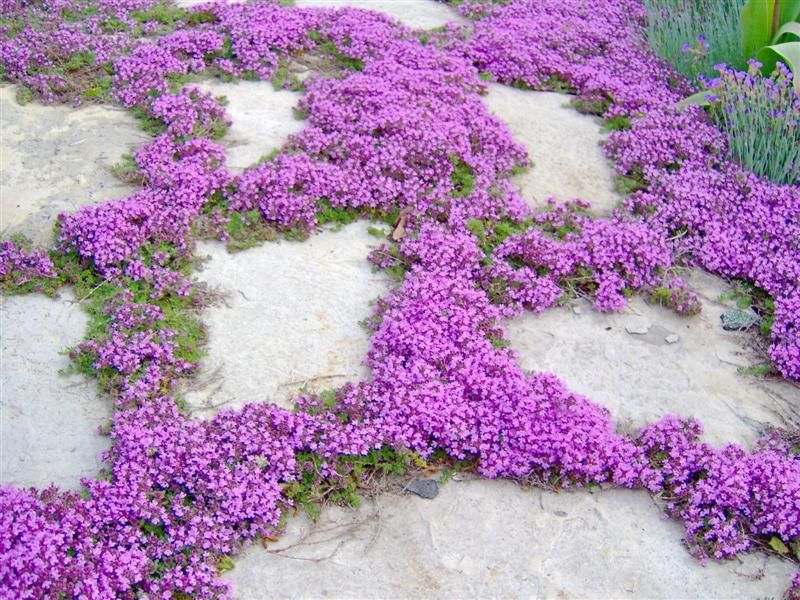
Giving your red creeping thyme an occasional haircut might seem counterintuitive, but light trimming after the flowering period actually promotes denser, more compact growth that creates better ground coverage.
When thyme blooms finish in mid to late summer, the plants can start looking a bit scraggly or develop woody stems that spread outward rather than filling in thickly.
A quick trim with garden shears or even a string trimmer set on high encourages fresh new growth from the base.
Remove about one-third of the plant height, cutting just above where you see green growth emerging from the stems.
This pruning stimulates branching and keeps your thyme mat low and dense rather than allowing it to become tall and sparse.
Montana’s relatively short growing season means you’ll want to complete this trimming by late summer, giving plants time to produce new growth before our first fall frost arrives.
Regular trimming also prevents your thyme from developing those bare centers that can happen when older growth becomes woody and stops producing leaves. Fresh, young stems stay greener throughout the season and bounce back better after winter weather.
Many gardeners find that trimming their thyme is actually a pleasant task because the pruning releases those wonderful aromatic oils, filling the air with a delightful herbal fragrance.
The trimmings make excellent additions to your compost pile or can be dried for culinary use if you have more than you can use fresh.
Use Raised Beds Or Rock Gardens On Poor Soil
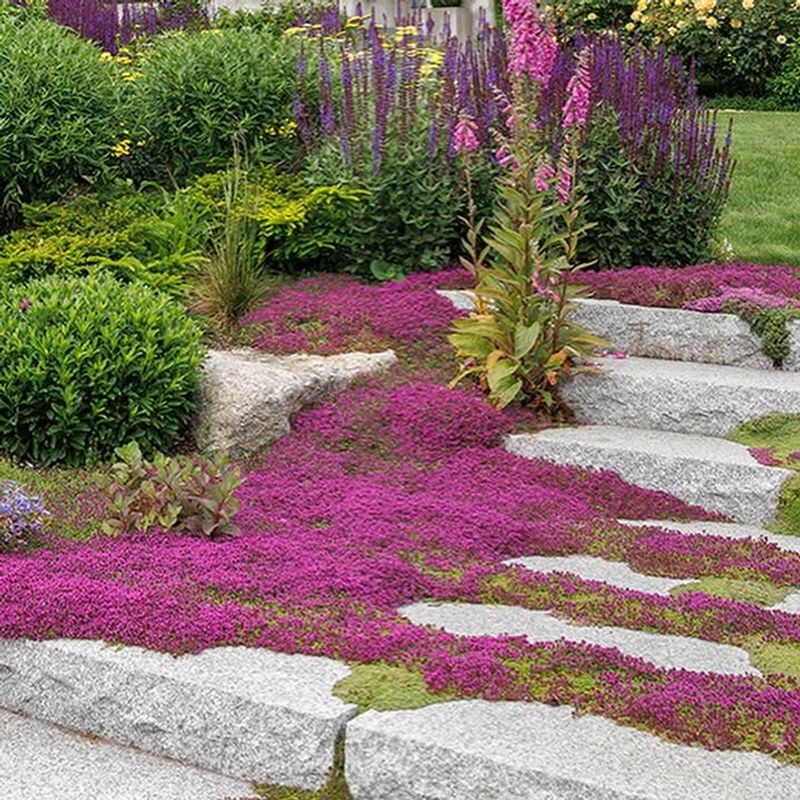
Elevating your red creeping thyme in raised beds or incorporating it into rock gardens solves multiple challenges at once, especially if your Montana property has heavy clay soil or areas with poor natural drainage.
Raised plantings allow excess moisture to drain away from the crown and roots, preventing the winter crown rot that can devastate thyme when cold, wet conditions persist.
Even a modest elevation of six to twelve inches makes a significant difference in plant health and longevity.
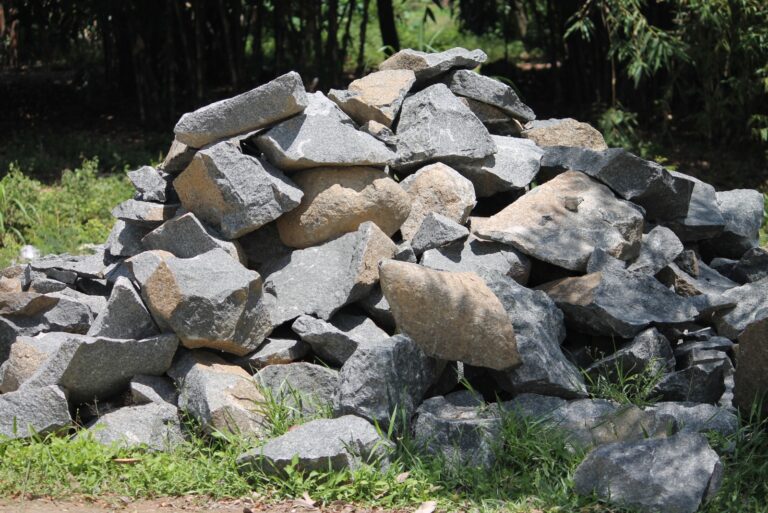
Rock gardens provide the ideal microclimate for thyme because stones absorb heat during the day and release it slowly at night, moderating temperature extremes that can stress plants.
The gaps between rocks also ensure excellent drainage while creating visual interest that complements thyme’s low, spreading habit beautifully.
Montana’s natural landscape often includes plenty of rocks, making this approach both practical and aesthetically fitting for regional garden styles.
Building a raised bed doesn’t require extensive construction—even a simple frame made from untreated lumber or stacked stones filled with amended soil works perfectly.
Fill your raised bed with a mixture of native soil, compost, and coarse sand or perlite to create the fast-draining environment thyme loves.
The improved drainage in elevated plantings becomes especially important during Montana’s freeze-thaw cycles in late winter and early spring, when waterlogged soil can heave plants out of the ground or suffocate roots under ice.
Your thyme will reward this extra effort with vigorous growth and stunning seasonal displays.
Protect Young Plants During Harsh Winters
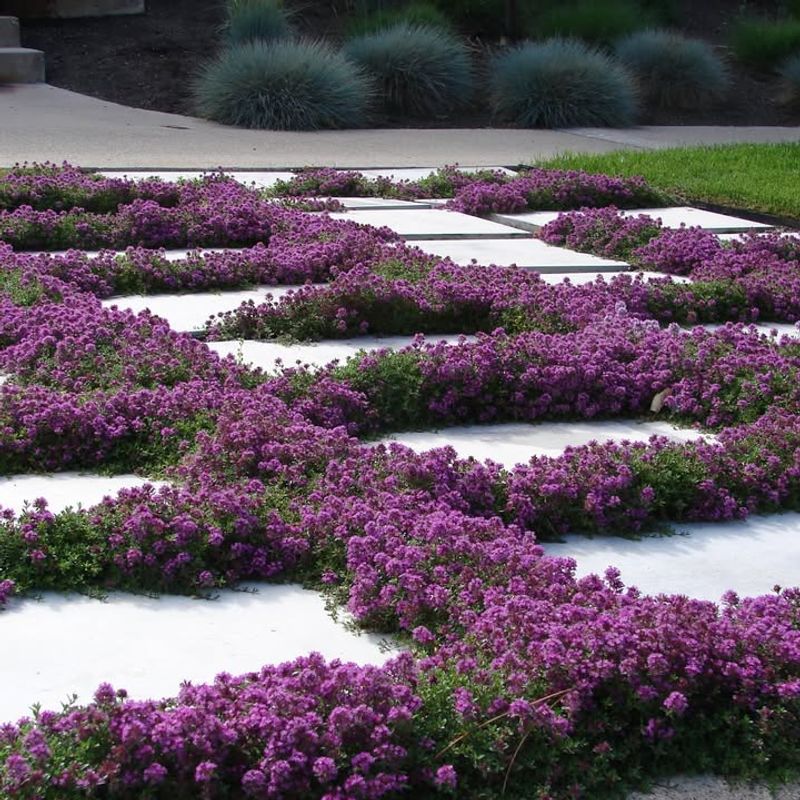
Newly planted red creeping thyme needs a little extra care during its first Montana winter, when harsh conditions can stress plants before they’ve developed the resilience that comes with maturity.
Applying a protective layer of winter mulch or straw over young thyme plantings shields them from frost heaving, which occurs when repeated freezing and thawing cycles literally push plants out of the ground, exposing roots to damaging cold and drying winds.
This protection makes the difference between plants that thrive and those that struggle through their first year.
Wait until the ground freezes solidly in late fall before applying your winter protection—applying it too early can encourage rodents to nest in the warm mulch and potentially damage your plants.
Use loose, airy materials like straw, pine boughs, or shredded leaves rather than heavy, compacting mulches that can smother the thyme or hold too much moisture against the foliage.
A layer three to four inches thick provides adequate insulation without being excessive. Remove the winter protection gradually in early spring as temperatures begin to warm and the risk of severe cold diminishes.
Pull back the mulch slowly over a week or two rather than all at once, allowing plants to acclimate to changing conditions.
By the second winter, your established thyme will be much tougher and typically won’t need this extra protection, having developed the deep roots and hardy nature that make it such a reliable Montana ground cover for years to come.
Combine With Companion Ground Covers
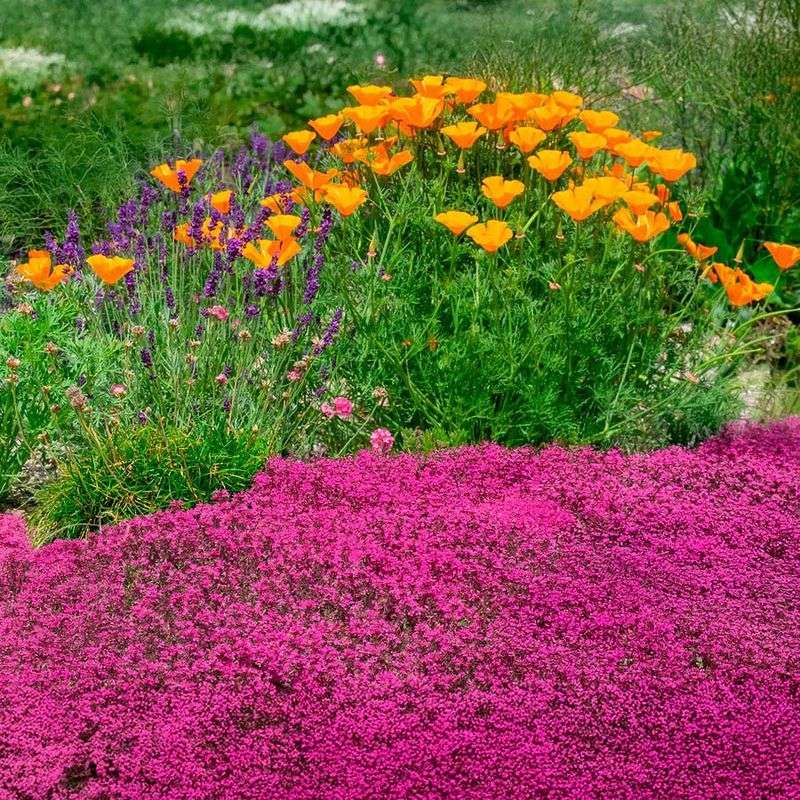
Pairing red creeping thyme with other drought-tolerant ground covers creates a dynamic, multi-textured landscape that stays interesting throughout Montana’s changing seasons while filling bare spaces more effectively than any single plant can achieve alone.
Thyme works beautifully alongside low-growing sedums, which offer contrasting foliage colors and textures plus their own spectacular flower displays that complement thyme’s summer blooms.
Creeping junipers add evergreen structure and year-round color that keeps your garden looking intentional even when thyme goes semi-dormant in winter.
These companion plantings share similar cultural requirements—all thrive in full sun, tolerate poor soil, and need minimal water once established—making them easy to maintain together without complicated care routines.
The varied bloom times among different ground covers extend seasonal interest, so your landscape features color from early spring through fall rather than just during thyme’s peak flowering period.
Mixing plant heights and growth habits also creates visual depth that makes even small spaces feel more designed and professional.
When planning your combination plantings, arrange plants in drifts or sweeps rather than rigid patterns, allowing them to intermingle naturally at the edges for a softer, more organic appearance.
Sedums with upright growth habits contrast nicely with thyme’s completely prostrate form, while creeping junipers provide vertical accents without competing for the same ground space.
This layered approach to ground cover planting not only looks more sophisticated but also provides better erosion control on slopes and more complete weed suppression than single-species plantings typically achieve in Montana’s challenging growing conditions.