Grow The Most Unique Sunflower Of All In Pennsylvania In 2026
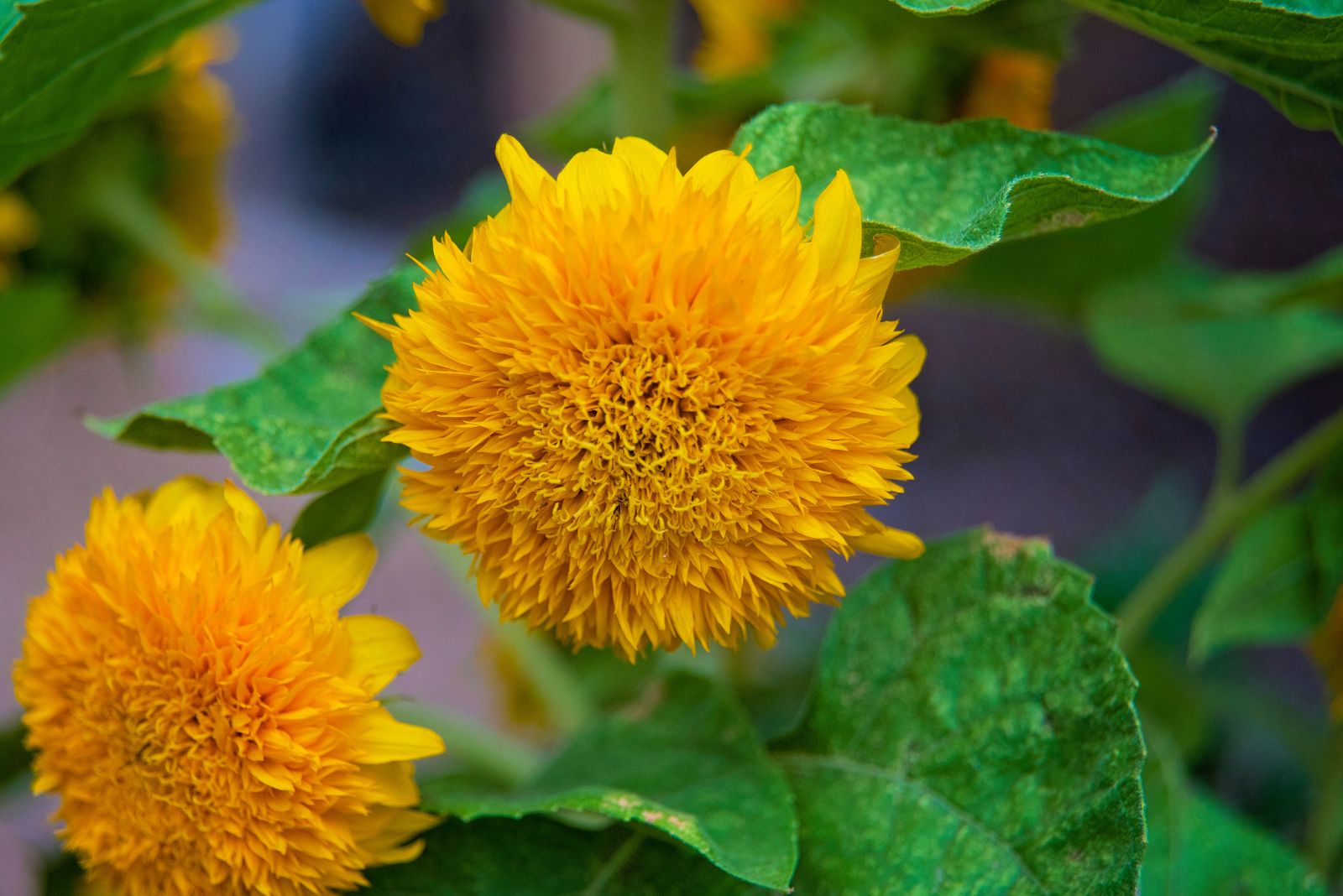
Sunflowers already know how to steal attention, but this one takes things to a whole different level. If you are planning your Pennsylvania garden for 2026 and want something that stands out the second it blooms, growing a more unusual sunflower can make your yard feel a lot more memorable.
Most people picture the classic tall stem and big yellow face, which is always a favorite, but there are sunflower varieties with surprising colors, dramatic shapes, and details that make people stop and stare.
Some look soft and fluffy, some have deep red or bronze tones, and some barely look like the typical sunflower at all.
That is what makes growing a unique sunflower so much fun. It adds personality to your garden in a way that feels easy and cheerful at the same time.
Whether you want a conversation piece, a fresh look for your flower beds, or just something different from the usual summer lineup, this is the kind of plant that can change the whole mood of your space. Once it starts blooming, do not be surprised if it becomes the star of the yard.
Why The Teddy Bear Sunflower Thrives In Pennsylvania
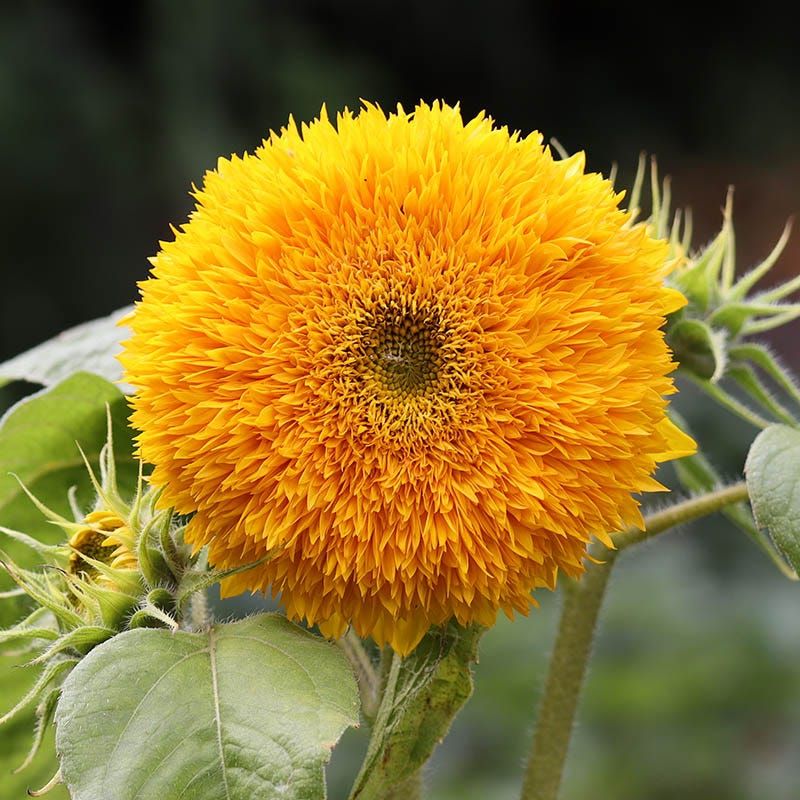
Pennsylvania has a growing season that works surprisingly well for the Teddy Bear Sunflower. The state experiences cold winters, mild springs, and warm summers, which creates the perfect rhythm for sunflower growth.
Most of Pennsylvania falls in USDA Hardiness Zones 5b through 7a, giving gardeners a solid window to plant and harvest.
The Teddy Bear Sunflower is a compact variety, usually growing between two and three feet tall. That shorter height makes it more stable in Pennsylvania’s sometimes windy spring and summer conditions.
Taller sunflower varieties can struggle in gusty weather, but the Teddy Bear holds its ground well.
One of the best things about this sunflower is how well it handles temperature swings. Pennsylvania springs can go from chilly one week to warm the next.
The Teddy Bear Sunflower is resilient enough to handle those shifts without losing momentum in its growth cycle.
Summer heat in Pennsylvania, especially in July and August, actually encourages these sunflowers to bloom at their fullest. The fluffy, golden blooms really pop during those warm months, making your garden look incredible.
Gardeners in cities like Philadelphia, Pittsburgh, and Harrisburg have all found great success with this variety.
Another reason this sunflower thrives here is that it matures relatively quickly. From seed to bloom, it typically takes around 50 to 60 days.
That short cycle means even if spring arrives a little late in your part of Pennsylvania, you can still enjoy a full, beautiful bloom before fall sets in.
Choosing The Right Location For Your Teddy Bear Sunflowers
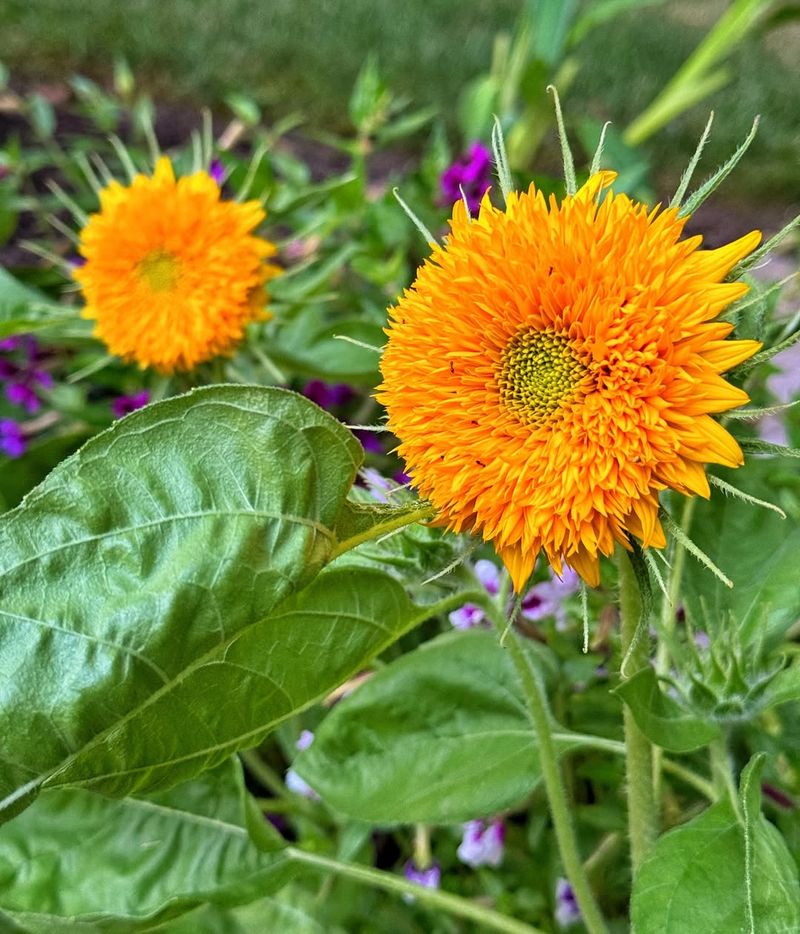
Sunflowers are sun lovers, plain and simple. To grow healthy Teddy Bear Sunflowers in Pennsylvania, you need a spot that gets at least six to eight hours of direct sunlight every single day.
South-facing garden beds or open areas away from tall trees and fences tend to work best. Picking the right location is honestly half the battle. Even the most carefully planted seeds will struggle if they are stuck in a shady corner.
Walk around your yard on a sunny day and notice which areas stay bright the longest. That is your sweet spot for planting.
Soil quality matters just as much as sunlight. Teddy Bear Sunflowers prefer well-drained, fertile soil with a pH level between 6.0 and 7.5.
You can easily test your soil using an inexpensive kit from a local garden center. Many areas of Pennsylvania have naturally good soil, but a quick test never hurts.
If your soil is too compacted or heavy with clay, mix in some organic compost before planting. Compost improves drainage and adds nutrients that help young plants get a strong start.
A few bags of compost worked into the top eight to ten inches of soil can make a noticeable difference.
Avoid planting near large trees or shrubs that compete for water and nutrients. Sunflowers have long taproots that need room to stretch down into the soil.
Give them space, good light, and quality soil, and your Pennsylvania garden will reward you with stunning, fluffy golden blooms all season long.
Planting Teddy Bear Sunflowers: Step-By-Step Guide
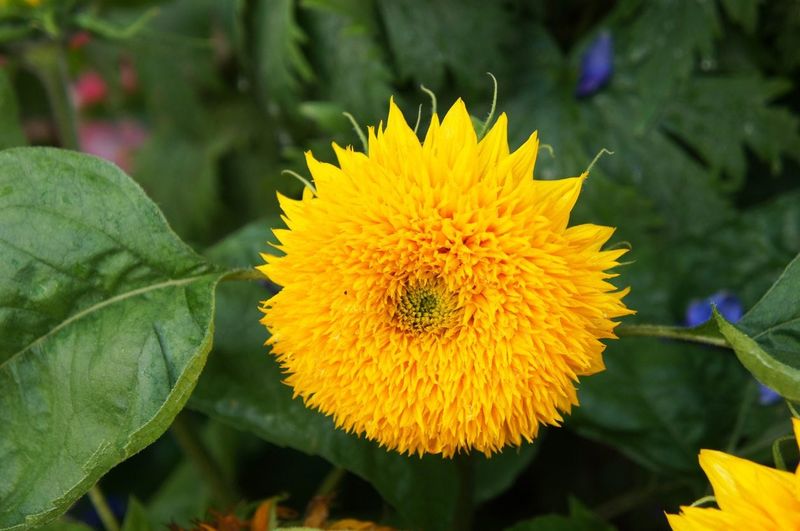
Timing is everything when it comes to planting Teddy Bear Sunflowers in Pennsylvania. You want to wait until after the last frost, which typically falls between late April and mid-May depending on your region.
Planting too early risks frost damage to young seedlings, so patience pays off here.
Once the soil temperature reaches at least 50 degrees Fahrenheit, you are good to go. Warmer soil, around 60 to 70 degrees, is even better for fast germination.
Use a basic soil thermometer to check before you start dropping seeds in the ground.
To plant, press each seed about one inch deep into the soil. Space your seeds roughly six to twelve inches apart to give each plant enough room to spread its fluffy blooms without crowding its neighbors.
Crowded plants compete for light and water, which weakens them over time.
After planting, lightly water the area to settle the soil around the seeds. Avoid flooding the bed.
Just a gentle, even watering is enough to get things started. You should start to see tiny sprouts poking through the soil within seven to ten days.
If you want a longer blooming season, try staggering your plantings every two weeks from late April through early June. This technique, called succession planting, means you will have fresh blooms appearing throughout summer rather than all at once.
Many Pennsylvania gardeners swear by this method for keeping their flower beds looking full and vibrant from July right through early September.
Caring For Your Teddy Bear Sunflowers
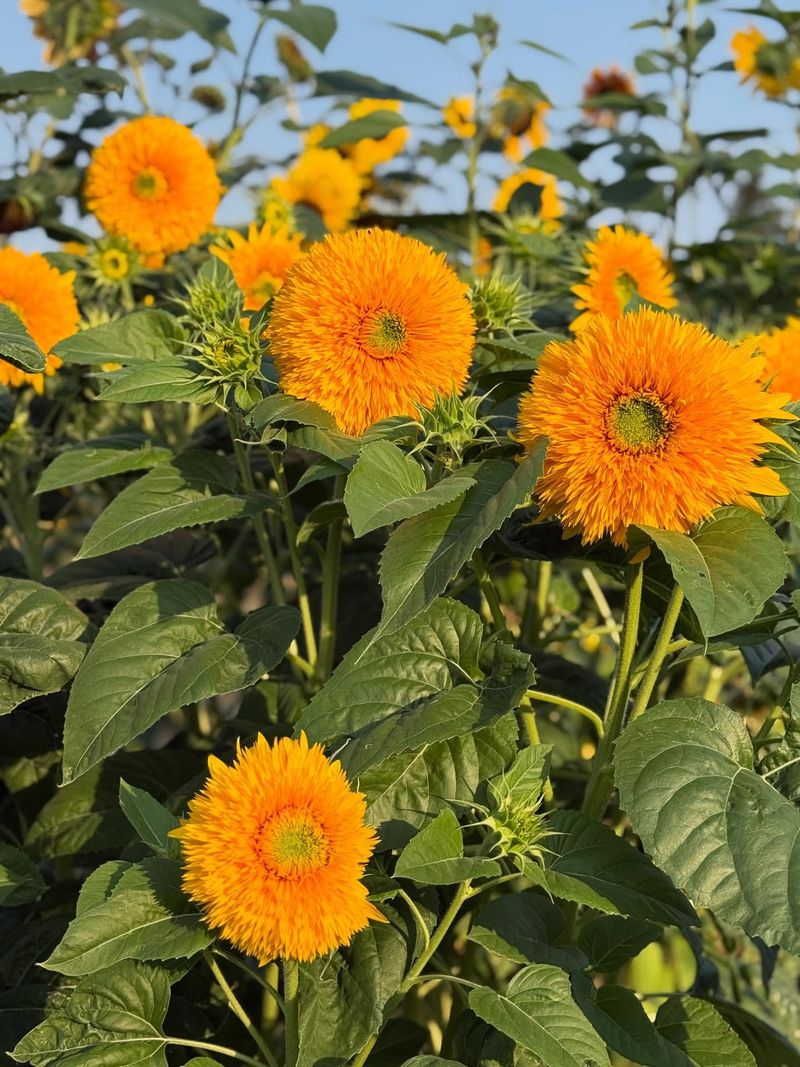
Watering your Teddy Bear Sunflowers correctly makes a big difference in how well they grow. During the first few weeks after planting, water regularly to keep the soil moist but never soggy.
Once the plants are established and about a foot tall, you can cut back to deep watering once or twice a week.
Deep watering encourages roots to grow downward rather than staying shallow near the surface. This makes plants more drought-resistant, which is helpful during Pennsylvania’s occasional dry summer stretches.
Aim to water at the base of the plant rather than overhead to reduce moisture on the leaves.
Fertilizing is another key part of keeping your sunflowers healthy. A balanced, slow-release fertilizer applied at planting time gives seeds a nutrient boost right from the start.
You can also side-dress plants with organic compost once they reach about twelve inches tall for an extra growth push.
Avoid fertilizers that are too high in nitrogen. Too much nitrogen encourages leafy green growth at the expense of blooms.
A balanced formula, or even a bloom-boosting fertilizer, will help your Teddy Bear Sunflowers produce those gorgeous, full flowers you are after.
When it comes to staking, Teddy Bear Sunflowers are shorter than most varieties, so they rarely need heavy support. However, if your Pennsylvania garden is exposed to strong summer winds, placing a simple wooden stake beside each plant and loosely tying the stem with garden twine adds extra stability.
Pruning any weak or yellowing stems keeps energy focused on the strongest, healthiest growth.
Pest And Disease Control For Healthy Sunflowers
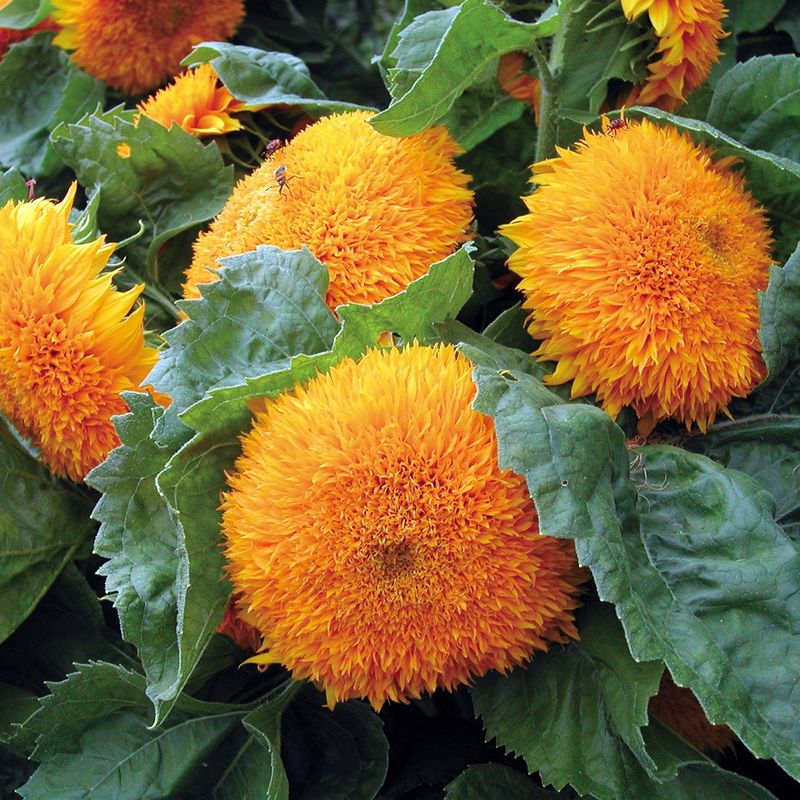
Every Pennsylvania gardener knows that pests come with the territory. Aphids are among the most common insects you will encounter on sunflowers.
These tiny, soft-bodied bugs cluster on stems and undersides of leaves, sucking out plant sap and weakening growth. A strong spray of water or a diluted neem oil solution handles most aphid problems quickly and safely.
Sunflower beetles are another pest to watch for in Pennsylvania. These small, striped beetles chew on leaves and can cause noticeable damage if left unchecked.
Hand-picking them off plants in the early morning works well for small infestations. For larger problems, insecticidal soap spray is an effective, low-chemical option.
Fungal diseases like powdery mildew and downy mildew can show up during Pennsylvania’s humid summer months. You will notice a white or grayish coating on leaves when mildew strikes.
Improving air circulation between plants and avoiding overhead watering goes a long way in preventing these issues before they start.
Rotating where you plant sunflowers each year also helps break disease cycles in the soil. Try not to plant sunflowers in the same garden bed two years in a row.
This simple habit reduces the buildup of soil-borne pathogens that target sunflower roots and stems.
Healthy plants are naturally more resistant to both pests and disease. Keeping your soil well-nourished, your watering consistent, and your garden beds clean of fallen leaves and debris creates conditions where Teddy Bear Sunflowers can thrive without needing heavy chemical intervention throughout the Pennsylvania growing season.
Harvesting And Enjoying Your Teddy Bear Sunflowers In 2026
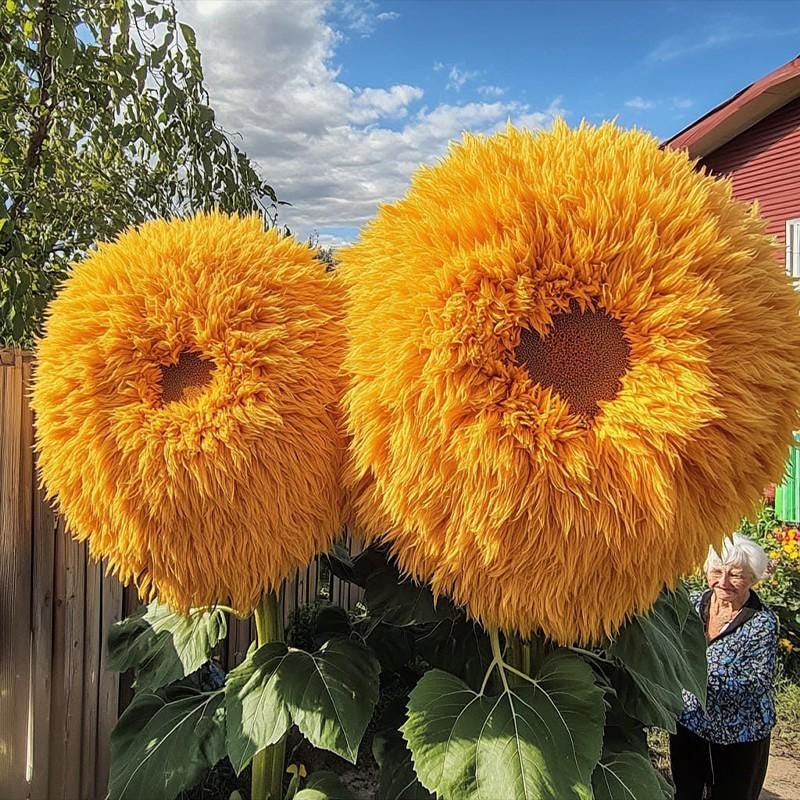
Harvesting Teddy Bear Sunflowers at the right time makes all the difference in how long they last and how good they look. For cut flowers, harvest blooms in the early morning when the petals are fully open but the flower head is still firm and fresh.
Cut stems at an angle and place them immediately in a bucket of clean water.
These fluffy golden blooms look absolutely stunning in home arrangements. Their soft, rounded shape pairs beautifully with wildflowers, greenery, or even other sunflower varieties.
Pennsylvania farmers markets and local craft fairs in 2026 are perfect places to share or even sell your hand-grown bouquets if you end up with an abundance of blooms.
If you want to save seeds for future plantings, wait until the back of the flower head turns brown and the seeds look plump and fully formed. Cut the head from the stem and hang it upside down in a dry, ventilated space for a couple of weeks.
Once fully dried, rub the seeds loose and store them in a cool, dry envelope or jar.
Saved seeds from your 2026 harvest can go right back into your Pennsylvania garden the following spring. This cycle of growing, saving, and replanting is one of the most satisfying parts of gardening.
You are essentially building your own seed bank, season after season.
Beyond bouquets and seed saving, Teddy Bear Sunflowers also attract pollinators like bees and butterflies. Letting a few blooms stay in the garden through late summer supports local Pennsylvania wildlife and adds natural beauty well into the season.