Grow These Berry Plants To Attract Birds In Your North Carolina Garden
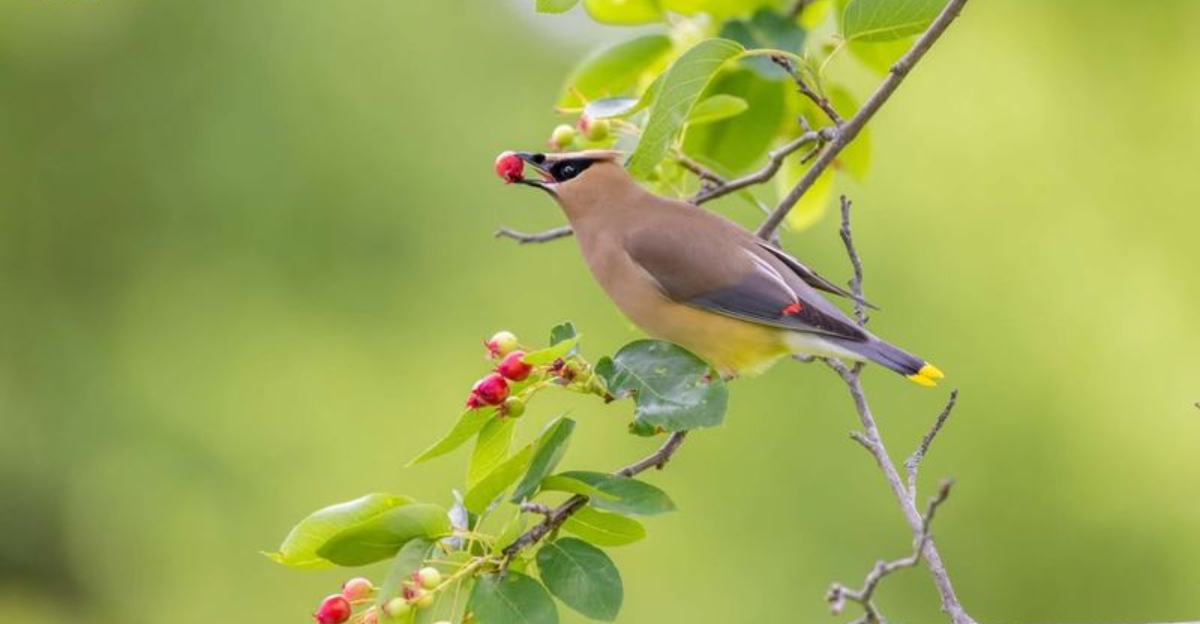
North Carolina gardens sit right in the middle of busy bird routes, making them perfect places to welcome feathered visitors.
Birds follow the food, and nothing draws them in faster than berry plants loaded with color and flavor.
A quiet yard can turn lively in no time once berries start ripening.
Cardinals, bluebirds, and mockingbirds swoop in like regulars at a favorite diner, filling the air with movement and song from sunrise to sunset.
Berry plants pull double duty in the garden.
They add texture, seasonal color, and structure while offering birds a natural food source they trust.
Once these plants settle in, birds keep coming back year after year, spreading the word faster than you might expect.
Watching them dart between branches and shrubs brings a sense of connection that feeders alone rarely match.
A garden filled with berry plants feels balanced and alive. Instead of chasing birds with constant refills, you let nature do the heavy lifting.
With the right berries growing strong, a North Carolina garden becomes a welcoming stop that birds depend on and homeowners enjoy every single day.
1. American Beautyberry
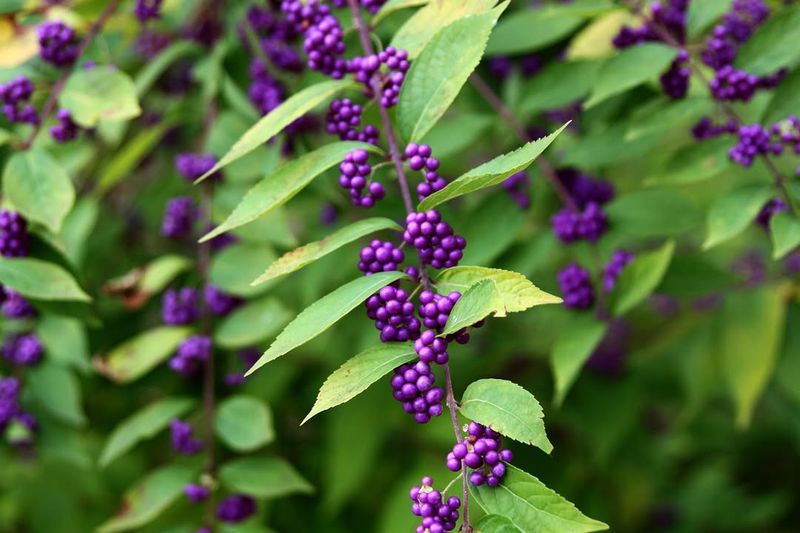
American beautyberry stands out as one of the most eye-catching native shrubs you can grow in North Carolina, producing clusters of brilliant purple berries that seem almost unreal in their vibrant color.
These jewel-like fruits appear in late summer and fall, creating stunning visual interest right when many other plants start fading.
Birds such as mockingbirds, cardinals, and thrashers flock to feast on these nutritious treats, making your garden a hotspot for wildlife activity.
This deciduous shrub grows between four and six feet tall and wide, fitting perfectly into medium-sized garden spaces or mixed borders.
The plant tolerates a range of soil conditions and thrives in both full sun and partial shade, making it adaptable to various spots around your North Carolina property.
During spring and summer, beautyberry displays small lavender flowers that attract pollinators before transforming into those signature berry clusters.
Maintenance remains minimal once the plant establishes itself in your garden.
You can prune beautyberry in late winter to encourage bushier growth and more berry production for the following season.
The shrub naturally grows in an arching, fountain-like shape that adds graceful movement to your landscape design.
North Carolina gardeners appreciate how this native plant supports local bird populations while requiring little fussing or special care.
The berries persist on branches well into winter, providing food when birds need it most.
Planting American beautyberry creates habitat that connects your yard to the broader natural ecosystem, supporting biodiversity right outside your door.
2. Elderberry
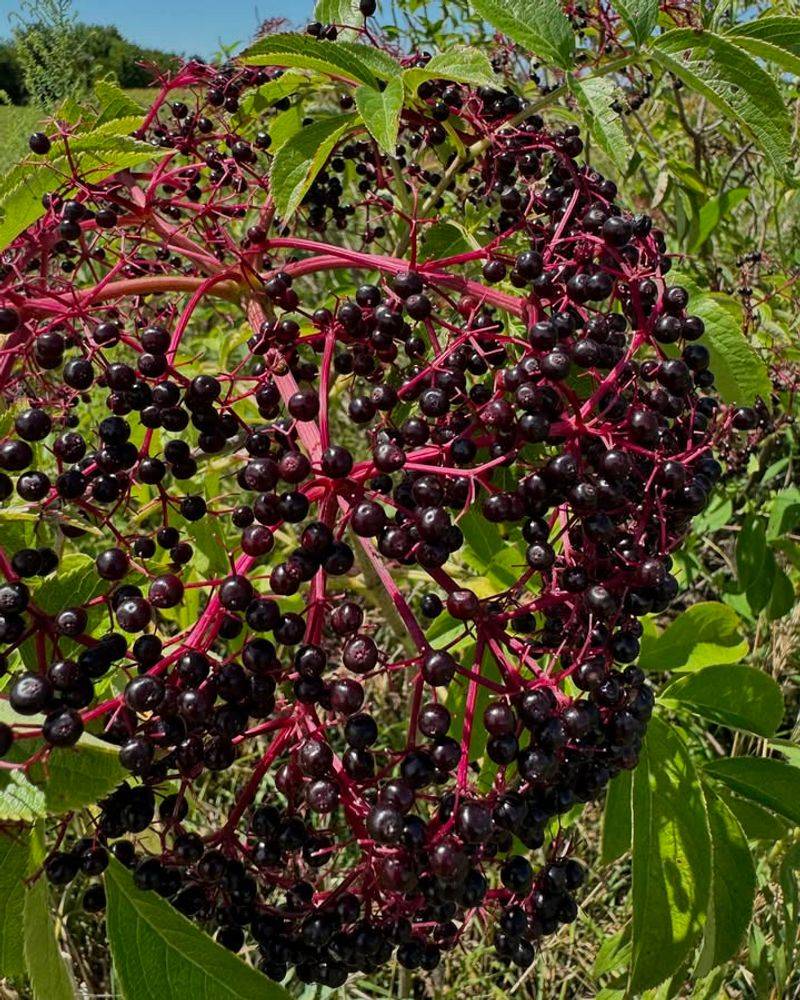
Elderberry produces some of the most sought-after berries in the bird world, with dark purple-black fruits that ripen in late summer and disappear quickly once discovered by hungry flocks.
This fast-growing shrub reaches heights of eight to twelve feet, creating a substantial presence in North Carolina landscapes while offering shelter and nesting sites in addition to food.
Robins, waxwings, and woodpeckers particularly love elderberries, often stripping branches clean within days of the fruit ripening.
Before the berries appear, elderberry puts on a spectacular floral show with large, flat-topped clusters of creamy white flowers in early summer.
These blooms attract countless pollinators and fill the air with a light, sweet fragrance that enhances your outdoor experience.
The compound leaves create a lush, tropical appearance that contrasts beautifully with other garden plants.
Growing elderberry in your North Carolina garden requires providing consistently moist soil and full sun for best berry production.
The plant tolerates wet areas better than many other shrubs, making it ideal for low spots or rain garden applications.
You’ll get heavier fruit yields if you plant two different elderberry varieties for cross-pollination.
Many gardeners appreciate that they can harvest some elderberries for jams, syrups, and wines while still leaving plenty for the birds.
The shrub suckers naturally to form colonies, which you can control through pruning or allow to spread for greater wildlife benefit.
Elderberry adapts well to North Carolina’s climate zones and provides year-round interest through its changing seasonal appearance, making it a hardworking addition to any bird-friendly landscape.
3. Winterberry Holly
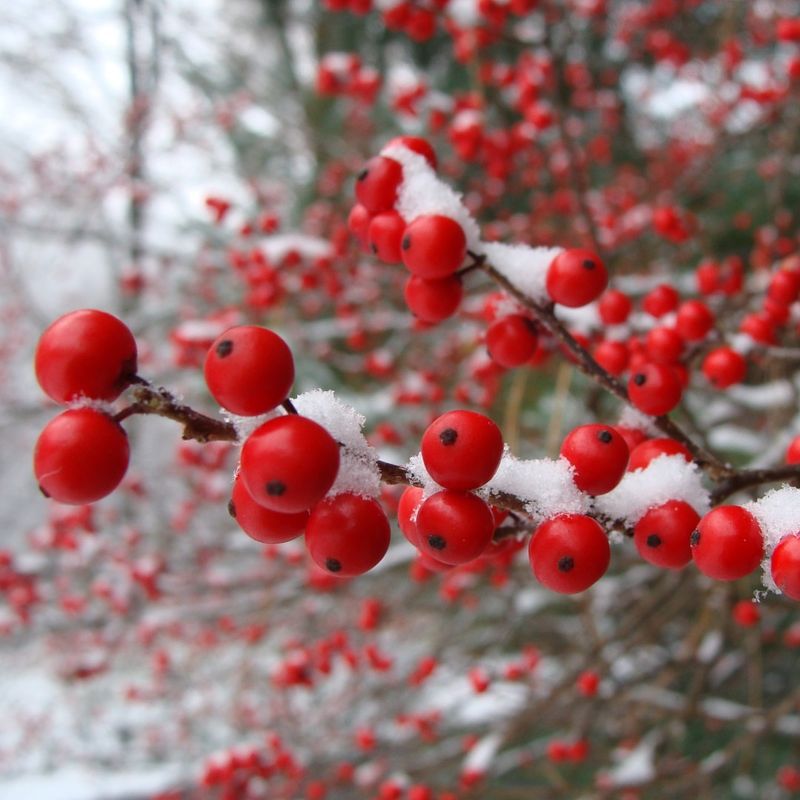
Winterberry holly earns its name by holding onto brilliant red berries throughout the coldest months, creating a stunning display against snow and gray winter skies.
This deciduous holly loses its leaves in fall, allowing the berry-laden branches to take center stage and provide crucial food for birds when other sources become scarce.
Bluebirds, robins, and cedar waxwings rely on these persistent fruits to survive harsh North Carolina winters.
Unlike evergreen hollies, winterberry grows as a multi-stemmed shrub reaching six to ten feet tall, with a naturally rounded shape that fits well in foundation plantings or as a specimen plant.
The berries start out green in late summer, gradually turning orange before reaching their final bright red color.
Female plants produce the berries, but you must plant a male winterberry nearby for pollination to occur.
North Carolina gardeners find winterberry particularly valuable because it tolerates wet soils and even grows well in areas with poor drainage.
The shrub prefers full sun to partial shade and acidic soil conditions, which match the natural soil chemistry found in many parts of the state.
Small white flowers appear in late spring, attracting early-season pollinators before developing into the berry crop.
Birds often ignore winterberry fruits early in the season, preferring softer berries from other plants first.
As winter progresses and food becomes limited, the holly berries finally get eaten, ensuring your garden continues supporting wildlife through the toughest months.
The bare winter branches covered in red berries create a striking architectural element that brings life and color to dormant gardens.
4. Serviceberry
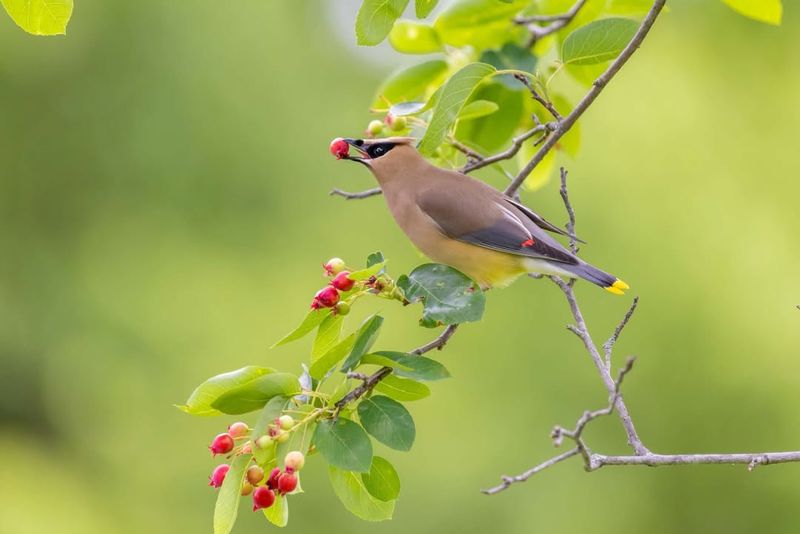
Serviceberry delivers four-season beauty to North Carolina gardens, starting with clouds of delicate white flowers in early spring, followed by sweet purple-red berries in June, brilliant fall foliage, and attractive gray bark in winter.
Birds compete with gardeners for the delicious fruits, which taste similar to blueberries and ripen right when many bird species are feeding hungry nestlings.
Orioles, tanagers, and grosbeaks join the usual backyard birds in harvesting this early summer bounty.
This small tree or large shrub grows between fifteen and twenty-five feet tall, making it suitable for smaller yards or as an understory planting beneath taller trees.
Serviceberry adapts to various growing conditions across North Carolina, tolerating both sun and partial shade while preferring slightly acidic, well-drained soil.
The multi-stemmed growth habit creates an informal, naturalistic appearance that blends beautifully with native plant landscapes.
Early blooming makes serviceberry one of the first plants to attract pollinators each spring, supporting bees and butterflies emerging from winter dormancy.
The flowers appear before the leaves fully expand, creating a spectacular display that signals the arrival of warmer weather.
By midsummer, the purple-black berries ripen quickly, and you’ll need to harvest promptly if you want any for yourself before the birds find them.
Fall brings another show as the leaves turn vibrant shades of yellow, orange, and red, adding to North Carolina’s autumn color palette.
Serviceberry’s smooth gray bark develops attractive vertical striping as the tree matures, providing winter interest.
This native plant requires minimal maintenance and resists most pests and diseases, making it an excellent choice for beginning and experienced gardeners alike.
5. Pokeweed
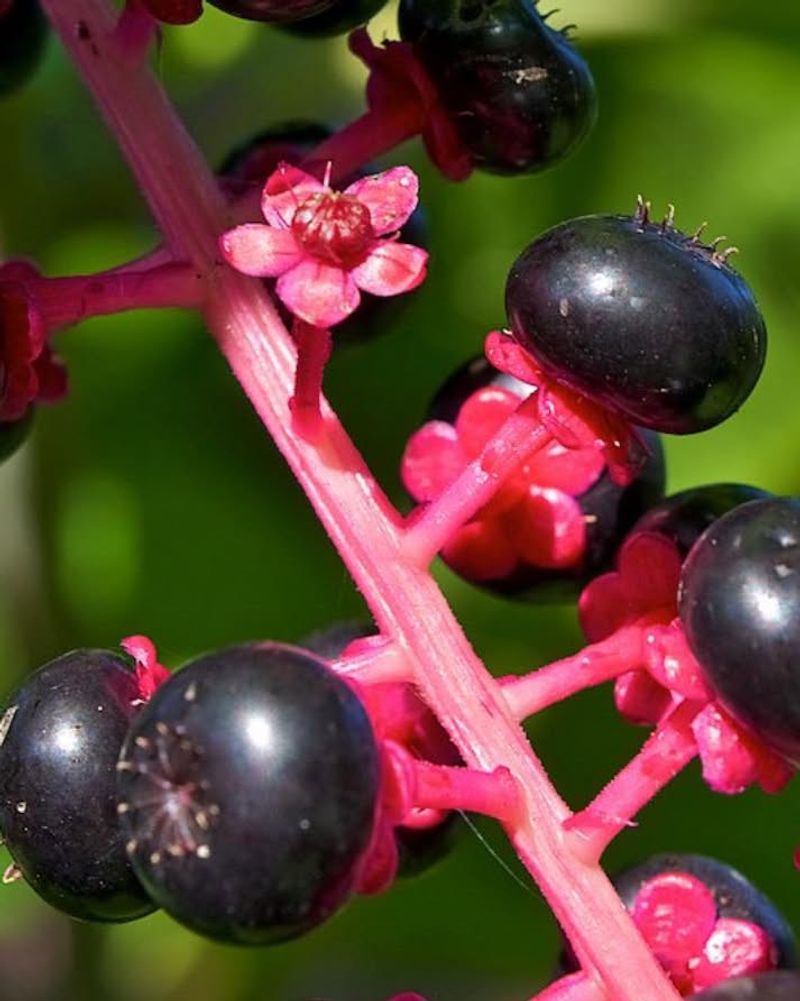
Pokeweed grows wild throughout North Carolina, and many gardeners choose to let this native plant establish itself in naturalized areas specifically for the birds that depend on its abundant berry production.
The dark purple, almost black berries hang in drooping clusters from bright magenta stems, creating a dramatic color combination that catches the eye from across the yard.
Mockingbirds, catbirds, and mourning doves eagerly consume these fruits from late summer through fall, often returning daily until every berry disappears.
This herbaceous perennial can reach impressive heights of six to ten feet in a single growing season, springing up from large taproots each spring.
The plant produces white or pale pink flowers on long spikes in early summer before developing the berry clusters.
Large, smooth leaves create a bold texture in the garden, though the entire plant returns to the ground after frost.
Important to note: while birds safely eat pokeweed berries, all parts of the plant contain compounds that humans should avoid consuming.
The roots, stems, and leaves require careful handling, and you should teach children not to taste any part of this plant.
Despite these precautions, pokeweed serves as an incredibly valuable food source for wildlife, with studies showing that migrating birds specifically seek out these berries for their high fat content.
Pokeweed requires no maintenance and actually thrives on neglect, making it perfect for wild corners of your North Carolina property.
The plant self-seeds readily, so you can control its spread by removing flower stalks before berries form if you prefer fewer plants.
Many gardeners appreciate this native species for its ability to feed large numbers of birds without any effort or care required.
6. Arrowwood Viburnum
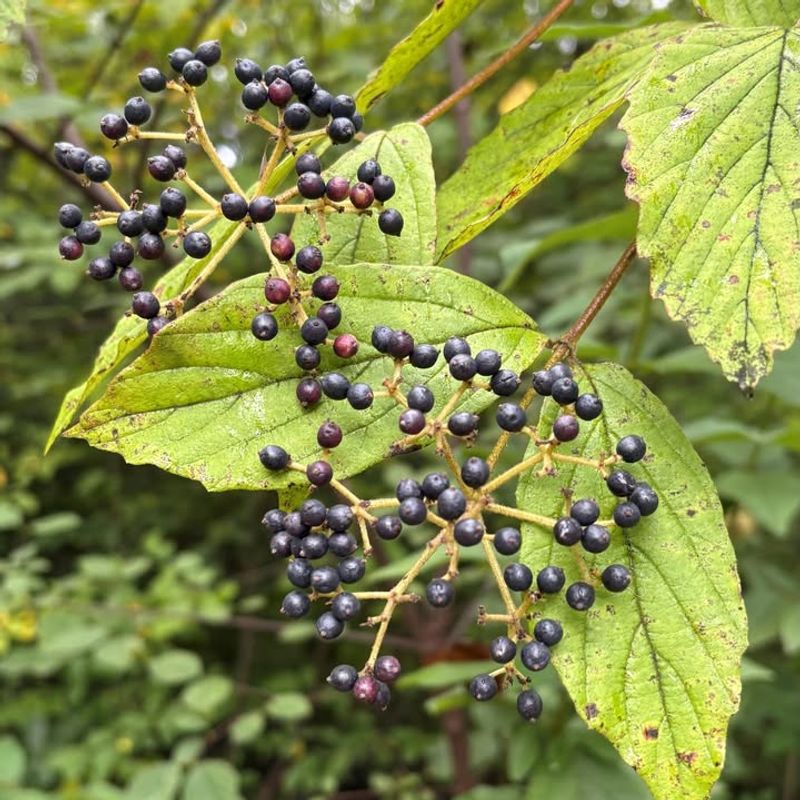
Arrowwood viburnum ranks among the most reliable native shrubs for attracting birds to North Carolina gardens, producing clusters of blue-black berries that ripen in fall just as migrating flocks pass through the state.
This tough, adaptable plant grows six to ten feet tall and wide, creating substantial screening or background plantings while serving as a magnet for thrushes, vireos, and warblers.
The berries contain high-energy fats that help birds build reserves for long migration journeys.
Creamy white flowers arranged in flat-topped clusters cover the shrub in late spring, creating a stunning display that attracts numerous pollinator species.
The flowers emit a subtle fragrance that adds another sensory dimension to your garden experience.
Glossy green leaves with prominent veining create attractive foliage throughout the growing season before turning shades of yellow, orange, and burgundy in autumn.
North Carolina gardeners value arrowwood viburnum for its tolerance of various soil types and its ability to grow in both full sun and partial shade.
The shrub adapts to wet or dry conditions once established, though it performs best with consistent moisture.
Straight, arrow-like young stems give this viburnum its common name and create interesting branching patterns visible in winter.
Birds often wait until after the first frost to eat viburnum berries, as cold temperatures improve the fruit’s palatability.
This timing means your shrub provides food during the critical fall migration period and into early winter.
The dense branching structure also offers excellent nesting sites and protective cover for birds year-round.
Planting arrowwood viburnum connects your North Carolina garden to natural forest ecosystems where this native shrub plays an important ecological role.
7. Blackberry
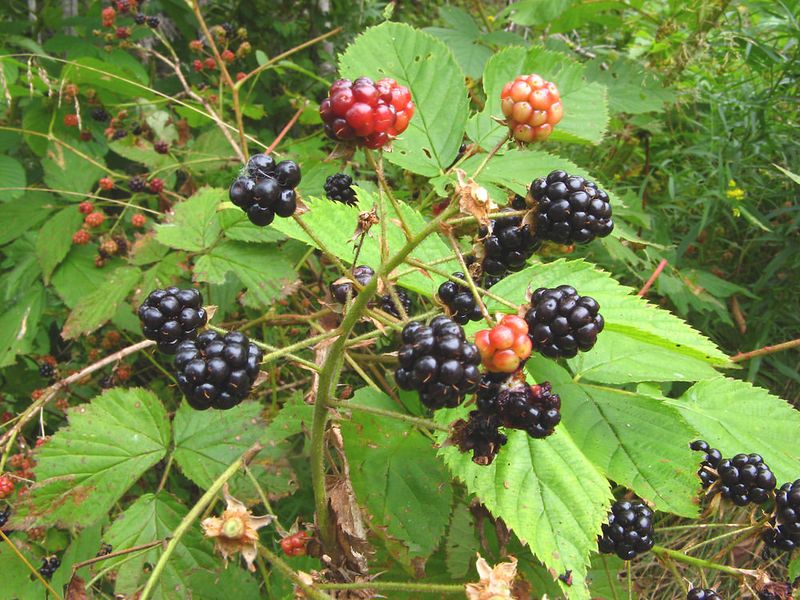
Blackberry canes produce some of the most beloved fruits in both the bird and human worlds, with juicy black berries ripening throughout summer and providing ongoing food during the busy breeding season.
Wild blackberries grow naturally across North Carolina, but cultivated thornless varieties offer easier harvesting while still attracting catbirds, towhees, and quail that love foraging in the protective canes.
White or pale pink flowers appear in late spring, buzzing with bee activity before developing into the familiar aggregate fruits.
These brambles grow as arching canes that can reach six to eight feet long, requiring some form of support or trellising for best results.
Blackberries spread through underground runners and can form dense thickets if left unmanaged, which actually benefits ground-feeding birds seeking shelter from predators.
The compound leaves remain green through most of the growing season, providing cover and nesting opportunities within the tangled growth.
Growing blackberries in your North Carolina garden requires full sun and well-drained soil for optimal fruit production.
The plants produce berries on second-year canes, so you’ll prune out old canes after they fruit to encourage new growth.
Even thornless varieties create dense enough growth to offer birds protection while they feed on the ripening berries.
Many gardeners plant extra blackberry canes specifically to share the harvest with wildlife, knowing that birds provide valuable pest control services in return.
The berries ripen gradually over several weeks, bringing birds back repeatedly and giving you multiple opportunities to observe their feeding behaviors.
Blackberry flowers attract native bees and other pollinators, adding another layer of ecological benefit to your North Carolina landscape while the thorny branches deter deer and other browsing animals.