Grow These Plants During March In Pennsylvania For Fast Color
March in Pennsylvania can look a little dull at first. The trees are still bare, the lawn is just starting to wake up, and the garden beds often feel stuck in that winter pause.
But this is also the moment when you can start changing the story. A few well chosen plants can bring quick pops of color long before the rest of the neighborhood catches up.
The trick is picking varieties that actually like early spring conditions. Think plants that handle chilly nights, bounce back after a surprise frost, and grow fast once the sun shows up.
When you plant them in March, they take advantage of cool weather and steady moisture, which helps them settle in without stress.
Fast color does more than make your yard look pretty. It boosts your mood, gives pollinators an early snack, and makes the whole space feel alive again. With the right choices, your garden can go from gray to gorgeous in a hurry.
1. Pansies (Viola Tricolor Var. Hortensis)
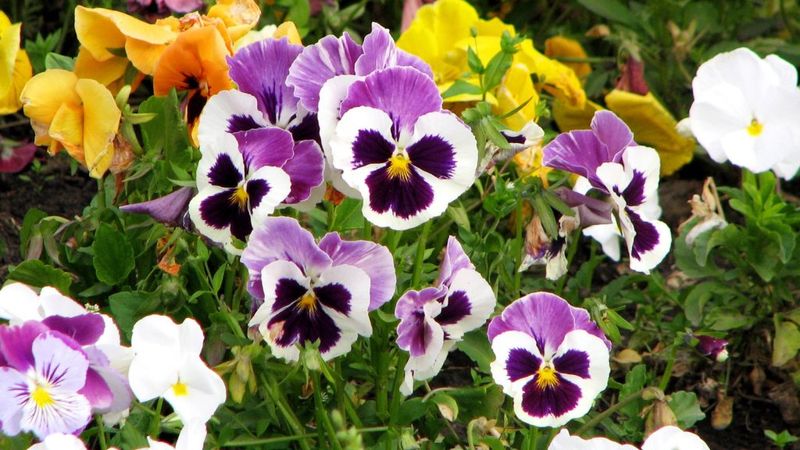
Few plants put on a show as quickly and cheerfully as pansies do. Pop a few transplants into your garden beds or containers in March, and you could be looking at full blooms within days.
That kind of speed is hard to beat, especially when Pennsylvania winters have left your yard looking pretty bare.
Pansies come in an almost endless range of colors. Deep purples, sunny yellows, soft pinks, bold oranges, and even bi-colored varieties are all easy to find at local nurseries.
Whether you want a soft pastel vibe or something bold and eye-catching, pansies have you covered.
One of the best things about pansies is how tough they are. They can handle the cool temperatures that March in Pennsylvania regularly brings, and they bounce back quickly after a light frost.
Plant them in borders, raised beds, window boxes, or large containers for a colorful welcome to spring.
Keep the soil moist but not soggy, and deadhead spent blooms regularly to encourage more flowers. A light feeding with a balanced fertilizer every couple of weeks will keep them looking their best.
Pansies are truly one of the easiest ways to get fast, reliable color in your Pennsylvania garden this spring.
2. Violas (Viola Spp.)
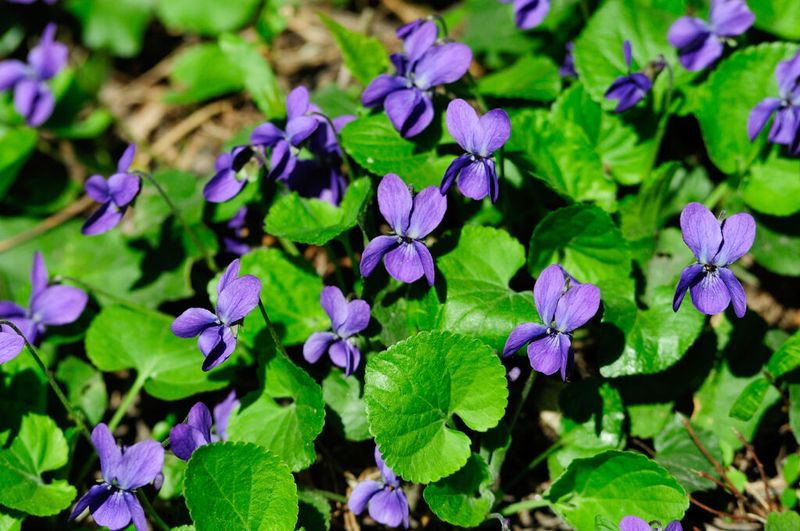
Think of violas as the smaller, scrappier cousins of pansies. They may be tiny, but they pack a serious punch when it comes to color and staying power.
In Pennsylvania, planting violas in March gives you a continuous parade of blooms that can last well into late spring and even early summer.
Violas are fantastic for mass plantings. When you tuck a bunch of them together along a walkway or garden edge, they form a dense, colorful carpet that looks absolutely stunning.
They also work beautifully as edging plants around taller flowers or shrubs in your landscape.
Unlike some flowers that fade fast, violas keep producing new blooms at a steady pace. They are naturally compact, so they rarely need much trimming or fussing.
Deadheading spent flowers helps encourage even more blooms, but honestly, violas are one of the most low-maintenance options you can choose for early spring color.
Pennsylvania gardeners love violas because they handle temperature swings like champs. A cold snap that might stress other plants barely slows violas down.
Give them well-drained soil, a bit of morning sun, and occasional watering, and they will reward you with weeks of cheerful, non-stop color starting right in March.
3. Primrose (Primula Spp.)
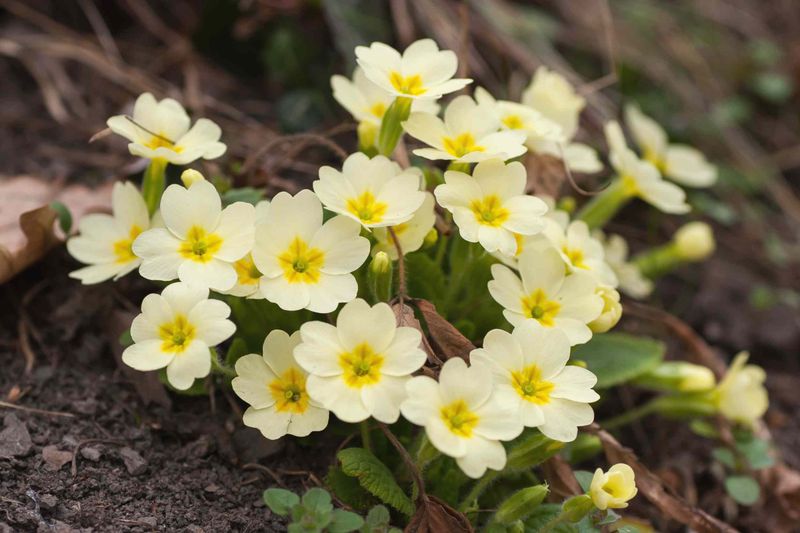
Walking into a garden center in March and spotting a flat of primroses feels like finding treasure. Their vivid shades of pink, red, yellow, and purple practically glow against the dull late-winter backdrop.
Planted as established transplants, primroses begin blooming almost immediately, making them one of the fastest color payoffs available to Pennsylvania gardeners.
Primroses have a special talent for shady spots. Most spring flowers need full sun, but primroses actually prefer partial shade or filtered light.
That makes them perfect for planting under trees, along the shaded side of a house, or in spots where other plants struggle to perform.
Keep in mind that primroses like cool, moist conditions. Pennsylvania’s March weather suits them beautifully since temperatures are still mild and the soil holds moisture well.
Make sure to water them regularly and avoid letting the roots dry out completely between waterings.
A rich, well-amended soil with good drainage will help primroses thrive. Adding compost to your planting area before putting them in the ground gives them a strong start.
These little powerhouses may look delicate, but they are surprisingly sturdy plants that bring serious wow factor to shaded corners of any Pennsylvania yard or garden space this spring.
4. Forget-Me-Not (Myosotis Spp.)
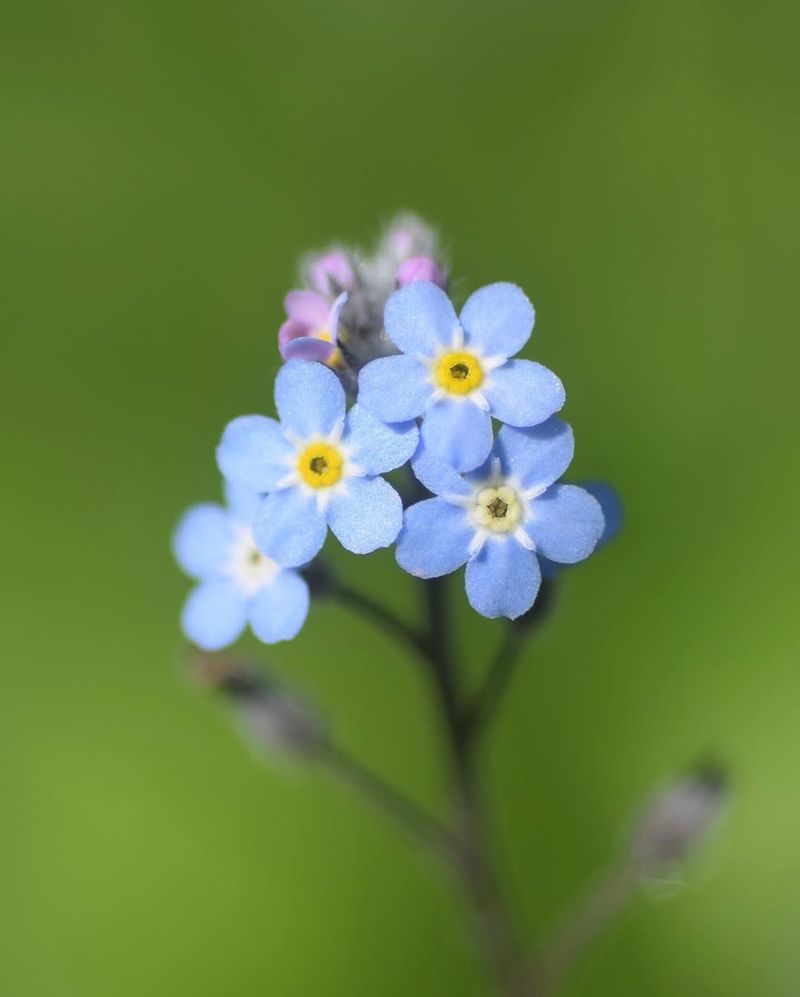
There is something almost magical about a patch of forget-me-nots in full bloom. Those tiny sky-blue flowers create a dreamy, cloud-like effect that looks effortlessly beautiful in any garden.
In Pennsylvania, forget-me-nots are one of the first plants to light up the landscape in early spring, and they do it fast.
Starting from seedlings or small transplants in March, forget-me-nots establish quickly and begin flowering in a short amount of time. They spread naturally and generously, filling in gaps between other plants or spilling along the edges of garden beds.
That self-spreading habit makes them ideal for naturalizing large areas without a lot of extra effort on your part.
Forget-me-nots pair beautifully with spring bulbs like tulips and daffodils. The soft blue flowers act like a living mulch around the base of taller bulbs, creating a layered look that feels lush and intentional.
Many Pennsylvania gardeners use this combination to create show-stopping spring displays in front yards and public-facing beds.
These plants prefer cool temperatures and moist, well-drained soil. A partially sunny or lightly shaded location works best for them.
Once they finish blooming, let a few plants go to seed so they can return again next year, giving you free color with almost zero effort in future springs.
5. Calendula (Calendula Officinalis)
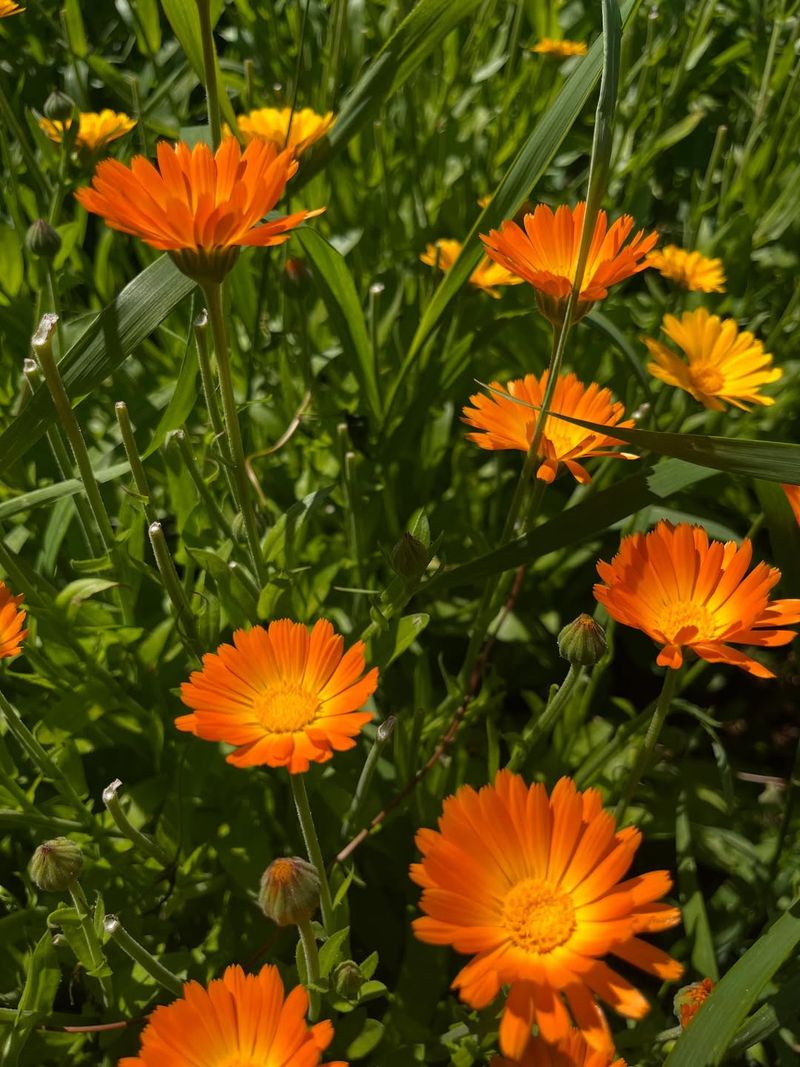
Calendula is the kind of plant that makes you feel like a gardening genius. Start seeds directly in your garden bed in March, and within just six to eight weeks, you will have a stunning display of bright yellow and orange flowers that look like little suns scattered across your landscape.
Pennsylvania’s cool spring temperatures are actually ideal growing conditions for this cheerful annual.
Sometimes called pot marigold, calendula has been grown in gardens for centuries. Ancient herbalists prized it for its medicinal properties, and it was commonly found in kitchen gardens throughout Europe and early America.
Today, gardeners grow it mostly for its long-lasting blooms and its ability to thrive in cooler weather when many other flowers struggle.
Calendula is not fussy about soil. It grows well in average garden soil as long as drainage is decent.
Sow seeds about a quarter inch deep, keep them moist, and watch them germinate within one to two weeks. Thinning seedlings to about eight to ten inches apart gives each plant enough room to fill out properly.
Regular deadheading is the secret to keeping calendula blooming for months. Removing spent flowers signals the plant to keep producing new buds.
Pennsylvania gardeners who stay on top of deadheading can enjoy calendula blooms from late spring all the way through early summer without much additional effort.
6. Sweet Alyssum (Lobularia Maritima)
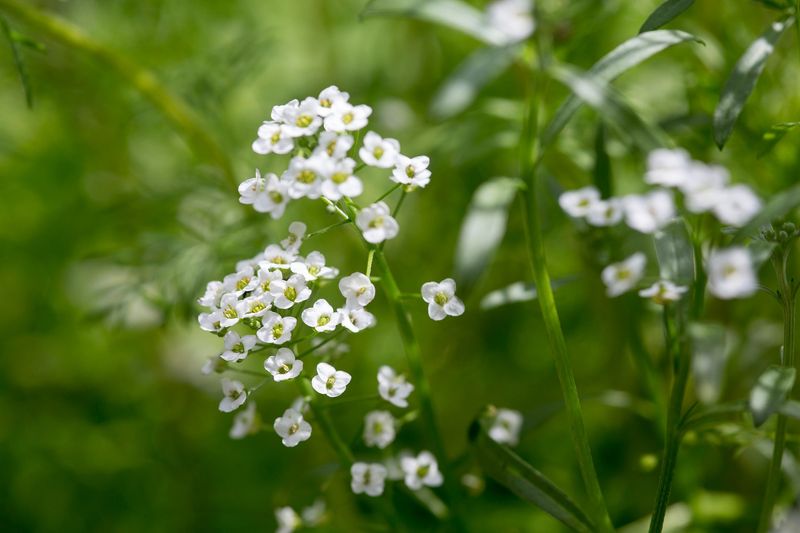
Sweet alyssum might be small in size, but it brings so much to a garden. This low-growing groundcover produces masses of tiny white, pink, or purple flowers that form a soft, frothy carpet along the ground.
The blooms appear quickly after planting in early spring, and in Pennsylvania, March is the perfect time to get it started.
One of the most charming things about sweet alyssum is its fragrance. The flowers have a light, honey-like scent that drifts through the air on warm spring afternoons.
Planting it near a porch, patio, or walkway lets you enjoy that sweet smell every time you step outside.
Pollinators absolutely love sweet alyssum. Bees and butterflies flock to the tiny blooms, making it a great choice for gardeners who want to support local wildlife.
In Pennsylvania, where pollinator populations benefit from every extra food source, adding sweet alyssum to your spring garden is a simple but meaningful contribution.
Plant sweet alyssum in full sun to partial shade in well-drained soil. It spreads naturally and fills in spaces between taller plants beautifully.
If it gets leggy mid-season, a light trim will encourage a fresh flush of blooms. For containers, it spills gracefully over the edges, adding a soft, flowing texture that looks polished and intentional without any extra fuss.
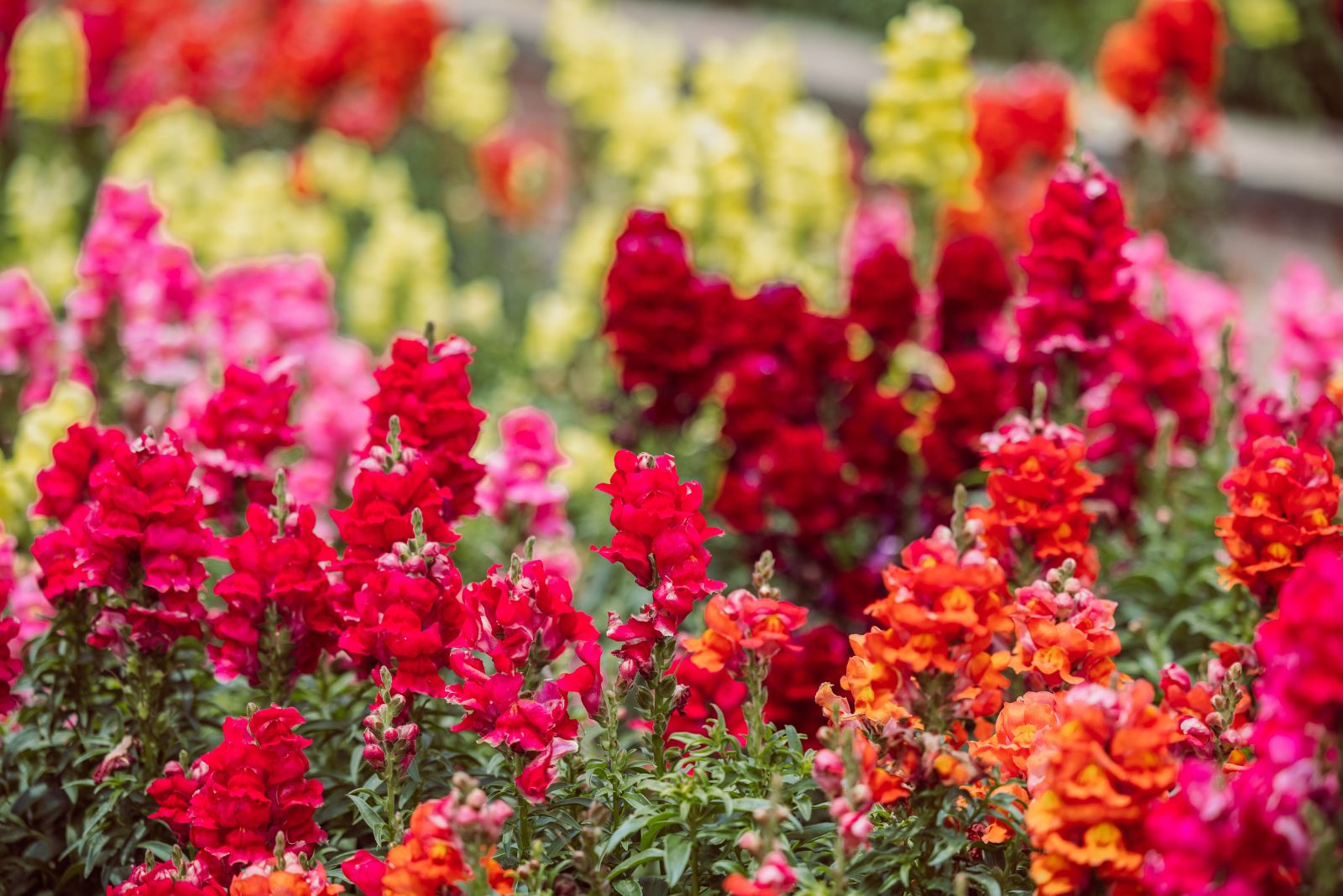
7. Snapdragons (Antirrhinum Majus)
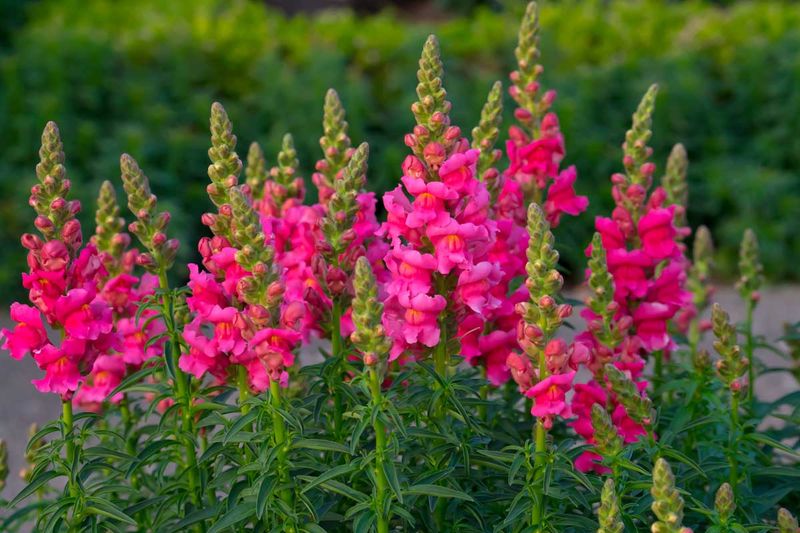
Snapdragons have a personality all their own. Those tall, dramatic flower spikes in every color imaginable have been a garden favorite for generations, and for good reason.
As cool-season annuals, they genuinely love the kind of weather Pennsylvania serves up in March, and transplants placed in the ground early can start blooming in just a few weeks.
Kids especially get a kick out of snapdragons. Gently squeezing the sides of the individual blooms makes the flower open and close like a little mouth, which is exactly how they got their name.
That playful quality makes them a fun addition to family gardens, but their beauty makes them a serious choice for anyone who wants a polished, colorful spring display.
Snapdragons handle light frosts without much complaint, which is a huge advantage in Pennsylvania where late cold snaps can surprise even the most experienced gardeners. Plant them in full sun with well-drained, fertile soil for the best results.
They grow upright and tall, making them excellent for the back of borders or as cut flowers for indoor arrangements.
Pinching back the tips of young plants encourages bushier growth and more flower spikes. Water snapdragons at the base rather than overhead to reduce the risk of fungal issues.
With a little attention in March, these striking plants will reward Pennsylvania gardeners with weeks of bold, vibrant color throughout spring.
8. Stock (Matthiola Incana)
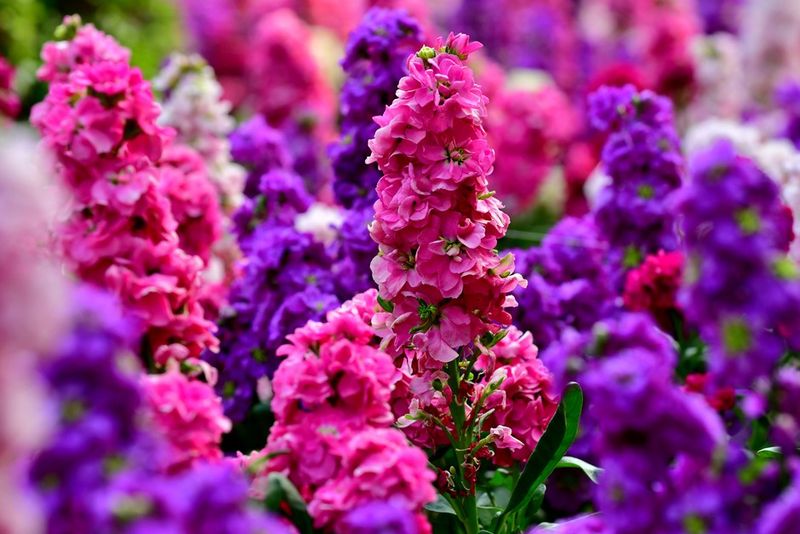
If you have never grown stock before, prepare to be won over the moment you catch its fragrance. This cool-weather annual produces tall, densely packed flower spikes in shades of pink, purple, white, and red, and the scent is absolutely incredible.
Planting stock in early March in Pennsylvania gives it the cool conditions it needs to establish quickly and bloom generously.
Stock has a long and interesting history. It was a staple of cottage gardens in England for hundreds of years and was often planted near windows and doorways so the fragrance could drift indoors.
Bringing that tradition to a Pennsylvania garden feels like connecting with something timeless and genuinely lovely.
In terms of growing requirements, stock is pretty straightforward. It prefers full sun and fertile, well-drained soil.
Setting transplants out in March takes advantage of the cool soil temperatures that help stock develop strong roots before the warmer days of late spring arrive. Avoid planting in waterlogged areas, as stock does not tolerate standing water well.
Use stock in borders alongside other cool-season favorites like pansies and snapdragons for a layered, cottage-style look. It also performs beautifully in containers placed near entryways where the fragrance can be fully appreciated.
Cut a few stems to bring indoors, and you will fill your whole home with that sweet, spicy scent that only stock can deliver to a Pennsylvania spring garden.