Grow These Plants Under Tomatoes For Stronger Vines In Ohio
Snow may still blanket Ohio and the forecast may look rough, but smart gardeners know this is planning season, not planting season. Tomatoes will wait until real warmth settles in, yet what you grow beneath them can shape the entire summer harvest.
The right companion plants strengthen vines, improve soil, help manage pests, and create a healthier growing space long before transplant day arrives.
Winter is the perfect time to map beds, choose partners, and prepare for stronger, more productive tomato plants once the ground finally warms.
While others wait for spring to think about planting, you can already build the foundation for vigorous growth and heavier clusters. A little planning now can turn ordinary tomato plants into thriving, resilient vines when Ohio weather finally shifts in your favor.
1. Basil Boosts Tomato Strength
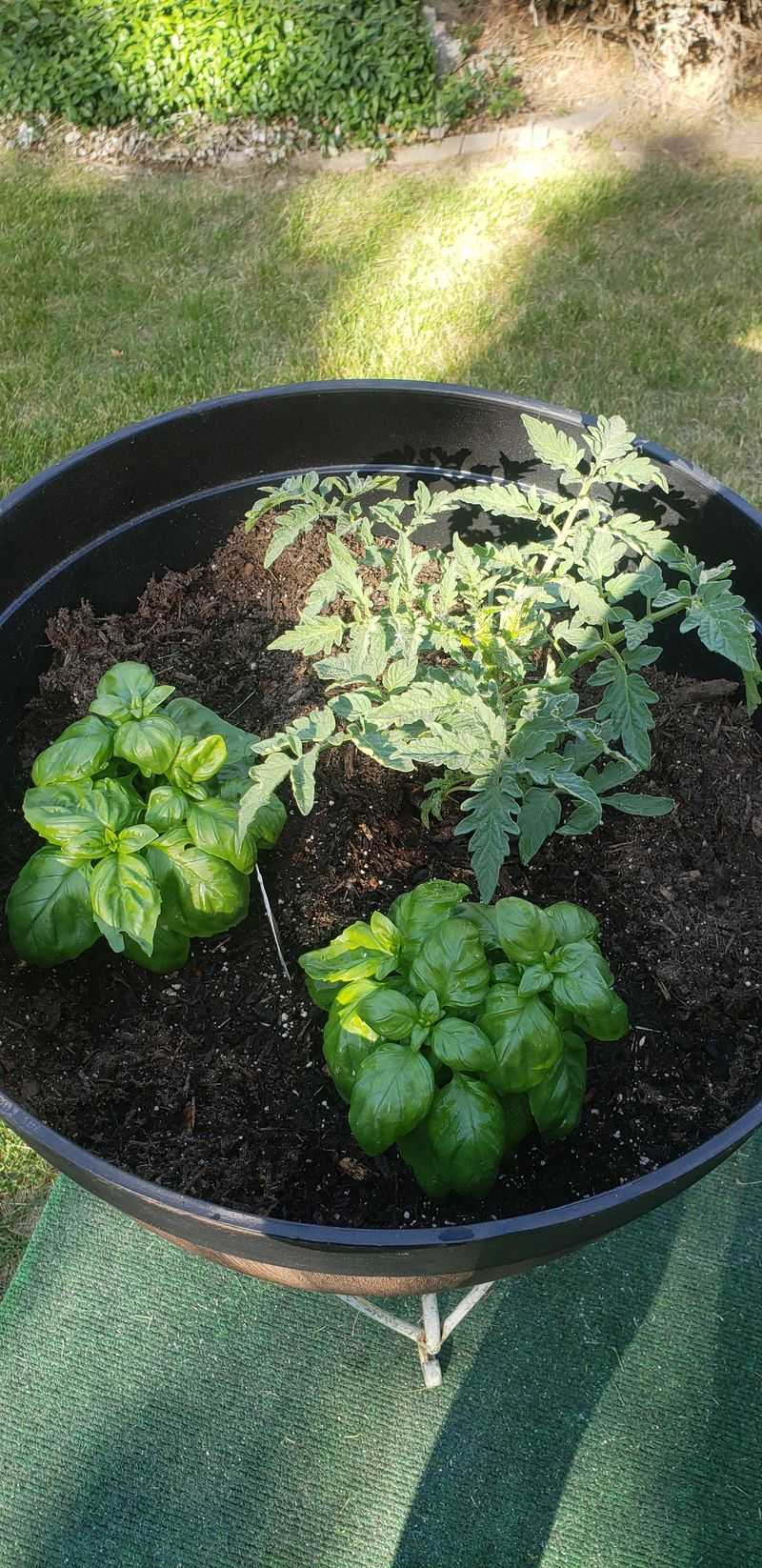
Plant basil at the base of your tomato vines and you create one of the most reliable partnerships in the vegetable garden. Basil thrives in the same warm, sunny conditions that tomatoes love, so both plants do well when grown side by side throughout the Ohio growing season.
Basil may help reduce certain pests that bother tomatoes, including aphids and whiteflies. While research on this is mixed, many Ohio gardeners report fewer pest problems when basil is planted nearby.
The strong scent of basil can confuse or deter insects looking for tomato plants.
Both plants also share similar water and nutrient needs, which makes garden care simpler. Basil grows quickly in June and July, filling in the space under tomato vines and shading the soil to help prevent moisture loss during hot stretches.
You can harvest basil leaves all season long without disturbing your tomatoes. Pinch back the tops regularly to encourage bushier growth and prevent flowering, which keeps the plant producing fresh leaves.
Basil fits perfectly into Ohio tomato beds and supports healthier, more vigorous vines from transplant time through the first frost.
2. Marigolds Guard The Root Zone
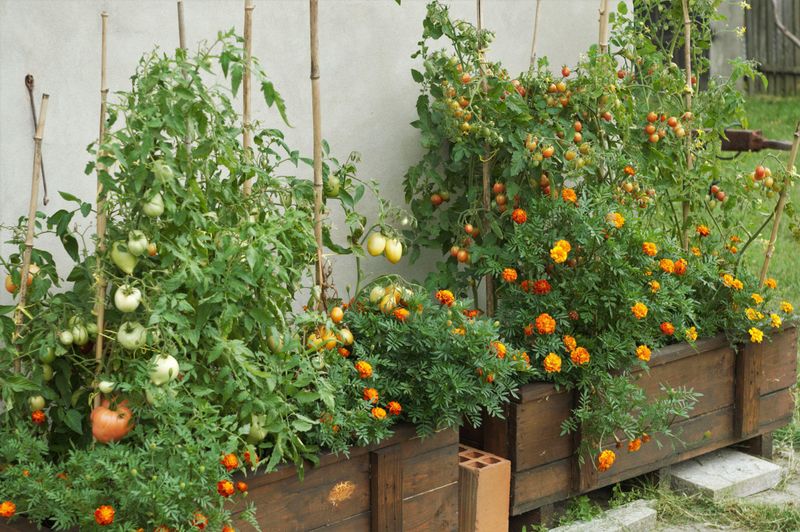
Marigolds have long been recommended as a companion plant for tomatoes, and many Ohio gardeners rely on them to help protect the root zone. These cheerful flowers produce compounds in their roots that may discourage certain soil-dwelling pests, including nematodes that can weaken tomato plants over time.
French marigolds work especially well because they stay compact and do not compete heavily with tomato roots. Plant them in a ring around the base of each tomato or scatter them throughout the bed for broader coverage.
Marigolds also attract pollinators and beneficial insects, which can help keep pest populations in check naturally.
In Ohio gardens, marigolds bloom from early summer through fall, providing continuous color and pest protection throughout the tomato growing season. They tolerate heat well and require minimal care once established, making them an easy addition to any tomato bed.
Water marigolds along with your tomatoes, and deadhead spent blooms to encourage more flowers. The presence of marigolds creates a healthier environment around tomato roots, supporting stronger vines and reducing the risk of soil-borne problems that can weaken plants as the season progresses.
3. Lettuce Locks In Soil Moisture
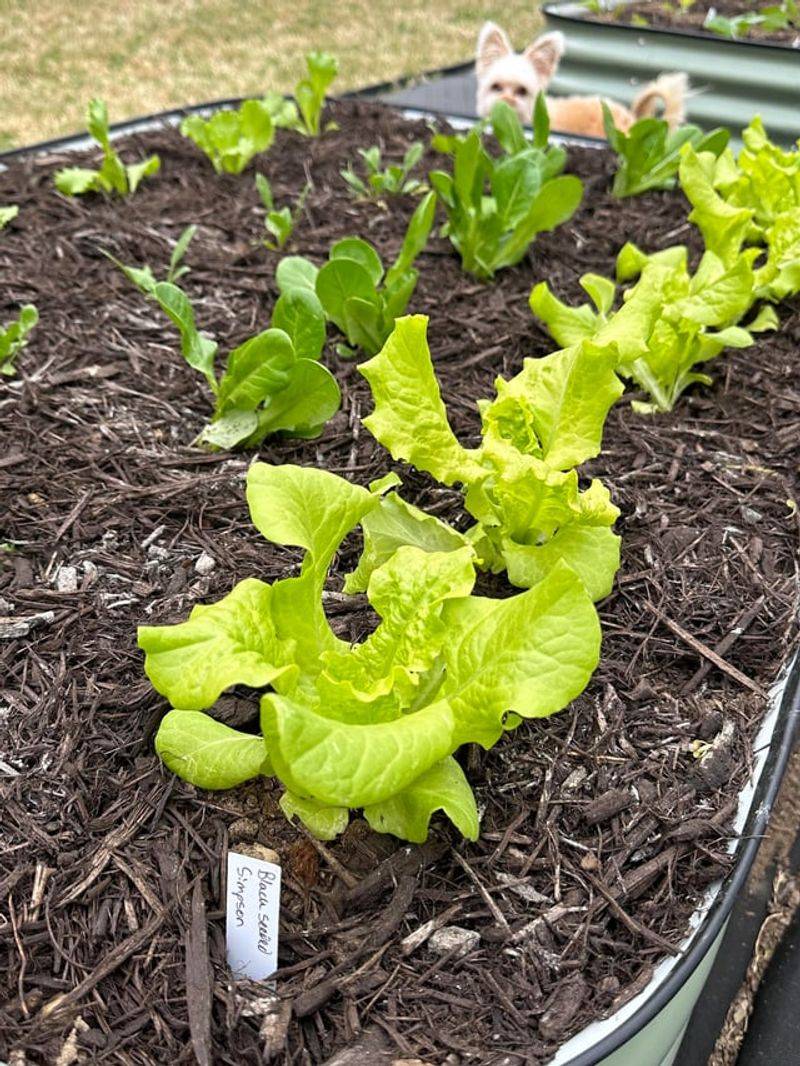
Lettuce makes an excellent living mulch beneath tomato vines, especially during the early part of the growing season in Ohio. The broad leaves of lettuce plants spread out over the soil surface, shading it from direct sunlight and reducing evaporation during warm, dry periods.
Plant lettuce transplants or scatter seeds around the base of your tomato plants in late April or early May. Lettuce grows quickly in cool spring weather and will be well-established by the time your tomatoes begin to take off in June.
The lettuce roots stay shallow, so they do not compete with the deeper tomato roots for water or nutrients.
As temperatures climb in July, the lettuce may bolt, but by then it has already provided weeks of soil protection and moisture retention. You can harvest the leaves for salads throughout the spring, making this a productive use of space that also benefits your tomatoes.
Lettuce helps keep soil temperatures cooler and more stable, which supports healthier root development in tomatoes. Ohio gardeners who use lettuce as a companion plant often notice their tomato vines stay greener and more vigorous, even during stretches of hot, dry weather.
4. Spinach Protects And Shades Soil
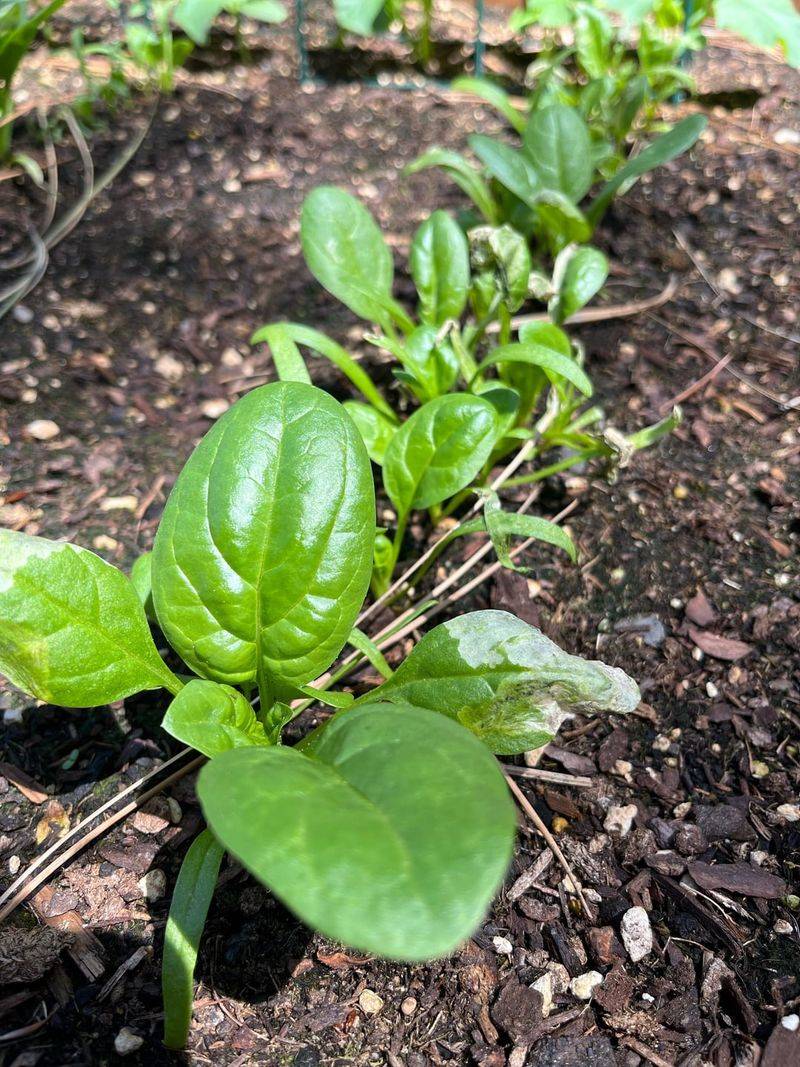
Spinach works beautifully as an early-season companion for tomatoes in Ohio gardens. Plant spinach seeds or transplants around your tomato plants in mid-April, and the spinach will grow quickly in the cool spring weather, providing ground cover and soil protection before your tomatoes really take off.
Spinach leaves spread out over the soil, shading it and keeping temperatures cooler during the transition from spring to summer. This helps retain moisture and prevents the soil from drying out too quickly on warm days.
Spinach also adds organic matter to the soil when it eventually bolts and can be turned under or composted.
The shallow root system of spinach does not interfere with tomato roots, so both plants can grow side by side without competition. You can harvest spinach leaves throughout May and into early June, giving you fresh greens while your tomatoes are still developing.
By the time the heat of July arrives, the spinach will have completed its life cycle, leaving behind healthier soil and stronger tomato vines. Ohio gardeners appreciate spinach as a companion because it maximizes garden space, supports soil health, and provides an early harvest before tomatoes begin producing fruit.
5. Green Onions Deter Hidden Pests
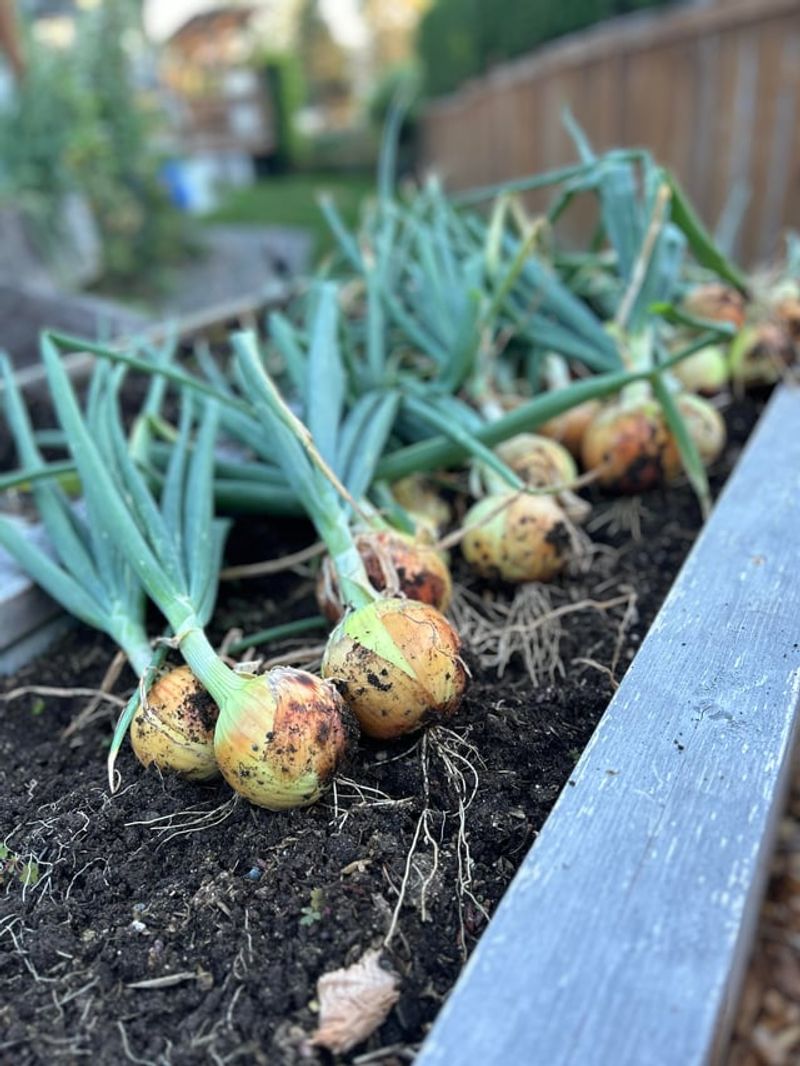
Green onions bring a natural pest-deterrent quality to tomato beds, thanks to the sulfur compounds found in alliums. These compounds can discourage aphids, spider mites, and other soft-bodied insects that sometimes bother tomato plants during the growing season in Ohio.
Plant green onion sets or seeds around the base of your tomato plants in early spring. They grow quickly and take up very little space, making them an easy fit in any tomato bed.
Green onions have a thin, upright growth habit that does not shade or crowd tomato vines, and their roots stay shallow enough to avoid competition.
You can harvest green onions continuously throughout the season, pulling them as needed for cooking while leaving others to continue growing. This makes them both a practical companion and a productive addition to your garden.
Green onions also help improve soil structure as their roots grow and break up compacted areas. Ohio gardeners who plant green onions alongside tomatoes often notice fewer pest problems and healthier overall growth.
The presence of alliums creates a more balanced garden environment, supporting stronger vines and reducing the need for chemical pest control methods.
6. Carrots Loosen Soil Below
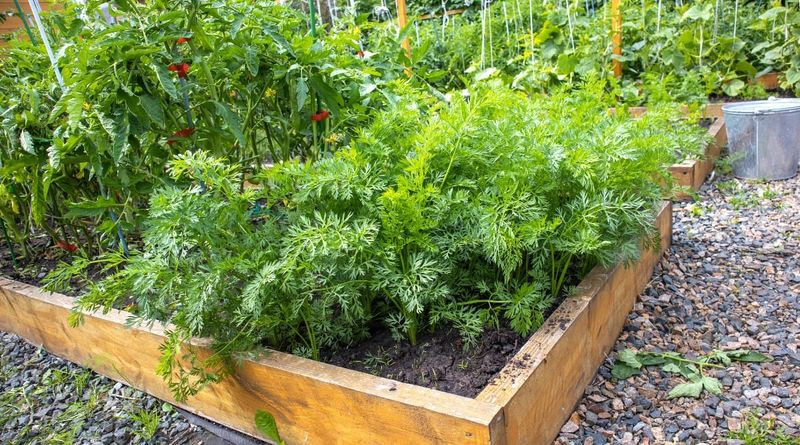
Carrots offer a unique benefit to tomato plants by growing deep into the soil and naturally loosening compacted layers. While tomato roots spread out near the surface, carrot taproots push straight down, breaking up hard soil and creating channels that improve drainage and air circulation.
Plant carrot seeds around your tomato transplants in late April or early May. Carrots germinate slowly, so be patient and keep the soil moist during the first few weeks.
Once established, carrots require little care and grow steadily through the summer without competing with tomato roots for nutrients.
The feathery foliage of carrots stays low and does not shade tomato vines, making them an ideal underplanting. As carrots mature, they help create a healthier root zone for tomatoes by improving soil structure and reducing compaction that can limit root growth.
Harvest carrots in late summer or early fall, after your tomatoes have finished producing. Ohio gardeners who plant carrots beneath tomatoes often notice stronger, more resilient vines and better overall plant health.
The improved soil structure benefits not only the current season but also future plantings in the same bed.
7. Nasturtiums Attract Helpful Insects
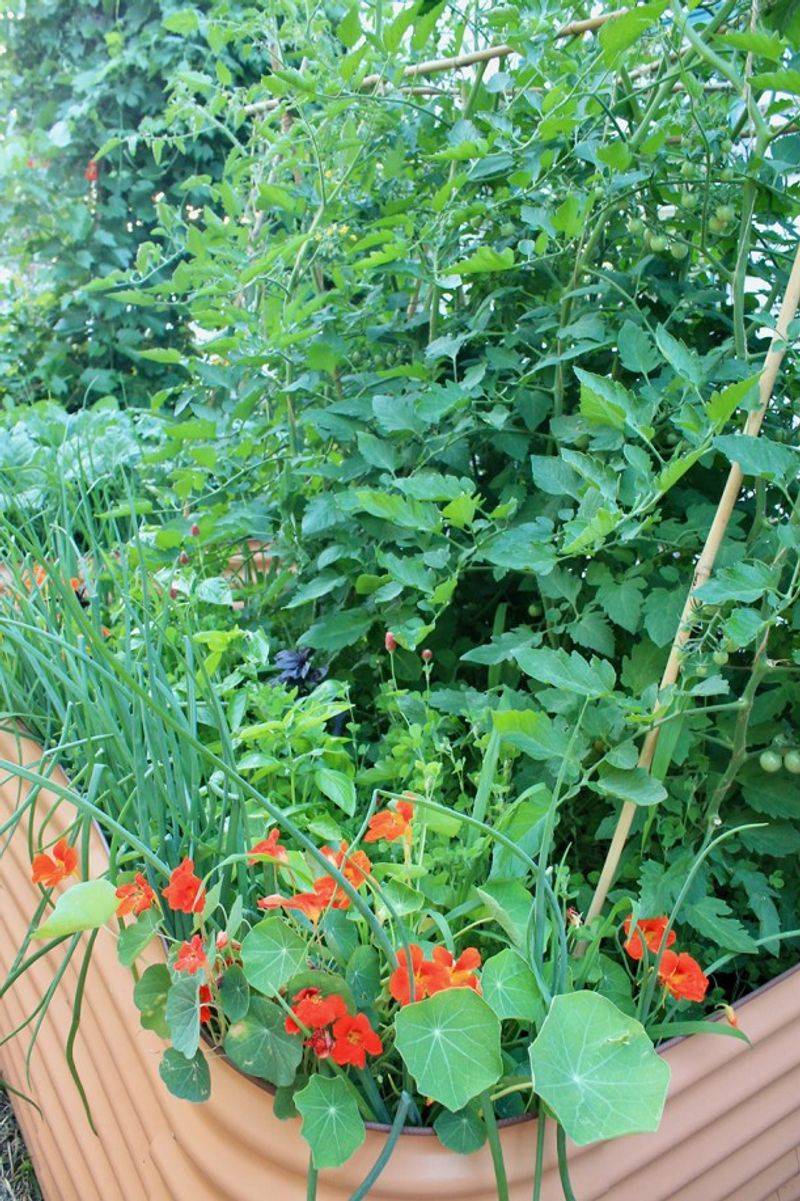
Nasturtiums serve a dual purpose in Ohio tomato beds by attracting beneficial insects and acting as a trap crop for aphids. The bright flowers draw in pollinators, predatory beetles, and other helpful insects that keep pest populations under control naturally.
Plant nasturtium seeds around the base of your tomato plants in late May, once the soil has warmed. Nasturtiums grow quickly and spread out over the soil, providing ground cover and shading that helps retain moisture.
They tolerate heat well and bloom continuously through the summer.
Aphids are often drawn to nasturtiums before they target tomato plants, which gives you time to spot and manage pest problems before they become serious. This trap-cropping effect protects your tomatoes while keeping nasturtiums looking attractive and productive.
Nasturtiums also have edible leaves and flowers, adding another layer of usefulness to this companion plant. Ohio gardeners appreciate nasturtiums for their low-maintenance nature and the way they support a healthier, more balanced garden ecosystem.
By attracting beneficial insects and distracting common pests, nasturtiums help your tomato vines grow stronger and produce more fruit throughout the season.
8. Parsley Supports Healthy Growth
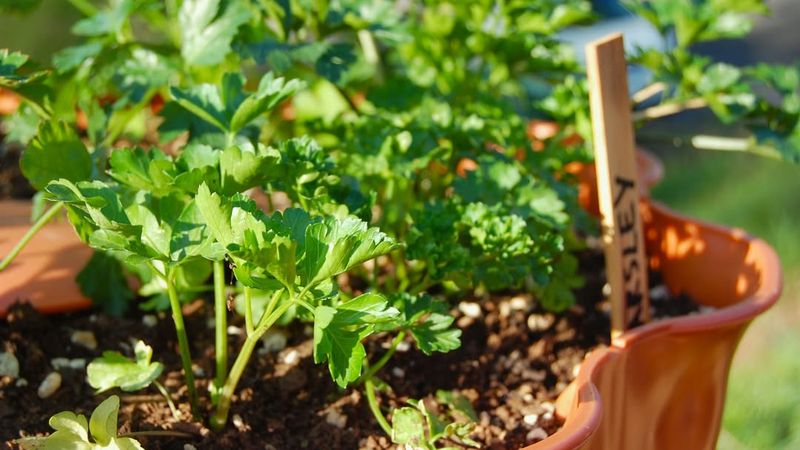
Parsley brings valuable benefits to tomato beds by attracting beneficial insects, including parasitic wasps and hoverflies that prey on common tomato pests. The delicate flowers that appear when parsley bolts in its second year provide nectar and pollen for these helpful insects, creating a more balanced garden environment.
Plant parsley transplants or seeds around your tomato plants in early spring. Parsley tolerates partial shade, so it grows well even as tomato vines spread and create more cover.
The deep taproot of parsley helps break up compacted soil and brings nutrients up from deeper layers, which benefits nearby tomato plants.
Parsley stays compact and does not compete heavily with tomatoes for space or resources. You can harvest parsley leaves throughout the growing season for cooking, making it a practical and productive companion.
The presence of parsley in tomato beds also helps improve soil structure and supports healthier microbial activity.
Ohio gardeners who plant parsley alongside tomatoes often notice stronger, more vigorous vines and fewer problems with pests. Parsley fits easily into any tomato bed and provides season-long support for healthier growth, better pest control, and improved overall garden productivity.