Grow These 10 Pollinator Favorites In Alabama Gardens This Season
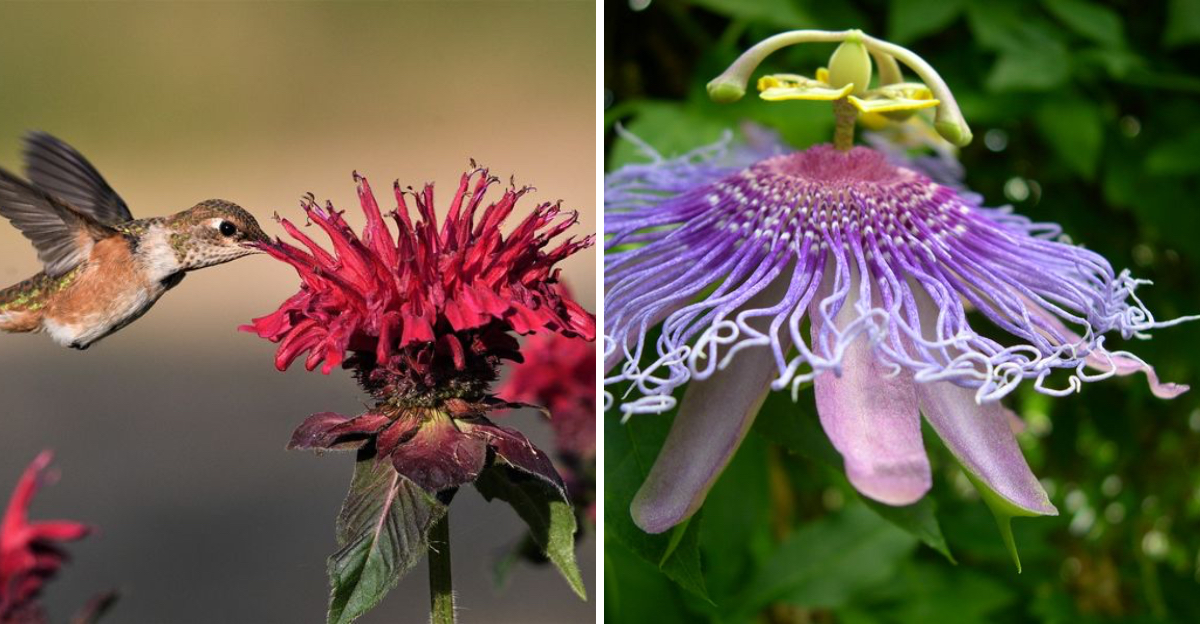
Your Alabama garden, bursting with life! Bees, butterflies, and hummingbirds bring color and motion to every corner.
Pollinators play a huge role in keeping ecosystems healthy and gardens thriving, and the good news is that Alabama’s warm climate makes it easy to support them.
No garden is too large or too small for these Alabama-friendly plants. They’re irresistible to bees and butterflies.
Plant a few of these favorites this season and watch your garden transform into a lively, buzzing paradise.
1. Purple Coneflower (Echinacea)
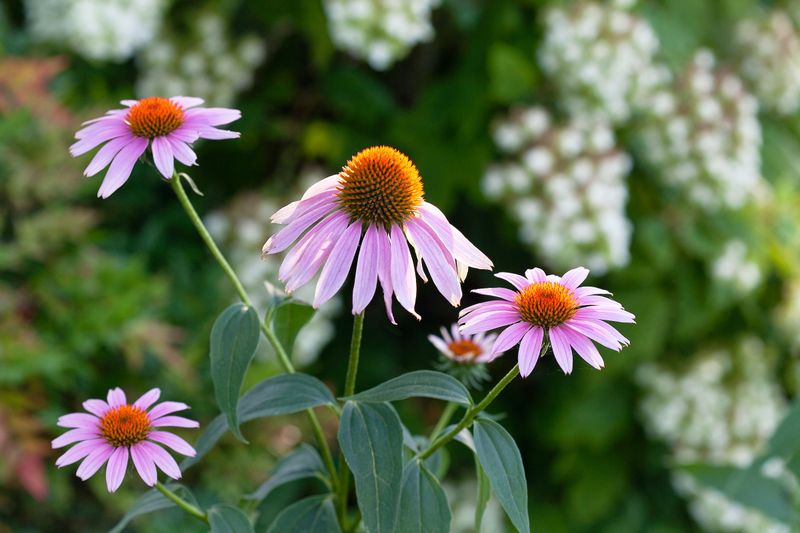
Few plants put on a show quite like purple coneflower in an Alabama summer garden. The bold, daisy-like blooms in shades of rosy purple are practically a landing pad for bees, butterflies, and even goldfinches.
Echinacea is tough, drought-tolerant, and thrives in Alabama’s hot, humid summers without much fuss.
Plant it in full sun with well-draining soil and watch it reward you season after season. It comes back reliably as a perennial, meaning you plant it once and enjoy it for years.
The blooms typically appear from late spring through summer, giving pollinators a long window to feast.
Deadheading spent flowers encourages more blooms, but leaving some seed heads in fall feeds birds through winter. Spacing plants about 18 inches apart gives them room to spread naturally.
Echinacea also has a long history in herbal medicine, making it both a garden gem and a fascinating plant to grow.
Pair it with black-eyed Susans or salvia for a pollinator-packed planting combo. Alabama gardeners in both north and south parts of the state report great success with coneflowers.
It is truly one of the most rewarding plants you can add to any pollinator garden this season.
2. Black-Eyed Susan (Rudbeckia)
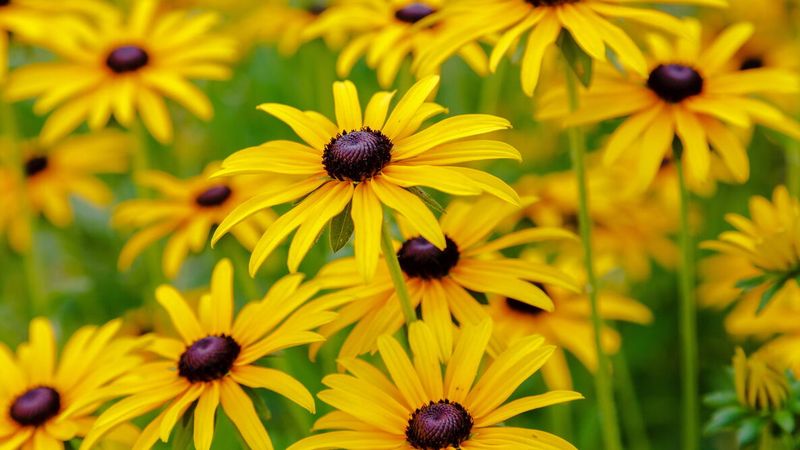
Sunshine on a stem! Black-eyed Susans bring cheer and color to any Alabama garden.
Their golden-yellow petals surrounding a dark brown center are instantly recognizable and wildly attractive to native bees and butterflies.
Rudbeckia thrives in Alabama’s long, warm growing season and handles heat with impressive ease. Plant them in a sunny spot with average soil and minimal watering once established.
They bloom from midsummer well into fall, filling the garden with color when many other plants start winding down.
That extended bloom time makes them especially valuable for pollinators preparing for cooler months. Black-eyed Susans grow well in borders, meadow-style plantings, or mixed containers.
They self-seed readily, so expect friendly volunteers popping up in new spots each year. If you want a tidier garden, simply deadhead before seeds fully mature.
Native to North America, Rudbeckia has been growing in Alabama’s wild landscapes long before formal gardens existed.
That native heritage means local pollinators are already tuned into this plant’s nectar and pollen.
Growing black-eyed Susans is one of the easiest ways to make a real difference for Alabama’s pollinator populations this season.
3. Milkweed (Asclepias)
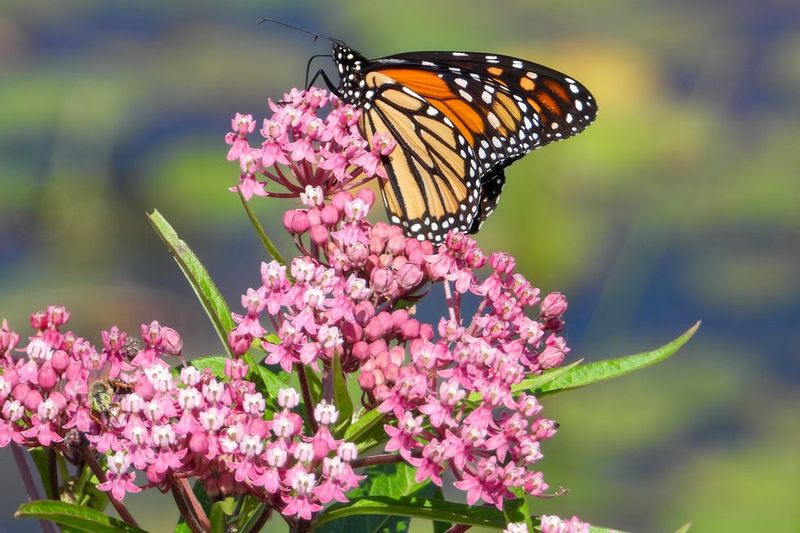
Every monarch needs milkweed, so give these butterflies a stop on their incredible journey.
Without milkweed, monarchs cannot complete their life cycle because it is the only plant their caterpillars can eat.
Growing milkweed in Alabama is one of the most meaningful things a gardener can do for wildlife this season.
Butterfly weed, which is the orange-flowered Asclepias tuberosa, is a stunning native variety perfectly suited to Alabama gardens.
It thrives in full sun and well-draining soil, and once established, it is remarkably drought-tolerant.
The bright orange blooms from late spring into summer attract not just monarchs but dozens of other pollinator species too.
Swamp milkweed, another Alabama-friendly variety, grows well in moist areas or rain gardens.
Both types are perennials, so they return each year and spread gradually to create larger patches. Avoid tropical milkweed, which can interfere with monarch migration patterns when grown in the South.
Plant milkweed in a sunny spot and be patient, as it can be slow to establish in its first year. By the second season, it typically takes off with vigor.
Spotting a monarch caterpillar munching on your milkweed leaves is one of the most rewarding sights in any Alabama garden.
4. Salvia (Sage)
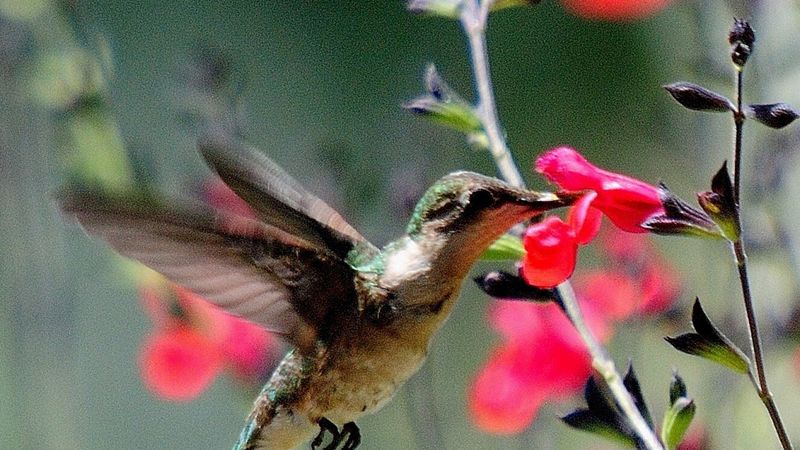
Hummingbirds practically race each other to reach salvia first, and that alone makes it worth every inch of garden space. The tall, slender flower spikes in shades of blue, purple, and red are perfectly shaped for long-billed pollinators and bumblebees alike.
Salvia is one of Alabama’s most reliable and versatile pollinator plants across both north and south regions of the state.
Most salvia varieties thrive in full sun with well-draining soil and tolerate Alabama’s summer heat without complaint. Tropical sage, which is Salvia coccinea, is a native Alabama species that blooms in brilliant red from spring through fall.
Lyre-leaf sage is another native option that handles shadier spots better than most salvias.
Regular deadheading of spent flower spikes encourages continuous blooming throughout the season. Many salvia varieties are perennials in Alabama’s warmer USDA zones, returning reliably each spring.
In cooler northern Alabama areas, some varieties may need replanting annually.
Deer tend to avoid salvia because of its aromatic foliage, which is a bonus in rural Alabama gardens. The plant pairs beautifully with coneflowers and black-eyed Susans for a layered, wildlife-friendly border.
Few plants deliver such consistent hummingbird traffic with such low maintenance demands throughout the Alabama growing season.
5. Bee Balm (Monarda)
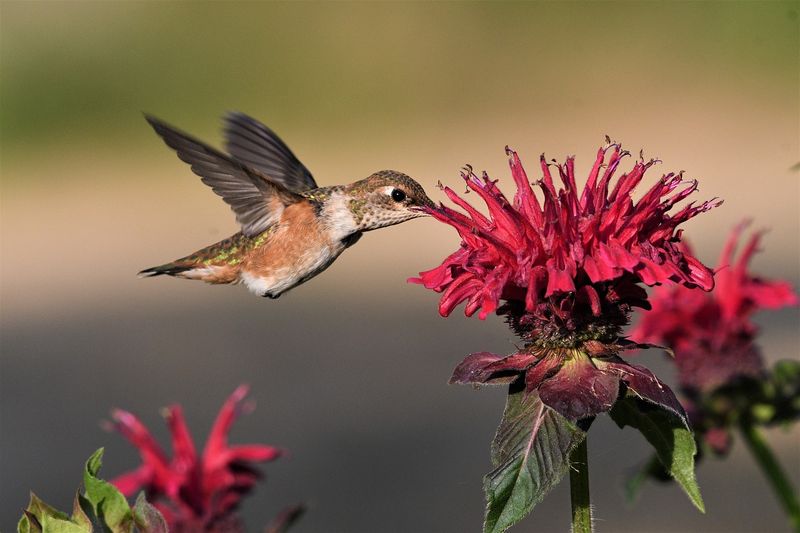
No wonder it’s called bee balm! Once it flowers, the garden hums with bees.
The shaggy, wildflower-style blooms in red, pink, and purple are equally beloved by hummingbirds, hawk moths, and native bumblebees.
Monarda is a native North American plant, which means Alabama’s pollinators have evolved right alongside it. This plant prefers full sun to partial shade and moist, well-draining soil.
In Alabama’s humid climate, good air circulation between plants helps prevent powdery mildew, which can affect the foliage.
Spacing plants 18 to 24 inches apart and choosing mildew-resistant varieties solves this issue easily. Bee balm spreads by underground rhizomes, gradually forming clumps that fill in a border beautifully.
Divide clumps every two to three years to keep plants vigorous and the patch from spreading too widely. It blooms from early to midsummer, with some varieties reblooming if cut back after the first flush.
The foliage and flowers are both edible and have a spicy, oregano-like flavor, making it a fun herb garden addition too.
Native Americans historically used bee balm for medicinal purposes, adding a layer of history to this beautiful plant.
Growing bee balm in Alabama is a choice that benefits both the garden and the broader ecosystem.
6. Zinnias (Zinnia Elegans)
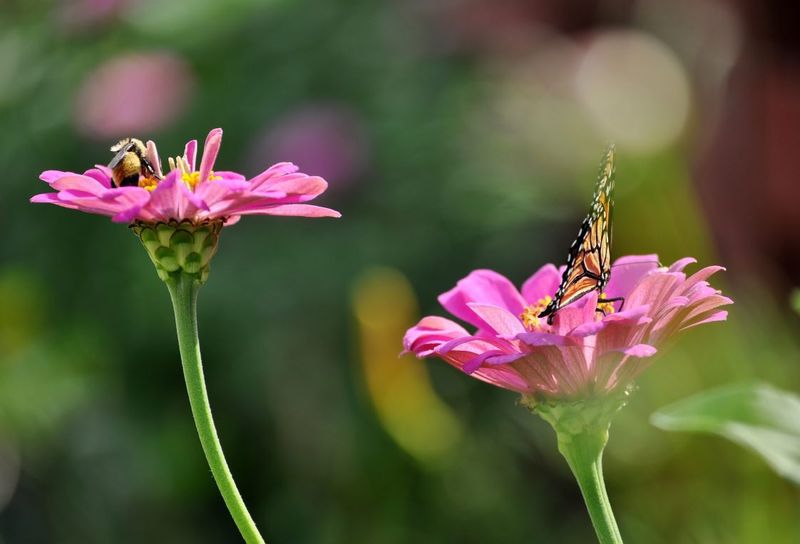
Zinnias are the overachievers of the pollinator garden, blooming in every color imaginable from early summer until frost. Butterflies adore them, especially monarchs, painted ladies, and swallowtails, which seem to spend hours on zinnia blooms.
For Alabama gardeners looking for a low-effort, high-reward flower, zinnias are an absolute must-grow this season.
Direct sow zinnia seeds in a sunny bed after the last frost, which in most of Alabama falls in late March to mid-April. They germinate quickly and grow fast, often blooming within eight weeks of planting.
Zinnias love Alabama’s heat and actually perform better as summer temperatures climb.
Deadhead regularly to keep plants producing fresh blooms all season long. Choose taller varieties like Benary’s Giant for maximum butterfly appeal, as the larger blooms offer a better landing platform.
Mix several colors together for a vibrant, cottage-garden look that pollinators find impossible to pass up.
Zinnias are also excellent cut flowers, so you can enjoy them indoors while still leaving plenty for garden visitors. They are one of the few flowers that children can successfully grow from seed, making them a wonderful family gardening project.
Planting a row of zinnias along a fence or pathway transforms any Alabama yard into a lively pollinator corridor.
7. Goldenrod (Solidago)
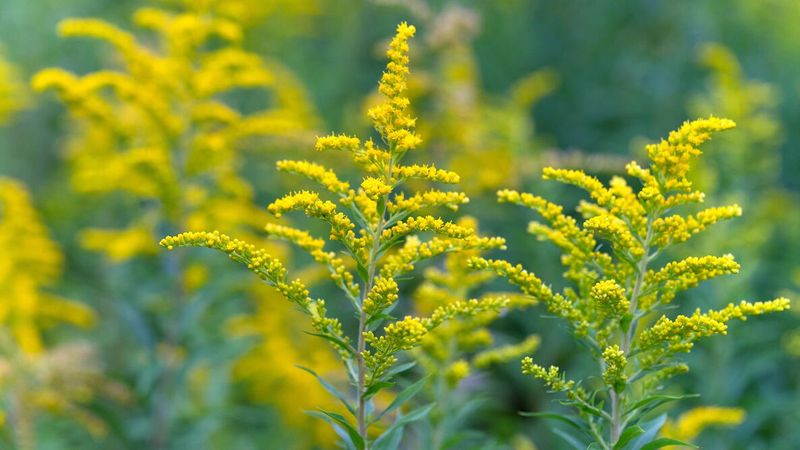
Goldenrod is innocent! The sneezes come from ragweed, blooming at the same time.
Goldenrod’s pollen is too heavy to be airborne and is carried entirely by insects, making it a pollinator powerhouse with zero allergy risk.
For bees preparing for winter, goldenrod’s late-season nectar is essentially a lifeline when few other flowers are still blooming. Native goldenrod species thrive across Alabama in meadows, roadsides, and woodland edges.
Solidago rugosa and Solidago odora are two Alabama-friendly species that work well in garden settings. Both prefer full sun to light shade and adapt to a wide range of soil types, including clay-heavy Alabama soils.
Goldenrod spreads by both seeds and rhizomes, so give it room or plant it in a contained area if space is limited. Cutting plants back by half in early summer encourages bushier growth and more flower heads in fall.
The golden plumes of bloom typically arrive in late summer and last well into October. Monarch butterflies fueling up for their fall migration rely heavily on goldenrod nectar in Alabama.
Planting goldenrod alongside asters creates a stunning late-season combination that supports pollinators when they need it most.
This native plant is one of the most ecologically valuable additions to any Alabama garden.
8. Wild Bergamot (Monarda Fistulosa)
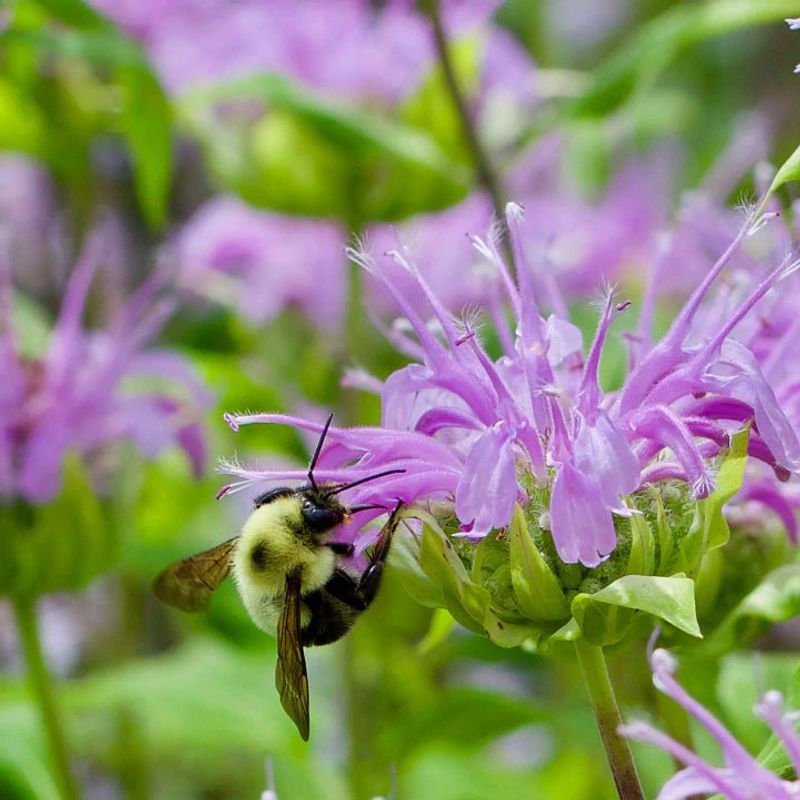
Wild bergamot is the quieter, more prairie-spirited cousin of the showy red bee balm, but pollinators love it just as fiercely. The soft lavender blooms appear in midsummer and draw an impressive lineup of native bees, bumblebees, and butterflies to the garden.
This native Alabama wildflower has been growing in the state’s open fields and woodland edges for centuries.
It thrives in full sun and tolerates dry, rocky, or sandy soils that would challenge most garden plants. That drought tolerance makes it an excellent choice for Alabama gardeners who want low-maintenance pollinator support.
Once established, wild bergamot spreads slowly and naturally, filling spaces with soft color over time.
The aromatic foliage has a pleasant, oregano-like fragrance that deters deer while attracting beneficial insects. Leave some plants uncut through winter to provide shelter and overwintering spots for native bee species.
Cutting back plants in early spring before new growth emerges keeps the patch tidy and vigorous.
Wild bergamot pairs wonderfully with native grasses, coneflowers, and black-eyed Susans in naturalistic Alabama garden designs. It also looks beautiful planted in drifts along a fence line or the edge of a property.
Choosing native plants like wild bergamot means supporting the insects that Alabama’s entire food web depends on.
9. Passionflower (Passiflora Incarnata)
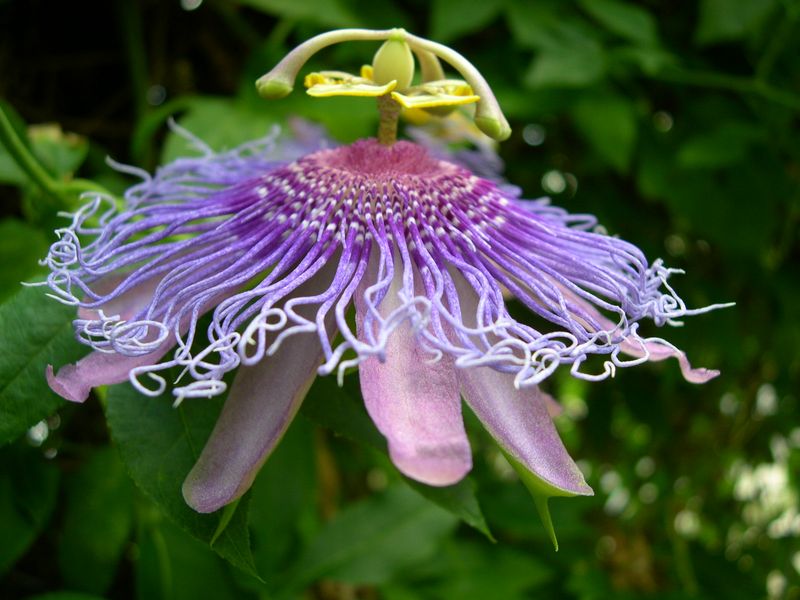
Look exotic, grow local. Passionflower is native to Alabama and stunning in bloom.
The intricate, otherworldly blooms in purple and white look like something from a tropical rainforest rather than a southeastern backyard.
Gulf fritillary butterflies depend on passionflower as their exclusive host plant, making it essential for supporting this stunning species.
This vigorous vine climbs fences, trellises, and arbors with ease, adding vertical interest to any garden space.
It thrives in full sun to partial shade and adapts well to a wide range of Alabama soil types. Passionflower is also remarkably tough, surviving summer drought and bouncing back from cold winters in most parts of the state.
The blooms appear from midsummer through early fall, followed by egg-shaped fruit called maypops.
Maypops are edible with a sweet, tropical flavor and are also loved by wildlife including birds and small mammals.
Harvesting ripe maypops in late summer is a uniquely Alabama foraging experience worth trying. Plant passionflower where it has room to spread, as it can grow quite vigorously once established.
In wilder garden corners or along a back fence, it creates a lush, wildlife-friendly thicket. Few native plants offer this combination of beauty, ecological value, and quirky edible fruit all in one.
10. Anise Hyssop (Agastache Foeniculum)
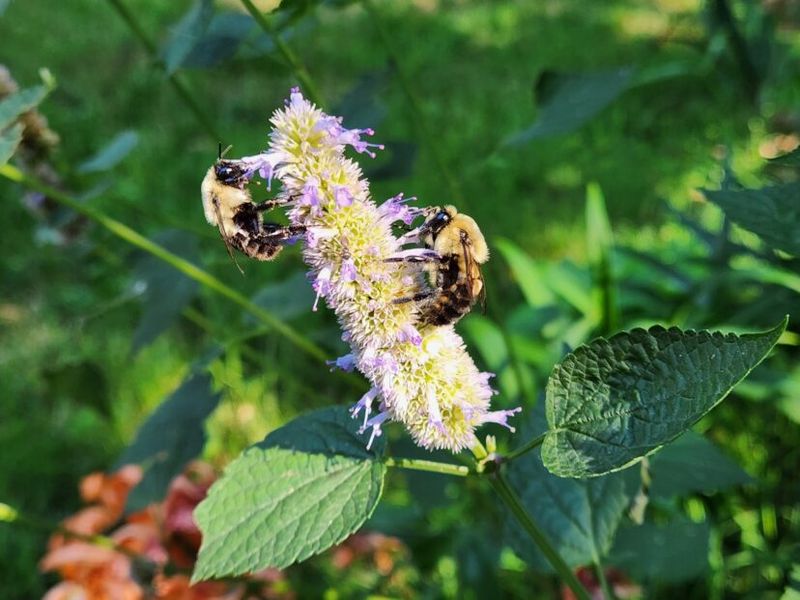
Anise hyssop smells like licorice and looks like a purple dream, and bees are naturally drawn to it.
The tall, dense flower spikes are covered in tiny tubular blooms that are ideal for long-tongued bees and hummingbirds.
This plant is considered one of the top honey-producing plants in North America, which shows how much pollinators love it.
Anise hyssop grows well in full sun with well-draining soil and can tolerate Alabama’s hot summers. It blooms from midsummer through fall, providing nectar during the long gap between spring and autumn bloomers.
The aromatic foliage may help deter mosquitoes naturally, which is a welcome bonus for gardeners spending time outdoors. Plants typically grow 2–4 feet tall, making them excellent mid-border plants for pollinator gardens.
They can self-seed, so new plants may appear around the originals each year, but this spread is moderate. Deadheading before seeds scatter can help maintain a tidier appearance.
Dried flower spikes retain their fragrance, making them attractive for arrangements. Leaves and flowers can be used to make a pleasant, sweet herbal tea.
Adding anise hyssop to an Alabama garden benefits gardeners, pollinators, and the surrounding ecosystem without posing invasive risks.