Grow These 10 Veggies Together In California Containers
Container gardening makes growing vegetables in California easier and more flexible. You don’t need a big yard or raised beds to grow fresh food.
With the right plant pairings, even a small patio or balcony can produce a surprising amount of harvest.
Many gardeners start container growing to save space and soon notice how much better plants perform when paired the right way. Some veggies grow better side by side.
They share space well, support each other’s growth, and help reduce common problems.
California’s long growing season is perfect for container gardens. Warm days and mild nights give vegetables plenty of time to thrive.
When planted together the right way, they often grow stronger and stay healthier.
These vegetable pairings are great for containers. They’re easy to manage, beginner friendly, and ideal for making the most of limited space.
1. Tomatoes And Basil
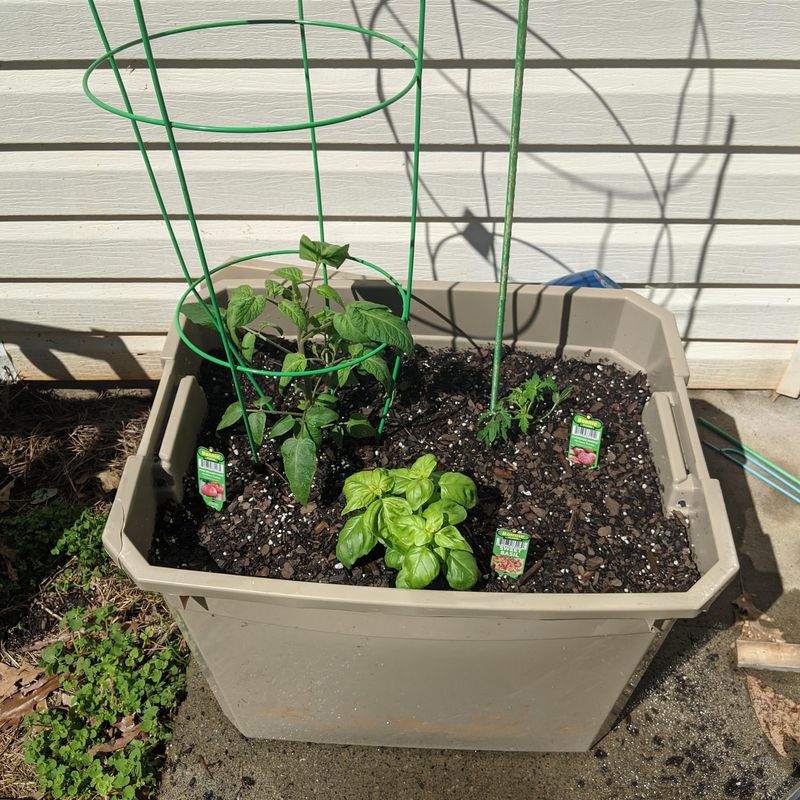
Growing these two side by side creates one of the most classic pairings you will ever encounter in California gardens.
Basil releases natural compounds that help tomatoes fend off certain pests, while tomatoes provide just enough shade to keep basil from scorching under intense sun.
Your container needs at least 18 inches of depth to accommodate tomato roots, and basil fills the space around the base beautifully.
California summers offer long, warm days that both plants adore, so you can expect steady production from late spring through fall. Tomatoes need consistent watering, and basil thrives with the same schedule, making maintenance simple.
Pinch off basil flowers as they appear to encourage bushier growth and more flavorful leaves.
Gardeners have paired tomatoes and basil together for generations because they grow well side by side and are easy to manage together, even if the flavor benefit is more tradition than science.
Choose determinate tomato varieties for containers since they stay compact and manageable.
Basil also attracts pollinators, boosting fruit set on your tomato plant.
This pairing works beautifully in large pots on patios, balconies, or sunny corners throughout California. Both plants prefer slightly acidic soil with good drainage, so mix in compost before planting.
Harvest basil leaves regularly to keep the plant productive and your tomatoes thriving.
2. Peppers And Green Onions
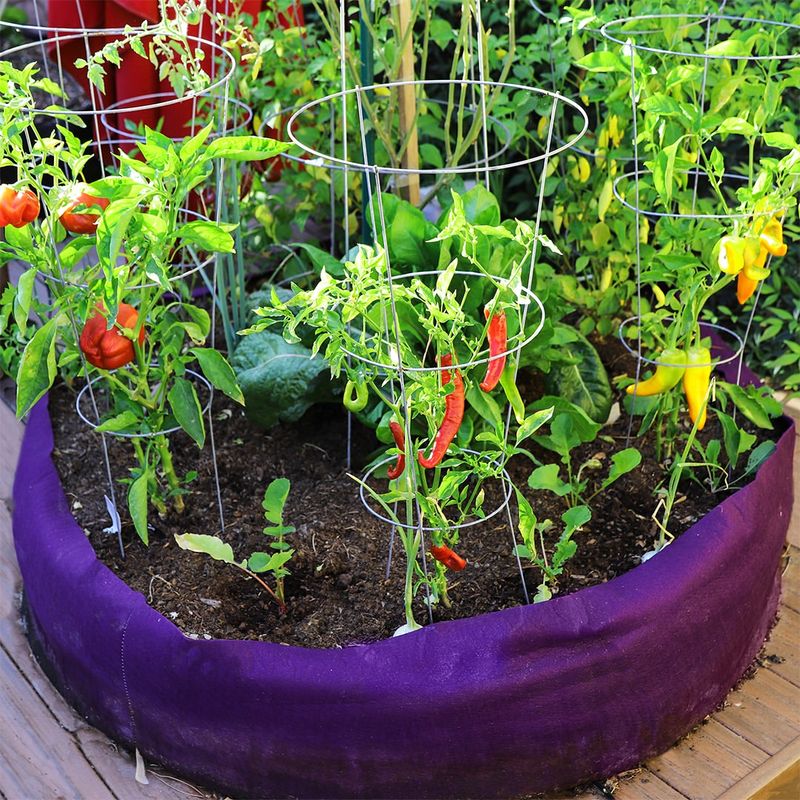
Peppers love warmth, and California provides plenty of it from spring through autumn. Green onions grow quickly in the same container, filling gaps around pepper plants without competing for nutrients.
Their shallow roots stay near the surface while pepper roots reach deeper, creating a layered system that uses every inch of soil efficiently.
Green onions can help discourage some pests and reduce insect pressure around peppers, giving your crop an extra layer of natural support. You can harvest green onions continuously by snipping the tops, and they will regrow within weeks.
Peppers take longer to mature, so green onions provide an early harvest while you wait for those colorful bells or spicy jalapeños.
California’s mild winters in southern regions even allow year-round green onion production, though peppers need warmer months. Choose containers at least 12 inches deep to support pepper root systems.
Both plants appreciate regular watering but tolerate brief dry spells once established.
Plant green onion sets or seeds around the base of your pepper transplant for best results. Peppers benefit from full sun, and green onions tolerate partial shade, so position your container where it gets six to eight hours of direct light.
This combo works especially well in smaller spaces across California’s urban gardens.
3. Lettuce And Radishes
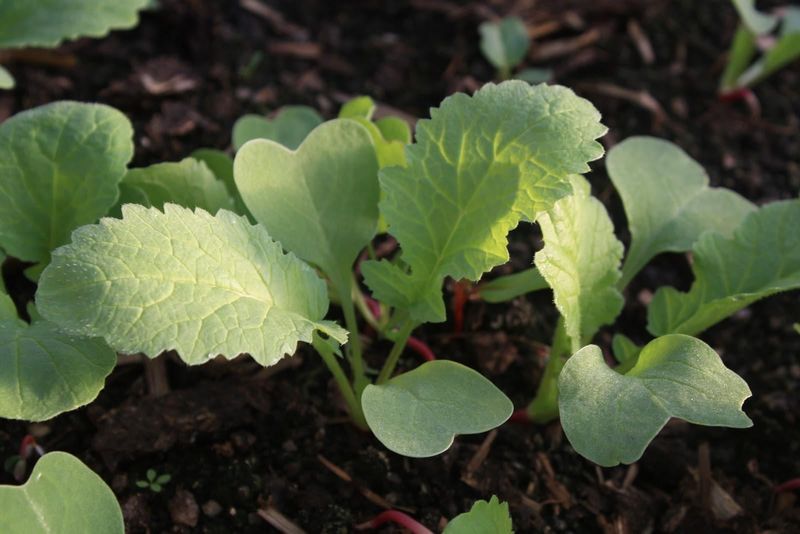
Radishes mature in just three to four weeks, making them one of the fastest vegetables you can grow in California containers. Lettuce takes a bit longer but thrives in the same cool-season conditions that radishes prefer.
Planting them together gives you a quick radish harvest before lettuce needs the extra space to fill out.
Radishes help break up compacted soil as their roots push downward, improving drainage and air circulation for lettuce roots. California gardeners can plant this pair in fall, winter, or early spring when temperatures stay moderate.
Both crops bolt quickly in heat, so timing matters more than with warm-season vegetables.
Lettuce provides light shade for radish roots, keeping soil cooler and preventing radishes from becoming too woody or spicy. You can sow radish seeds densely and thin them as they grow, using the thinned greens in salads.
Lettuce appreciates consistent moisture, and radishes share that need, so watering becomes a simple routine.
Choose loose-leaf lettuce varieties that allow continuous harvesting without pulling the whole plant. Radishes grow well even in shallow containers, but aim for at least eight inches of depth for best results.
This pairing works beautifully on shaded California patios where full sun might stress cool-season greens.
4. Carrots And Leaf Lettuce
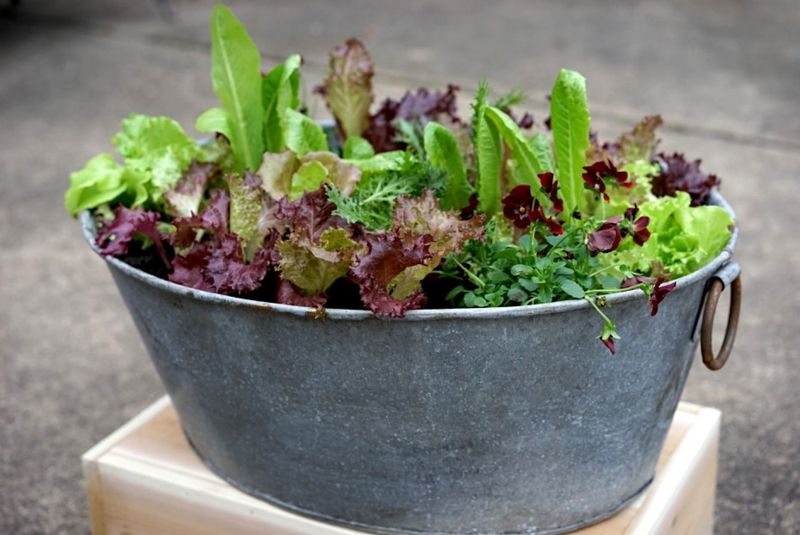
Carrots need deep soil to develop straight, long roots, so your container should measure at least 12 inches from top to bottom. Leaf lettuce grows quickly near the surface, using the upper soil layer while carrots push downward.
This vertical layering makes efficient use of limited container space in California gardens.
Leaf lettuce matures faster than carrots, giving you an early harvest that frees up room for carrot tops to expand. Carrots prefer cooler temperatures, and California’s coastal and northern regions offer ideal conditions in spring and fall.
Lettuce provides light ground cover that keeps soil moist and prevents it from drying out too quickly.
Both crops tolerate partial shade, so you can place your container where it gets morning sun and afternoon protection. Carrots grow best in loose, sandy soil that drains well, and lettuce thrives in the same mix.
Avoid heavy clay or compacted potting soil that could stunt carrot development.
You can succession plant leaf lettuce every two weeks for a continuous supply while carrots mature underground. Thin carrot seedlings early to give each root enough space to grow without crowding.
This pairing suits California gardeners looking for a low-maintenance, high-yield container setup that produces two different crops from one pot.
5. Cucumbers And Dill
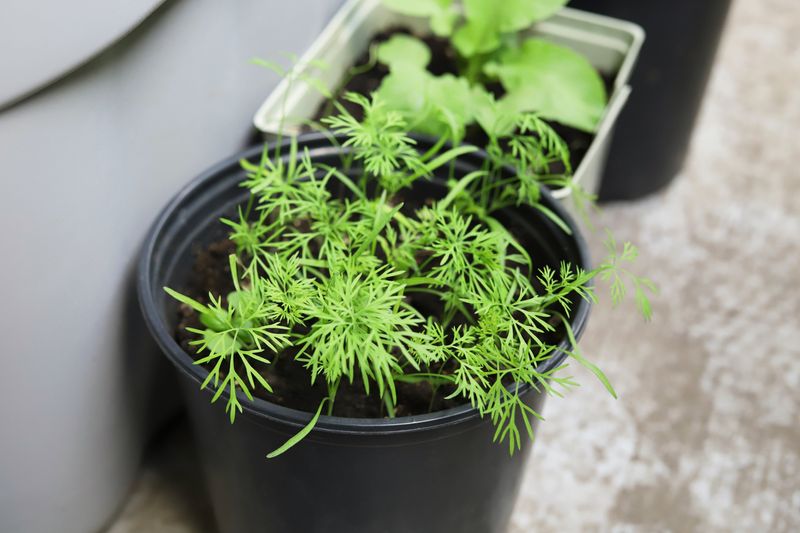
Cucumbers climb or sprawl depending on the variety, and dill grows upright with feathery foliage that adds texture to your California container garden.
Dill attracts beneficial insects like ladybugs and lacewings that prey on cucumber pests, creating a natural defense system.
Both plants love warm weather, making them perfect partners for California’s long growing season.
Cucumbers produce heavily when given consistent water and full sun, and dill thrives under the same conditions. You can train cucumbers up a trellis to save space, while dill fills the base of the container without interfering with cucumber vines.
Dill’s taproot grows deep, and cucumber roots spread wide, so they coexist without competing for nutrients.
California gardeners often plant this pair in late spring once soil temperatures warm above 60 degrees. Dill bolts quickly in extreme heat, so harvest leaves and flowers regularly to extend the plant’s productive period.
Cucumbers benefit from dill because it attracts beneficial insects that help control pests and supports a healthier growing environment.
Choose bush cucumber varieties for smaller containers, or go with vining types if you have vertical space to spare. Dill self-seeds easily, so you might find volunteer plants popping up in future seasons.
This combination works well in sunny California courtyards, rooftops, or any spot with strong light and good air circulation.
6. Bush Beans And Spinach
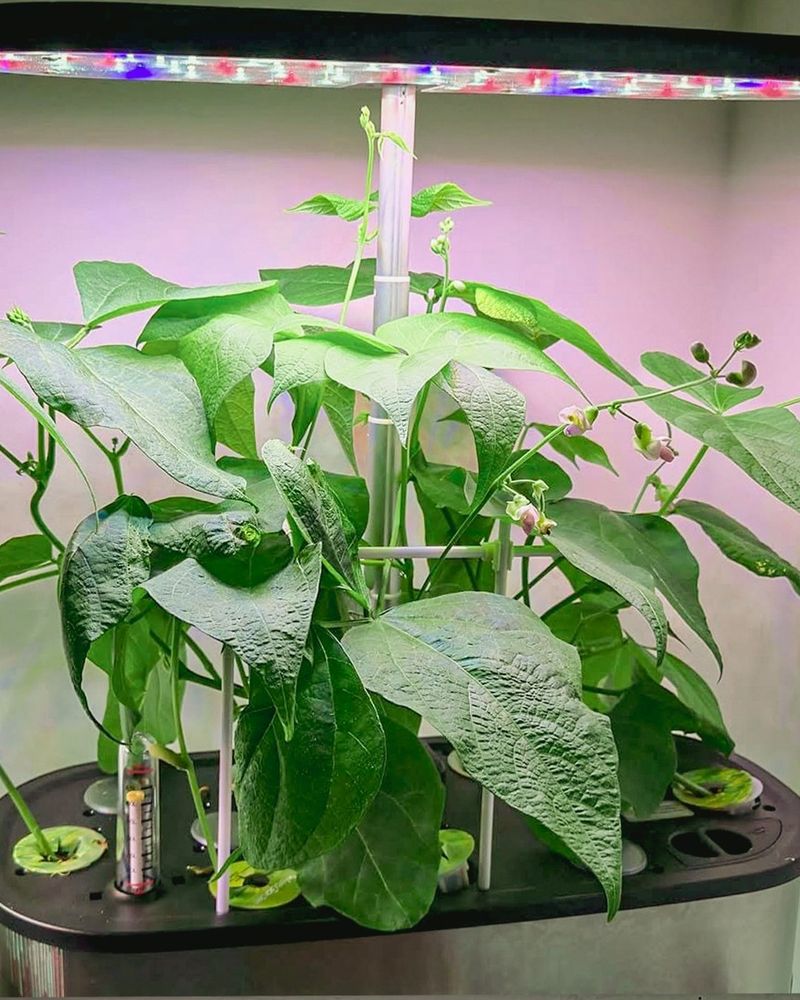
Bush beans stay compact and produce pods over several weeks, while spinach grows low to the ground and matures quickly in California’s cooler months. Beans fix nitrogen in the soil through their root nodules, enriching the growing medium for spinach and future plantings.
Spinach thrives in the shade that bean foliage provides during warmer days, preventing premature bolting.
California’s coastal areas offer mild temperatures that suit both crops, especially when planted in early spring or late summer. Spinach prefers cooler weather, and bush beans tolerate a range of conditions as long as frost stays away.
You can harvest spinach leaves continuously, and beans will keep producing if you pick pods regularly.
Both plants appreciate consistent moisture but dislike waterlogged soil, so ensure your container has drainage holes. Bush beans grow faster than pole varieties, making them ideal for impatient gardeners in California.
Spinach roots stay shallow, so beans can establish deeper without interference.
This pairing works especially well in medium-sized containers at least 12 inches deep. Beans add vertical interest with their upright stems, while spinach forms a lush green carpet below.
California gardeners can enjoy fresh salads and crisp beans from one convenient container, reducing the need for multiple pots and simplifying garden care.
7. Eggplant And Bush Beans
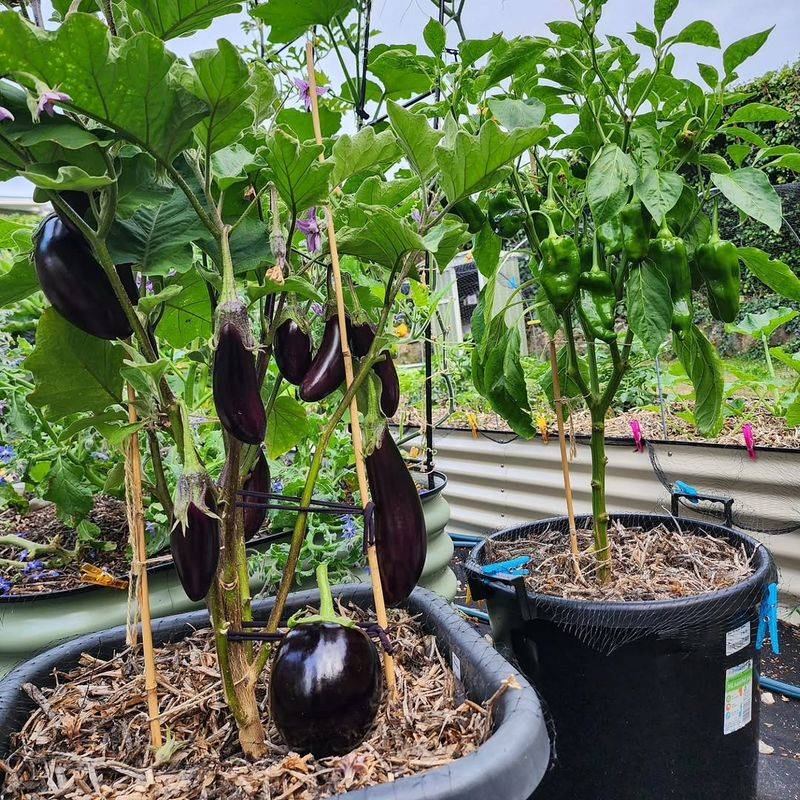
Eggplants thrive in California’s warm summers, developing glossy purple, white, or striped fruits that hang from sturdy stems. Bush beans planted around the base fix nitrogen in the soil, helping improve overall soil health in the container throughout the growing season.
Eggplants are heavy feeders, and beans naturally replenish nutrients that might otherwise run low in container soil.
California’s long, hot days suit eggplant perfectly, and bush beans tolerate the same heat without wilting. You can start harvesting beans within 50 to 60 days, while eggplants take longer to mature.
Beans provide ground cover that keeps soil cooler and reduces moisture loss during peak summer heat.
Choose containers at least 18 inches deep to accommodate eggplant roots, which grow extensively. Bush beans stay compact and produce heavily without sprawling, making them ideal companions for space-conscious California gardeners.
Both plants need full sun, so position your container where it receives at least six to eight hours of direct light daily.
Eggplants benefit from staking or caging as fruits develop, and beans grow low enough to avoid interfering with supports. Harvest beans regularly to encourage continued pod production, and pick eggplants when skin is shiny and firm.
This pairing delivers two distinct harvests from one container, maximizing productivity in California’s warm-season gardens.
8. Kale And Chives
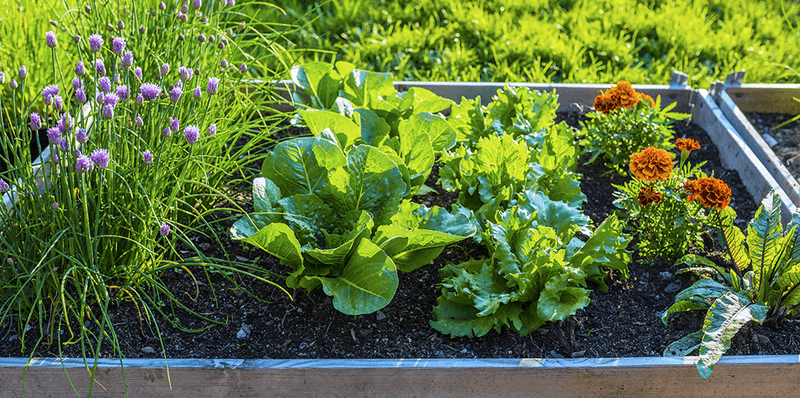
Kale grows tall and leafy, producing nutrient-dense greens that thrive in California’s cooler months. Chives form neat clumps of tubular leaves that add a mild onion flavor to salads and cooked dishes.
Chives repel aphids and other pests that target kale, offering natural protection without chemicals.
California’s mild winters allow kale to produce continuously, and chives remain evergreen in many regions. Both plants tolerate partial shade, making them suitable for patios or balconies with limited sun exposure.
Kale benefits from regular harvesting, and chives can be snipped repeatedly without harming the plant.
Chives bloom with purple flowers that attract pollinators and add visual appeal to your California container garden. Kale leaves taste sweeter after a light frost, so fall and winter planting yields the best flavor.
Both crops prefer consistent moisture and well-draining soil enriched with compost.
Choose containers at least 12 inches deep to support kale’s root system, and plant chives around the perimeter. Kale can grow quite large, so give it plenty of space to spread.
This pairing works well in California’s northern and coastal regions where temperatures stay moderate year-round. You will enjoy fresh greens and herbs from a single pot, simplifying your garden routine and maximizing your harvest.
9. Zucchini And Nasturtiums
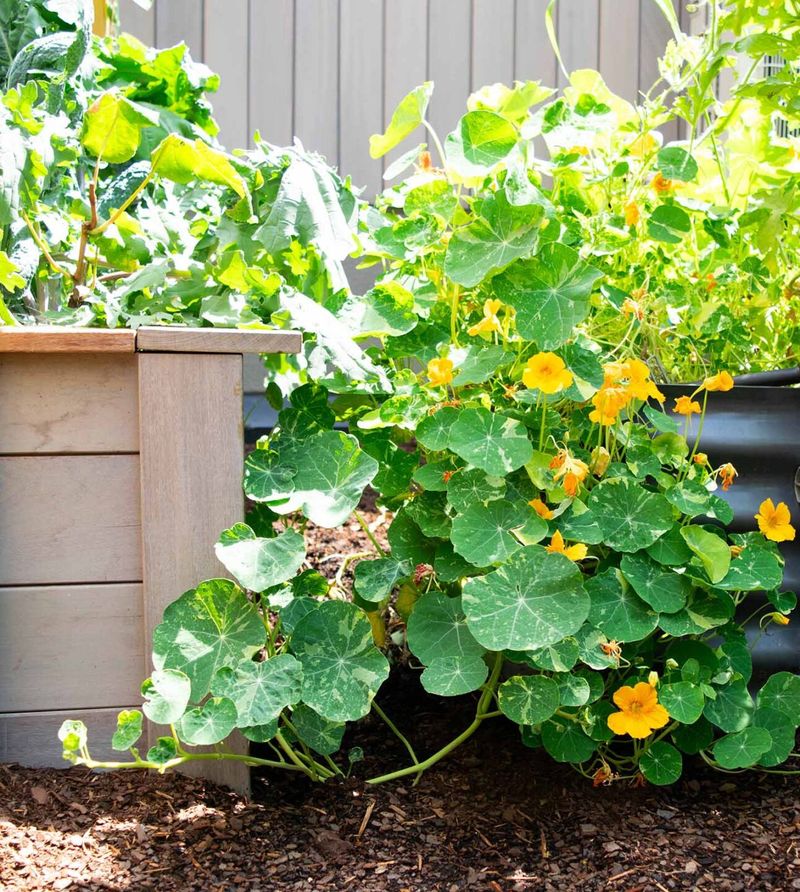
Zucchini plants produce large leaves and sprawling vines that can dominate a California container if left unchecked. Nasturtiums grow as trailing or bushy plants with bright orange, yellow, or red flowers that add color and function to your garden.
Nasturtiums act as a trap crop, luring aphids and squash bugs away from zucchini leaves and fruits.
California’s warm growing season supports vigorous zucchini production, and nasturtiums bloom continuously from spring through fall. Both plants tolerate heat and need consistent watering to prevent stress.
Nasturtium leaves and flowers are edible, adding a peppery kick to salads while zucchini supplies tender fruits for cooking.
Zucchini needs a large container, at least 18 inches deep and wide, to accommodate its extensive root system. Nasturtiums grow well in poorer soil, so they thrive even when zucchini consumes most available nutrients.
Plant nasturtiums around the container’s edge, allowing them to cascade over the sides for a decorative effect.
California gardeners appreciate how nasturtiums attract beneficial insects like hoverflies that prey on pests. Harvest zucchini when fruits reach six to eight inches long for best flavor and texture.
This pairing combines productivity with beauty, creating a container garden that looks as good as it tastes throughout California’s growing season.
10. Beets And Leaf Lettuce
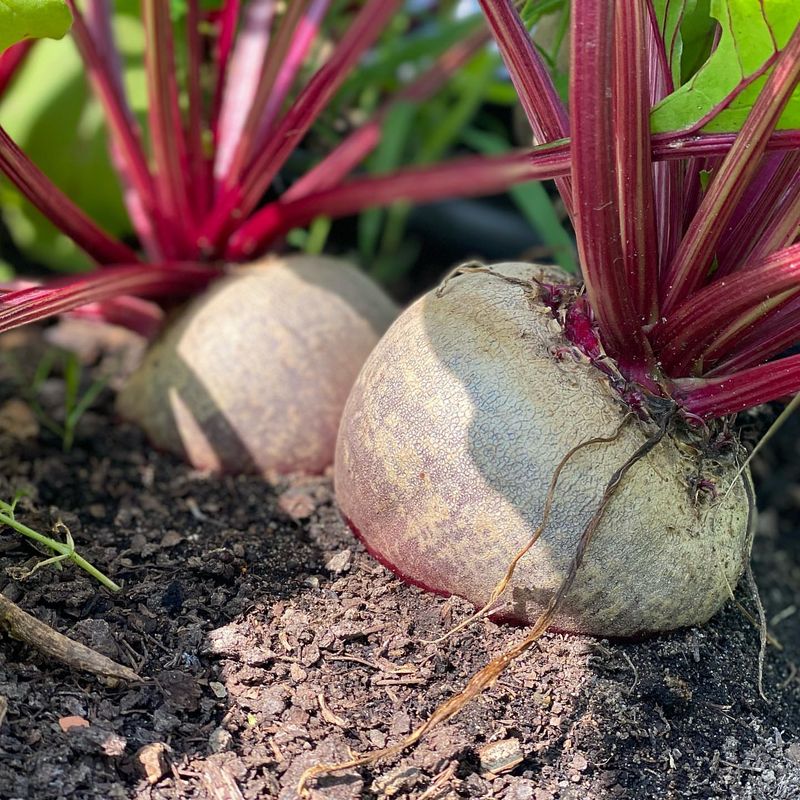
Beets develop colorful roots underground while their leafy tops rise above the soil, providing two harvests from one plant. Leaf lettuce grows quickly in the space between beet plants, maturing before beets need the extra room.
California’s cooler seasons suit both crops, especially in fall, winter, and early spring when temperatures stay moderate.
Beets tolerate light frost, and lettuce thrives in the same conditions, making this pairing ideal for California’s coastal and northern regions. You can harvest lettuce leaves continuously while beets mature below, maximizing your container’s output.
Beet greens are also edible and taste similar to chard, giving you even more options.
Both plants prefer consistent moisture and well-draining soil enriched with organic matter. Beets need at least 10 inches of depth to develop properly, and lettuce grows well in the same container size.
Plant lettuce seeds or transplants around young beet plants, allowing both to establish without crowding.
California gardeners can succession plant lettuce every few weeks for a continuous supply while beets take their time. Harvest beets when roots reach two to three inches in diameter for tender, sweet flavor.
This combination delivers greens and roots from one pot, simplifying your California container garden and providing diverse, nutritious produce throughout the cooler months.