Growing Cucumbers Indoors – How New York Gardeners Make It Work
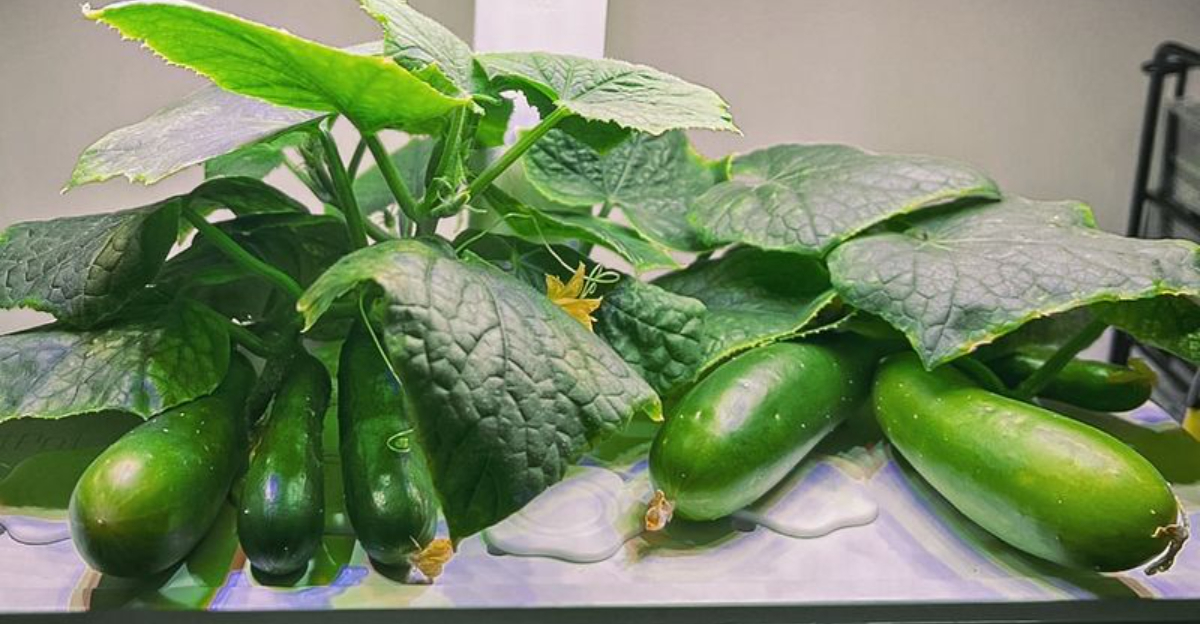
Growing cucumbers indoors might sound ambitious, but New York gardeners have found ways to make it surprisingly practical inside apartments and city homes.
Limited outdoor space often sparks creative solutions, turning sunny windows and small rooms into productive growing spots.
With the right setup, cucumbers adapt well indoors and stay manageable instead of overwhelming the space.
This approach keeps fresh growth going even when outdoor conditions aren’t cooperating.
1. Pick Compact Varieties Perfect for Small Spaces
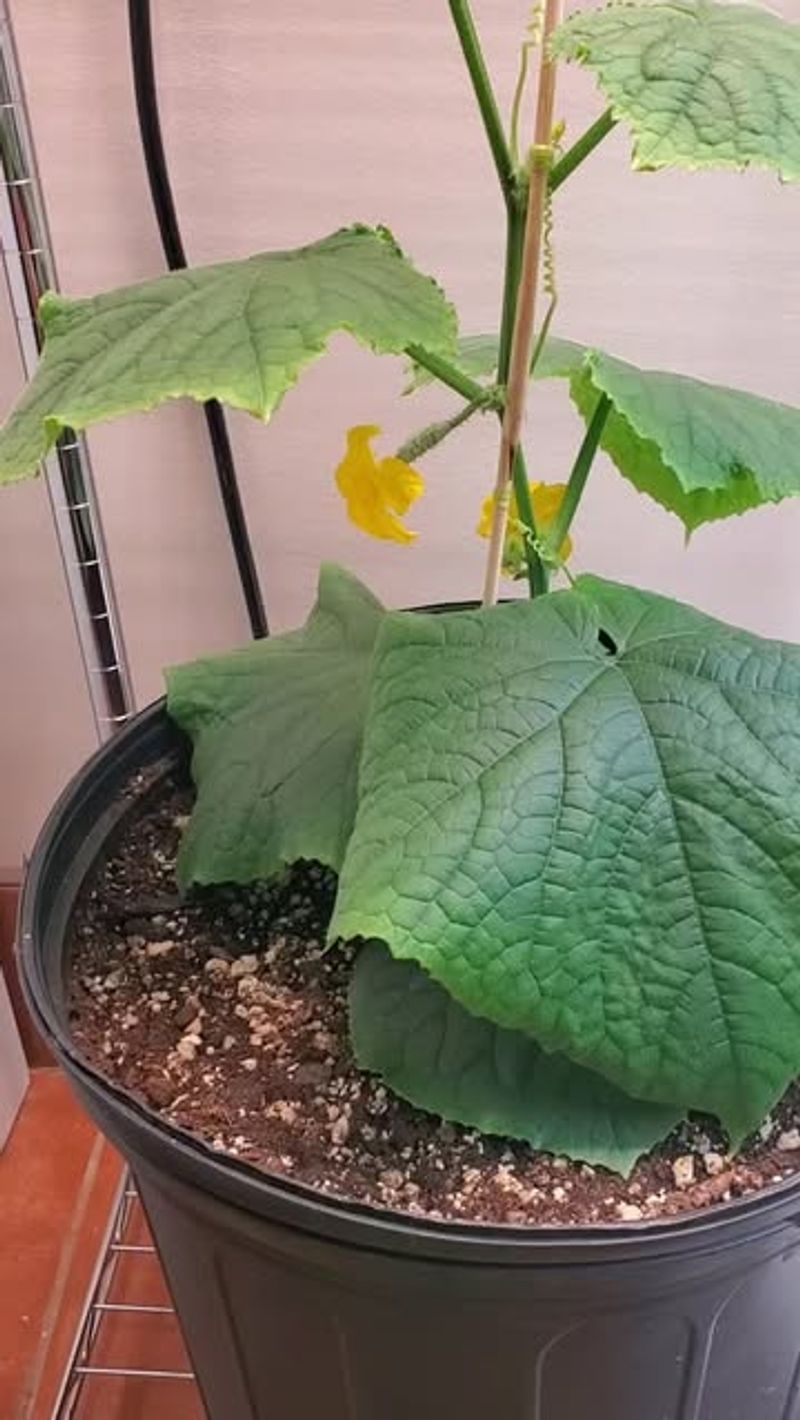
Choosing the right cucumber type makes all the difference when you want to grow them indoors in tight New York apartments.
Bush varieties stay small and manageable, unlike their sprawling cousins that need huge outdoor gardens with tons of room.
Spacemaster and Bush Champion are two popular options that many city gardeners swear by for their compact growth habits.
These plants produce full-sized cucumbers without taking over your entire living space, which is pretty amazing when you think about it.
Most bush types reach only two or three feet tall, making them ideal for windowsills, countertops, or small tables near bright windows.
Many New York growers report excellent harvests from just one or two plants in their cozy studio apartments throughout the year.
Compact varieties also need smaller containers, so you save money on pots and soil while still getting delicious homegrown vegetables regularly.
Their shorter vines mean less pruning work and easier maintenance overall, which busy urban dwellers really appreciate when time is limited.
Starting with the right variety sets you up for success before you even plant your first seed in soil.
2. Provide Bright Light for Healthy Growth
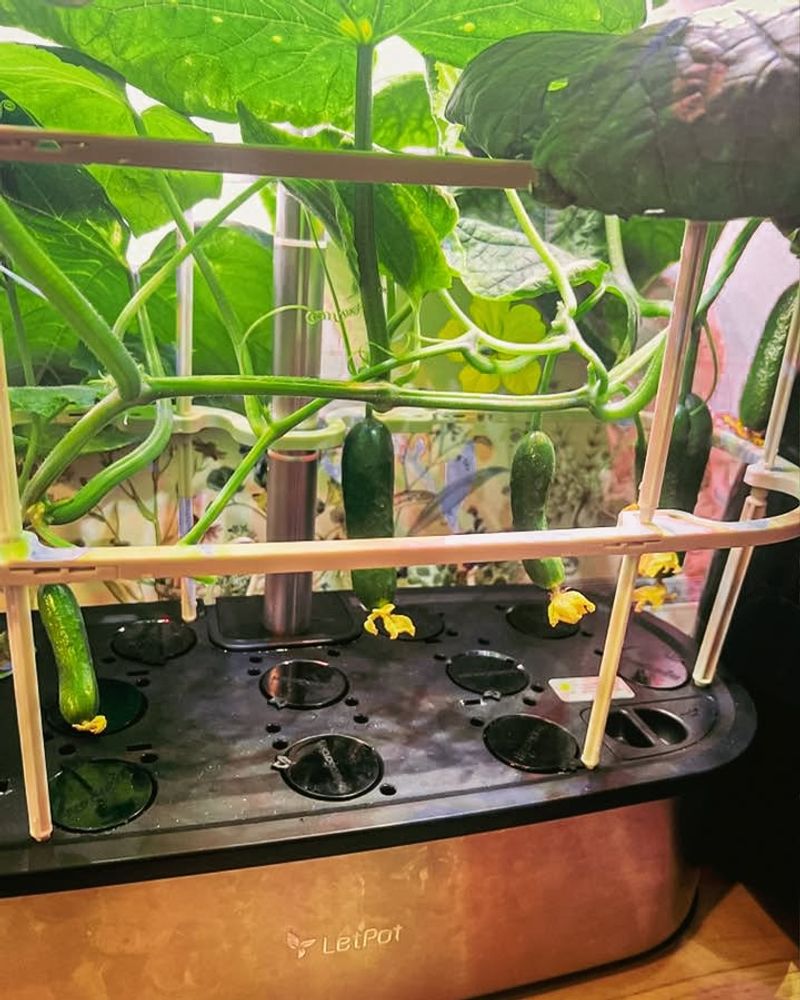
Cucumbers are sun-loving plants that demand plenty of bright light to produce flowers and fruit successfully throughout their growing season.
Natural sunlight from south-facing windows works great if you have them, but many New York apartments lack adequate natural light exposure.
That is where artificial grow lights become essential tools for indoor gardeners who want consistent cucumber harvests year-round without problems.
LED grow lights are energy-efficient and provide the full spectrum of light that cucumber plants need to thrive and flourish.
Position lights about six to twelve inches above your plants and keep them on for twelve to sixteen hours daily.
Adjusting the height as plants grow taller prevents burning leaves while ensuring they receive optimal light intensity for photosynthesis.
Many successful New York indoor gardeners use timers to automate their lighting schedule, making care routines simpler and more consistent overall.
Without enough light, cucumber plants become leggy and weak, producing few flowers and even fewer fruits that you can harvest.
Investing in quality lighting equipment pays off quickly when you taste your first crisp, homegrown cucumber from your indoor garden.
3. Use Large Containers with Good Drainage
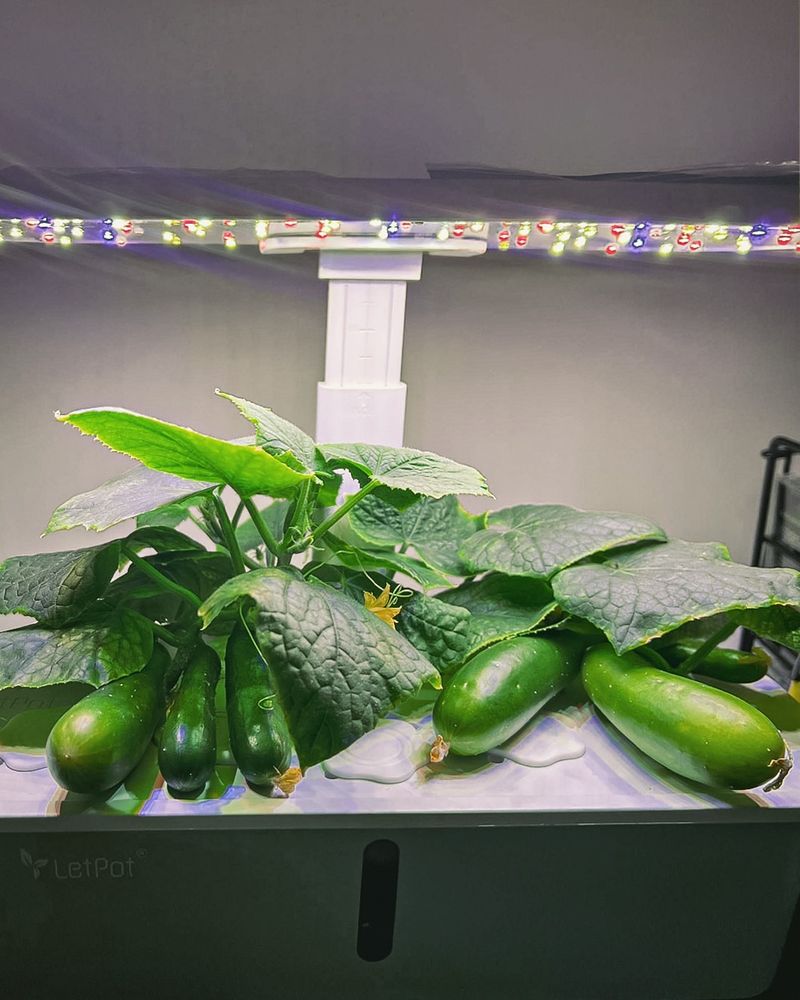
Container size matters tremendously when growing cucumbers indoors because these plants develop extensive root systems that need adequate space to spread.
A five-gallon pot is the minimum size you should consider, though larger containers often produce healthier plants with better yields.
New York gardeners with limited floor space sometimes use tall, narrow pots that maximize vertical growing area while minimizing footprint size.
Drainage holes at the bottom of your container are absolutely essential to prevent waterlogged soil that can cause root problems.
Place a saucer underneath to catch excess water, but never let your plant sit in standing water for extended periods.
Using quality potting mix rather than garden soil ensures proper drainage and provides the nutrients cucumber plants need to flourish.
Some creative New York growers repurpose food-grade buckets or storage bins as planters, drilling drainage holes in the bottom themselves.
Self-watering containers are another excellent option that helps maintain consistent moisture levels, which cucumbers appreciate for steady growth and fruit production.
Choosing the right container from the start saves you from transplanting headaches later when roots outgrow their space quickly.
4. Maintain Warm Temperatures Year-Round

Cucumbers are warm-season vegetables that prefer temperatures between seventy and eighty degrees Fahrenheit for optimal growth and fruit development.
Cold drafts from windows or air conditioning vents can stress plants and slow their growth significantly during harsh New York winters.
Keeping your indoor space consistently warm helps cucumbers thrive and produce fruit steadily throughout the entire growing season without setbacks.
Most heated apartments in New York maintain temperatures that work well for cucumber plants, making indoor growing surprisingly manageable for residents.
Avoid placing containers near exterior walls or drafty windows where temperature fluctuations occur frequently, especially during winter months when outside conditions drop.
A thermometer near your plants helps you monitor conditions and make adjustments as needed to maintain ideal growing temperatures.
Some growers use small space heaters or heating mats to keep their cucumber plants cozy during particularly cold periods outside.
Consistent warmth encourages faster germination, stronger growth, and more abundant flowering, which directly translates to bigger harvests for your efforts.
Temperature stress can cause flowers to drop before forming fruit, so maintaining stable conditions is crucial for indoor success.
5. Water Consistently Without Overdoing It
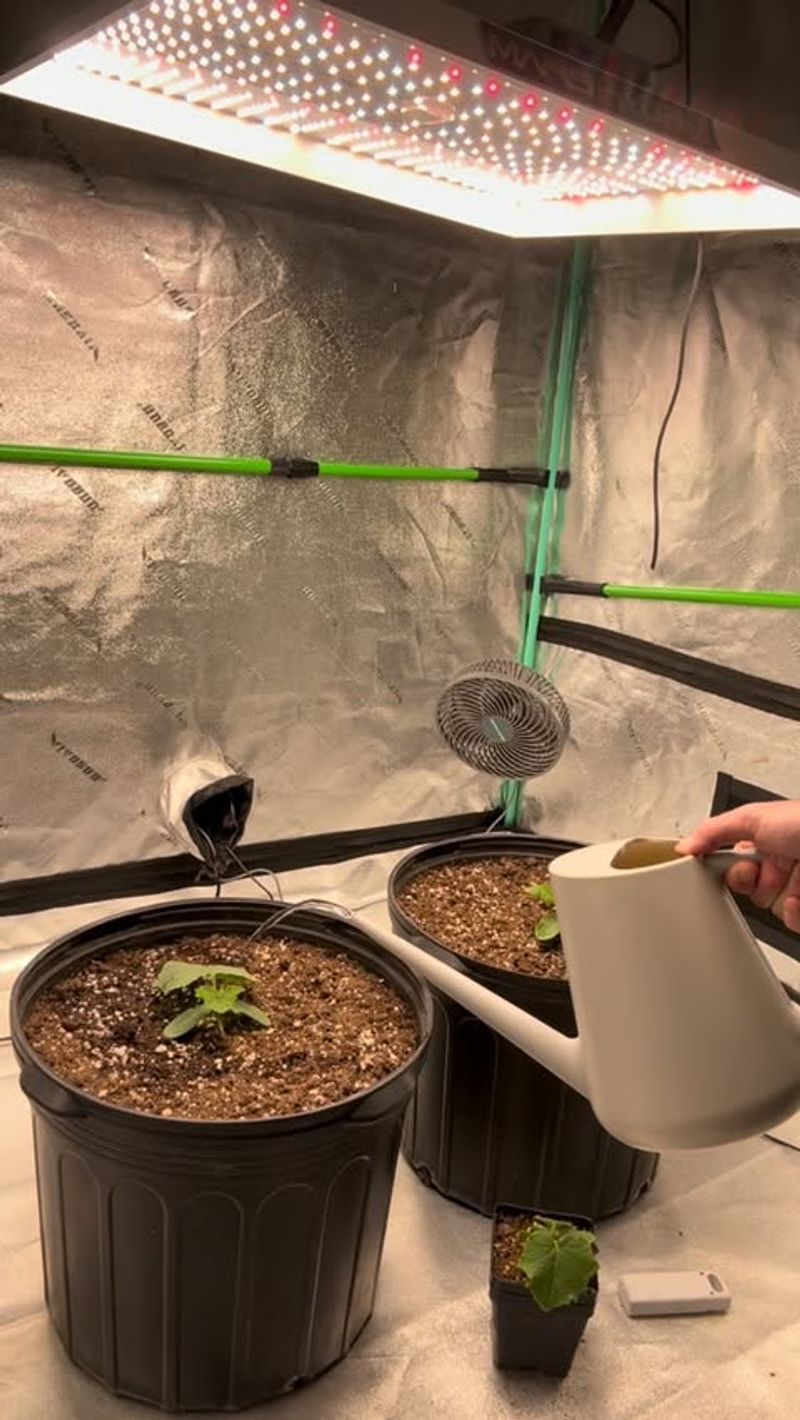
Proper watering technique is one of the trickiest aspects of indoor cucumber growing, but mastering it leads to healthy plants.
Cucumbers need consistently moist soil, but they absolutely hate sitting in soggy conditions that suffocate their roots and cause problems.
Check soil moisture by sticking your finger about an inch deep into the potting mix before watering your plants again.
If the soil feels dry at that depth, it is time to water thoroughly until liquid drains from the bottom.
Many New York gardeners water their indoor cucumbers every two to three days, though frequency depends on temperature, humidity, and container size.
Smaller pots dry out faster than larger ones, so adjust your schedule based on your specific setup and growing conditions.
Using room-temperature water rather than cold tap water prevents shocking plant roots and keeps them happy and healthy throughout the season.
Some growers let water sit overnight to allow chlorine to evaporate, which can benefit plant health over the long term.
Consistent watering prevents bitter-tasting cucumbers and reduces stress that can make plants more susceptible to pests and diseases indoors.
6. Hand-Pollinate Flowers for Fruit Production
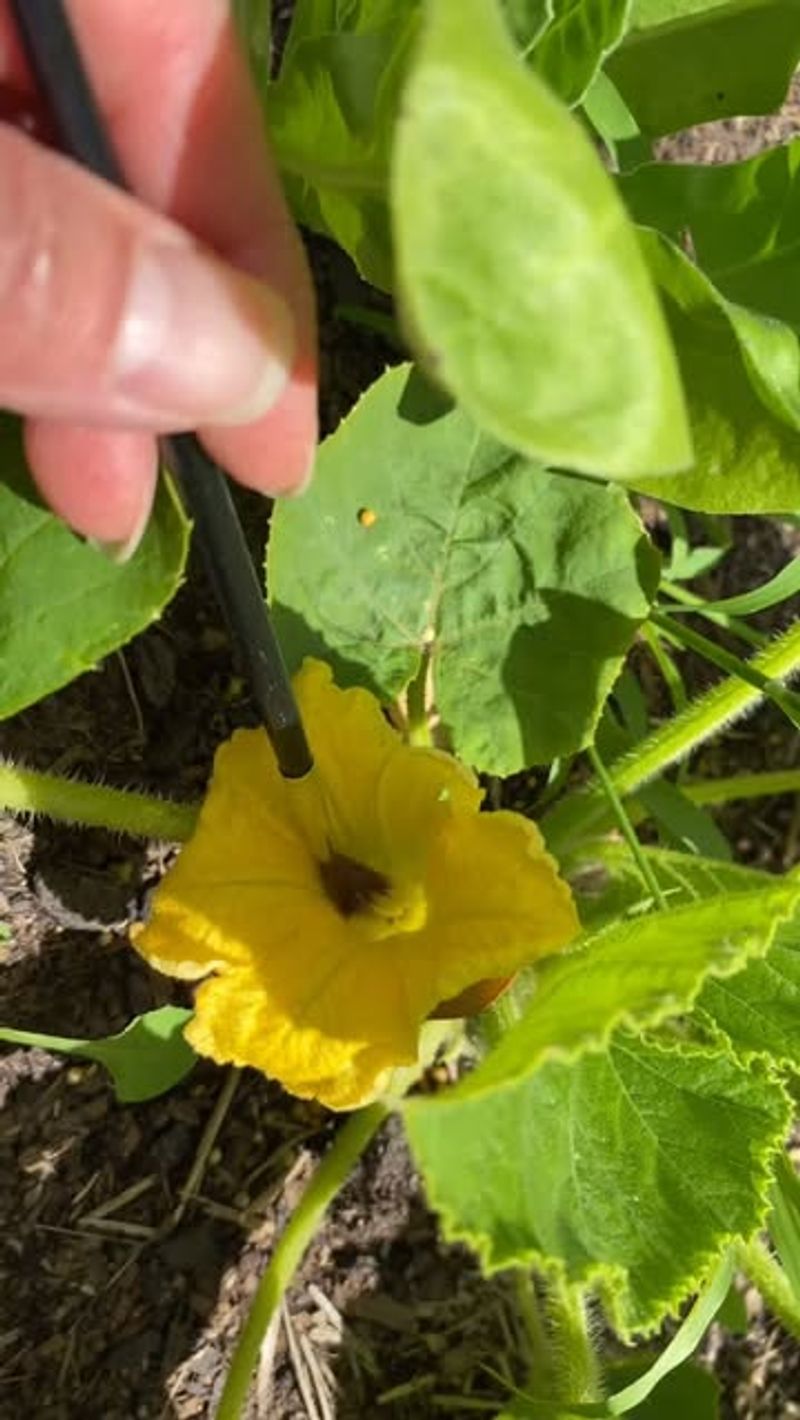
Indoor cucumber plants lack natural pollinators like bees and butterflies, so you need to play matchmaker for successful fruit development.
Cucumbers produce separate male and female flowers on the same plant, and pollen must transfer between them for fruits to form.
Male flowers appear first and have thin stems, while female flowers have a tiny cucumber-shaped swelling at their base.
Using a small paintbrush or cotton swab, gently collect pollen from male flowers and transfer it to the center of female blooms.
Many experienced New York indoor gardeners perform this task every morning when flowers are freshly open and pollen is most viable.
This simple process takes only a few minutes but dramatically increases your cucumber yield compared to leaving pollination to chance indoors.
Some people gently shake their plants to help pollen distribution, though direct hand-pollination proves more reliable for consistent fruit set.
Without proper pollination, female flowers wither and drop off without forming cucumbers, leaving you disappointed after all your growing efforts.
Mastering this technique transforms your indoor garden from decorative to genuinely productive, providing fresh vegetables for your kitchen table regularly.
7. Support Vines with Trellises or Stakes
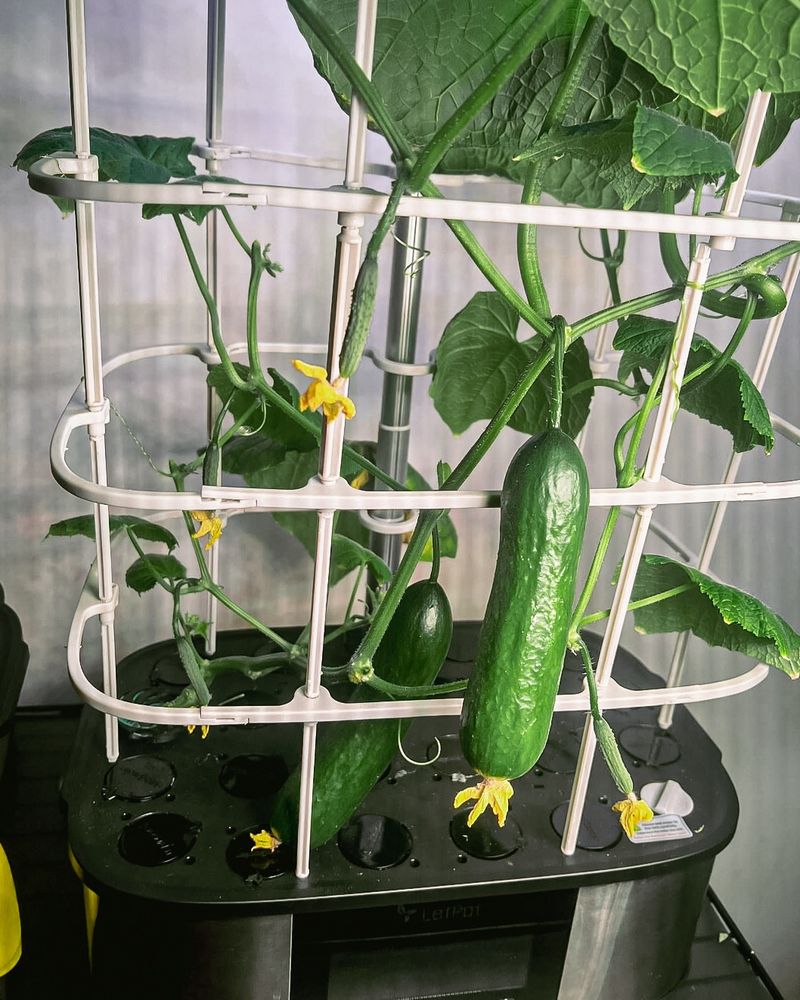
Even compact cucumber varieties benefit from vertical support that keeps vines organized and fruits off the soil surface where they grow.
Small trellises, stakes, or even decorative tomato cages work wonderfully for indoor cucumber plants in cramped New York living spaces.
Vertical growing also maximizes your limited floor space by encouraging plants to grow upward rather than sprawling across surfaces messily.
Gently tie main stems to supports using soft plant ties or strips of fabric that will not damage tender vines.
Training plants upward improves air circulation around leaves and fruits, reducing the risk of mold or fungal issues in humid conditions.
Many indoor gardeners find that supported plants produce straighter, more attractive cucumbers that are easier to spot and harvest promptly.
You can purchase inexpensive trellises at garden centers or create your own using bamboo stakes and twine for a budget-friendly option.
Some creative New York apartment dwellers attach small hooks to walls and string vertical supports for their cucumber vines to climb.
Supporting your plants makes daily care easier and gives your indoor garden a tidy, intentional appearance that looks great.
8. Feed Plants Regularly with Balanced Fertilizer
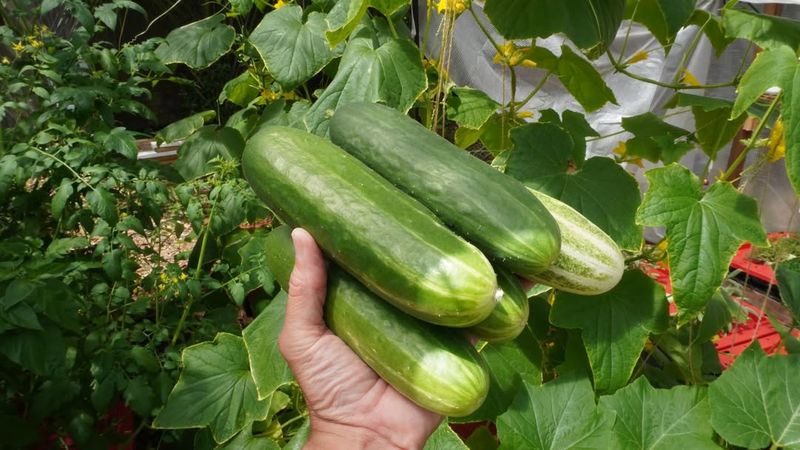
Container-grown cucumbers need regular feeding because frequent watering washes nutrients out of potting mix faster than in outdoor gardens.
A balanced liquid fertilizer applied every two weeks keeps plants healthy and productive throughout their growing season in your home.
Look for products with equal amounts of nitrogen, phosphorus, and potassium, which support foliage growth, root development, and fruit production equally.
Organic options like fish emulsion or seaweed extract work wonderfully for indoor gardeners who prefer natural growing methods without harsh chemicals.
Follow package directions carefully because over-fertilizing can burn roots and damage plants just as easily as nutrient deficiencies can.
Many experienced New York indoor gardeners dilute fertilizer to half-strength and apply it more frequently for gentler, more consistent feeding.
Once cucumbers start flowering and forming fruit, some growers switch to fertilizers slightly higher in phosphorus to support fruit development.
Yellowing leaves often indicate nutrient deficiency, so regular feeding prevents this problem and keeps foliage deep green and vigorous-looking.
Proper nutrition makes the difference between a struggling plant that produces a few sad cucumbers and a thriving one that rewards you with abundant harvests for months on end in your cozy apartment.