Growing Dill In Georgia Works Better With These 10 Companion Plants
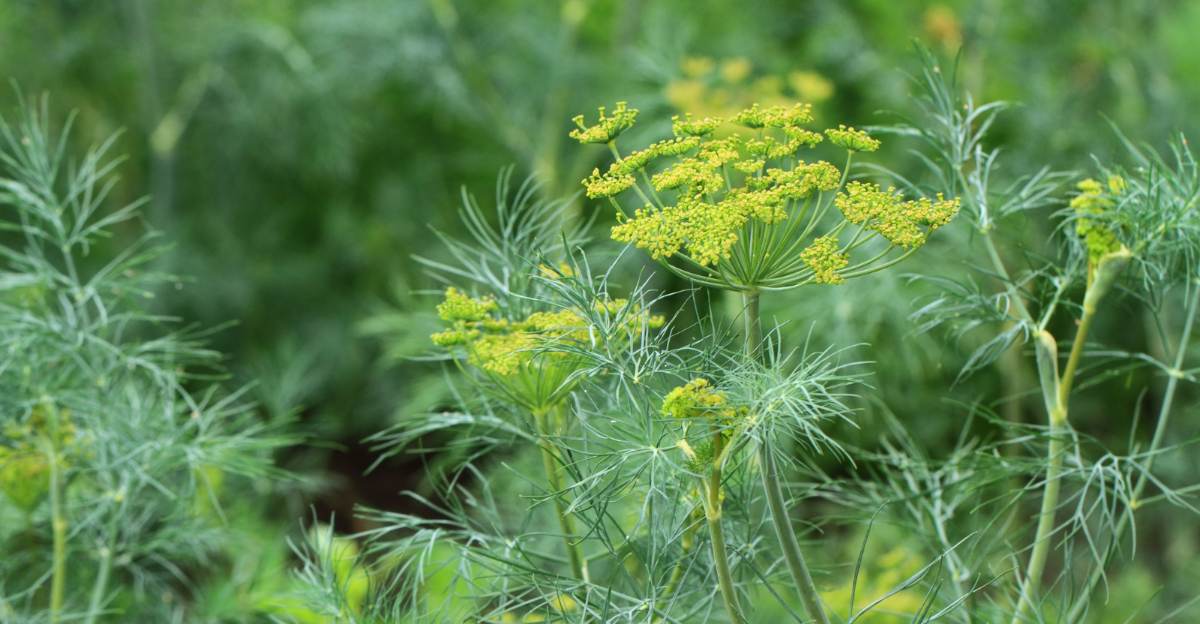
Growing dill in Georgia can feel unpredictable at first, especially when heat, humidity, and fast growth all collide at once.
This herb reacts quickly to its surroundings, which means nearby plants can either support steady growth or quietly work against it.
Georgia’s long growing season gives dill plenty of time to thrive, but it also magnifies small growing mistakes.
That’s where companion planting starts to matter more than many gardeners expect. The right neighbors can stabilize soil moisture, improve airflow, and reduce stress during hot spells.
Some plants naturally encourage stronger stems and fuller leaf production in dill.
Others help limit pests and competition without requiring extra effort or treatments.
When dill is surrounded by compatible companions, it grows more evenly and bolts less aggressively.
Choosing the right plant pairings turns dill from a finicky herb into a far more reliable part of Georgia gardens.
1. Cabbage
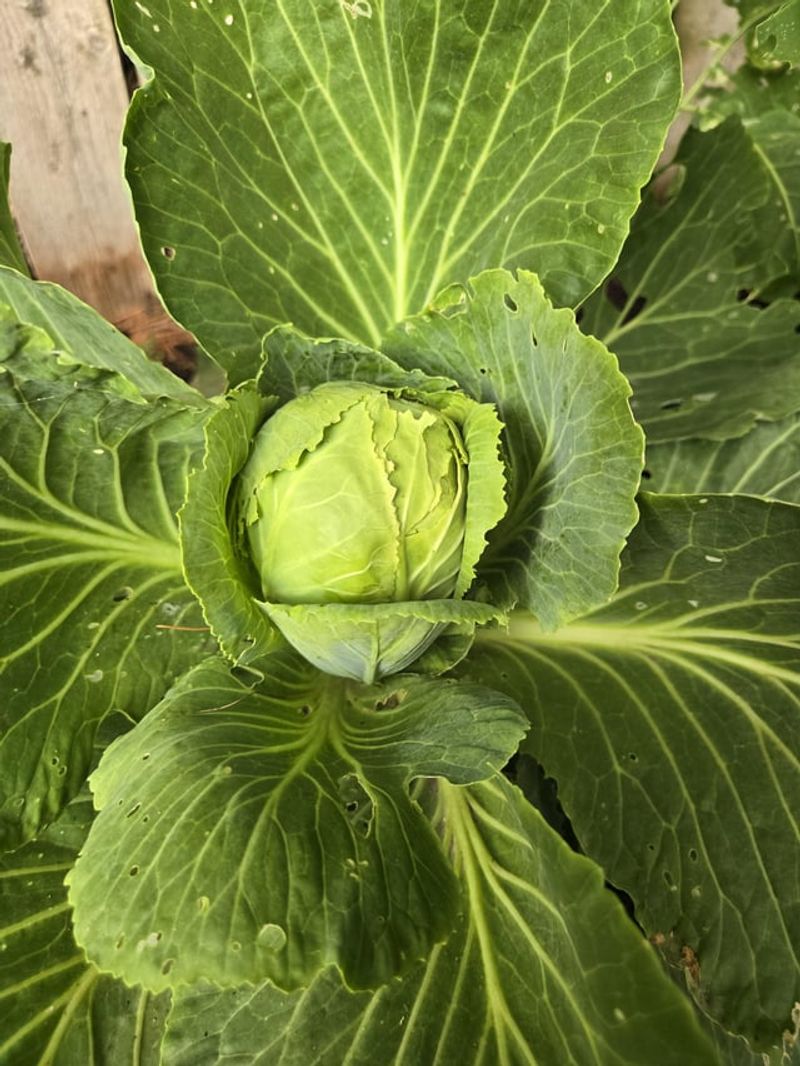
Most gardeners in Georgia know that cabbage needs protection from hungry pests. Planting dill nearby creates a natural shield against cabbage worms and other insects that love munching on those tender leaves.
The strong scent from dill confuses pests and keeps them searching elsewhere for their next meal.
Cabbage grows best in cooler weather, making spring and fall perfect planting times across Georgia. Dill enjoys similar conditions and won’t compete for the same nutrients in your soil.
Both plants appreciate consistent watering and rich, well-draining earth that stays moist but never soggy.
Your cabbage heads will develop better flavor when dill grows close by. Something about the combination improves the taste and keeps your harvest crisp and delicious.
Georgia summers can stress cabbage plants, but dill provides light shade during the hottest parts of the day.
Space your cabbage about eighteen inches apart and tuck dill plants between them. This arrangement gives both plants room to spread without crowding.
Watch your cabbage grow stronger and healthier with its aromatic companion standing guard nearby.
Harvest your dill leaves regularly to encourage bushier growth. Fresh dill makes wonderful additions to coleslaw made from your homegrown cabbage.
Nothing beats the satisfaction of creating complete meals from your own backyard garden throughout the Georgia growing season.
2. Lettuce
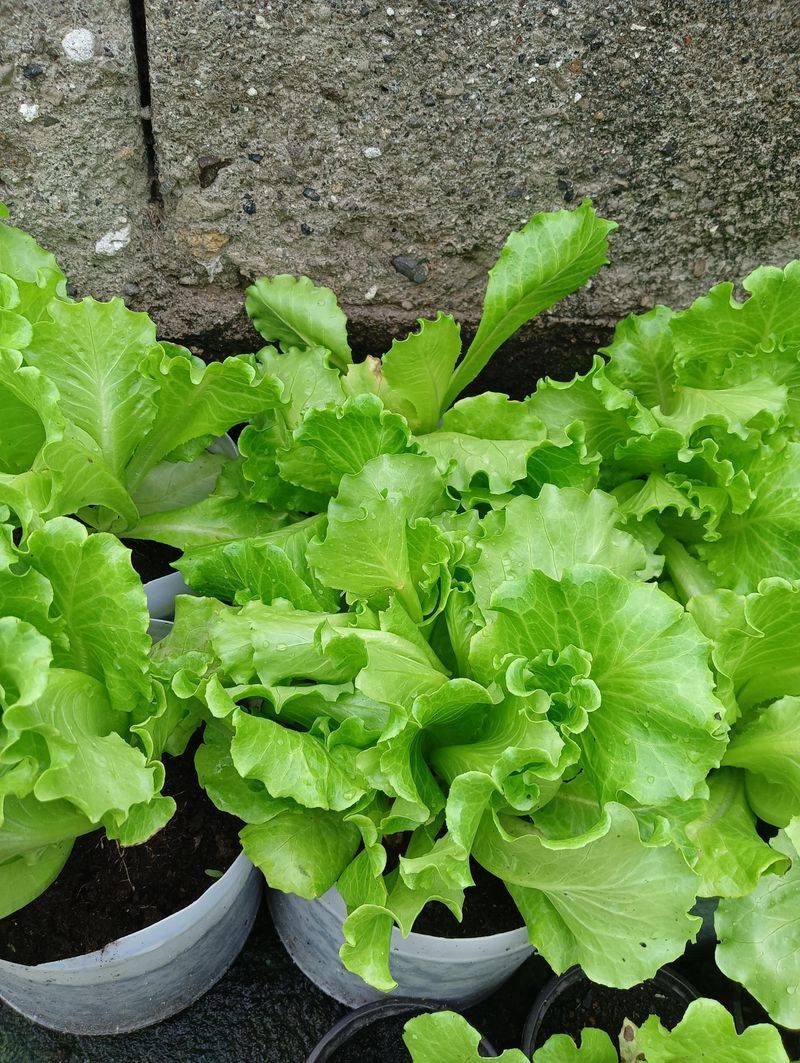
Crisp lettuce leaves taste amazing fresh from your garden, and Georgia weather makes growing them tricky once temperatures climb. Dill provides necessary afternoon shade that prevents lettuce from turning bitter during warm spells.
The tall, feathery dill fronds filter harsh sunlight without blocking it completely, creating perfect growing conditions for tender lettuce varieties.
Lettuce has shallow roots that stay near the soil surface, while dill roots reach deeper underground. This difference means neither plant fights for the same water and nutrients.
Your lettuce stays hydrated and happy even when dill grows just inches away from its base.
Georgia gardeners appreciate how quickly lettuce matures, often ready for harvest within thirty to forty days. Dill takes longer to reach full size, so you can enjoy several lettuce crops before your dill needs the extra space.
Succession planting works beautifully with this pairing throughout spring and fall seasons.
Aphids sometimes target lettuce, but dill attracts beneficial insects that eat these tiny pests. Ladybugs and lacewings love visiting dill flowers and will patrol your lettuce leaves while they’re in the neighborhood.
This natural pest control keeps your greens healthy without chemical sprays.
Mix different lettuce colors and textures in your Georgia garden for visual interest. Plant them around the base of your dill for a beautiful and productive arrangement that makes harvesting easy and enjoyable.
3. Onions
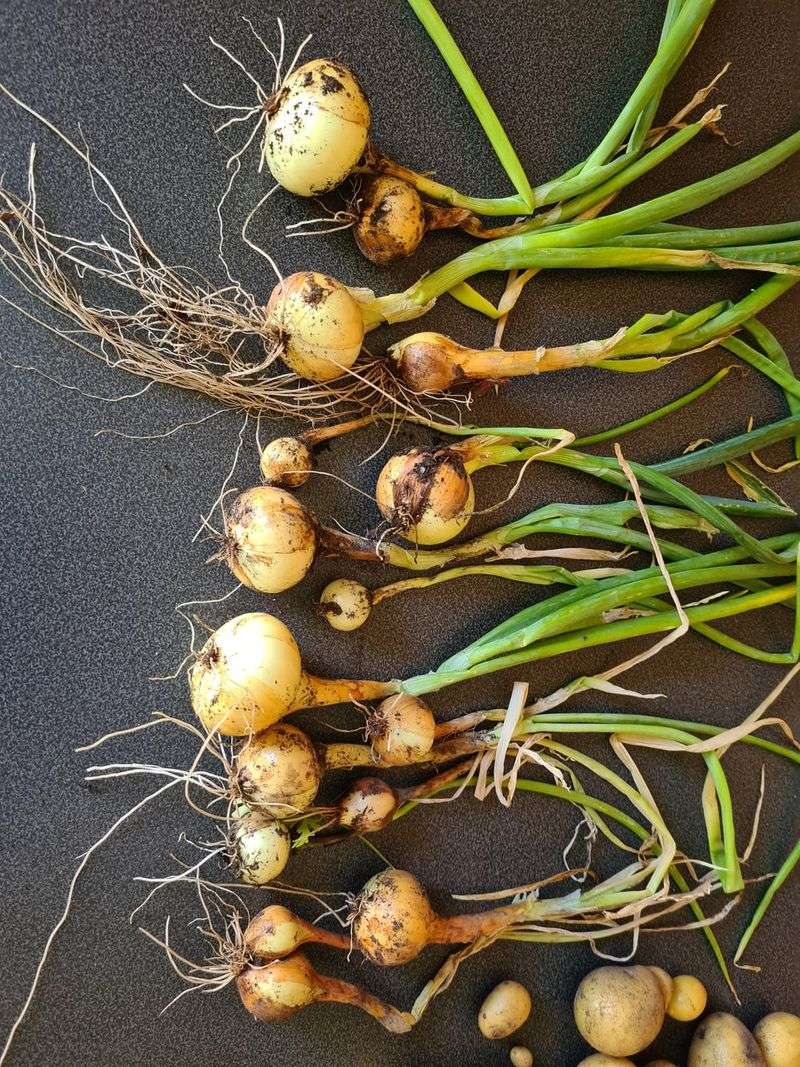
Strong-smelling plants like onions work wonders when paired with aromatic dill in Georgia gardens. Both release scents that confuse and repel common garden pests, creating a protective barrier around your entire planting area.
Onions grow low to the ground while dill shoots upward, making efficient use of vertical garden space.
Georgia soil varies widely depending on your location, but both onions and dill tolerate different soil types reasonably well. They prefer similar pH levels and drainage conditions, simplifying your garden maintenance routine.
Adding compost before planting helps both crops establish strong root systems quickly.
Onions take several months to mature, and dill planted alongside them marks the rows beautifully. You won’t accidentally disturb your onion bulbs when you can clearly see where everything grows.
The dill also helps loosen soil as it develops, benefiting the expanding onion bulbs below ground.
Thrips sometimes bother onion plants, causing silvery streaks on the leaves. Dill attracts predatory insects that hunt thrips and other harmful bugs.
This partnership keeps your onions healthy and growing strong throughout the Georgia growing season.
Harvest dill leaves for cooking while your onions continue developing underground. Both plants offer culinary rewards at different times, extending your garden’s productivity.
Georgia gardeners love crops that work together this efficiently, saving space and effort while boosting overall yields naturally.
4. Cucumbers
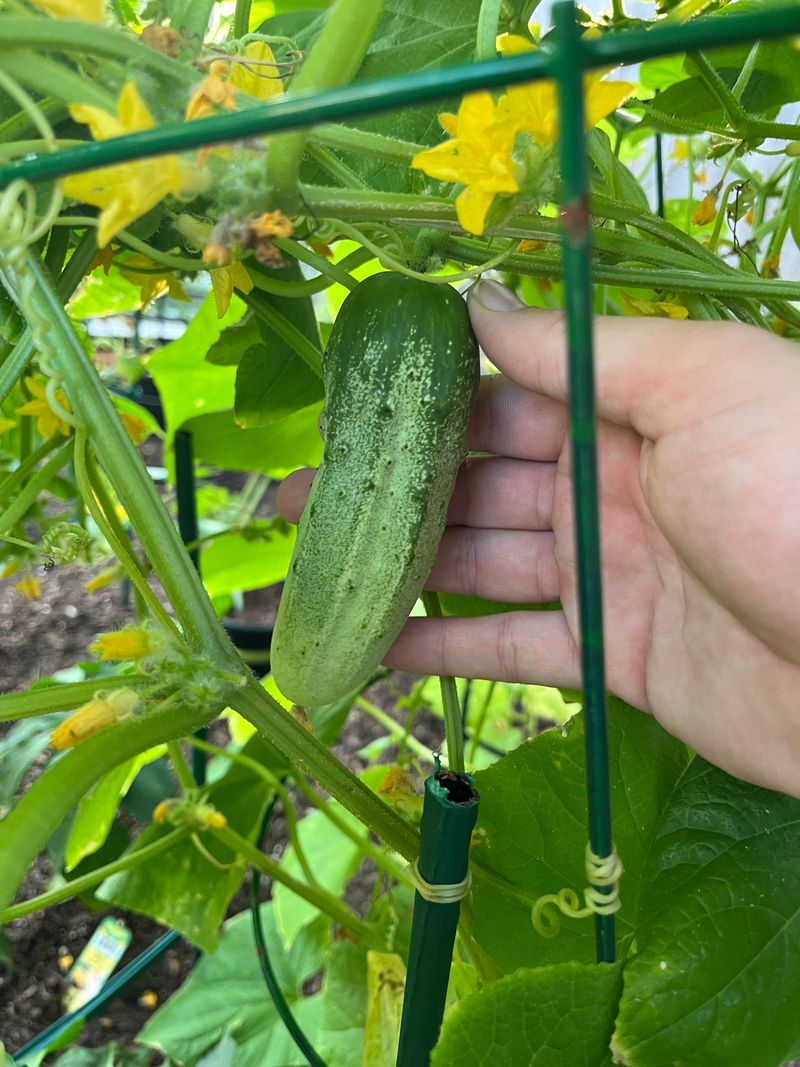
Cucumbers sprawl across Georgia gardens during summer months, producing abundant harvests when conditions stay favorable. Dill planted near cucumber vines improves their growth and flavor while attracting pollinators that ensure heavy fruit set.
Bees and other beneficial insects visit dill flowers frequently, then move to cucumber blossoms to complete pollination.
Cucumber beetles pose serious threats to young plants, but dill helps mask the scent that attracts these destructive pests. The aromatic oils in dill foliage confuse beetles searching for their favorite food.
This natural protection works better than many chemical treatments and costs nothing extra.
Both plants enjoy warm Georgia weather and need consistent moisture to produce well. Mulching around cucumber vines and dill plants conserves water and keeps roots cool during scorching summer days.
Your garden stays healthier with less frequent watering when you follow this simple practice.
Cucumbers taste noticeably better when grown near dill, according to many experienced gardeners. Something about the proximity enhances the cucumber’s natural flavor and crispness.
You’ll notice the difference immediately when making fresh pickles or summer salads from your harvest.
Plant dill seeds directly in the ground near cucumber transplants for best results. The dill will germinate quickly and provide protection just as cucumber vines start spreading.
Georgia gardens thrive when you time companion plantings correctly, maximizing benefits throughout the entire growing season.
5. Broccoli
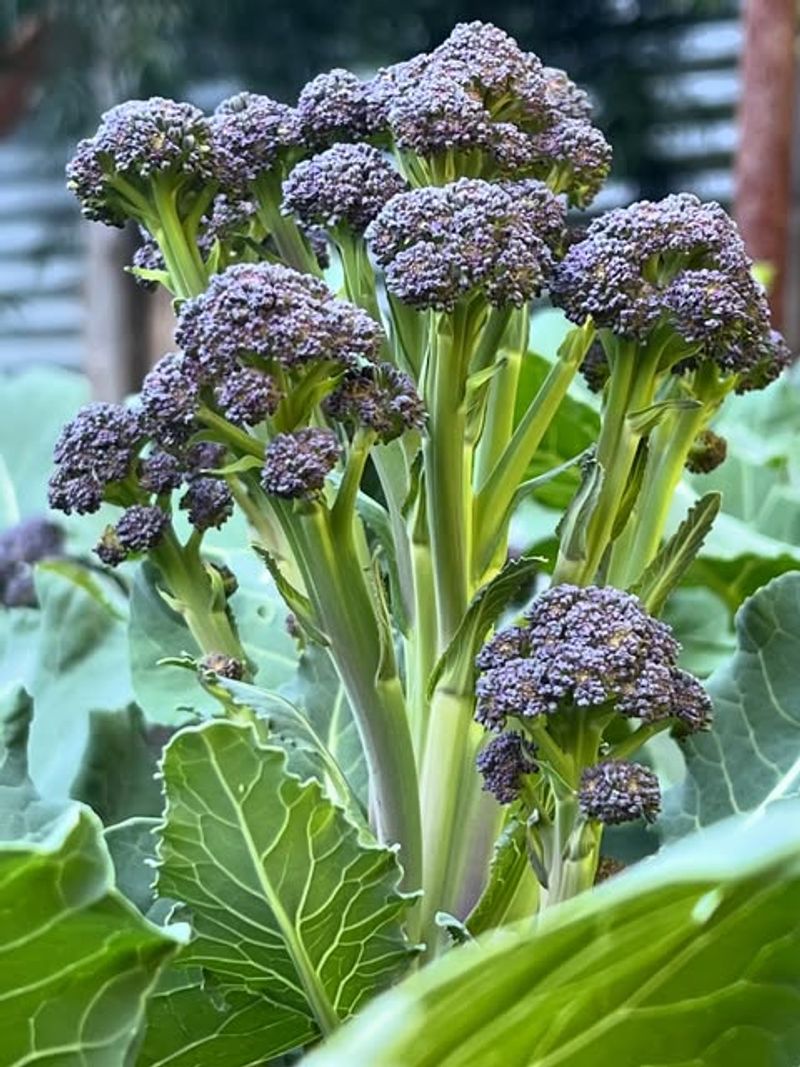
Broccoli plants develop large heads packed with nutrition when grown under ideal conditions in Georgia gardens. Dill serves as an excellent companion, deterring cabbage worms and aphids that frequently attack broccoli.
The umbrella-shaped dill flowers attract parasitic wasps that lay eggs inside pest larvae, providing long-term protection for your broccoli crop.
Cool-season growing works best for broccoli across most Georgia regions. Plant broccoli transplants in early spring or late summer, then sow dill seeds nearby.
Both crops appreciate similar temperatures and growing conditions, making garden management simpler for busy gardeners.
Broccoli needs plenty of nitrogen to form those tight green heads that everyone loves. Dill doesn’t demand excessive nitrogen, so it won’t compete with your broccoli for this essential nutrient.
Feeding your broccoli with compost tea benefits both plants without creating imbalances.
Georgia gardeners sometimes struggle with flea beetles on young broccoli plants. Dill’s strong scent helps repel these jumping pests, giving your broccoli seedlings time to establish themselves.
Once broccoli plants reach decent size, they become less vulnerable to flea beetle damage.
Space broccoli plants about two feet apart and interplant dill in the gaps between them. This arrangement looks attractive and makes efficient use of garden space.
Harvest dill sprigs for cooking while waiting for broccoli heads to mature, enjoying rewards from your garden throughout the entire growing period.
6. Cauliflower
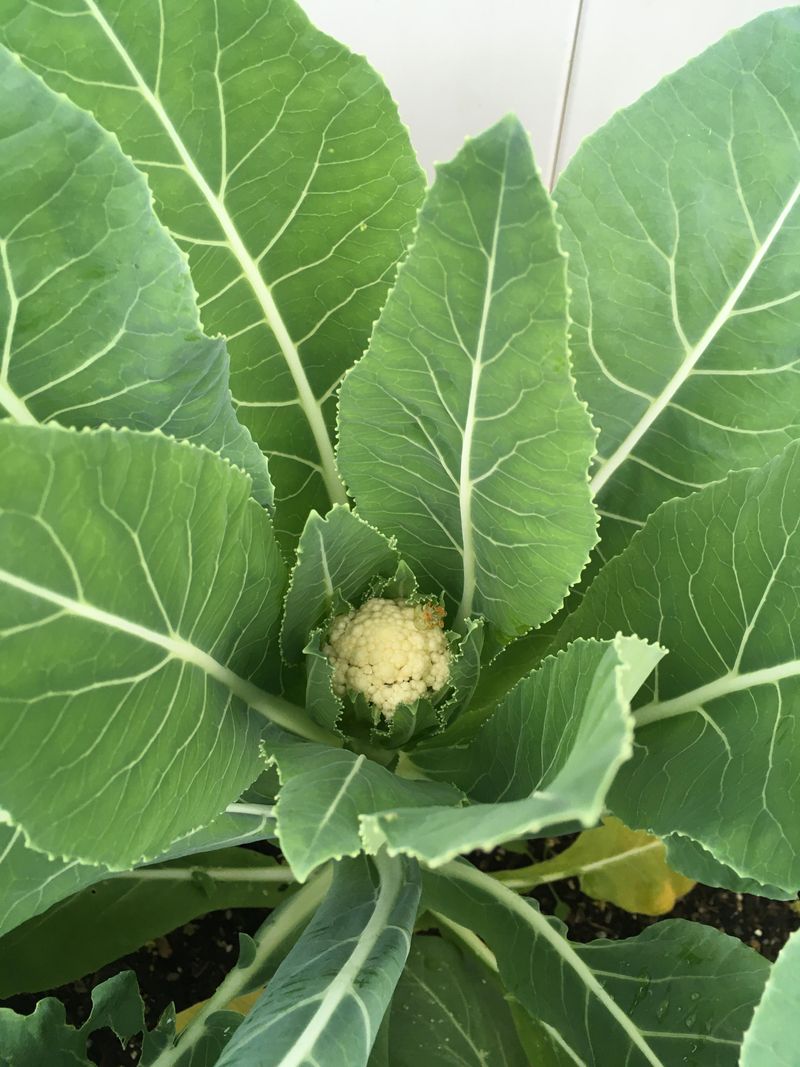
White cauliflower heads require careful attention to develop properly in Georgia’s variable climate. Dill planted nearby helps protect cauliflower from common pests while attracting beneficial insects that patrol for problems.
The combination works beautifully for gardeners seeking natural pest management solutions without chemical interventions.
Cauliflower belongs to the same family as cabbage and broccoli, sharing similar pest vulnerabilities. Imported cabbage worms love munching on cauliflower leaves, but dill’s scent confuses these pests and sends them elsewhere.
Your cauliflower stays healthier with fewer holes in the leaves and better head development.
Georgia’s spring and fall seasons offer the best cauliflower growing windows. Plant transplants when temperatures stay moderate, and add dill seeds at the same time.
Both crops mature within similar timeframes, allowing you to harvest and clear garden space together.
Cauliflower needs consistent moisture and rich soil to form tight, flavorful heads. Dill grows well in the same conditions without stealing resources from its neighbor.
Mulching around both plants helps maintain even soil moisture and suppresses weeds that compete for nutrients.
Some gardeners blanch cauliflower by tying leaves over developing heads to keep them white. Dill provides natural shading that reduces the need for this extra step.
Georgia sun can be intense, so having dill nearby offers practical benefits beyond pest control and flavor enhancement for your cauliflower crop.
7. Kale
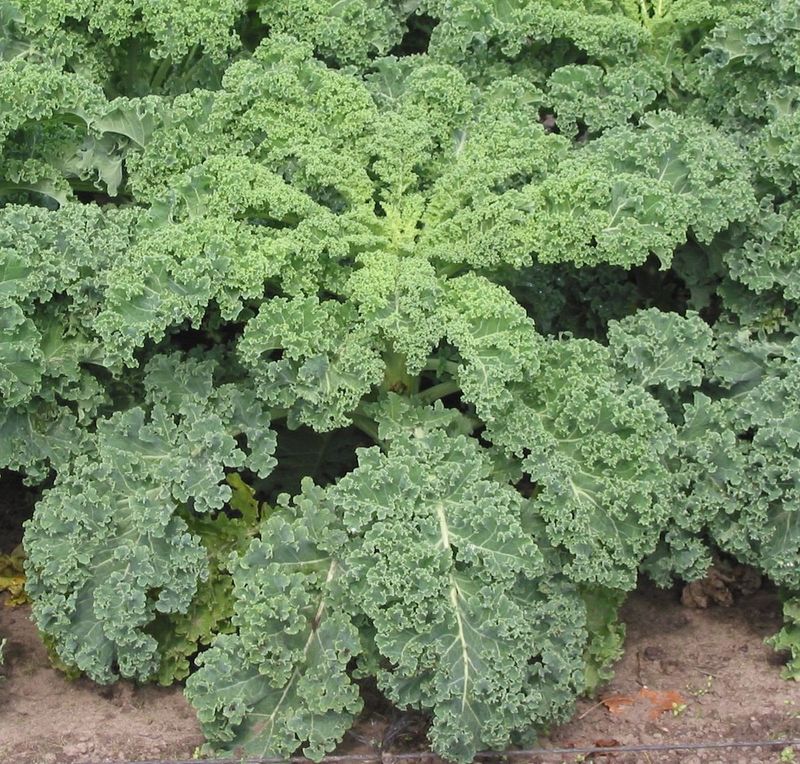
Nutritious kale grows enthusiastically throughout Georgia, tolerating both cool and warm weather better than many vegetables. Dill makes an ideal companion, helping protect kale from aphids and cabbage loopers that damage leaves.
The partnership between these plants creates a healthier garden environment with less pest pressure overall.
Kale produces leaves continuously when you harvest regularly, providing fresh greens for months. Dill grows alongside kale without interfering with leaf production or stealing sunlight.
Both plants appreciate similar soil conditions and watering schedules, simplifying your garden care routine significantly.
Georgia gardeners can grow kale almost year-round in many areas, especially in southern regions. Planting dill nearby extends natural pest protection across multiple seasons.
The dill reseeds itself easily, coming back year after year to guard your kale plants without extra effort.
Beneficial insects attracted to dill flowers hunt aphids and other pests on nearby kale leaves. Hoverflies and lacewings visit dill blooms, then search surrounding plants for soft-bodied insects to eat.
This natural predator-prey relationship keeps your kale healthy without pesticide applications.
Harvest kale leaves from the bottom of the plant upward, allowing continuous growth from the center. Snip dill fronds as needed for cooking, encouraging bushier growth.
Georgia gardens produce abundantly when you choose compatible companions and harvest them correctly throughout the growing season.
8. Corn
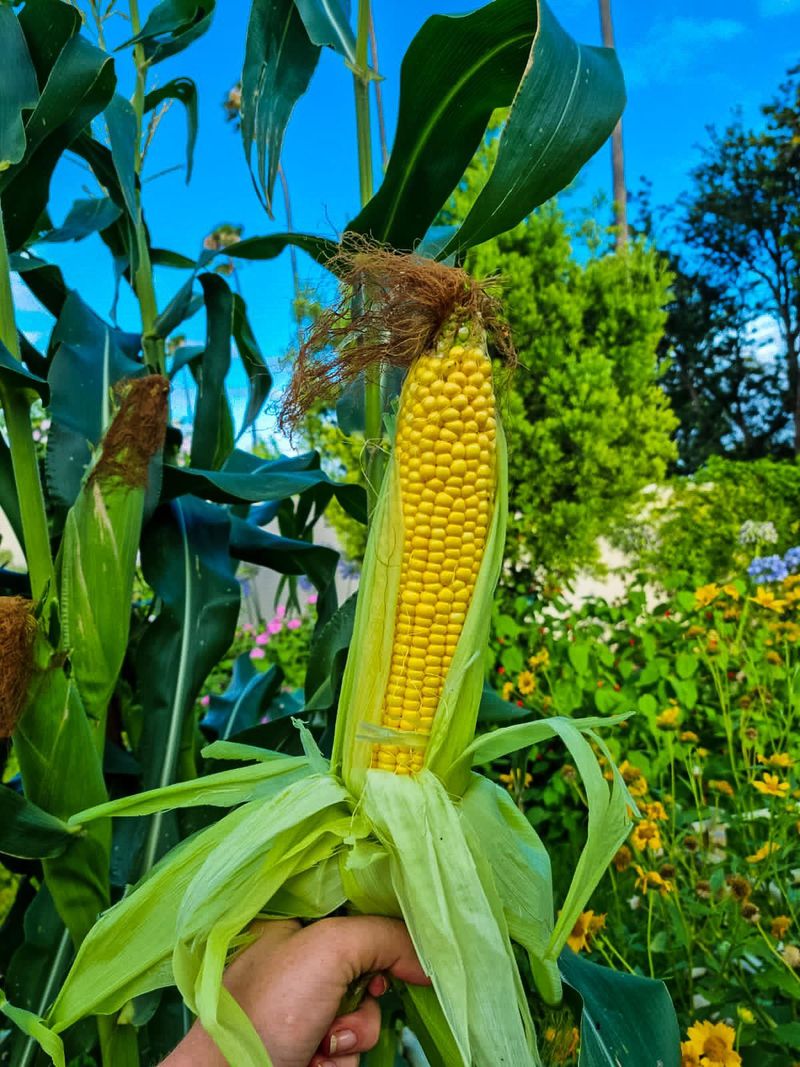
Tall corn stalks dominate Georgia gardens during summer, providing vertical interest and delicious harvests. Dill planted between corn rows attracts pollinators and beneficial predators that protect corn from pest damage.
The combination uses garden space efficiently while creating a diverse, healthy growing environment.
Corn grows quickly once warm weather arrives, reaching impressive heights within weeks. Dill planted at the same time stays lower initially, then shoots upward as corn tassels begin forming.
Both plants enjoy full sun and warm Georgia temperatures, making them naturally compatible companions.
Corn earworms sometimes damage developing ears, reducing your harvest quality. Dill attracts parasitic wasps and other beneficial insects that hunt these pests before they cause serious problems.
This biological control works throughout the season, providing ongoing protection for your corn crop.
Georgia soil needs regular amendments to support heavy-feeding crops like corn. Dill requires fewer nutrients and won’t compete aggressively with corn roots.
Adding compost or aged manure before planting benefits both crops without creating nutrient imbalances in your garden beds.
Plant corn in blocks rather than single rows for better pollination and ear development. Scatter dill seeds around the edges and between rows for maximum pest protection.
Georgia gardeners enjoy bigger harvests when they use companion planting strategies that work with nature instead of against it throughout the growing season.
9. Asparagus
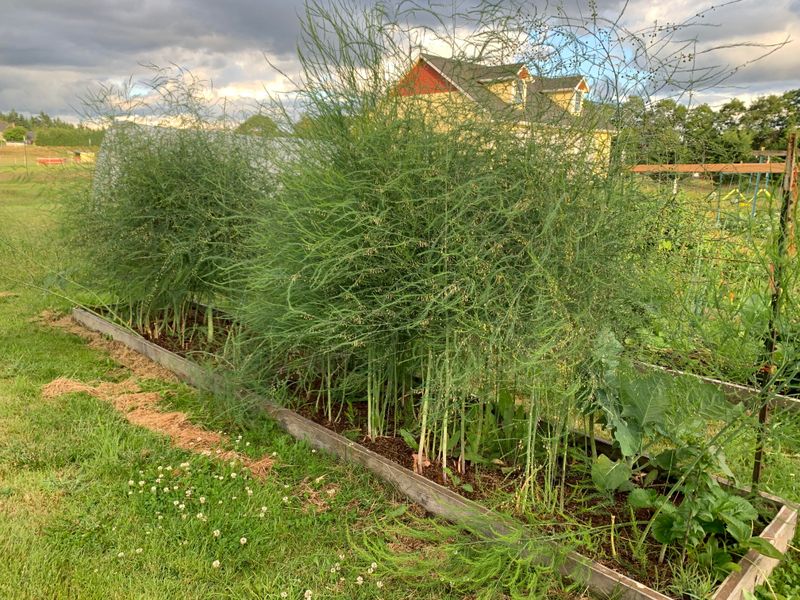
Perennial asparagus beds produce for decades when established properly in Georgia gardens. Dill makes an excellent companion, helping repel asparagus beetles while attracting beneficial insects that improve overall bed health.
The partnership between these plants creates long-term benefits that increase with each passing year.
Asparagus emerges early in spring, sending up tender spears that gardeners eagerly harvest. Planting dill in asparagus beds provides pest protection without interfering with spear production.
Dill’s feathery foliage fills spaces between asparagus plants beautifully, creating an attractive and productive garden area.
Asparagus beetles lay eggs on spears and ferns, causing damage throughout the growing season. Dill attracts ladybugs and other predators that eat beetle eggs and larvae before they cause problems.
This natural pest control becomes more effective each year as beneficial insect populations establish themselves in your garden.
Georgia asparagus beds need excellent drainage and plenty of organic matter for best production. Dill grows well in the same conditions, making it easy to maintain both plants together.
Mulching asparagus beds with compost provides nutrients that benefit both crops without extra effort.
Allow asparagus ferns to grow tall after harvest season ends, storing energy for next year’s crop. Dill planted among the ferns continues attracting beneficial insects throughout summer and fall.
Georgia gardeners appreciate perennial plantings that require less work while producing reliable harvests year after year in established beds.
10. Basil
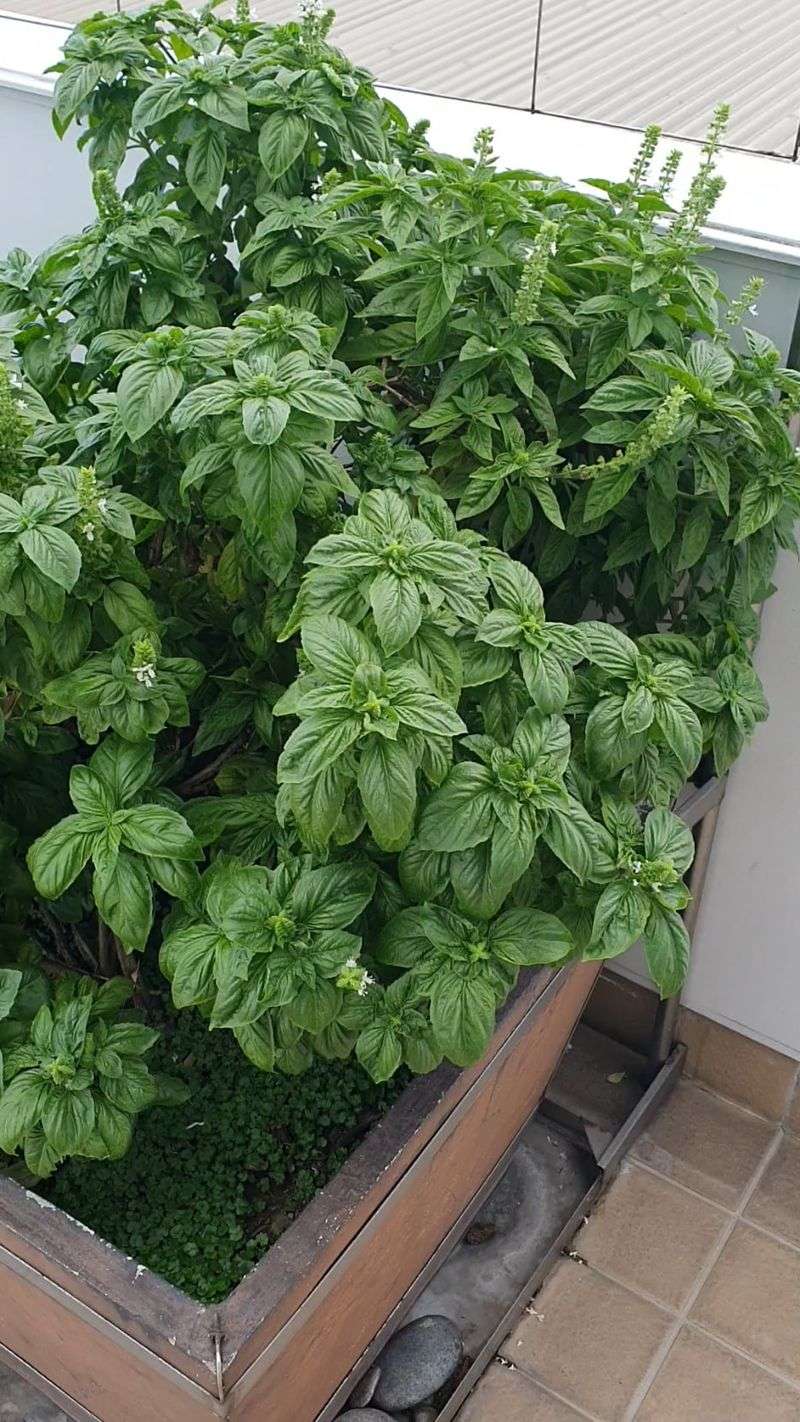
Fragrant basil brings wonderful flavor to summer cooking and grows beautifully alongside dill in Georgia gardens. Both herbs enjoy warm weather and full sun, creating aromatic partnerships that benefit surrounding vegetables.
The combination attracts numerous pollinators while repelling pests that damage nearby crops.
Basil and dill complement each other in the kitchen, making this pairing practical for culinary gardeners. Planting them together ensures fresh herbs within easy reach for cooking.
Georgia summers provide perfect growing conditions for both herbs, allowing continuous harvests throughout the warmest months.
Aphids sometimes target basil plants, causing leaf curling and stunted growth. Dill attracts beneficial insects that hunt aphids, keeping your basil healthy and productive.
The natural pest control works both ways, as basil also repels certain insects that might otherwise bother dill.
Both herbs prefer consistently moist soil but tolerate brief dry periods once established. Georgia gardeners appreciate low-maintenance plantings that produce abundantly without constant attention.
Mulching around basil and dill conserves moisture while keeping roots cool during hot summer days.
Pinch basil regularly to encourage bushy growth and prevent flowering. Harvest dill leaves frequently for the same reason, keeping plants productive longer.
Georgia gardens reward attentive care with bigger harvests and healthier plants that continue producing until frost arrives in late fall or early winter months.