Growing Lavender And Rosemary Together In Oregon? These 10 Simple Tips Work
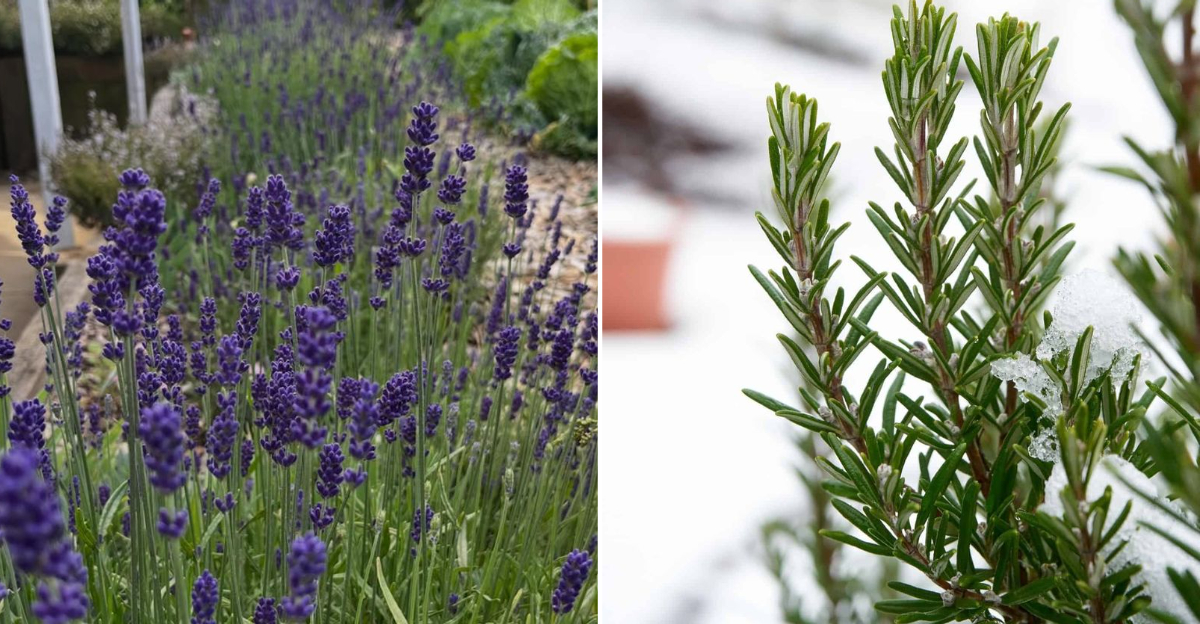
You’re standing in the garden center or looking at a sunny spot in your yard, thinking about herbs that smell good and don’t need constant attention.
Lavender sounds perfect. Rosemary does too!
Then you wonder, can they actually grow well together in Oregon?
It’s a simple question, and one a lot of gardeners quietly ask.
Oregon’s mix of rain, dry spells, and cooler nights can make even easy plants feel a little unpredictable. Many people want a garden that feels relaxed, not fussy.
Lavender and rosemary can grow side by side when their basic needs line up, and a few small choices can make a big difference.
If you’ve ever questioned how much to water, where to plant, or whether two herbs will compete, you’re not alone.
With the right approach, these two can thrive together and bring color, scent, and usefulness to your garden without adding extra work.
1. Choose A Sunny Spot With At Least Six Hours Of Direct Light
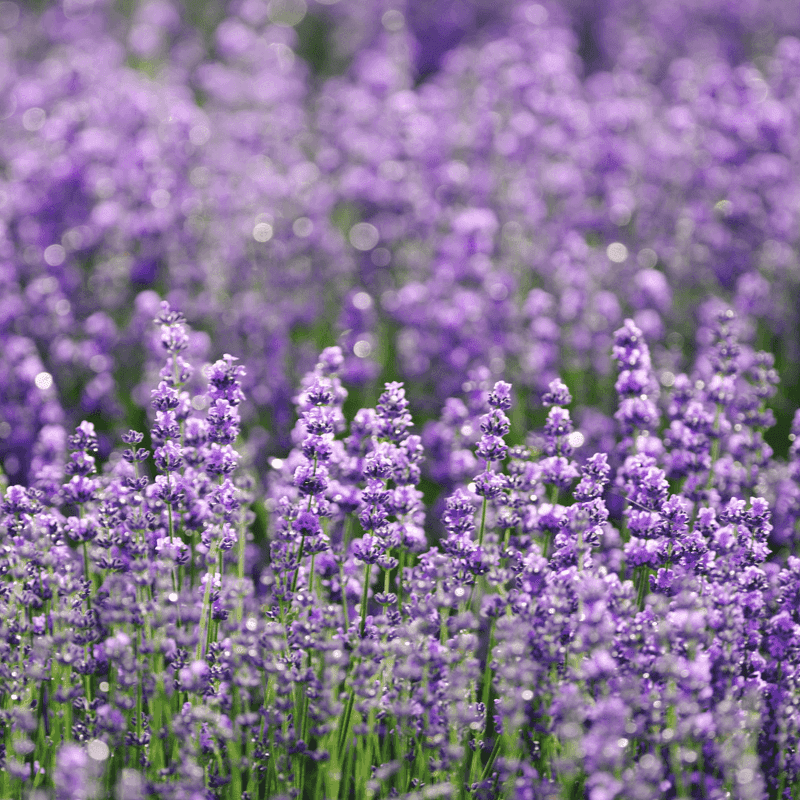
Both lavender and rosemary originated in the Mediterranean region where sunshine is abundant.
They need plenty of bright light to produce their essential oils, vibrant colors, and strong growth.
In Oregon, finding a south-facing location works best because it captures the most sunlight throughout the day.
Morning sun helps dry dew from the leaves quickly, which prevents fungal problems.
Afternoon light keeps the plants warm and encourages them to develop their signature scents.
Avoid shady corners or spots blocked by trees and buildings.
Even partial shade can weaken these herbs and make them leggy or pale.
If your yard has limited sunny areas, consider planting near a light-colored wall that reflects extra warmth.
You can also grow them in containers and move them around to follow the sun.
Remember that Oregon summers offer long daylight hours, which these herbs absolutely love.
During winter, they enter dormancy and require less light.
But during the growing season, maximizing sun exposure ensures healthy, aromatic plants that reward you with beautiful blooms and flavorful leaves all summer long.
2. Plant In Well-Draining Soil To Prevent Root Rot
Heavy, waterlogged soil is the enemy of lavender and rosemary.
These herbs evolved in rocky, sandy environments where water drains away quickly.
Oregon soil tends to be clay-heavy in many areas, which holds moisture far too long for these plants.
Before planting, test your soil by digging a hole and filling it with water.
If the water sits for more than an hour, you need to improve drainage.
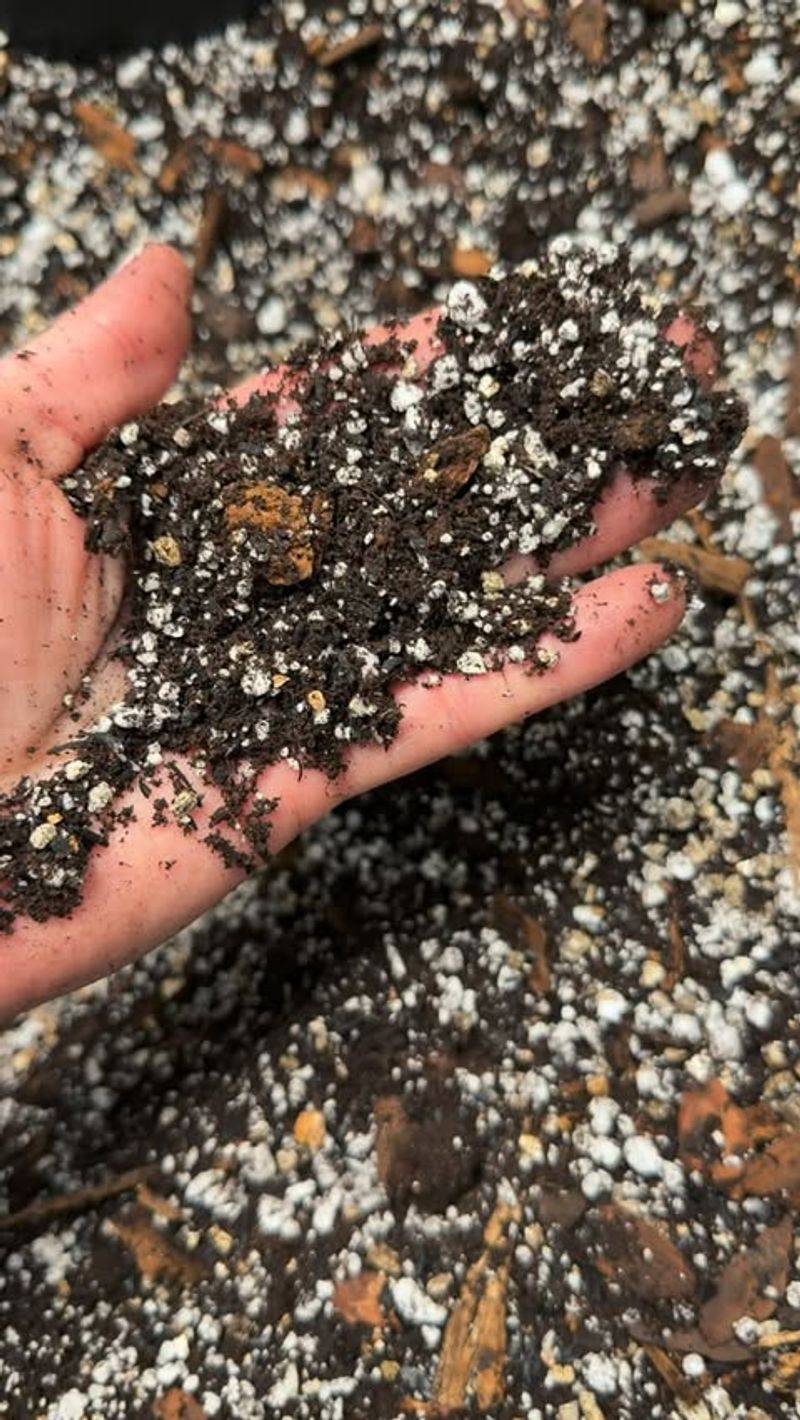
Mix in coarse sand, perlite, or small gravel to lighten the texture.
Some gardeners add compost, but avoid overdoing it because too much organic matter retains moisture.
A ratio of one part sand to two parts native soil works well.
You can also build raised beds or mounds to elevate the plants above soggy ground.
This simple step makes a huge difference in Oregon where winter rains can be relentless.
Good drainage keeps roots healthy and prevents the rot that often affects herbs in wet climates.
Your lavender and rosemary will establish faster and grow stronger when their roots can breathe properly.
3. Water Sparingly Once Plants Are Established
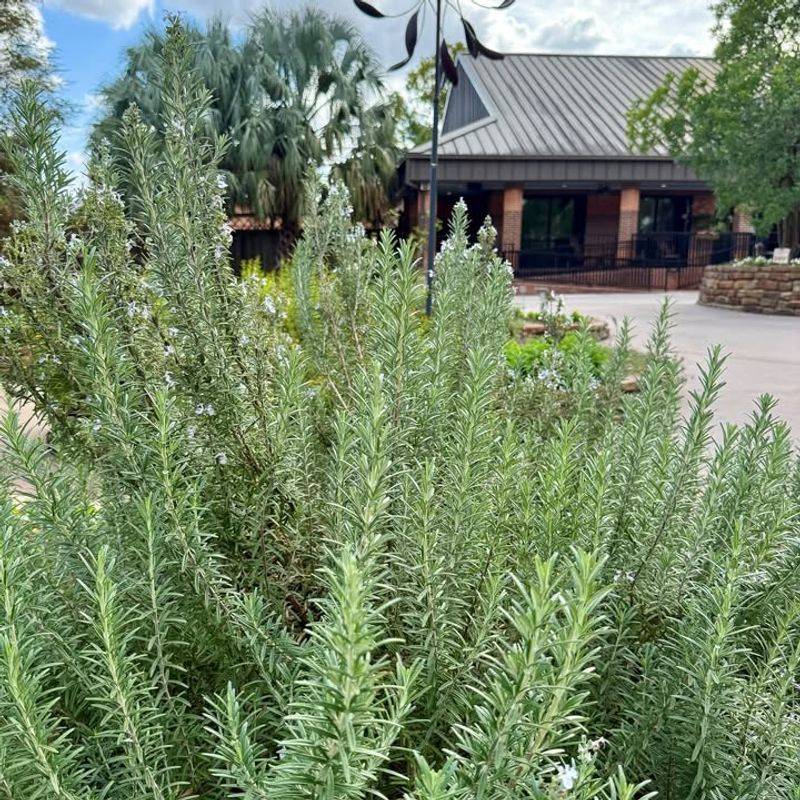
Many gardeners accidentally harm their herbs by watering too often.
Lavender and rosemary are drought-tolerant once their roots have grown deep into the soil.
During the first few weeks after planting, water regularly to help them settle in.
After that initial period, cut back significantly on watering.
These plants prefer to dry out between waterings rather than stay constantly moist.
In Oregon, natural rainfall often provides enough moisture, especially during fall, winter, and spring.
Summer is the only time you might need to water occasionally.
Check the soil by sticking your finger two inches down.
If it feels dry at that depth, give the plants a deep soak.
Shallow, frequent watering encourages weak, surface roots.
Deep, infrequent watering trains roots to grow downward where moisture is more stable.
Overwatering causes yellowing leaves, mushy stems, and poor flavor in the foliage.
Remember that these herbs thrive on neglect rather than constant attention, making them perfect for busy gardeners who appreciate low-maintenance beauty.
4. Add Lime To Balance Oregon’s Naturally Acidic Soil
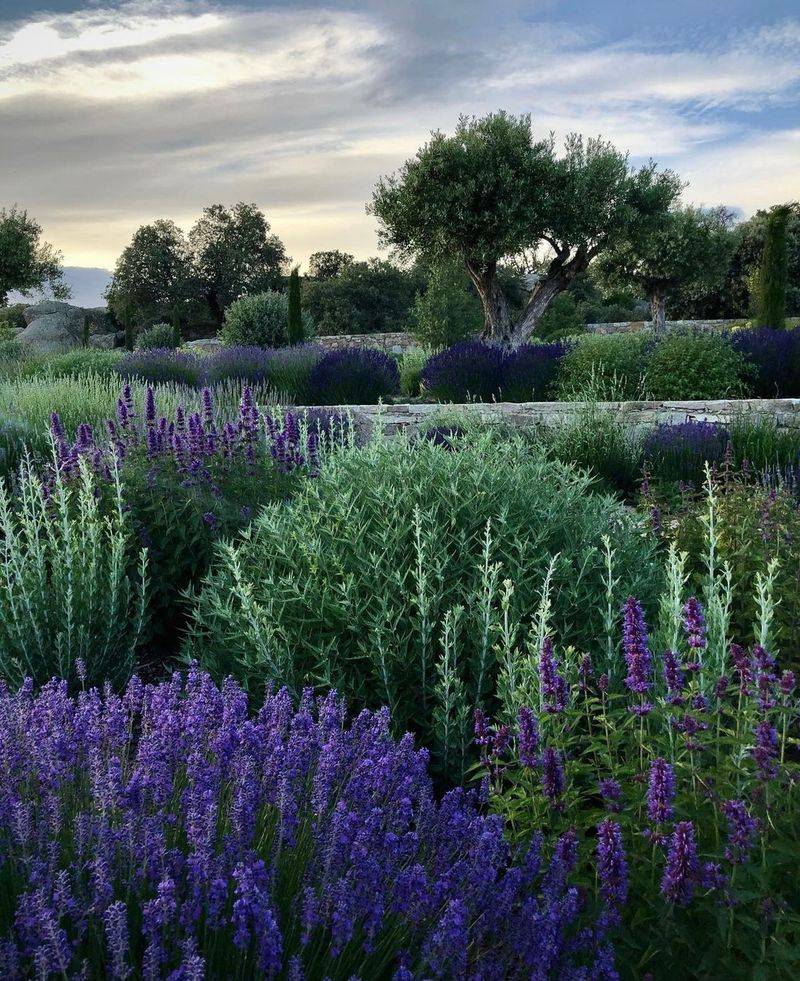
Oregon soils typically run acidic due to heavy rainfall that leaches nutrients away.
Lavender and rosemary prefer neutral to slightly alkaline conditions, with pH levels between 6.5 and 7.5.
Testing your soil pH is easy with an inexpensive kit from any garden center.
If your results show acidity below 6.5, adding lime will help balance things out.
Agricultural lime or dolomitic lime works well and is widely available.
Spread a thin layer around your plants in early spring and work it gently into the top few inches of soil.
Follow package directions carefully because too much lime can cause other problems.
You might need to repeat this treatment every year or two, depending on your soil type.
Proper pH helps these herbs absorb nutrients more efficiently.
It also encourages stronger stems, brighter blooms, and more intense fragrances.
Without pH adjustment, your plants might struggle even when everything else seems perfect.
This simple step makes a noticeable difference in plant health and vigor, especially in areas with naturally acidic conditions like Oregon.
5. Space Plants Properly To Allow Good Air Circulation

Crowding herbs together might seem efficient, but it creates problems down the road.
Lavender and rosemary need space around them for air to flow freely through their foliage.
Good air circulation helps leaves dry quickly after rain or morning dew.
This is especially important in Oregon where humidity and moisture are common.
When plants sit too close, damp conditions linger and encourage fungal diseases.
Space lavender plants at least 18 to 24 inches apart, depending on the variety.
Rosemary needs similar spacing, though some upright types can be placed slightly closer.
Proper spacing also prevents competition for nutrients, water, and sunlight.
Each plant develops a fuller, bushier shape when it has room to spread.
You might think the garden looks sparse at first, but these herbs fill in quickly during the growing season
Consider the mature size of each variety before planting.
Some rosemary types grow quite large, reaching three feet tall and wide.
Planning ahead saves you from having to move plants later when they outgrow their spots.
6. Prune Regularly To Encourage Bushy Growth And Prevent Woodiness
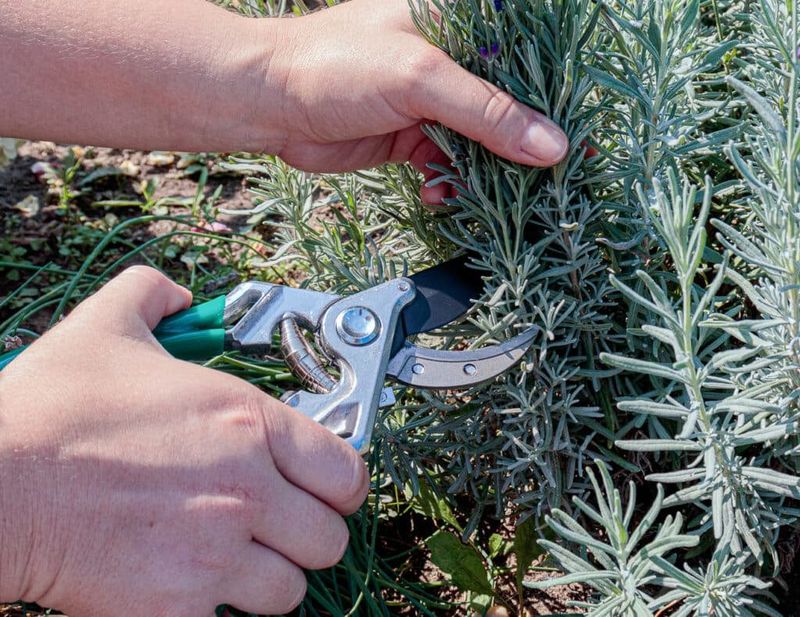
Unpruned lavender and rosemary become leggy and woody over time.
Regular trimming keeps them compact, attractive, and productive.
For lavender, prune right after flowering ends in late summer.
Cut back about one-third of the green growth, but avoid cutting into old brown wood.
Rosemary benefits from light pruning throughout the growing season.
Snip off stem tips regularly when harvesting for cooking.
This constant trimming encourages branching and creates a fuller plant.
In spring, remove any damaged or frost-bitten branches from both herbs.
Sharp, clean pruning shears make the job easier and prevent disease spread.
Never remove more than one-third of a plant at once because this stresses it too much.
Young plants especially need regular pinching to develop strong structure.
Older plants that have become woody and bare at the base are difficult to rejuvenate.
Prevention through consistent pruning is much easier than trying to fix neglected plants.
Your herbs will reward your efforts with dense foliage, abundant blooms, and plenty of fragrant stems for harvest all season long.
7. Skip The Fertilizer Or Use It Very Sparingly
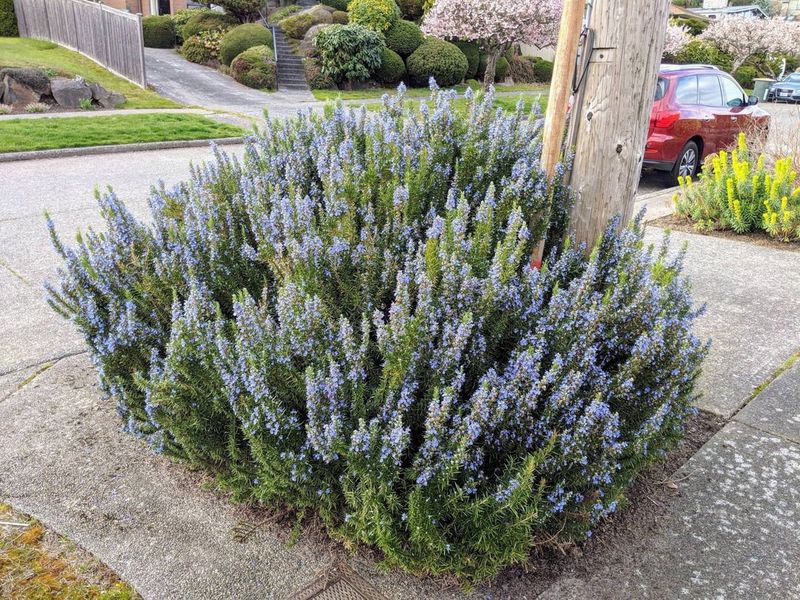
Rich, heavily fertilized soil produces weak, floppy herbs with less flavor and fragrance.
Lavender and rosemary evolved in nutrient-poor environments where they had to work for every bit of food.
This struggle made them tough, aromatic, and concentrated in essential oils.
In Oregon gardens, most soil contains enough nutrients for these plants without any amendments.
Too much nitrogen especially causes excessive leafy growth that flops over and lacks scent.
If you feel your plants need a boost, use a light application of balanced fertilizer once in early spring.
Choose a formula with equal numbers like 10-10-10 rather than high-nitrogen types.
Better yet, skip fertilizer entirely and let the plants adapt to your soil naturally.
Compost tea or diluted fish emulsion can provide gentle nutrition if needed.
Apply these sparingly, perhaps once or twice during the growing season.
Remember that stressed plants often produce more aromatic oils as a defense mechanism.
Keeping conditions lean actually improves the quality of your harvest for culinary and crafting purposes.
8. Protect Plants During Harsh Oregon Winters
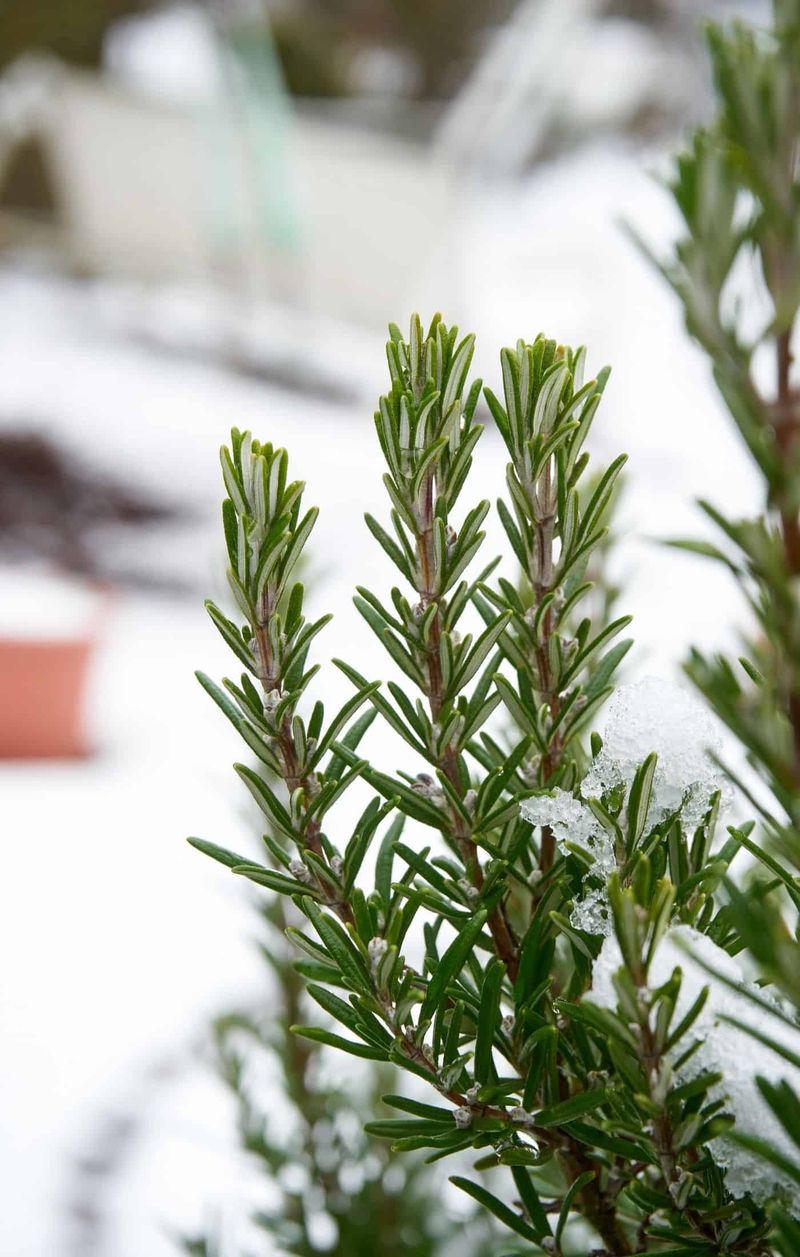
While both herbs are fairly hardy, Oregon winters can test their limits.
Lavender generally handles cold better than rosemary, especially English lavender varieties.
Rosemary is more sensitive to freezing temperatures and icy winds.
In milder parts of Oregon like the Willamette Valley, protection might be minimal.
In colder areas or during unusually harsh winters, take extra precautions.
Mulch around the base of plants with gravel or small stones rather than organic mulch.
Organic materials hold moisture against stems, which can cause rot during wet, cold weather.
For rosemary, consider wrapping plants in burlap or frost cloth when temperatures drop below 20 degrees Fahrenheit.
Container-grown herbs should be moved to a sheltered spot like a porch or garage.
Avoid placing them in heated indoor spaces because the dry air and warmth can shock them.
Stop fertilizing by late summer so plants harden off properly before winter arrives.
Tender new growth is more vulnerable to frost damage than mature stems.
With these simple protections, your herbs will survive winter and bounce back vigorously when spring warmth returns.
9. Harvest Frequently To Enjoy Fresh Herbs And Stimulate New Growth
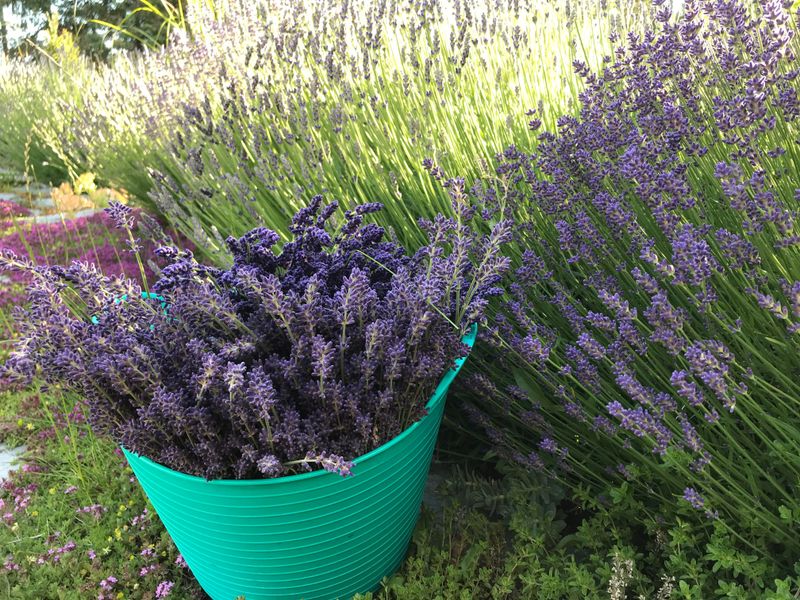
Regular harvesting serves two purposes: you get fresh herbs and the plants grow better.
For rosemary, snip stem tips whenever you need them for cooking.
This constant trimming acts like pruning and encourages branching.
Take cuttings from different parts of the plant to maintain an even shape.
Lavender stems should be harvested when flowers are just beginning to open.
Early morning after dew dries is the best time because essential oils are most concentrated then.
Cut long stems that include both flowers and foliage.
Bundle them with rubber bands and hang upside down in a dry, dark place.
Both herbs dry beautifully and retain their fragrance for months.
Never harvest more than one-third of a plant at one time.
This ensures the plant maintains enough foliage to photosynthesize and stay healthy.
Young plants need lighter harvesting than established ones.
In Oregon, the growing season runs from late spring through early fall, giving you plenty of opportunities to collect fresh herbs for your kitchen, crafts, and gifts.
10. Choose Varieties That Thrive In Oregon’s Climate
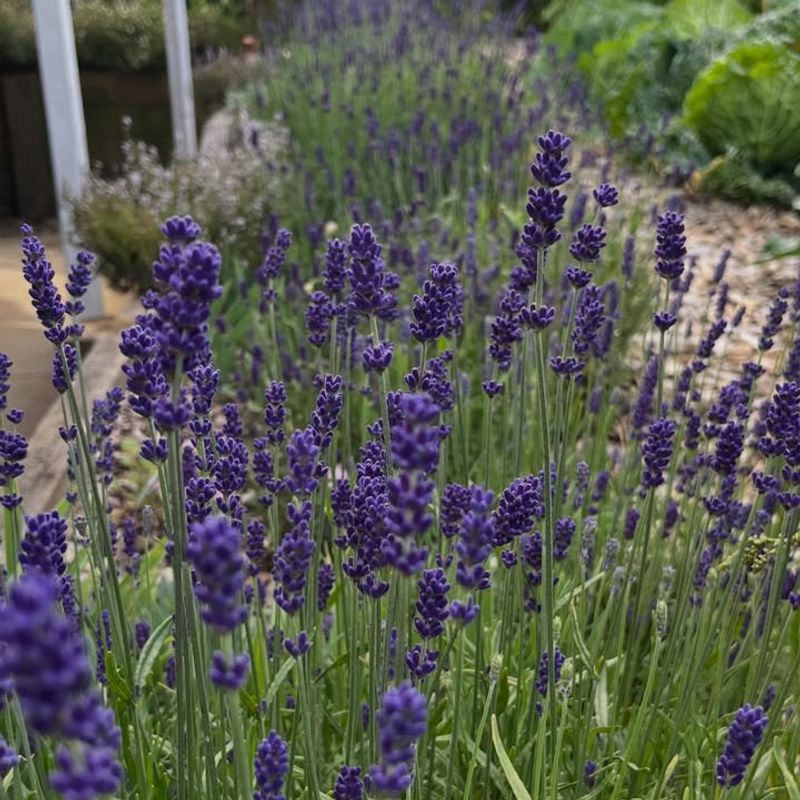
Not all lavender and rosemary varieties perform equally well in Oregon conditions.
English lavender types like Hidcote and Munstead handle cold winters better than French or Spanish varieties.
These hardy types bloom reliably and survive temperatures down to minus 20 degrees Fahrenheit.
For rosemary, Arp and Hill Hardy are the most cold-tolerant selections available.
They withstand Oregon winters better than common varieties like Tuscan Blue.
If you live in a milder coastal area, you have more options to experiment with.
But gardeners in colder inland regions should stick with proven hardy types.
Visit local nurseries to see which varieties they stock because they usually carry plants suited to your area.
Ask fellow gardeners what works in their yards for firsthand recommendations.
Starting with the right varieties saves frustration and replanting costs.
Both herbs are long-lived perennials when conditions suit them.
Choosing wisely means you can enjoy the same plants for many years, watching them mature into beautiful, fragrant specimens that anchor your herb garden with reliable performance season after season.