Hanging Pots In Illinois Homes Look Better With These Trailing Houseplants
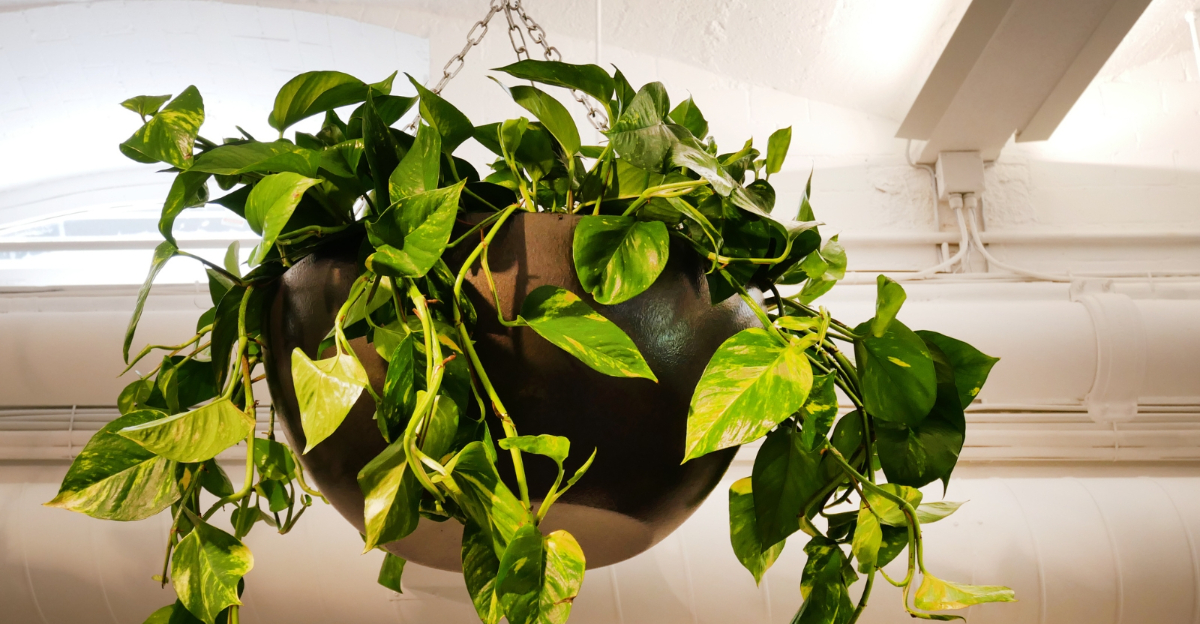
Hanging pots can completely change how Illinois homes feel, especially when greenery fills empty vertical space instead of crowding shelves and floors.
Cold winters and low indoor light often make hanging plants tricky, which is why many end up sparse, uneven, or disappointing after a few months.
Trailing houseplants bring movement and softness into a room, drawing the eye upward and making ceilings feel higher and spaces more layered.
Many people choose hanging plants based on looks alone, then struggle when vines thin out or refuse to grow evenly.
Illinois homes benefit from trailing plants suited to indoor temperature swings, dry winter air, and indirect light. When growth habits match the environment, hanging pots stay full and balanced instead of patchy.
Leaf shape, vine length, and growth speed all influence how polished a hanging plant looks over time.
The right trailing plants spill naturally, frame windows beautifully, and soften hard edges around furniture and walls.
Poor plant choices turn hanging pots into constant projects instead of simple design features.
Well-chosen trailing houseplants make hanging pots feel intentional, lively, and visually satisfying in Illinois homes year-round.
1. Pothos
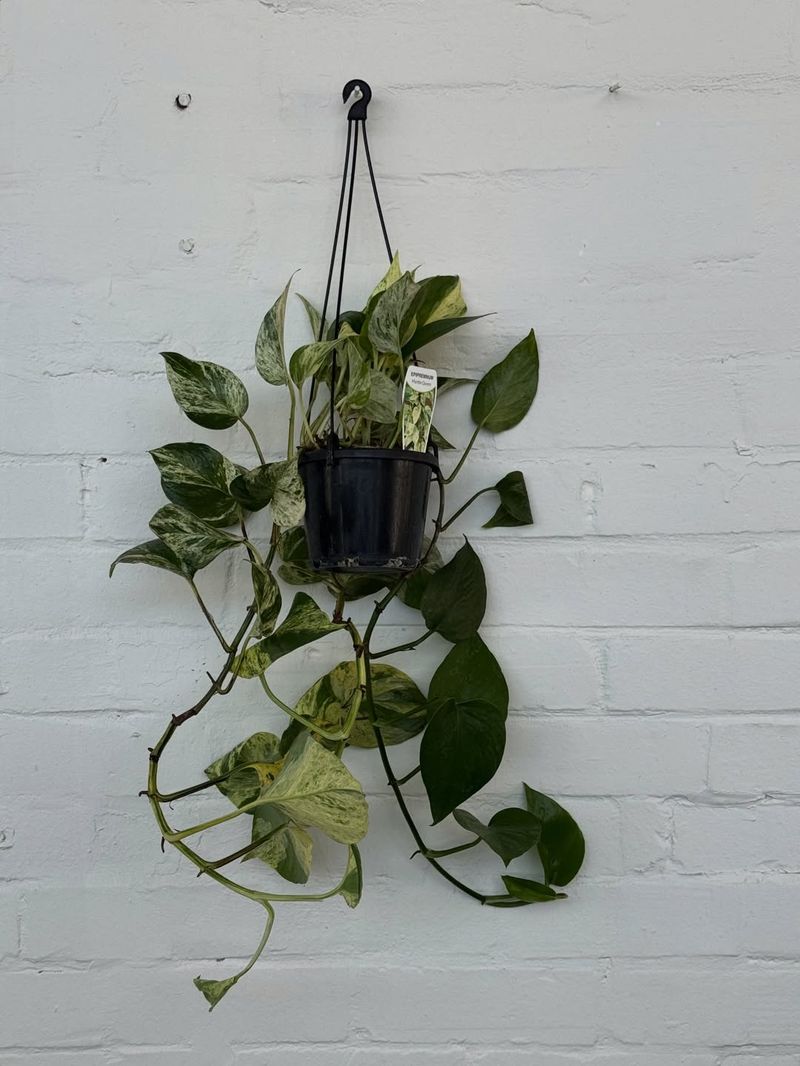
Few plants match the easygoing charm that makes indoor gardening feel effortless and rewarding. Pothos vines grow quickly and adapt to almost any lighting condition, making them ideal for beginners who want instant results without constant fussing.
Their heart-shaped leaves come in shades of green, often splashed with golden yellow or creamy white patterns that catch the eye from across the room.
Illinois homeowners love how forgiving this plant can be during busy weeks when watering gets forgotten. It tolerates low light and irregular care, bouncing back even after a bit of neglect.
The vines can stretch several feet long, creating dramatic cascades that soften hard edges and add movement to static spaces.
Bright, indirect light encourages faster growth and more vibrant leaf coloring, though it still thrives in dimmer corners. Water when the top inch of soil feels dry to the touch, usually once a week or so depending on your home’s humidity.
Illinois winters can dry out indoor air, so occasional misting helps keep leaves looking fresh and glossy.
Pothos roots easily in water, making propagation simple and fun for anyone wanting more plants. Snip a stem below a node, place it in a glass of water, and watch roots develop within weeks.
This plant rarely suffers from pests and diseases, staying healthy with minimal intervention.
Its trailing habit works beautifully in macrame hangers, on high shelves, or along mantels where vines can drape freely. The lush foliage adds texture and color without overwhelming smaller rooms.
Many Illinois residents use pothos to fill empty vertical space, turning blank walls into living art.
2. Heartleaf Philodendron
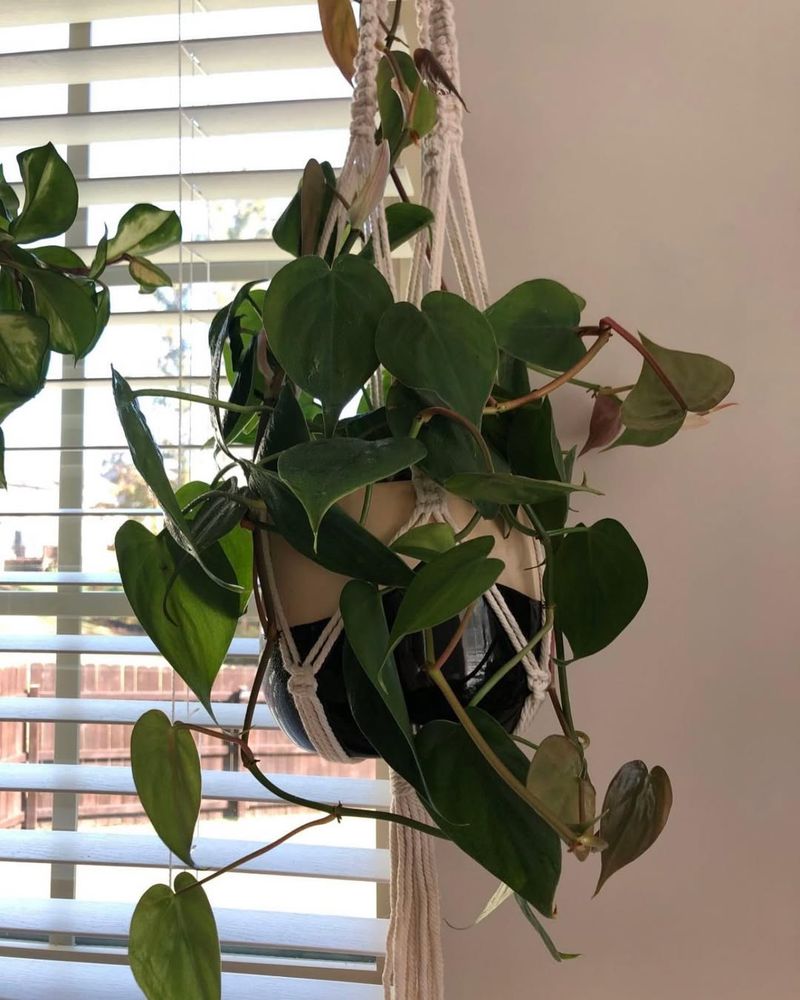
Velvety leaves in deep green hues make this classic vine a favorite among plant lovers who appreciate understated elegance. Heartleaf philodendron grows with vigor, sending out long stems that twist and turn as they reach toward light sources.
Its compact leaf size gives it a delicate appearance despite its hardy nature and ability to withstand less-than-perfect conditions.
This plant thrives in the moderate temperatures found in most Illinois homes throughout the year. It prefers consistent moisture but won’t collapse if you miss a watering session now and then.
The glossy foliage reflects light beautifully, brightening up dim hallways or bathrooms where natural sunlight struggles to reach.
Medium to low light suits this philodendron well, though brighter spots encourage denser growth and richer leaf color. Avoid direct sun, which can scorch the tender leaves and cause unsightly brown patches.
Room temperature water works best, and the soil should stay lightly moist without becoming waterlogged or soggy.
Heartleaf philodendron adapts easily to hanging baskets, where its vines can trail down in graceful arcs. It also climbs if given a moss pole or trellis, offering versatility in how you display it.
Regular pruning keeps the plant bushy and prevents it from becoming too leggy or sparse.
Illinois gardeners appreciate how quickly this plant fills out, creating a full, lush look within months. It tolerates average household humidity without complaint, though higher moisture levels promote even healthier growth.
Pests rarely bother this resilient vine, making it a low-maintenance choice for busy households.
3. Philodendron Brasil
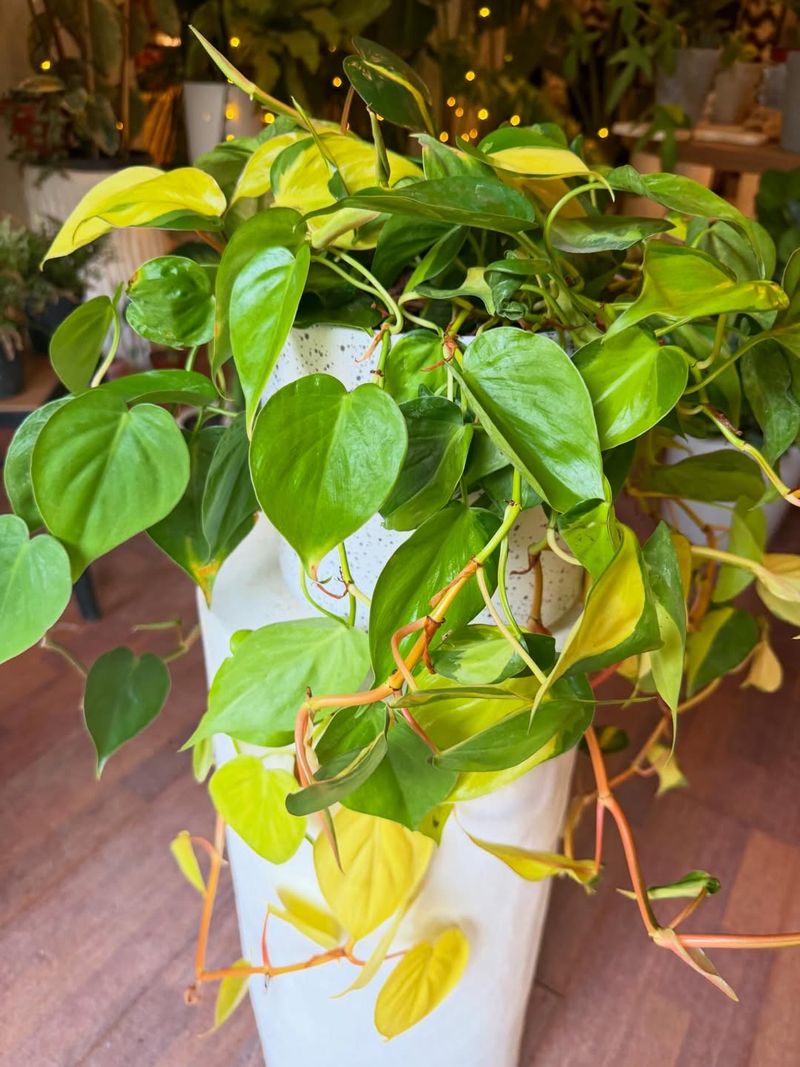
Bright chartreuse stripes slice through dark green leaves, creating a bold visual statement that draws attention immediately. Philodendron Brasil shares the same easy care requirements as its solid-green cousin but offers far more color drama for those who want something eye-catching.
Each leaf displays unique variegation patterns, ensuring no two plants look exactly alike.
This variety grows enthusiastically in Illinois homes, especially when placed in spots with bright, filtered light. The yellow-green markings intensify under better lighting conditions, while lower light causes the plant to produce more solid green leaves.
Rotating the pot occasionally ensures even growth and prevents the vines from leaning too heavily in one direction.
Water when the top layer of soil begins to dry out, maintaining a balance between moist and dry conditions. Overwatering leads to root rot, while underwatering causes leaves to droop and lose their perky appearance.
Room temperature suits this plant perfectly, and it tolerates the temperature fluctuations common in Illinois homes during seasonal transitions.
Philodendron Brasil works wonderfully in hanging planters where its colorful vines can cascade freely. The variegation adds visual interest to neutral-toned rooms and complements both modern and traditional decor styles.
Pruning encourages bushier growth and allows you to control the length of the trailing stems.
Propagation through stem cuttings gives you an easy way to expand your collection or share with friends. Simply cut below a node and root in water or moist soil.
This plant rarely attracts pests and stays healthy with basic care, making it perfect for anyone wanting a splash of color without extra work.
4. English Ivy
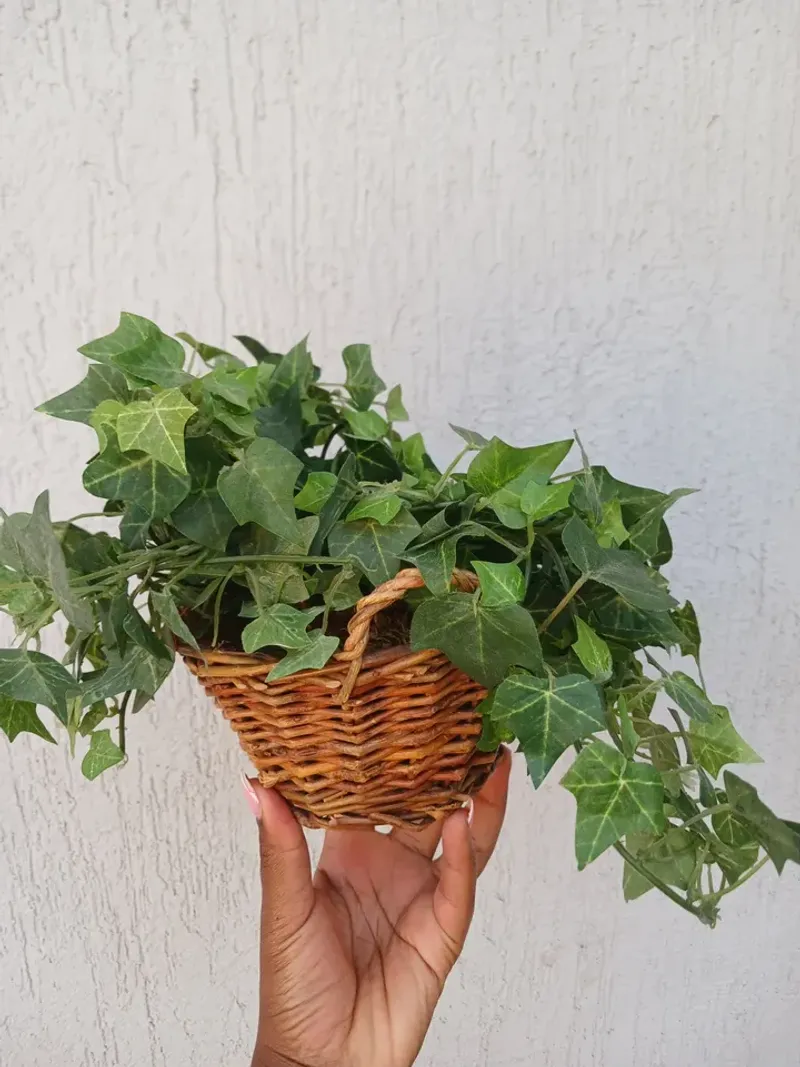
Classic charm meets versatility in this timeless trailing plant that has graced homes for generations. English ivy produces small, lobed leaves that grow densely along slender stems, creating a full, lush appearance that softens any space.
Its ability to tolerate cooler temperatures makes it particularly well-suited for Illinois homes where winter heating can dry out the air.
This plant prefers bright, indirect light but adapts to lower light levels with slower growth. Direct sunlight can bleach the leaves and cause them to lose their rich green color.
Consistent moisture keeps English ivy happy, though it dislikes sitting in waterlogged soil that can lead to root problems.
Illinois residents often use this plant in kitchens and bathrooms where humidity levels run higher than other rooms. The trailing vines look elegant draping from high shelves or cascading over the edges of decorative containers.
Regular misting helps maintain leaf health during dry winter months when indoor heating systems run constantly.
English ivy comes in many cultivars with different leaf shapes, sizes, and variegation patterns. Some varieties feature white or cream edges, while others display deeper green tones.
This diversity allows you to choose a version that matches your personal style and home decor.
Pruning keeps the plant compact and encourages branching, resulting in fuller growth over time. English ivy can be trained to climb or left to trail, offering flexibility in how you display it.
Watch for spider mites in dry conditions, but overall this plant remains relatively pest-free with proper care.
5. Spider Plant
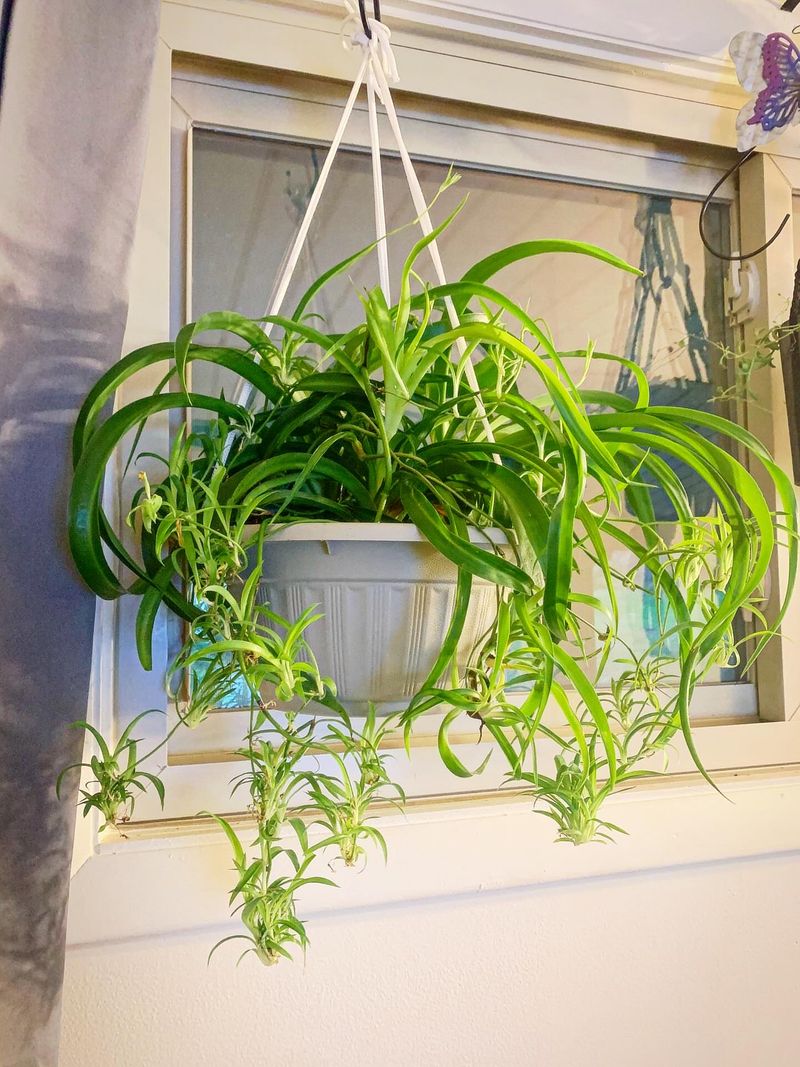
Arching leaves striped with cream and green create a fountain-like display that brings movement and energy to any room. Spider plants produce baby plantlets on long stems, dangling like tiny parachutes that add extra visual interest.
These offshoots can be propagated easily, giving you an endless supply of new plants to share or expand your collection.
This plant thrives in bright, indirect light but tolerates a wide range of lighting conditions found in Illinois homes. It adapts well to average room temperatures and doesn’t mind occasional temperature drops.
The thick, fleshy roots store water, allowing the plant to survive periods of drought better than many other houseplants.
Spider plants prefer evenly moist soil during the growing season but can handle drying out between waterings. Overwatering causes root rot, while underwatering leads to brown leaf tips that detract from the plant’s appearance.
Fluoride in tap water can also cause tip browning, so using filtered or distilled water helps maintain pristine foliage.
The cascading leaves and dangling plantlets make spider plants ideal for hanging baskets or elevated shelves. They grow quickly and fill out generously, creating a lush display within months.
Illinois homeowners appreciate how this plant purifies indoor air while adding a cheerful, tropical vibe to living spaces.
Removing spent leaves and trimming brown tips keeps the plant looking tidy and healthy. Spider plants rarely suffer from serious pest problems, though occasional aphids may appear.
The plantlets can be left attached for visual effect or snipped off and rooted to create new plants for friends and family.
6. Golden Pothos
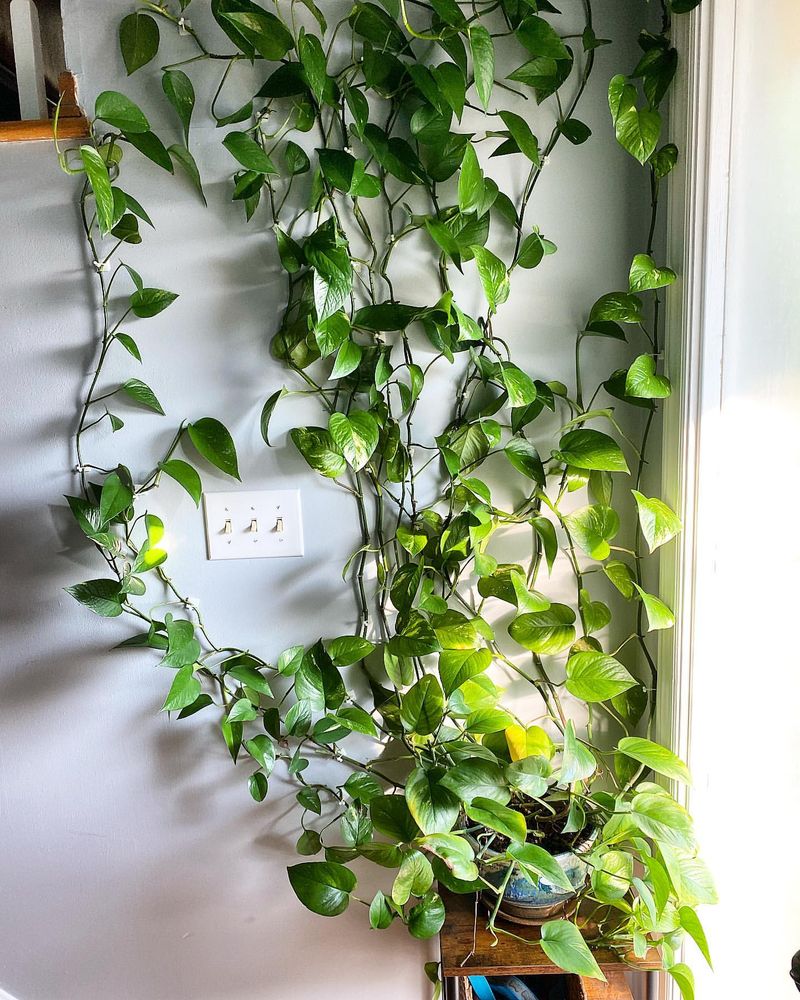
Sunshine seems to radiate from the golden-yellow splashes that decorate each heart-shaped leaf. Golden pothos brings warmth and brightness to Illinois homes, especially during gray winter months when natural light feels scarce.
Its vigorous growth habit and stunning variegation make it a standout choice for anyone wanting a plant that delivers visual impact with minimal effort.
This variety prefers brighter light than standard green pothos to maintain its vibrant yellow markings. Lower light causes the variegation to fade, resulting in mostly green leaves that lack the signature golden glow.
Placing it near an east or west-facing window provides ideal conditions without exposing it to harsh direct sun.
Water when the top inch or two of soil dries out, adjusting frequency based on your home’s temperature and humidity levels. Golden pothos tolerates occasional neglect but grows more vigorously with consistent care.
Illinois winters may require less frequent watering as plant growth slows and soil takes longer to dry.
The trailing vines can grow impressively long, creating dramatic displays that transform plain walls into living features. Pruning encourages bushier growth and prevents the plant from becoming too sparse or leggy.
Stem cuttings root easily in water, allowing you to propagate new plants or fill out existing ones.
Golden pothos works beautifully in macrame hangers, on bookshelves, or trailing from kitchen cabinets where its cheerful color brightens daily routines. It pairs well with darker green plants, creating visual contrast that makes both stand out.
This plant rarely encounters pest issues and maintains its good looks with basic care, making it perfect for both beginners and experienced plant enthusiasts.
7. Scindapsus Pictus
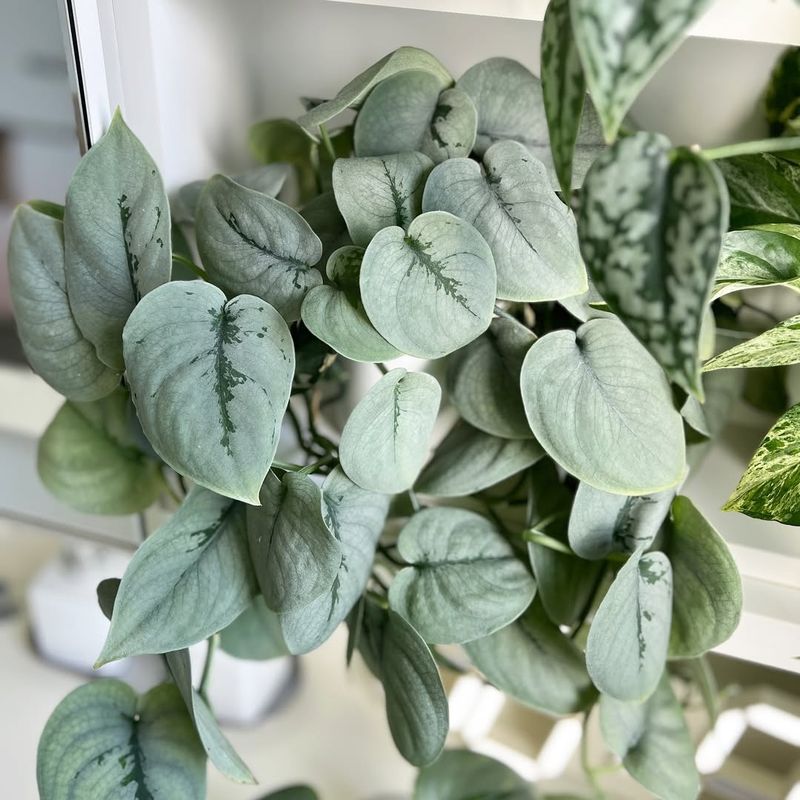
Silvery splotches shimmer across velvety green leaves, creating an almost magical appearance that captivates anyone who sees it. Scindapsus pictus, often called satin pothos, offers a more refined look than its common cousins while maintaining the same easy-going nature.
The metallic sheen on the foliage catches light beautifully, adding dimension and sparkle to Illinois interiors.
This plant grows best in moderate to bright indirect light where its silver variegation truly shines. Too little light causes the markings to fade, while direct sun can scorch the delicate leaves.
It prefers slightly warmer temperatures than some trailing plants, thriving in the comfortable range most Illinois homes maintain year-round.
Allow the soil to dry out partially between waterings, as scindapsus pictus dislikes constantly wet conditions. The leaves will start to curl slightly when the plant needs water, providing a helpful visual cue.
Higher humidity enhances leaf quality and prevents crispy edges, though the plant tolerates average household moisture levels.
Scindapsus pictus grows more slowly than standard pothos, developing a fuller, more compact appearance over time. Its trailing stems look stunning in hanging baskets or draped over the edges of tall plant stands.
The sophisticated coloring complements modern and elegant decor styles, adding a touch of luxury to any room.
Regular pruning maintains the plant’s shape and encourages branching for a denser look. Stem cuttings root readily in water or soil, though they take longer to establish than faster-growing varieties.
Illinois plant lovers appreciate how this plant adds visual interest without requiring constant attention or complicated care routines.
8. Hoya Carnosa
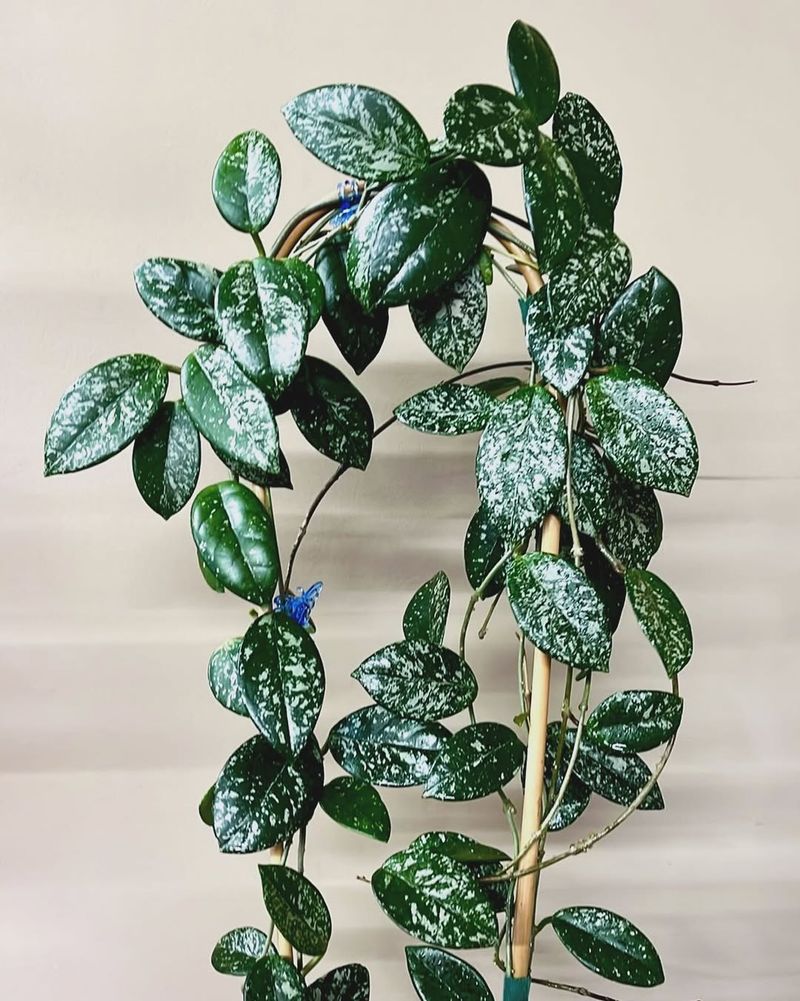
Thick, waxy leaves store moisture efficiently, making this plant remarkably drought-tolerant and forgiving of inconsistent watering. Hoya carnosa produces clusters of star-shaped flowers that smell sweet and attract attention with their intricate beauty.
The trailing vines grow slowly but steadily, eventually creating impressive lengths that showcase the plant’s sculptural qualities.
Bright, indirect light encourages blooming, though the plant survives in lower light with reduced flowering potential. Illinois homes with south or west-facing windows provide ideal conditions for this light-loving vine.
The thick leaves handle dry indoor air well, making it perfect for homes where humidity levels drop during winter heating seasons.
Water sparingly, allowing the soil to dry out almost completely between waterings. Overwatering causes root rot and yellowing leaves, while underwatering is rarely problematic thanks to the plant’s water-storing capabilities.
Hoya carnosa prefers to be slightly root-bound, which actually encourages more prolific blooming.
The vines can be trained around hoops or trellises, or left to cascade freely from hanging containers. Flower clusters emerge from special structures called peduncles that should never be removed, as they produce blooms year after year.
Illinois gardeners prize this plant for its low-maintenance nature and stunning floral displays when conditions are right.
Avoid moving the plant frequently once it’s settled, as hoya dislikes changes in location and may drop buds in protest. Fertilize lightly during the growing season to support healthy growth and flowering.
Pests rarely bother this resilient plant, and it can live for decades with proper care, becoming a cherished family heirloom.
9. Tradescantia Zebrina
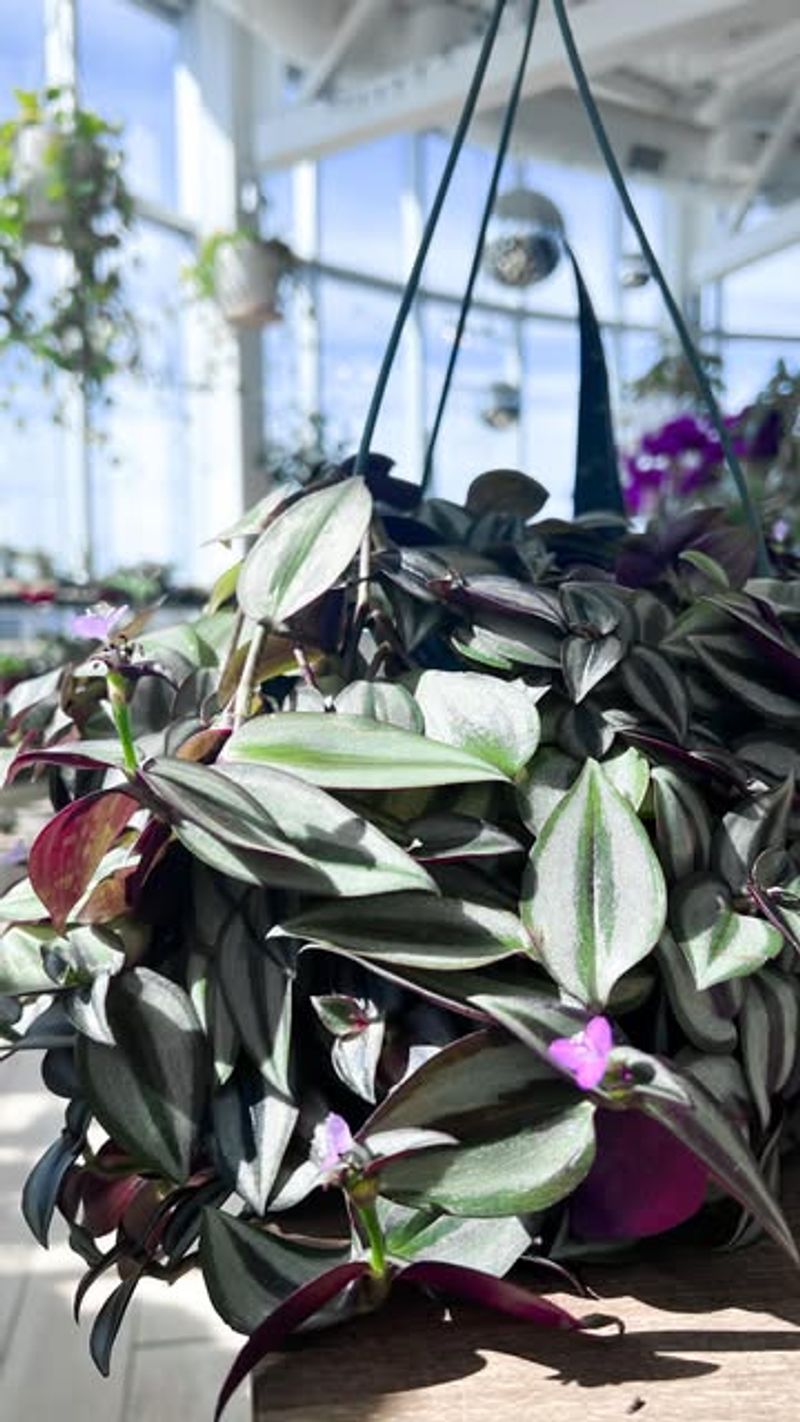
Purple, silver, and green stripes create a dazzling display that seems almost too vibrant to be real. Tradescantia zebrina, commonly known as wandering jew or inch plant, grows with remarkable speed and fills out hanging baskets quickly.
The undersides of the leaves glow with deep purple color that intensifies under bright light, adding an unexpected pop of color when viewed from below.
This plant craves bright light to maintain its bold variegation and rich purple tones. Lower light causes the colors to fade and the stems to become leggy and sparse.
Illinois homes with plenty of natural light provide perfect conditions for this colorful trailer to thrive and show off its best features.
Keep the soil consistently moist but not soggy, watering when the top layer begins to dry. Tradescantia zebrina grows so quickly that it needs regular watering during active growth periods.
The fleshy stems store some moisture, providing a small buffer against occasional drying out.
Frequent pinching and pruning keep the plant bushy and prevent it from becoming too straggly. The removed cuttings root incredibly easily in water or soil, allowing you to propagate new plants constantly.
Illinois plant enthusiasts love how quickly this plant fills hanging containers and creates a full, lush appearance.
The striking coloration makes tradescantia zebrina a focal point in any room, drawing the eye with its jewel-like tones. It pairs beautifully with plants in cooler color palettes, creating stunning combinations.
Watch for dry air causing brown leaf edges, but otherwise this plant remains relatively carefree and rewarding to grow indoors year-round.
10. String Of Hearts
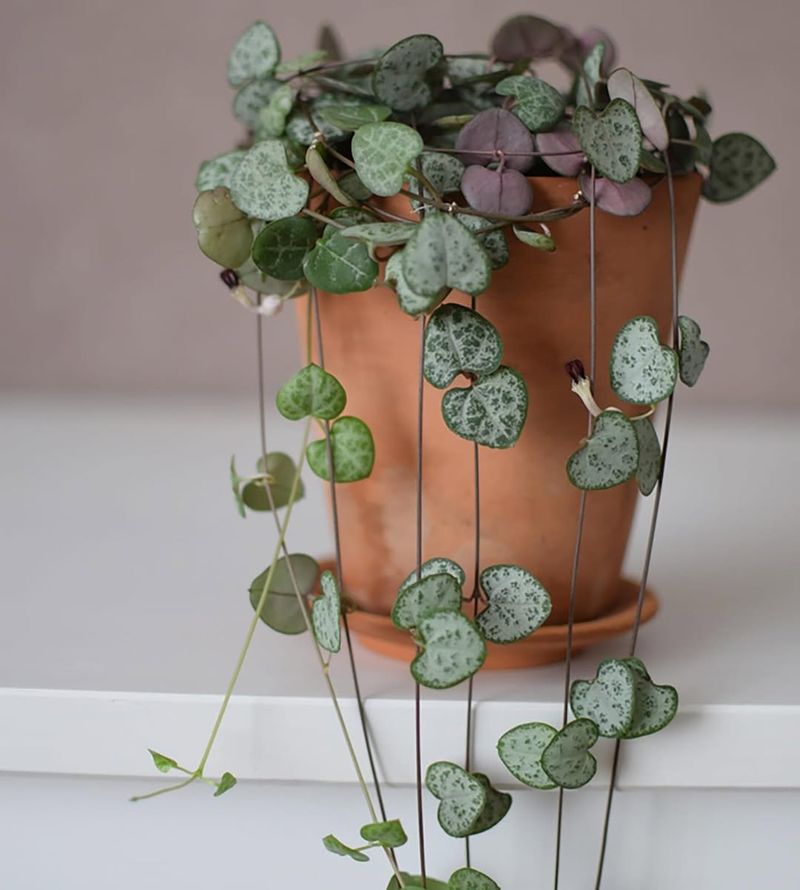
Delicate chains of heart-shaped leaves dangle like living jewelry, creating an ethereal effect that charms everyone who sees it. String of hearts features tiny, succulent-like leaves in soft gray-green with silver marbling and purple undersides.
The thin, wiry stems can grow several feet long, creating curtains of hearts that add romance and whimsy to Illinois homes.
Bright, indirect light keeps this plant compact and encourages the development of more vibrant leaf coloring. It tolerates lower light but grows more slowly and produces smaller leaves.
The trailing stems look particularly stunning when displayed in locations where they can hang freely and catch natural light.
Water sparingly, as the semi-succulent leaves store moisture and the plant prefers to dry out between waterings. Overwatering quickly leads to root rot and mushy stems that can’t be saved.
Illinois winters may require even less frequent watering as growth slows and moisture evaporates more slowly.
String of hearts produces small tubers along the stems that can be used for propagation or simply add textural interest. The plant occasionally blooms with tiny purple flowers that complement the foliage beautifully.
Its delicate appearance belies a surprisingly tough nature that handles neglect better than constant fussing.
This plant works wonderfully in small hanging pots or on high shelves where the trailing stems can cascade gracefully. The unique appearance makes it a conversation starter and a favorite among collectors.
Illinois plant lovers appreciate how this charming vine adds personality and romance to living spaces without demanding constant attention or complicated care.