8 Hard To Destroy Flowers You Need In Your Pennsylvania Garden
Some flowers look gorgeous for about five minutes, then fold the second the weather turns rude, the soil is less than perfect, or you forget to water for a day or two. That is exactly why tough flowers earn so much love in a Pennsylvania garden.
Between cold winters, soggy spring stretches, summer heat, surprise dry spells, and the occasional gardener who has good intentions but not a ton of free time, it helps to plant flowers that can roll with real-life conditions and still keep putting on a show.
The good news is plenty of hardy bloomers are more than up for the job. These are the kinds of flowers that do not act dramatic when temperatures swing or conditions get a little messy.
They keep growing, keep blooming, and keep your garden looking colorful without demanding constant attention.
Whether you are filling a front bed, brightening up a walkway, or trying to make your yard look lively without turning gardening into a second job, the right durable flowers can make the whole process a lot more enjoyable.
Sometimes the best garden plants are simply the ones that refuse to quit.
1. Black-Eyed Susan
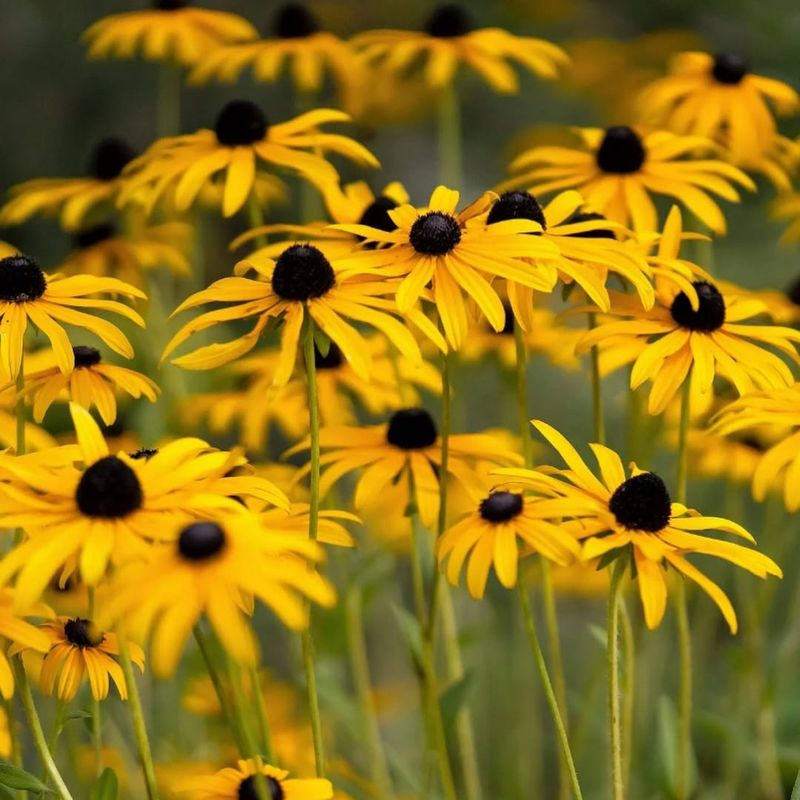
Golden, cheerful, and almost impossible to discourage, the Black-Eyed Susan is one of Pennsylvania’s most beloved garden flowers.
Those bright yellow petals surrounding a dark center have a way of making any yard look warm and welcoming from midsummer all the way into fall.
Rudbeckia hirta, its scientific name, is native to North America, which means it already knows how to handle the local climate without much help from you.
Pennsylvania summers can get hot and dry, but Black-Eyed Susans don’t sweat it. They are drought-tolerant and actually prefer well-drained soil over constantly wet ground.
Plant them in a sunny spot and they will reward you with blooms that just keep coming. Bees, butterflies, and other pollinators absolutely love these flowers, so you’re also helping local wildlife every time you grow them.
One of the best things about this plant is how easily it spreads. It self-seeds freely, meaning new plants pop up on their own each year without any extra effort.
You can deadhead spent blooms to encourage more flowers, or just leave them for the birds to enjoy the seeds in late fall. For a low-effort, high-reward flower in any Pennsylvania garden, Black-Eyed Susan is hard to beat.
2. Purple Coneflower
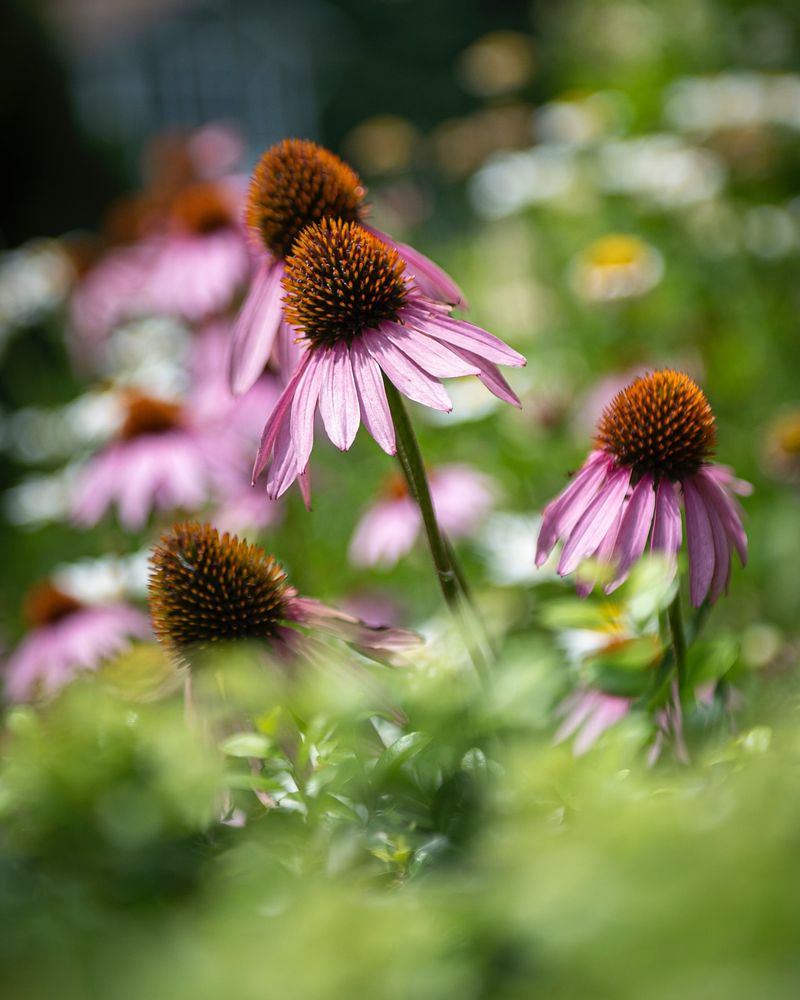
Few perennials have earned the kind of loyal fan base that Purple Coneflower, or Echinacea purpurea, enjoys across Pennsylvania. Its rosy-purple petals droop slightly around a bold, spiky center cone, giving it a look that feels both wild and elegant at the same time.
Once this plant gets settled into your garden, it becomes one of the most reliable bloomers you’ll ever grow.
Established coneflowers can handle dry spells without any drama. Pennsylvania summers bring stretches of heat and low rainfall, and Purple Coneflower just keeps going.
It actually prefers leaner soil, so you don’t need to be constantly feeding it with fertilizer. A sunny spot with decent drainage is really all it needs to thrive year after year.
Beyond looking beautiful, this flower is a magnet for pollinators. Bees and butterflies flock to it all season long, and when the blooms fade, the seed heads attract goldfinches and other birds through the colder months.
It typically blooms from early summer into fall, giving you a long window of color. You can divide clumps every few years to keep plants vigorous and spread them to other parts of your Pennsylvania yard.
It’s one of those rare flowers that gives back far more than it ever asks for.
3. Yarrow
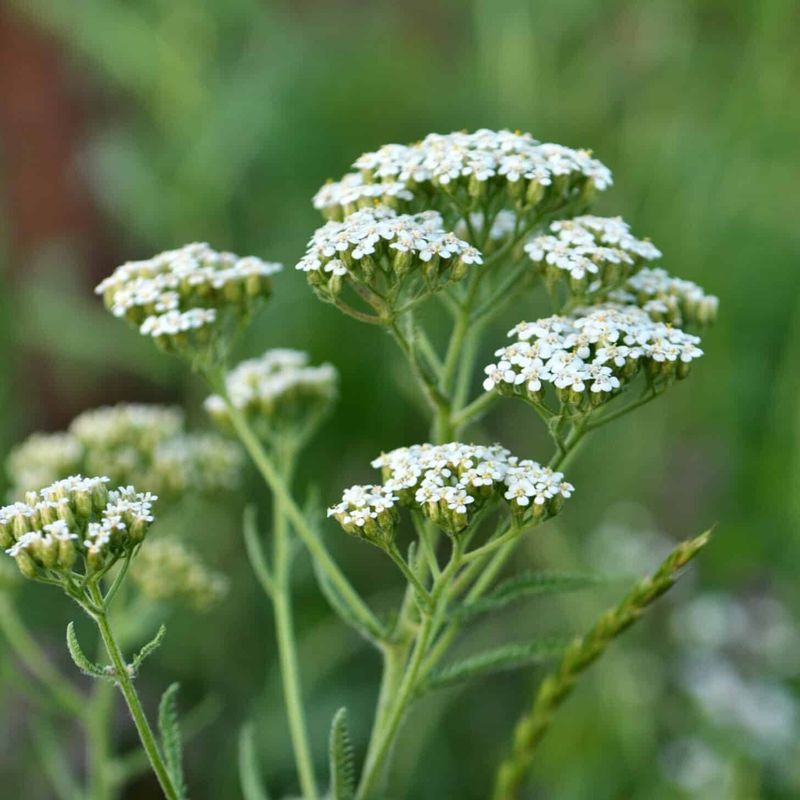
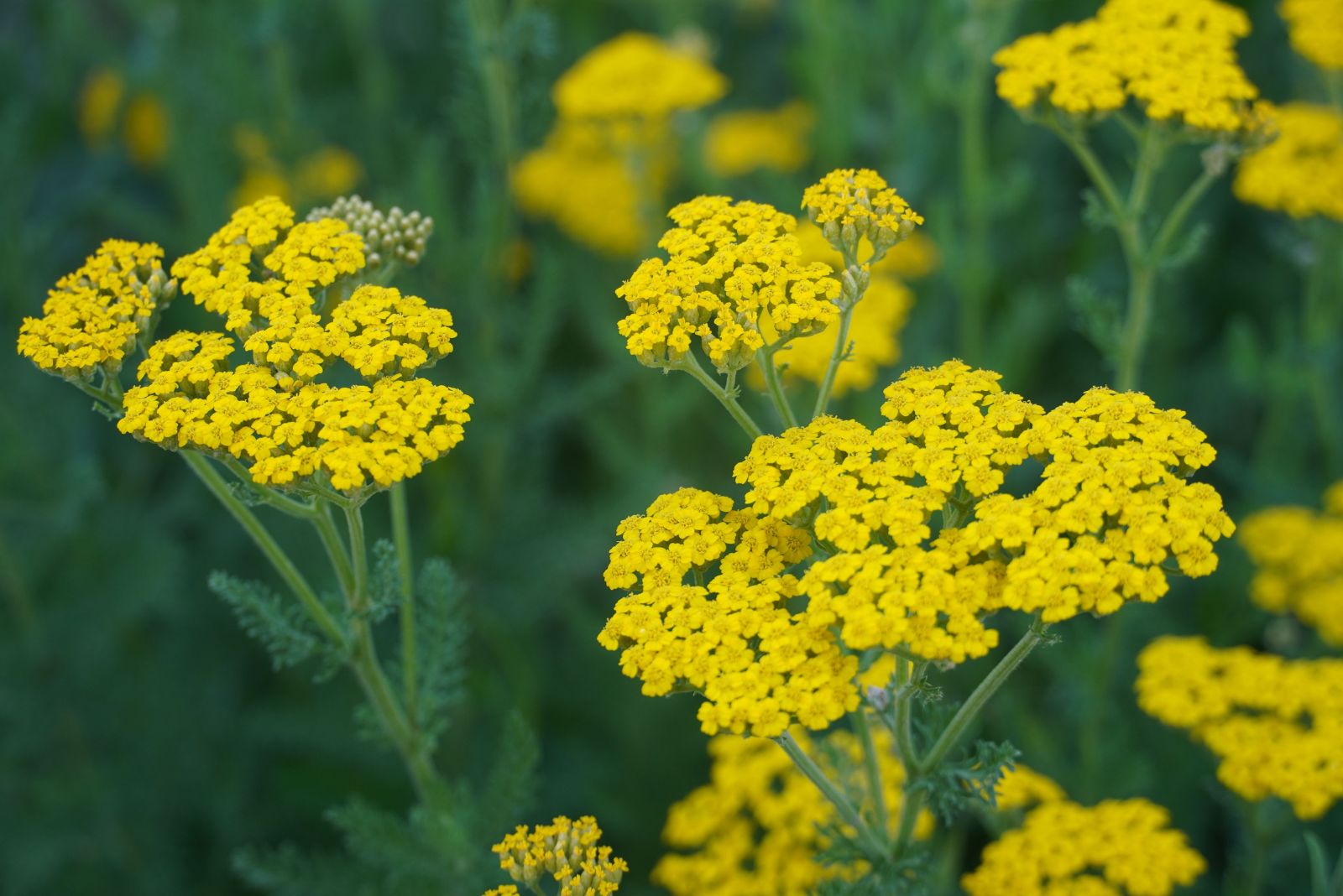
Yarrow is the kind of plant that makes gardeners look good without even trying. It grows in flat-topped clusters of tiny flowers that come in yellow, white, pink, and red, and its feathery, fern-like leaves are attractive even when it’s not in bloom.
People have grown yarrow for thousands of years, and it was even used medicinally in ancient times. Today, it’s simply one of the toughest and most useful perennials you can plant in a Pennsylvania garden.
Sunny spots are where yarrow truly shines. It’s drought-tolerant, handles poor soil without complaint, and rarely needs any fertilizing.
In fact, too much rich soil can make it flop over. Lean, well-drained ground is its happy place, which makes it perfect for those spots in your yard where other plants struggle to survive.
Blooming from late spring through midsummer, yarrow can even rebloom if you cut it back after the first flush of flowers. It spreads moderately over time, filling in gaps and keeping your garden looking full and lush.
Butterflies are drawn to the flat flower heads, making it a pollinator-friendly choice. For Pennsylvania gardeners who want something colorful, easy, and surprisingly versatile, yarrow checks every single box without demanding constant attention or care.
4. Daylily
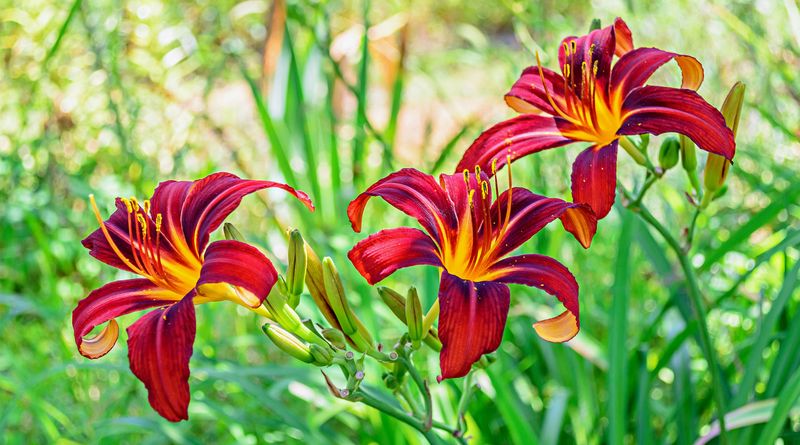
Ask almost any experienced Pennsylvania gardener which flower they’d recommend to a beginner, and daylilies come up again and again. There’s a reason for that.
These plants are famously adaptable, growing in a wide range of soil types and tolerating both sun and partial shade. They spread steadily on their own, filling in a flower bed with minimal effort from you, and they come back reliably every single year.
Daylilies get their name from the fact that each individual bloom lasts just one day. But don’t let that fool you.
Each plant sends up multiple stalks loaded with buds, so the overall display can last for weeks.
With so many varieties available, you can find daylilies blooming from late spring all the way through late summer, which means a well-planned Pennsylvania garden can have color for months.
Once planted, daylilies need very little care. They handle dry periods without wilting dramatically, and they don’t require regular fertilizing to look their best.
Dividing clumps every few years actually keeps them blooming more vigorously. They’re also largely unbothered by common pests, which is a huge relief for gardeners who don’t want to spend weekends spraying and fussing.
For a flower bed that looks full, colorful, and cared-for without constant work, daylilies are one of the safest choices any Pennsylvania homeowner can make.
5. Catmint
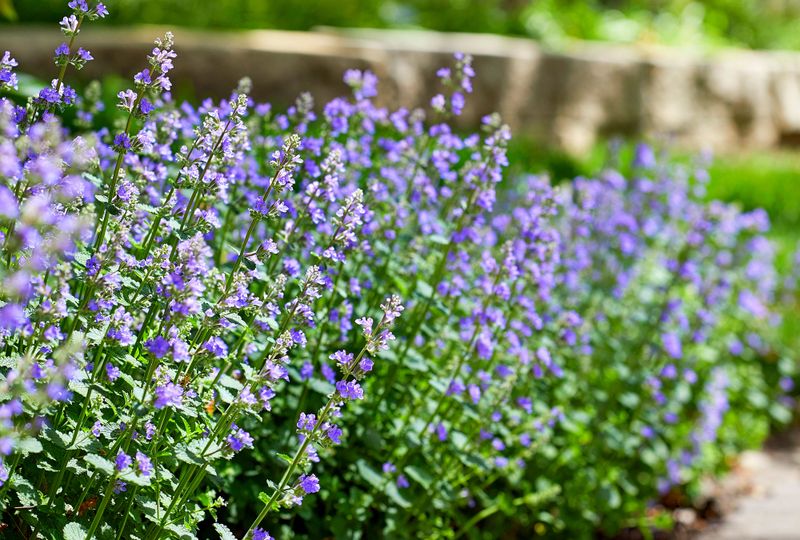
Catmint has a quiet kind of charm that sneaks up on you. Its soft, mounding shape and lavender-blue flower spikes look effortlessly graceful along a garden border, and the silvery-green leaves give it a cool, airy look even between bloom cycles.
Nepeta, as it’s scientifically known, is related to catnip, and yes, cats do find it interesting. But the real appeal here is for gardeners who want something beautiful that practically takes care of itself.
Once catmint gets established in a Pennsylvania garden, heat and dry conditions barely slow it down. It’s a tough perennial that shrugs off summer stress while continuing to push out blooms.
Cutting it back by about a third after the first big flush of flowers in late spring or early summer will encourage a fresh wave of color that can carry on well into fall.
Pollinators are huge fans of catmint. Bees hover around it constantly when it’s in full bloom, making it a great addition to any garden that wants to support local wildlife.
It works beautifully as an edging plant, spilling softly over pathways and garden borders. Unlike some perennials that get floppy or weedy over time, catmint stays relatively tidy.
For Pennsylvania gardeners who want long-blooming color with almost zero drama, catmint is a genuinely rewarding choice.
6. Sedum
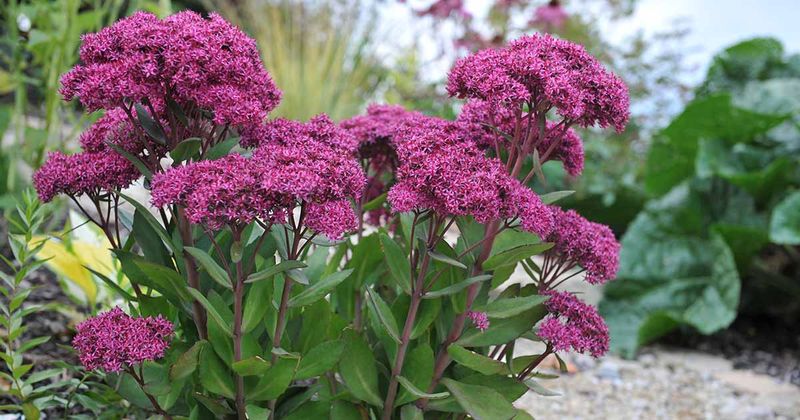
Sedum is the plant for people who forget to water. Seriously.
Its thick, succulent leaves store moisture, which means it can go long stretches without rain and still look perfectly healthy. In Pennsylvania, where summer heat can be intense and rainfall unpredictable, that kind of resilience is genuinely valuable.
Sedum, especially the popular Autumn Joy variety, is one of the most reliable late-season performers you can add to a garden.
Starting out with tight, broccoli-like buds in summer, Sedum transitions through shades of pink and then deepens to a rich rusty red by fall. That color progression is one of its most interesting features.
Even after the blooms fade, the dried seed heads hold their shape through winter, giving the garden some structure during the bare months. It’s a plant that earns its space in every season.
Hot, sunny spots that drain well are exactly where sedum wants to be. It doesn’t need rich soil or regular feeding, and it rarely deals with serious pest problems.
Dividing clumps every few years keeps plants looking tidy and vigorous. Butterflies are drawn to the flower heads in late summer, adding even more life to your Pennsylvania yard.
For a plant that delivers color, texture, and toughness all at once, sedum is hard to argue with.
7. Salvia
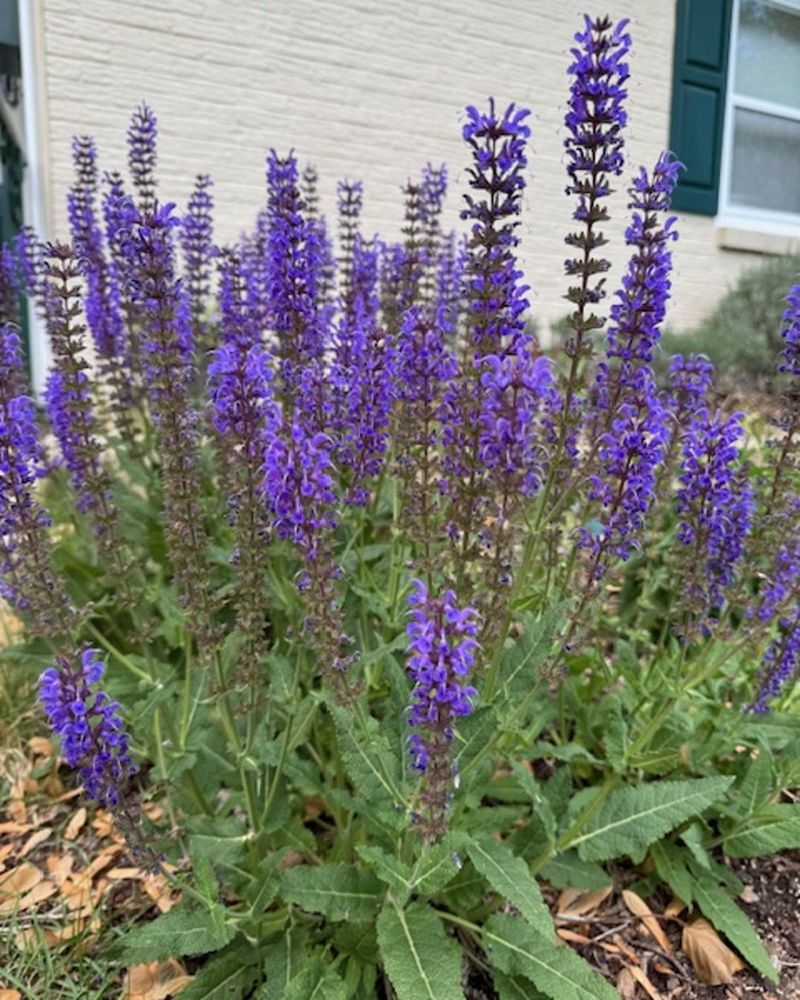
There’s something almost electric about a patch of salvia in full bloom. Those tall, upright spikes covered in deep blue, purple, or red flowers stand out in any garden setting, and they hold their color for a surprisingly long time.
Salvia is a broad family of plants, but the perennial types grown in Pennsylvania are especially valued for their toughness and their ability to handle heat and dry conditions without missing a beat.
Once salvia gets established, it becomes one of the most dependable bloomers in your yard. It loves full sun and well-drained soil, and it actually performs better when you’re not over-watering or over-fertilizing it.
That makes it a natural fit for the kind of low-maintenance garden many Pennsylvania homeowners are aiming for. Cutting plants back lightly after the first bloom cycle often encourages a second flush of color later in the season.
Hummingbirds and butterflies are strongly attracted to salvia’s tubular flowers, making it a lively addition to any pollinator-friendly yard.
The aromatic foliage also tends to discourage deer, which is a real bonus in many parts of Pennsylvania where deer browsing is a constant problem.
Salvia blends beautifully with other tough perennials like coneflower and catmint. It brings strong vertical color to a garden that might otherwise feel flat and uninteresting.
8. Shasta Daisy
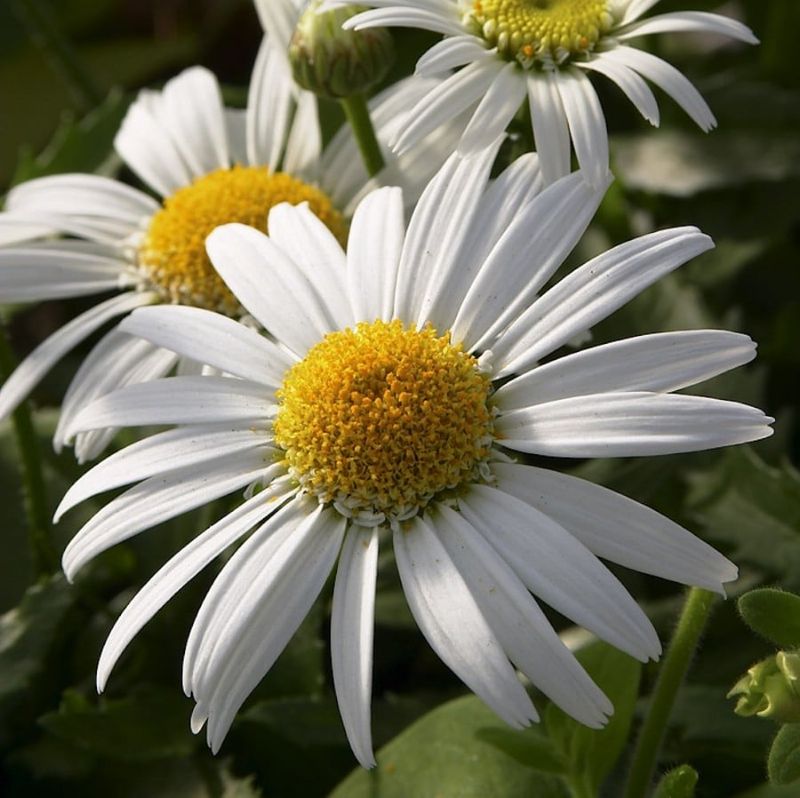
There’s a timeless, old-fashioned appeal to Shasta Daisies that never really goes out of style. Those crisp white petals surrounding a sunny yellow center have been brightening up Pennsylvania gardens for generations.
Leucanthemum superbum is the scientific name, but most gardeners just call it a classic. It’s the kind of flower that looks like it belongs in a cottage garden painting, and yet it’s tough enough to handle real-world garden conditions without constant pampering.
Shasta Daisies bloom from early to midsummer and can rebloom if you deadhead the spent flowers regularly. They prefer full sun and well-drained soil, and once established, they handle dry periods without too much stress.
In Pennsylvania, where summer conditions can swing from rainy to dry fairly quickly, that kind of flexibility is really appreciated by busy gardeners.
Clumps tend to spread over time, so dividing them every two or three years keeps them blooming strongly and prevents overcrowding.
They pair beautifully with other tough perennials like Black-Eyed Susans, coneflowers, and salvia, creating a layered, colorful look that feels full and well-planned.
Pollinators visit the flowers regularly, and the upright stems make them great for cutting and bringing indoors. For Pennsylvania gardeners who want classic beauty without a lot of fuss, Shasta Daisy is an absolute staple worth planting every time.