6 Hard To Find Native Michigan Shrubs That Are Worth The Hunt
Some of Michigan’s best native shrubs are not the ones you see lined up at every garden center.
In fact, a few of the most rewarding choices can be surprisingly hard to track down, which makes them even more exciting for gardeners who want something special.
These lesser known shrubs bring beauty, seasonal interest, and important value for local wildlife, all while being well suited to Michigan’s climate.
Some offer unusual flowers, others shine with berries, rich foliage, or standout fall color that feels right at home in a natural landscape.
They may take a little extra searching, but the payoff is a yard that looks more distinctive and connected to the region.
For gardeners who want to grow beyond the usual choices, these native shrubs are worth every bit of the effort.
Sometimes the hardest plants to find are the ones you end up loving most.
1. Leatherwood (Dirca Palustris)
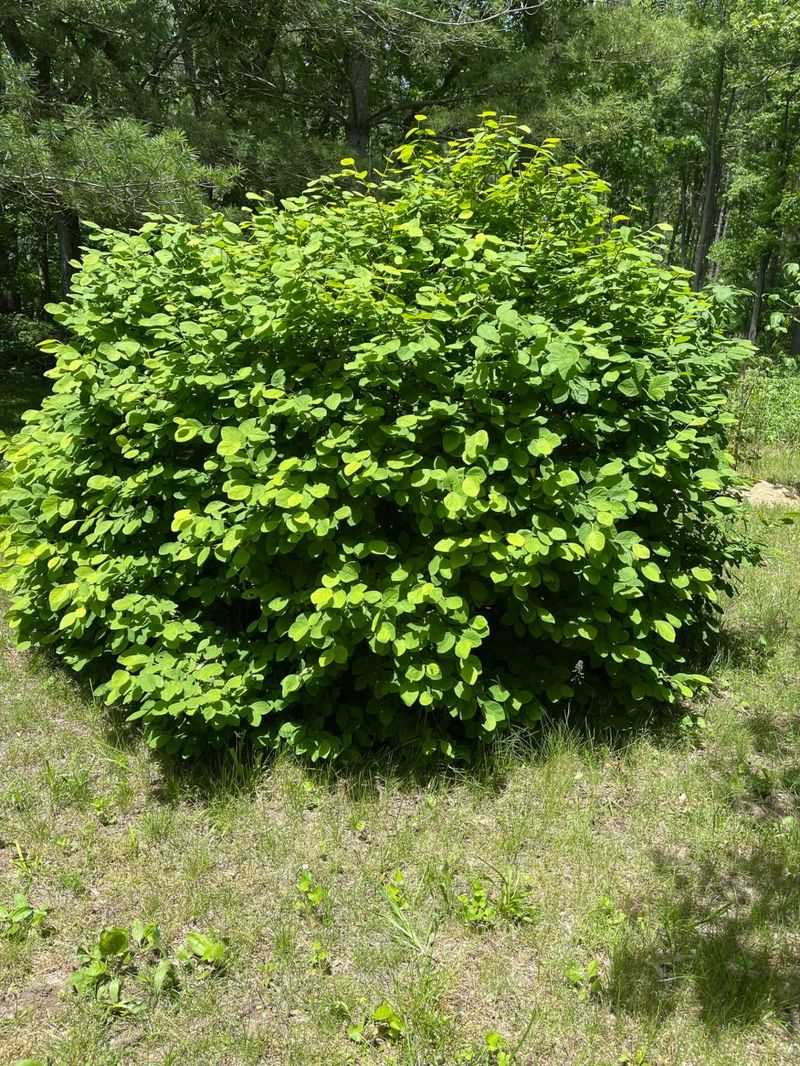
Before most trees even think about budding, Leatherwood is already putting on a show. This rare native Michigan shrub bursts into tiny yellow blooms in late winter or very early spring, often while snow still patches the ground.
It is one of the earliest flowering shrubs in the entire state, and that alone makes it something special worth seeking out.
Leatherwood grows naturally in rich, moist woodland areas, especially across southern Lower Michigan. It prefers partial to full shade and soil packed with organic matter.
The name comes from its incredibly flexible stems, which Native Americans historically used to make rope and baskets because the bark bends without snapping.
Getting this shrub established takes patience since it grows slowly and rarely shows up at regular nurseries. Specialty native plant nurseries or plant sales hosted by Michigan conservation groups are your best bets for finding one.
Once planted in the right shaded spot with consistently moist, well-drained soil, it settles in beautifully.
Leatherwood stays compact, usually reaching four to six feet tall, making it a perfect understory shrub beneath mature trees. It supports early pollinators when very little else is blooming.
For anyone serious about restoring woodland habitat in Michigan, this quiet, patient little shrub delivers enormous ecological value season after season.
2. Mapleleaf Viburnum (Viburnum Acerifolium)
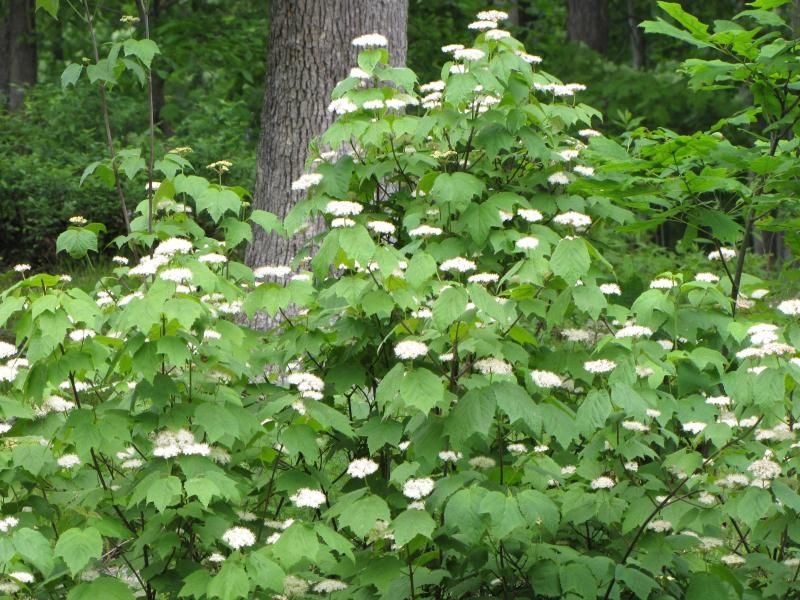
Dry shade is one of the toughest conditions a plant can face, and most shrubs simply give up under a dense tree canopy. Mapleleaf Viburnum does not.
This underappreciated native Michigan shrub actually thrives in those difficult, shaded spots where moisture is scarce and competition from tree roots is fierce. It fills a garden niche that almost nothing else can handle.
Come spring, flat-topped clusters of creamy white flowers appear, drawing in native bees and butterflies. By fall, the show really begins as the leaves shift into stunning shades of pink, rose, and purple.
Small clusters of dark berries follow, providing food for birds through the colder months across Michigan.
Growing naturally in woodland understories throughout the state, this shrub reaches about four to six feet tall and spreads gradually to form soft, natural-looking masses. It pairs beautifully beneath oaks, maples, and other large Michigan natives.
Soil quality does not need to be perfect since Mapleleaf Viburnum adapts well to average or even poor conditions.
Finding it may require visiting a native plant nursery or attending a Michigan wildflower society sale. The hunt is genuinely worth it because few shrubs offer spring flowers, vivid fall color, wildlife berries, and drought tolerance all in one tidy package.
Gardeners who discover this plant rarely want to grow without it.
3. New Jersey Tea (Ceanothus Americanus)
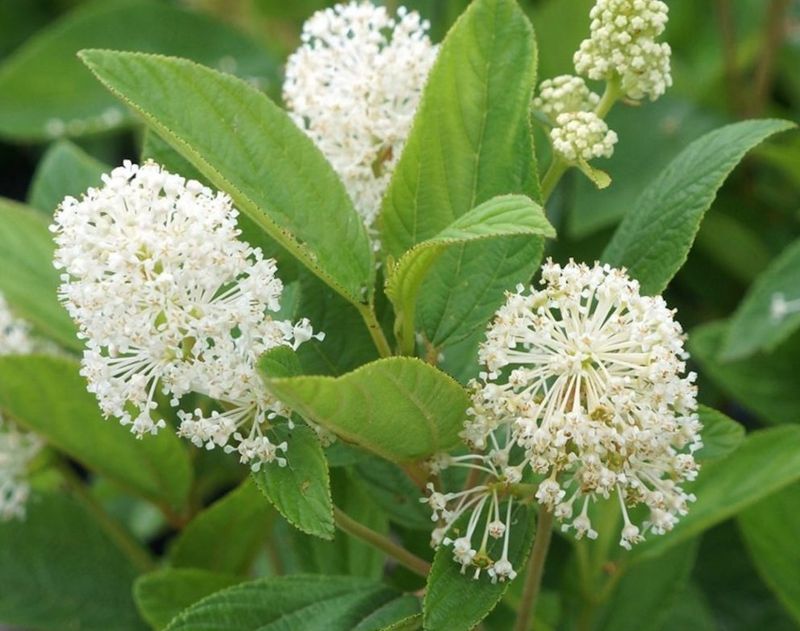
Here is a fun piece of history: during the American Revolution, colonists brewed the leaves of this plant as a tea substitute when British imports were cut off.
New Jersey Tea has been quietly impressive for centuries, and Michigan gardeners are finally starting to notice.
It is compact, tough, and loaded with ecological benefits that go far beyond its charming name.
This native shrub tops out at around two to four feet tall, making it a tidy, manageable addition to any sunny Michigan garden.
In summer, it explodes with frothy clusters of tiny white flowers that attract an impressive range of pollinators, including bumblebees, native bees, and butterflies.
The blooms last for weeks and fill the garden with gentle activity.
New Jersey Tea thrives in full sun with excellent drainage, and its deep taproot makes it genuinely drought tolerant once established. Sandy or rocky soils that would challenge most shrubs are perfectly fine for this plant.
It grows naturally in open prairies and woodland edges across southern Michigan, where poor soils are common.
Because it fixes nitrogen in the soil, it actually improves the ground around it over time. Finding it takes effort since most garden centers skip right past it.
Native plant sales across Michigan occasionally carry it, and the search is absolutely worthwhile. Few plants this small do this much good for local ecosystems.
4. American Hazelnut (Corylus Americana)
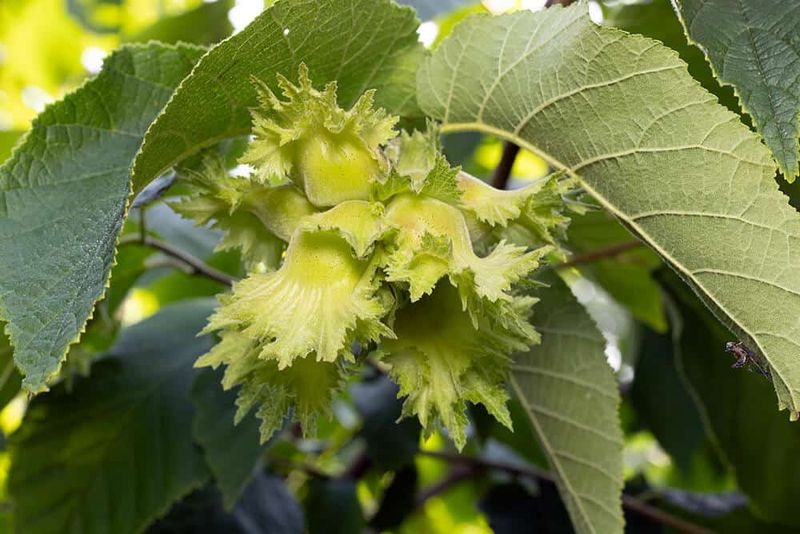
Edible nuts, wildlife habitat, and striking multi-season beauty all wrapped up in one tough native shrub. American Hazelnut does an impressive amount of work in the Michigan landscape, and it seems almost unfair that more gardeners do not grow it.
Squirrels, turkeys, deer, and over a dozen bird species rely on its nuts, making it one of the most wildlife-friendly shrubs native to the state.
In early spring, long dangling catkins appear before the leaves even open, adding delicate texture to bare garden beds. By late summer, clusters of edible hazelnuts ripen inside papery husks.
The nuts are small but genuinely tasty, and harvesting them before the wildlife does requires a little speed and determination.
American Hazelnut adapts to a wide range of soils and grows well in full sun to partial shade, which makes it one of the more versatile native shrubs in Michigan.
It naturally forms dense thickets through root sprouting, so giving it space to spread creates a fantastic naturalized hedge or wildlife border.
Cold Michigan winters do not slow it down at all.
Reaching six to ten feet tall, it works beautifully as a screening shrub or woodland edge planting. Specialty native nurseries in Michigan sometimes carry it, and it is occasionally found at conservation district sales.
Once established, it handles itself with very little care and rewards patient gardeners with something genuinely useful and beautiful every single year.
5. Buttonbush (Cephalanthus Occidentalis)
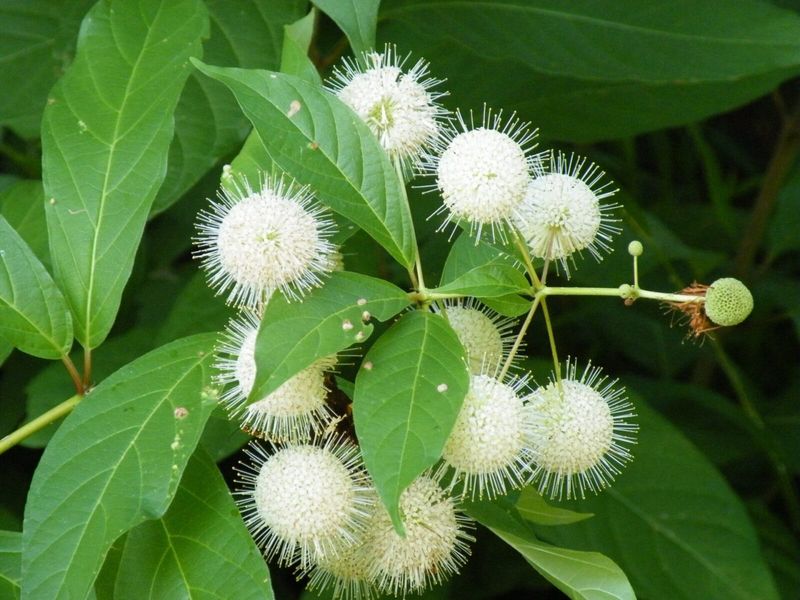
Picture a perfectly round, white flower ball covered in dozens of tiny star-shaped blooms, floating above glossy green leaves near the edge of a Michigan pond. That is Buttonbush in summer, and it is one of the most visually striking native shrubs the state has to offer.
Pollinators absolutely swarm it when it blooms, and the buzzing activity around a mature plant is genuinely exciting to watch.
What makes Buttonbush especially valuable is where it grows. Wet, soggy, poorly drained spots that frustrate most gardeners are exactly where this shrub thrives.
Along Michigan wetlands, stream banks, and pond edges, Buttonbush plays a critical role in stabilizing shorelines and filtering water. It handles standing water better than almost any other native shrub in the state.
Plant it in full sun to partial shade in consistently moist to wet soil and watch it take off. It grows quickly once established, reaching anywhere from six to twelve feet tall depending on conditions.
The round seed heads that follow the flowers persist into winter and attract waterfowl and songbirds looking for food.
Finding Buttonbush requires visiting a native plant nursery or wetland restoration supplier since most mainstream garden centers overlook it entirely.
Michigan conservation districts occasionally offer it during plant sales, especially in areas near the Great Lakes or river corridors.
For anyone working with a challenging wet site, this shrub is not just a good choice, it might be the best choice available.
6. Bush Honeysuckle (Diervilla Lonicera)
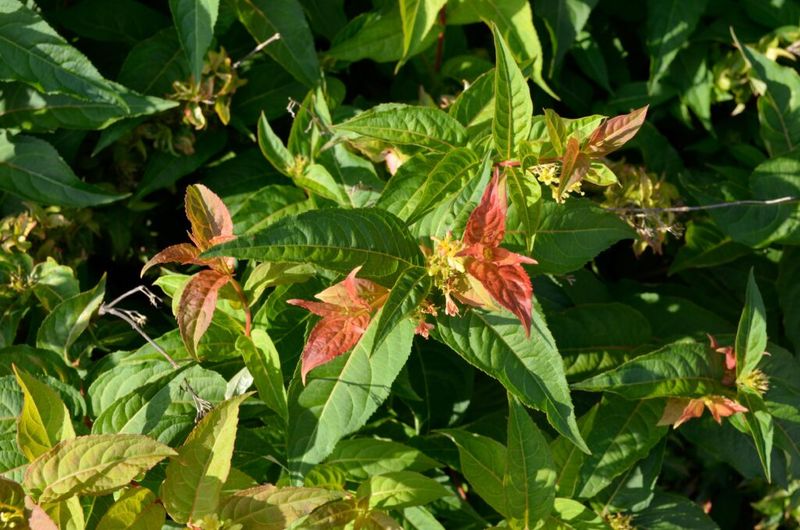
Do not let the name fool you. This is not the invasive honeysuckle taking over Michigan roadsides.
Diervilla lonicera is the real native version, a tough, well-behaved shrub that actually belongs here and gives back to the ecosystem instead of smothering it.
Calling it by its full name at the nursery counter will save a lot of confusion and get you exactly the right plant.
Bush Honeysuckle handles conditions that send most shrubs into a spiral. Rocky slopes, dry sandy soils, exposed sunny banks, and even partial shade are all manageable for this compact, spreading native.
It reaches about two to four feet tall and spreads gradually through underground stems, making it a fantastic choice for erosion control on difficult Michigan terrain.
In summer, clusters of small yellow flowers bloom along the stems, drawing in hummingbirds and native bees with reliable consistency. The foliage often turns attractive shades of red and orange in fall, adding one more season of interest to an already hardworking plant.
It is genuinely a four-season performer in Michigan gardens.
Because it spreads naturally and tolerates poor soils, Bush Honeysuckle works beautifully as a low-maintenance groundcover on slopes or as a filler in tough spots where nothing else cooperates.
Native plant nurseries across Michigan sometimes carry it, and it is worth calling ahead to check availability.
Once you find it and plant it in the right spot, it basically takes care of itself from that point forward.