9 Hardy Flowers Oregon Gardeners Can Plant Without Worry In March
If you have gardened in Oregon for a while, you know March likes to keep everyone guessing.
One afternoon feels like spring has finally arrived, then a chilly morning reminds you winter has not fully packed its bags yet.
That back and forth often leaves gardeners standing in the yard, wondering if it is smart to start planting or better to wait a little longer.
The surprising part is that several flowers actually enjoy this cool, early start. These hardy bloomers handle Oregon’s unpredictable March weather just fine and often settle in beautifully while the soil is still cool and the air feels fresh.
A handful of these tough flowers are more than ready to go in the ground right now, and they often end up being the ones that bring the first real splash of spring color to the garden.
1. Cheerful Pansies That Laugh At Late Frosts
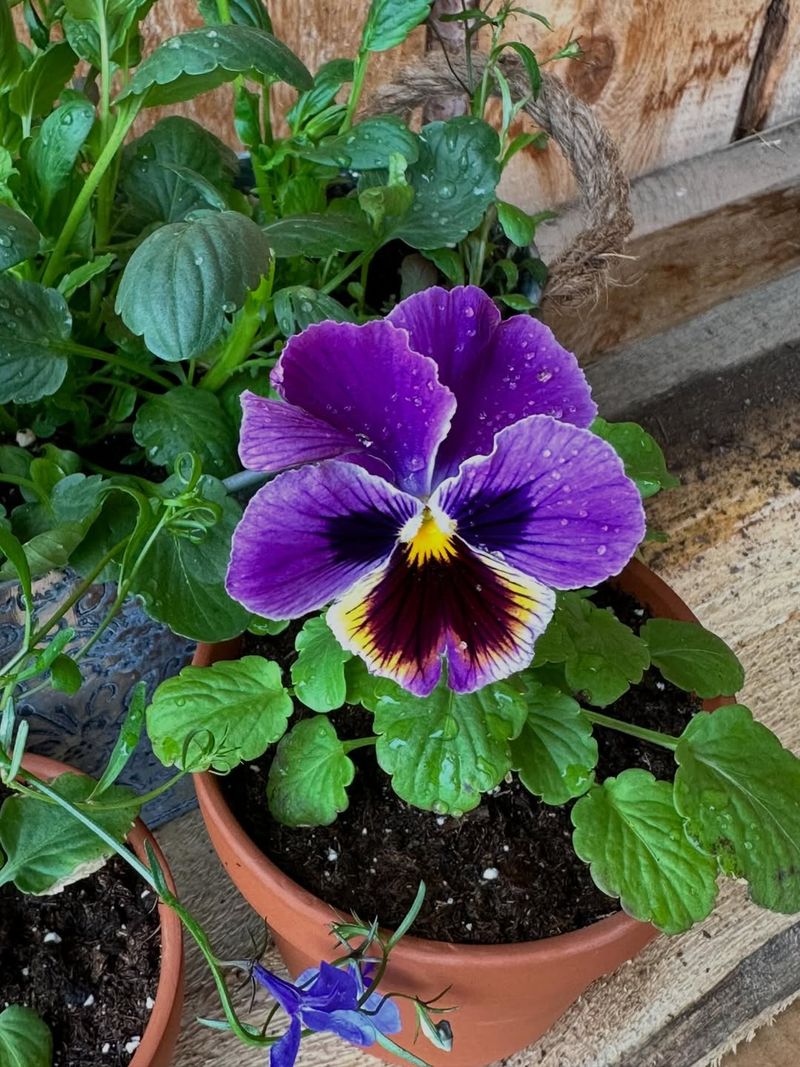
With faces that seem to smile back at you from the garden bed, pansies feature velvety petals in nearly every color combination imaginable. From deep purples to bright yellows, they often sport darker markings that resemble little faces, adding a cheerful touch to any garden.
What makes them perfect for Oregon gardens in March is their amazing ability to handle cold weather that would wilt many other flowers.
These cheerful bloomers actually prefer the cooler temperatures that Oregon offers in early spring. They’ll keep flowering happily even when nighttime temperatures drop close to freezing.
Many Oregon gardeners are surprised to find their pansies looking fresh and perky after a light frost that left other plants looking sad and droopy.
Plant them in spots that get morning sun across your Oregon garden, and they’ll reward you with months of continuous blooms. They work beautifully in containers near your front door, along walkway edges, or mixed into flower beds with other cool-season plants.
The soil should drain well but stay somewhat moist.
Pansies grow about six to nine inches tall and spread nearly as wide, making them perfect for filling in bare spots. Their compact size means you can tuck them into small spaces or use them to edge larger plantings throughout your Oregon landscape.
2. Sweet Alyssum That Spreads Fragrance Everywhere
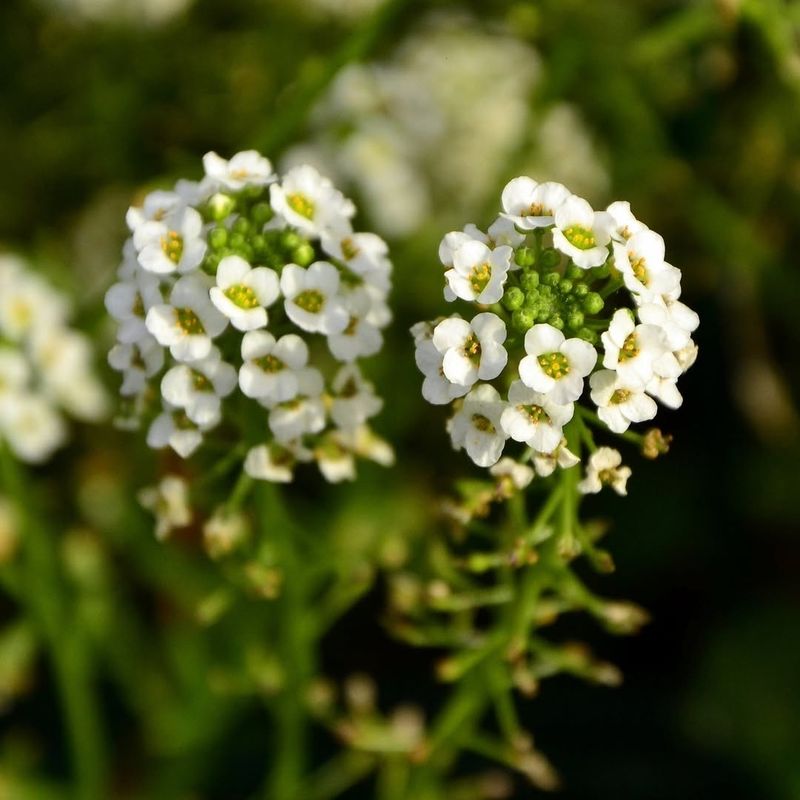
Walk past a planting of sweet alyssum on a warm March afternoon and you’ll understand why Oregon gardeners love this plant so much. The honey-like fragrance drifts through the air, sweet but not overwhelming, attracting beneficial insects to your garden even this early in the season.
Those tiny clustered flowers might look delicate, but don’t let appearances fool you.
Sweet alyssum handles Oregon’s unpredictable March weather better than you’d expect from such a dainty-looking plant. It bounces back quickly from cold nights and keeps blooming through light frosts.
The low-growing plants spread into soft mounds that spill over container edges or weave between other flowers in your beds.
This flower works wonderfully as a living mulch under taller plants throughout Oregon gardens. It fills in empty spaces quickly, suppressing weeds while adding that gorgeous fragrance and carpet of white, pink, or purple blooms.
Plant it along pathways where you’ll brush against it and release even more of that sweet scent.
Sweet alyssum reseeds itself readily in Oregon’s climate, which means you might find volunteer plants popping up in unexpected places next year. Most gardeners consider this a bonus rather than a problem.
The plants stay compact, rarely growing taller than six inches, making them ideal for front-of-border positions.
3. Classic Snapdragons That Love Oregon’s Cool Spring
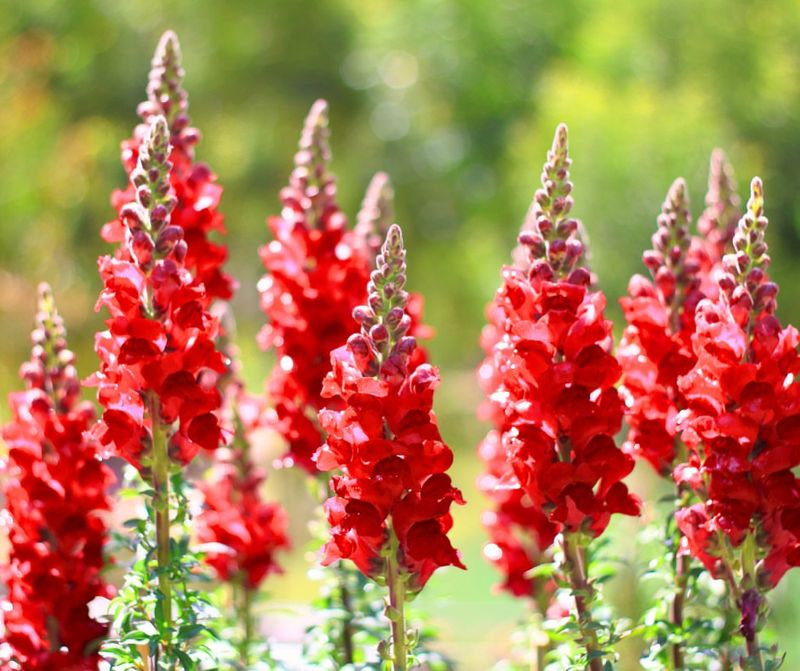
Kids absolutely love snapdragons because you can gently squeeze the sides of each bloom and watch it open like a tiny dragon’s mouth. But there’s so much more to appreciate about these vertical beauties in Oregon gardens.
They shoot up quickly once planted in March, creating stunning spikes of color that add height and drama to your spring plantings.
Oregon’s cool spring temperatures are exactly what snapdragons crave. They actually perform better here than in warmer climates where they tend to fade once summer heat arrives.
March planting gives them time to establish strong roots before their big flowering show begins. The sturdy stems stand up well to Oregon’s spring rains without flopping over.
These flowers come in nearly every color except true blue, from soft pastels to vibrant reds and oranges. Taller varieties can reach two to three feet, perfect for the back of borders or as cut flowers for indoor arrangements.
Shorter types work well in containers or front plantings across Oregon landscapes.
Snapdragons attract bumblebees, which are strong enough to push inside the closed blooms to reach the nectar. Watching this interaction adds another layer of interest to your garden.
Plant them in full sun to partial shade, and they’ll keep producing new flower spikes for months.
4. Bright Calendula That Blooms Through Chilly Weather
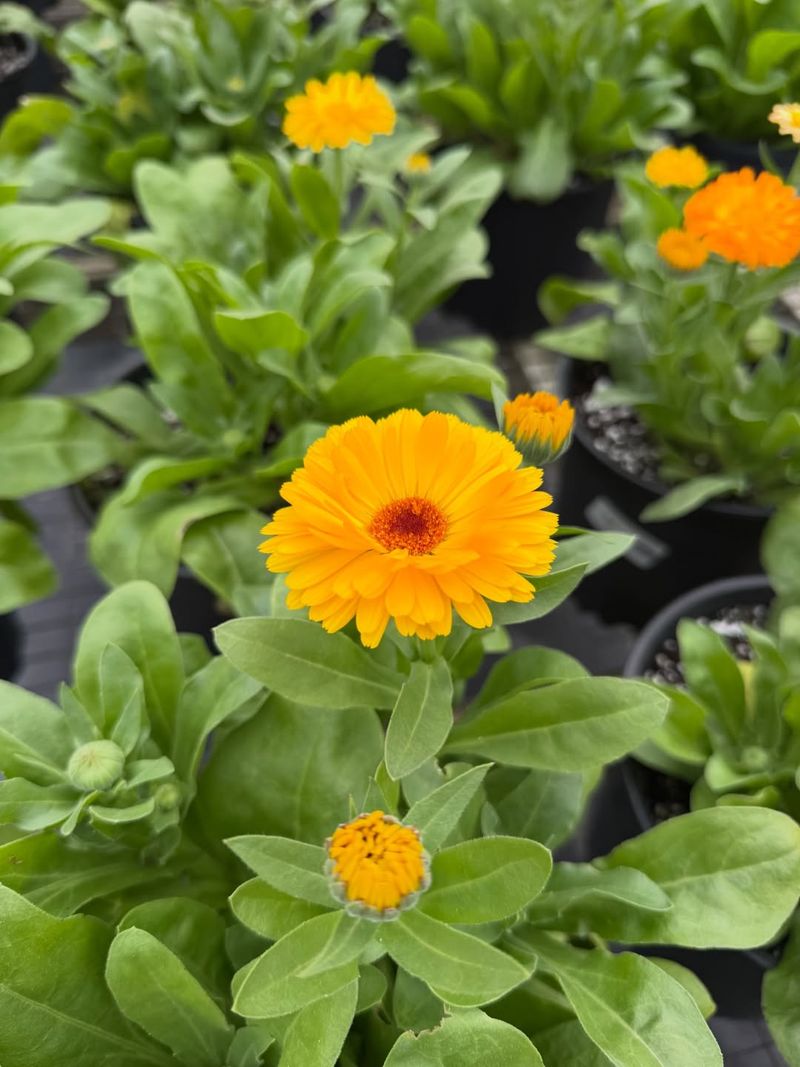
Even on cloudy March days, calendula brings sunshine to Oregon gardens. These cheerful flowers glow in shades of orange and yellow, with petals that seem to radiate warmth.
Gardeners have grown calendula for centuries, valuing it not just for beauty but also for its edible petals that add color to salads and other dishes.
March’s cool temperatures don’t slow calendula down one bit across Oregon. In fact, these tough flowers often bloom more abundantly in cooler weather than they do once summer heat arrives.
They shrug off light frosts and keep producing new flowers week after week. The plants grow into bushy mounds about twelve to eighteen inches tall and wide.
Oregon gardeners appreciate how easy calendula is to grow from seed planted directly in the garden. Just scatter seeds where you want plants to grow, cover lightly with soil, and keep the area moist.
Within weeks, you’ll see seedlings emerging. They grow quickly and start blooming remarkably fast.
The flowers attract beneficial insects to your Oregon garden while also serving as a trap crop for aphids, drawing them away from your vegetables. Deadhead spent blooms regularly to encourage more flowers, or let some go to seed for free plants next year.
Calendula reseeds reliably in Oregon’s climate.
5. Hardy Violas That Keep Flowering Through Cold Nights
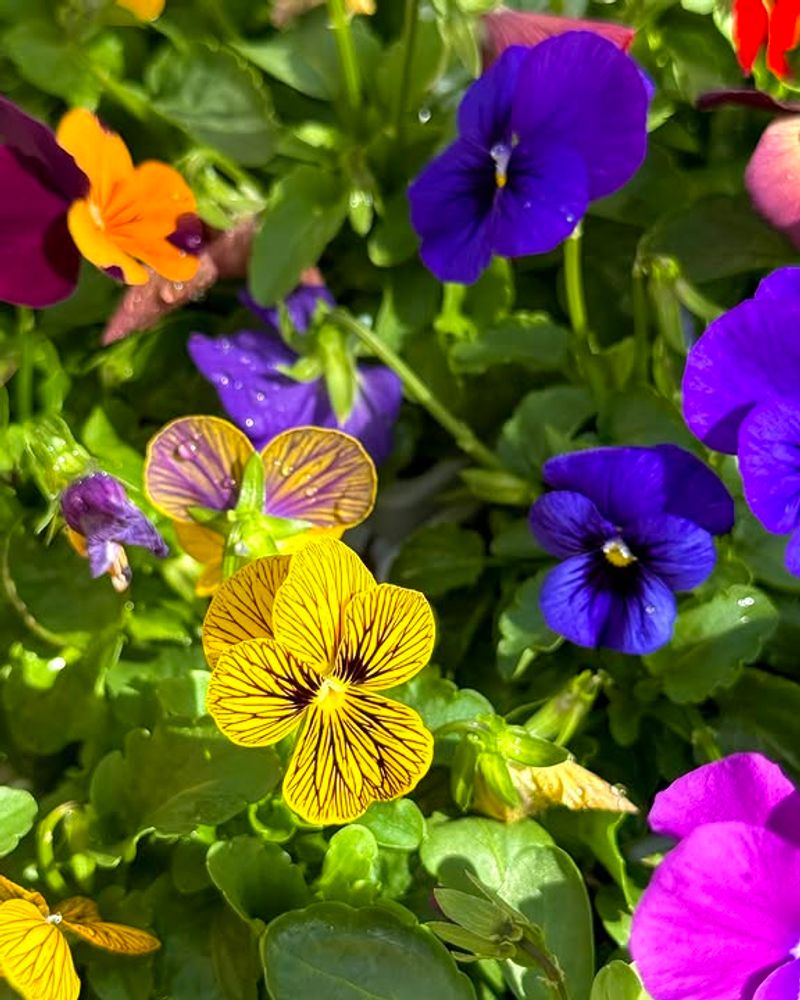
Violas are like pansies’ smaller, tougher cousins. They produce an abundance of delicate blooms that just keep coming, even when Oregon’s March nights dip down near freezing.
The flowers might be more petite than pansies, but what they lack in size they make up for in sheer quantity and cold tolerance.
These little charmers spread into colorful carpets across Oregon gardens. They work beautifully tucked between spring bulbs, where they hide the fading foliage of daffodils and tulips while adding their own splash of color.
The plants stay compact, rarely growing taller than six to eight inches, making them perfect for container gardens or as edging plants.
Violas come in rich, jewel-like colors including deep purples, bright yellows, and pure whites. Many varieties feature whisker-like markings that guide pollinators to the nectar.
Oregon’s cool spring weather keeps them blooming prolifically well into late spring, and they often continue flowering through early summer if deadheaded regularly.
For the best results in Oregon gardens, plant them in spots that receive morning sun and afternoon shade. While they tolerate full sun during the cool spring months, some protection is appreciated as the days grow warmer.
The soil should remain consistently moist, but never waterlogged. Violas are great at reseeding themselves, often popping up in delightful, unexpected locations.
6. English Daisies That Wake Up Early Spring Beds
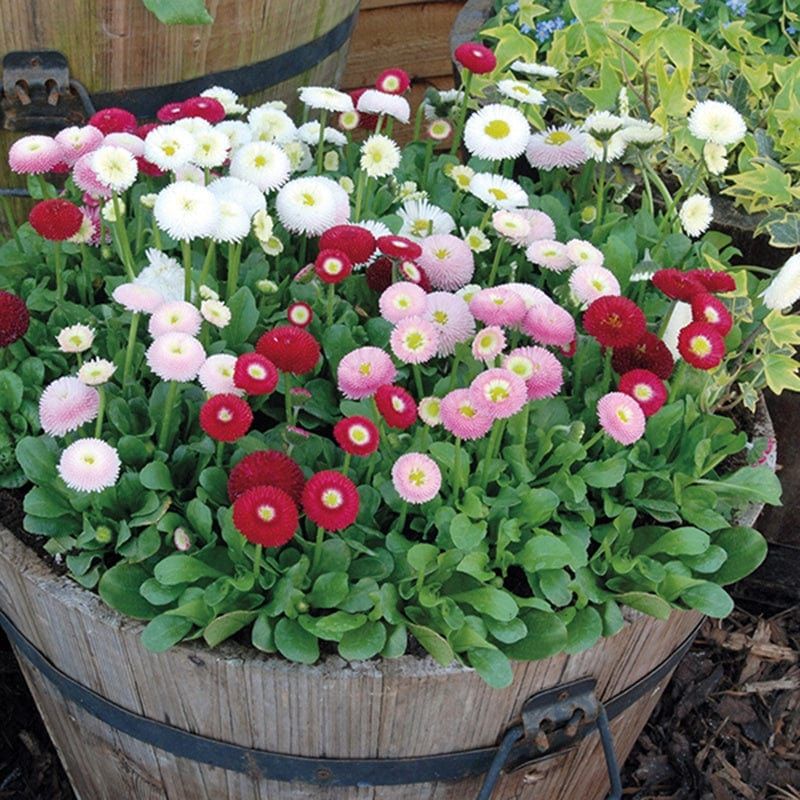
With their old-fashioned cottage garden charm, English daisies brighten Oregon landscapes. Their cheerful pompom-like blooms sit atop short stems, creating a carpet of pink, white, or red flowers that hug the ground.
These aren’t the tall daisies you might be thinking of, but rather compact plants that form neat rosettes of foliage topped with button-like flowers.
Oregon’s cool, moist spring conditions are absolutely perfect for English daisies. They thrive in temperatures that would stress heat-loving flowers, and they actually prefer the overcast days that are common here in March.
The plants handle frost without complaint and keep producing new blooms throughout spring and often into early summer.
These daisies work wonderfully as groundcovers in Oregon gardens, filling in spaces between taller plants or creating colorful ribbons along pathway edges. They grow only four to six inches tall, making them ideal for spots where you need low-growing color.
The flowers close up at night and on very cloudy days, then reopen when conditions brighten.
Plant English daisies in partial shade to full sun across your Oregon garden. They prefer soil that stays consistently moist, which matches Oregon’s typical spring weather patterns perfectly.
Deadheading spent blooms encourages more flowers, though these plants are so prolific that even without deadheading they’ll put on quite a show.
7. Tough Iceland Poppies That Thrive In Cool Soil
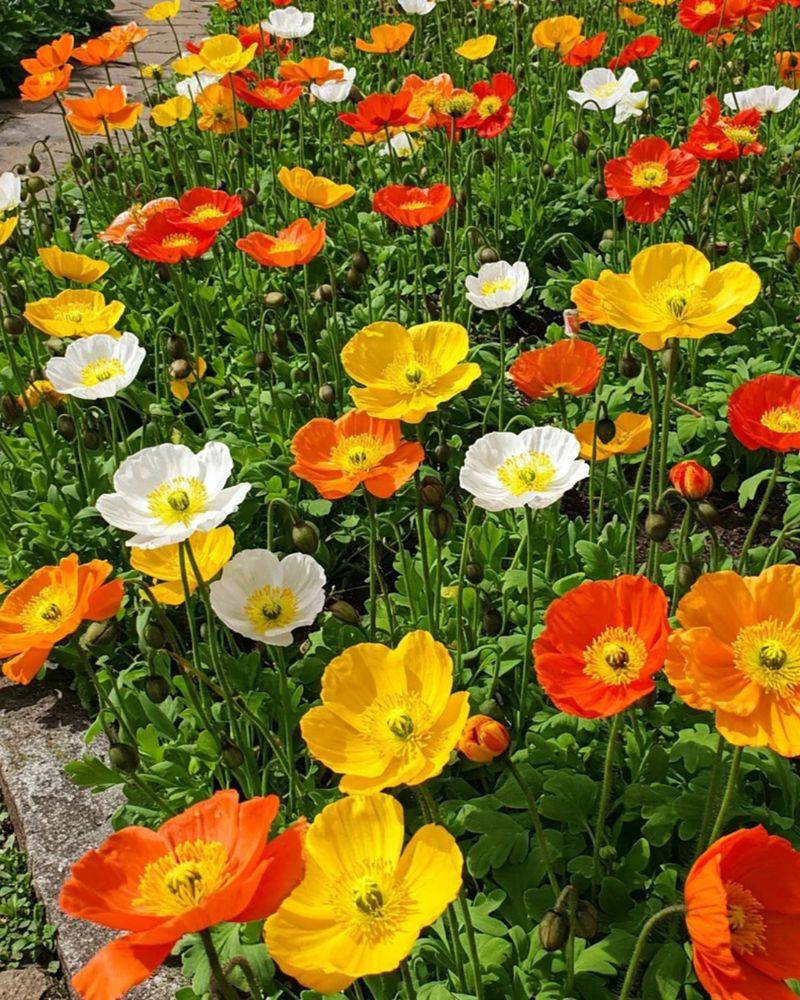
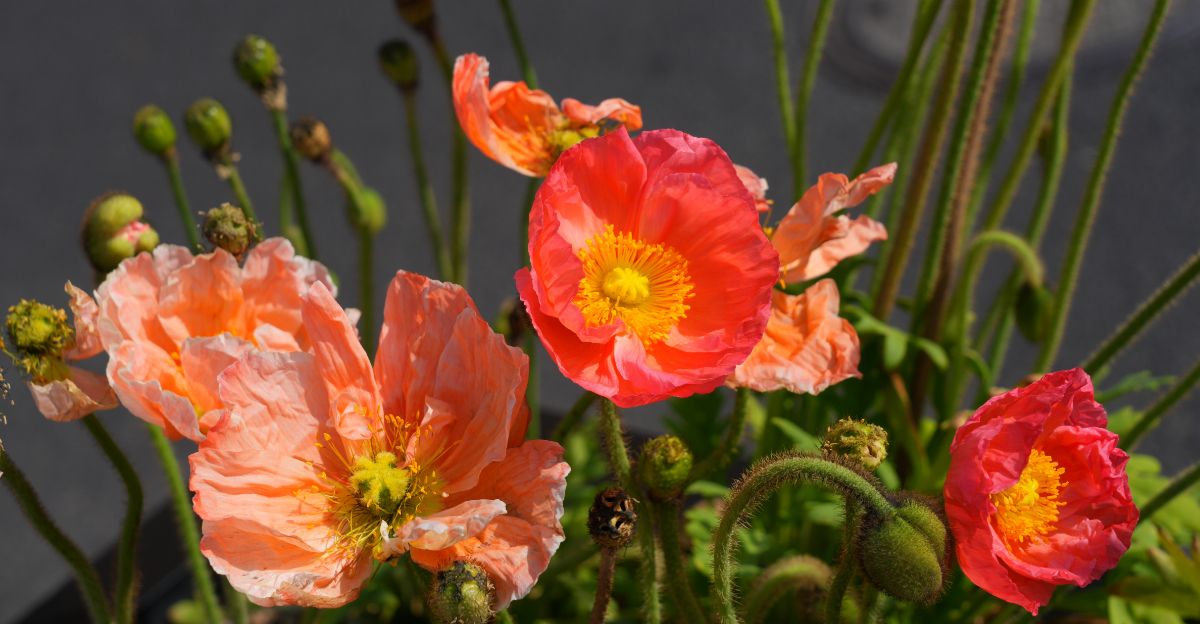
Though their tissue-paper petals are perched on thin, wiry stems, Iceland poppies handle Oregon’s variable March weather with surprising resilience. But looks can be deceiving because these beauties are remarkably tough.
They actually need cool soil to germinate and establish properly, making March the ideal planting time across Oregon.
The flowers seem to glow from within, their translucent petals catching and filtering sunlight in magical ways. Colors range from soft pastels to vibrant oranges and reds, often with contrasting centers.
Each bloom lasts several days, and the plants produce new flowers continuously once they get started. The fernlike foliage forms attractive clumps that look good even when plants aren’t flowering.
Oregon gardeners love Iceland poppies for cut flower arrangements. Surprisingly, the blooms last well indoors when cut just as the buds begin to open and the stem ends are seared with a flame.
This simple trick prevents the milky sap from flowing, helping the flowers last up to a week in a vase.
In your Oregon garden, these flowers thrive in full sun and well-draining soil. While they don’t tolerate soggy conditions, they can easily handle the spring rains when the soil drains properly.
Growing twelve to eighteen inches tall, they are perfect for mid-border positions or can be grouped in drifts to create maximum impact.
8. Charming Sweet Peas That Race Up Trellises Fast
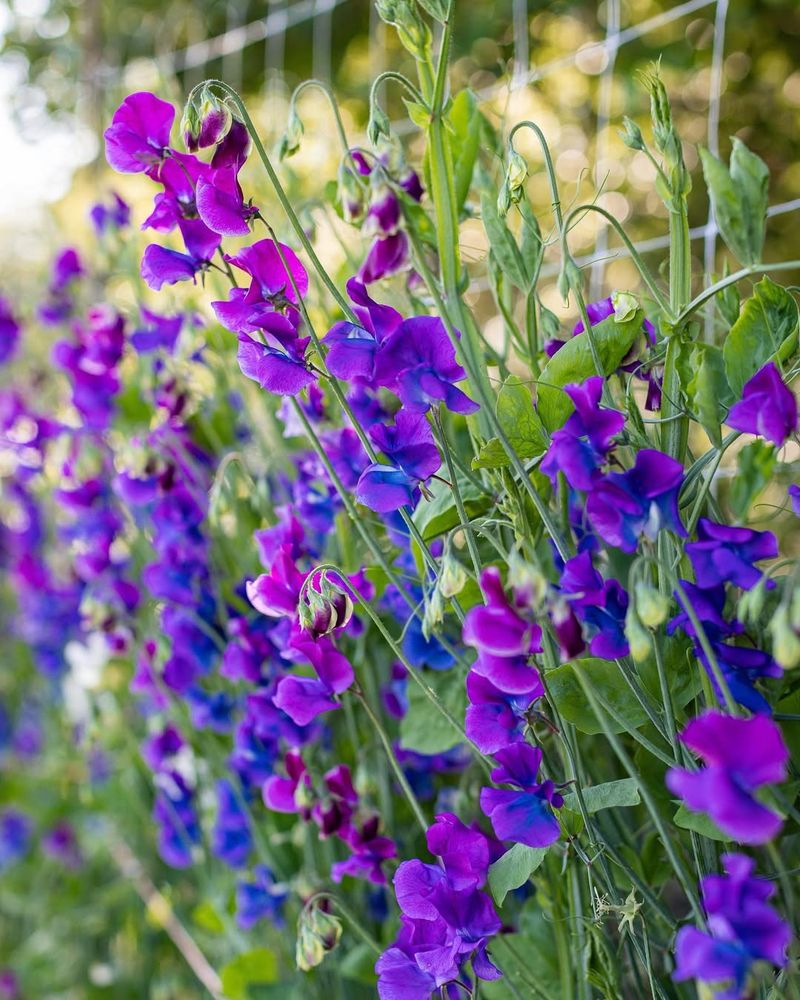
Few flowers offer the combination of beauty and fragrance that sweet peas bring to Oregon gardens. Their ruffled blooms release an intoxicating perfume that fills the air on warm spring afternoons, and they climb enthusiastically up any support you provide.
March planting gives them the cool start they need to develop strong root systems before flowering begins.
Sweet peas are actually cool-season annuals that perform best when planted early across Oregon. They need those chilly March nights to really thrive.
Once established, they grow remarkably fast, sending out tendrils that grab onto trellises, fences, or even other plants. Within weeks, they’ll transform a bare support into a wall of flowers.
The color range is spectacular, from pure whites to deep purples, with many bicolor varieties that feature contrasting edges or centers. Oregon’s cool spring temperatures keep sweet peas blooming far longer than they would in warmer climates.
Regular picking for bouquets actually encourages more flowers, so cut them freely and enjoy them indoors where their fragrance really shines.
Plant sweet pea seeds directly in the garden where you want them to grow, as they don’t transplant well once established. Soak seeds overnight before planting to speed germination.
Provide a sturdy trellis or support system because mature plants can reach six feet or taller in Oregon’s favorable conditions.
9. Reliable Bachelor’s Buttons That Handle Cool Springs
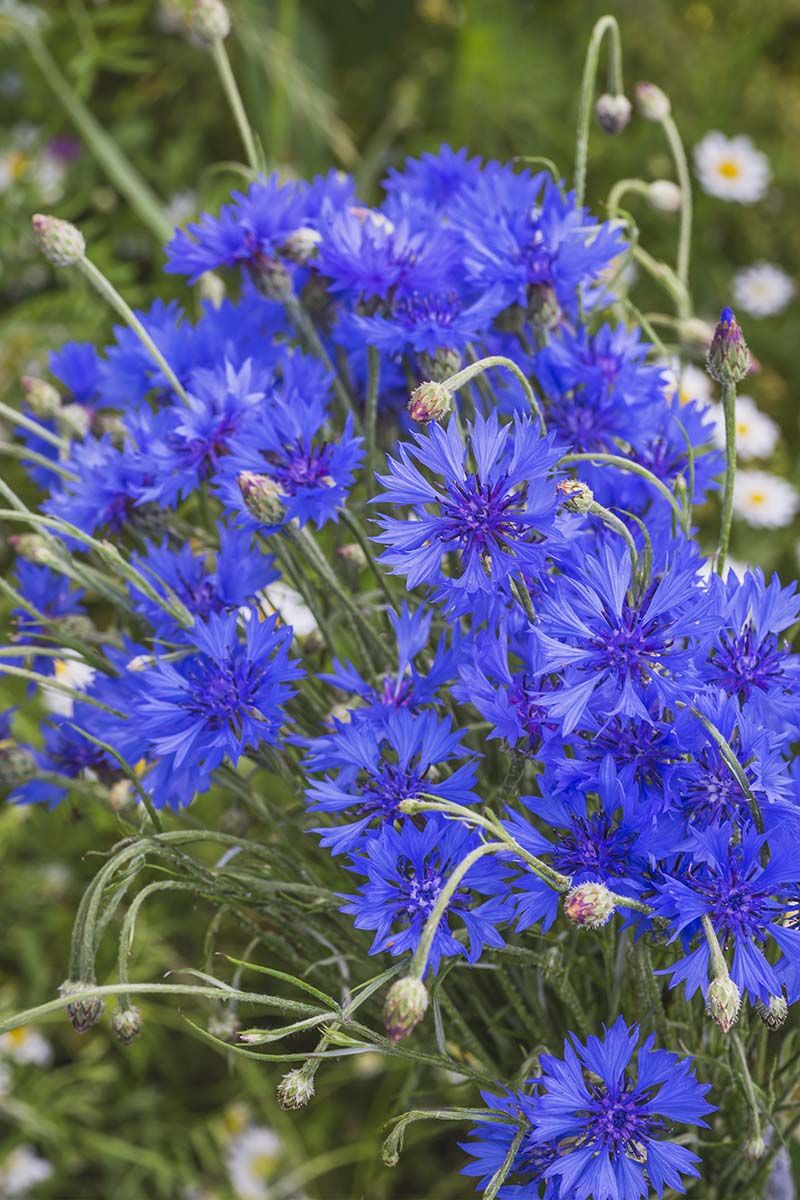
There’s something wonderfully nostalgic about bachelor’s buttons. Generations of Oregon gardeners have grown these cheerful flowers, which also go by the name cornflowers.
The fringed, button-like blooms dance on thin stems, nodding in spring breezes. They bring an informal, cottage-garden feel to any planting, and they’re among the easiest flowers you’ll ever grow.
March is the perfect time to plant bachelor’s buttons across Oregon because they germinate best in cool soil. Just scatter seeds where you want flowers to appear, rake them in lightly, and nature takes care of the rest.
They grow quickly into bushy plants topped with dozens of blooms in shades of blue, purple, pink, white, or even dark burgundy.
These flowers are incredibly drought-tolerant once established, though Oregon’s typical spring moisture helps them get off to a strong start. They actually prefer lean soil and don’t need fertilizing, making them perfect for beginning gardeners or anyone who wants beautiful results without fussing.
The plants grow eighteen to thirty inches tall depending on variety.
Bachelor’s buttons attract butterflies and bees to Oregon gardens while also making excellent cut flowers. The blooms last up to a week in arrangements, and the more you cut, the more flowers the plants produce.
They reseed themselves reliably, often returning year after year in the same spot without any effort on your part.