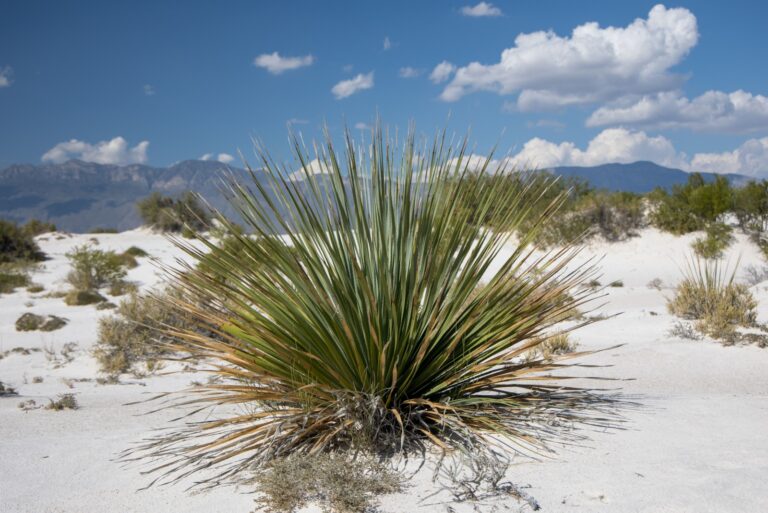
10 Hardy Plants That Stay Beautiful All Season Long In New Mexico Yards
New Mexico gardens face hot summers, dry conditions, and fluctuating temperatures, but some plants thrive despite the challenges.
Hardy, low-maintenance species provide color, texture, and resilience, keeping yards attractive from spring through fall. These tough plants make your garden look stunning without constant work.
These plants are well-suited to New Mexico’s climate, tolerating heat, drought, and poor soil while maintaining vibrant blooms and healthy foliage. From flowering perennials to evergreen shrubs, they require minimal watering and care yet provide long-lasting beauty.
Proper placement and soil preparation maximize growth and seasonal interest. Low-maintenance does not mean boring, these plants bring life to your landscape.
Homeowners who choose these hardy plants enjoy year-round color, texture, and visual appeal, creating landscapes that remain beautiful and resilient throughout the season. Grow smart, pick resilient plants, and keep your garden thriving all year.
1. Red Yucca (Hesperaloe Parviflora)
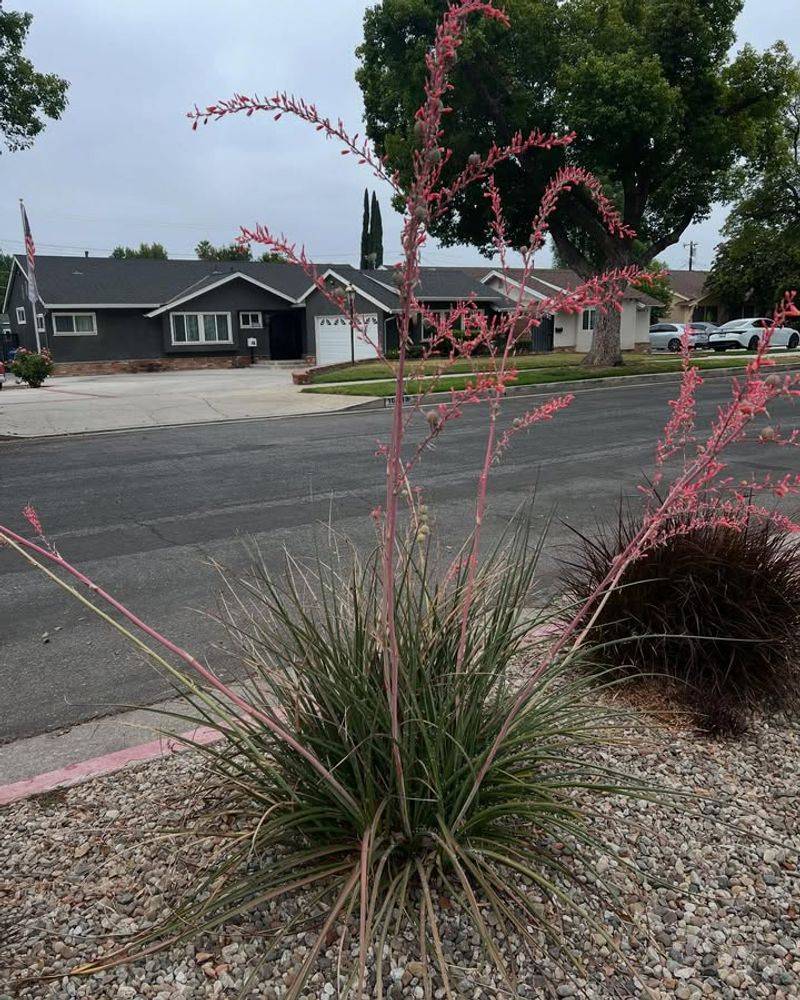
Coral-colored flower spikes rise dramatically above graceful, arching foliage from late spring through early autumn, creating a spectacular display that hummingbirds simply cannot resist.
Red yucca isn’t actually a true yucca at all, but rather a close relative that shares the same remarkable toughness and water-wise qualities that make it perfect for New Mexico landscapes.
This showstopper thrives in blazing full sun and actually prefers being left alone rather than pampered with frequent watering.
Once established in your yard, red yucca develops deep roots that allow it to tap into moisture far below the surface, meaning you can forget about constant irrigation even during the hottest months.
The slender, grass-like leaves form attractive evergreen clumps that add texture and structure to garden beds year-round, providing visual interest even when the plant isn’t actively blooming.
Tubular flowers appear on tall stalks that can reach three to five feet high, creating vertical drama that contrasts beautifully with lower-growing desert companions.
Maintenance couldn’t be simpler since red yucca rarely suffers from pest problems and doesn’t require deadheading or special fertilizers to perform at its best.
Simply plant it in well-draining soil, give it occasional deep watering during establishment, and then step back to enjoy seasons of reliable color.
This southwestern native proves that low-maintenance gardening doesn’t mean sacrificing beauty or seasonal interest in challenging climates.
2. Desert Marigold (Baileya Multiradiata)
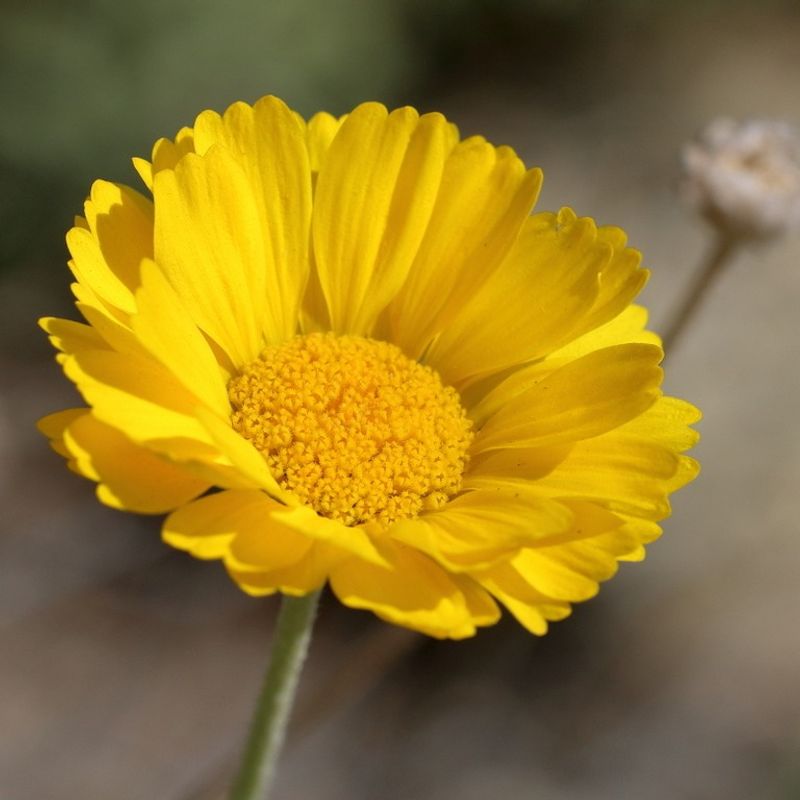
Bright golden petals seem to glow against silvery-gray foliage, creating a stunning contrast that catches your eye from across the yard and keeps shining from spring’s first warmth all the way through autumn’s cooler days.
Desert marigold has mastered the art of repeat blooming, producing wave after wave of cheerful yellow flowers that brighten even the driest corners of New Mexico gardens.
The fuzzy, silver-white leaves aren’t just beautiful—they’re specially adapted to reflect intense sunlight and conserve precious moisture during extended dry spells.
This tough little perennial actually prefers poor, rocky soil over rich garden beds, making it ideal for those challenging spots where other plants struggle to establish themselves.
Each flower head sits atop a slender stem that sways gracefully in desert breezes, adding movement and life to static landscape designs.
Desert marigold self-seeds readily in favorable conditions, allowing it to naturalize and fill in bare spaces without becoming aggressively invasive or requiring constant replanting.
Pollinators absolutely love these sunny blooms, with native bees and butterflies visiting throughout the extended flowering season to gather nectar and pollen.
Water needs are minimal once plants settle into their permanent home, and they actually perform better with occasional deep soaking rather than frequent shallow watering.
For gardeners seeking long-lasting color that doesn’t demand constant attention, desert marigold delivers reliable performance season after season.
3. Autumn Sage (Salvia Greggii)
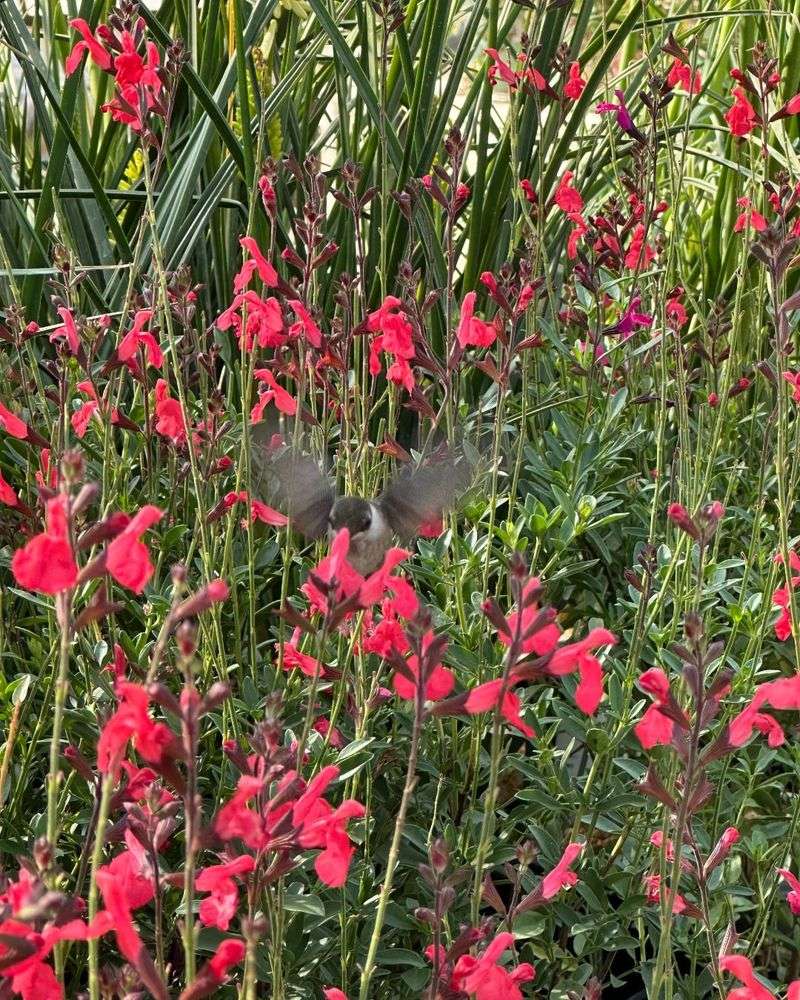
Hummingbirds zoom in from seemingly nowhere the moment autumn sage begins its spectacular flowering display, which can last from late spring through the first hard frost if conditions remain favorable.
Available in vibrant shades ranging from deep red and hot pink to coral, white, and even bicolors, this versatile perennial lets you customize your garden’s color palette while enjoying months of continuous blooms.
Small tubular flowers cluster along upright stems, creating colorful spikes that stand out beautifully against the plant’s compact, aromatic foliage.
Heat doesn’t slow down autumn sage one bit—in fact, it seems to thrive when temperatures climb, continuing to produce fresh flowers even during the intense midsummer weeks that cause many other plants to take a break.
The fragrant leaves release a pleasant scent when brushed or crushed, adding another sensory dimension to your outdoor spaces.
Butterflies and bees join hummingbirds in visiting these nectar-rich blooms, turning your yard into a pollinator paradise throughout the growing season.
Pruning requirements are minimal, though occasional light trimming helps maintain a tidy shape and can encourage even more prolific flowering as the season progresses.
Autumn sage handles drought remarkably well once its root system develops, though supplemental watering during extreme dry periods helps maintain the most abundant bloom production.
This southwestern native combines toughness with beauty in a way that few other perennials can match, making it an essential addition to any New Mexico landscape.
4. Purple Sage (Salvia Dorrii)
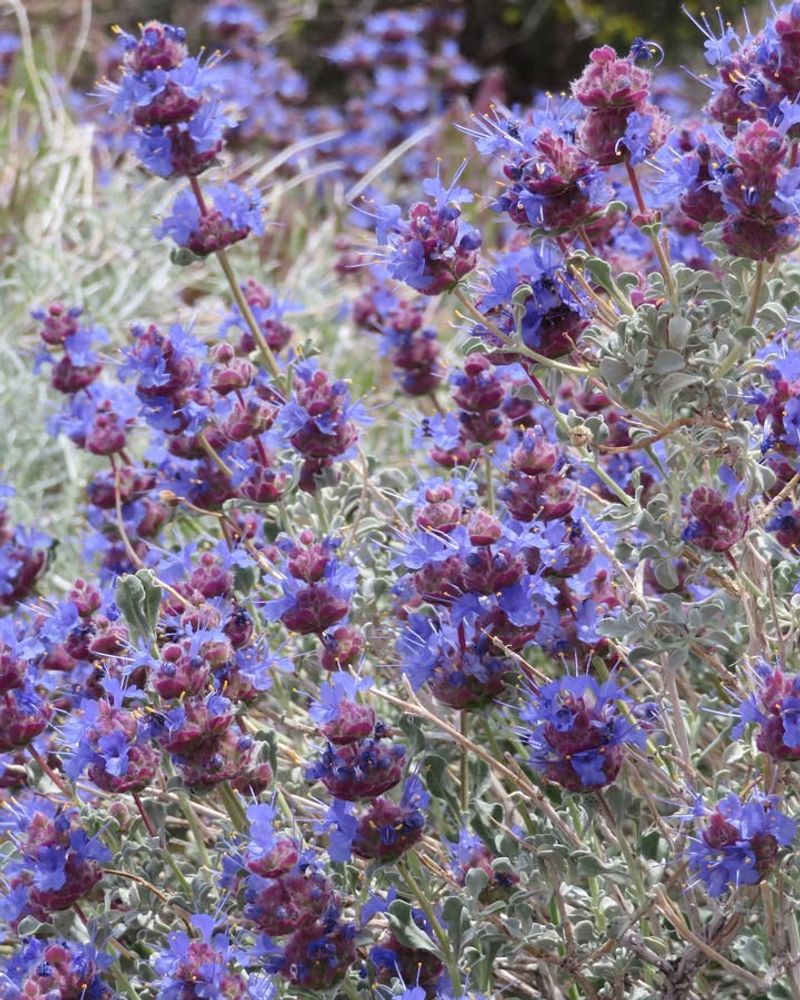
Soft purple blooms emerge in late spring, creating delicate clouds of color that hover above rounded mounds of aromatic gray-green foliage that remains attractive throughout every season.
Purple sage brings a subtle elegance to desert landscapes, offering color and texture without the bold, in-your-face presence of some showier species.
The fragrant leaves release their pleasant scent most noticeably after rain or when temperatures warm in the afternoon, filling the air with the unmistakable aroma of the high desert.
This compact shrub typically grows two to three feet tall and wide, making it perfect for borders, rock gardens, or as a textural accent among larger landscape plants.
The silvery foliage provides year-round interest, reflecting sunlight beautifully and creating a cool visual effect even during the hottest months.
Purple sage handles New Mexico’s temperature extremes with remarkable resilience, staying evergreen through mild winters and bouncing back quickly even after occasional cold snaps.
Water requirements are exceptionally low once the plant establishes itself, making purple sage an excellent choice for water-conscious gardeners who want beauty without waste.
The flowers attract numerous pollinators, including native bees that appreciate the early-season nectar source when other plants are just beginning to wake up.
Deer and rabbits typically avoid purple sage due to its aromatic oils, giving you one less wildlife challenge to worry about in areas where browsing animals are common.
5. Apache Plume (Fallugia Paradoxa)
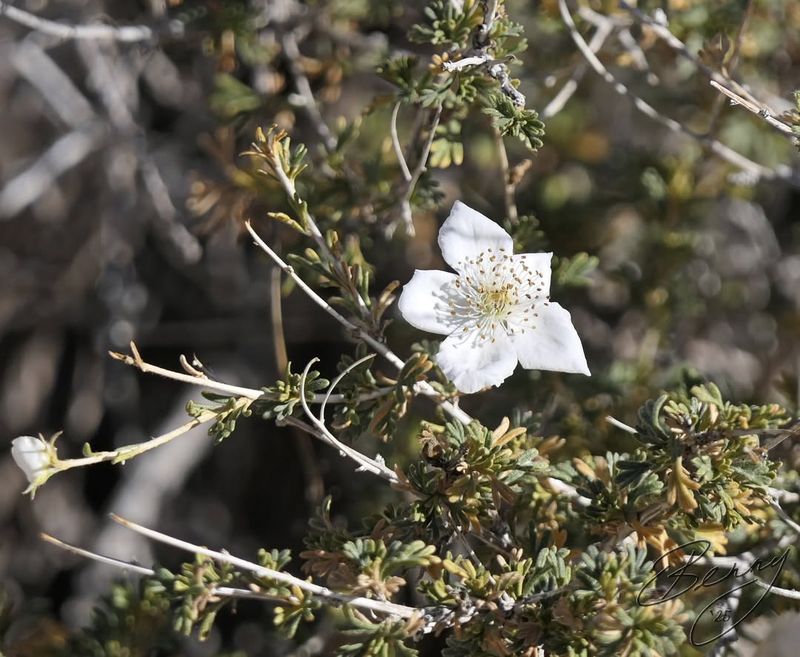
White rose-like flowers appear in late spring and early summer, but the real magic happens afterward when feathery pink seed heads emerge and persist for months, creating a soft, ethereal quality that changes with the light throughout the day.
Apache plume earns its common name from these distinctive plumes that resemble delicate feathers, waving gently in desert breezes and catching the golden glow of sunset.
This multi-stemmed shrub grows three to six feet tall, developing an attractive, somewhat informal shape that fits perfectly into natural landscape designs.
The small, deeply divided leaves provide fine texture and remain on the plant year-round in milder climates, though they may drop during particularly harsh winters before quickly regrowing.
Apache plume handles full sun and reflected heat from walls or pavement without complaint, making it ideal for challenging spots that bake other plants.
The combination of white spring blooms and long-lasting feathery seed heads means this shrub provides visual interest across multiple seasons rather than just a brief flowering period.
Drought tolerance is exceptional once the root system establishes, and Apache plume actually performs better with infrequent deep watering rather than regular shallow irrigation.
Wildlife appreciate this native shrub, with birds sometimes using the dense branching for nesting sites and the seeds providing food for various species.
Maintenance needs are minimal—just occasional pruning to remove any damaged branches or to shape the plant if desired.
6. Globe Mallow (Sphaeralcea Ambigua)
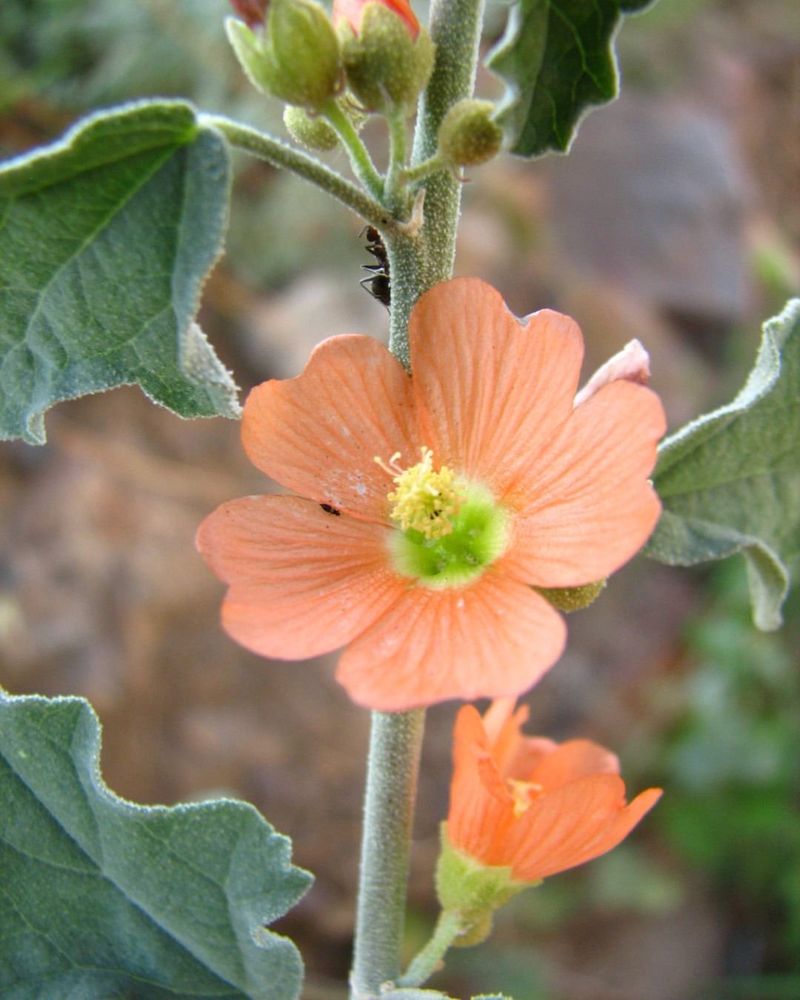
Brilliant orange flowers cover this cheerful perennial from early spring through late fall, creating splashes of vibrant color that seem almost impossibly bright against New Mexico’s desert backdrop.
Globe mallow doesn’t ask for much—poor soil, blazing sun, and minimal water are all it needs to produce months of eye-catching blooms that butterflies and native bees visit enthusiastically.
The cup-shaped flowers grow in clusters along upright stems, creating vertical interest while the gray-green foliage forms a spreading base that fills in garden spaces nicely.
This tough native actually struggles in overly rich soil or with too much water, preferring the lean, well-draining conditions that mirror its natural desert habitat.
Globe mallow can self-seed and spread gradually, making it excellent for naturalizing in larger landscape areas where you want reliable color without constant replanting.
The soft, fuzzy leaves have a silvery quality that helps the plant conserve moisture and reflect intense sunlight during the hottest parts of summer.
Flowering continues almost nonstop during the growing season, with new blooms replacing faded ones in an ongoing cycle that requires no deadheading or special maintenance.
Globe mallow’s root system develops quickly, allowing it to establish faster than many desert natives and begin its colorful display sooner.
For gardeners who want maximum visual impact with minimum effort and water use, this long-blooming perennial delivers exactly what New Mexico landscapes need.
7. Santa Fe Blue Flax (Linum Lewisii)
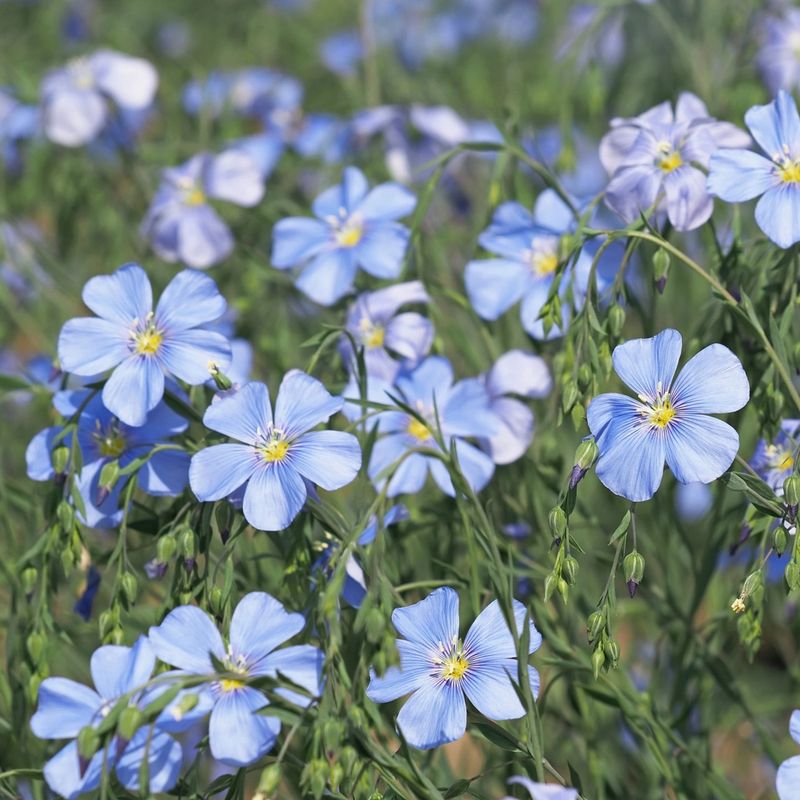
Delicate sky-blue flowers dance on slender stems throughout the growing season, creating a soft, romantic effect that contrasts beautifully with the bolder colors of other desert plants.
Each individual bloom lasts only a day, but Santa Fe blue flax produces so many buds in succession that the plant appears constantly covered in fresh flowers from late spring through summer.
The airy, fine-textured foliage and graceful stems give this perennial an almost meadow-like quality that softens formal landscapes and adds movement to garden beds.
Native to western North America including New Mexico’s higher elevations, blue flax has naturally adapted to handle drought, temperature swings, and intense sunlight without requiring special care or amendments.
The plant typically reaches twelve to twenty-four inches tall, making it perfect for mid-border placements where its delicate flowers can be appreciated without getting lost behind larger specimens.
Blue flax self-seeds readily in favorable conditions, allowing it to naturalize and create drifts of color that look increasingly beautiful as colonies mature.
Water needs are modest once established, though occasional supplemental irrigation during extended dry spells helps maintain the most prolific flowering.
The simple five-petaled blooms open in the morning and often close by afternoon, giving the plant a dynamic quality that changes throughout the day.
Santa Fe blue flax attracts pollinators while deer typically pass it by, making it a smart choice for yards where wildlife browsing creates challenges for other flowering perennials.
8. Desert Willow (Chilopsis Linearis)
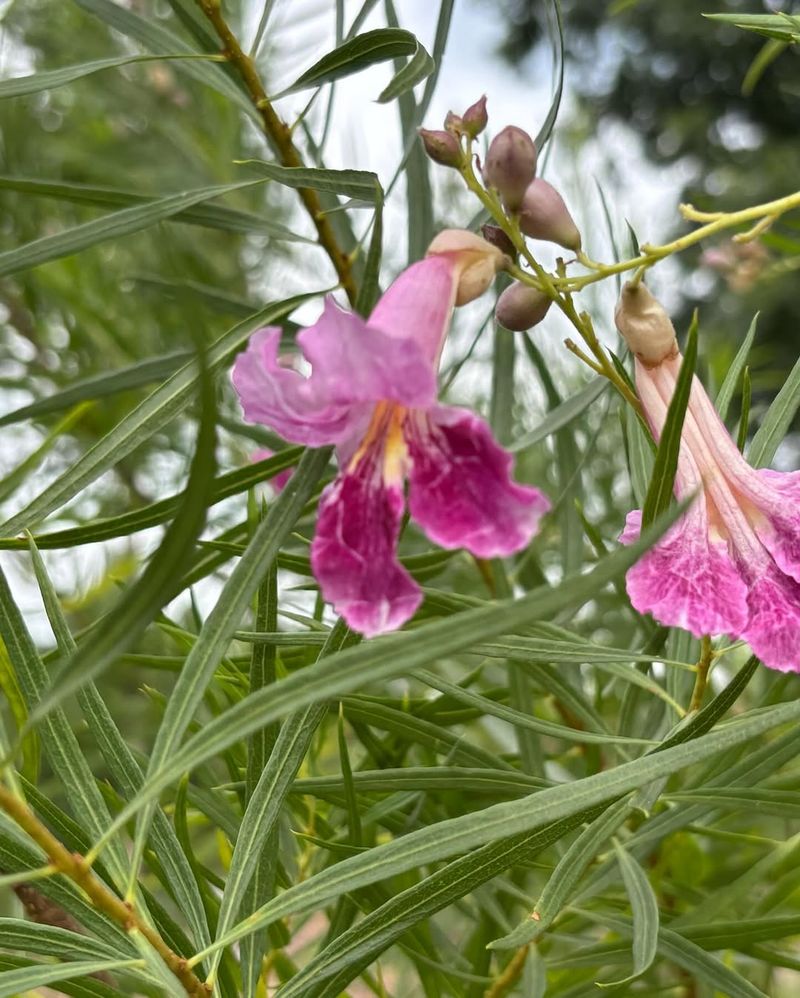
Orchid-like flowers in shades of pink, purple, white, or burgundy appear from late spring through early fall, creating a stunning display that seems almost tropical despite this tree’s desert heritage.
Desert willow isn’t actually related to true willows but earns its common name from the long, slender leaves that flutter gracefully in the breeze, creating dappled shade and gentle movement.
This small tree typically grows fifteen to twenty-five feet tall, making it perfect for residential landscapes where space is limited or where you want flowering interest at eye level and above.
The extended blooming period means months of color rather than just a brief spring show, with fragrant flowers attracting hummingbirds, butterflies, and bees throughout the warm season.
Desert willow thrives in full sun and actually prefers the intense heat that causes many other flowering trees to struggle or stop blooming altogether.
The open, airy canopy allows sunlight to filter through, making it possible to grow other plants underneath while still enjoying the tree’s shade and beauty.
Water requirements are remarkably low for a flowering tree, especially once the root system establishes and extends deep into the soil.
Desert willow handles poor, rocky soil without complaint and doesn’t need fertilizers or soil amendments to perform beautifully year after year.
The long, bean-like seed pods that follow the flowers add textural interest in fall and winter, though you can remove them if you prefer a tidier appearance.
9. Blackfoot Daisy (Melampodium Leucanthum)
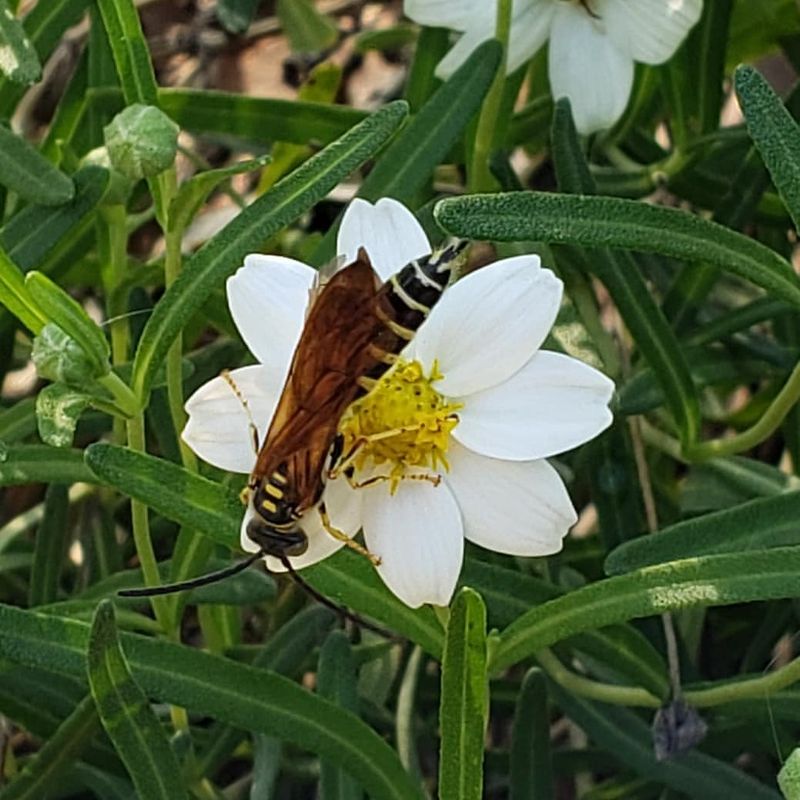
White petals surrounding sunny yellow centers create classic daisy flowers that bloom almost continuously from spring through summer and often into fall if conditions remain favorable.
Blackfoot daisy forms low, spreading mounds that work beautifully as groundcovers, border edging, or rock garden specimens where its compact size and prolific flowering can be fully appreciated.
The flowers practically cover the plant during peak bloom periods, creating sheets of white that brighten landscape edges and fill in spaces between larger specimens.
This tough little perennial handles New Mexico’s arid climate with remarkable ease, requiring minimal water once its root system develops and actually preferring well-draining, somewhat lean soil over rich garden beds.
The fragrant flowers attract butterflies and other beneficial insects while the low-growing habit makes blackfoot daisy perfect for spots where taller plants would block views or overwhelm smaller spaces.
Each plant typically reaches only six to twelve inches tall but can spread to form mats two feet across, creating substantial coverage from relatively few plants.
Flowering continues almost nonstop during the growing season without requiring deadheading or special maintenance to keep the blooms coming.
Blackfoot daisy handles reflected heat from rocks, walls, and pavement without complaint, making it ideal for challenging microclimates where many other flowering perennials struggle.
The gray-green foliage remains attractive even when flowers are less abundant, providing year-round texture and interest in mild-winter areas where the plant stays evergreen.
10. Blanket Flower (Gaillardia Pulchella)
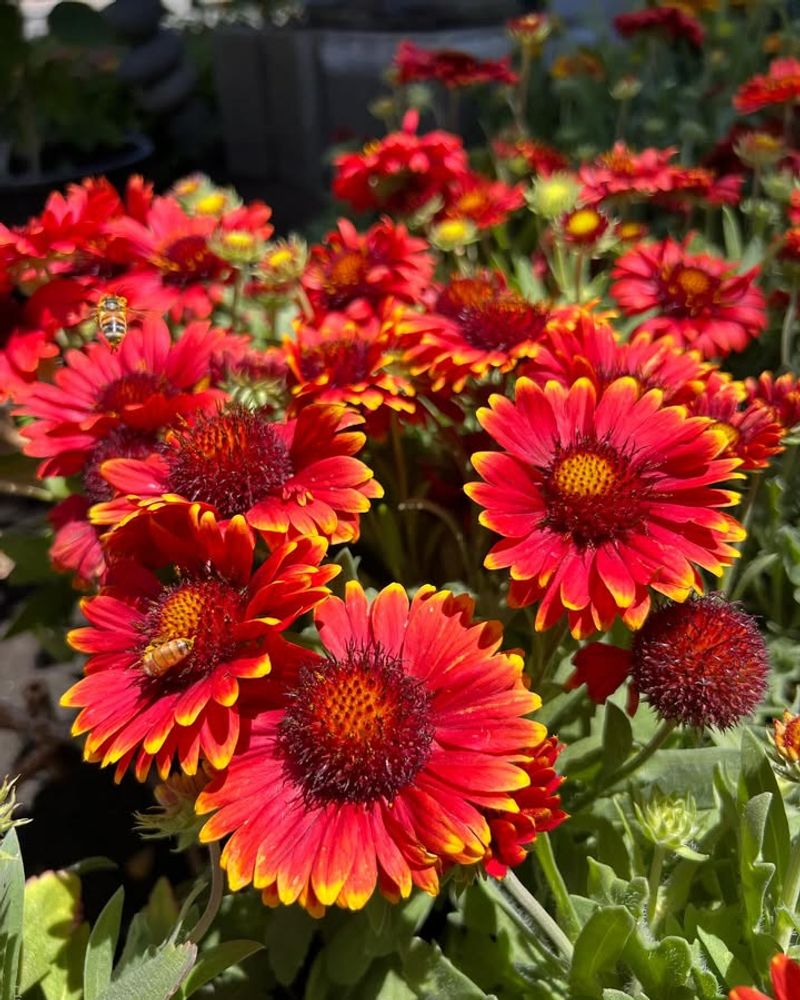
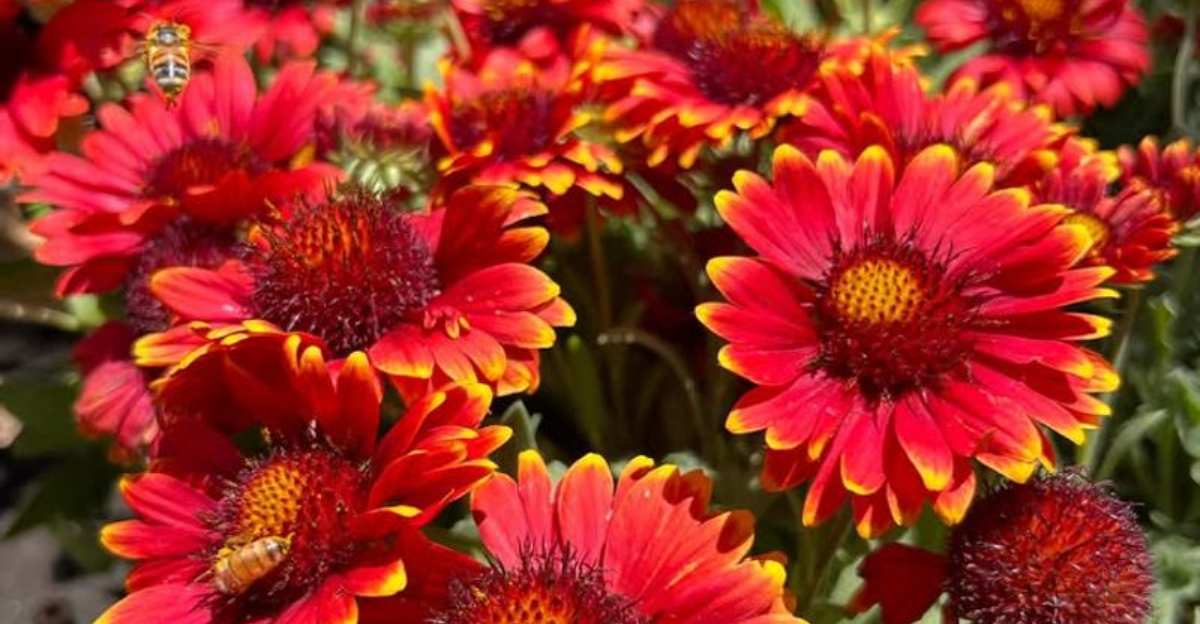
Bold red and yellow blooms create fiery color combinations that seem to capture the essence of southwestern sunsets, flowering reliably from late spring through the first hard frost.
Blanket flower earned its common name from the vibrant patterns on its petals that resemble traditional Native American blanket designs, with warm colors radiating from dark centers in eye-catching displays.
Each flower head can measure two to three inches across, making a strong visual impact despite the plant’s relatively compact twelve to eighteen-inch height.
Heat and drought don’t slow blanket flower down at all—in fact, this tough annual or short-lived perennial seems to thrive when temperatures soar and rainfall becomes scarce.
The daisy-like flowers attract butterflies, bees, and other pollinators throughout the extended blooming season, adding movement and life to your garden beyond just the colorful petals.
Blanket flower self-seeds readily, often returning year after year in favorable conditions and gradually spreading to create larger color displays without requiring replanting.
Soil requirements are minimal, with blanket flower actually preferring poor to average conditions over rich, heavily amended beds that can lead to excessive foliage growth at the expense of flowers.
Deadheading spent blooms encourages even more prolific flowering, though the plant will continue blooming reasonably well even if you don’t remove faded flowers regularly.
For gardeners seeking reliable, long-lasting color that handles New Mexico’s challenging climate with ease, blanket flower delivers outstanding performance season after season.