14 Hardy Plants That Thrive In Georgia’s Heavy Clay Soil
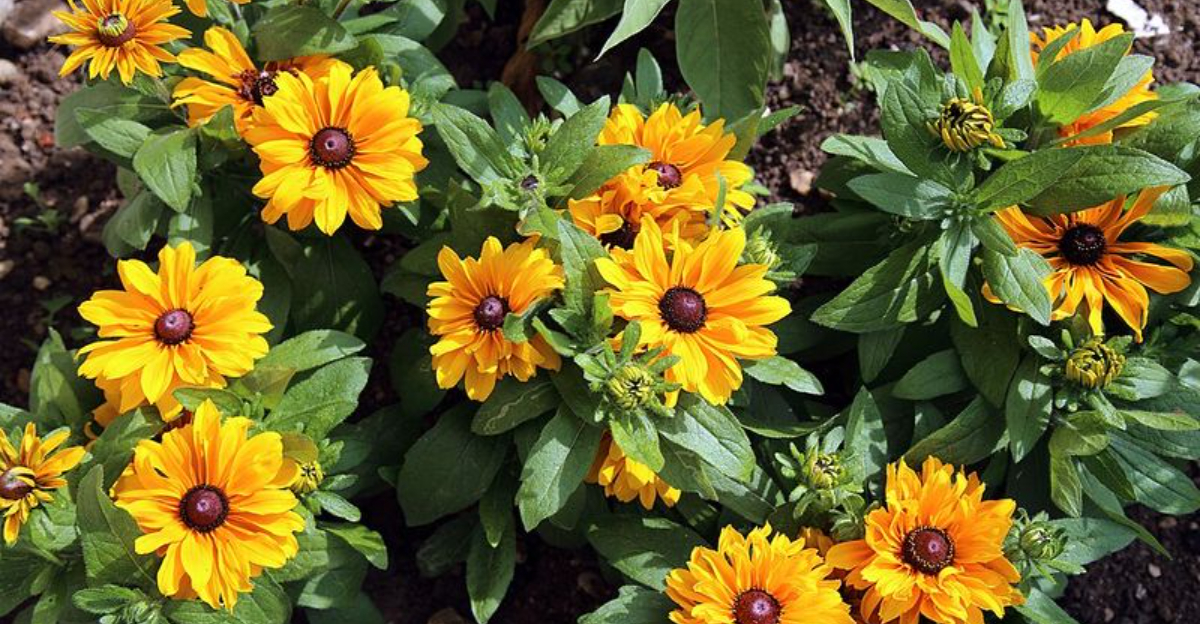
Georgia gardeners often struggle with thick clay soil that drains poorly and becomes rock-hard when dry, making plant selection quite challenging for many homeowners.
Fortunately, numerous beautiful plants actually prefer clay conditions and will flourish without requiring extensive soil amendments or constant maintenance from busy gardeners.
Choosing the right varieties means less work, healthier growth, and a stunning landscape that thrives naturally in your existing soil conditions year-round.
This guide highlights fourteen reliable options that handle Georgia’s clay beautifully, bringing color, texture, and life to your outdoor spaces with minimal fuss.
1. Black-Eyed Susan
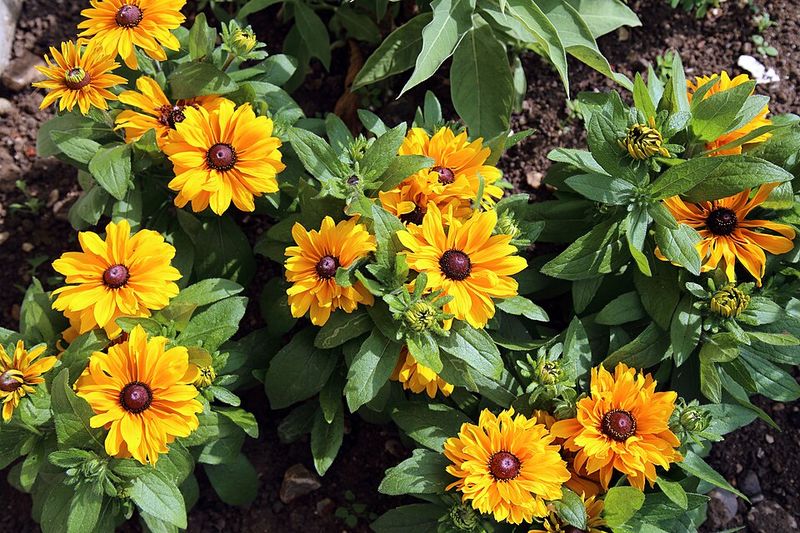
Cheerful golden petals surrounding chocolate-brown centers make this native wildflower an instant mood-lifter in any Georgia garden struggling with heavy clay.
Black-Eyed Susans spread readily without becoming invasive, filling bare spots with sunny blooms from early summer straight through autumn’s first frost warnings.
Their deep taproots penetrate compacted clay easily, accessing moisture and nutrients that shallow-rooted plants simply cannot reach during Georgia’s occasional dry spells.
Pollinators adore these flowers, bringing butterflies and bees to your yard while providing natural pest control and helping nearby vegetables produce more abundantly.
Minimal maintenance requirements mean you’ll spend less time fussing and more time enjoying the vibrant display that returns reliably each growing season.
Plant them in full sun for maximum blooming, though they’ll tolerate partial shade without complaint, adapting beautifully to various light conditions throughout your property.
Cutting back spent blooms encourages additional flowering, but even neglected plants continue performing admirably, making them perfect for beginners or busy homeowners alike.
Georgia’s humidity and heat don’t faze these tough performers, which remain disease-resistant and vigorous even during the most challenging summer weather conditions.
2. Daylily
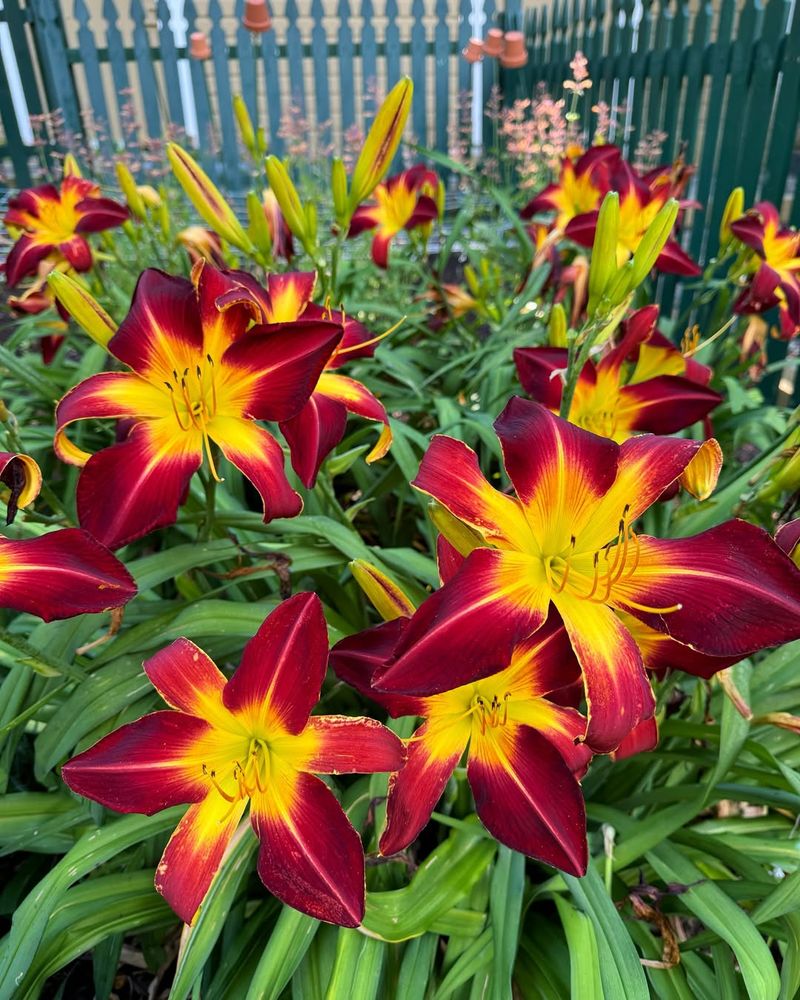
Few perennials match the daylily’s remarkable ability to thrive in Georgia’s challenging clay while delivering spectacular blooms in nearly every color imaginable each season.
Each flower lasts just one day, but established clumps produce so many buds that continuous color graces your garden for weeks without interruption.
Their thick, fleshy roots store water and nutrients efficiently, allowing daylilies to survive drought, neglect, and poor drainage that would devastate less adaptable choices.
Dividing crowded clumps every few years rejuvenates plants and provides free additions for other garden areas or sharing with neighbors and fellow gardening enthusiasts.
Daylilies adapt to full sun or partial shade, though flowering increases with more direct light, making placement flexible throughout your landscape design plans.
Hundreds of cultivated varieties offer different heights, bloom times, and color combinations, letting you customize your garden’s appearance while maintaining clay-soil compatibility throughout.
Deer and rabbits generally avoid daylilies, providing natural pest resistance that protects your investment without requiring chemical interventions or unsightly protective barriers around plantings.
Once established in Georgia’s clay, these workhorses require almost no attention yet deliver reliable beauty that improves with each passing year.
3. Coneflower
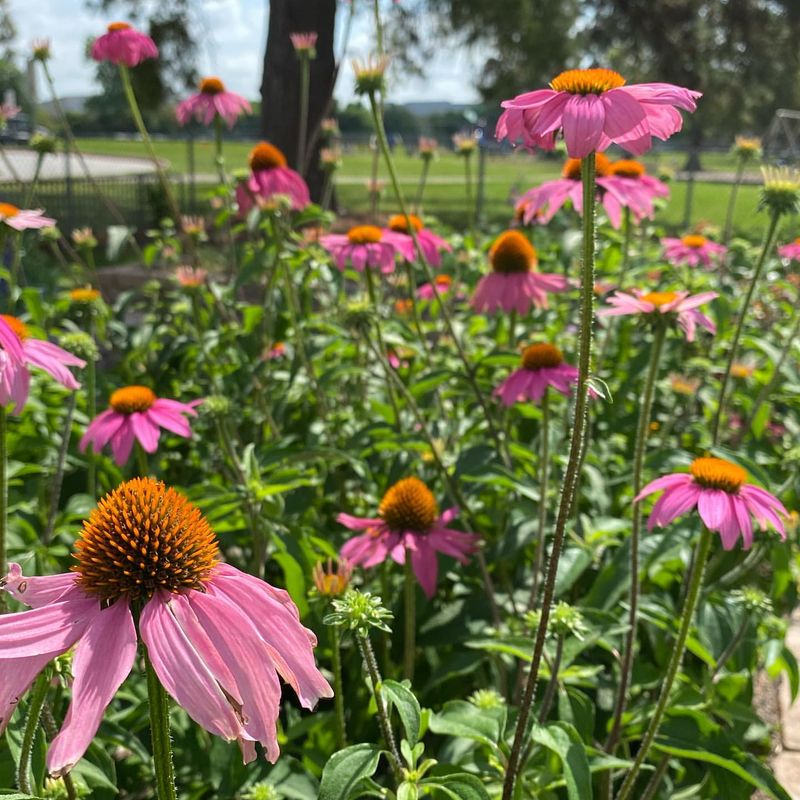
Bold, daisy-like blooms with distinctive raised centers create architectural interest while attracting beneficial wildlife to gardens plagued by Georgia’s notoriously difficult clay soil conditions.
Coneflowers tolerate heat, humidity, drought, and heavy soil with equal grace, asking almost nothing from gardeners yet providing months of stunning visual impact annually.
Native to prairies with similar soil challenges, these tough perennials evolved to handle compacted ground, making them perfectly suited for Georgia landscapes without amendments.
Purple varieties are most common, but breeding programs have introduced white, orange, yellow, and pink options that expand your color palette significantly beyond traditional choices.
Goldfinches feast on seedheads throughout fall and winter, providing entertainment and natural bird feeding that benefits local wildlife populations without additional effort from homeowners.
Established plants develop extensive root systems that improve soil structure gradually, breaking up clay naturally while supporting healthy growth for neighboring plants over time.
Deadheading spent flowers encourages continued blooming, but leaving some seedheads provides winter interest and food sources for birds navigating Georgia’s colder months successfully.
Coneflowers resist most diseases and pests naturally, thriving in full sun locations where clay soil has frustrated previous planting attempts by discouraged gardeners.
4. Hosta
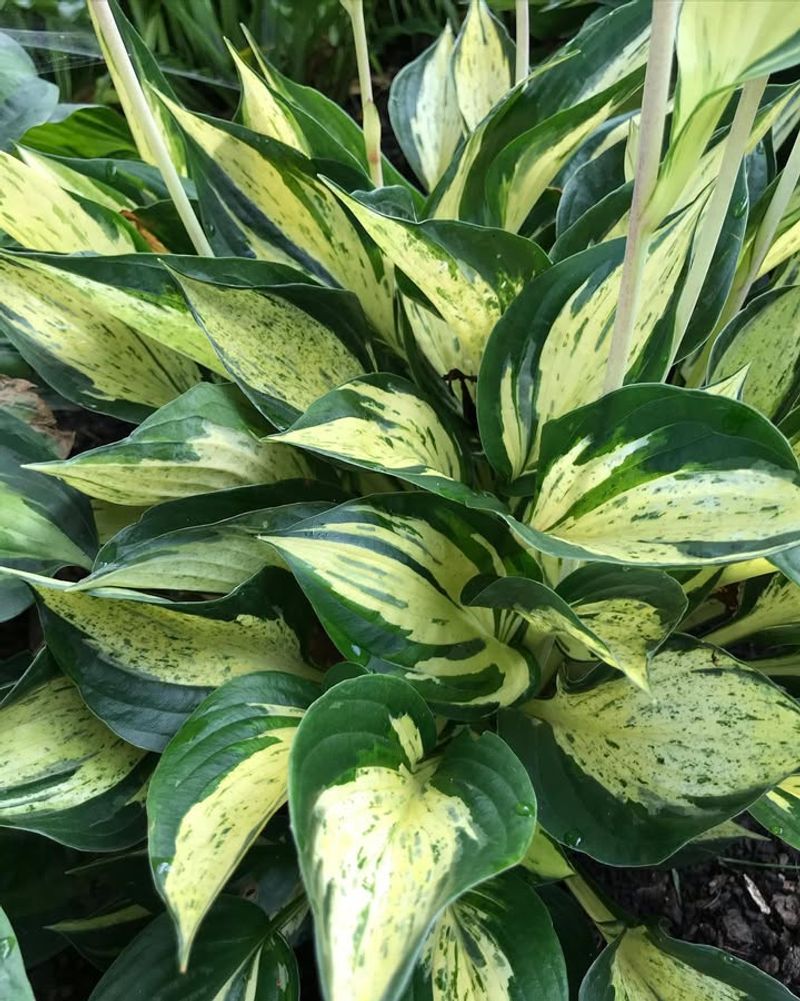
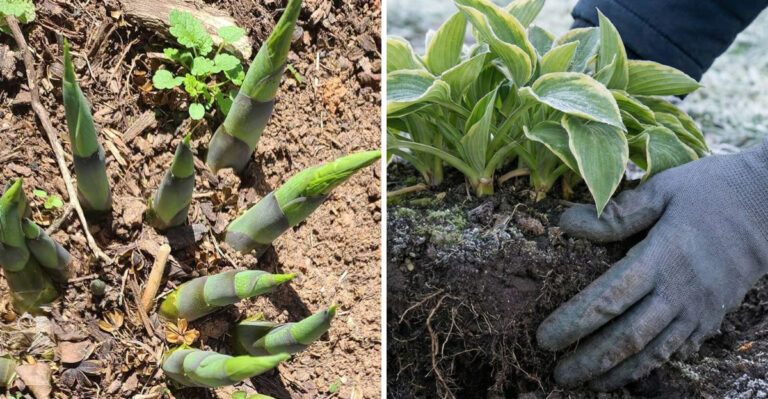
Shade gardens in Georgia clay finally have a champion with hostas, whose bold foliage transforms dim areas into lush, textured retreats that remain attractive all season.
Hundreds of varieties offer leaves ranging from tiny to dinner-plate-sized, in colors spanning deep green to blue-gray to golden yellow with endless variegated patterns.
Clay’s moisture-retentive properties actually benefit hostas, which prefer consistent dampness that would rot many other shade-loving perennials during Georgia’s humid growing season.
Slugs can damage leaves, but proper spacing for air circulation and morning watering schedules minimize problems without requiring harsh chemical treatments or constant vigilance.
Hostas spread slowly into impressive clumps that suppress weeds naturally, reducing maintenance while creating dramatic focal points beneath trees or along shaded walkways throughout properties.
Lavender or white flower spikes emerge in summer, adding vertical interest and attracting hummingbirds to shaded areas where few other blooming options perform reliably.
Dividing mature clumps every few years controls size and provides additional plants for expanding shaded areas or trading with fellow gardeners seeking clay-tolerant options.
Georgia’s winter cold triggers dormancy, but hostas return vigorously each spring, unfurling fresh leaves that quickly restore fullness to previously bare garden spaces.
5. Aster
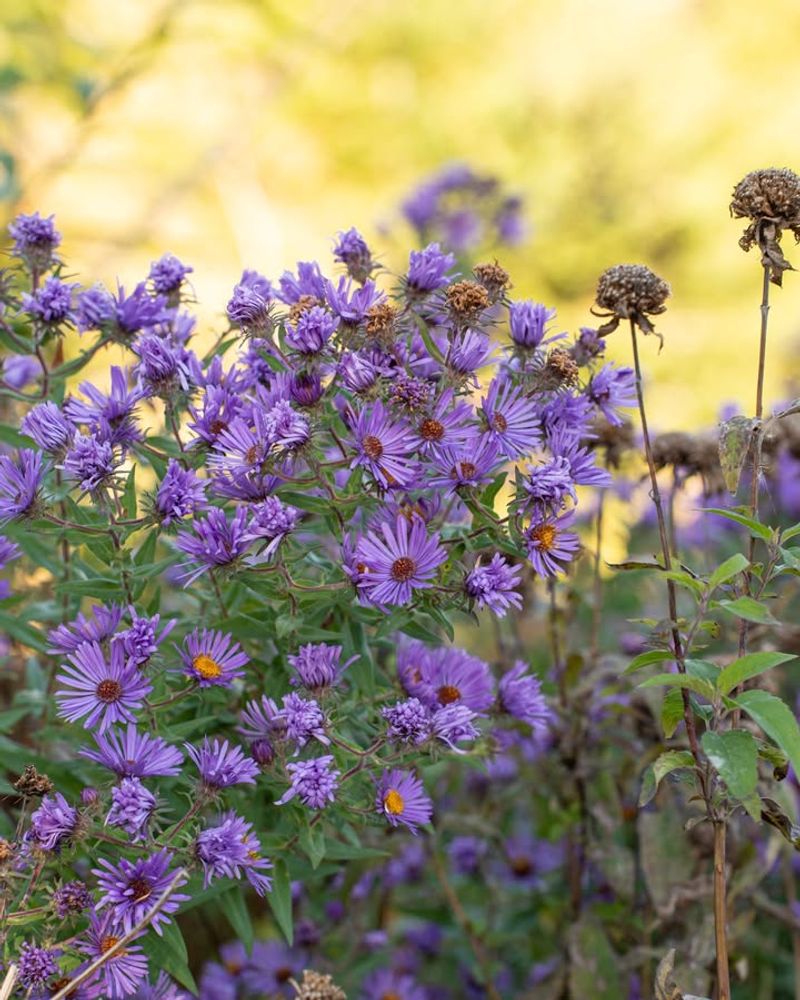
Late-season color arrives reliably with asters, whose masses of small, daisy-like flowers explode into bloom just as many other perennials fade away completely.
Native asters particularly excel in clay soils, having evolved in similar conditions across Georgia’s natural landscapes where drainage challenges and compaction occur regularly.
Butterflies, including migrating monarchs, depend on aster nectar during fall journeys, making your garden a crucial stopover that supports critical pollinator populations during vulnerable periods.
Pinching stems back in early summer encourages bushier growth and prevents flopping, creating tidier plants that don’t require staking or other supports later on.
Colors range from white through pink to deep purple, allowing creative combinations that extend your garden’s interest well into autumn when few alternatives remain.
Asters tolerate Georgia’s clay in full sun or partial shade, though flowering intensity increases with more direct light throughout the day’s peak hours.
Powdery mildew sometimes affects leaves in humid conditions, but proper spacing and air circulation minimize issues without diminishing the spectacular floral display that follows.
These perennials naturalize readily, forming expanding colonies that fill space beautifully while requiring minimal intervention from gardeners focused on low-maintenance landscape solutions for challenging sites.
6. Sedum
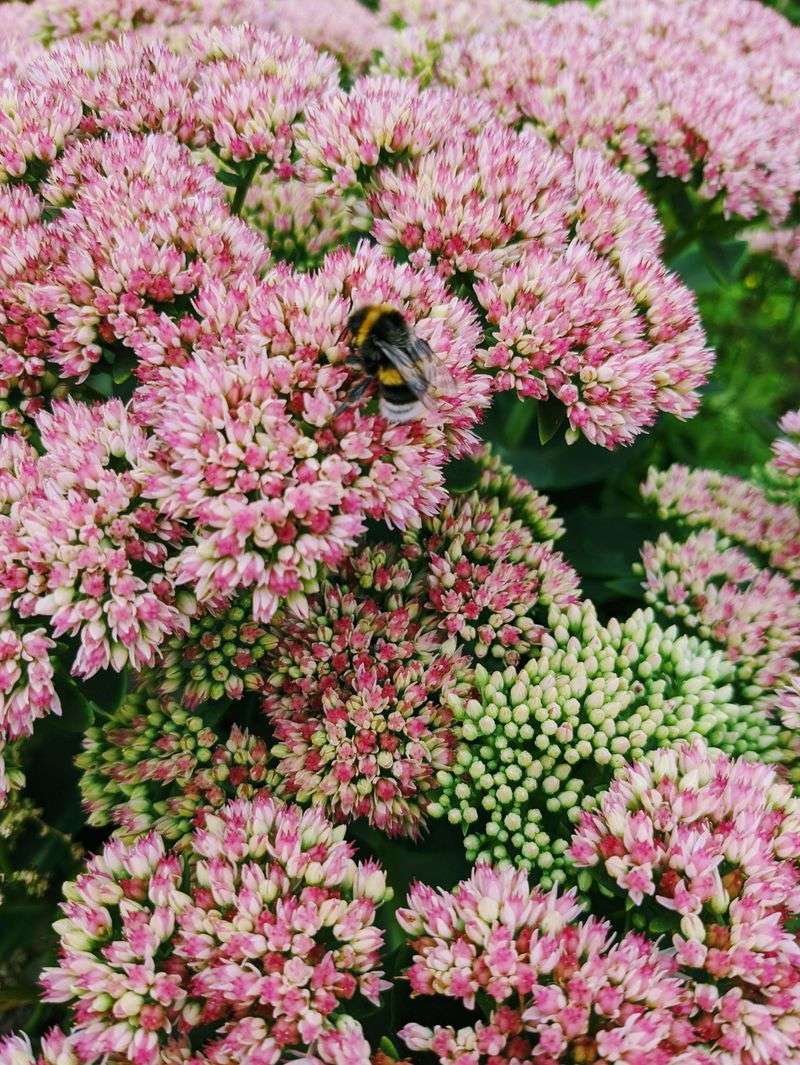
Succulent leaves store water efficiently, allowing sedums to laugh at Georgia’s clay soil challenges while providing unique texture that contrasts beautifully with traditional perennials.
Upright varieties like ‘Autumn Joy’ develop flower heads that transition from green to pink to rusty red, offering multi-season interest from a single planting.
Clay’s tendency to become waterlogged during heavy rains doesn’t faze sedums, whose thick leaves and stems prevent rot issues that plague less adapted choices.
Butterflies and bees swarm to sedum flowers in late summer, creating living bouquets that buzz with activity while supporting local pollinator populations throughout Georgia.
Ground-covering sedum varieties spread across bare clay, suppressing weeds and preventing erosion on slopes where other plants struggle to establish roots successfully.
Minimal water requirements make sedums ideal for busy gardeners or water-conscious households seeking beauty without constant irrigation during Georgia’s occasional drought periods throughout summer.
Flower heads remain attractive even after blooming finishes, providing winter interest and supporting seed-eating birds that visit gardens seeking food during colder months ahead.
Dividing clumps is simple and provides free plants for expanding your collection, sharing with friends, or filling additional problem areas where clay has defeated previous attempts.
7. Switchgrass
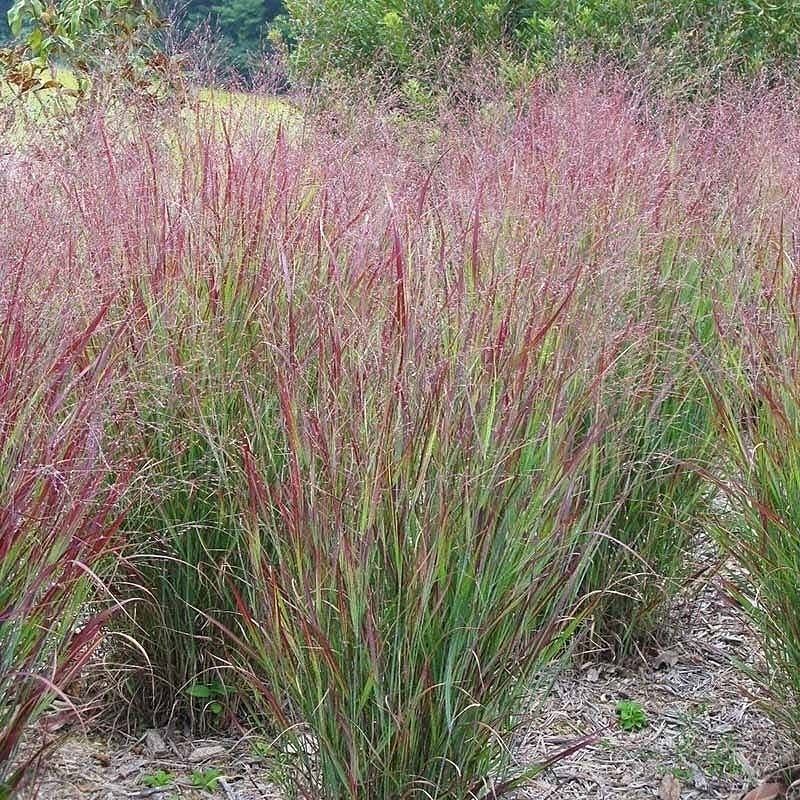
Native prairie grass brings movement and sound to Georgia gardens, swaying gracefully in breezes while tolerating clay soil that leaves other ornamental grasses struggling miserably.
Upright clumps reach impressive heights without flopping, creating vertical accents and privacy screens that remain attractive from spring greenup through winter’s dormant season ahead.
Airy flower plumes emerge in late summer, transitioning from pink to golden tan and persisting through winter, catching snow and frost for stunning cold-season displays.
Deep roots penetrate clay effectively, gradually improving soil structure while accessing deep moisture reserves that sustain plants during dry periods without supplemental watering needed.
Birds feast on seeds throughout fall and winter, providing natural entertainment and supporting wildlife populations that enhance your garden’s ecological value beyond simple aesthetics.
Switchgrass tolerates Georgia’s heat, humidity, and occasional flooding without complaint, adapting to varying conditions that would stress less resilient ornamental grass selections significantly.
Fall foliage turns brilliant shades of yellow, orange, and burgundy, adding unexpected color when most perennials have finished their seasonal show completely.
Cutting back withered foliage in late winter takes just minutes, yet reveals fresh new growth that quickly restores fullness to previously dormant clumps each spring.
8. Baptisia
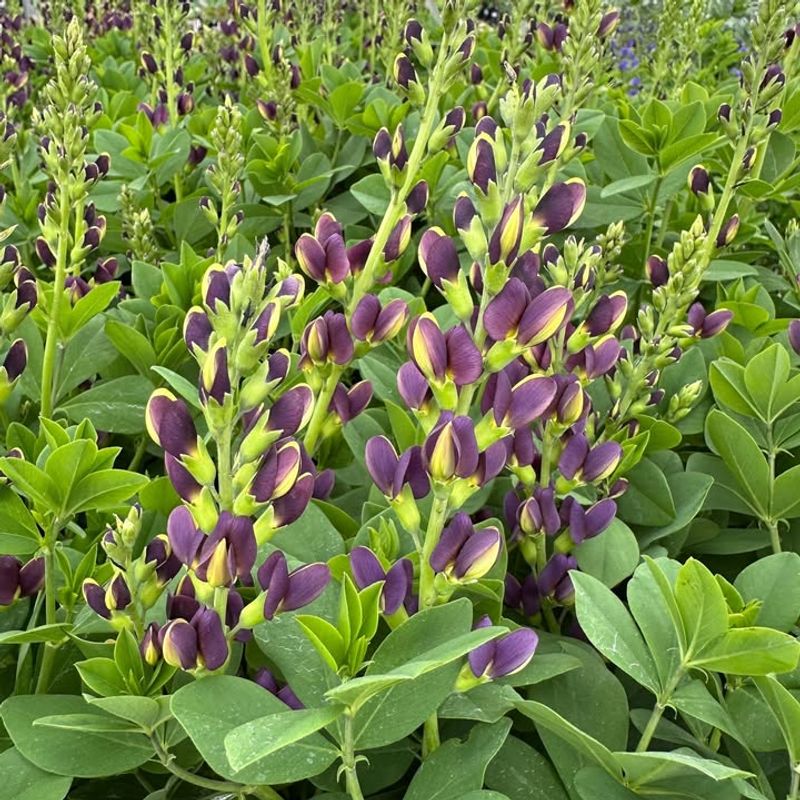
Stunning spikes of lupine-like flowers rise above blue-green foliage each spring, signaling baptisia’s arrival as a clay-soil champion for Georgia gardens seeking native options.
Once established, baptisia develops a deep taproot that makes transplanting difficult but ensures survival during droughts, floods, and neglect that devastate shallow-rooted alternatives consistently.
Attractive seed pods follow flowers, rattling in breezes and providing interest for cutting or leaving on plants as architectural elements throughout the summer months.
Deer typically avoid baptisia’s foliage, making it valuable for gardens where browsing wildlife has destroyed previous plantings and discouraged homeowners from continued gardening efforts.
Clay soil actually suits baptisia perfectly, as these native plants evolved in similar conditions across Georgia’s natural landscapes before development altered original growing environments extensively.
Shrub-like proportions eliminate the need for staking despite considerable height, creating substantial presence without the maintenance headaches associated with many tall perennial choices available.
Baptisia fixes nitrogen naturally through root nodules, actually improving soil fertility over time while supporting neighboring plants that benefit from enhanced nutrient availability in previously poor clay.
Colors include traditional blue-purple, white, and yellow varieties, offering options that coordinate with various garden color schemes while maintaining excellent clay-soil performance throughout Georgia.
9. Beautyberry

Jaw-dropping clusters of iridescent purple berries encircle branches each fall, creating a spectacle that stops visitors mid-stride and justifies beautyberry’s delightfully descriptive name.
Native to Georgia’s woodlands and edges, this shrub adapted to clay soil long before gardeners began struggling with it, making cultivation remarkably straightforward for homeowners.
Birds eventually consume berries after frost sweetens them, though the fruits persist for weeks, providing extended ornamental value during autumn’s transition into winter’s bareness.
Inconspicuous pink flowers bloom in summer, attracting bees and butterflies without creating showy displays, then transforming into the spectacular berry clusters that appear later.
Arching branches create graceful form that works beautifully in naturalistic landscapes, woodland gardens, or mixed borders where native plants support local wildlife populations effectively year-round.
Clay’s moisture retention benefits beautyberry, which prefers consistent dampness and tolerates Georgia’s humid summers without developing fungal issues that plague less adapted shrub choices.
Cutting stems back hard in late winter encourages vigorous new growth that produces the best berry displays, making annual pruning both simple and beneficial.
Beautyberry tolerates full sun or partial shade, adapting to various light conditions throughout your property while maintaining its remarkable fruiting performance in Georgia’s challenging clay.
10. Spiderwort
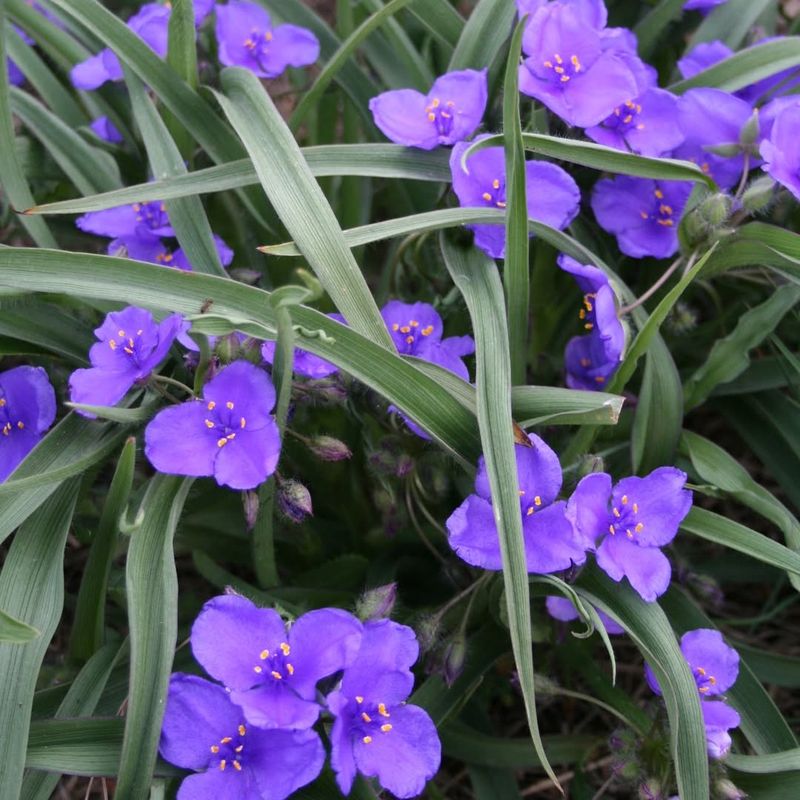
Delicate three-petaled flowers in jewel-toned purples, pinks, or whites open each morning, creating ephemeral beauty that rewards early risers before afternoon heat closes blooms.
Grass-like foliage forms attractive clumps that remain tidy throughout the growing season, providing textural contrast alongside broader-leaved perennials in mixed border plantings throughout Georgia.
Spiderwort’s native status means it evolved handling Georgia’s clay soil naturally, requiring zero amendments or special preparation before planting in even the heaviest ground conditions.
Successive blooming continues for weeks as new buds replace faded flowers, extending the display far beyond what each individual blossom’s single-day lifespan might suggest.
Partial shade suits spiderwort perfectly, making it ideal for woodland edges or beneath high-branched trees where clay soil and limited light challenge most flowering perennials.
Clumps spread gradually through self-sowing and rhizomes, filling space without becoming aggressively invasive or requiring constant control efforts from busy gardeners seeking low-maintenance solutions.
Cutting back foliage after flowering finishes encourages fresh growth and sometimes produces a second bloom flush later in summer during favorable weather conditions prevailing.
Spiderwort tolerates wet clay during spring rains and drier conditions later, adapting to seasonal moisture fluctuations that occur naturally throughout Georgia’s growing season annually.
11. Oakleaf Hydrangea

Dramatic cone-shaped flower clusters fade from white to pink to tan, providing months of changing beauty while oak-shaped leaves deliver stunning fall color afterward.
Native to Georgia’s forests, oakleaf hydrangea naturally tolerates clay soil and shade, making it perfectly suited for challenging spots where non-native alternatives struggle constantly.
Exfoliating bark adds winter interest after leaves drop, revealing cinnamon-colored underlayers that create textural beauty during the dormant season when gardens need visual appeal.
Unlike mophead hydrangeas requiring specific soil pH for color, oakleaf varieties bloom reliably regardless of clay’s alkalinity, eliminating guesswork and frustration for Georgia gardeners.
Mature specimens reach impressive sizes, creating substantial presence that anchors landscape designs while requiring minimal pruning beyond occasional shaping or size control as needed.
Clay’s moisture retention benefits oakleaf hydrangeas, which prefer consistent dampness and appreciate the natural water-holding capacity that frustrates gardeners attempting to grow drought-preferring alternatives.
Dried flower heads remain attractive for months, working beautifully in arrangements or left on plants for winter interest that supports the garden’s off-season appearance naturally.
Oakleaf hydrangea tolerates full shade to partial sun, adapting to various light levels throughout properties while maintaining excellent flowering and foliage performance in Georgia’s climate.
12. Ironweed

Towering stems topped with fluffy purple flowers create dramatic late-season displays that attract clouds of butterflies seeking nectar before migration or winter dormancy begins.
The common name perfectly describes ironweed’s constitution, as these native plants handle Georgia’s clay, heat, humidity, and neglect without missing a beat throughout growing seasons.
Impressive height makes ironweed ideal for back-of-border placements or naturalistic meadow plantings where substantial scale creates impact without requiring extensive maintenance efforts from homeowners.
Butterflies, including monarchs, swallowtails, and fritillaries, depend on ironweed nectar during critical late-summer periods, making your garden a vital wildlife resource supporting conservation efforts.
Clay soil doesn’t faze ironweed, which evolved in similar conditions across Georgia’s prairies and wetland edges before development altered these natural habitats significantly over time.
Deep roots access moisture and nutrients far below the surface, allowing ironweed to thrive during dry spells that leave shallow-rooted plants wilting and struggling miserably.
Cutting back stems in early summer reduces eventual height for smaller gardens while encouraging bushier growth that still produces abundant flowers later in the season.
Ironweed’s bold presence and wildlife value make it perfect for gardeners seeking native plants that support local ecosystems while handling challenging clay soil conditions effortlessly.
13. Ajuga

Low-growing rosettes of glossy leaves spread rapidly across bare clay, creating dense ground cover that suppresses weeds while tolerating shade and foot traffic remarkably well.
Short spikes of blue, purple, or white flowers emerge in spring, carpeting shaded areas with color when few other options bloom in Georgia’s woodland garden settings.
Ajuga’s aggressive spreading makes it perfect for erosion control on clay slopes where grass struggles and bare soil washes away during heavy rainstorms common throughout Georgia.
Variegated varieties add foliage interest beyond the blooming period, with leaves featuring white, pink, or burgundy markings that brighten dim areas throughout the entire growing season.
Clay’s tendency to compact doesn’t bother ajuga, whose shallow roots establish quickly and spread through stolons that root at nodes, creating ever-expanding coverage naturally.
Minimal height means ajuga works beautifully beneath shrubs, around stepping stones, or in narrow spaces where taller plants would overwhelm the available area or block pathways.
Once established, ajuga requires virtually no maintenance beyond occasional edging to control spread, making it ideal for busy gardeners seeking attractive solutions for difficult shaded areas.
Ajuga tolerates Georgia’s heat and humidity without developing fungal issues, remaining attractive and healthy throughout summer while many other ground covers struggle with disease problems consistently.
14. Joe-Pye Weed
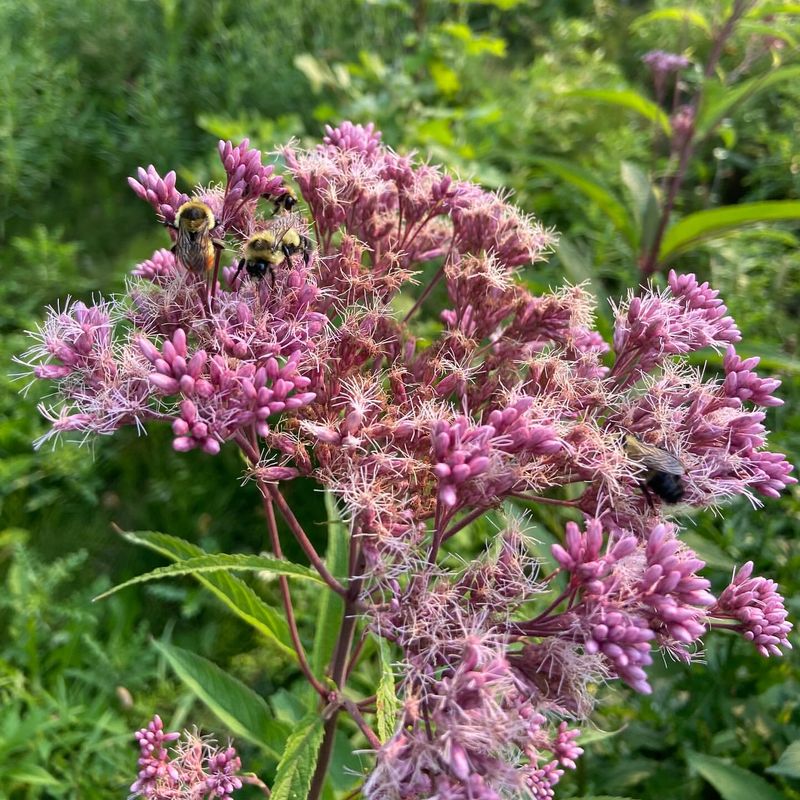
Massive flower clusters in dusty rose-purple shades top towering stems, creating spectacular late-summer displays that transform gardens into butterfly magnets during peak migration periods.
Native to Georgia’s wet meadows and stream banks, Joe-Pye weed actually prefers clay’s moisture-retentive properties, thriving where drainage-challenged soil defeats most other tall perennials.
Impressive stature makes this plant ideal for creating privacy screens, backdrop plantings, or focal points that command attention without requiring staking despite considerable height achieved.
Vanilla-scented flowers attract numerous butterfly species, bees, and other beneficial insects, supporting pollinator populations while filling gardens with gentle fragrance during blooming periods each year.
Whorled leaves arranged around sturdy burgundy stems add architectural interest before flowers appear, making Joe-Pye weed attractive throughout the entire growing season from emergence onward.
Clay soil suits Joe-Pye weed perfectly, as consistent moisture availability supports the vigorous growth that produces the impressive size and abundant flowering that gardeners appreciate most.
Cutting stems back in late winter takes just minutes, yet reveals vigorous new growth that quickly reaches full size again, restoring impact to garden spaces annually.
Joe-Pye weed tolerates full sun or partial shade, adapting to various light conditions while maintaining excellent performance in Georgia’s challenging clay soil throughout the growing season.