8 Hardy Plants That Tolerate Temperature Swings In Utah
Gardening in Utah can feel like riding a roller coaster with no seatbelt.
Warm days turn cold overnight, spring frosts show up uninvited, and summer heat can swing fast and hard.
These sudden shifts leave many plants gasping for air, but some tough performers take it all in stride.
Hardy plants that tolerate temperature swings are built for this kind of wild ride.
They handle cold snaps, bounce back after heat spikes, and keep growing when conditions change without warning.
Instead of sulking or shutting down, they roll with the punches and stay steady through the ups and downs.
For Utah gardeners, that kind of reliability is worth its weight in gold.
Choosing the right plants takes a lot of guesswork out of gardening.
When plants can handle wide temperature swings, there is less worry about sudden weather changes undoing months of effort.
With smart selections, Utah gardens stay strong from early spring through fall.
These hardy plants prove that with the right choices, even unpredictable weather does not have to call the shots.
1. Russian Sage
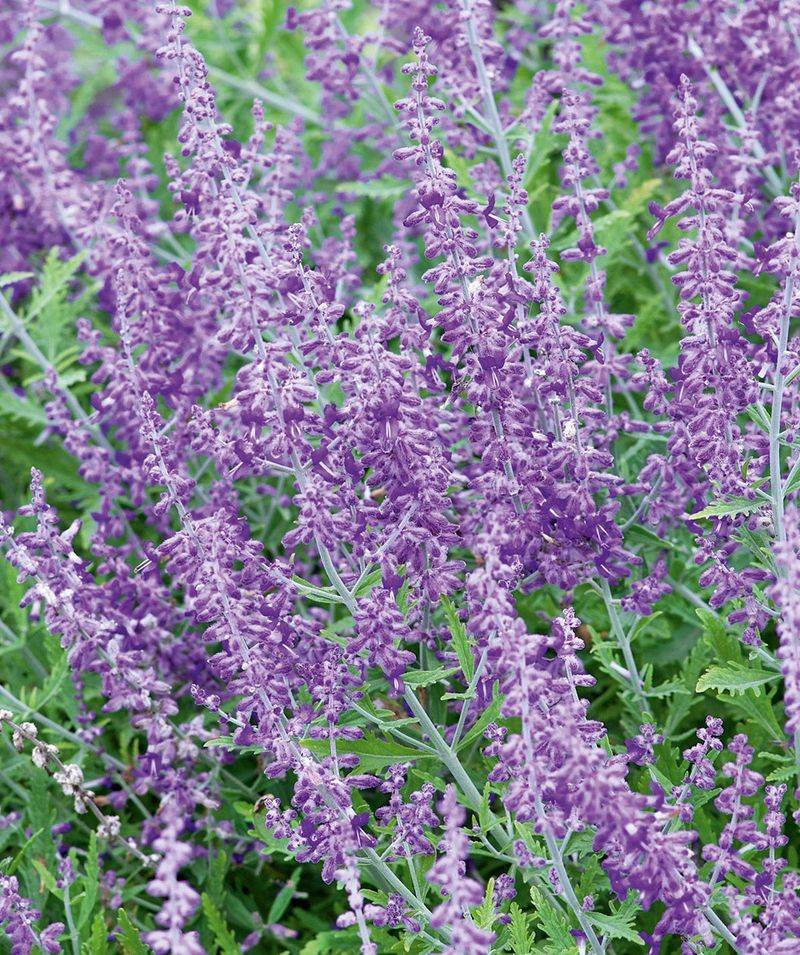
Picture a plant that looks delicate but has the toughness of a mountain climber, and you have Russian sage perfectly described.
This silvery-blue beauty thrives in Utah’s unpredictable conditions, handling everything from late spring frosts to scorching summer afternoons without breaking a sweat.
The aromatic foliage releases a pleasant scent when brushed against, making garden walks even more enjoyable.
Russian sage grows anywhere from three to five feet tall, creating an impressive vertical element in your landscape design.
Its lavender-purple flower spikes appear in midsummer and continue blooming well into fall, providing constant color when many other plants have given up.
The plant requires minimal water once established, making it perfect for Utah’s dry climate and water-conscious gardening.
Deer and rabbits tend to avoid it completely, which means fewer worries about wildlife munching your hard work.
Full sun exposure brings out the best in Russian sage, though it tolerates partial shade reasonably well.
The woody stems should be cut back to about six inches in early spring to encourage fresh, vigorous growth.
This perennial returns year after year, getting larger and more impressive with each passing season.
Pollinators absolutely adore the flowers, so expect plenty of bees and butterflies visiting your yard throughout the blooming period.
Russian sage pairs beautifully with ornamental grasses and other drought-tolerant perennials in Utah gardens.
2. Blanket Flower
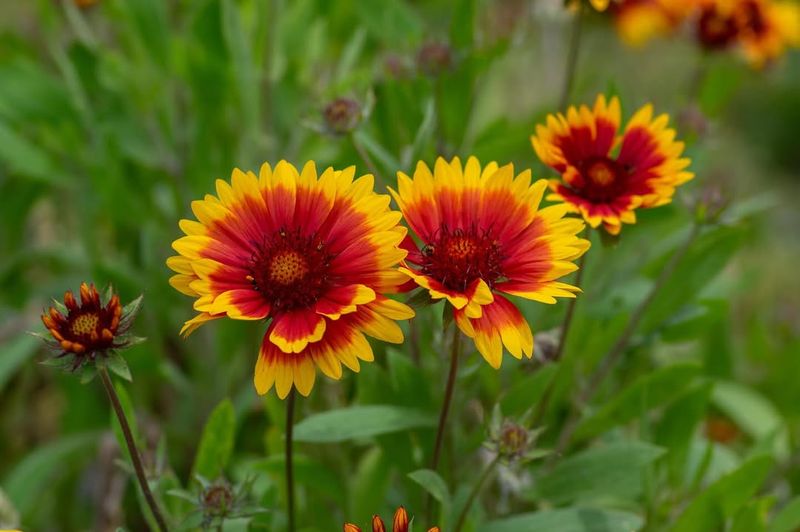
Blanket flower earned its cheerful name from the warm, sunset-like colors that reminded settlers of Native American blankets.
These tough little bloomers produce flowers in stunning combinations of red, orange, and yellow that brighten any garden bed.
The daisy-like blooms appear from early summer through the first hard freeze, giving you months of continuous color.
Temperature fluctuations that would stress out most flowering plants barely register with blanket flowers.
They handle Utah’s cold nights and hot days with remarkable ease, never losing their vibrant appearance or stopping their bloom production.
The plants typically grow between one and two feet tall, making them perfect for front-of-border placements or container gardens.
Their compact size also means they work wonderfully in smaller urban yards where space comes at a premium.
Blanket flowers need very little attention once they settle into their spot, requiring only occasional watering during extended dry spells.
Deadheading spent blooms encourages even more flowers, though the plants will continue blooming even if you forget this task.
These perennials attract butterflies and other beneficial insects while deer generally leave them alone.
The flowers also make excellent cut arrangements that last surprisingly long in vases.
Sandy or rocky soil poses no problem for blanket flowers, making them ideal for challenging Utah garden conditions.
3. Sedum
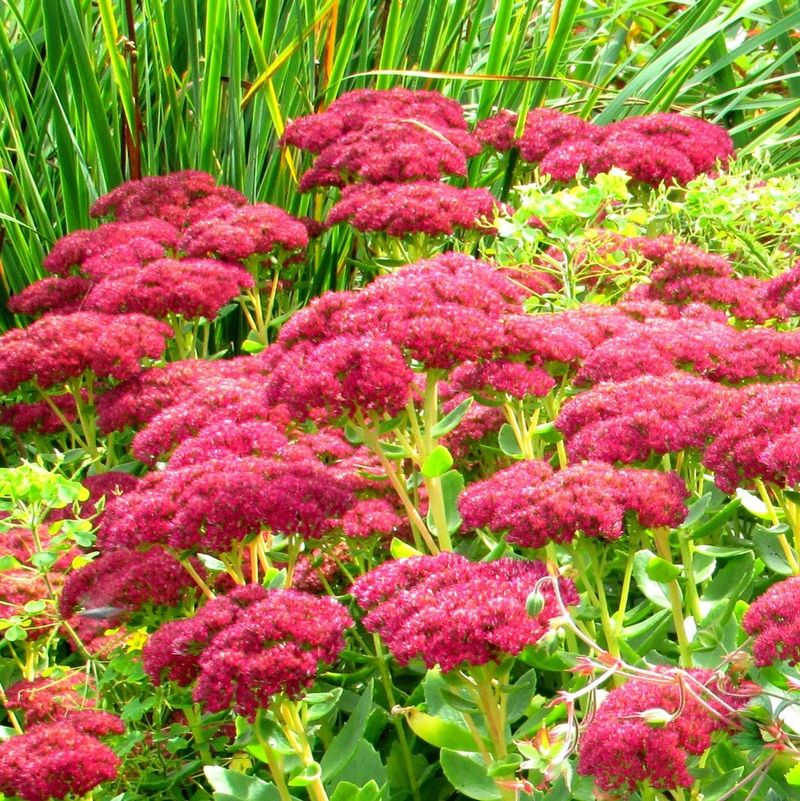
Sedum varieties offer incredible diversity, ranging from low-growing groundcovers to upright specimens that reach two feet tall.
Their thick, fleshy leaves store water like tiny reservoirs, allowing them to sail through drought periods without any supplemental irrigation.
This water-storing ability also helps them survive sudden temperature drops that would damage plants with thinner, more delicate foliage.
Many sedum varieties display stunning fall color, with leaves turning shades of burgundy, bronze, and deep red as temperatures cool.
The flowers, which appear in late summer, range from white and pink to deep rose, attracting bees and butterflies to Utah gardens.
These succulents handle both blazing sun and partial shade, though flowering tends to be more prolific in brighter locations.
The plants spread slowly but steadily, eventually forming attractive mats or clumps depending on the variety chosen.
Sedum requires almost no maintenance beyond occasional division every few years to keep plants vigorous and attractive.
They rarely suffer from pest or disease problems, making them truly carefree additions to any landscape.
The dried flower heads remain attractive throughout winter, providing visual interest and food for birds during cold months.
Many gardeners leave them standing until spring cleanup rather than cutting them back in fall.
Sedum works beautifully in rock gardens, between stepping stones, or cascading over walls throughout Utah landscapes.
4. Purple Coneflower
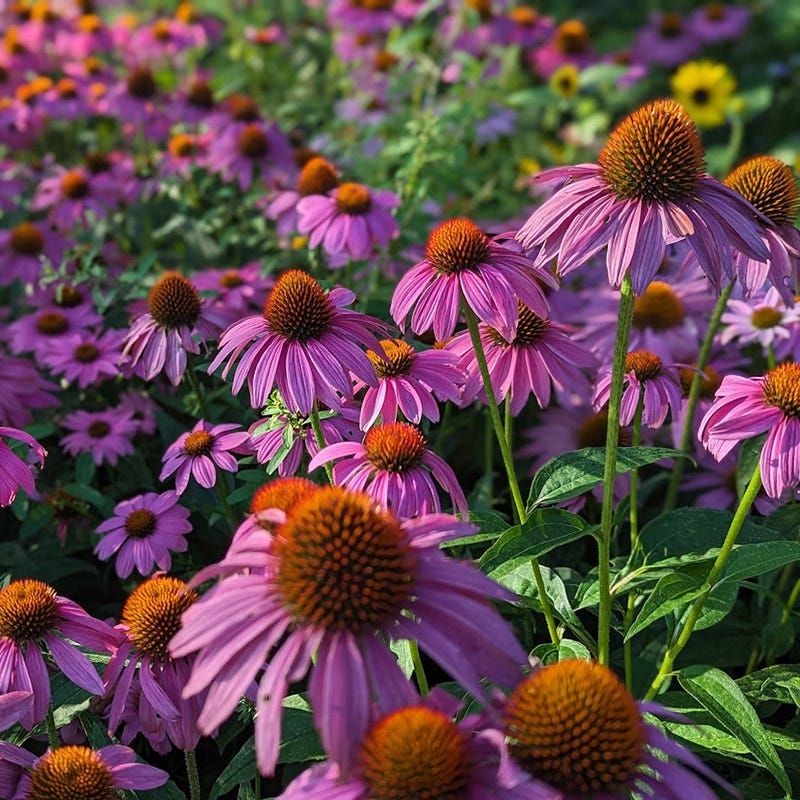
Few plants combine beauty, toughness, and wildlife value quite like purple coneflower does in Utah gardens.
The distinctive flowers feature drooping pink-purple petals surrounding a prominent orange-brown center cone that gives the plant its common name.
These blooms appear from midsummer into early fall, creating a long season of color and interest.
Purple coneflowers shrug off temperature swings that would stress less adaptable plants, continuing to bloom and grow regardless of weather fluctuations.
Their deep taproots help them access moisture far below the surface, making them remarkably drought-tolerant once established in Utah soil.
The plants typically reach three to four feet in height, creating substantial presence in perennial borders and meadow-style plantings.
Goldfinches particularly love the seed heads that form after flowers fade, providing entertainment as they cling and feed throughout fall and winter.
Purple coneflowers prefer full sun but tolerate light shade, though flowering may be reduced in shadier spots.
They grow in almost any soil type, from clay to sand, as long as drainage is reasonable.
These native North American plants require virtually no special care beyond occasional watering during extreme drought.
They self-seed moderately, producing new plants without becoming invasive or overwhelming other garden residents.
The flowers make excellent fresh-cut arrangements, and many people also dry them for winter bouquets and crafts.
5. Penstemon
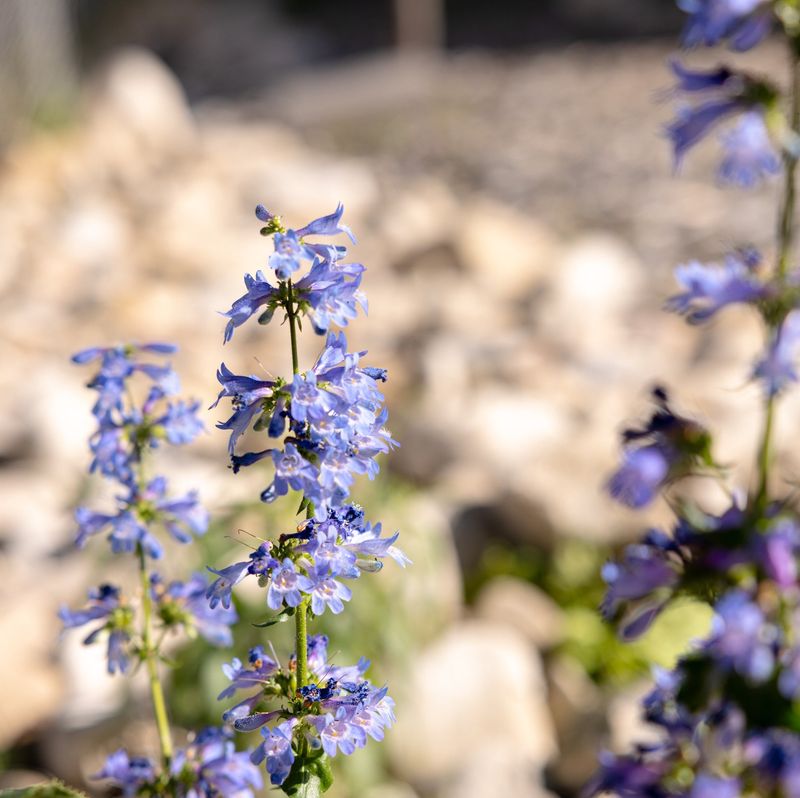
Penstemon species have adapted to thrive in western conditions over thousands of years, making them naturally suited to Utah’s challenging climate.
These natives produce tubular flowers in shades ranging from white and pink to purple, red, and blue, depending on the specific variety.
Hummingbirds find the nectar-rich blooms irresistible, turning your garden into a hub of activity during blooming season.
Temperature swings that occur during Utah’s spring and fall barely affect penstemon, which has evolved to handle exactly these conditions.
The plants bloom from late spring through summer, with some varieties continuing into early fall if deadheaded regularly.
Most penstemon varieties grow between one and three feet tall, creating lovely vertical accents in rock gardens and perennial beds.
Their semi-evergreen foliage often remains attractive through winter, especially in milder microclimates around Utah homes.
These plants demand excellent drainage and perform best in sandy or rocky soils that mimic their natural mountain habitats.
Once established, they need very little supplemental water, thriving on natural rainfall in many Utah locations.
Penstemon resists browsing from deer and rabbits, which appreciate the bitter-tasting foliage about as much as they appreciate a mouthful of sand.
The plants rarely suffer from serious pest or disease issues when grown in appropriate conditions.
Combining different penstemon varieties creates stunning color combinations while supporting local ecosystems throughout Utah.
6. Yarrow
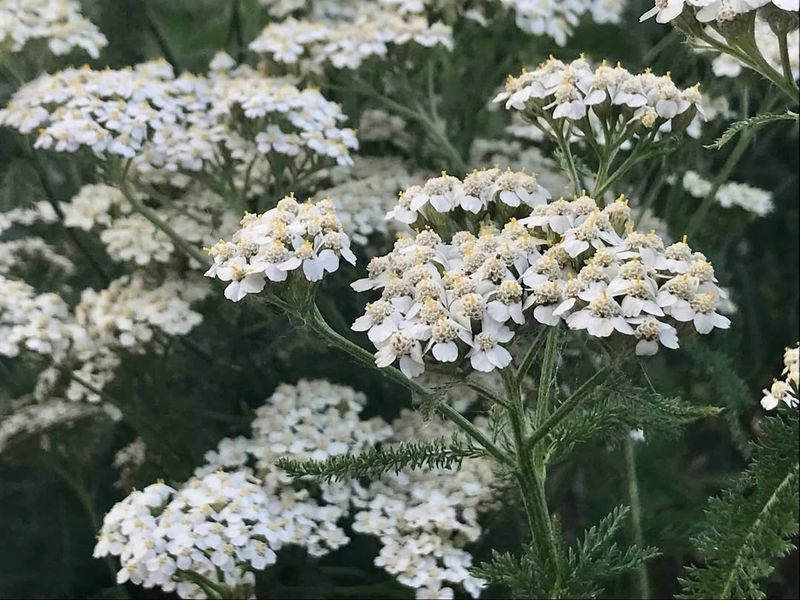
Yarrow has been cultivated for centuries, valued both for its ornamental qualities and traditional medicinal uses across many cultures.
The flat-topped flower clusters come in colors ranging from classic white and yellow to pink, red, and even salmon shades in modern cultivars.
These blooms appear from early summer through fall, providing months of color with minimal effort from gardeners.
Feathery, fern-like foliage creates attractive texture even when plants are not flowering, adding visual interest to Utah landscapes year-round.
The leaves release a pleasant, slightly spicy aroma when touched or crushed.
Yarrow handles Utah’s temperature fluctuations without any signs of stress, continuing to grow and bloom regardless of sudden weather changes.
The plants typically reach two to three feet in height, though compact varieties stay under one foot tall.
These perennials spread gradually through underground rhizomes, eventually forming substantial clumps that can be divided to create more plants.
They grow in almost any soil type and actually perform better in lean, infertile ground than in rich, amended beds.
Drought tolerance ranks extremely high with yarrow, which needs watering only during the most severe dry spells.
Beneficial insects, including ladybugs and lacewings, are attracted to the flowers, helping control pest populations naturally.
Deer avoid yarrow completely, making it perfect for gardens in areas with heavy wildlife pressure throughout Utah.
7. Hens And Chicks
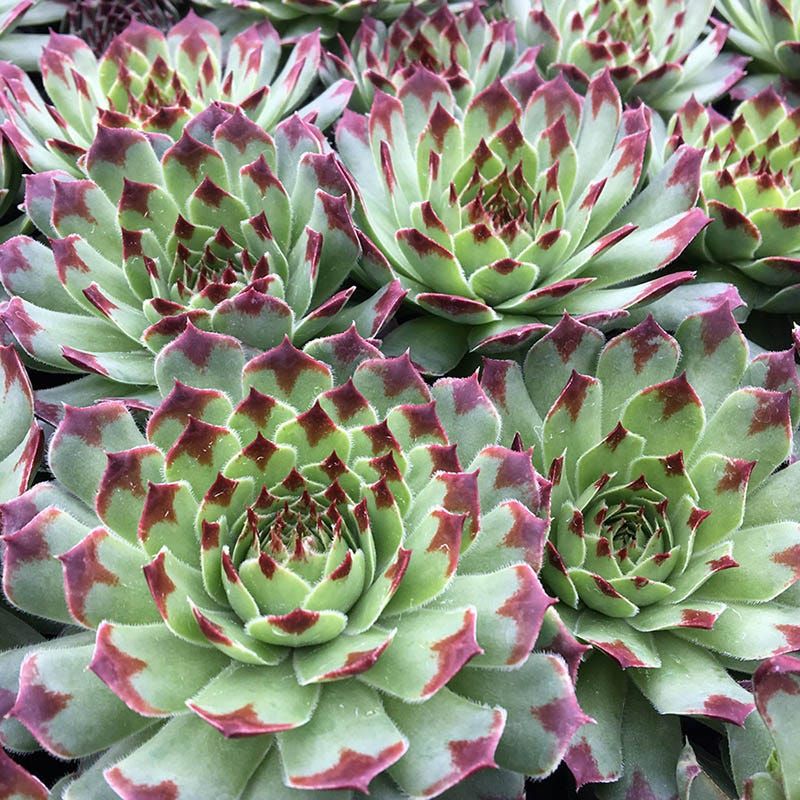
The whimsical name comes from the way these succulents grow, with small offsets (chicks) surrounding the main rosette (hen).
These charming little plants form tight rosettes of fleshy leaves in colors ranging from green and blue-green to burgundy, purple, and nearly black.
Many varieties change color dramatically with the seasons, becoming more intensely pigmented during Utah’s colder months.
Hens and chicks tolerate temperature extremes that would destroy most other succulents, surviving both summer heat and winter cold without protection.
They actually prefer cooler temperatures and can handle Utah winters down to well below zero without any damage.
The plants stay quite low, typically under six inches tall, making them perfect for rock gardens, container arrangements, and planting between stepping stones.
Occasional tall flower stalks emerge from mature rosettes, producing star-shaped blooms in shades of pink or yellow.
These succulents need virtually no water once established, surviving entirely on natural precipitation in most Utah locations.
They thrive in poor, rocky soil where other plants struggle, making them ideal for challenging spots.
Propagation could not be easier since the chicks can simply be plucked off and placed in new locations where they quickly root.
Hens and chicks never need fertilizing, dividing, or any special care beyond occasional weeding.
They work beautifully in living walls, green roofs, and other creative applications throughout Utah landscapes.
8. Catmint
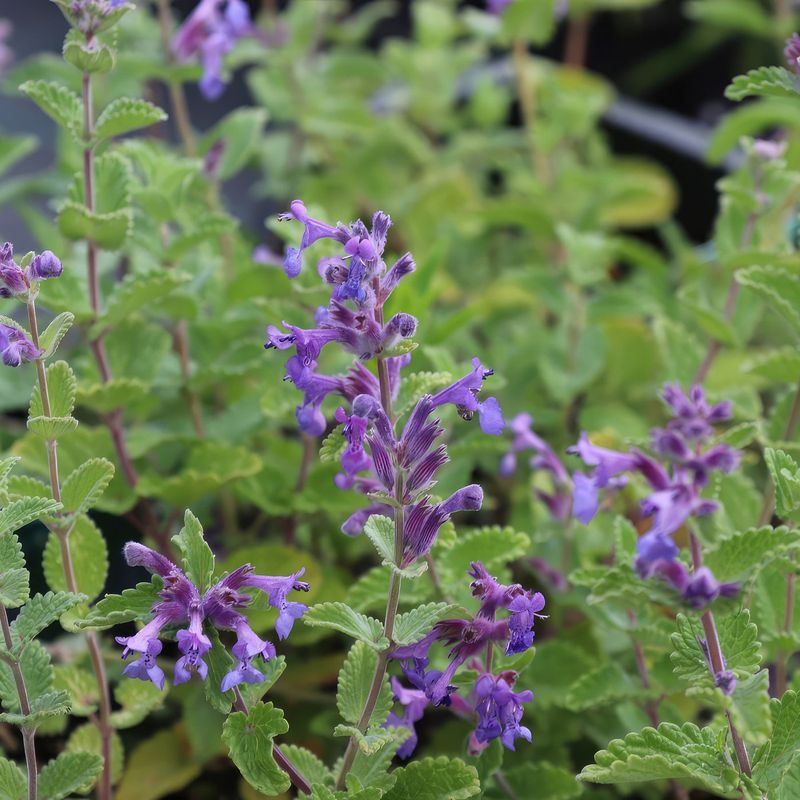
Catmint creates billowy mounds of aromatic, gray-green foliage topped with spikes of lavender-blue flowers from late spring through fall.
The name suggests that cats love this plant like they love catnip, though catmint actually attracts less feline attention than its cousin.
The minty fragrance does repel many common garden pests, making it a useful companion plant in Utah vegetable and flower gardens.
Temperature swings barely register with catmint, which continues growing and blooming through Utah’s unpredictable spring and fall weather patterns.
The plants typically reach between one and three feet in both height and width, creating substantial presence in garden beds.
Shearing plants back by about one-third after the first flush of bloom encourages fresh growth and additional flowering waves.
This simple maintenance task takes only minutes but dramatically extends the blooming season.
Catmint grows in full sun to partial shade, though flowering is most prolific in brighter locations throughout Utah.
The plants tolerate a wide range of soil types and need only occasional watering once their root systems are established.
Bees and butterflies visit the flowers constantly, while deer and rabbits avoid the aromatic foliage completely.
Catmint rarely suffers from pest or disease problems, making it truly carefree in Utah gardens.
The soft, mounding habit makes catmint perfect for edging paths, softening hard landscape edges, or spilling over retaining walls in Utah landscapes.