10 Hardy Shrubs That Thrive With Almost No Care In North Carolina Landscapes
From the salt spray of the Outer Banks to the rugged winters of the Blue Ridge, North Carolina presents a chaotic gauntlet for even the most experienced gardener.
Our state is a botanical crossroads where extreme humidity and sudden temperature swings can easily decimate high-maintenance nursery finds.
The secret to a professional-grade landscape lies in selecting “set and forget” shrubs that view our red clay and sandy loam as an opportunity rather than a challenge.
Most homeowners waste their weekends pruning and feeding delicate varieties that were never meant for the Southern heat.
Instead, these ten battle-tested shrubs have earned their reputation by thriving on neglect while providing year-round structure and vibrant color.
Whether you are dealing with a steep Piedmont slope or a shady mountain cove, these reliable workhorses offer the ultimate shortcut to a gorgeous yard.
It is time to stop struggling with temperamental plants and start growing a garden that actually works for you.
1. Juniper (Juniperus spp.)
Junipers are some of the toughest plants you will ever put in the ground, and North Carolina gardeners absolutely love them for it.
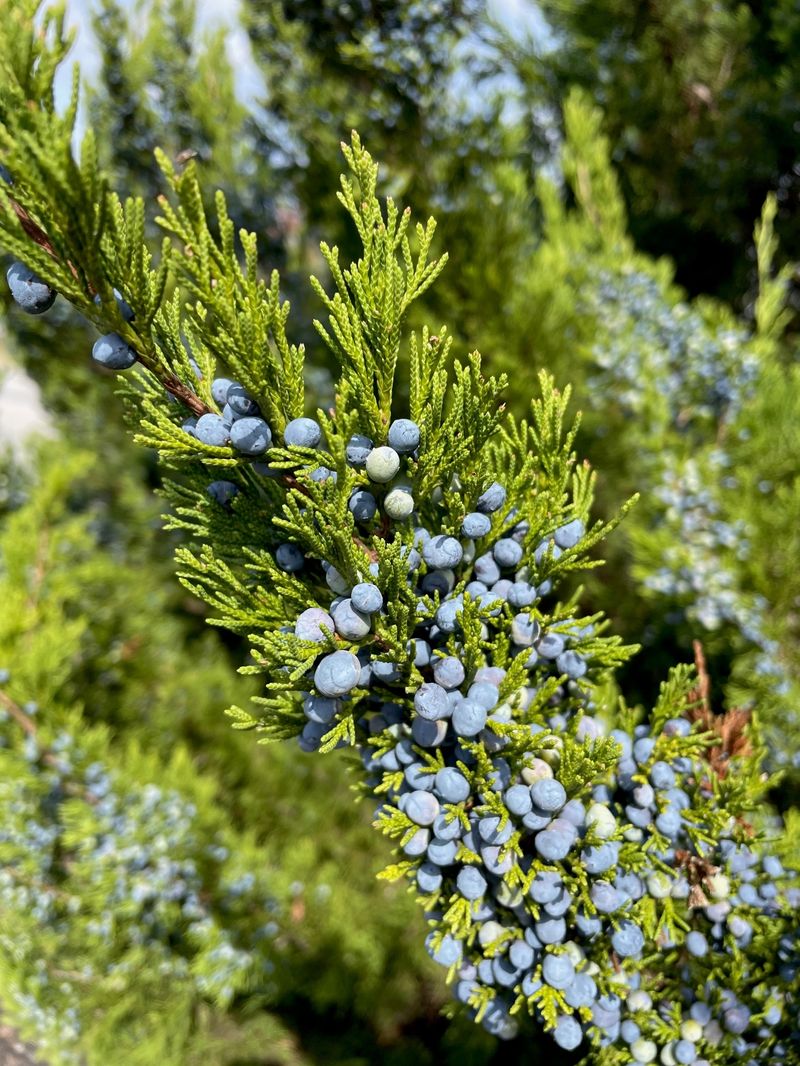
These evergreen shrubs come in a wide range of shapes and sizes, from low, ground-hugging spreaders to tall, columnar varieties that add bold vertical interest.
Once established, they practically run on autopilot, thriving in poor soils and full sun without asking for much water at all.
What makes junipers especially appealing across North Carolina is their incredible adaptability.
Whether you are gardening in the sandy soils near the coast or the clay-heavy Piedmont region, junipers adjust and push forward without missing a beat.
Their needle-like foliage stays vibrant green, blue-green, or even silvery year-round, giving your landscape consistent texture and color no matter the season.
Pest problems are rarely an issue with established junipers, and they handle drought conditions with impressive ease. A light trim every now and then keeps them looking sharp, but honestly, many gardeners never bother.
Planting junipers in a spot with good drainage and plenty of sunlight is really all it takes to set them up for long-term success.
They are a true set-it-and-forget-it shrub that rewards North Carolina gardeners season after season without demanding anything in return.
2. Boxwood (Buxus spp.)
Few shrubs carry as much timeless elegance as the boxwood, and it has been a staple in North Carolina gardens for generations.
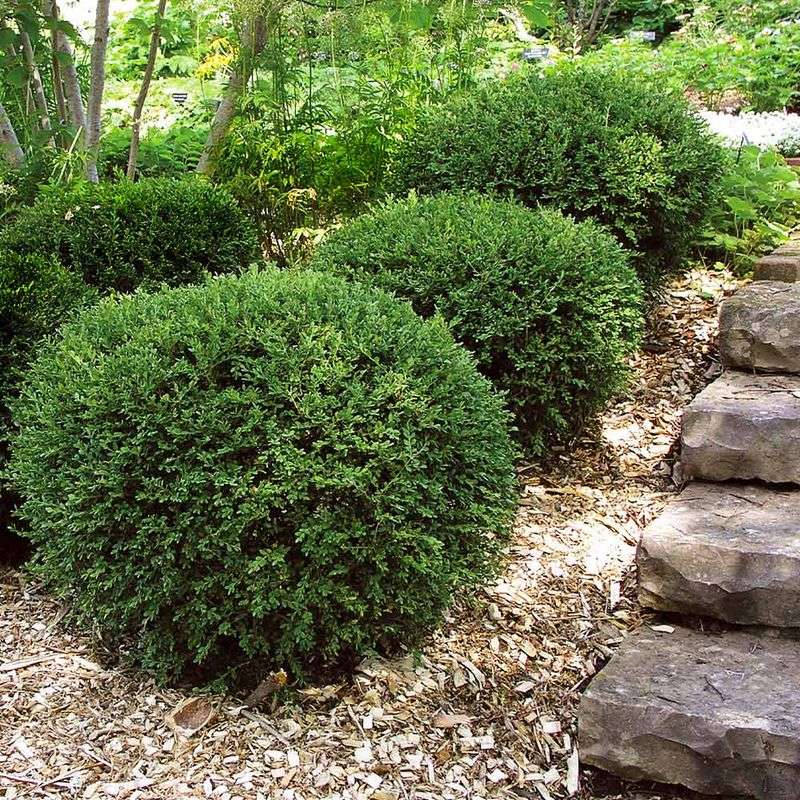
Walk through any historic neighborhood in Raleigh or Charlotte, and you are almost guaranteed to spot these dense, rounded shrubs lining pathways and framing front doors.
Their rich, dark green leaves hold their color through all four seasons, giving any landscape a polished, put-together look without much effort at all.
Boxwoods adapt well to a range of soil types and light conditions, which makes them incredibly versatile across the state.
They handle both full sun and partial shade, and once their root systems are firmly established, they can tolerate short dry spells with ease.
A little mulch around the base helps retain moisture and keeps roots comfortable during North Carolina’s warmer summer months.
Maintenance is refreshingly minimal with boxwoods. An occasional trim keeps them tidy and defined, and most gardeners only need to do this once or twice a year.
Fertilizing lightly in spring gives them a gentle boost, but even that step is optional. Choosing a blight-resistant variety like “Green Mountain” or “Sprinter” adds extra peace of mind.
Boxwoods are genuinely one of the most reliable, low-fuss shrubs you can plant in a North Carolina landscape, rewarding patience with years of dependable, structured beauty.
3. Spirea (Spiraea spp.)
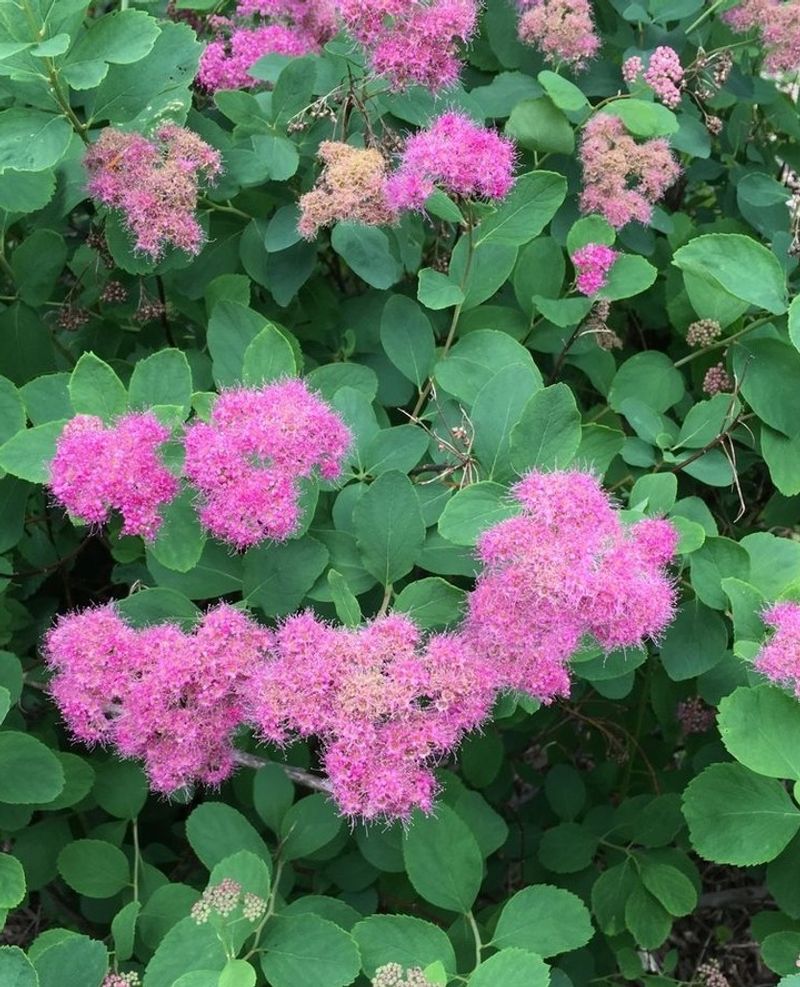
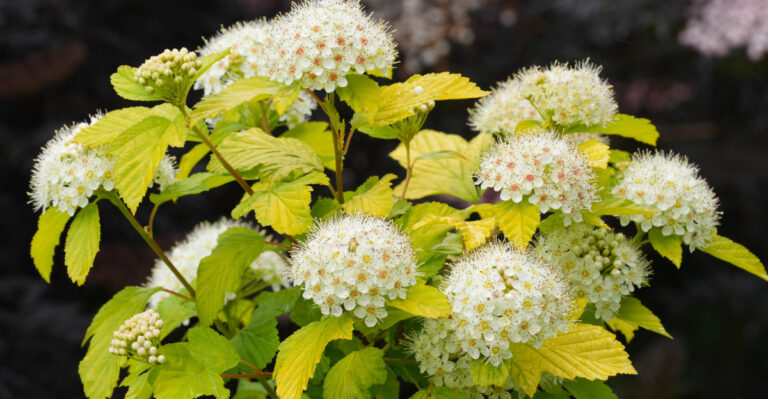
Something magical happens in a North Carolina garden when spirea bursts into bloom. Suddenly, the whole shrub is smothered in tiny, clustered flowers in shades of pink, white, or red, and the effect is nothing short of spectacular.
Spirea is one of those plants that gives you a lot of visual payoff without asking for much time or effort in return, which is exactly why gardeners across the Piedmont and coastal plain love growing it.
This shrub is genuinely tough. It handles heat, tolerates a range of soil conditions, and grows happily in full sun or light partial shade.
After blooming in late spring or early summer, many varieties of spirea will surprise you with a second flush of flowers later in the season if you give them a light trim right after the first round fades.
That quick snip encourages fresh growth and keeps the plant looking full and tidy. Established spirea plants are remarkably drought-tolerant, making them a smart choice for North Carolina gardeners who want color without constant watering.
Varieties like “Goldflame” add extra interest with foliage that shifts from orange in spring to golden yellow in summer. “Double Play” series spireas are especially popular for their long bloom time and compact habit.
Plant spirea in a sunny border or along a fence line, and watch it reward you with seasons of cheerful, carefree beauty year after year.
4. Nandina (Nandina Domestica)
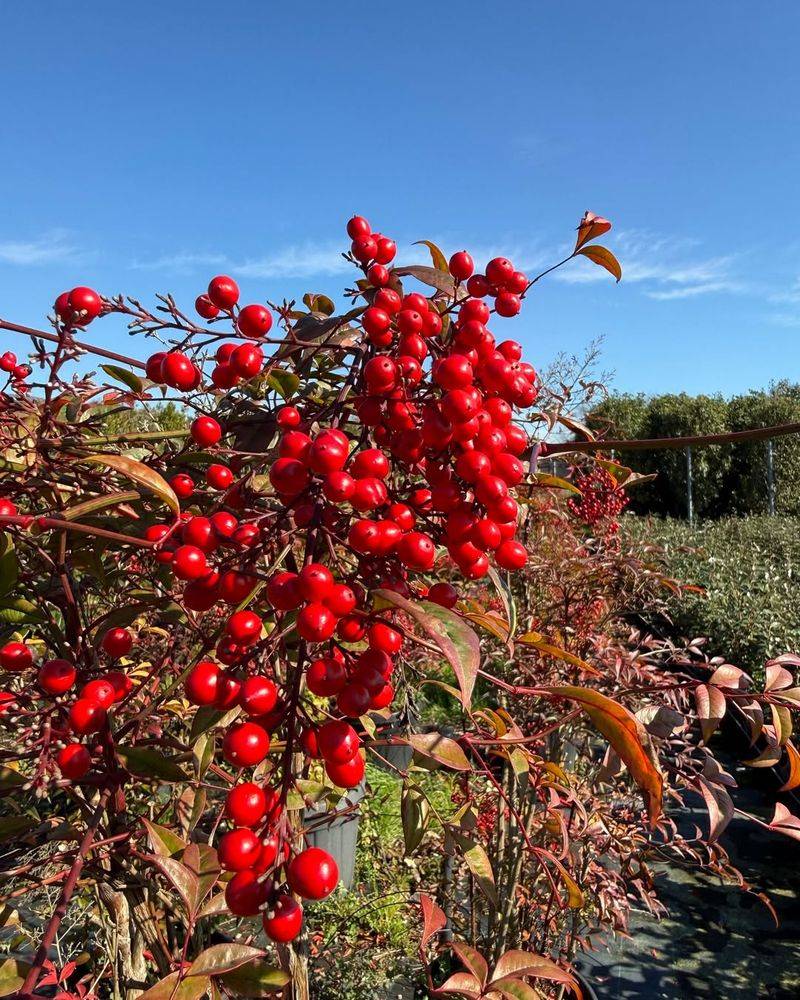
Nandina, often called Heavenly Bamboo, is one of those shrubs that earns its keep in the garden every single month of the year.
In spring, the new foliage flushes in shades of pink and bronze. Summer brings lush green leaves and white flower clusters.
By fall, the leaves shift to brilliant reds and purples, and winter shows off clusters of bright red berries that look like nature hung its own decorations.
North Carolina gardeners who want year-round color without constant work absolutely love this plant. One of nandina’s greatest strengths is its flexibility.
It grows well in full sun, partial shade, and even fairly deep shade, which is rare for a shrub that also produces colorful foliage.
It handles drought once established, tolerates a range of soil types from sandy coastal soils to the heavier clay found across the Piedmont, and rarely shows signs of stress even during North Carolina’s hottest summers.
Pruning is optional with nandina, though cutting a few of the oldest canes down to the ground every couple of years keeps the plant looking fresh and full.
Compact varieties like “Firepower” stay naturally tidy and work beautifully in small spaces or container gardens.
Nandina is a genuinely fuss-free shrub that suits both formal and naturalistic landscapes, making it one of the most versatile choices available to North Carolina gardeners today.
5. Loropetalum (Loropetalum Chinense)
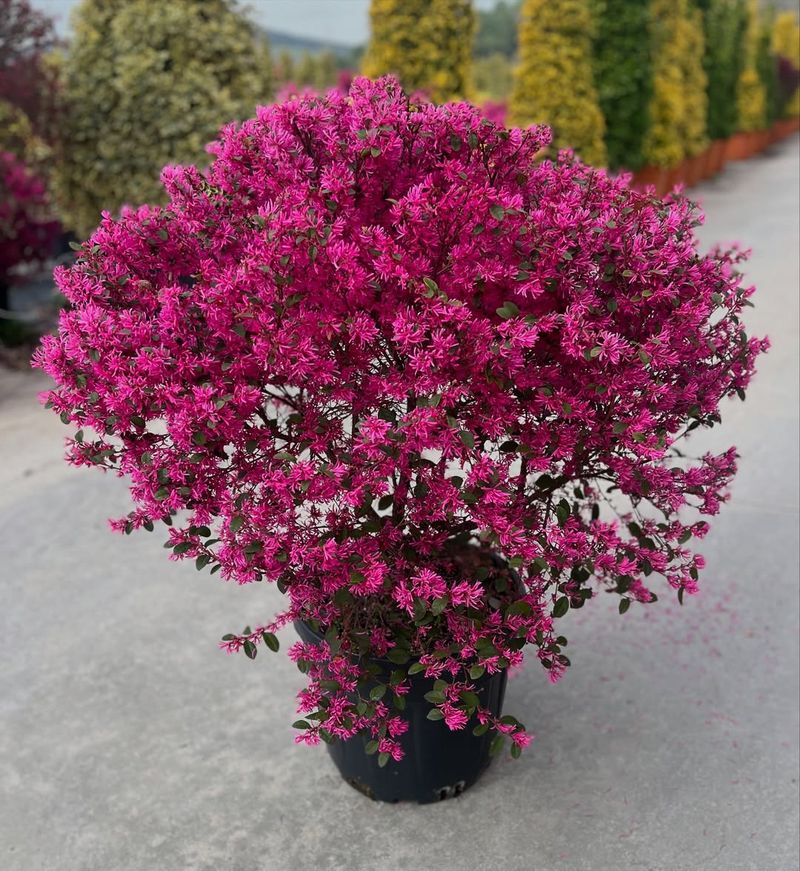
If you want a shrub that stops people in their tracks, loropetalum is your answer.
Also called Chinese fringe flower, this evergreen beauty features deep burgundy or rich green foliage paired with the most eye-catching fringy flowers in shades of hot pink or creamy white.
When it blooms in early spring, the whole plant looks like it is wearing a celebration. North Carolina gardeners from the mountains to the coast have embraced loropetalum as one of the most showstopping, low-maintenance shrubs available.
Loropetalum thrives in full sun to partial shade, making it flexible enough to work in many different spots around the yard.
It prefers slightly acidic, well-drained soil, which is exactly what much of North Carolina naturally offers.
Once established, it handles drought with ease and rarely needs supplemental watering beyond its first growing season.
The deep-colored foliage holds beautifully through summer heat and stays attractive all the way into winter.
Pruning is only necessary if you want to shape or limit its size, and even then, a light trim right after the spring bloom is all it needs.
Varieties like “Plum Delight” and “Crimson Fire” stay compact and colorful without becoming unruly.
Loropetalum works wonderfully as a foundation planting, a colorful hedge, or a bold focal point in mixed borders. For North Carolina gardeners who crave drama without the upkeep, this shrub is simply hard to beat.
6. American Holly (Ilex Opaca)
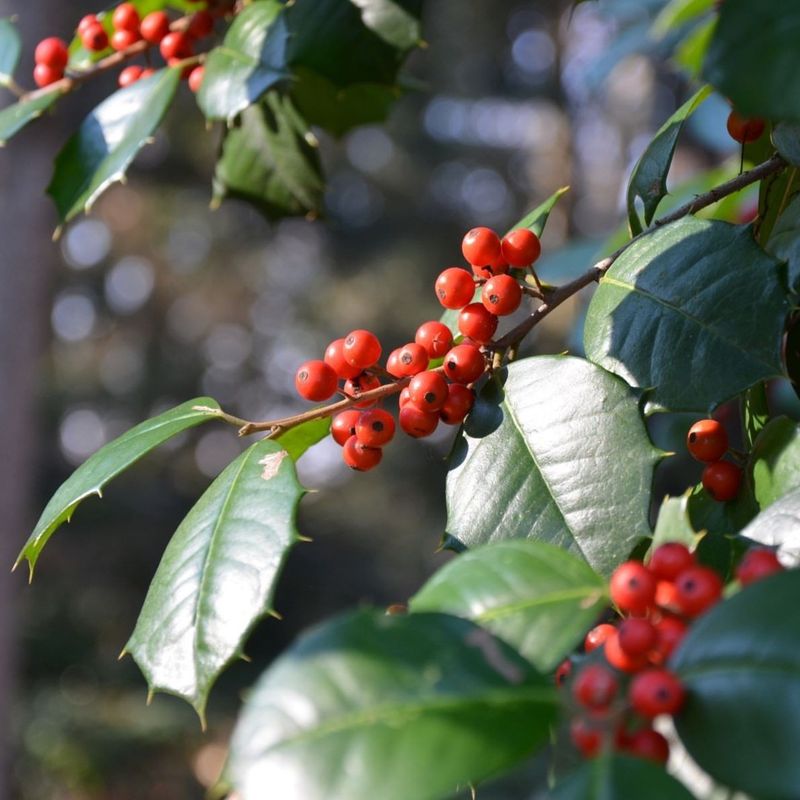
American holly is one of those plants that feels deeply rooted in North Carolina’s natural landscape, because it literally is.
This native evergreen grows wild throughout the state, from the coastal plain all the way up into the foothills, and it has been doing so for thousands of years without any human help.
That long track record of survival tells you everything you need to know about how tough and self-sufficient this shrub truly is.
In the home landscape, American holly thrives in full sun to partial shade and adapts to a wide range of soil conditions.
It handles both wet and dry spells, tolerates the clay soils common across the Piedmont, and even manages the sandy, nutrient-poor soils found closer to the coast.
Once it gets established, which usually takes just one or two growing seasons, it needs very little watering or feeding to stay healthy and vibrant. The real showstopper with American holly is its winter display.
Female plants produce clusters of bright red berries that cling to the branches for months, drawing in birds like cedar waxwings and mockingbirds and adding cheerful color to the cold-season garden.
Planting one male holly nearby ensures good berry production on the female plants.
With its glossy, deep green foliage and brilliant winter berries, American holly brings four-season beauty to North Carolina landscapes with almost no effort required from the gardener.
7. Oakleaf Hydrangea (Hydrangea Quercifolia)
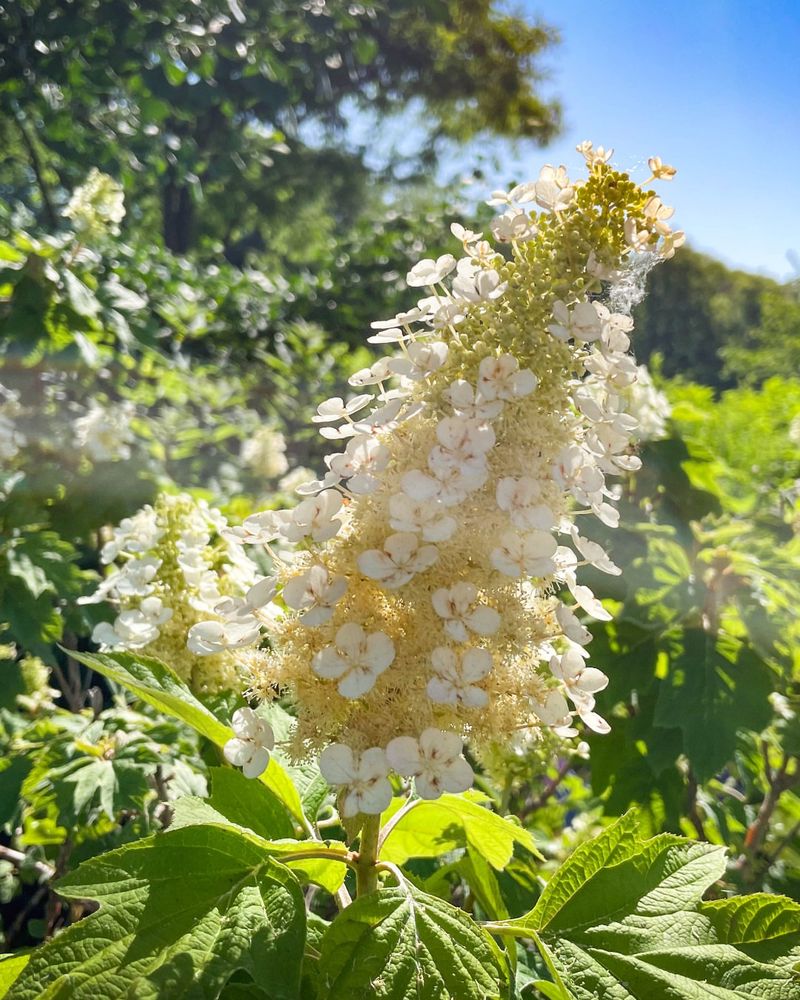
Native to the southeastern United States, the oakleaf hydrangea is a plant that was practically born for North Carolina gardens.
It grows naturally in woodland edges and shaded slopes, which means it already knows how to handle the state’s humid summers and occasionally dry spells without any extra coaxing.
Gardeners who have struggled with more finicky hydrangea varieties often find the oakleaf type to be a revelation, thriving with far less fussing and far more confidence.
The flowers are genuinely impressive. Large, cone-shaped clusters of white blooms appear in early summer, sometimes stretching up to a foot long, and they slowly age to a soft parchment color that looks beautiful well into fall.
As the season cools, the deeply lobed, oak-shaped leaves turn shades of burgundy, orange, and red, giving the shrub a second act of seasonal color.
Even in winter, the peeling, cinnamon-colored bark adds texture and visual interest to the garden. Oakleaf hydrangeas prefer partial shade and well-drained, moist soil, but they handle dry conditions far better than most hydrangeas once their roots are established.
They rarely need pruning since they bloom on old wood, meaning cutting them back at the wrong time removes next year’s flower buds.
Across North Carolina, this shrub fits beautifully under tall trees, along shaded borders, or in naturalized garden spaces where its bold, layered beauty can truly shine without interference.
8. Witch Hazel (Hamamelis Virginiana)
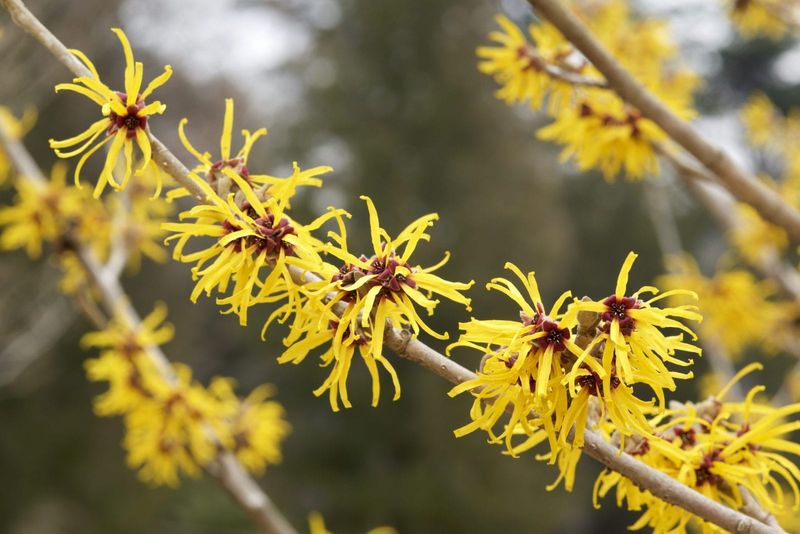
Witch hazel has a superpower that almost no other shrub can claim: it blooms in late fall and winter, right when everything else in the garden has gone quiet.
Those bright yellow, ribbon-like flowers appear on bare branches from October through December, sometimes even pushing through a light frost without flinching.
For North Carolina gardeners who want something interesting happening in the winter landscape, witch hazel is practically unmatched in its ability to deliver unexpected beauty during the coldest months.
This native shrub grows naturally in woodlands and stream banks across North Carolina, so it is perfectly adapted to the state’s climate and soil conditions.
It prefers partial shade and moist, well-drained soil, though it handles drier conditions with surprising tolerance once established.
The large, rounded leaves turn golden yellow in fall before dropping, giving the shrub a warm, glowing presence even before the flowers arrive.
It rarely needs pruning and is largely resistant to the pests and diseases that trouble other landscape plants.
Witch hazel grows at a moderate pace and eventually reaches eight to fifteen feet in height, making it an excellent choice for the back of a mixed border or as a naturalized specimen beneath taller trees.
Its fragrant flowers carry a light, sweet scent that can perfume the winter air on a mild afternoon.
For gardeners in North Carolina who want a low-maintenance shrub that offers genuine four-season interest, witch hazel is a deeply rewarding and often underused choice.
9. Viburnum (Viburnum spp.)
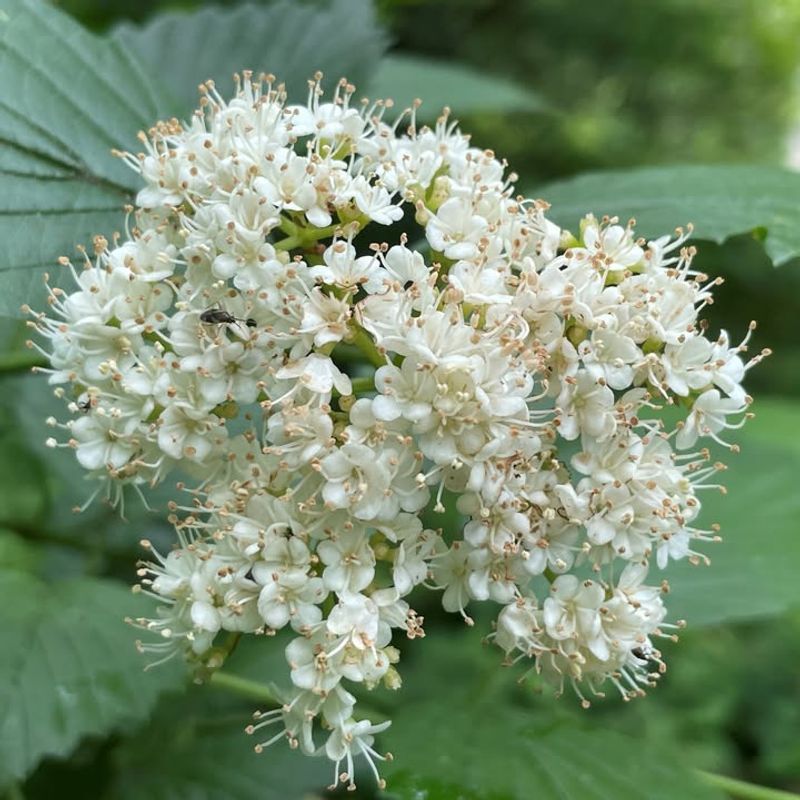
Viburnum is one of those shrub families that seems to have an answer for every garden situation in North Carolina.
With dozens of species and cultivars to choose from, you can find a viburnum that fits a sunny border, a shaded woodland edge, a wet spot near a drainage area, or a dry hillside with rocky soil.
That remarkable range of adaptability is exactly why experienced gardeners across the state keep coming back to viburnums again and again when planning a low-maintenance landscape.
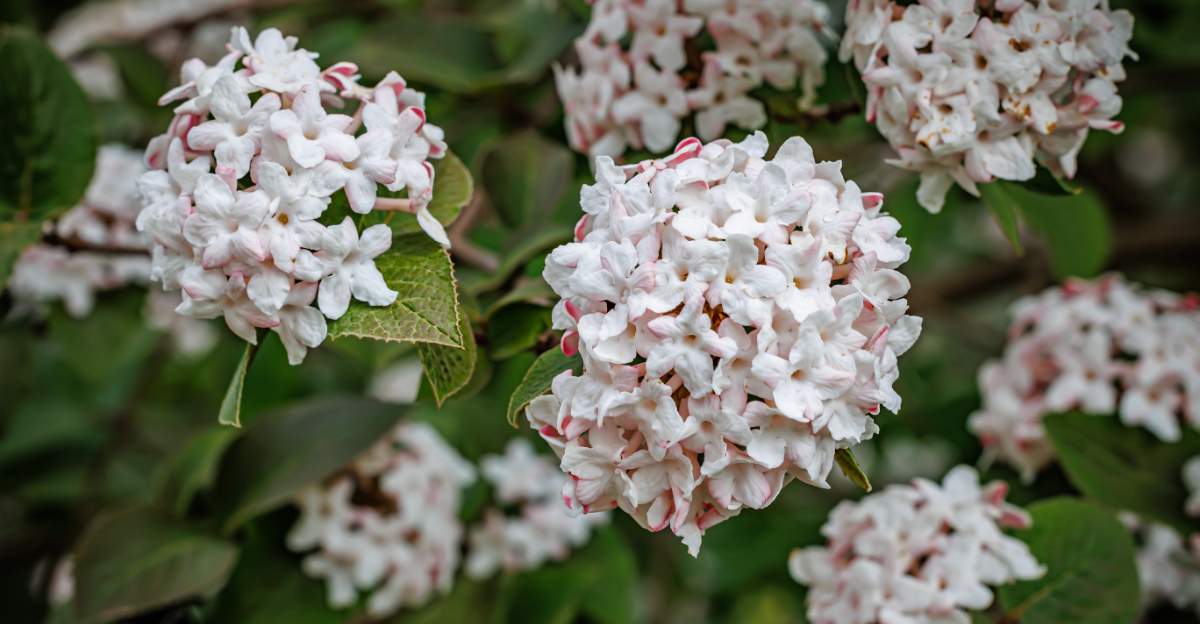
Spring blooms are one of viburnum’s biggest selling points. Clusters of white or soft pink flowers appear in April and May, filling the air with a sweet fragrance that carries surprisingly far on a warm afternoon.
After the flowers fade, many varieties produce small berries in shades of red, blue, or black that ripen through summer and fall, drawing in songbirds and adding ornamental interest long after the blooms have passed.
The foliage often turns rich shades of burgundy and orange as temperatures cool in autumn. Once established, viburnums are impressively drought-tolerant and need very little care beyond occasional shaping.
Arrowwood viburnum and blackhaw viburnum are two native species especially well-suited to North Carolina gardens, handling both heat and cold without complaint.
A light layer of mulch around the base helps retain soil moisture and keeps roots comfortable.
Viburnums truly earn their reputation as one of the most rewarding, effortless shrubs a North Carolina gardener can grow.
10. Barberry (Berberis spp.)
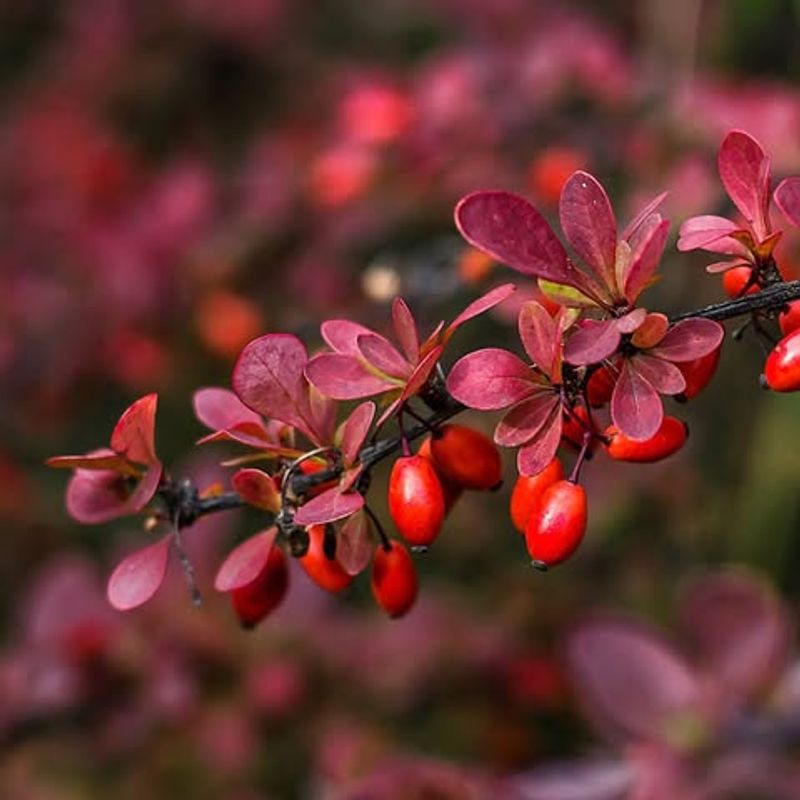
Bold, colorful, and almost impossibly tough, barberry is the kind of shrub that makes a strong first impression and then keeps delivering season after season.
The foliage comes in striking shades of deep red, rich purple, and bright golden yellow depending on the variety, giving North Carolina landscapes a pop of color that looks intentional and polished without requiring any special effort to maintain.
Even on a cloudy day, a well-placed barberry catches the eye and anchors a planting bed with real visual weight.
Barberries thrive in full sun, where their foliage color is most vibrant, though they tolerate partial shade without much complaint.
They handle drought like champions once established, making them especially practical for gardeners across the drier Piedmont region or in spots where irrigation is limited.
The dense, thorny branches also make barberry a surprisingly effective barrier plant along property edges or beneath windows where you want to discourage foot traffic naturally. Disease resistance is another strong point for barberry.
These shrubs rarely suffer from the fungal issues that trouble other landscape plants in North Carolina’s humid summers, and insect pests tend to leave them alone.
Pruning is minimal since most varieties maintain a naturally tidy, rounded shape on their own. “Rosy Glow,” “Golden Nugget,” and “Crimson Pygmy” are popular compact varieties that fit well in smaller spaces.
For year-round color with almost zero maintenance, barberry is a dependable and genuinely impressive choice for North Carolina gardeners.